
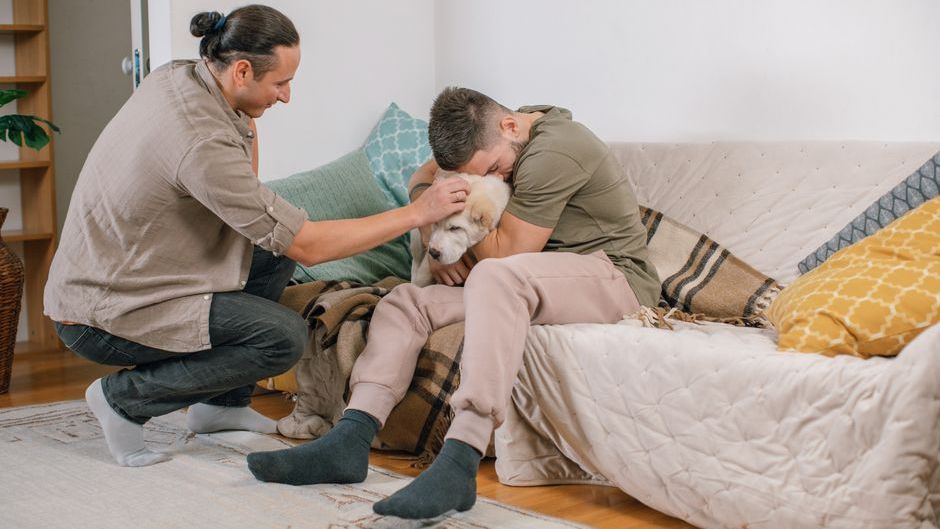
Dogs have an uncanny way of picking up on the subtle shifts in our moods, often before we even notice them ourselves. It is almost as if they have tuned into a frequency we cannot quite hear, turning everyday moments into quiet acts of support. This kind of connection feels deeper than simple companionship, raising the question of what exactly they are responding to when they linger close or offer a gentle nudge at just the right time.
Following You From Room to Room
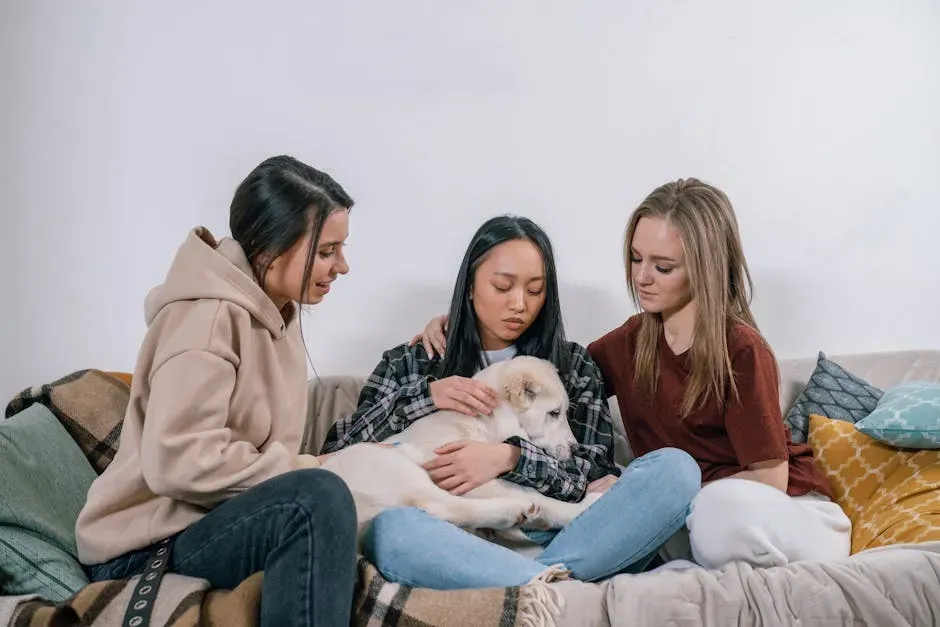
Many dogs develop a habit of trailing their person through the house, pausing at doorways or settling nearby even during routine tasks. This shadowing often intensifies when the household feels tense or when one person shows signs of fatigue or worry. The behavior creates a steady presence that can ease feelings of isolation without any dramatic display.
Owners sometimes notice the dog choosing spots that maintain a clear line of sight, adjusting position as the day unfolds. Such attentiveness goes beyond basic pack instinct and seems tailored to the individual’s emotional rhythm. Over time it becomes a reliable signal that the dog has taken on a supportive role in daily life.
Leaning or Pressing Against You During Stress
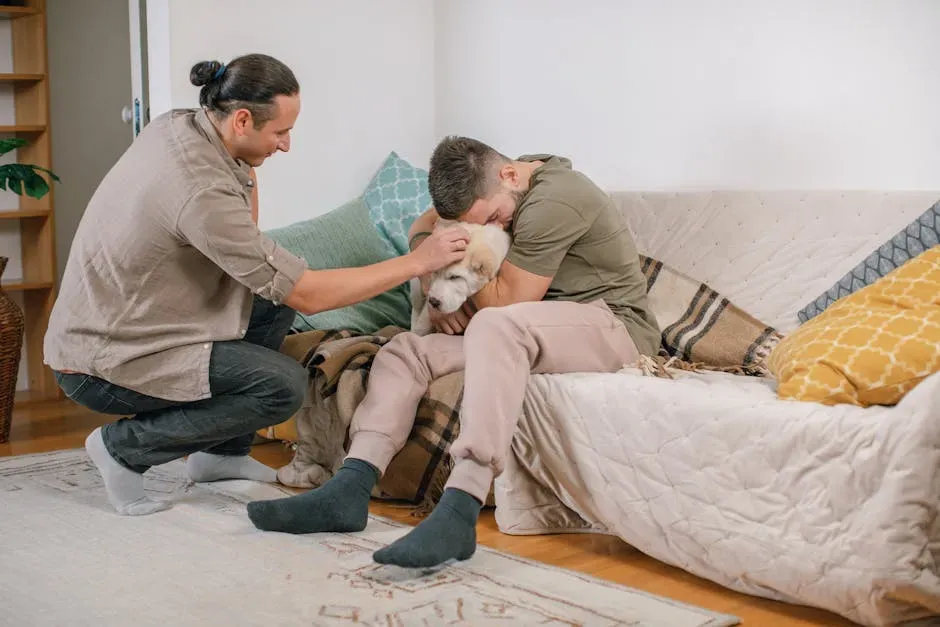
A dog that leans its full weight into your leg or side during conversations or quiet evenings often does so in response to changes in breathing or posture. The contact provides a grounding sensation that many people describe as calming, almost like a living anchor. This physical closeness tends to appear more frequently around moments of frustration or sadness rather than during playful times.
The action requires no command and happens spontaneously, suggesting the dog has learned which situations call for extra proximity. It differs from general affection because the timing aligns closely with human emotional cues. Repeated patterns like this point to a deliberate choice to offer comfort through simple touch.
Bringing Toys or Objects When You Seem Low
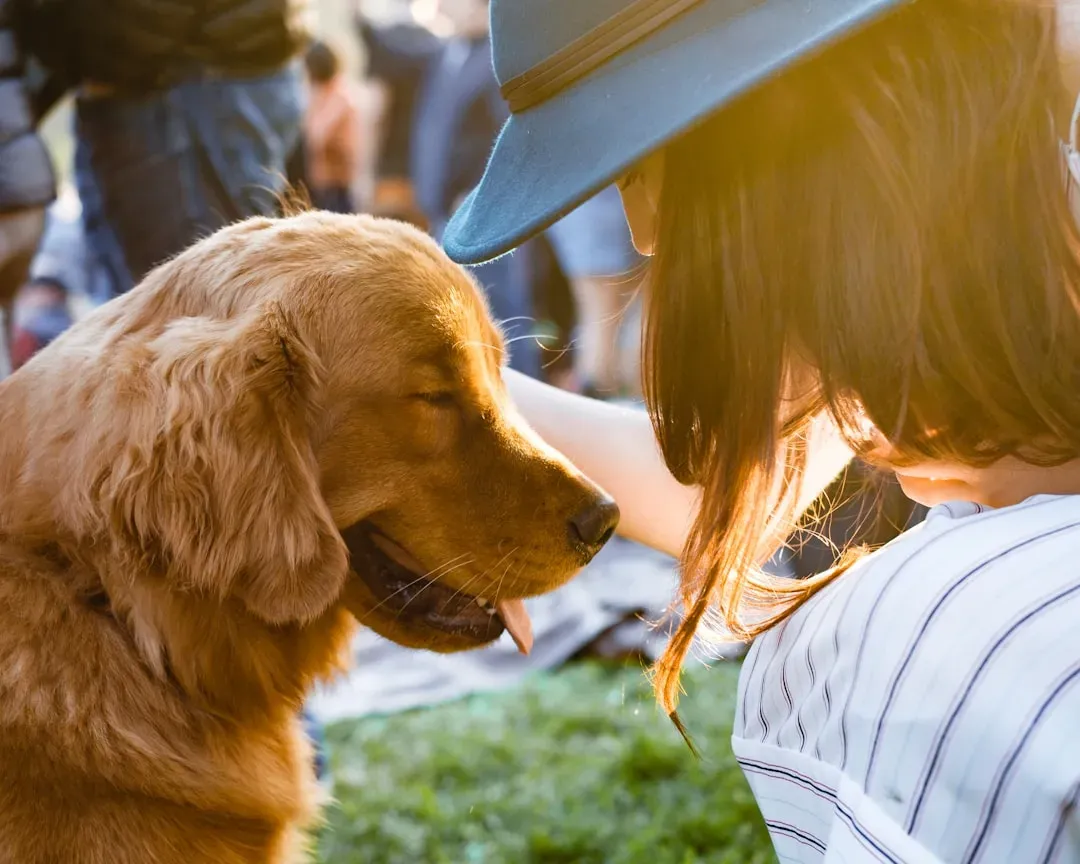
Some dogs start presenting favorite toys or household items precisely when their person sits quietly or sighs heavily. The offering serves as an invitation to engage, shifting focus away from whatever weighs on the mind. This gesture appears consistently enough that owners begin to recognize it as a response rather than random play.
The choice of item can vary, yet the delivery always carries a gentle persistence until some interaction occurs. It reflects an understanding that shared activity can lift spirits, even if the dog cannot name the feeling. Such targeted behavior shows the animal has mapped emotional states to specific actions that help restore balance.
Responding to Voice Tone With Immediate Proximity
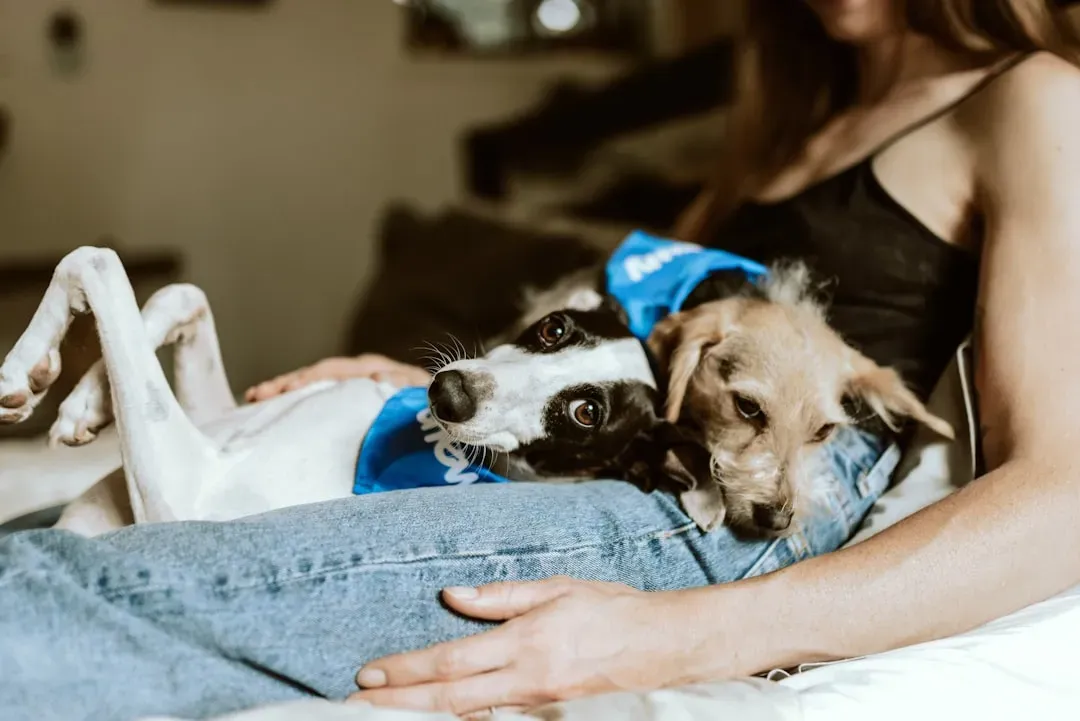
Dogs often adjust their location the moment a voice drops in pitch or carries a heavier tone, moving closer without being called. The shift happens quickly and feels instinctive, as though the sound itself triggers a need to stay near. This sensitivity extends to phone calls or one sided conversations where the speaker sounds strained.
Over weeks or months the pattern becomes predictable, with the dog appearing at the person’s side during low moments and staying until the energy changes. It requires no training and emerges from close observation of daily routines. The consistency marks a conscious alignment with the emotional landscape of the home.
Refusing to Leave Your Side Even for Preferred Activities
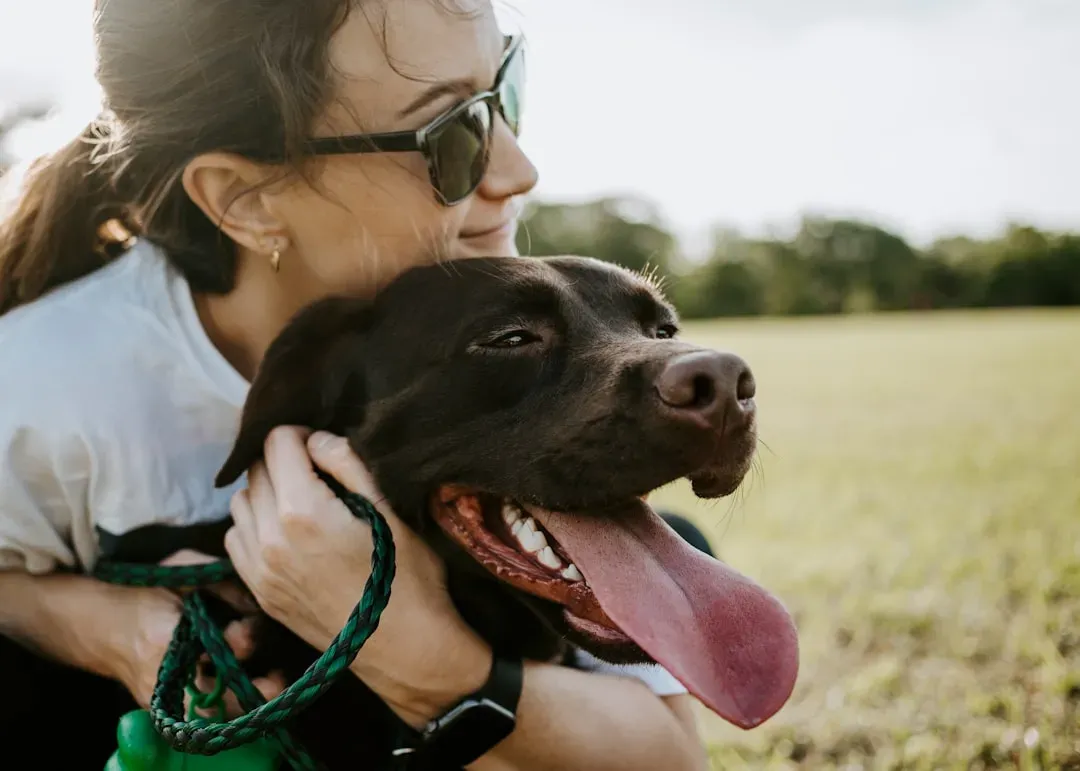
A dog that turns down walks, meals, or favorite toys to remain beside a person during difficult periods demonstrates a clear priority shift. The choice stands out because it overrides usual drives, showing the bond has taken precedence. Owners frequently notice this during illness, grief, or extended periods of stress at home.
The refusal lasts only as long as the emotional climate feels unsettled, after which normal interests return. This selective focus reveals an ability to read context and respond accordingly. It underscores how some dogs actively shape their behavior around the well being of their chosen human.
These quiet choices dogs make remind us that emotional support flows in both directions, often without words or fanfare. The real value lies in recognizing the pattern and meeting it with the same steady presence they offer. In the end, the relationship grows stronger when both sides feel seen and steadied by the other.


