
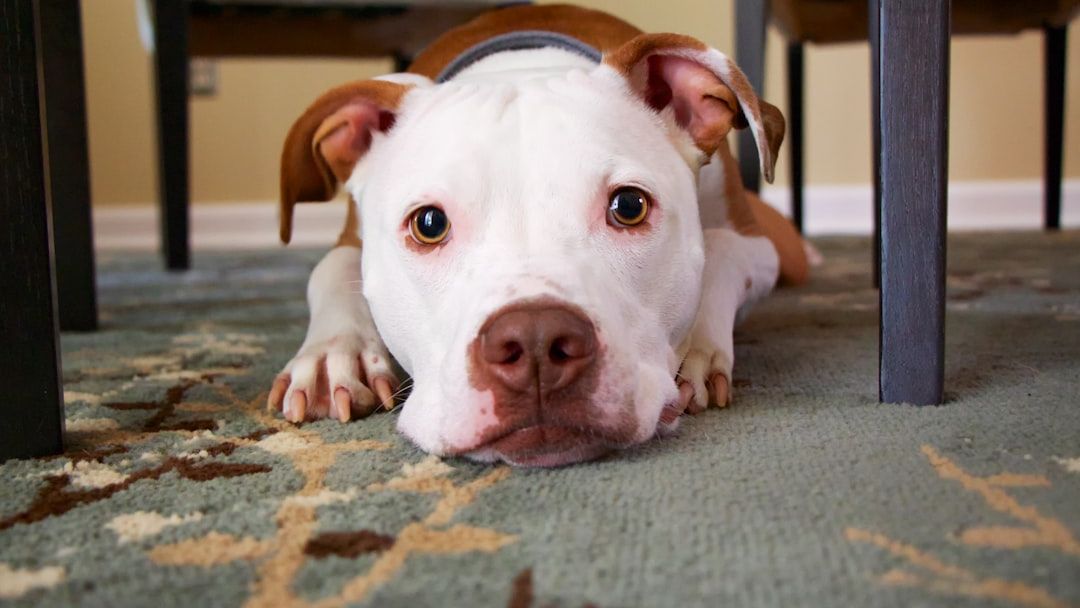
Nobody wants to believe the signs are there. But they almost always are – small, easy-to-miss shifts in behavior that only make sense in hindsight, weeks after the hardest goodbye. The cruelest part isn’t the loss itself. It’s the replaying. Owners scroll back through old videos and see it all clearly: the long stares, the skipped toys, the one deliberate moment of closeness that felt different but went unremarked at the time.
Vets see these patterns consistently in the final weeks of a dog’s life, yet almost none of them match what most people expect. There’s rarely drama. Rarely noise. What’s coming is far quieter – and far more tender – than you’d think. These are the 13 things dogs do that most owners only recognise after they’re gone.
#13 – Seeking Out Unusual Quiet Corners
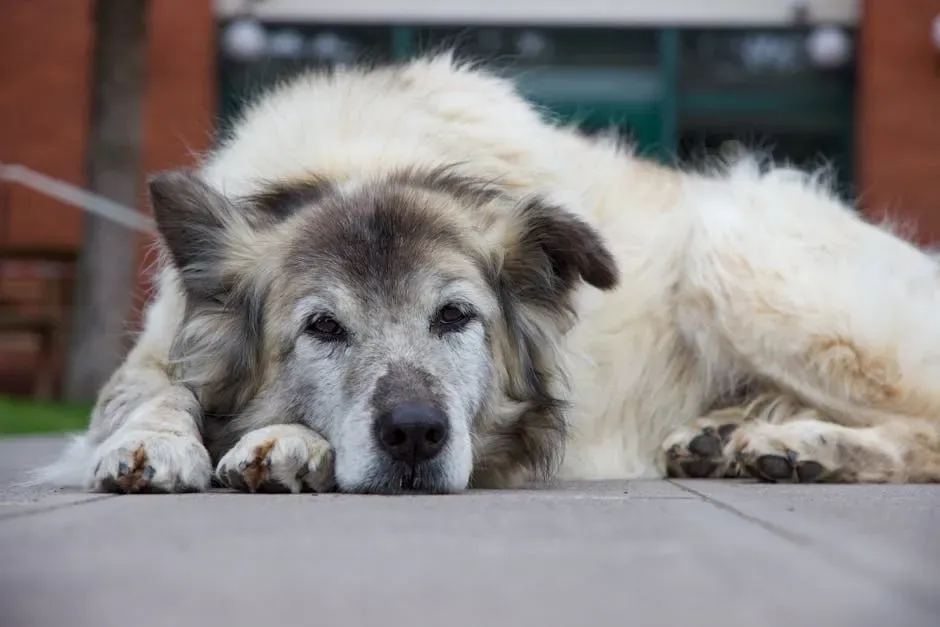
Most dogs spend years claiming the same spot – the corner of the couch, the patch of sunlight near the back door, the foot of the bed. So when a dog starts turning up behind the washing machine or tucked into the spare room nobody uses, it reads like a quirk. It doesn’t read like a warning.
This withdrawal is instinctive, not emotional rejection. As discomfort builds and energy drops, dogs seek low-traffic spaces where they can rest without being jostled or startled. Owners later recall it clearly – the dog wasn’t being aloof, it was quietly managing what little reserves it had left. The preference can flip day to day with no obvious trigger, which is exactly why it gets written off until there’s nothing left to write off.
Fast Facts
- Seeking unusual rest spots is one of the earliest documented behavioral changes in dogs nearing end of life.
- Body temperature regulation declines in the final weeks, making cool, sheltered corners feel safer and more comfortable.
- The behavior can appear weeks before any visible physical symptoms – and is easily mistaken for a simple new preference.
- Both withdrawal and increased clinginess are recognized responses; every dog expresses this shift differently.
#12 – Subtle Shifts in Eye Contact and Staring
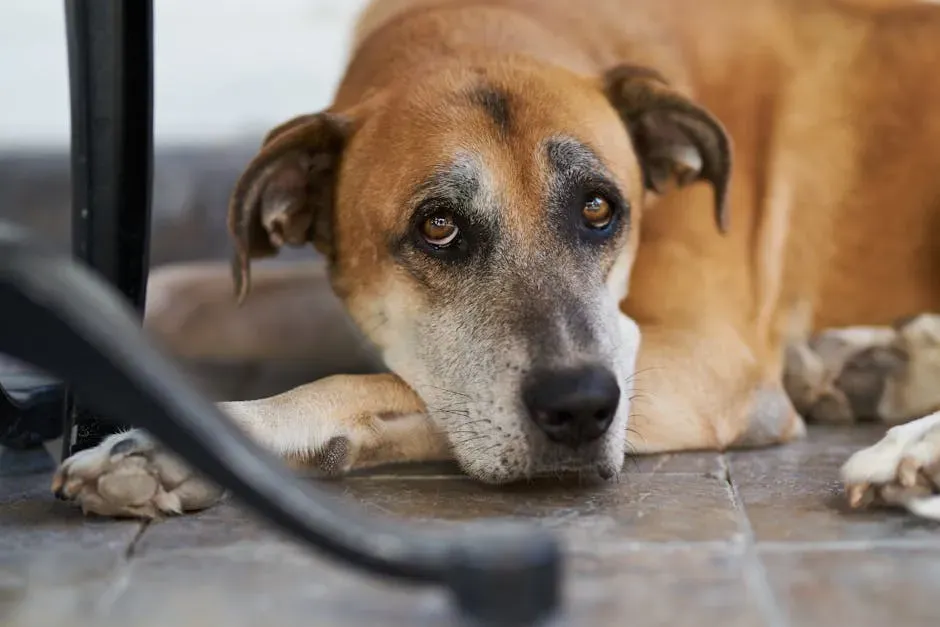
A dog gazing at a blank wall isn’t dramatic. It doesn’t bark, doesn’t whine, doesn’t seem distressed. It just stares – at a corner, at the middle distance, at something no one else in the room can see. Most families chalk it up to daydreaming. Some find it faintly amusing and film it.
Vets connect this to mild cognitive changes and low-grade disorientation that creep in during the final weeks. The dog is still present, still responsive, but processing its surroundings differently. It’s one of the earliest behavioral shifts families notice in old home videos and one of the hardest to have recognised in the moment, precisely because nothing about it looks like suffering.
#11 – Quietly Ignoring Favorite Toys
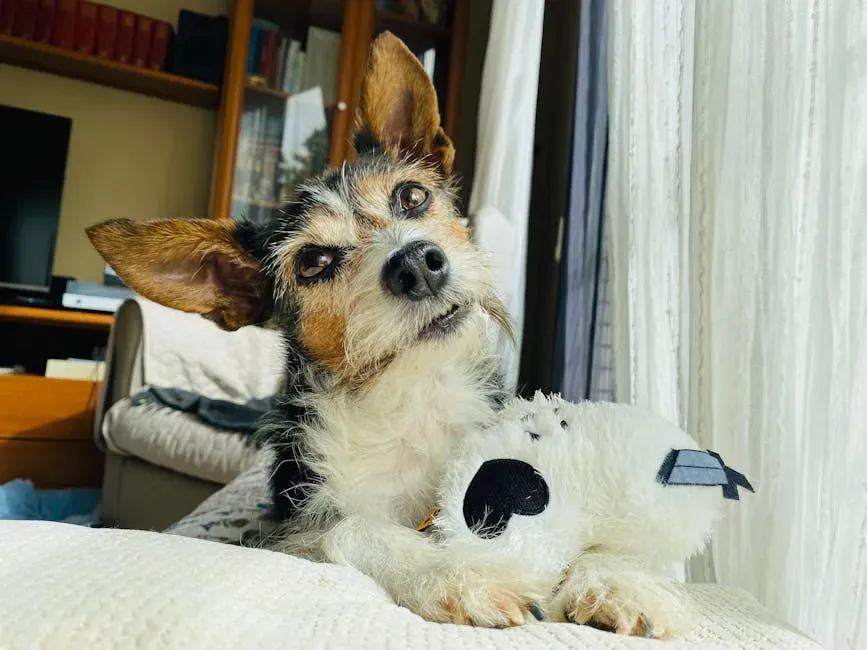
There’s no dramatic turning away. The toy doesn’t get buried or hidden. It just sits where it landed – on the kitchen floor, under the coffee table – and stays there. The dog walks past it. Once, twice, a dozen times. The excitement that used to ignite instantly simply doesn’t spark anymore.
What makes this easy to miss is how gradually it happens. First the dog carries the toy less. Then stops bringing it over. Then stops acknowledging it entirely. Families usually assume it’s age-related tiredness, and in one sense it is – but this quiet disinterest can precede appetite changes by several weeks, making it one of the earliest measurable signals that something deeper is shifting. By the time most owners connect the dots, the toy has been sitting untouched for longer than they realized.
#10 – Sleeping Through Usual Activity Windows

Senior dogs sleep more – everyone knows that. So when the naps get longer, the easy explanation is always right there: he’s just getting older, she’s had a big week, they’re worn out from the heat. It takes missing several routines in a row before the pattern starts to feel like something else.
The final weeks bring deep, extended sleep during windows the dog once treated as non-negotiable – the evening walk, the dinner-table vigil, the post-bath zoomies. Breathing stays steady. The dog wakes easily when touched. But the sheer volume of rest climbs to a new level. Vets note this often reflects early organ slowdown rather than laziness: the body is rationing what it has left, quietly, without complaint.
At a Glance: Normal Aging vs. End-of-Life Sleep Changes
- Normal aging: Slower to rise, slightly longer afternoon naps, still engages during usual active windows.
- End-of-life shift: Sleeps through previously non-negotiable routines – meals, walks, greetings at the door.
- Key difference: It’s not just more sleep – it’s sleep that replaces engagement entirely.
- What vets look for: Persistent fatigue after short activity, difficulty standing after rest, waking confused rather than alert.
#9 – Mild Confusion With Daily Routines

The hesitation at the door before a walk. The pause at the bottom of the stairs before deciding not to climb them. The moment of standing in the kitchen looking uncertain, as if the reason for being there has already left. Each one lasts only a few seconds. Each one is easy to overlook.
These small hesitations tend to cluster around the same two or three daily activities – the routines most deeply grooved into the dog’s life. Cognitive function softens gradually, and these are the places it shows first. The dog still responds to its name, still follows basic commands, still wags at the right moments. But the internal map is starting to blur at the edges, and the pauses are the map showing its age.
#8 – Nighttime Restlessness Without Noise

This one slips past almost everyone because it happens in the dark, in silence. No whining, no panting, no sound that would pull a sleeping owner awake. Just the quiet shift of weight – from bed to floor, from one side to the other, a slow circuit of the room before settling again. By morning, there’s no obvious evidence anything was different.
It’s distinct from anxiety-driven pacing because the energy stays low and contained. The dog isn’t distressed in a visible way – it simply can’t stay comfortable for long. Many owners, looking back, identify this as the first real sign that something had changed internally. Not pain in the way we picture it, but a body that could no longer fully rest, quietly working through the night while the household slept.
#7 – Reduced or Altered Quiet Vocalizations
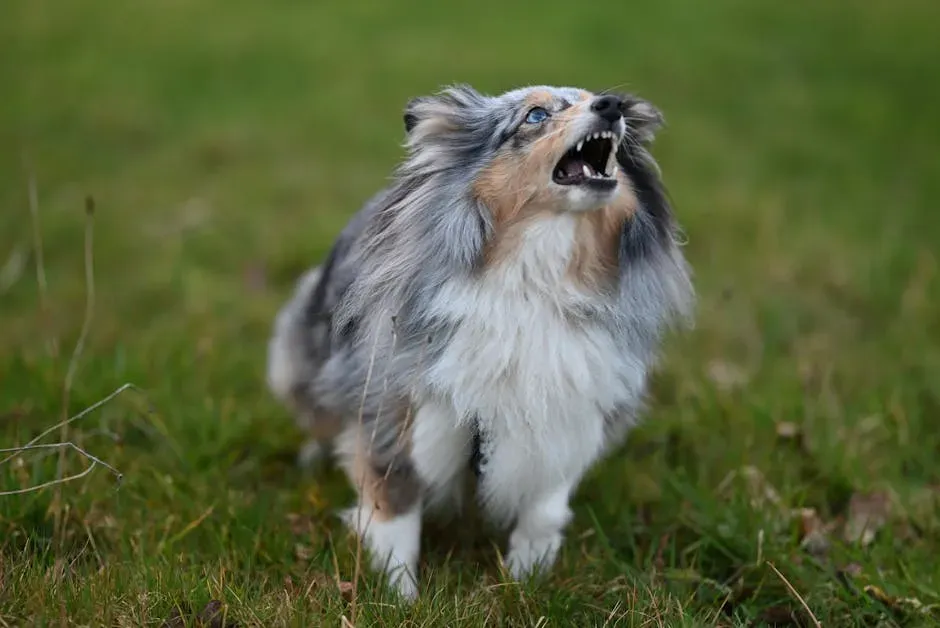
The bark that once rattled the front windows becomes a soft woof. The insistent whine for dinner softens into a single low sound that’s almost easy to miss. The dog still communicates – still asks to go out, still signals hunger, still reacts to the doorbell – but with a fraction of the volume and urgency it once had.
Families often experience this as the dog becoming “easier,” more mellow, less demanding. It can feel like a gift after years of noise. Vets see it differently: this vocal quieting is energy conservation in real time, the body pulling resources inward. Crucially, the dog usually remains fully responsive to human voices even as its own grow softer – it’s still listening, still present, just speaking in a smaller voice.
Worth Knowing
- Vocal changes are a recognized form of behavioral communication in declining dogs – not simply “mellowing with age.”
- Dogs in the final weeks often remain highly responsive to their owner’s voice even as their own vocalizations fade significantly.
- A sudden increase in vocalization – whimpering or nighttime crying – can signal pain and warrants an immediate vet call.
- The quieting of a previously vocal dog, when paired with other changes on this list, is a meaningful cluster signal worth discussing with your vet.
#6 – Seeking Quiet Closeness at Odd Hours
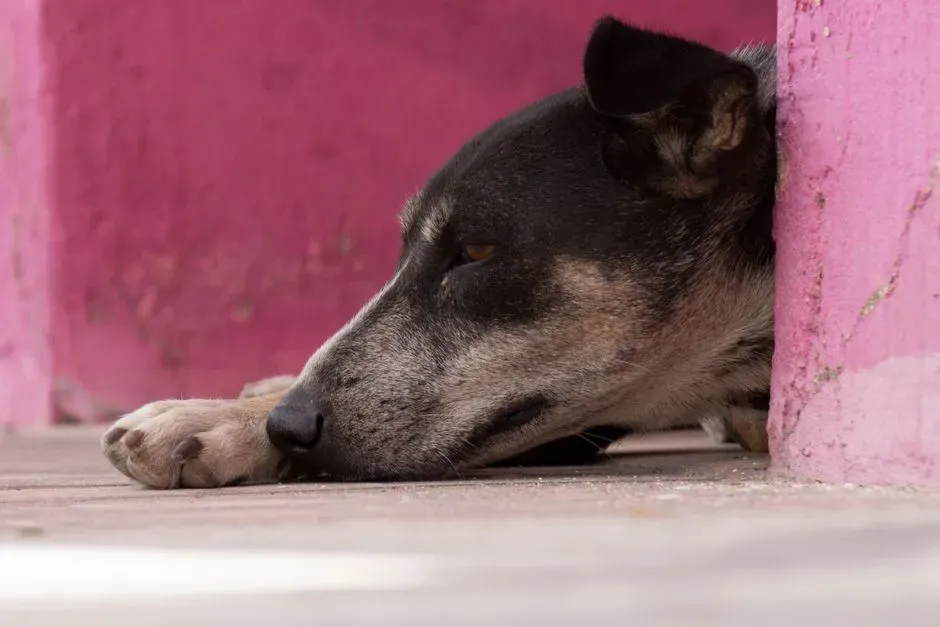
It’s not the usual sprawl-across-your-lap neediness. It’s quieter than that – a lean against a leg during a commercial break, a chin rested on a knee for exactly two minutes before the dog gets up and moves away again. Brief, deliberate, and somehow different in texture from a lifetime of ordinary affection.
These moments tend to cluster around one particular family member, at times of day that feel almost chosen. Owners who experience them often describe a sense that something was being communicated, though they couldn’t have named it then. Looking back, it’s unmistakable: not clinginess, not habit, but a quiet kind of check-in. The dog finding the person it trusts most and simply being near them, without asking for anything, for as long as it could manage.
Dogs do not understand death as we do, but they understand the body. They know something is changing, and they move toward love.
Dr. Jessica Pierce, bioethicist and author of The Last Walk
#5 – Quiet Withdrawal From Group Activities
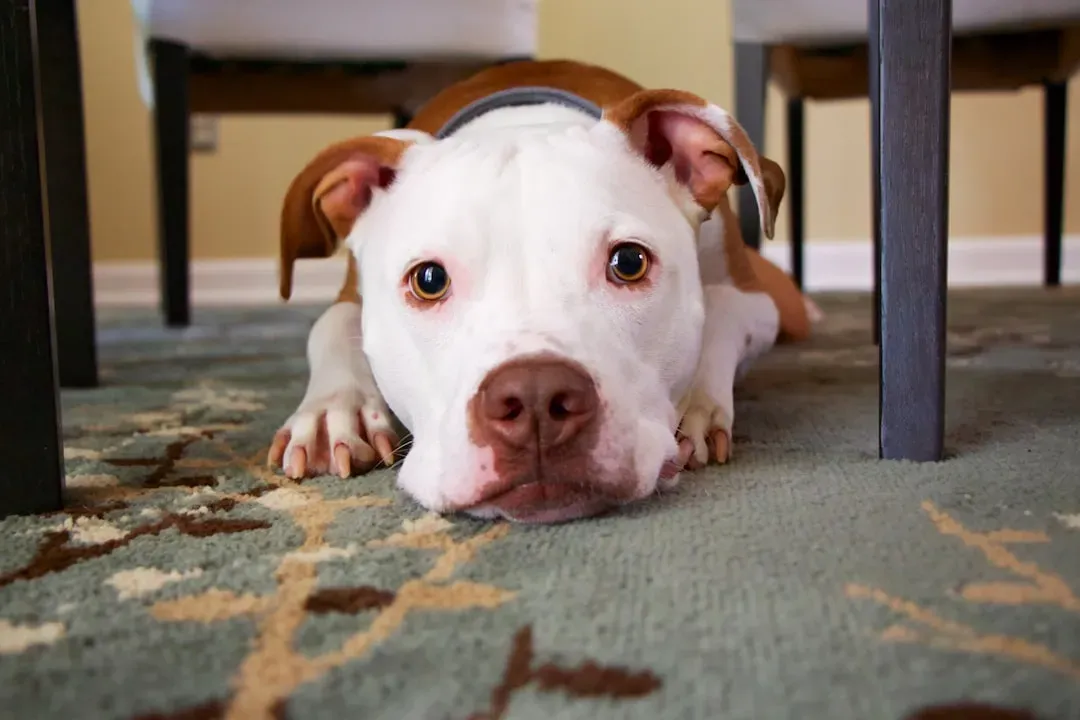
Movie night on the couch, Sunday barbecues in the backyard, the chaotic family dinner where someone always drops something – these were once the dog’s territory. Now it watches from the doorway. Or stays in the hallway entirely. Not visibly sad, not whimpering, just absent in a way that hasn’t happened before.
The thing that makes this confusing is that the dog still greets family members warmly in one-on-one moments. It hasn’t withdrawn from people – only from the noise and energy of the group. Veterinary records suggest this social tapering often begins two to three weeks before more obvious physical signs appear. The dog is protecting its reserves while keeping its bonds intact. It’s still there. Just quieter about it now.
#4 – Subtle Decline in Self-Grooming

Coat looking slightly dull. Paws going unlicked for longer than usual. A faint unkemptness that’s easy to attribute to a muddy week or seasonal shedding. It doesn’t register as a symptom because it looks almost normal – just a little off, in a way that’s easy to reason away.
Dogs are meticulous self-groomers for most of their lives, and the gradual abandonment of that routine is one of the subtler signals the body is turning its attention elsewhere. Vets note this fade often coincides with reduced water intake – another quiet system slowing down alongside the others. Owners usually only notice in hindsight, often prompted by a photo where the dog looks somehow less itself than it did six months before.
#3 – Selective Appetite for Specific Textures

The bowl of kibble sits ignored. But offer the same food warmed up, or mix in something soft, and the dog eats – at least for a few days. So owners adjust. Try a new brand. Add broth. Switch to wet food. Each adaptation buys a little time, and each one makes it harder to see the larger pattern: appetite isn’t just changing, it’s retreating.
This texture-based selectivity can persist for weeks before interest fades entirely, which is part of what makes it so disorienting. There’s no vomiting, no obvious nausea, no dramatic refusal. Just a narrowing window of what the dog will accept – and a steady, quiet weight loss that continues underneath all the adjustments. The digestive system is changing in ways a new kibble flavor was never going to fix.
Quick Compare: What the Appetite Shift Actually Looks Like Week by Week
- Weeks 4–6 out: Slower to approach the bowl; skips a meal occasionally but eats when encouraged.
- Weeks 2–3 out: Refuses dry food; accepts soft, warmed, or hand-offered food consistently.
- Week 1 out: Even favored treats met with disinterest; may take water but shows little drive to eat.
- What to do: Offer small, soft, high-value meals – but if refusal is total and persistent, contact your vet promptly.
#2 – Barely Noticeable Breathing Shifts
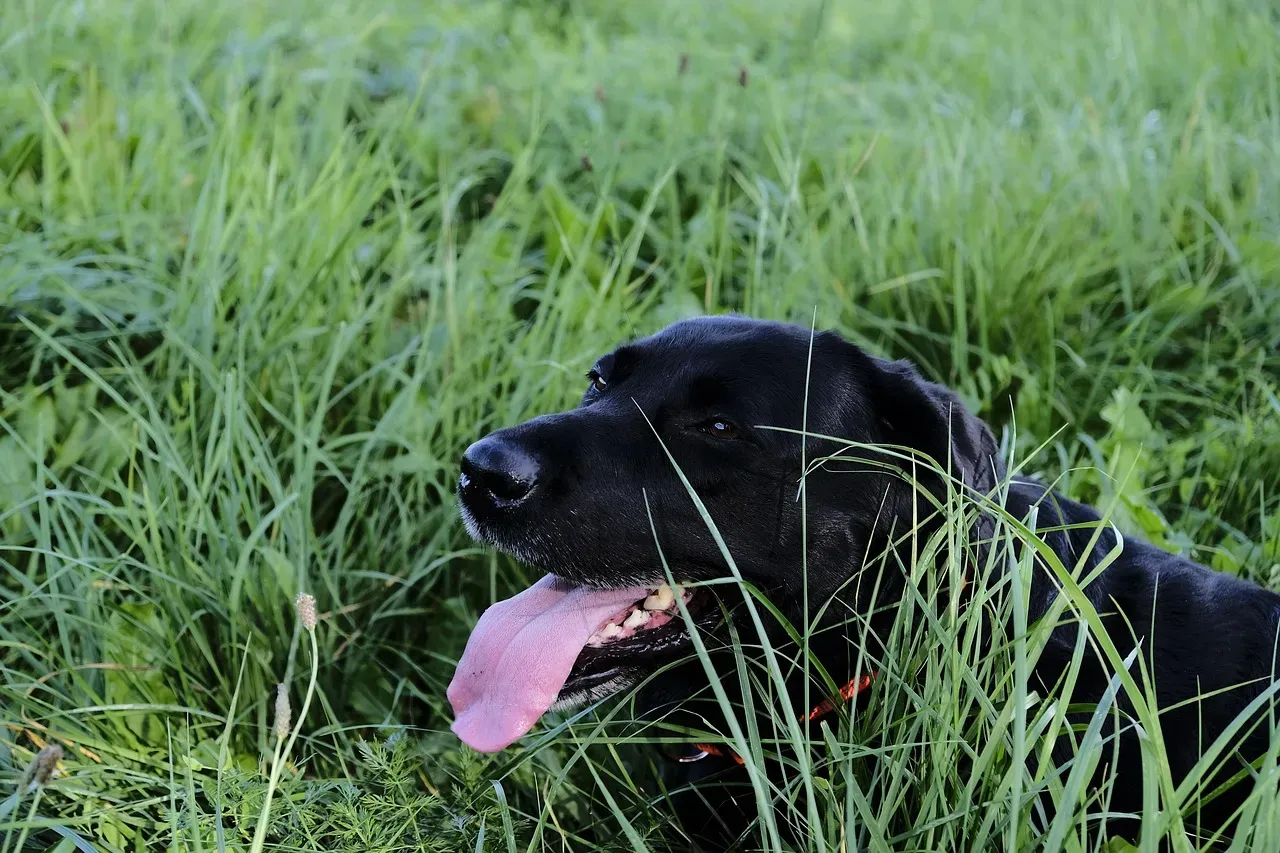
You only hear it if you’re sitting quietly beside the dog, close enough to have memorized its rhythm over years of doing exactly that. The breaths are slightly shallower. The pauses between them a beat longer. Nothing labored, nothing alarming – just a rhythm that feels faintly different from the one you know by heart.
Most families catch this only in retrospect, reviewing home videos and hearing what they couldn’t name at the time. Vets are clear on what it signals: these quiet alterations frequently precede any visible respiratory struggle by days or even weeks. The body is adjusting internally, managing what’s changing without drama or distress. The dog isn’t suffering visibly. It’s simply, quietly, doing less with each breath than it used to.
#1 – A Final, Quiet Moment of Connection
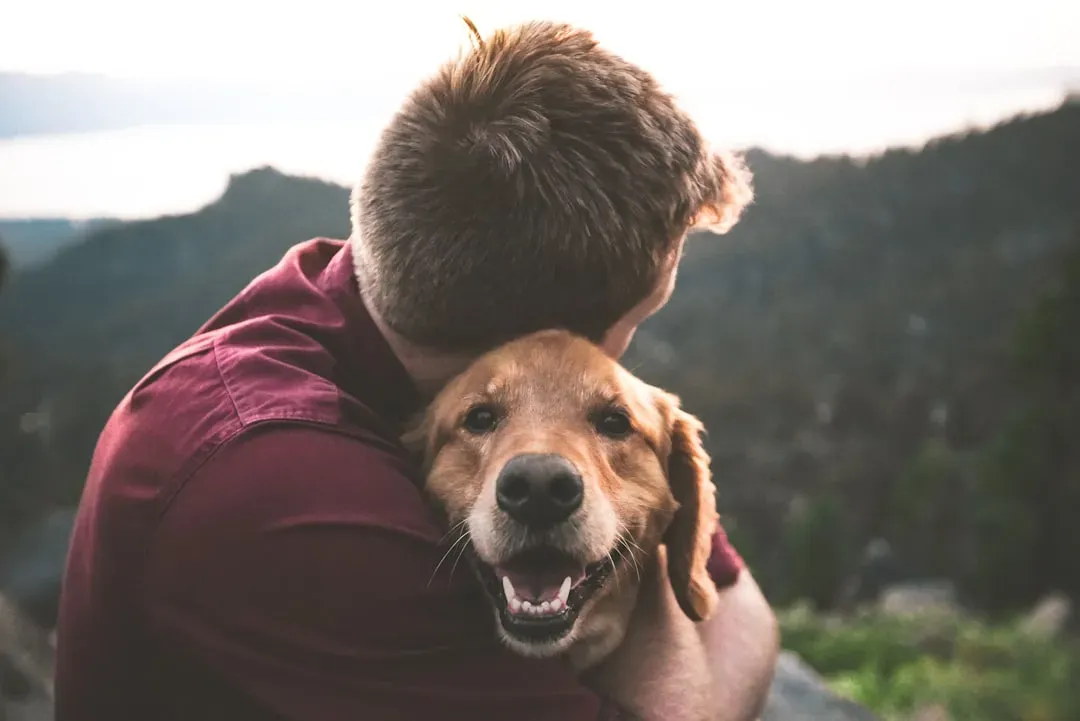
Almost every owner has one. A specific evening – unremarkable in every other way – when the dog did something small and deliberate. A slow walk over and a long lean. A soft nuzzle that lingered. A look that held longer than usual before the dog turned away and settled down. It felt different. Most people didn’t know why at the time. They know exactly why now.
This is the moment owners replay more than any other. Not the last day, not the vet’s office – this quieter moment, days or weeks before the end, when the dog seemed to choose a person and a moment and simply show up in it fully. No performance, no neediness, just presence. Every instinct says it was intentional. And maybe the most honest thing to say is: it probably was. Dogs communicate without fanfare their entire lives. Why would the last message be any different?
What These 13 Signs Are Really Telling You
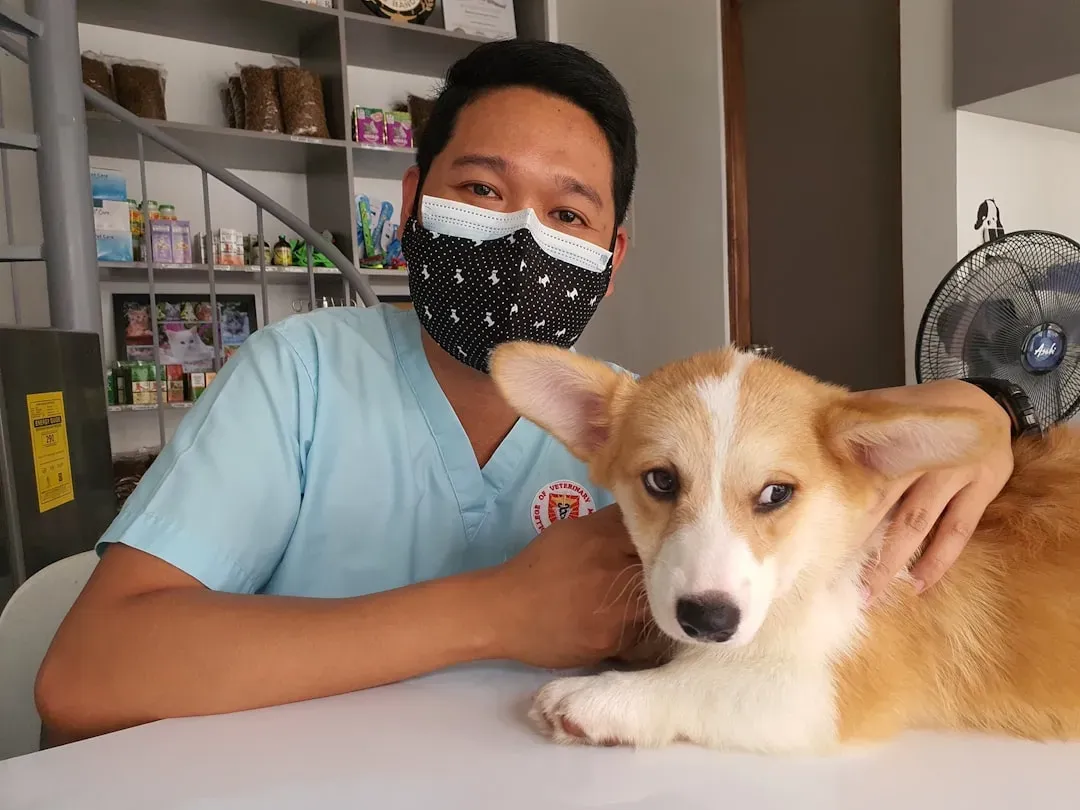
The hardest truth about losing a dog isn’t the loss itself – it’s realising the goodbye was already happening and you were living inside it without knowing. These 13 behaviors aren’t rare. Vets see them consistently, across breeds, across ages, across every kind of dog and every kind of household. They form a quiet, coherent pattern that only becomes visible in hindsight, which is precisely what makes them so devastating to recognise late.
The instinct is to wait for something unmistakable – something dramatic enough to feel like permission to act. But dogs don’t give dramatic warnings. They give small ones, repeatedly, with patience. If even one or two of these signs is landing differently than it did a month ago, that’s worth a conversation with your vet. Not because the end is certain, but because your dog has earned the chance to have someone paying close attention while there’s still time. That’s the one thing you can still give them.
Why It Stands Out: What Vets Want Every Owner to Know
- Behavioral changes can begin as early as two to three months before death – long before physical signs become obvious.
- No single sign on this list confirms the end is near; it’s the clustering and progression of changes together that matters most.
- Many of these signs also appear in treatable conditions – a vet visit is never wasted, and is always the right first step.
- Quality-of-life scales used by veterinarians assess pain, hunger, hydration, happiness, and mobility – ask your vet about using one as a practical guide.
- How you care for your dog in its final weeks shapes your memories long after the loss – presence, attention, and gentleness are never small things.


