
Psychology Says Dogs Will Wait For You For Months And Never Understand Why You Left
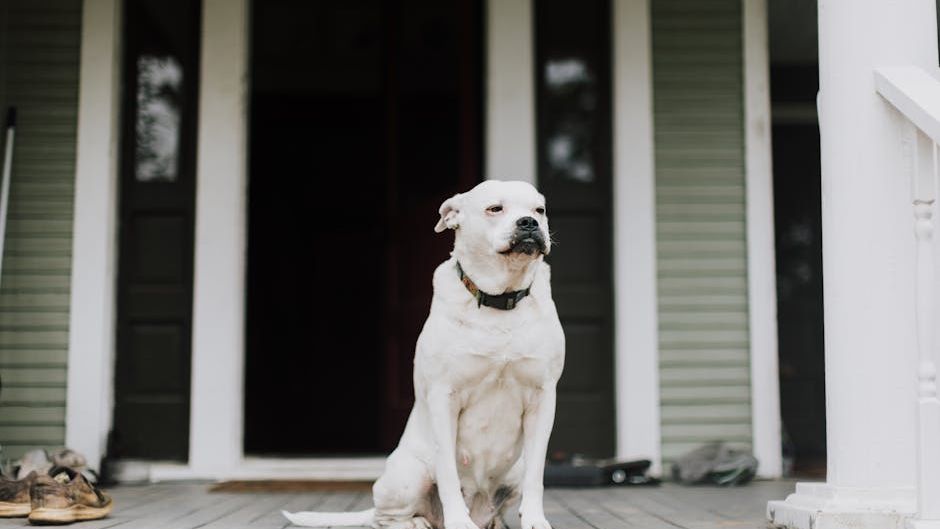
Picture this. You step out the door one morning, expecting to return by evening, yet months stretch into a blur of absence. Your dog settles by the window or the front gate, eyes fixed on the path you took, tail giving the occasional hopeful twitch at every passing sound.
That image lingers because it taps into something deeper than simple habit. Psychology offers clues about why some dogs hold on so long, and why the reasons behind your departure remain beyond their grasp.
The Strong Attachments Dogs Form With Their People
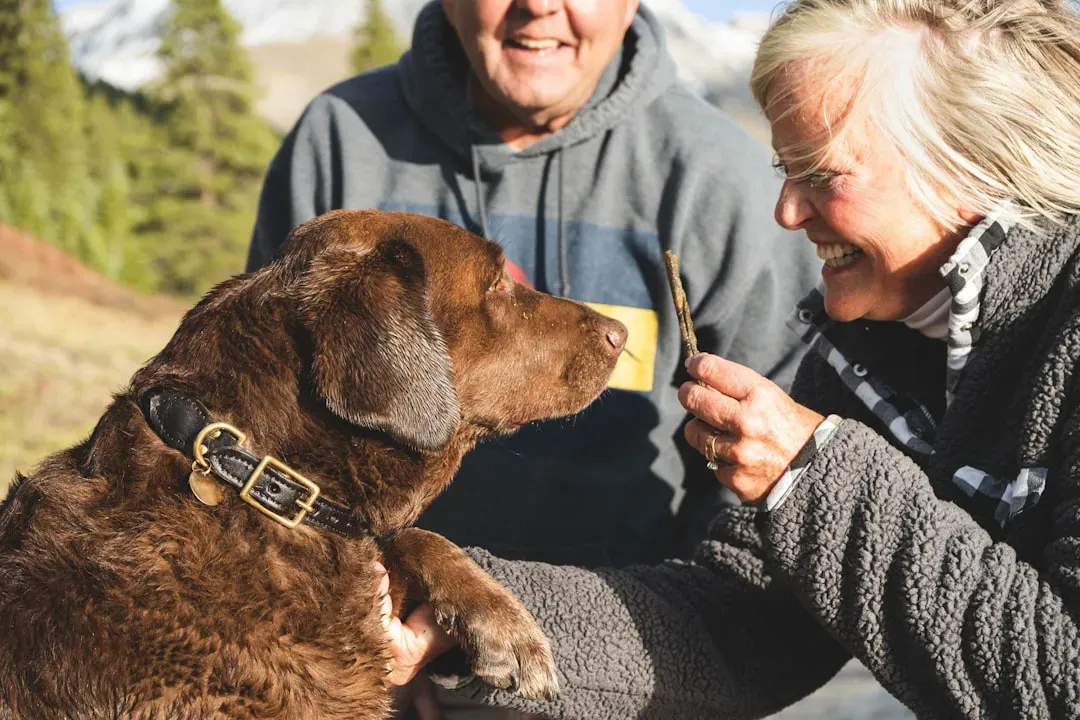
Dogs build bonds with their owners that mirror the secure attachments seen in young children. These connections form through daily routines, shared affection, and consistent care that signals safety and belonging.
When that person vanishes without explanation, the dog continues to seek the familiar comfort. Research on canine behavior shows these ties can persist even after long separations, keeping the animal oriented toward reunion rather than moving on.
How Separation Affects a Dog Over Time
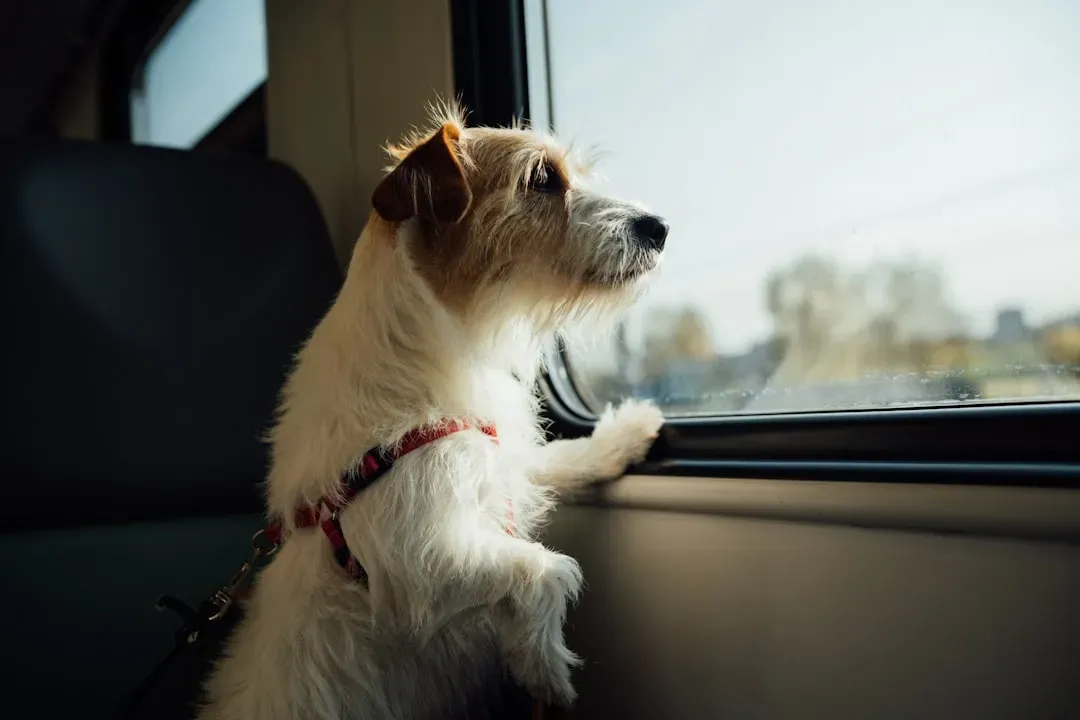
Extended absence often triggers signs of distress that owners recognize from shorter trips. Pacing near doors, reduced appetite, and quiet vigilance replace the usual energy and playfulness.
Over weeks or months the pattern may soften into a quieter waiting, yet the underlying expectation rarely fades completely. The dog adjusts its days around the possibility of return without ever redefining the relationship as finished.
Real Cases of Remarkable Canine Patience
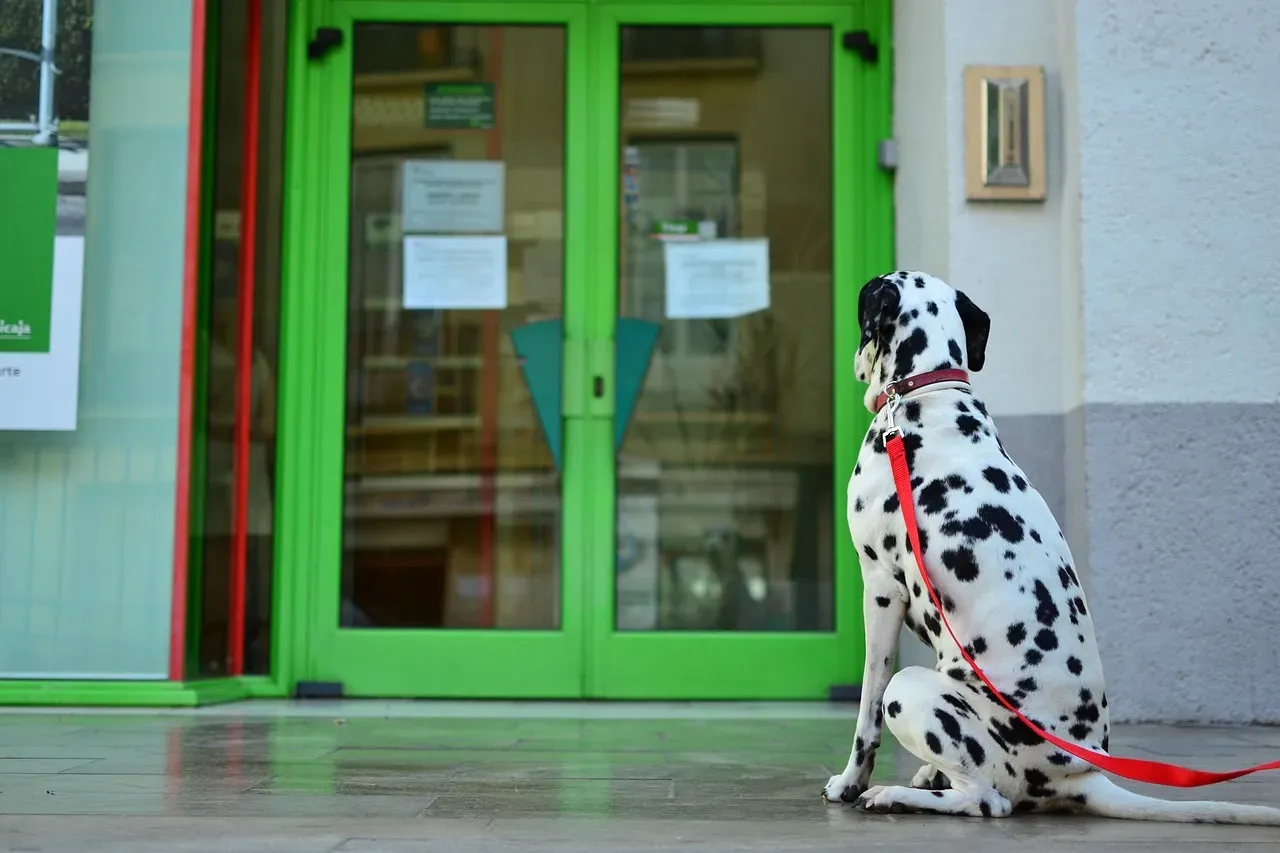
Stories from around the world describe dogs lingering at train stations, hospital entrances, or old homes for extended periods. One well known example involves a dog that returned daily to the same spot for nearly a decade after its owner departed.
Shelter workers and rescuers sometimes encounter animals that show similar focus when brought in after an owner leaves. These cases highlight how the absence registers as temporary rather than final in the dog’s experience.
What Attachment Research Reveals About Waiting
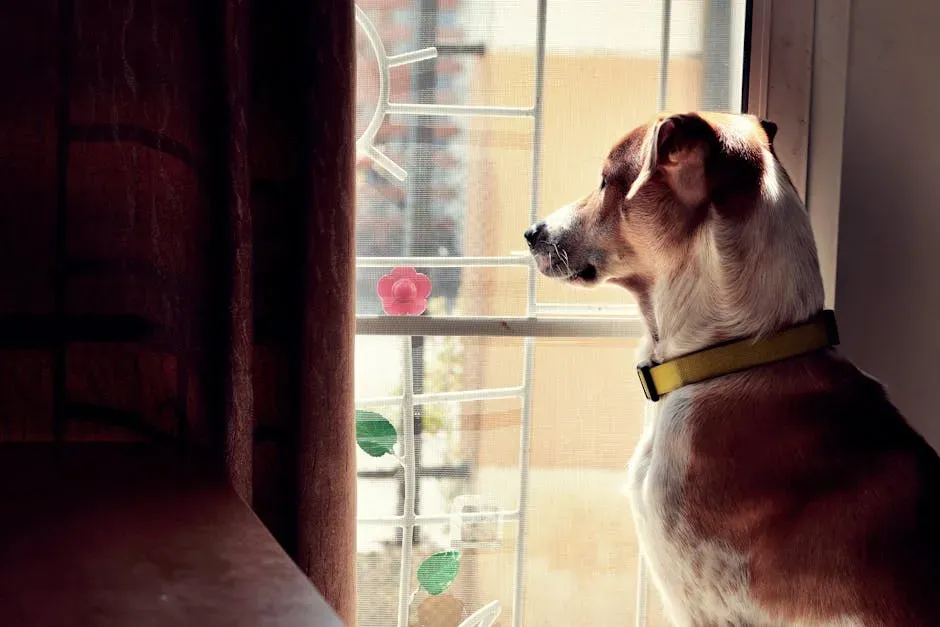
Studies adapting human attachment frameworks to dogs find that many animals treat their primary person as a secure base. They explore when the person is present and seek proximity when uncertainty arises.
Without new information that the person will not return, the dog maintains the original pattern. This persistence stems from limited ability to update the mental model of the relationship once the routine breaks.
Why Dogs Struggle to Grasp Permanent Departure
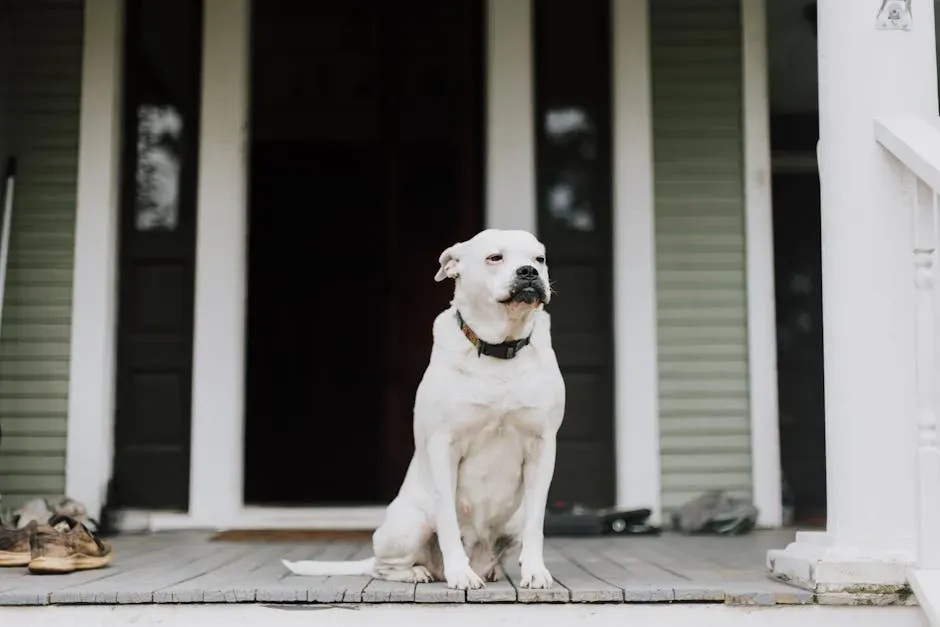
Canine cognition allows recognition of familiar faces and places, yet it does not include the abstract concept of irreversible absence. A dog registers the missing presence through senses and memory but lacks the framework to label it as forever.
Attempts to explain through tone or routine changes fall short because the animal processes events in the moment. The result is continued anticipation rather than acceptance of an ending that makes sense only in human terms.
The Emotional Weight Carried by Both Sides
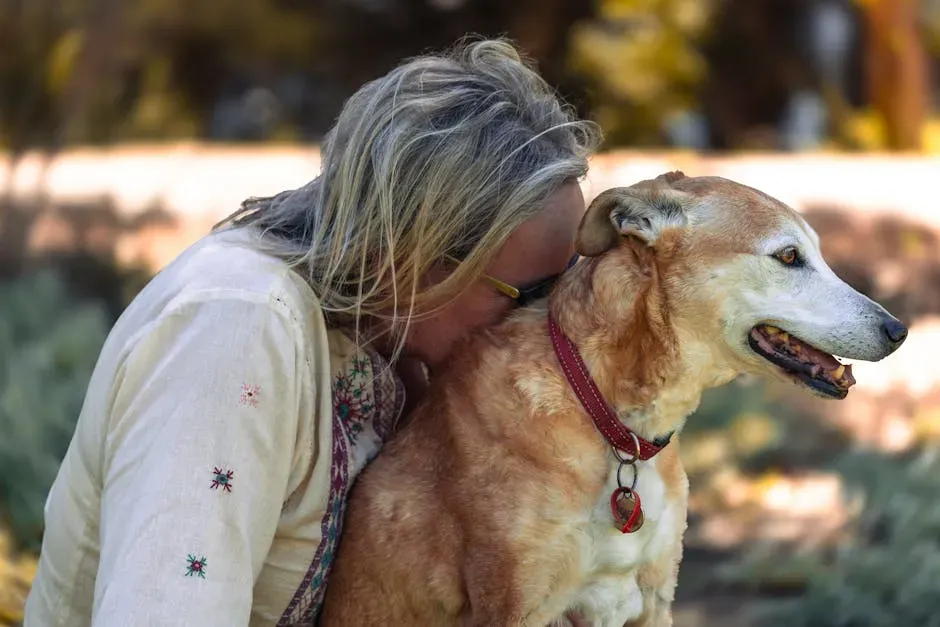
Owners who return after long absences often describe a mix of relief and quiet guilt when greeted with unchanged devotion. The dog shows joy without resentment, simply resuming the old rhythm as if no time passed.
This contrast can prompt reflection on how much the relationship depends on presence alone. The animal offers loyalty that feels unconditional precisely because it does not weigh reasons or assign blame.
Choosing Presence With Greater Awareness
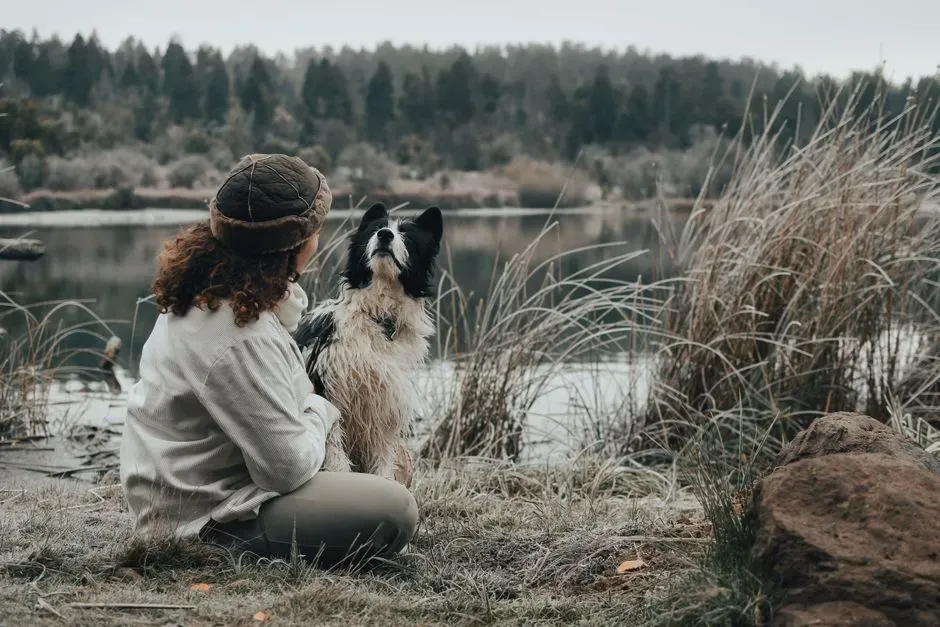
Understanding these patterns encourages owners to plan for continuity when separations occur. Arranging familiar caregivers or gradual introductions to new routines can ease the uncertainty a dog experiences.
At the same time, the knowledge that a dog may wait without full comprehension invites a gentler approach to goodbyes and returns. The bond remains one of the simplest and most enduring connections people form, grounded in daily presence rather than explanations.