
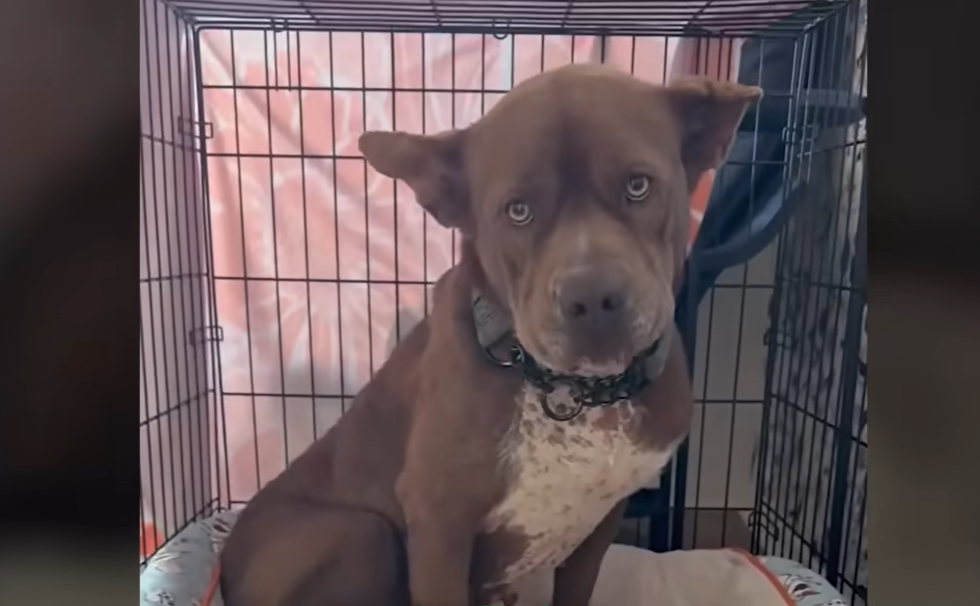
A young pit bull named Gizmo faced life-threatening health issues from the start, but dedicated volunteers across multiple states refused to let him slip away. What began as a standard shelter intake quickly turned into a high-stakes medical battle that required specialized care and rapid fundraising. The story highlights how interconnected rescue networks can turn the tide for animals in desperate need.
Gizmo’s Early Health Battles
Gizmo arrived at his first rescue organization already showing clear signs of respiratory distress and severe malnutrition. Shelter staff quickly noticed the puppy struggled to gain weight even with regular feedings, and his weakened immune system left him open to repeated infections. Veterinarians soon diagnosed a congenital airway condition that kept him unusually quiet during those first weeks. Bloodwork uncovered additional complications that went far beyond what typical shelter resources could handle. The initial group reached out to a wider network of pit bull advocates experienced with complex cases, setting the stage for the coordinated help that would follow.
Community Rallies for the First Rescue
Volunteers from several organizations immediately pooled resources to move Gizmo to a facility capable of advanced diagnostics and treatment. Fundraising efforts launched within hours once his story spread online, quickly raising enough to cover expensive procedures and ongoing medications. Experienced foster families stepped forward to offer a calm, supportive environment away from the stress of a busy kennel. These caregivers tracked his breathing patterns daily and administered treatments while noting every small sign of progress. The swift response showed how rescue networks can activate fast when an animal’s life is on the line.
Second Crisis Brings Another Round of Support
Just as Gizmo seemed to be stabilizing, a sudden complication forced another emergency intervention and a second major rescue effort. A foster caregiver spotted rapid deterioration overnight and arranged immediate transport to a specialty clinic. Surgeons performed a delicate procedure to correct the airway obstruction that had affected him since birth. The same community that helped with the first rescue came together again, with donors covering extra costs and other fosters providing backup care during his hospital stay. Recovery involved gradual physical therapy and careful monitoring to ensure he could breathe comfortably on his own. Through every setback, Gizmo showed a resilient spirit that won over everyone involved in his care.
Final Thought
Gizmo’s journey proves that no animal has to face serious illness alone when rescue communities work together. What would you have done in a similar situation?
Source: Original YouTube Video


