
Research Has Confirmed That Dogs Actively Seek Eye Contact With Humans as a Form of Social Communication – a Behavior That Distinguishes Them From Every Other Animal

Imagine locking eyes with your dog and feeling an unspoken connection that transcends words. This isn’t just a figment of your imagination; it’s a scientifically backed phenomenon that sets dogs apart from all other animals. Recent studies have unveiled that dogs actively seek eye contact with humans as a form of social communication, a behavior unparalleled in the animal kingdom. Let’s delve into this fascinating discovery and explore what makes our canine companions truly unique.
The Unique Bond Between Dogs and Humans
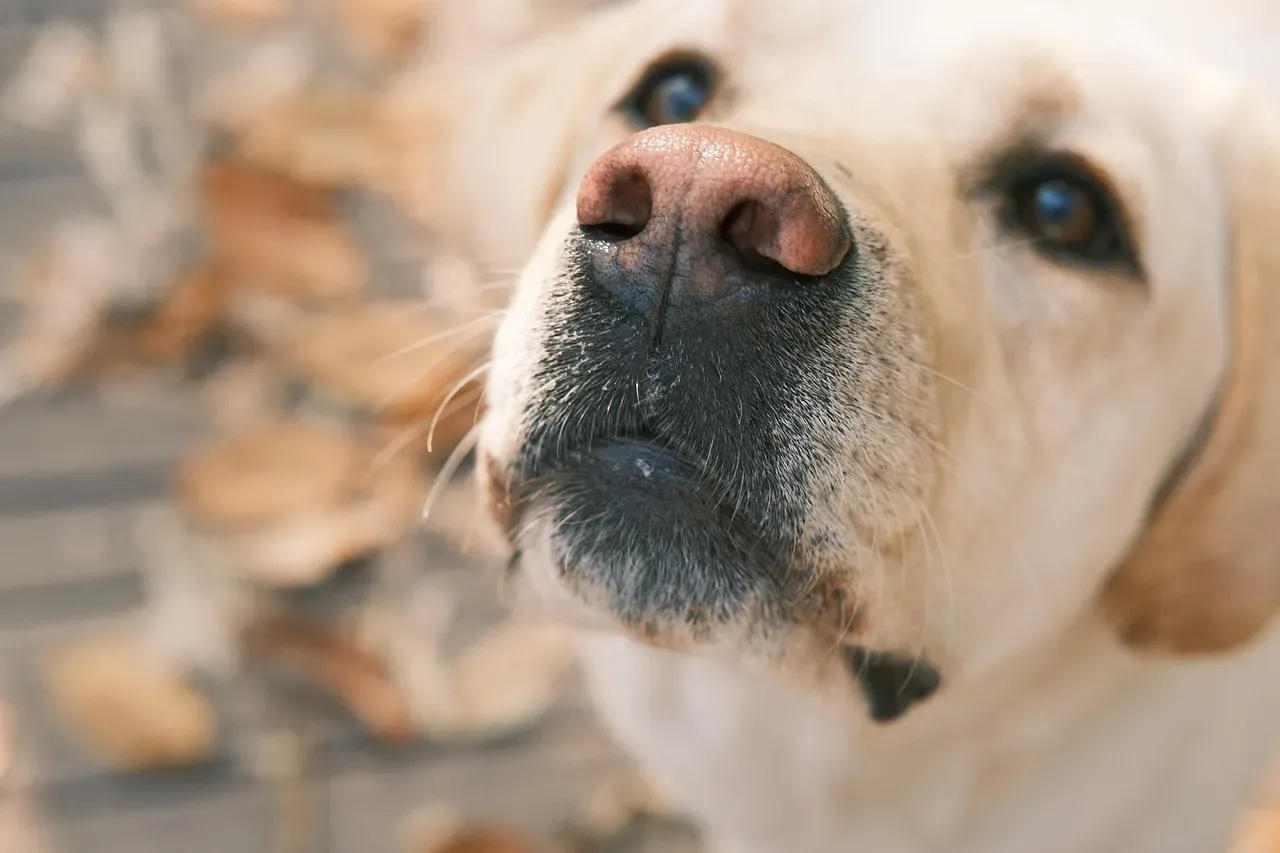
Dogs have shared a close relationship with humans for thousands of years, evolving from wild wolves to beloved companions. This deep bond is characterized by mutual understanding and communication, with eye contact playing a pivotal role. Unlike other animals, dogs have developed the ability to interpret human gestures and emotions through direct gaze, fostering a unique interspecies connection.
Research indicates that this behavior is not merely a byproduct of domestication but a specialized adaptation. Dogs’ propensity to seek eye contact with humans suggests an evolutionary advantage, enhancing cooperation and social bonding. This trait distinguishes them from their wild ancestors and other domesticated animals.
Eye Contact as a Communicative Tool

Eye contact between dogs and humans serves as a powerful communicative tool. It allows dogs to convey needs, seek guidance, and express emotions. Studies have shown that when dogs make eye contact with their owners, both parties experience a release of oxytocin, the “love hormone,” strengthening their bond.
Moreover, dogs use eye contact to read human intentions and respond appropriately. This ability enables them to participate in complex social interactions, such as following pointing gestures or understanding commands, showcasing their advanced cognitive skills.
Comparative Analysis: Dogs vs. Other Animals
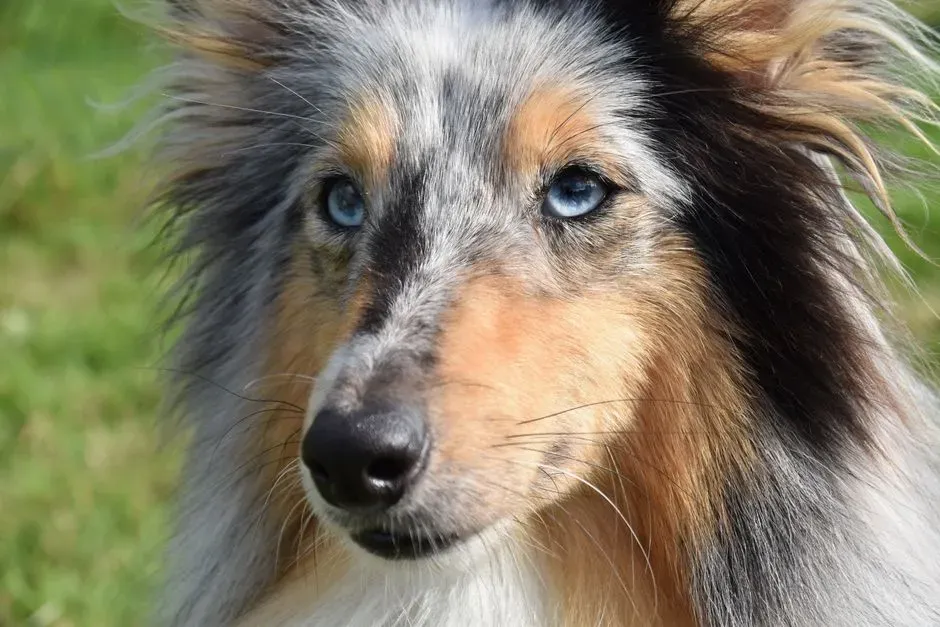
When comparing dogs to other animals, their inclination for eye contact with humans stands out. While some primates and domesticated animals can interpret human cues, none exhibit the same level of engagement through direct gaze as dogs do. This behavior underscores the exceptional nature of the human-dog relationship.
For instance, studies have found that wolves, even when raised by humans, do not seek eye contact in the same way dogs do. This suggests that the behavior is not solely a result of domestication but a unique evolutionary development in dogs.
Implications for Training and Behavior

Understanding the significance of eye contact in dogs has practical implications for training and behavior management. Trainers often use eye contact to establish attention and reinforce commands. Encouraging this behavior can lead to more effective communication and a stronger bond between dogs and their owners.
Additionally, recognizing the importance of eye contact can help address behavioral issues. Dogs that avoid eye contact may be experiencing stress or fear, indicating a need for behavioral intervention or environmental adjustments.
The Role of Genetics and Environment

Both genetics and environment play roles in a dog’s tendency to seek eye contact. Certain breeds may be more predisposed to this behavior due to selective breeding for companionship traits. However, individual experiences and training also significantly influence a dog’s communicative behaviors.
Early socialization and positive reinforcement can enhance a dog’s comfort with eye contact, while neglect or negative experiences may hinder this behavior. Therefore, fostering a supportive environment is crucial for developing healthy communication patterns.
Future Research Directions
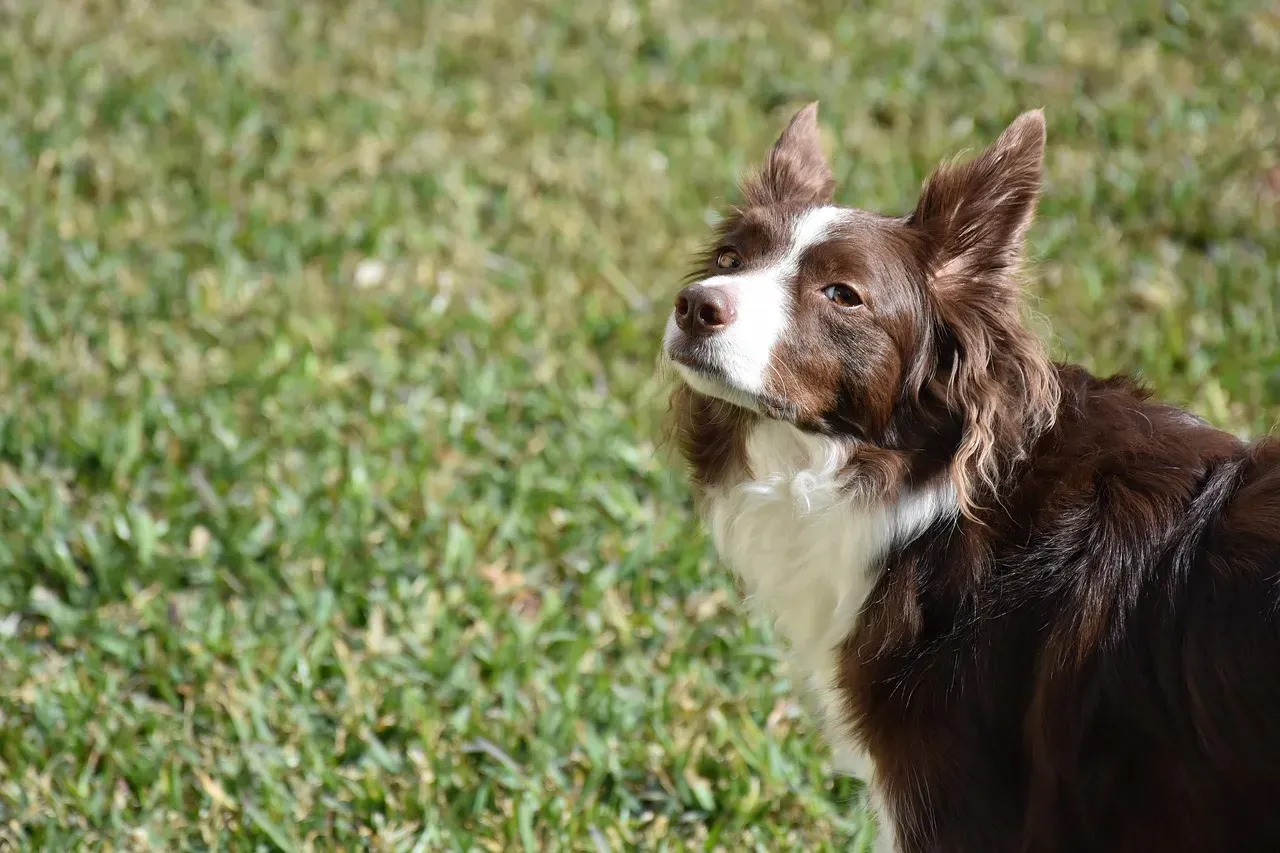
While current research has shed light on the importance of eye contact in dog-human communication, many questions remain. Future studies could explore the neurological mechanisms underlying this behavior and how it varies across different breeds and individual dogs.
Additionally, investigating how dogs interpret human eye contact in various contexts could provide deeper insights into their cognitive abilities and emotional intelligence, further enriching our understanding of this unique interspecies relationship.
Conclusion

The discovery that dogs actively seek eye contact with humans as a form of social communication highlights the depth and uniqueness of our bond with these animals. This behavior not only distinguishes them from other species but also underscores the importance of mutual understanding and connection in our shared lives. As we continue to explore the complexities of canine cognition and communication, one thing remains clear: the eyes truly are the windows to the soul, even in our four-legged friends.
So, the next time your dog gazes into your eyes, consider the profound connection you’re sharing. Isn’t it remarkable how a simple look can convey so much?