
Research Has Confirmed That Dogs Can Detect Volatile Organic Compounds Produced by Cancer Cells in Breath and Urine Samples
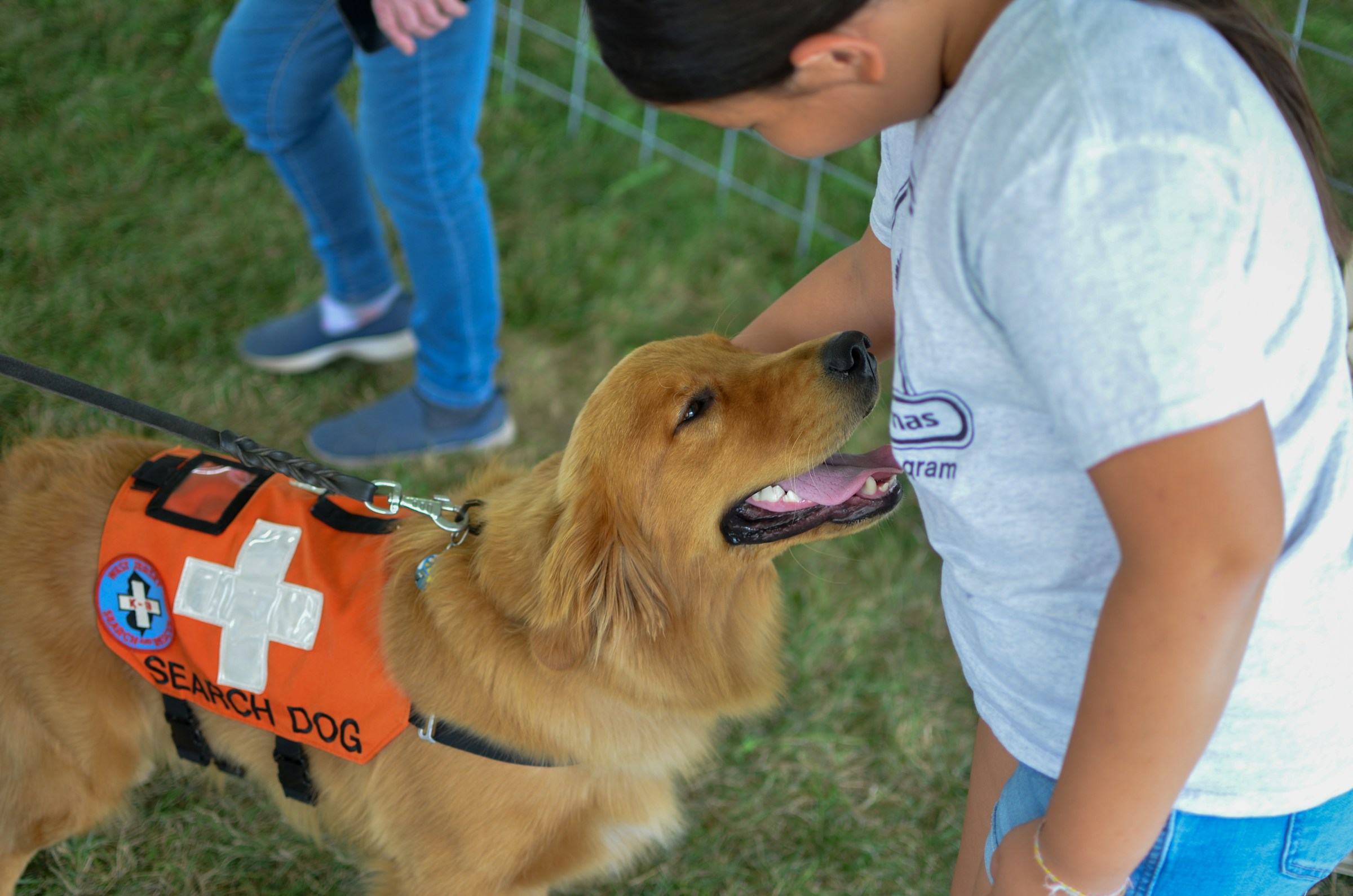
Imagine a world where our loyal canine companions do more than offer companionship – they serve as frontline detectors in the battle against cancer. Recent research has unveiled that dogs possess the remarkable ability to sniff out volatile organic compounds (VOCs) emitted by cancer cells, potentially revolutionizing early detection methods.
The Science Behind Canine Cancer Detection

Dogs have an olfactory system that is vastly superior to humans, with approximately 200 million scent receptors compared to our mere 5 million. This extraordinary sense of smell enables them to detect VOCs – chemical compounds released by cancer cells – at incredibly low concentrations. These VOCs are present in bodily fluids such as breath and urine, providing a non-invasive means for detection.
Studies have demonstrated that trained dogs can identify various types of cancer, including lung, breast, and prostate cancers, by recognizing specific VOC patterns. This ability stems from their acute sensitivity to changes in the chemical composition of human bodily emissions.
Breakthroughs in Lung Cancer Detection
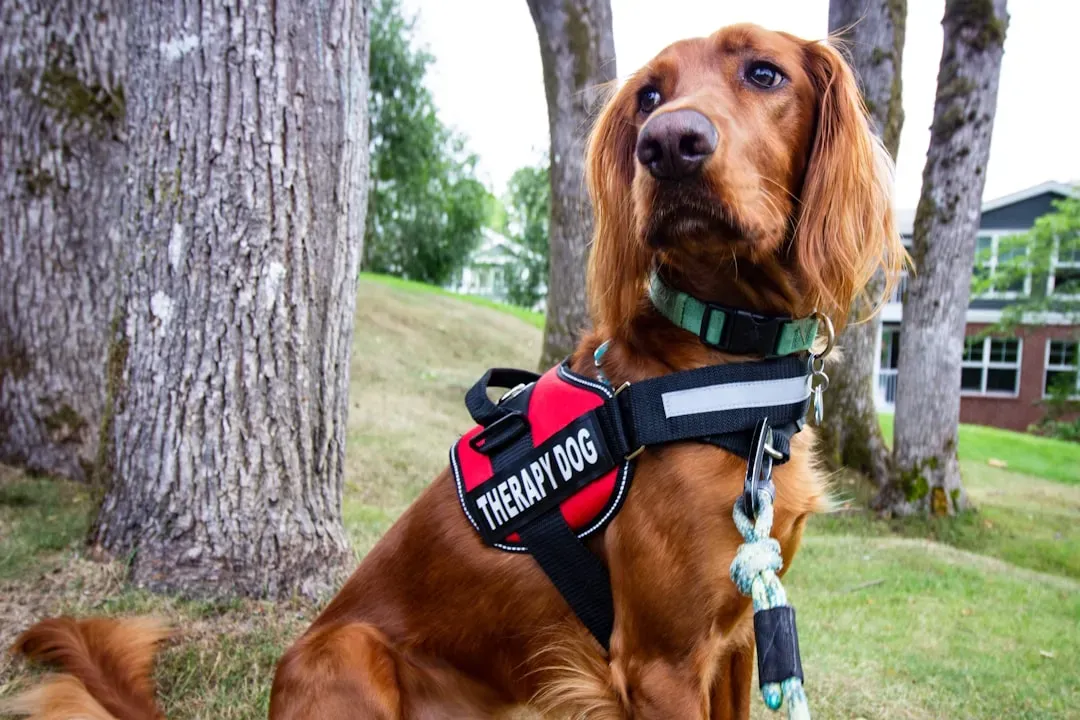
In a groundbreaking study, researchers trained dogs to distinguish between breath and urine samples from lung cancer patients and healthy individuals. The results were astonishing: the dogs correctly identified cancer samples with a detection rate of 97.6% when combining both sample types. This high level of accuracy underscores the potential of canine detection as a reliable screening tool for lung cancer.
Such findings suggest that dogs could play a pivotal role in early lung cancer detection, offering a non-invasive and cost-effective alternative to traditional diagnostic methods.
Prostate Cancer: A Canine’s Nose Knows
Prostate cancer detection has also seen promising advancements through canine olfaction. In a study involving urine samples, trained dogs achieved a sensitivity of 100% and specificity of 98.7% in identifying prostate cancer. These impressive figures highlight the potential for dogs to assist in diagnosing a disease that affects millions of men worldwide.
The ability of dogs to detect prostate cancer through urine samples could lead to earlier diagnoses and improved patient outcomes, emphasizing the need for further research in this area.
Breast Cancer Detection Through Urine Analysis
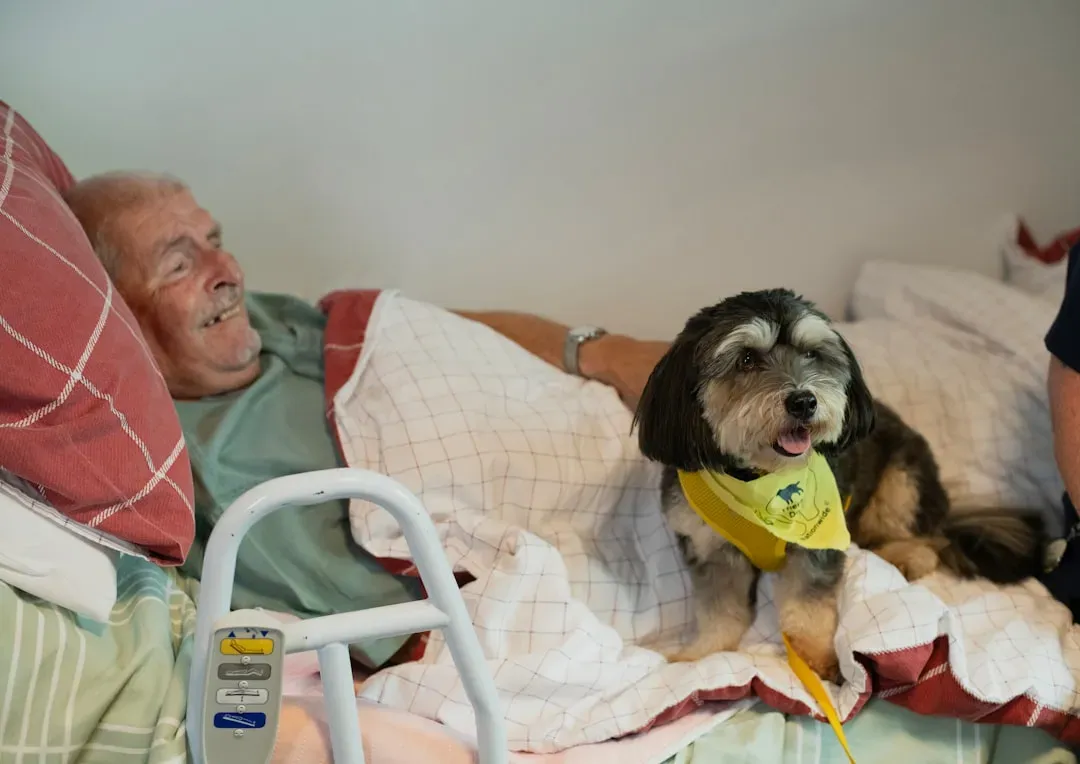
Breast cancer, a leading cause of cancer-related deaths among women, has also been a focus of canine detection studies. In a preliminary study, a trained Labrador Retriever successfully identified urine samples from breast cancer patients with 100% sensitivity and specificity. This suggests that dogs can detect breast cancer-related VOCs in urine, offering a potential new avenue for non-invasive screening.
While these findings are preliminary, they pave the way for further exploration into canine-assisted detection methods for breast cancer, potentially leading to earlier diagnoses and better survival rates.
Challenges and Considerations in Canine Detection

Despite the promising results, several challenges remain in implementing canine detection in clinical settings. Standardizing training protocols, ensuring consistency across different dog breeds, and understanding the specific VOCs associated with various cancers are critical areas that require further research.
Additionally, while dogs offer a non-invasive detection method, integrating their use into existing medical practices poses logistical and ethical considerations that must be addressed to ensure patient safety and data reliability.
The Future of Canine-Assisted Cancer Detection

The potential of dogs in cancer detection is immense, but realizing this potential requires a collaborative effort between veterinarians, medical professionals, and researchers. Developing standardized training programs, identifying the specific VOCs linked to different cancers, and creating protocols for clinical implementation are essential steps forward.
Moreover, exploring the integration of canine detection with existing diagnostic tools could enhance the accuracy and efficiency of cancer screening programs, ultimately leading to better patient outcomes.
Conclusion: Embracing Canine Capabilities in Medicine
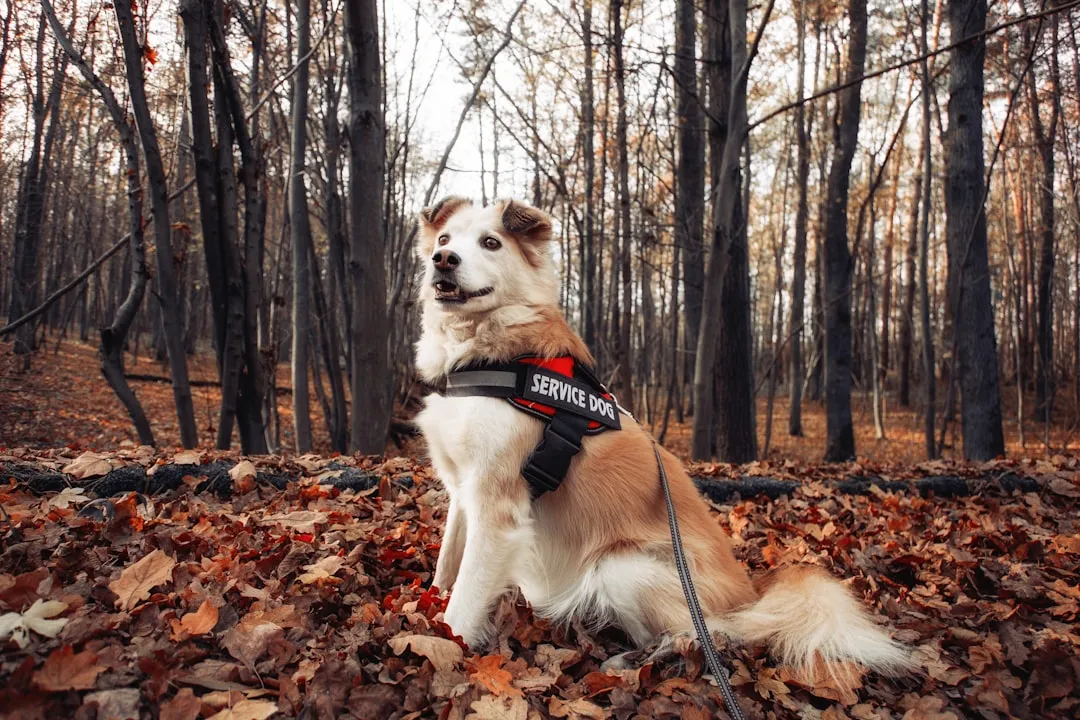
The evidence is compelling: dogs have the innate ability to detect cancer through VOCs present in breath and urine samples. This remarkable skill offers a non-invasive, cost-effective, and potentially life-saving method for early cancer detection. While challenges remain in standardizing and implementing canine detection in clinical settings, the potential benefits far outweigh the obstacles.
As we continue to explore and harness the capabilities of our canine companions, we may find ourselves on the brink of a new era in medical diagnostics – one where man’s best friend becomes a crucial ally in the fight against cancer. Could the key to early cancer detection have been right under our noses all along?