
Research Has Confirmed That Dogs Can Detect Volatile Organic Compounds Produced by Cancer Cells in Breath and Urine Samples – Including Lung Breast Ovarian and Prostate Cancer
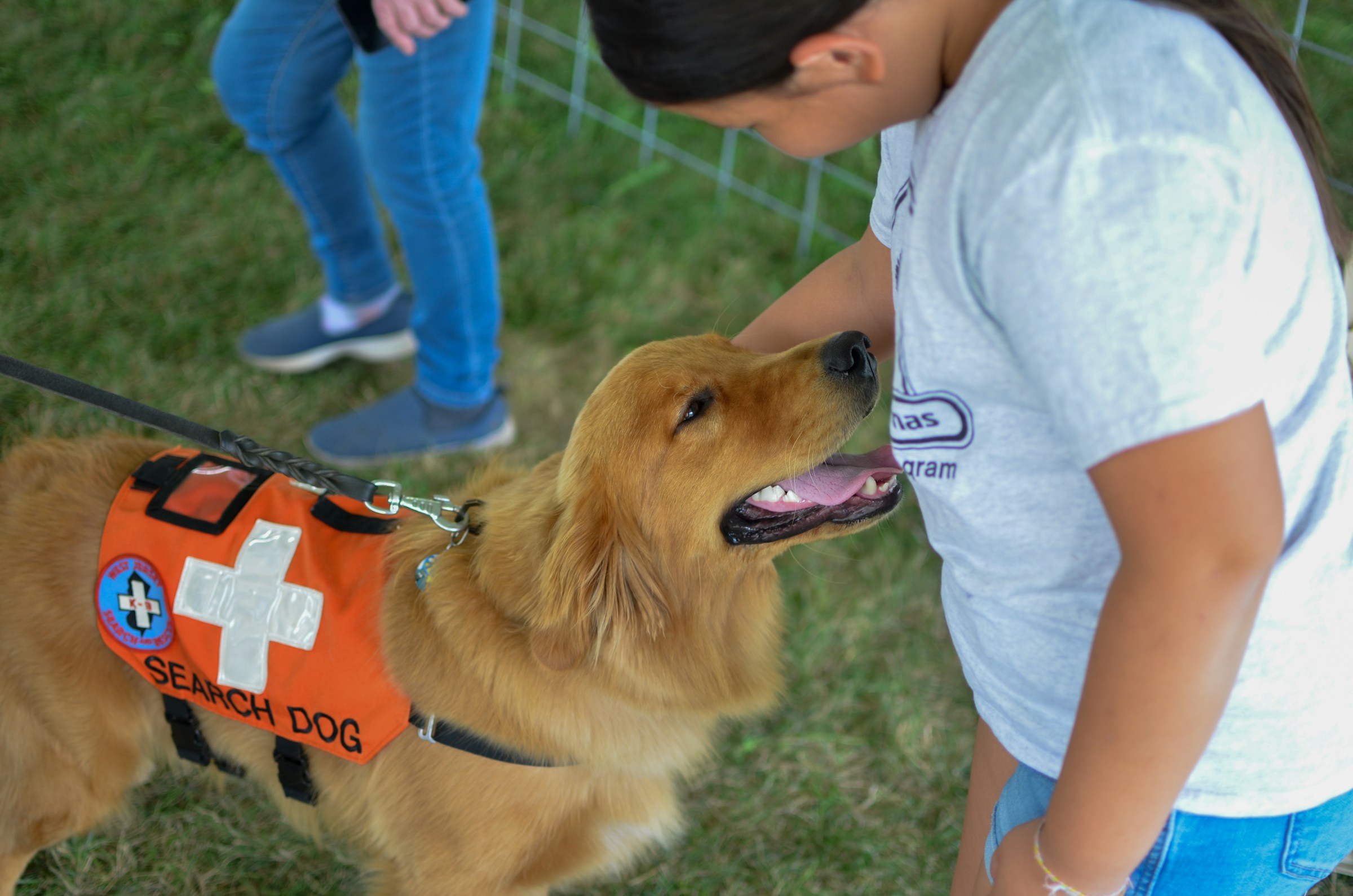
Imagine walking into a clinic one day and, instead of a machine humming in the corner, a calm, wagging dog sits beside you, quietly saving your life. It sounds like something out of a feel‑good movie, yet it is rooted in real, steadily growing science. Carefully run studies have shown that trained dogs can detect volatile organic compounds linked to several cancers in breath and urine, sometimes in people who have no symptoms at all.
The idea is both inspiring and unsettling. Inspiring, because it hints at a future where cancer is caught earlier, more gently, and maybe even more cheaply. Unsettling, because it forces us to admit that while we build billion‑dollar scanners, a friendly Labrador’s nose may still beat our most advanced sensors in some situations. Let’s unpack what we actually know, what is still uncertain, and where this surprising field might be headed.
The Science Behind Volatile Organic Compounds and Cancer Smell
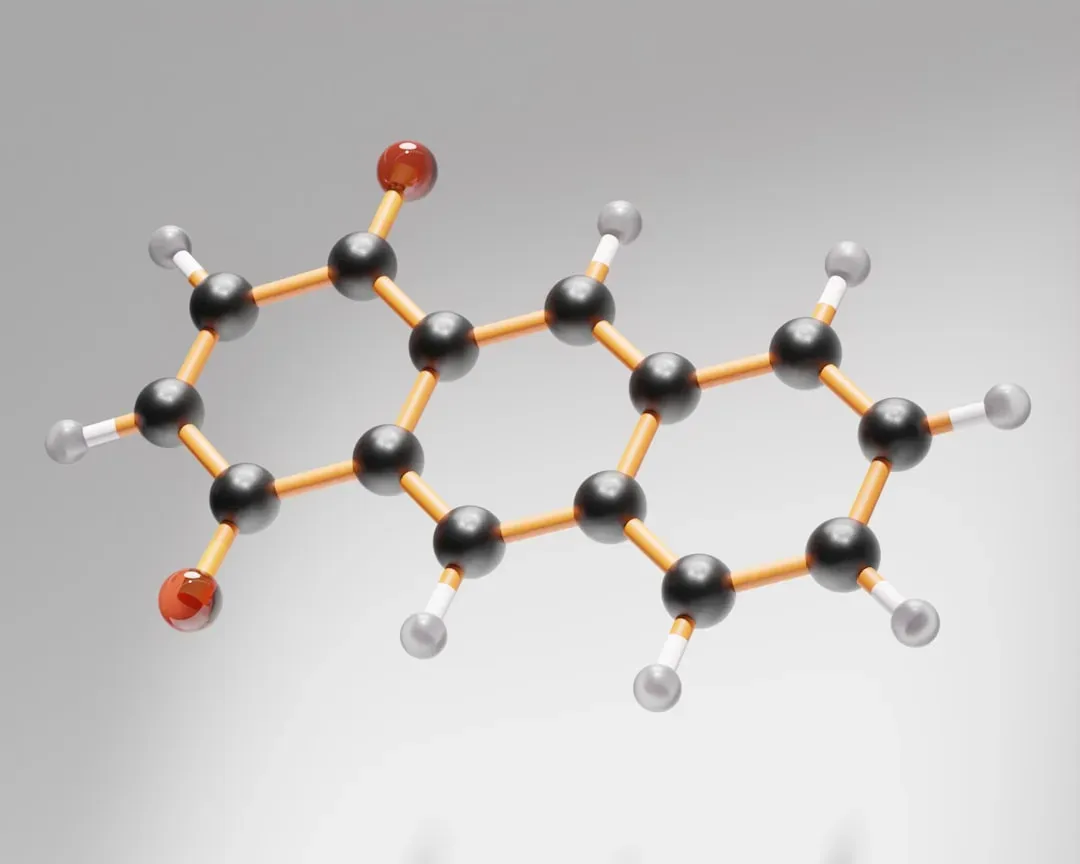
Here’s the first mind‑bender: cancer cells do not just grow, they chemically behave differently from healthy cells. Their altered metabolism produces a slightly different cocktail of molecules, including volatile organic compounds, or VOCs, that evaporate and drift out in breath, sweat, and urine. To humans, this mixture is invisible and basically odorless. To a dog, it is a loud, complex chemical signal.
These VOCs are not random; they are by‑products of processes like oxidative stress, inflammation, and changes in how cells use energy. Different cancers can create distinctive VOC patterns, a bit like unique chemical fingerprints. When researchers talk about dogs “smelling cancer,” they are really talking about the animals learning to recognize these fingerprints against the noisy background of everything else the body emits.
How Dogs Are Trained to Detect Cancer in Breath and Urine
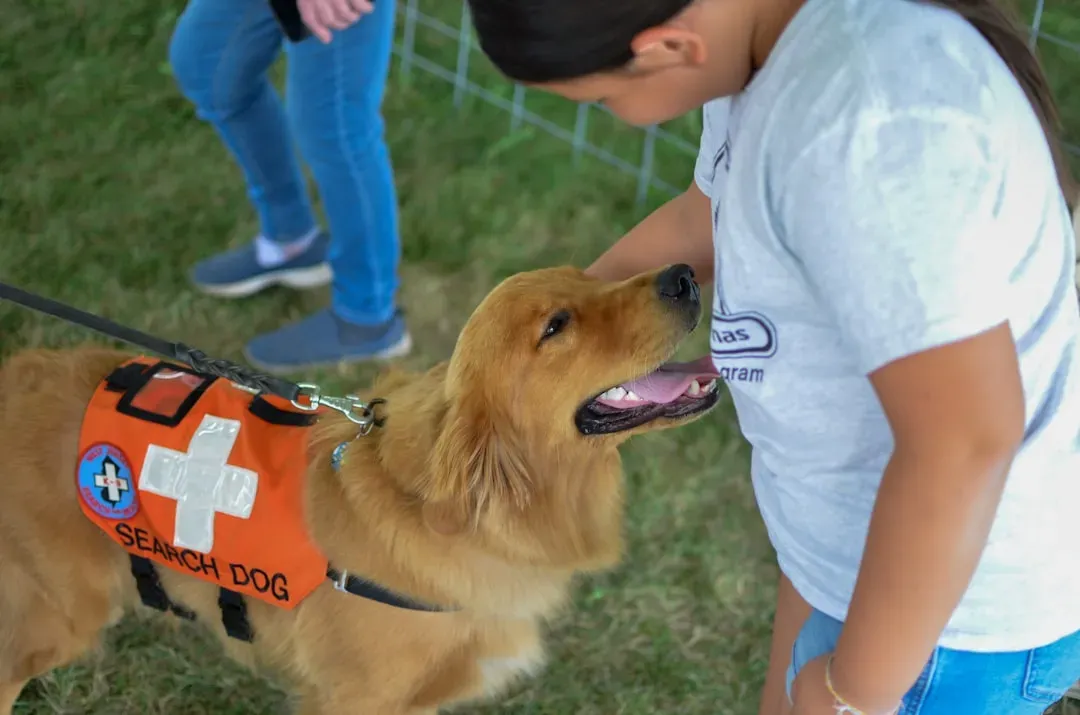
Training a cancer‑sniffing dog is much closer to slow, careful science than a circus trick. Dogs typically start with basic obedience and scent games, learning to search for a specific odor among many options. Then trainers introduce carefully collected breath or urine samples from people with a confirmed cancer diagnosis and from healthy controls, under blinded conditions so nobody can accidentally cue the dog.
Over time, the dog learns to consistently signal – often by sitting or pawing – when it encounters a sample that contains the cancer‑linked VOC pattern. Trainers reward correct alerts with food or play, turning the work into a highly focused game. The best programs also routinely mix in new samples from new patients, so the dog is not memorizing individuals but truly recognizing a recurring chemical pattern. Done properly, this process can take many months and requires discipline from both humans and dogs.
Evidence for Detection of Lung, Breast, Ovarian, and Prostate Cancers
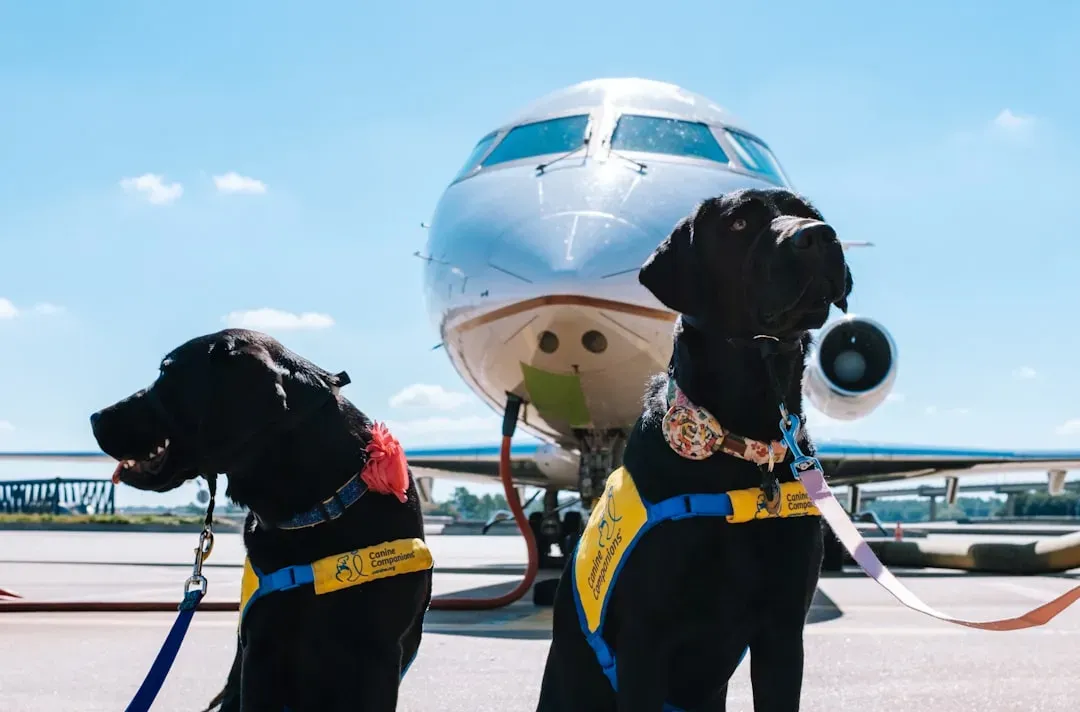
Research over the past two decades has produced some striking results, especially in small, tightly controlled studies. Dogs have been trained to distinguish lung cancer from healthy lung function using breath samples, and in several experiments have done surprisingly well, sometimes performing at a level similar to or better than certain imaging or blood tests in those specific settings. That does not mean they replace a CT scanner, but it does mean the signal is real enough to measure.
Similar studies with breast, ovarian, and prostate cancers using urine, breath, or even sweat samples have shown promising accuracy, particularly in advanced or clearly diagnosable cases. Some research has suggested that dogs can even detect early‑stage disease, which is where the real life‑saving potential lies. Still, sample sizes tend to be modest, methods are variable, and not every study has produced spectacular numbers. The big picture: the evidence is encouraging but not yet uniform or robust enough to rely on as a standalone clinical test.
Why Dogs’ Noses Still Beat Many Machines
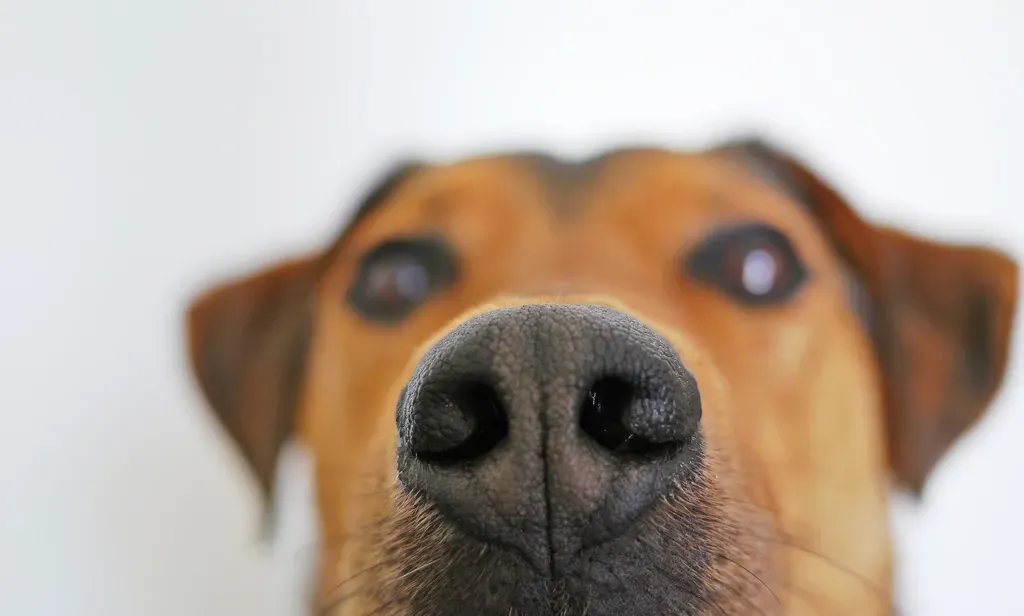
It is almost embarrassing for our technology that we keep losing to dogs at smelling things. A dog’s nose contains hundreds of millions of scent receptors, far more than a human’s, combined with a brain wired to process smell as a primary sense rather than a side feature. They can detect incredibly low concentrations of certain compounds, at levels many instruments still struggle to pick out consistently in messy, real‑world conditions.
On top of raw sensitivity, dogs bring pattern recognition that is adaptive, flexible, and context aware. Where a machine might need a strict formula – this compound plus that compound at precisely these levels – a trained dog can learn a more holistic odor “pattern” and still succeed when the signal is a little weaker or mixed with other odors. That said, unlike machines, dogs have moods, fatigue, distractions, and natural limits that scientists cannot simply code away.
Limitations, Controversies, and the Risk of Overhyping the Nose
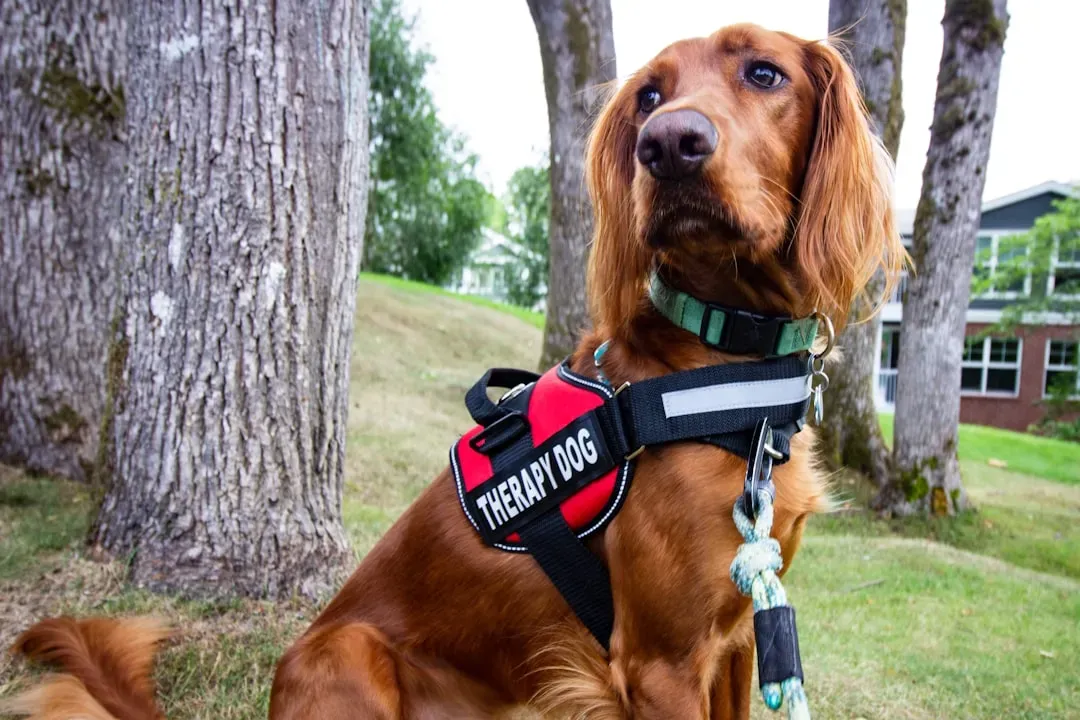
This is where we need to be brutally honest: the idea of a dog casually walking past a crowd and perfectly sniffing out everyone with cancer is fantasy, not science. Many studies are small, performed in controlled lab environments, and not yet replicated on large, everyday clinical populations. Some experiments show excellent sensitivity and specificity; others are more modest, and a few are disappointing. The methods, training protocols, and sample handling can vary a lot from one group to another, making direct comparisons tricky.
There is also the thorny problem of standardization. Each dog is an individual, and training programs differ. How do we certify a dog for medical use? How long does its performance stay high? What happens if a dog has an off day or simply gets bored? Overhyping early results risks creating false hope for patients and frustration for clinicians. In my view, the responsible stance is cautious enthusiasm: treat canine detection as a powerful research tool and potential ally, not a magical solution.
From Dogs to Devices: How This Research Is Inspiring New Tech

One of the most exciting parts of this story is that the dogs are not the endgame – they are the inspiration. By showing that consistent VOC patterns exist in cancer patients, canine studies have helped push forward the development of so‑called electronic noses and advanced analytical platforms. These devices aim to mimic what the dog is doing: detect subtle combinations of volatile compounds and translate them into a clear yes‑or‑no or risk score.
Researchers are using techniques like gas chromatography, mass spectrometry, and sensor arrays to identify exactly which VOCs are most informative. The long‑term vision is simple but ambitious: a breath or urine test that is quick, non‑invasive, and cheap enough to use in screening programs for high‑risk individuals. If we ever get to a world where a primary care visit includes a routine breath screen that flags early lung or ovarian cancer, we will owe a surprising debt to the dogs who showed us the signal was there in the first place.
How Dog Detection Could Fit Into Real‑World Cancer Care
Even if dogs never become a standard diagnostic tool in every hospital, there are realistic roles where they might help. One possibility is using them as an extra screening layer in resource‑limited settings, where high‑end imaging is scarce but cancer rates are rising. Another is using canine teams in research centers to quickly screen large numbers of samples, flagging the most suspicious ones for more detailed analysis by machines and specialists.
There is also a strong argument for using dogs to help validate and train new technologies. If a particular pattern reliably makes a well‑trained dog alert, that is a strong clue to investigators that the pattern is not just statistical noise. In that sense, dogs could serve as living, breathing bridges between the messy reality of human biology and the tidy world of digital sensors. It is not that the clinic turns into a kennel; it is that our noses are too weak to see what these animals have been noticing all along.
Ethical Questions and the Human–Dog Bond in Medicine
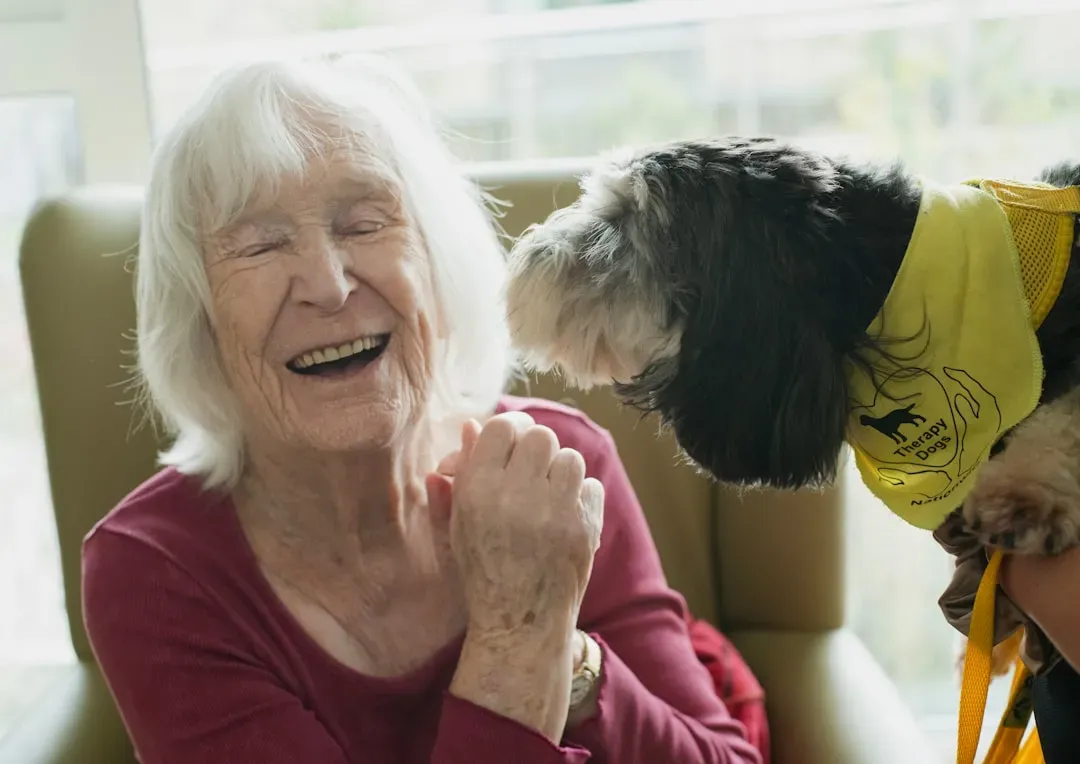
Whenever we talk about working dogs, we have to talk about welfare. Cancer detection work is mentally demanding; asking a dog to spend hours in a lab or clinic is very different from tossing a ball in the park. Responsible programs build in rest, play, bonding time, and careful monitoring for stress or burnout. In my opinion, if we are going to lean on dogs for something as heavy as cancer detection, we owe them an exceptional quality of life in return.
There is also the emotional side for patients. Being told that a dog “smelled” your cancer can be oddly comforting and unsettling at the same time. Some people might feel more at ease with an animal present, while others might see it as unscientific or strange. Medicine is already full of intimidating machines and jargon; adding a dog to the mix, when done thoughtfully, could humanize the experience and remind everyone that diagnosis is not just about numbers, but about relationships and trust too.
Conclusion: A Powerful Nose, a Humble Role
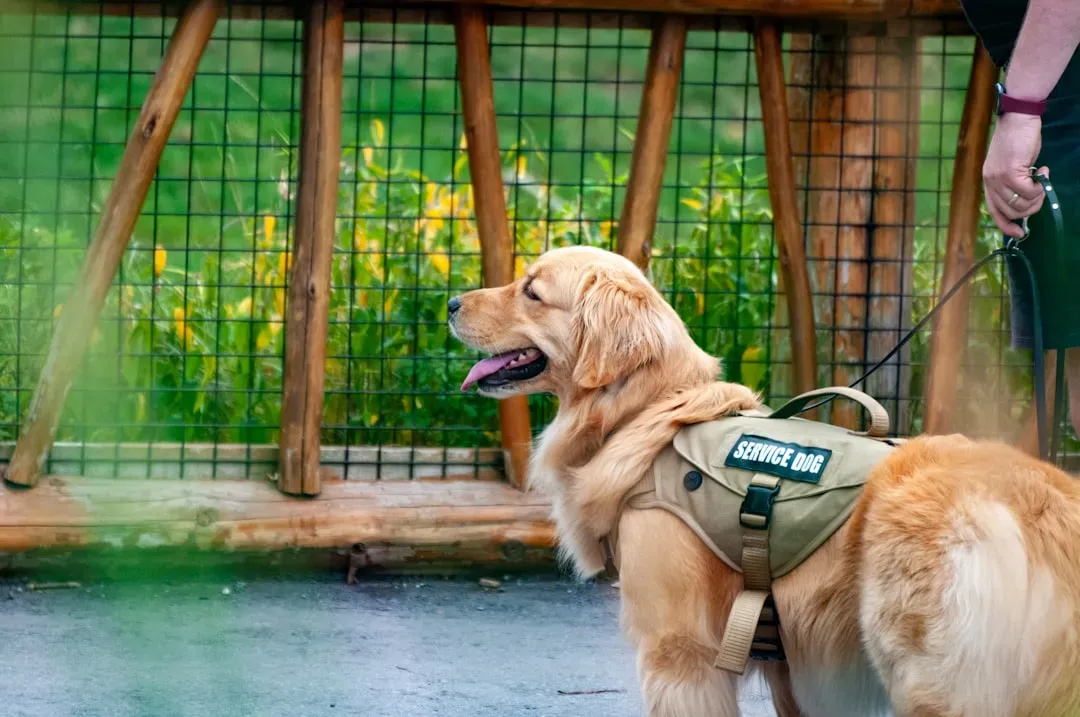
If you strip away the headlines and the hype, the story of dogs detecting cancer is not a miracle tale – it is a hard‑earned, still‑evolving piece of science that happens to involve animals we love. The evidence that trained dogs can recognize VOC patterns from lung, breast, ovarian, and prostate cancers is real and intriguing, but it is not yet the last word in diagnosis. I lean toward seeing these dogs as early scouts on the frontier: they show us where the useful signals are, but they are not the army that will ultimately transform cancer screening worldwide.
In the end, the most responsible dream is not that a dog alone will save you from cancer, but that its nose will help inspire better, earlier, kinder tests for everyone. We should be excited, but we should also demand rigorous trials, clear standards, and honest reporting about what these animals can and cannot do. If one day your annual checkup includes a quick breath test shaped by lessons from a lab full of patient, tail‑wagging pioneers, will you remember that it all started with a simple question: what does cancer really smell like?