
Research Has Found That Dogs Who Lack Social Play Opportunities in Early Life Show Higher Rates of Anxiety-Related Behavior and Reduced Flexibility in Social Interactions as Adults
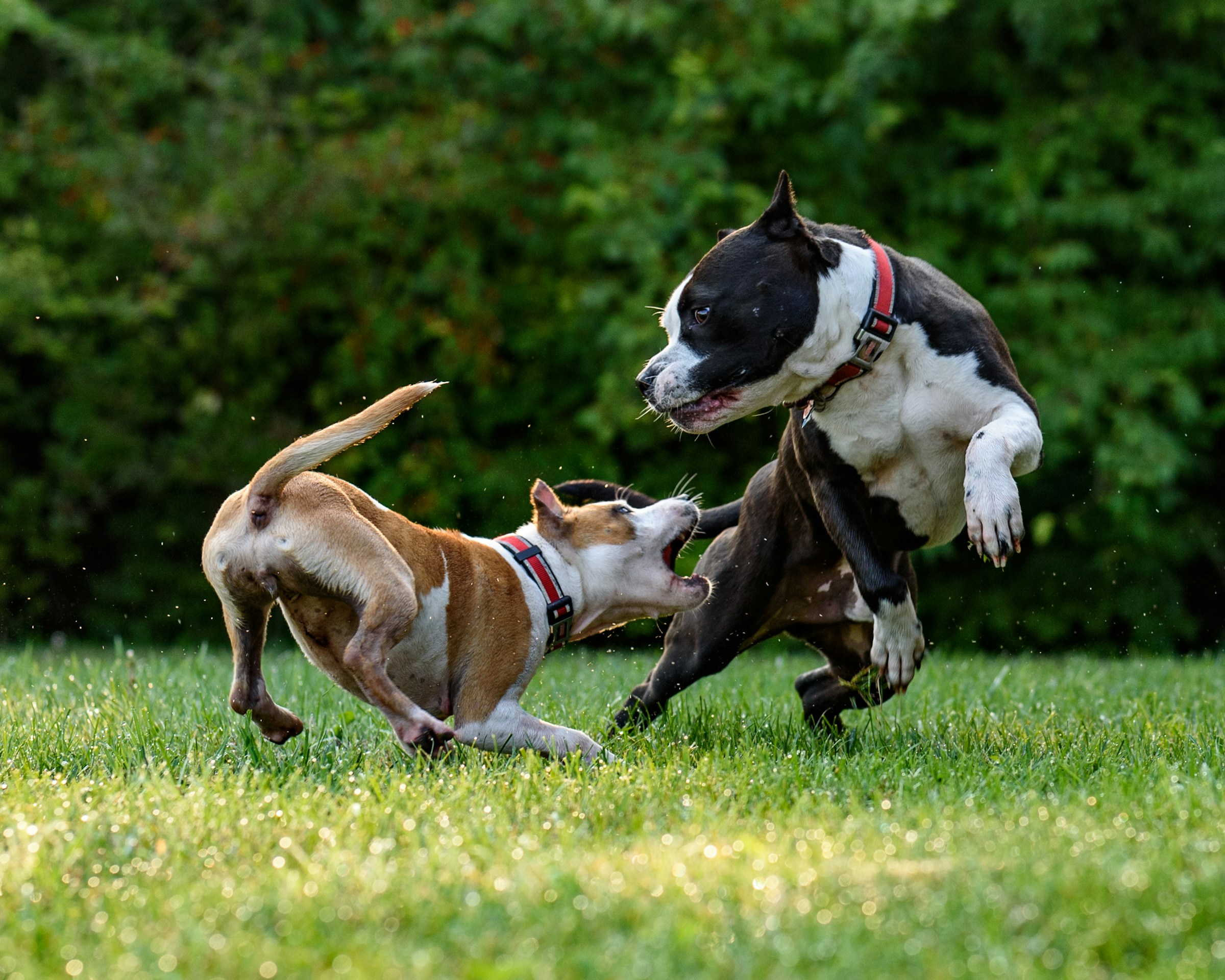
You know that look your dog gives you when another dog walks by and they freeze, tuck their tail, or lunge and bark like the world’s ending? That reaction is rarely just “who they are.” A growing body of research suggests it is often the echo of what did or didn’t happen in the first few months of their life, especially how much real, messy, joyful play they got with other dogs.
Scientists have been digging into how early social experiences shape a dog’s brain and behavior, and the pattern is becoming hard to ignore: puppies who miss out on healthy social play are more likely to grow into anxious, inflexible adults. This doesn’t mean they’re “broken,” but it does mean their emotional wiring has been sculpted differently. Once you see that, it changes how you think about puppyhood, training, and even what “a good life” for a dog really means.
Why Puppy Play Is Not Just Cute, It’s Brain-Building
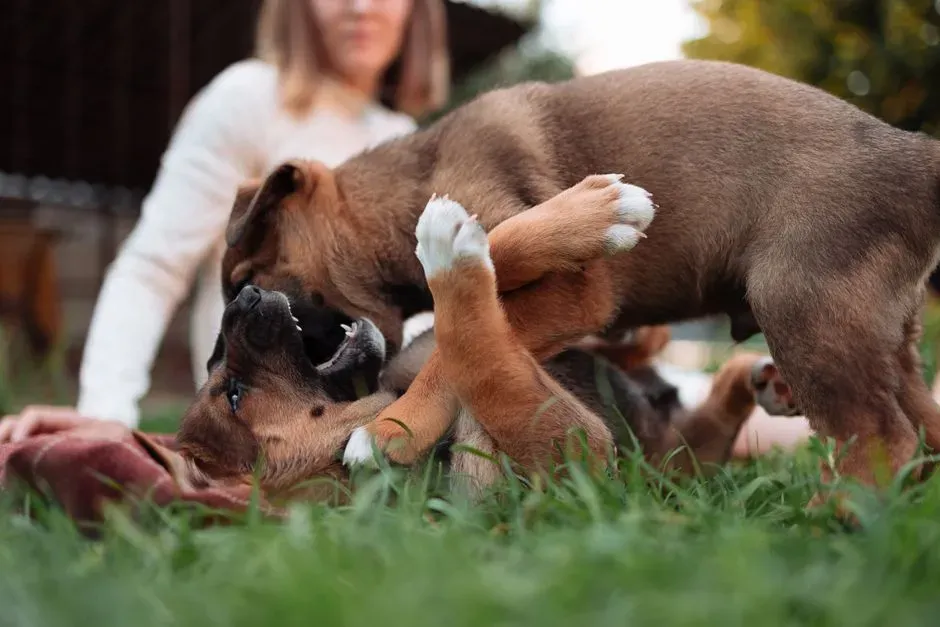
It is tempting to see puppy play as simple chaos: paws flying, teeth flashing, bodies tumbling over each other like furry pinballs. Under the surface, though, that wrestling, chasing, and role-switching is more like a live-fire training exercise for the developing brain. During this early window, nerve connections linked to emotion regulation, impulse control, and social understanding are being rapidly built, pruned, and refined.
When puppies wrestle and then back off, chase and then get chased, they are constantly practicing starting and stopping, reading signals, and negotiating boundaries. That dance builds what you could call emotional brakes and steering. Without it, many dogs grow up with strong engines but weak control systems: they still feel big feelings, but lack the practice to dial those feelings up or down in real time, which is where anxiety, reactivity, and social awkwardness often creep in.
What Research Actually Shows About Early Social Deprivation
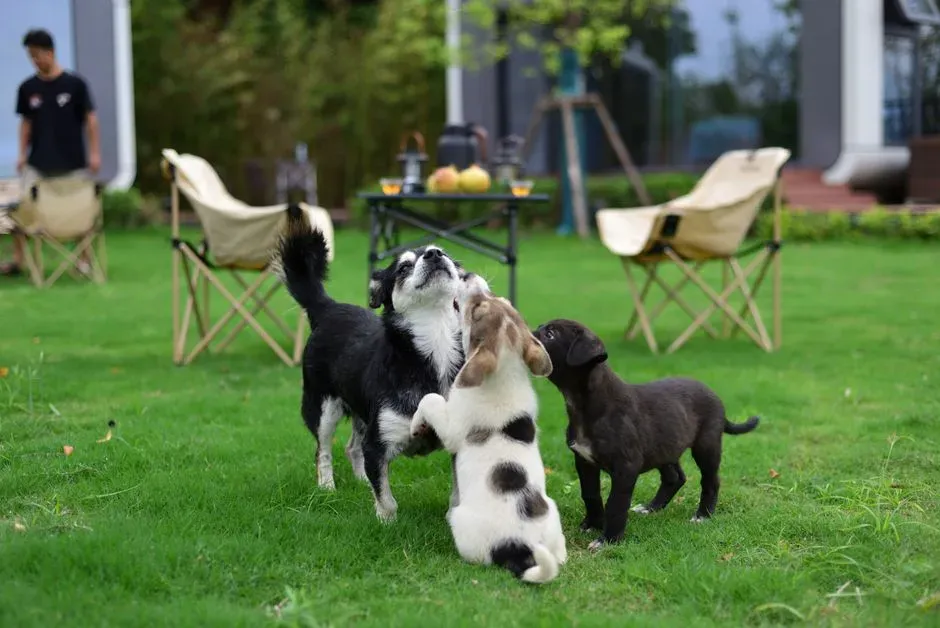
Studies looking at dogs raised with limited social contact, or in very restricted environments, consistently find higher rates of fear, anxiety, and difficulty coping with new situations later on. When dogs are compared based on whether they had rich early social experiences versus more isolated early lives, those with fewer opportunities for normal play tend to show more avoidance, more startle responses, and more stress behaviors around unfamiliar dogs and people. Researchers also see differences in how quickly these dogs recover from a scare, hinting at deeper changes in their stress-response systems.
Importantly, this isn’t only about extreme neglect; even well-loved puppies who simply do not meet many other dogs, or whose “socialization” is limited to watching from the sidelines, can be at risk. Some surveys of pet dogs have found that those who attended thoughtful, well-run puppy classes and had regular, positive dog-dog interactions early in life later show fewer anxiety-related issues and better adaptability. The pattern is not perfect and individual temperament still matters, but the overall direction of the evidence points the same way: early social play is protective, not optional.
Anxiety, Reactivity, and the Hidden Cost of Missed Play
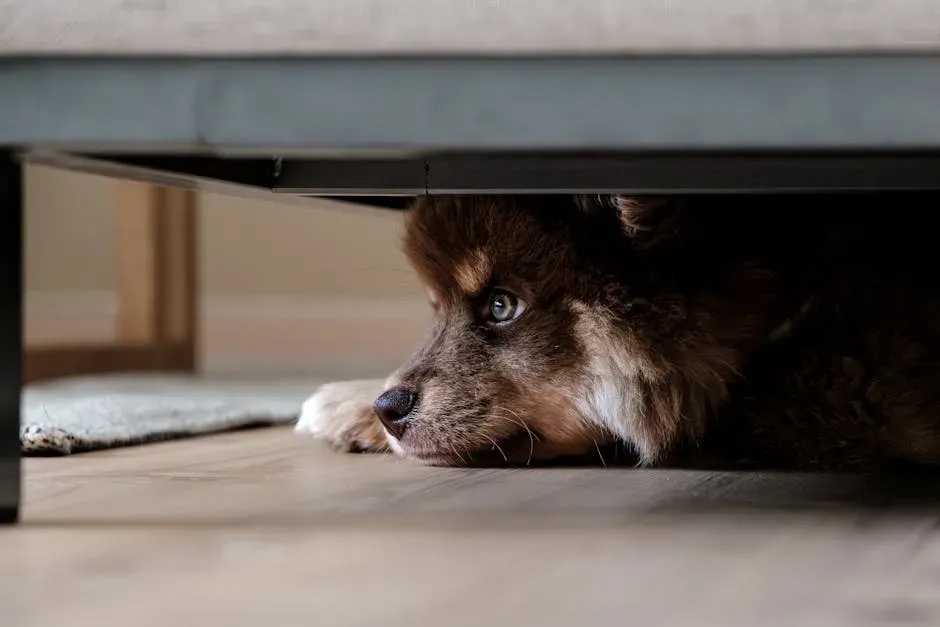
When dogs lack early social play, the fallout often shows up first as anxiety-related behavior: cowering behind their owner, barking excessively at visitors, refusing to walk past certain places, or trembling in busy environments. Many guardians describe these dogs as “sensitive” or “high-strung,” but what is really happening is that everyday life feels louder, sharper, and harder to predict for a brain that never practiced handling social surprises during development. Without that rehearsal, the dog’s default becomes: when in doubt, worry or defend.
This can slide into what people label as “reactivity” or “aggression,” especially around other dogs. A dog who never learned that play bows, pauses, and soft eye contact signal safe interaction may interpret another dog’s approach as a threat. Lacking flexible strategies, they may jump straight to barking, lunging, or shutting down. From the outside, this looks like bad behavior; from the inside, it is a frightened animal using the only tools they know. The heartbreaking part is that these problems are often preventable, or at least soften dramatically, if we take early social play seriously.
Reduced Social Flexibility: When Dogs Struggle to Read the Room
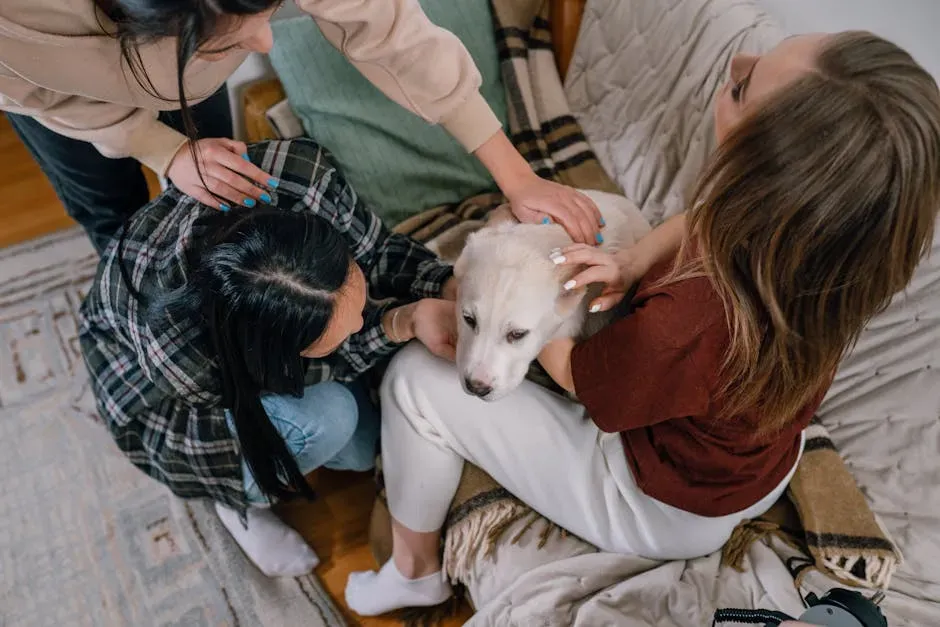
Social flexibility is a fancy way of saying a dog can “read the room” and adjust their behavior. A flexible dog might tone it down for a shy puppy, ramp it up for a confident playmate, or walk away when another dog clearly has had enough. Dogs who missed out on learning this through early play often seem stuck in one mode: they may be relentlessly pushy, chronically withdrawn, or frozen between approach and avoidance, never really relaxing into the flow of interaction.
Research and clinical observation both point to the same thing: these dogs tend to have trouble switching roles and strategies. They may insist on chasing but never enjoy being chased, or they might completely shut down when another dog tries to engage. Over time, this rigid social style can lead to more conflicts, more corrections from other dogs, and more stressful outings for everyone involved. It becomes a feedback loop: awkward interactions create more anxiety, which makes future interactions even harder, and the dog’s world quietly shrinks.
How Much Play Is Enough, and What Kind Really Matters?
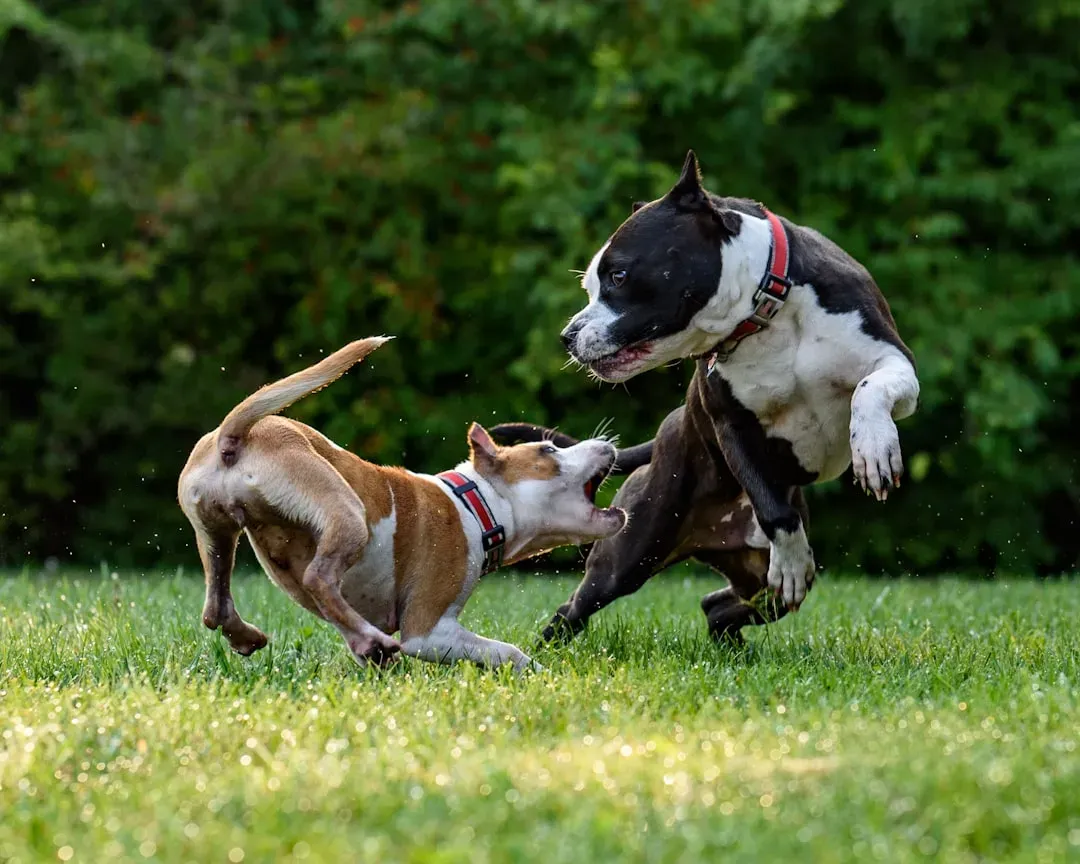
One common worry is whether dogs need constant playdates to grow up well-adjusted. The evidence and practical experience suggest it is less about sheer quantity and more about quality, variety, and timing. Early life, especially the first few months, appears to be a sensitive period when puppies are particularly open to learning what is safe, fun, and normal. A smaller number of good, well-managed play sessions during this time can be more valuable than endless free-for-alls later on.
Ideal social play is voluntary, balanced, and closely supervised without being micromanaged. That means letting puppies experiment with chase, tug, and wrestling, while stepping in if one is being relentlessly bullied, overwhelmed, or checked out. Short sessions with a few compatible partners, in calm environments, tend to produce better social learning than crowded dog parks where over-aroused dogs crash into each other like toddlers on energy drinks. The aim is not to raise a party animal but to build a confident, adaptable dog who feels safe around their own species.
Practical Ways Guardians Can Support Healthy Social Development
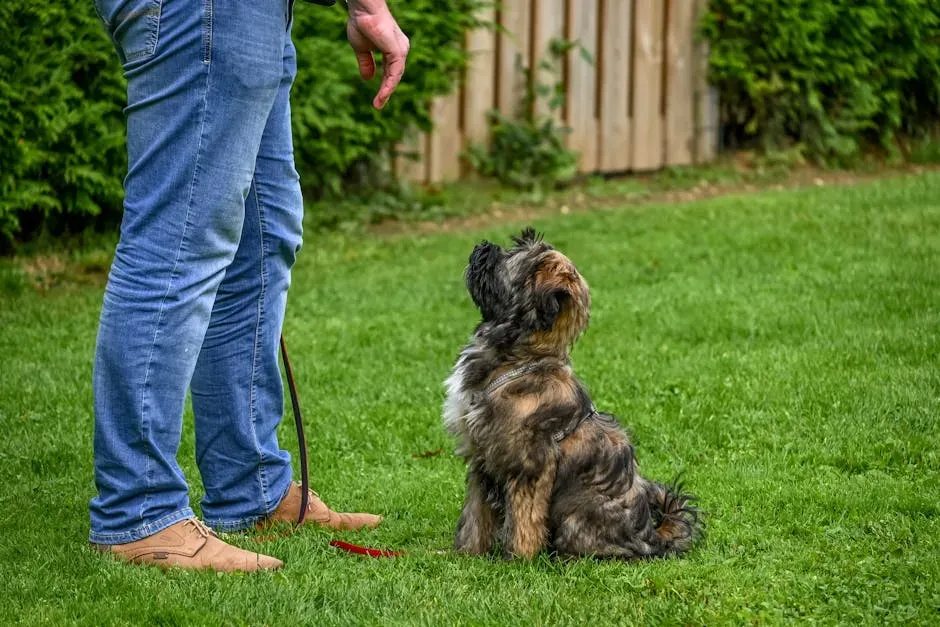
If you have a puppy, focusing on early social play might be the single most impactful investment you can make in their future mental health. Thoughtfully chosen puppy classes, small playgroups with stable, friendly adult dogs, and repeated experiences where your pup can approach, retreat, and re-engage on their own terms all help build that internal library of safe social memories. Pairing these interactions with calm human support and plenty of rest keeps play from tipping into overwhelming chaos.
For dogs who are already adults and seem to be carrying the scars of missed early play, all is not lost. Gentle, structured exposure to carefully selected dog friends, started at a distance and built up slowly, can still expand their comfort zone. Techniques like pattern games, cooperative care work, and counter-conditioning around other dogs help rebuild a sense of safety. It takes patience and realistic expectations, but even anxious, socially stiff dogs can learn new emotional habits when we stop blaming them and start meeting them where they are.
Rethinking What We Owe Dogs: An Opinionated Take
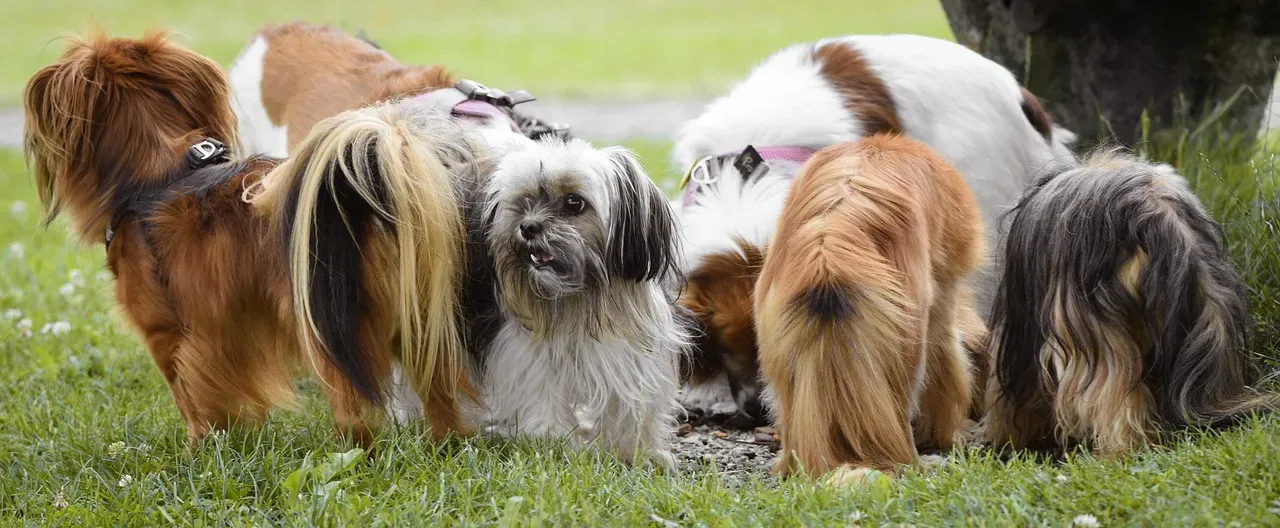
In my view, treating dog-dog social play as optional is a quiet form of neglect, even when it happens with the best of intentions. We pour money into beds, toys, and fancy food, yet some of the most important “equipment” for a healthy canine brain is another dog’s body and a safe space to bounce off it. When we raise puppies in near-isolation, or keep adult dogs feeling trapped and unsafe around their own species, we are not just preventing potential scuffles; we are shrinking their emotional universe.
The research on early social play, anxiety, and social flexibility does not mean every under-socialized pup is doomed, or that every well-socialized dog will be carefree. But it does push us to see social play not as a cute extra, but as part of basic welfare, like nutrition and veterinary care. If we really believe dogs are family, then giving them chances to speak their native social language with their own kind is not a luxury, it is a responsibility. The uncomfortable question is: when we look at how our dogs actually live, are we really giving them that chance?