
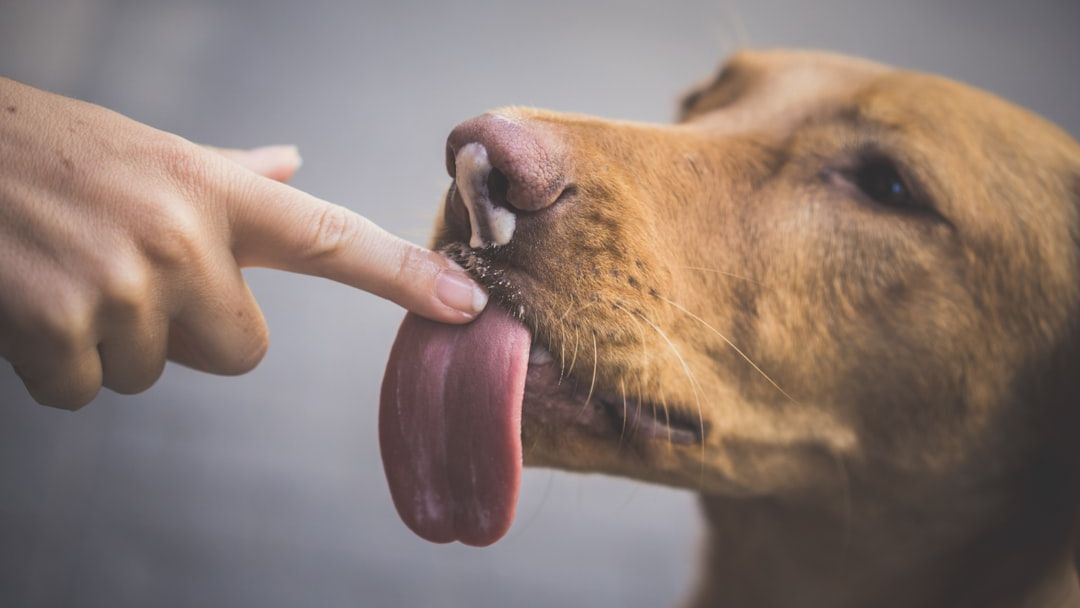
Dogs carry roughly 600 different bacterial species in their mouths, a figure that stands in contrast to the common perception of a lick as simple affection. The behavior itself traces back to early puppy development, where licking helps maintain bonds with the mother and later extends to social interactions with people. While many owners view these moments as harmless expressions of attachment, the microbial details prompt a closer examination of when such contact remains low risk and when it warrants caution.
Roots of the Behavior in Canine Social Life
Licking serves as a form of communication shaped by evolution. Puppies lick their mother’s muzzle to strengthen connections and encourage feeding, and this pattern persists into adulthood as dogs interact with their human companions. Researchers note that the action often releases endorphins in the dog, producing a sense of calm and security during the exchange.
Not every instance signals warmth, however. A distinct pattern known as a “lick to dismiss” appears when a dog seeks to redirect attention or create distance, typically paired with a stiff posture and attempts to pull away. Owners who observe these cues can better interpret whether the lick reflects genuine engagement or a polite request for space.
The Microbial Profile of Canine Saliva
The bacterial diversity in a dog’s mouth exceeds what many expect. Up to three quarters of healthy dogs and cats carry Capnocytophaga canimorsus, an organism that rarely causes severe illness in people yet has been linked to life-threatening sepsis in isolated cases. Other bacteria, such as Pasteurella multocida, carry the potential for complications including meningitis when transmitted through saliva.
Breaks in the skin, whether from minor cuts, rashes, or acne, increase the chance that microbes from saliva could lead to localized infection. The long-standing claim that a dog’s mouth is cleaner than a human’s does not align with current understanding of these microbial communities. Transmission remains uncommon for most healthy adults, yet the presence of these organisms underscores the value of basic hygiene after contact.
Groups That Face Elevated Concerns
Certain populations encounter higher vulnerability to complications from dog saliva. Individuals who are immunocompromised, pregnant, very young, or older stand at greater risk of serious outcomes from pathogens that include salmonella and E. coli. Veterinary guidance specifically advises against allowing licks near the eyes, nose, or mouth for these reasons.
Additional factors, such as a dog’s habit of consuming feces, further elevate the potential for pathogen transfer. For the broader population of healthy adults, the likelihood of significant illness stays low, though it can be reduced by limiting direct contact with mucous membranes and washing the face and hands promptly afterward.
Practical Steps Grounded in Current Guidance
Specialists recommend weighing personal health status against enjoyment of the interaction. Those who choose to permit face licks can still minimize exposure by steering clear of the mouth, nose, and eyes while monitoring the dog for any signs of digestive upset or unusual behavior that might indicate higher bacterial load.
Regular veterinary care for the dog helps maintain overall oral health, which in turn supports safer interactions. Owners who notice repeated “dismissal” licks or other avoidance signals may interpret these as opportunities to redirect the dog toward other forms of affection, such as petting or play.
Balancing Attachment With Informed Choices
The decision ultimately rests on individual circumstances rather than a universal rule. Healthy adults who understand their dog’s habits and maintain good hygiene after contact generally face minimal added risk. At the same time, awareness of the bacterial realities allows owners to adjust boundaries without diminishing the bond they share with their pet.
Continued research into canine microbiology may refine these assessments over time, yet the core principle remains consistent: respect both the affection expressed through licking and the measurable presence of microorganisms that accompany it.


