
Studies Confirm That Wolves Raised by Humans Do Not Show the Same Oxytocin Response to Eye Contact That Domestic Dogs Do – Proving This Bond Was Shaped by Domestication Alone
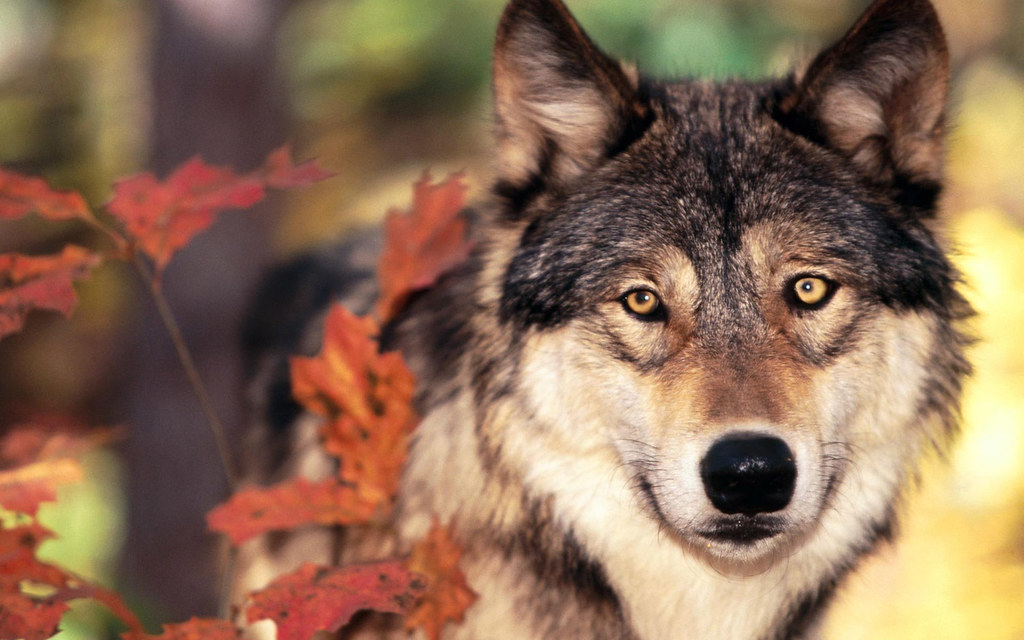
Imagine gazing into your dog’s eyes and feeling an unspoken connection, a bond that seems almost magical. This isn’t just your imagination – it’s science. Recent studies have unveiled that this profound connection is unique to domesticated dogs and is absent in wolves, even those raised by humans. This discovery sheds light on the evolutionary journey that transformed wild wolves into our loyal companions.
The Unique Human-Dog Oxytocin Loop
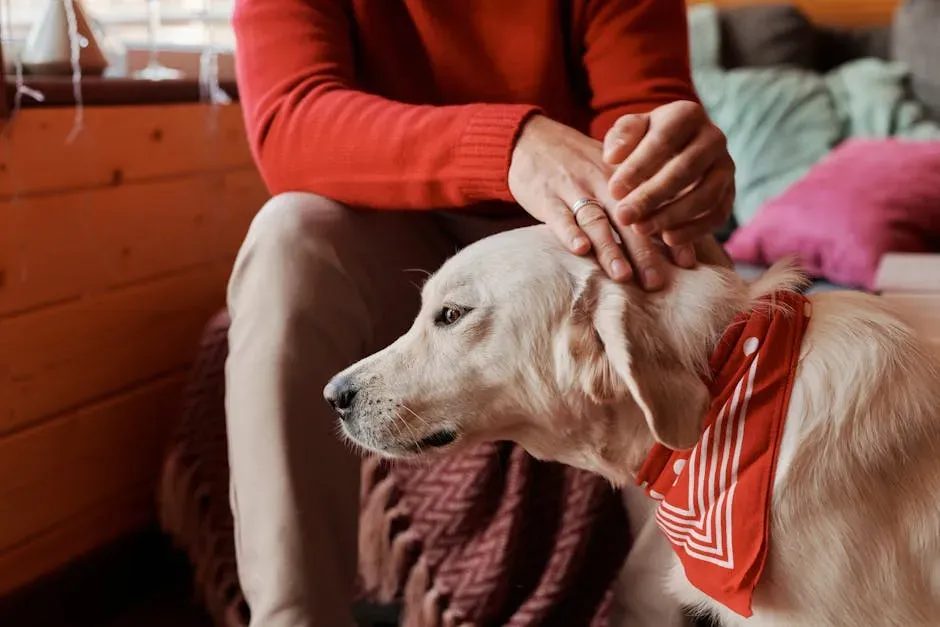
When you share a loving gaze with your dog, both of you experience a surge in oxytocin, often dubbed the “love hormone.” This biochemical reaction fosters social bonding and trust. Intriguingly, this mutual oxytocin boost doesn’t occur between humans and wolves, even if the wolves have been hand-raised. This suggests that the human-dog bond is a product of domestication, not merely socialization.
Wolves’ Limited Response to Human Interaction
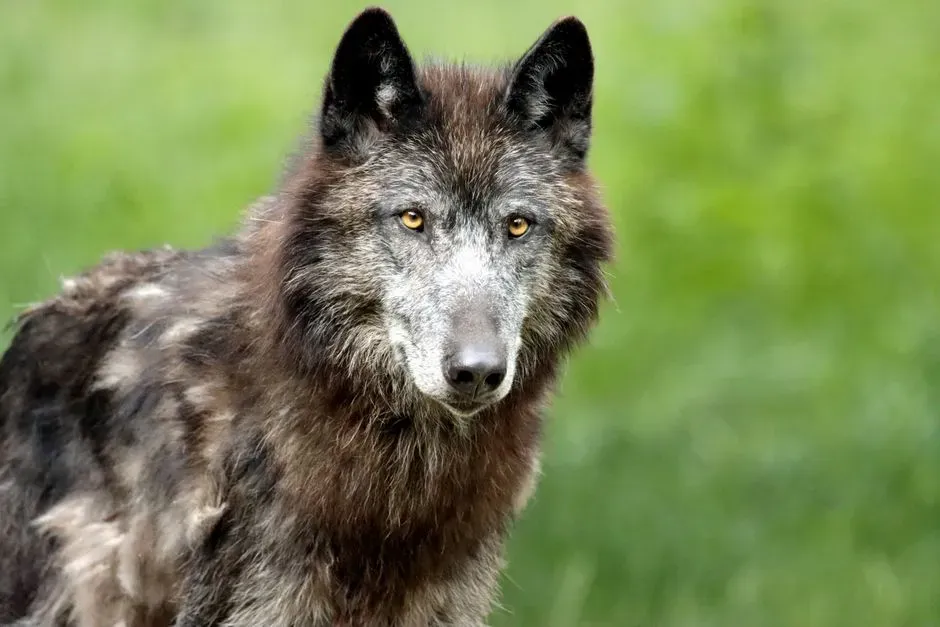
Studies have shown that wolves, despite being raised by humans, rarely engage in prolonged eye contact with their handlers. When they do, it doesn’t trigger the same oxytocin release observed in dogs. This indicates that the deep emotional connection humans share with dogs is a result of selective breeding and domestication processes over thousands of years.
Dingoes: A Middle Ground in the Evolutionary Timeline
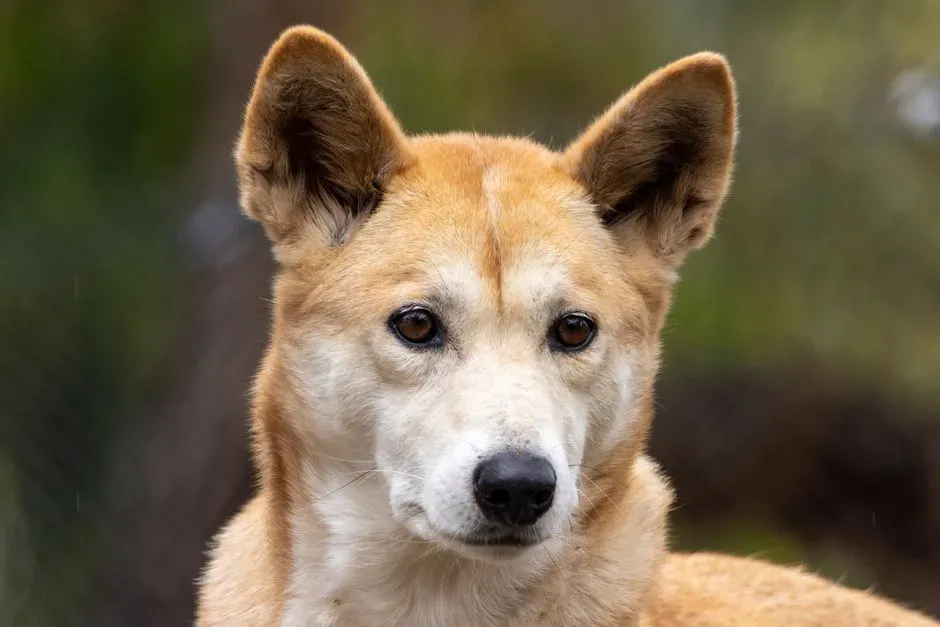
Research on dingoes, Australia’s wild canines, offers fascinating insights. Dingoes make eye contact with familiar humans more frequently than wolves but less so than domesticated dogs. This behavior suggests that the tendency for eye contact and the associated bonding mechanisms began early in the domestication process but were further enhanced as dogs evolved alongside humans.
The Role of Oxytocin in Domestication
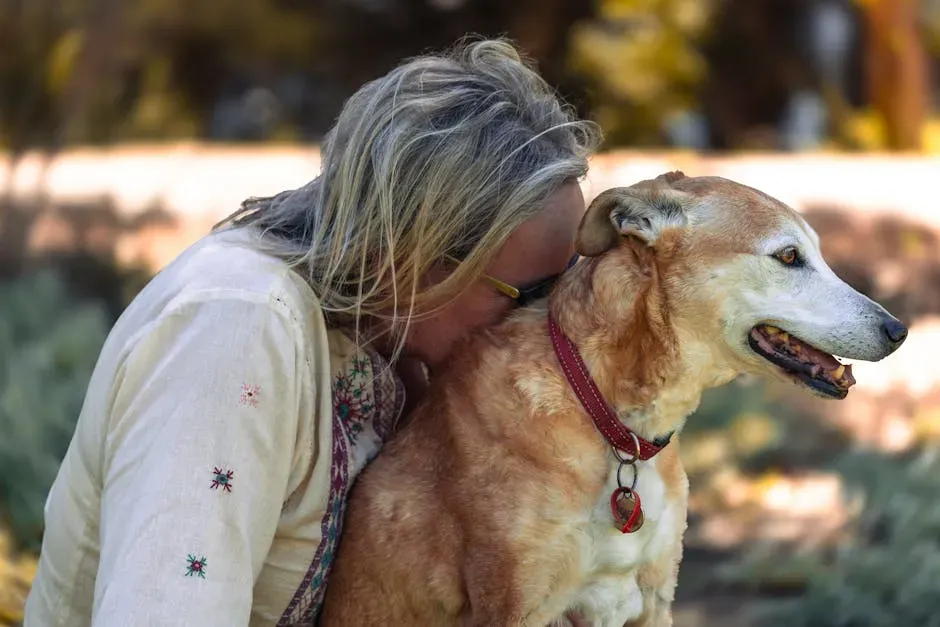
Oxytocin plays a pivotal role in social bonding. In the context of domestication, it’s believed that early dogs developed an enhanced oxytocin response to human interaction, facilitating stronger bonds. This hormonal adaptation would have been advantageous, promoting cooperation and mutual benefit between humans and dogs.
Behavioral Differences Rooted in Evolution
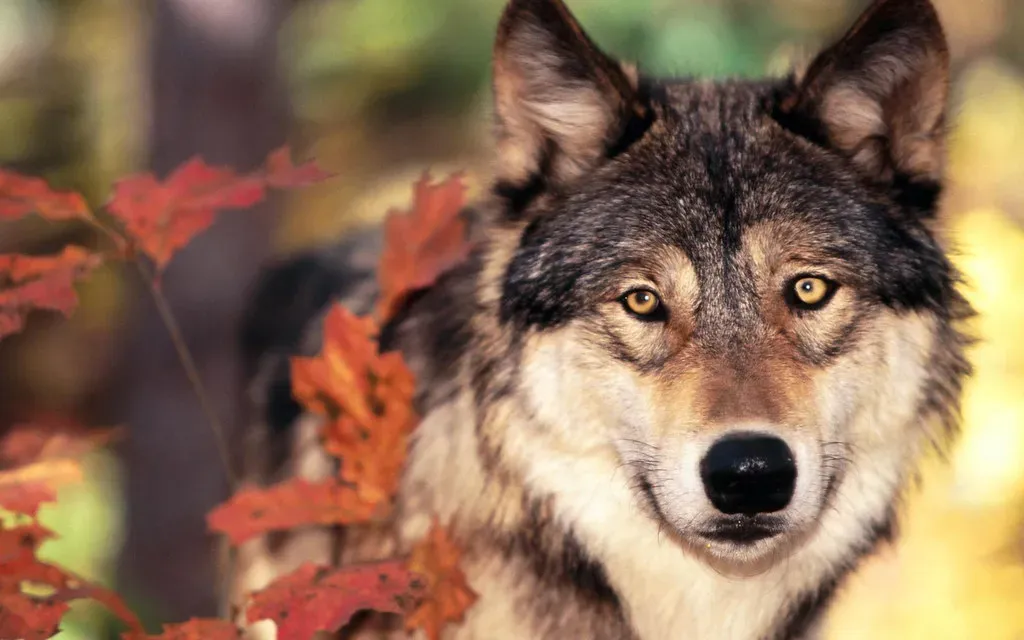
The behavioral disparities between dogs and wolves underscore the profound impact of domestication. Dogs have evolved to be more attuned to human social cues, seeking guidance and forming attachments. Wolves, on the other hand, maintain a more independent disposition, even when raised in human environments.
Implications for Understanding Human-Animal Relationships
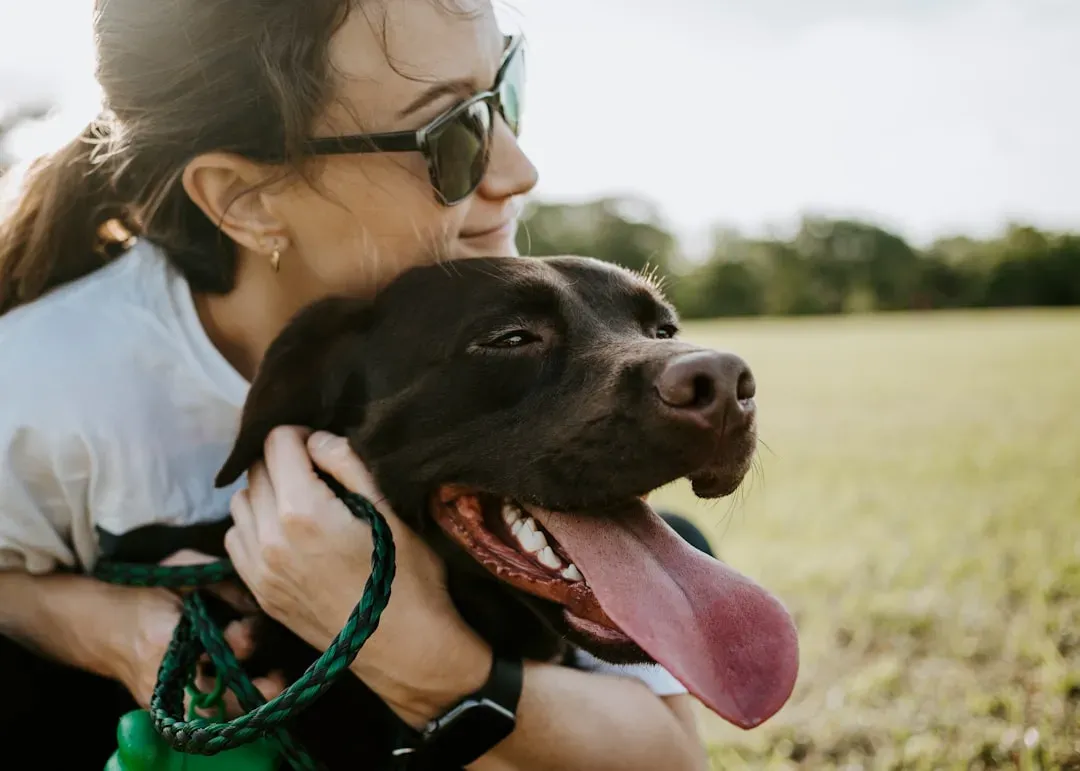
These findings deepen our understanding of the unique relationship between humans and dogs. They highlight that the bond we share is not merely a result of proximity or upbringing but is embedded in the very biology of domesticated dogs, shaped by millennia of co-evolution.
Conclusion: The Evolutionary Tapestry of Companionship
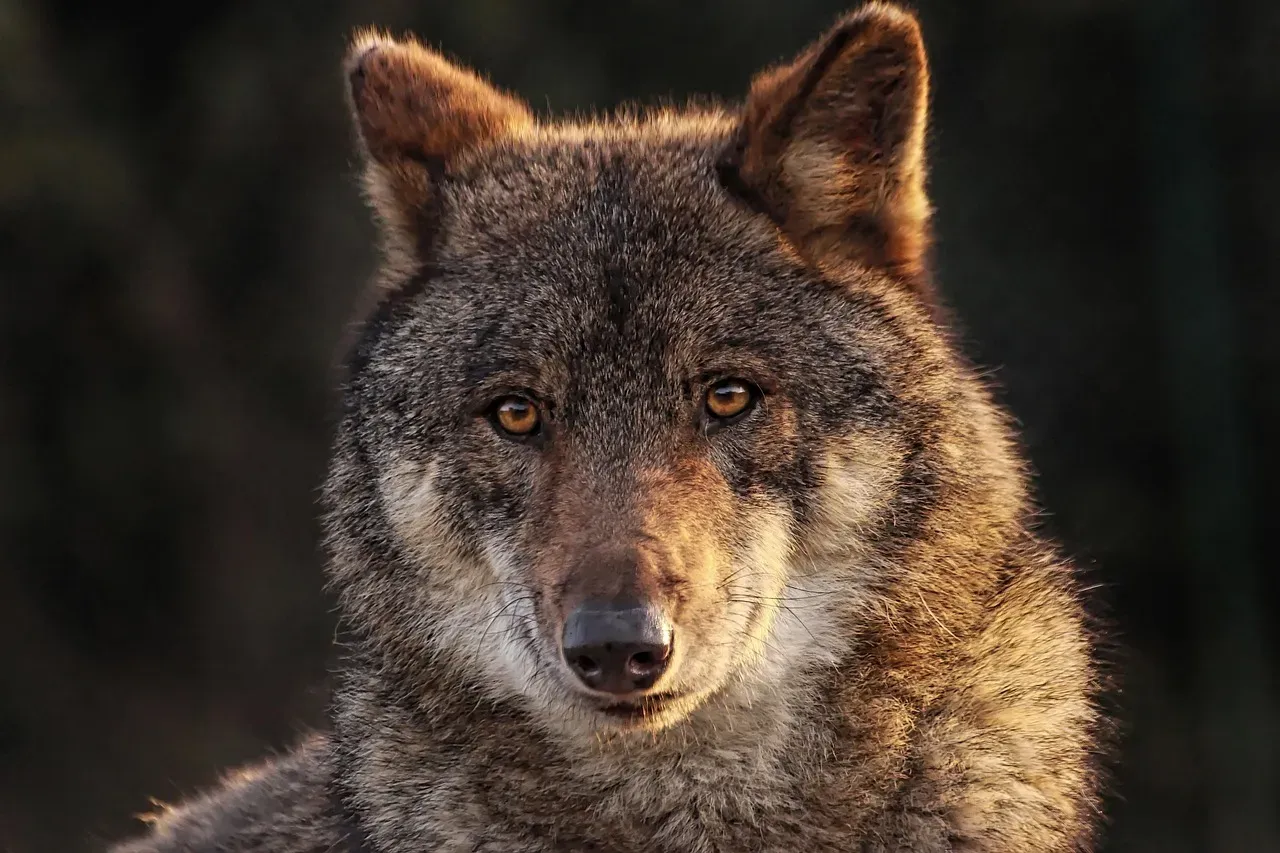
The journey from wild wolf to beloved pet is a testament to the intricate dance of evolution and domestication. The absence of a mutual oxytocin response in human-raised wolves underscores that our deep connection with dogs is a product of selective pressures favoring traits that fostered companionship. This bond, woven over thousands of years, is a unique narrative of mutual adaptation and affection. Isn’t it remarkable how evolution has crafted such profound interspecies relationships?