
Studies Have Shown That Trained Dogs Can Detect Dangerously Low Blood Sugar in Diabetic Owners by Smelling the Chemical Changes That Precede a Hypoglycemic Episode
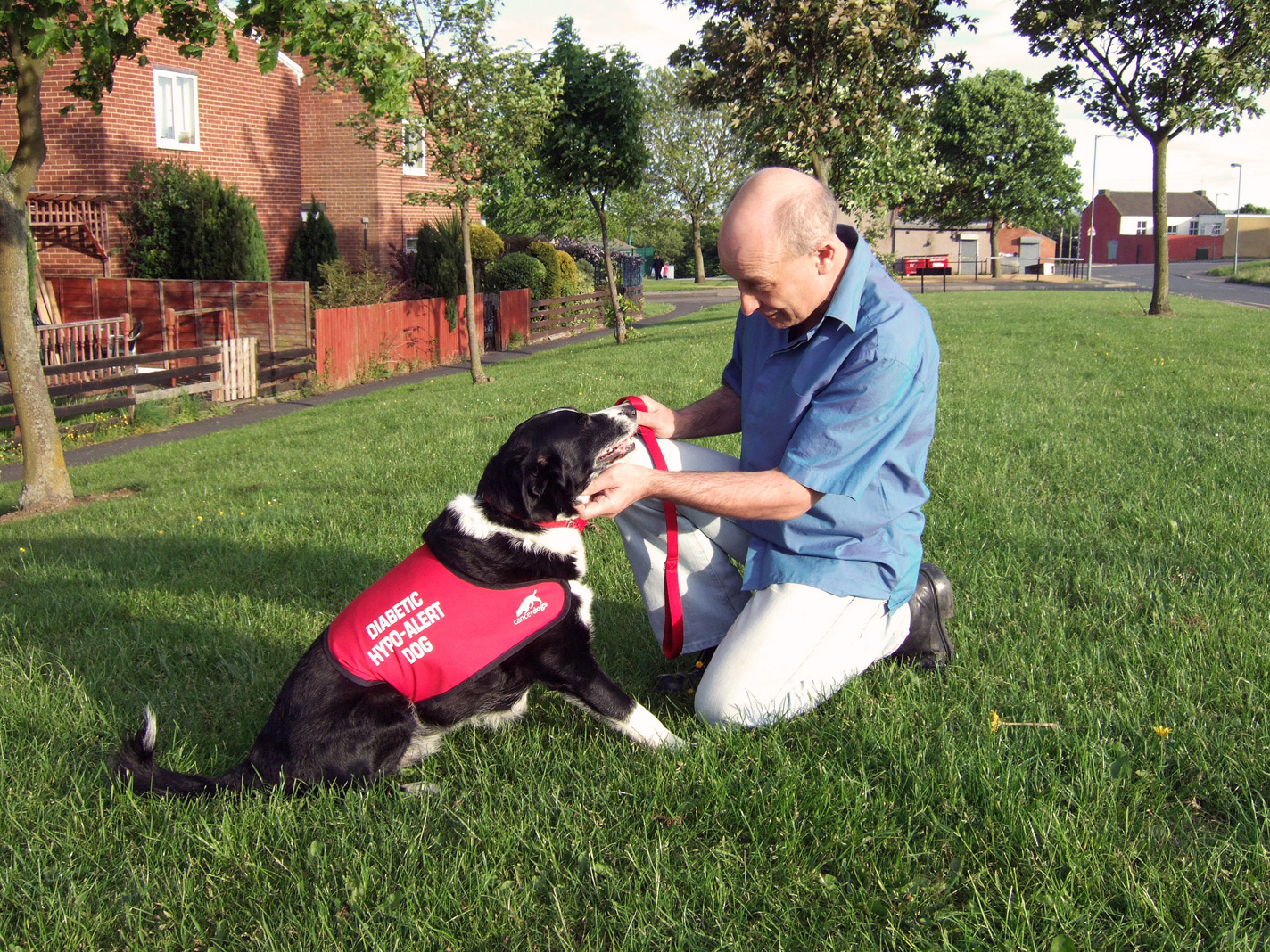
If you live with diabetes, the idea that your dog could smell a blood sugar crash before it happens sounds almost magical. It feels like something out of a sci‑fi movie: your dog nudges you, stares at you, refuses to leave you alone… and a few minutes later, your glucose monitor confirms a dangerously low reading.
But this is not a fantasy. Over the last several years, researchers, clinicians, and thousands of everyday dog owners have been exploring how trained dogs can detect hypoglycemia by picking up on subtle chemical changes in human scent. The science is still evolving, the results are mixed in places, and there is a lot of hype to cut through. Yet underneath all that, there is a genuinely fascinating, very human story about biology, training, hope, and hard limits.
The Science Behind How Dogs Smell Hypoglycemia

Here’s the wild part: your body has a scent signature that changes when your blood sugar shifts, and your dog’s nose is sophisticated enough to notice. When blood glucose drops to dangerously low levels, your metabolism starts to alter, changing the mix of volatile organic compounds released in your breath, sweat, and skin. Dogs, with their far more sensitive olfactory system compared to humans, can learn to associate that altered scent with a state of hypoglycemia.
Scientists have been trying to nail down exactly which compounds change and how consistent these changes are from person to person. Some studies suggest that dogs can distinguish pads or breath samples taken during low blood sugar from those taken at normal levels, even when they have never met the person. Other research raises questions, showing that not every dog performs well under blinded, controlled conditions. So yes, there is real potential here, but it is more nuanced than the miracle headlines suggest.
What Research Actually Shows About Accuracy
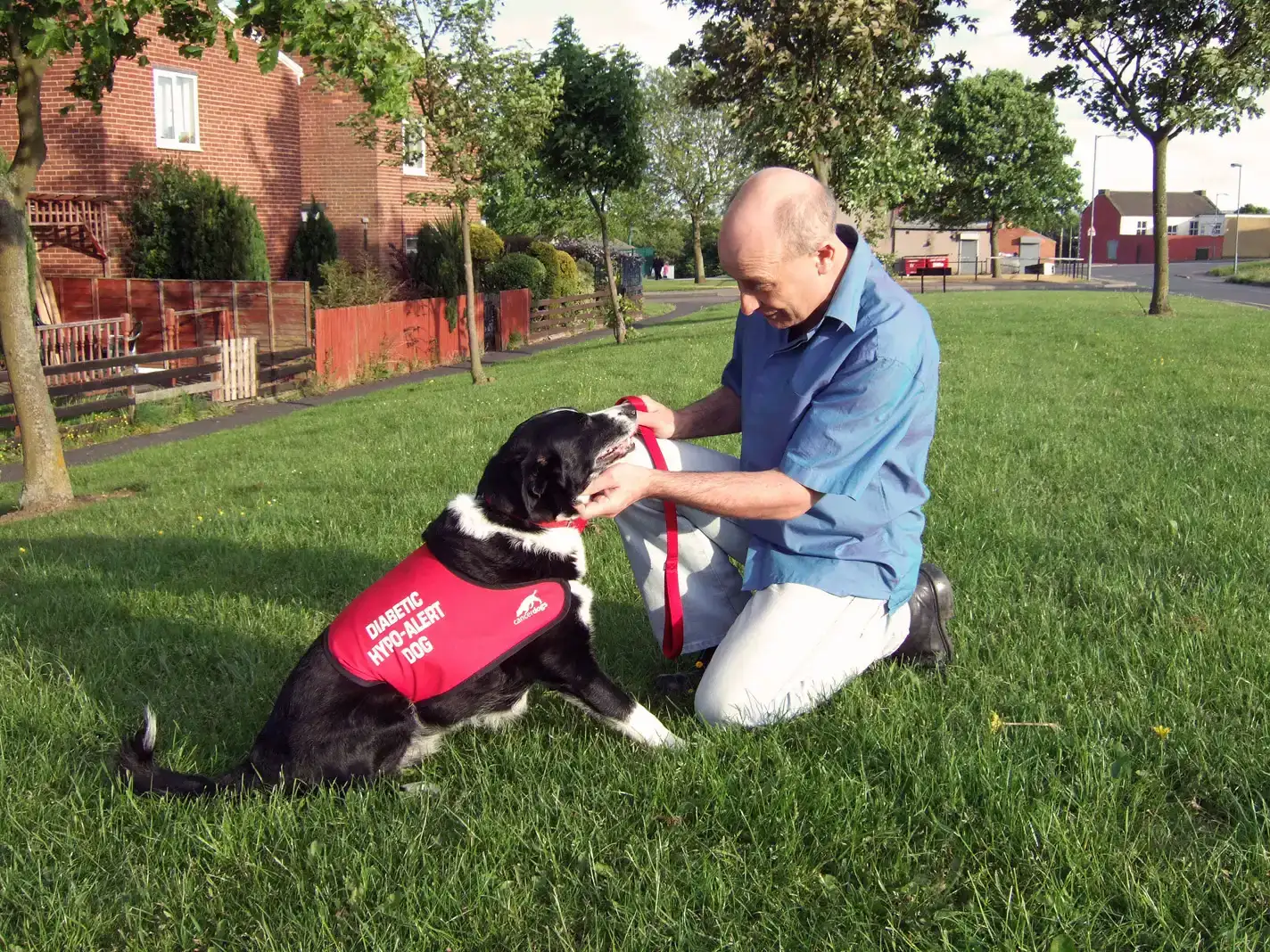
It is tempting to say that medical alert dogs are always accurate and life saving, but the evidence is more complicated. Some studies and real‑world data indicate that well‑trained dogs can catch many hypoglycemic episodes, often before the person feels symptoms, yet they can also miss events or give false alerts. In practice, performance varies from dog to dog, handler to handler, and even day to day.
Researchers have found that in certain controlled environments, trained dogs can identify hypoglycemia samples better than chance and sometimes at impressively high rates. At the same time, other investigations report lower reliability, especially when dogs are tested in blinded designs rather than with their familiar owner. To me, this points to a simple but important truth: medical alert dogs are a powerful tool, not a perfect sensor, and pretending otherwise is unfair to both the dogs and the people who rely on them.
From Shelter Pup to Medical Alert Dog: How Training Works
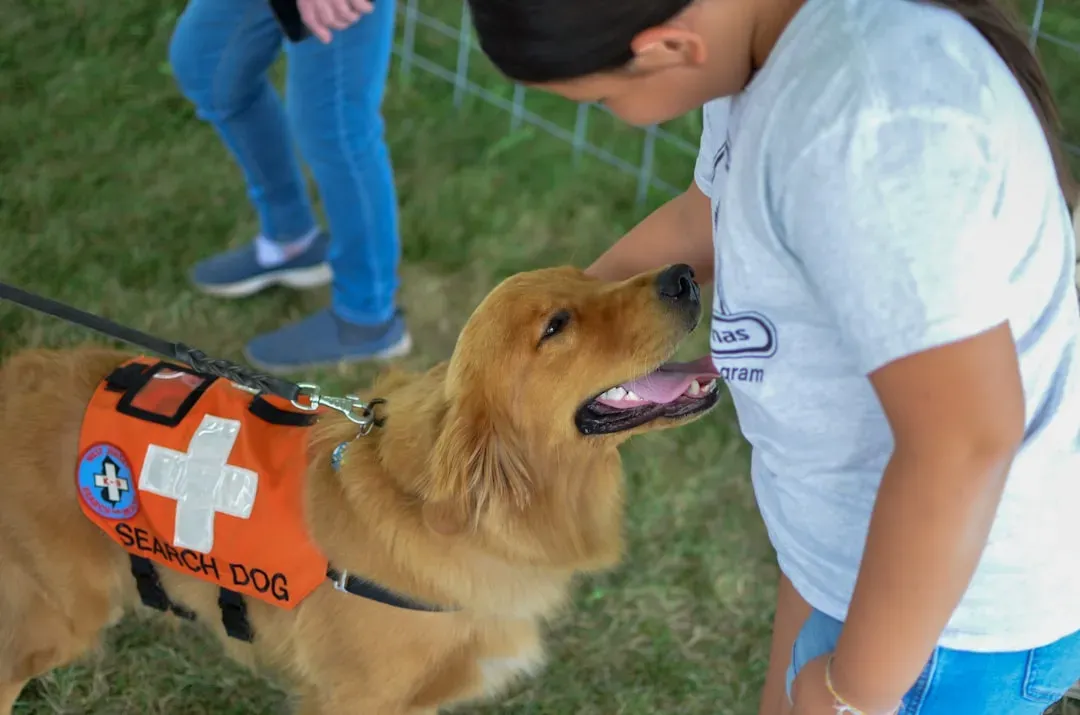
The idea of a dog naturally sensing low blood sugar is romantic, but in reality, reliable medical alert behavior almost always comes from structured training. Organizations and professional trainers typically start with dogs that show strong focus, food or toy motivation, and a stable temperament. These dogs are then introduced to real samples from the person with diabetes: cotton pads from sweat, saliva samples, or breath samples collected during verified low readings.
Through consistent repetition, the trainer pairs that specific hypoglycemia scent with a reward and a clear alert behavior, such as pawing, nudging, or staring intensely. Over time, the dog learns that noticing that smell and performing the alert leads to something good. Later stages of training involve distracting environments, varying times of day, and different situations to make sure the alert holds up in real life, not just in a quiet training room. It is demanding, long‑term work, and not every dog is cut out for it.
Real‑World Benefits for People Living With Diabetes
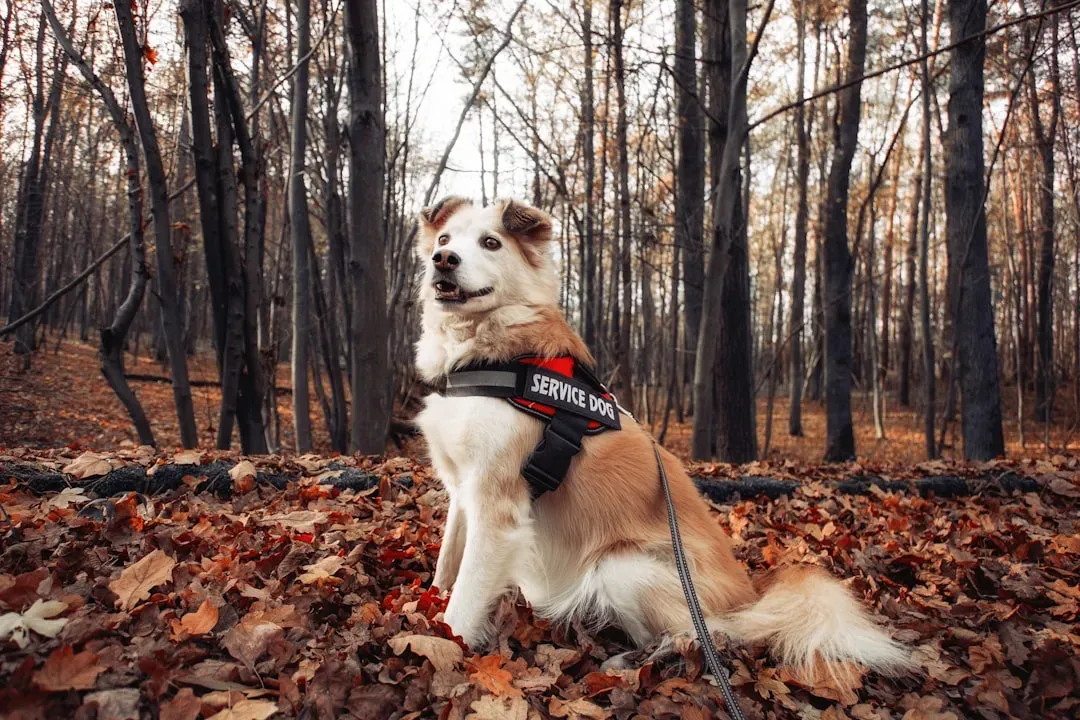
Ask people who live with well‑trained diabetic alert dogs, and you will often hear about a very specific kind of peace of mind. The dog can nudge them awake at night, interrupt a deep focus session at work, or warn during exercise, long before they notice classic symptoms like shaking or confusion. For people who have impaired awareness of hypoglycemia, that extra cue can feel like the difference between a minor bump in the road and a real emergency.
There is also a quieter, emotional benefit that is harder to measure but just as real. Living with diabetes can be lonely and exhausting: constant calculations, hidden fears, and the ever‑present what‑if. A dog that is literally trained to watch your back turns that invisible burden into a shared mission. It is not that the disease disappears, but it can feel a little less like an enemy and more like something you and your dog are managing as a team.
The Limits, Risks, and Myths Around Diabetic Alert Dogs
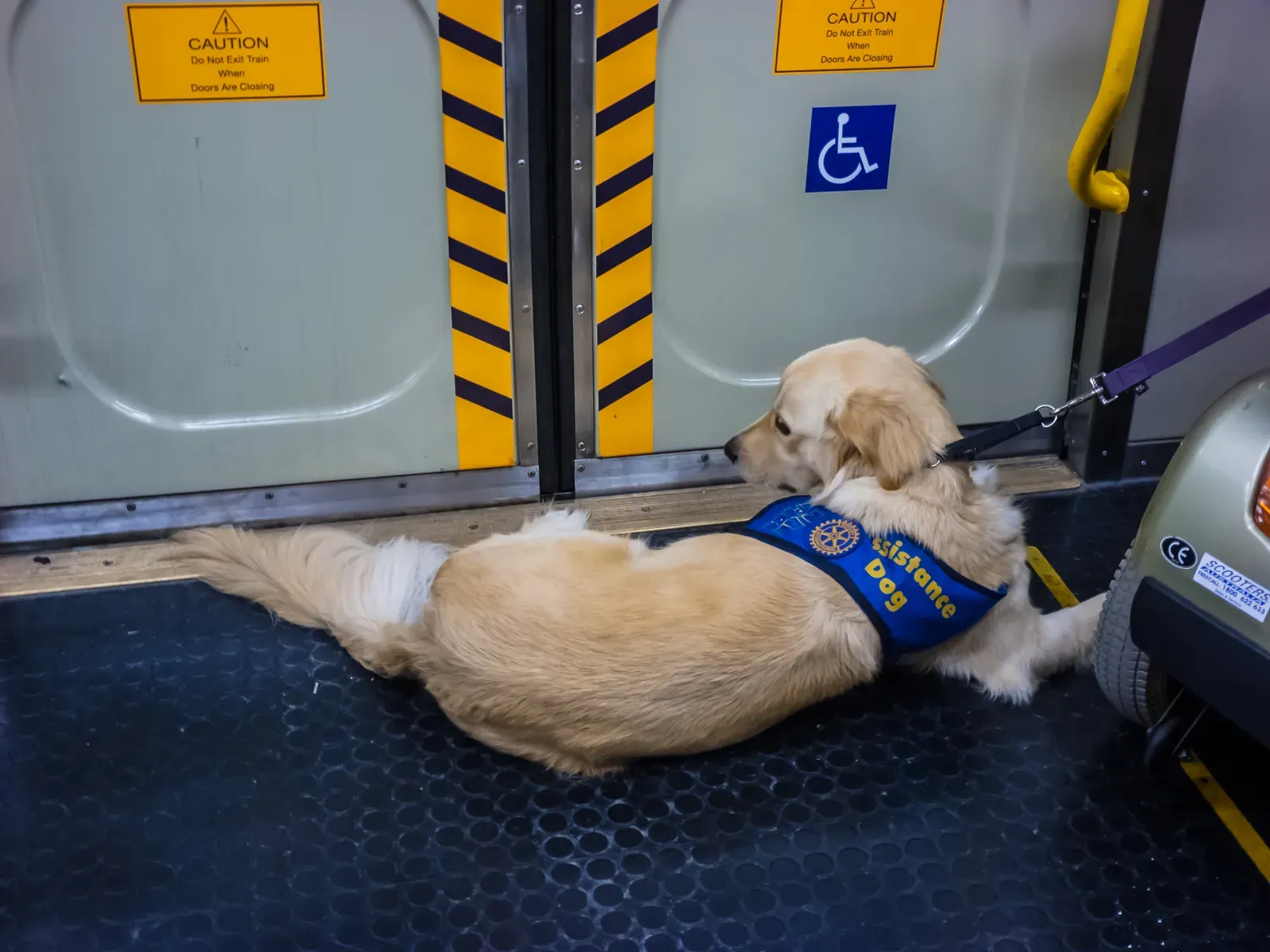
For all the inspiring stories, I think it is important to be blunt about the limits. A diabetic alert dog is not a replacement for continuous glucose monitoring, finger sticks, or medical care, and treating one as a primary safety device is risky. Dogs get tired, distracted, sick, or stressed, and even the best trained animals can miss lows or give alerts that do not match the actual numbers. There is nothing magical or infallible about them.
There are also myths and bad actors to watch out for. Some companies promise unrealistic accuracy or rush dogs through minimal training while charging huge fees. Others claim that any dog can “just learn it naturally” with no proper program. In my view, that is not just misleading, it is dangerous. If you are considering a diabetic alert dog, skepticism is healthy: ask about training methods, evidence, follow‑up support, and what happens if the match does not work out.
Technology vs. Dog Noses: Complement, Not Competition

Continuous glucose monitors, smartphone apps, and insulin pumps have transformed diabetes management in the last decade. On paper, it might seem like these devices make medical alert dogs unnecessary. Yet many people choose to have both, not because they distrust the tech, but because the combination feels safer and more humane. A CGM can give precise numbers and trends, while a dog can interrupt sleep, notice changes when alarms are missed, or simply prompt someone who is zoning out to check their levels.
Personally, I do not see this as a competition between dog and device. The technology delivers hard data and remote sharing, but it cannot curl up against you when you are shaken from a nighttime low. The dog brings emotional support and another layer of awareness, yet still depends on the numbers to guide real decisions. When it works well, it is a partnership: biology plus silicon, nose plus sensor, all pointed at the same goal of avoiding dangerous crashes.
Who Is a Good Candidate for a Diabetic Alert Dog?

Not everyone with diabetes will benefit from, or even want, a medical alert dog, and that is totally okay. These dogs usually make the most sense for people who experience frequent or unpredictable hypoglycemic episodes, especially those who struggle to notice the early signs. Children, people who live alone, and those with a history of severe lows may find the extra safety net particularly appealing, as long as they understand the limits.
That said, living with a working dog is a serious commitment. You are not just getting a cuddly companion; you are taking on daily training reinforcement, exercise, grooming, and public access etiquette. If you are not a “dog person,” if your life is already maxed out, or if you dislike routine, this may not be the right path. In my opinion, the best candidates are people who genuinely enjoy dogs, are willing to keep up with training, and view the dog as a teammate rather than a miracle fix.
Practical Steps If You Are Considering One
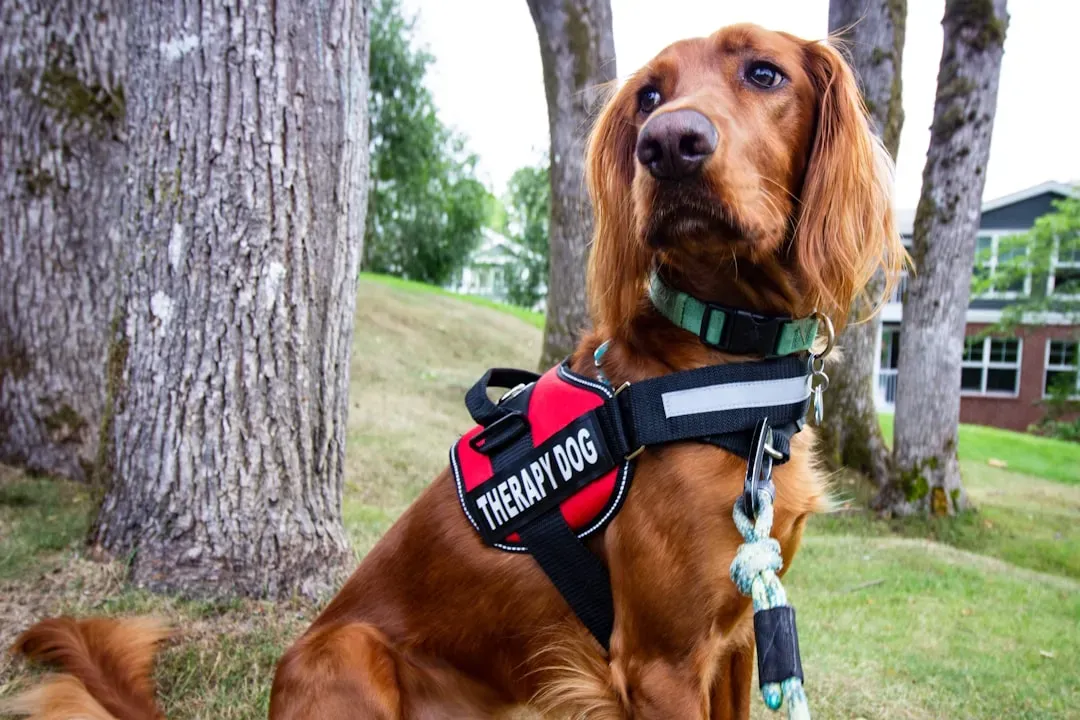
If you are intrigued and thinking, “Could this help me?” the first step is not to look for a breeder; it is to talk to your healthcare team. An honest conversation about your patterns, risks, and current tools can clarify whether a medical alert dog is likely to add real value. From there, researching established training organizations, asking detailed questions, and checking for transparent policies becomes essential. A reputable program will not pressure you, will explain the work involved, and will set realistic expectations about what the dog can and cannot do.
Budget and lifestyle also have to be part of the decision. These dogs are expensive to train, and even when organizations subsidize costs or place them at low fees, ongoing care still adds up over the years. You will also need time for bonding, reinforcement, and follow‑up training. It is more like adopting a highly specialized coworker who lives with you than buying a gadget you can plug in and forget. If you go in with clear eyes and grounded expectations, the experience can be deeply rewarding rather than frustrating.
Conclusion: Powerful Partners, Not Magic Cures
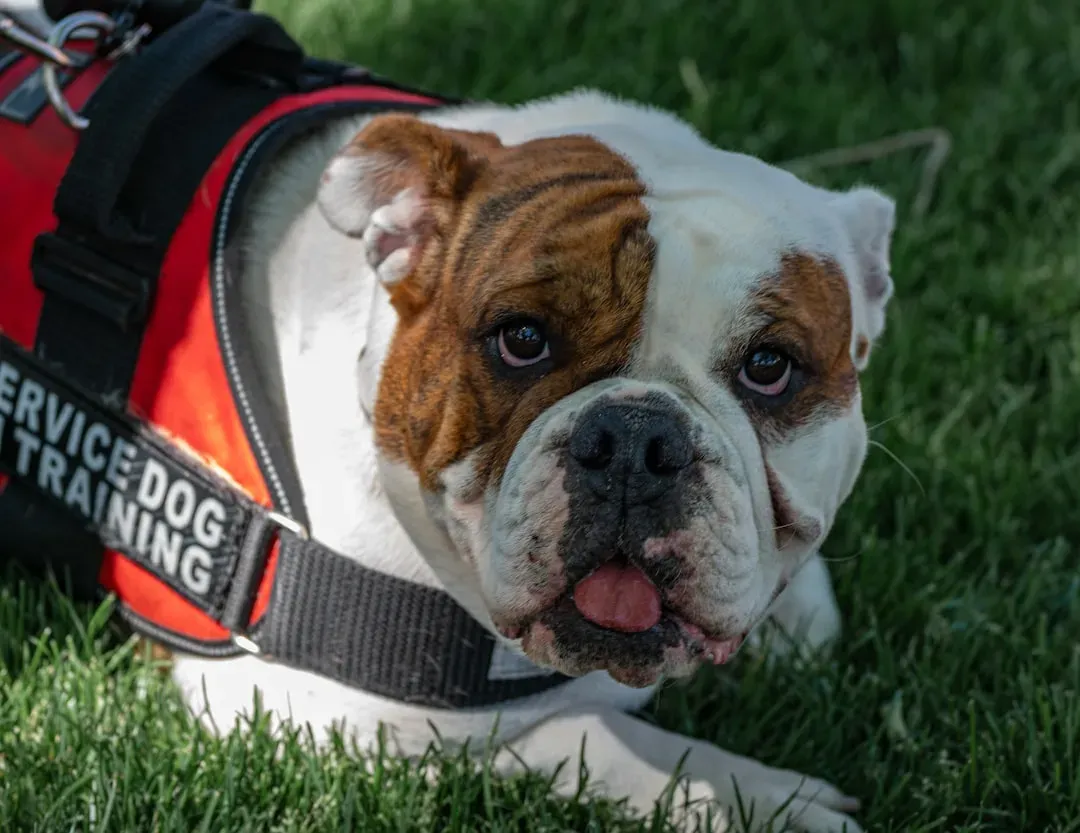
When you cut through the hype, trained dogs that detect dangerously low blood sugar are neither miracle workers nor overrated fads. They are highly capable animals using a natural talent, carefully shaped by structured training, to give people with diabetes another chance to catch a low before it becomes an emergency. I think the most honest way to see them is as powerful partners that add a human and emotional layer to a care plan already built on solid medical tools.
My own opinion is that we do everyone a favor when we hold both enthusiasm and skepticism at the same time. Celebrate the success stories, respect the dogs’ abilities, and acknowledge the very real comfort they bring, but never forget that meters, monitors, and medical advice still carry the final word. In a world where living with diabetes can feel like walking a tightrope, a well‑trained dog at your side is not a magic net, but it can be a strong, living hand reaching out when the rope starts to wobble. If you were facing that daily balancing act, would you want that extra hand?