
Studies Using the Strange Situation Test Confirm That Dogs Form a Secure Attachment to Their Primary Owner in the Same Way Human Infants Attach to Their Mother
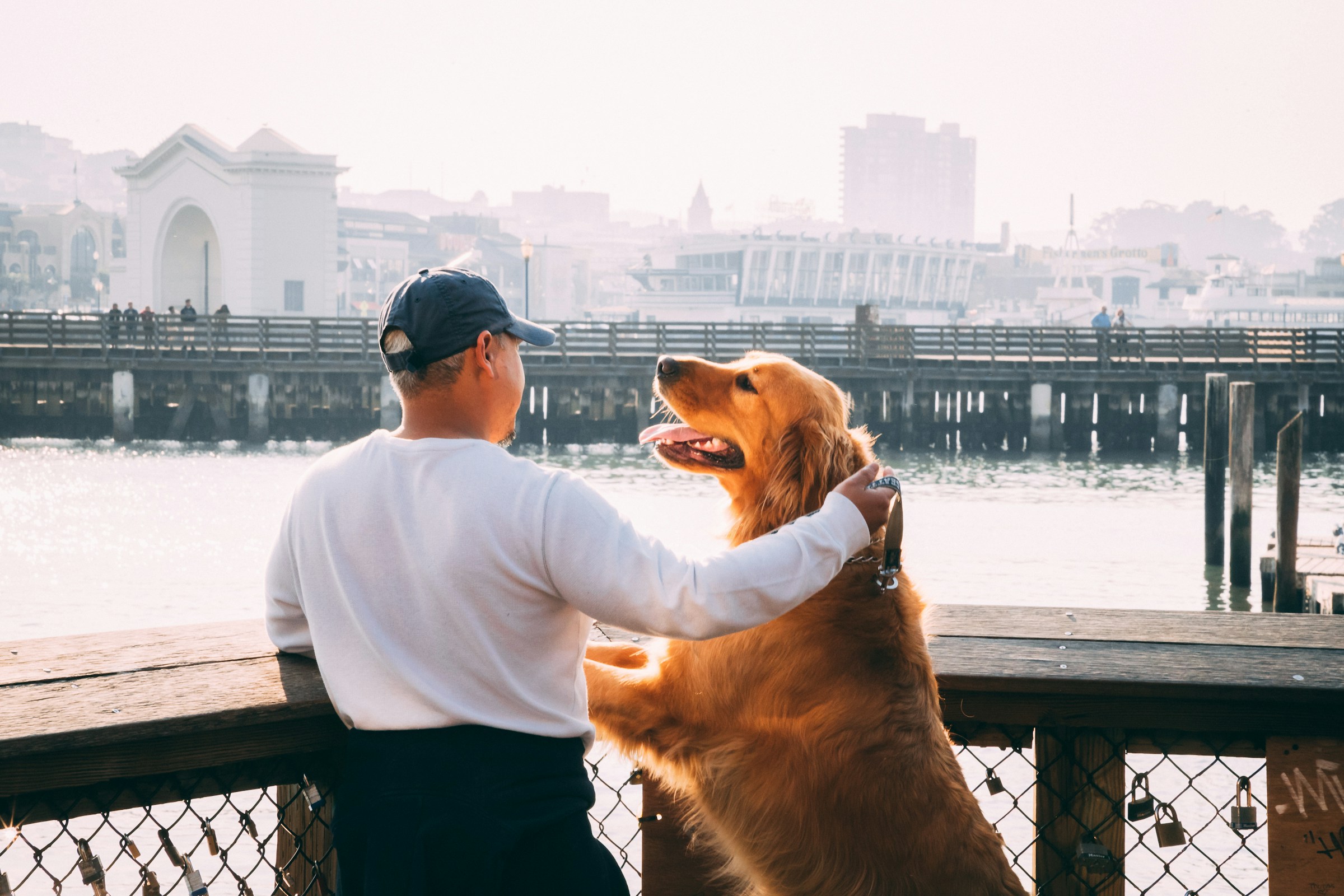
Imagine walking into a room where your dog, usually a bundle of energy, suddenly becomes anxious and seeks comfort from you. This behavior mirrors how human infants react when separated from their mothers. Recent studies have delved into this phenomenon, revealing that dogs form attachments to their owners strikingly similar to the bonds between human infants and their mothers.
Understanding the Strange Situation Test
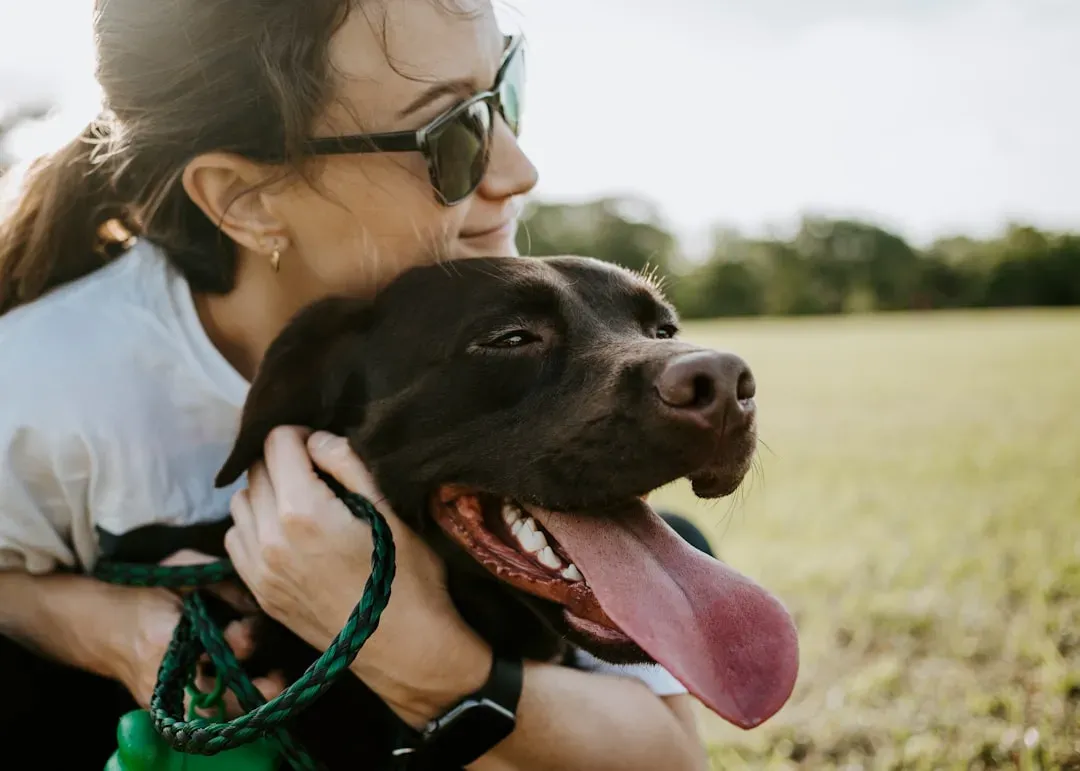
The Strange Situation Test, developed by psychologist Mary Ainsworth in the 1970s, was originally designed to assess attachment styles in human infants. In this structured observation, a child experiences a series of separations and reunions with their caregiver, interspersed with the presence of a stranger. The child’s reactions provide insights into their attachment security.
Researchers have adapted this test for dogs to explore the nature of the human-canine bond. By observing dogs’ behaviors during separations and reunions with their owners, scientists can determine if dogs exhibit attachment patterns akin to those seen in human children.
Dogs Exhibit Secure Attachment Behaviors
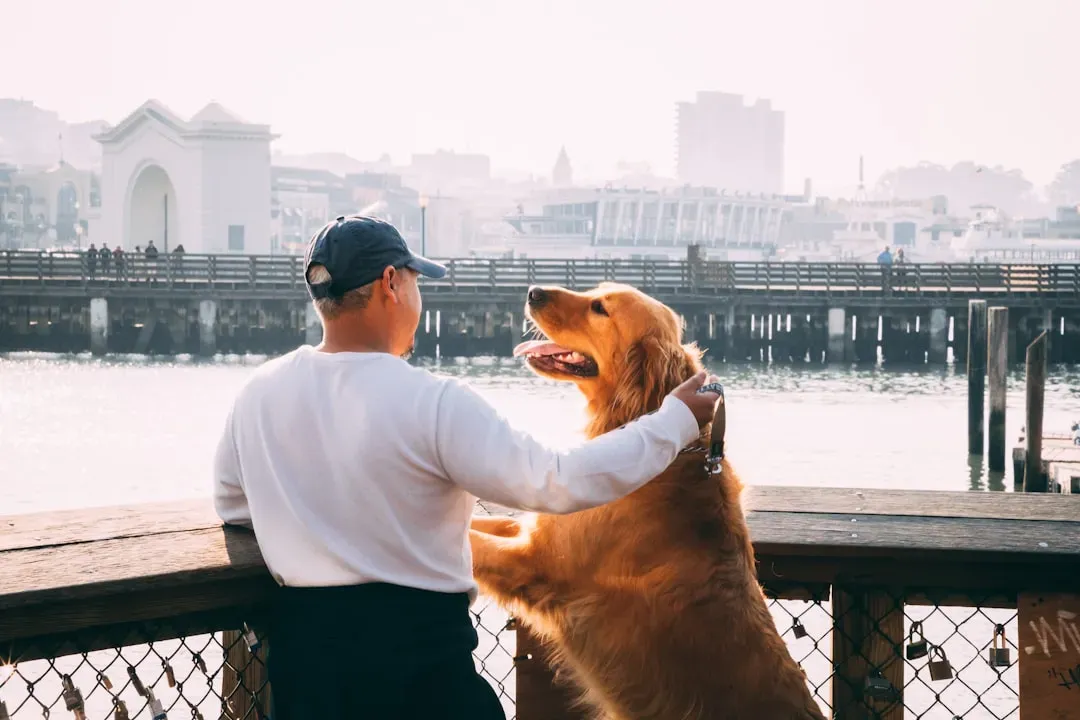
In these adapted tests, dogs consistently display behaviors indicative of secure attachment. When their owners leave the room, many dogs show signs of distress, such as whining or pacing. Upon their owner’s return, these dogs seek proximity and comfort, quickly calming down – a hallmark of a secure attachment.
This pattern mirrors the behavior of securely attached human infants, who become upset when their caregiver departs but are easily soothed upon their return. The parallel suggests that dogs view their owners as a source of safety and comfort, much like children view their parents.
Physiological Indicators of Attachment
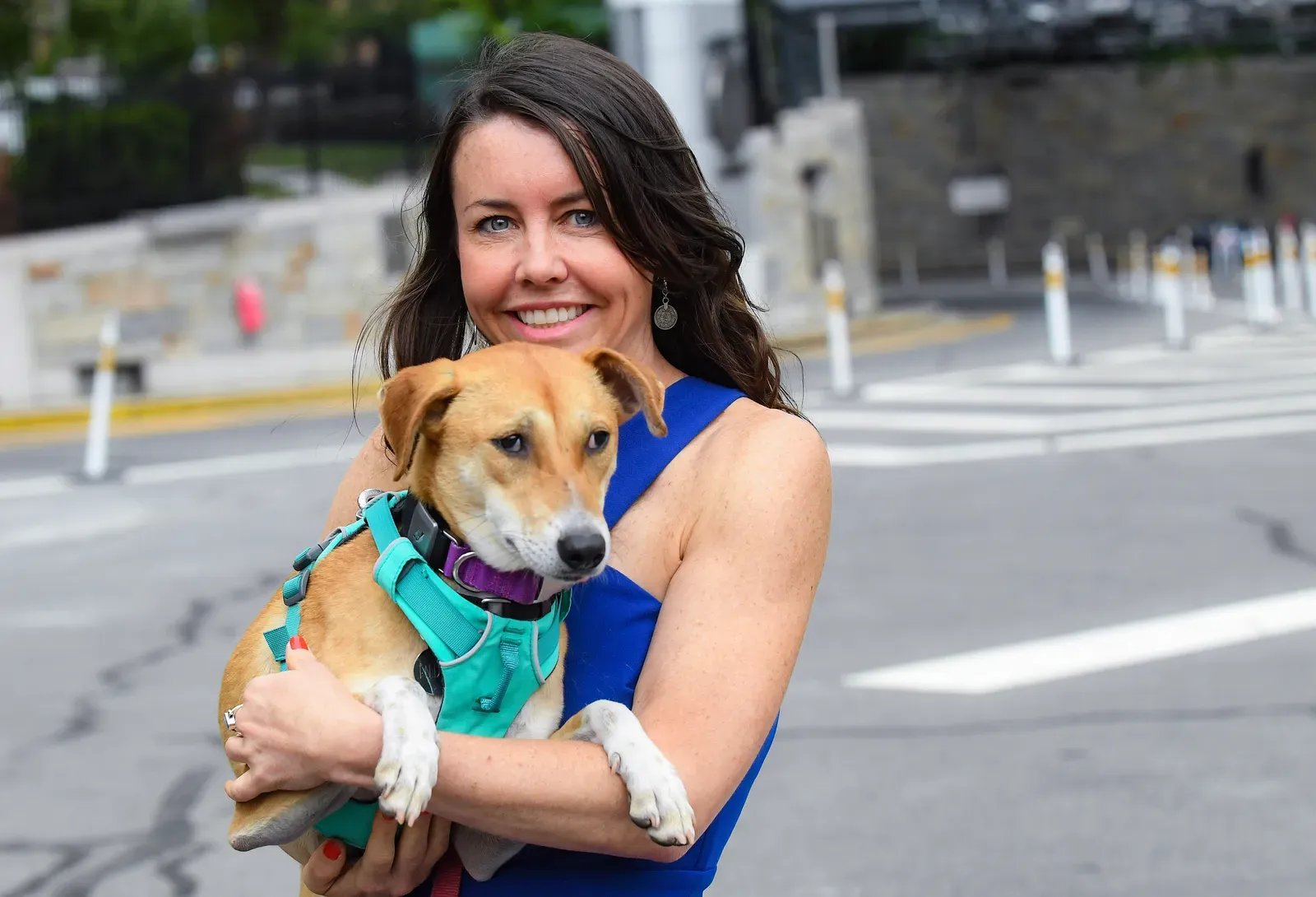
Beyond observable behaviors, physiological measures provide further evidence of this bond. Studies have shown that both dogs and their owners experience synchronized changes in stress-related hormones during periods of separation and reunion. For instance, cortisol levels – a marker of stress – tend to rise in both parties during separation and decrease upon reunion.
This hormonal synchronization underscores the depth of the emotional connection between dogs and their owners. It’s not just a behavioral phenomenon; it’s a shared physiological experience that highlights the mutual impact of their bond.
Comparative Studies with Other Species
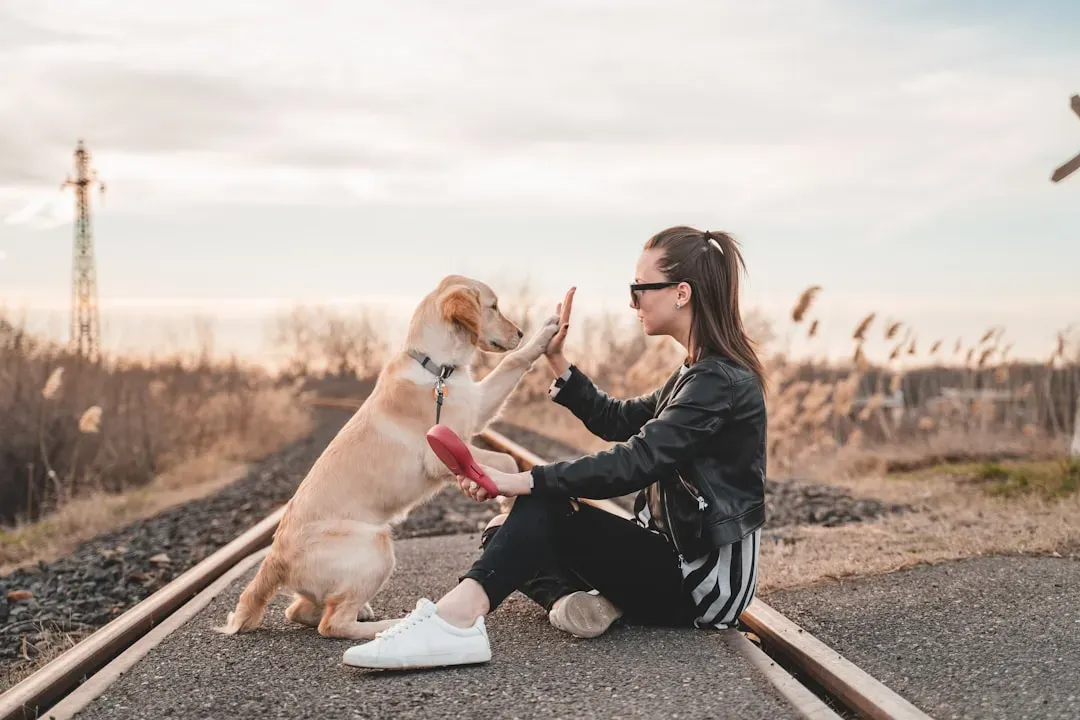
To understand if this attachment is unique to dogs, researchers have conducted comparative studies with other domesticated animals, such as pigs. In these studies, pigs did not exhibit the same attachment behaviors toward humans as dogs did. This suggests that the human-dog bond is unique and may be a result of the specific evolutionary path and domestication process of dogs.
The findings imply that while domestication and exposure to humans can influence animal behavior, the profound attachment seen in dogs is not a universal trait among domesticated animals. It appears to be a distinctive feature of the canine-human relationship.
Implications for Dog Owners

Understanding that dogs form secure attachments to their owners has practical implications. Recognizing signs of distress during separations can help owners address issues like separation anxiety more effectively. Providing a stable and comforting presence can reinforce the dog’s sense of security, leading to a healthier and happier pet.
Moreover, this knowledge can guide training and socialization practices. By fostering a secure attachment, owners can enhance their dog’s confidence and well-being, ensuring a more harmonious relationship.
Evolutionary Perspectives on the Human-Dog Bond
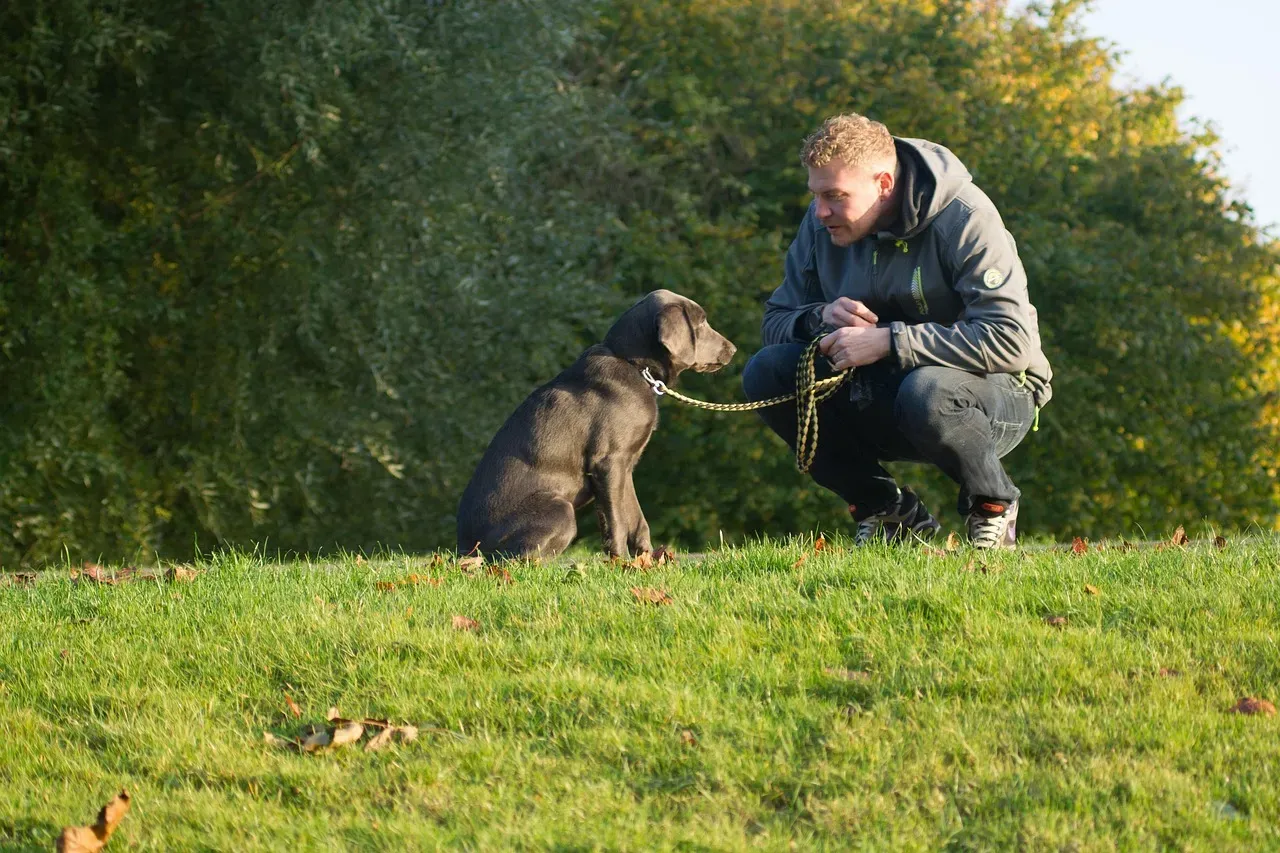
The unique attachment between dogs and humans likely has deep evolutionary roots. Over thousands of years, dogs have adapted to live alongside humans, developing behaviors that promote bonding and cooperation. This co-evolution has resulted in dogs being particularly attuned to human emotions and social cues.
This evolutionary perspective helps explain why dogs are so adept at forming close relationships with humans. Their ability to bond securely with us is not just a byproduct of domestication but a trait that has been selected for over generations.
Conclusion
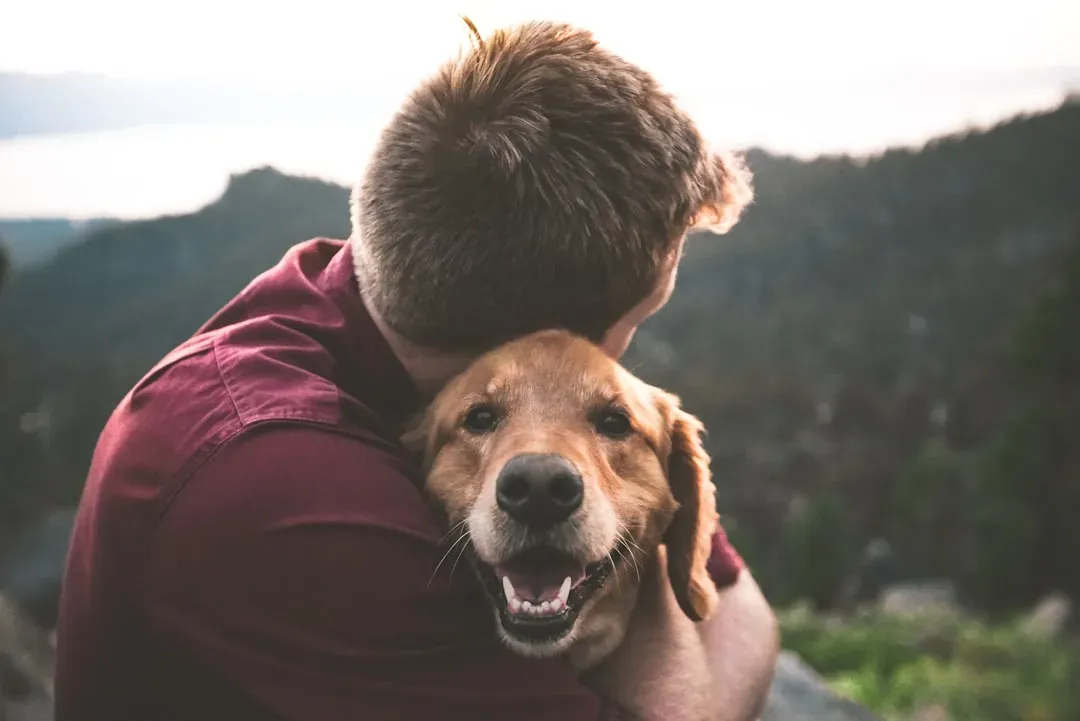
The evidence is compelling: dogs do not merely coexist with humans; they form deep, secure attachments akin to those between human infants and their mothers. This bond is evident in their behaviors, physiological responses, and even when compared to other species. As dog owners, recognizing and nurturing this attachment can lead to more fulfilling and empathetic relationships with our canine companions. Isn’t it remarkable how our furry friends mirror the very bonds that define our own human relationships?