
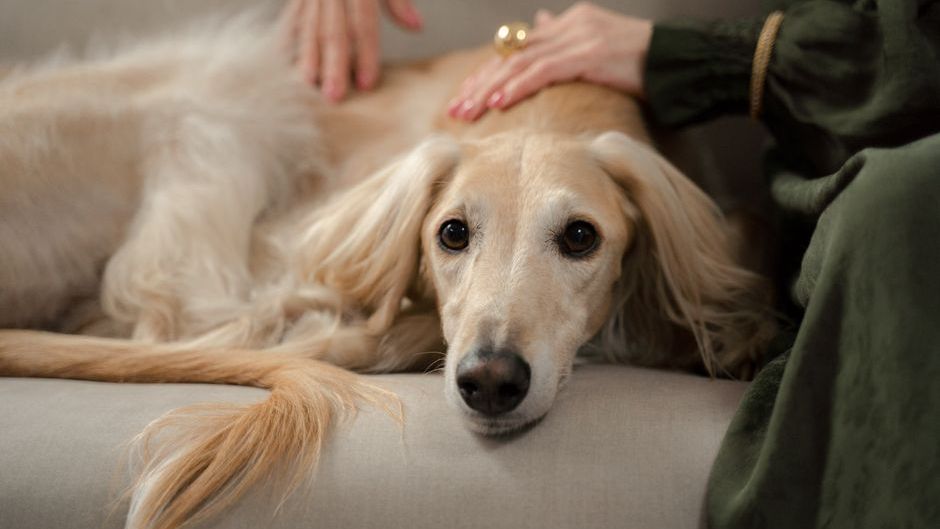
Most modern dogs have adapted so thoroughly to human life that their wolf like roots feel distant. Yet a handful of breeds hold onto behaviors and genetic markers that echo their earliest ancestors. These dogs often show strong independence, sharp hunting drives, and other traits that set them apart from more domesticated companions.
What makes certain breeds feel almost untouched by centuries of selective breeding? The answer lies in their DNA and the environments that shaped them long ago. Exploring these five reveals dogs whose instincts still surface in everyday life, from the way they move to the sounds they make.
Basenji
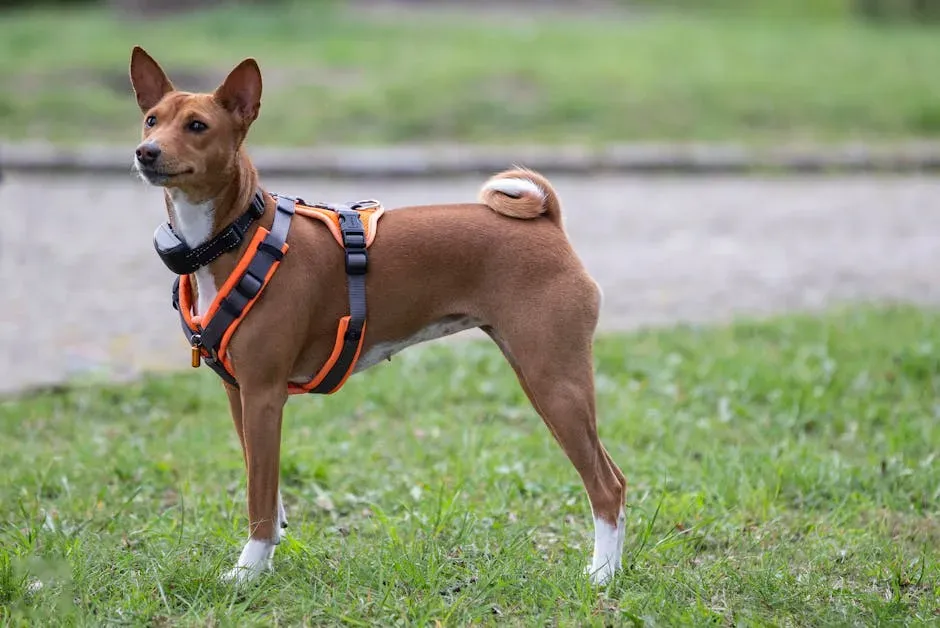
The Basenji traces its lineage back thousands of years to central Africa, where it served as a hunter in dense forests. Archaeological finds and genetic studies place its origins among the oldest known dog populations. These dogs rarely bark in the usual way and instead produce a unique yodel like sound when excited or alert.
That vocal trait reflects a primitive communication style closer to wild canids than most pet dogs. Basenjis also display cat like grooming habits and an intense prey drive that can lead them to chase small animals without hesitation. Owners often note how these dogs solve problems on their own rather than waiting for commands, a holdover from times when survival depended on self reliance.
Saluki
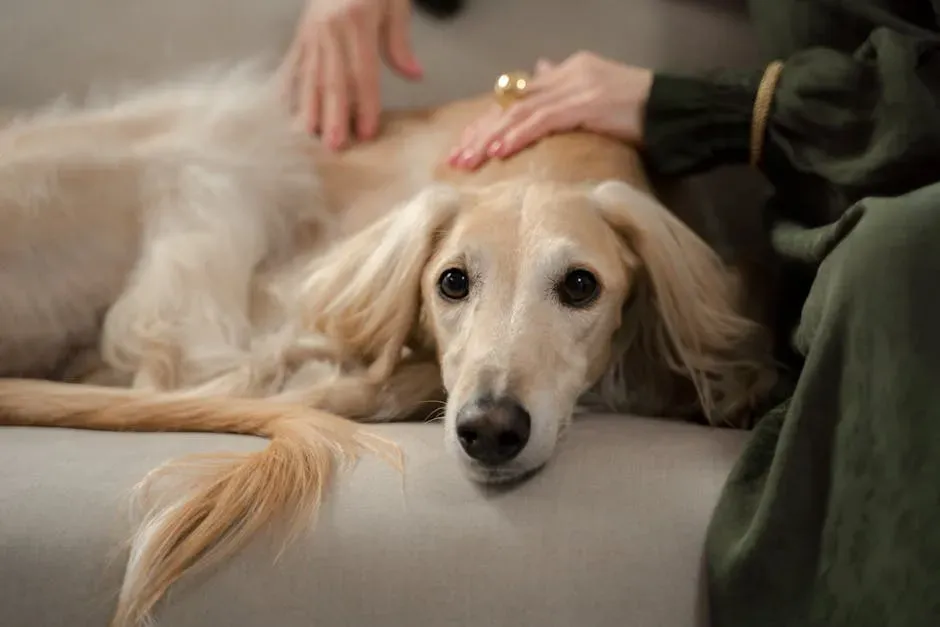
Salukis emerged in the Middle East thousands of years ago as swift hunters for nomadic peoples. Ancient artwork from Egypt and surrounding regions depicts similar slender sighthounds, confirming their long history. Their lean build and explosive speed remain unchanged because those traits served essential purposes in open desert landscapes.
Even today Salukis retain a powerful instinct to pursue game by sight alone, often ignoring distractions that would stop other breeds. They form strong bonds with their people yet keep a reserved demeanor that feels less eager to please than many modern dogs. This combination of loyalty and independence points to genetic roots that predate widespread selective breeding for companionship.
Akita Inu
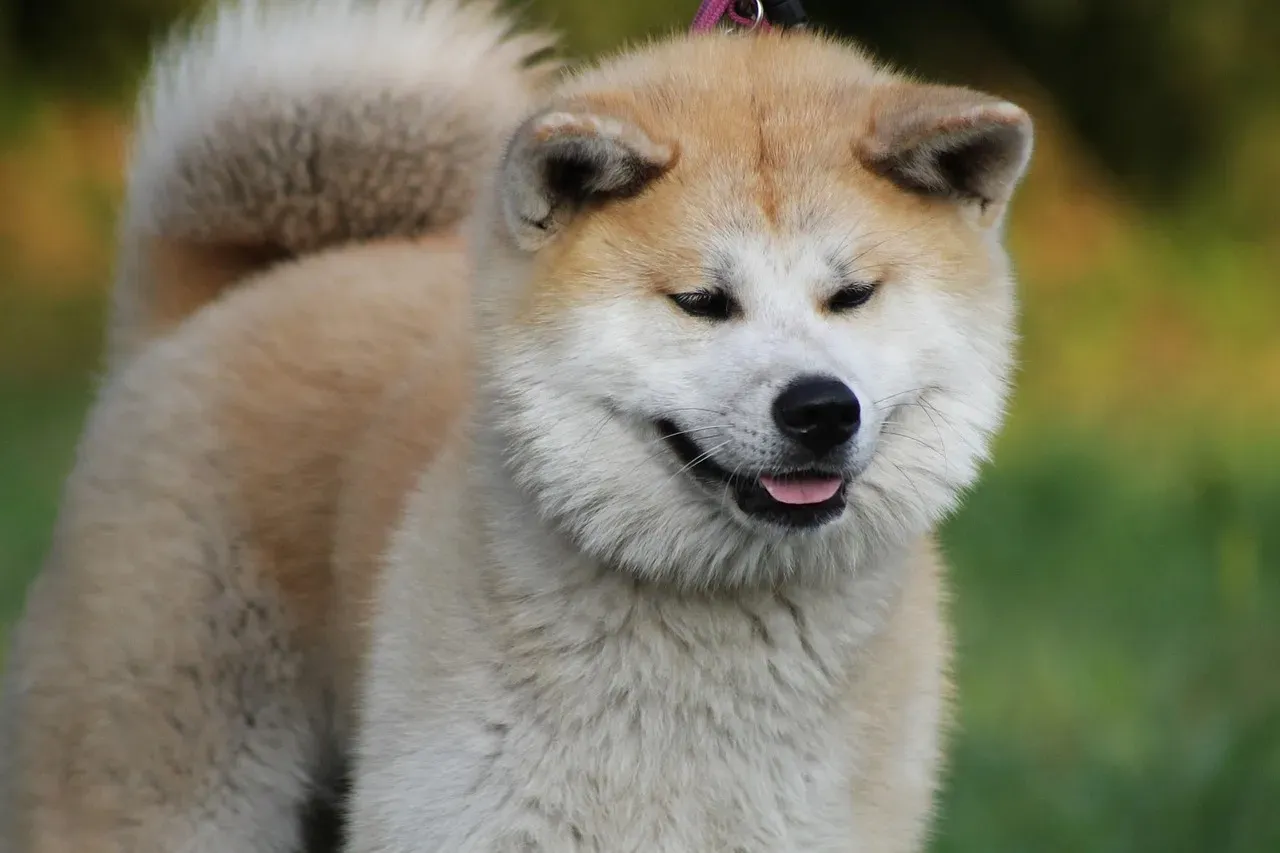
The Akita Inu developed in the mountainous regions of Japan over five thousand years ago, originally bred to hunt large game like bear. Early records and remains link the breed to the Jomon period, one of the earliest known dog keeping cultures in the region. Their thick coats and sturdy frames suited harsh winters and rugged terrain.
Modern Akitas still exhibit a protective guarding instinct that can appear without much training, along with a dignified aloofness toward strangers. They clean themselves meticulously and show little interest in fetching games that excite other dogs. These behaviors suggest a genetic profile shaped more by function than by later trends toward sociability.
Chow Chow
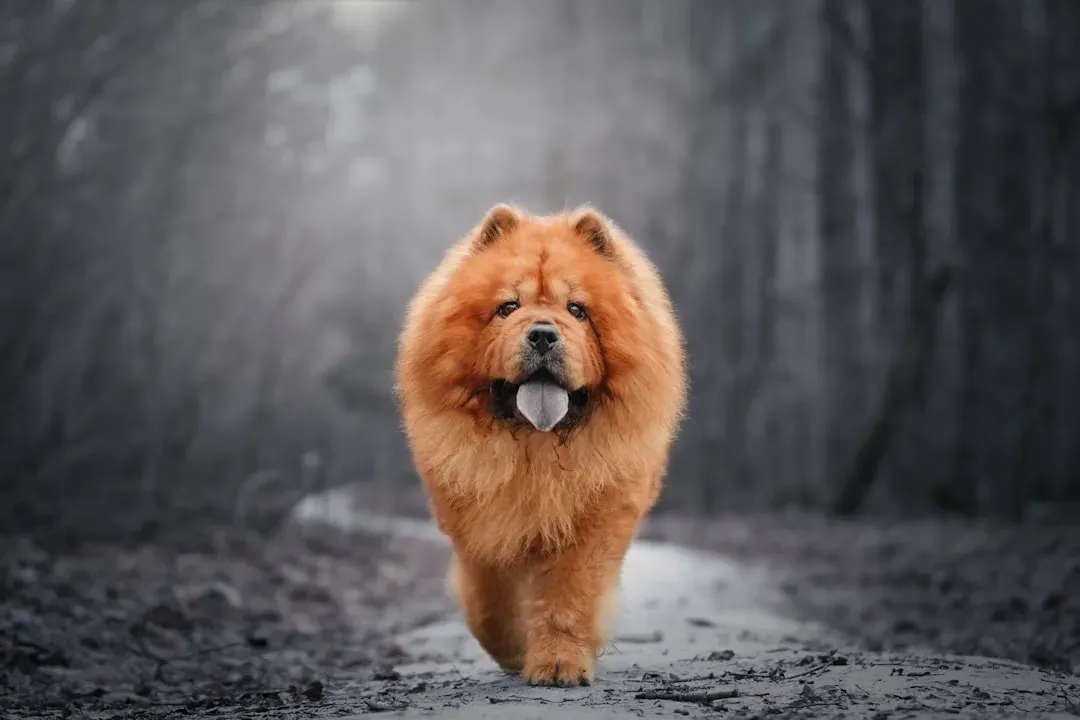
Chow Chows originated in ancient China, with evidence pointing to their presence more than two thousand years ago as guardians and hunters. Their distinctive blue black tongues and lion like manes set them apart visually, but their temperament reveals deeper primitive traits. Genetic analyses often group them among basal breeds closest to early domesticated dogs.
These dogs maintain a strong sense of territory and can be wary of new situations, traits that once helped them protect homes and livestock. They walk with a stiff, almost bear like gait that differs from the fluid movement of many other breeds. Owners frequently describe a cat like independence, where the dog decides when affection is welcome rather than seeking it constantly.
Siberian Husky
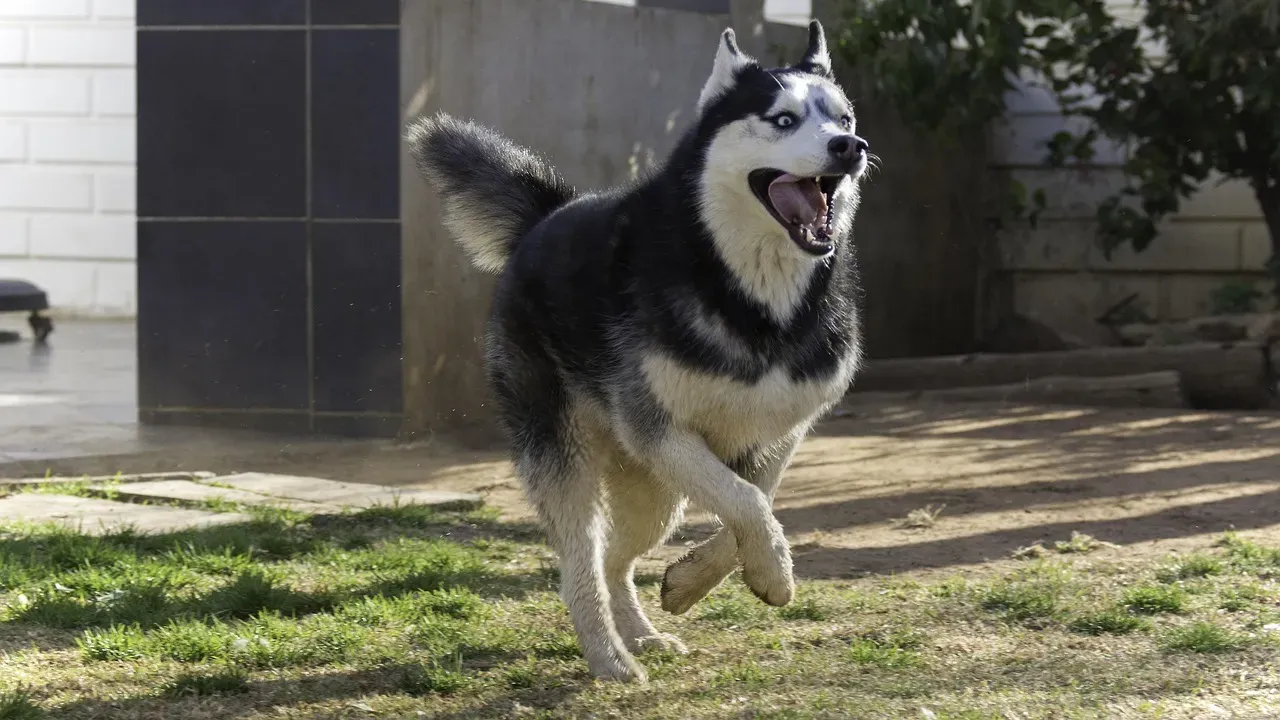
Siberian Huskies descend from dogs kept by the Chukchi people of northeastern Asia for sled pulling and hunting in extreme cold. Their lineage stretches back thousands of years, with adaptations like efficient metabolism and thick double coats that persist today. Genetic studies show close ties to some of the earliest Arctic dog populations.
Huskies display an enduring wanderlust and escape artist tendencies that stem from their working heritage rather than modern pet life. They communicate through howls and other vocalizations instead of frequent barking, and they often form loose pack structures even in household settings. Their high energy and need for mental challenges reflect instincts honed for long distance travel and survival in harsh conditions.
These ancient breeds offer a living link to the earliest chapters of human and dog partnership. Their retained instincts remind us that domestication never erased every wild edge, and living with one requires respect for those deep seated drives. In a world of designer dogs, they stand as quiet proof that some connections to the past still run strong.


