
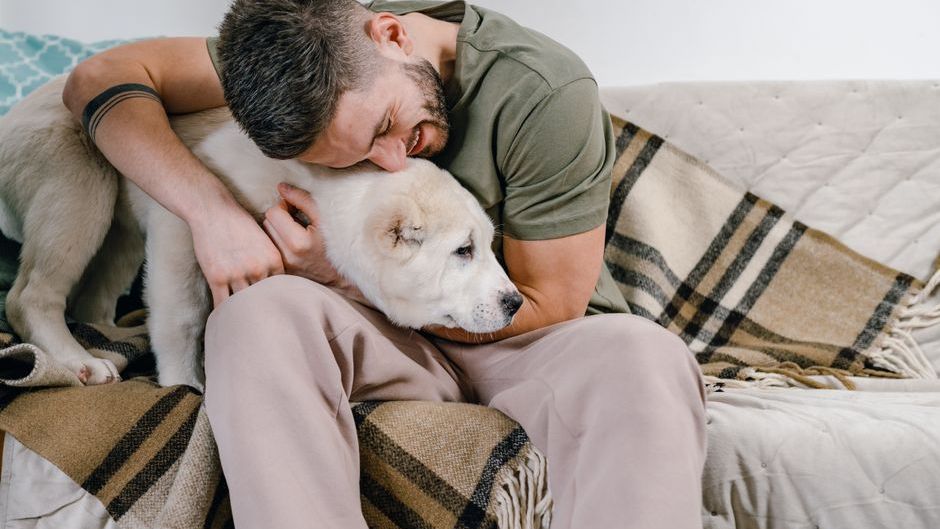
Dogs form deep attachments that shape their daily routines and emotional world. When a companion disappears, the changes in behavior can feel sudden and puzzling to anyone watching. Owners often notice quiet shifts first, like a missing spark during walks or playtime, before realizing something more profound is unfolding.
These responses mirror aspects of human grief in surprising ways, though dogs express them through actions rather than words. Understanding the pattern helps make sense of what might otherwise seem like random changes. It also opens a window into how to offer steady support during a difficult period.
Stage One: Initial Shock And Disorientation
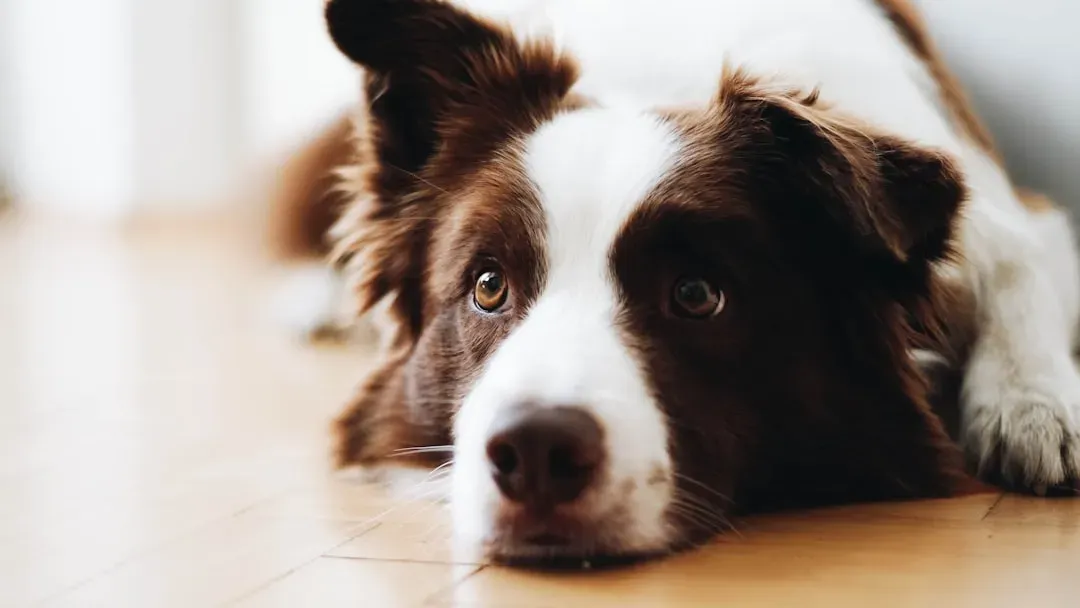
A dog may wander the house with a puzzled expression, sniffing familiar spots as if expecting the lost friend to reappear at any moment. This early phase often includes hesitation at doorways or pauses during routines that once involved the companion. The animal seems caught between habit and the new reality, moving through spaces with less certainty than before.
Owners report that their pets sometimes stand still for longer stretches, ears perked as though listening for a familiar bark or footstep. Energy levels drop noticeably, and simple commands might go unheeded while the dog processes the absence. This stage tends to last from a few days to a couple of weeks, depending on the strength of the bond and the dog’s individual temperament.
Stage Two: Searching And Pining Behavior
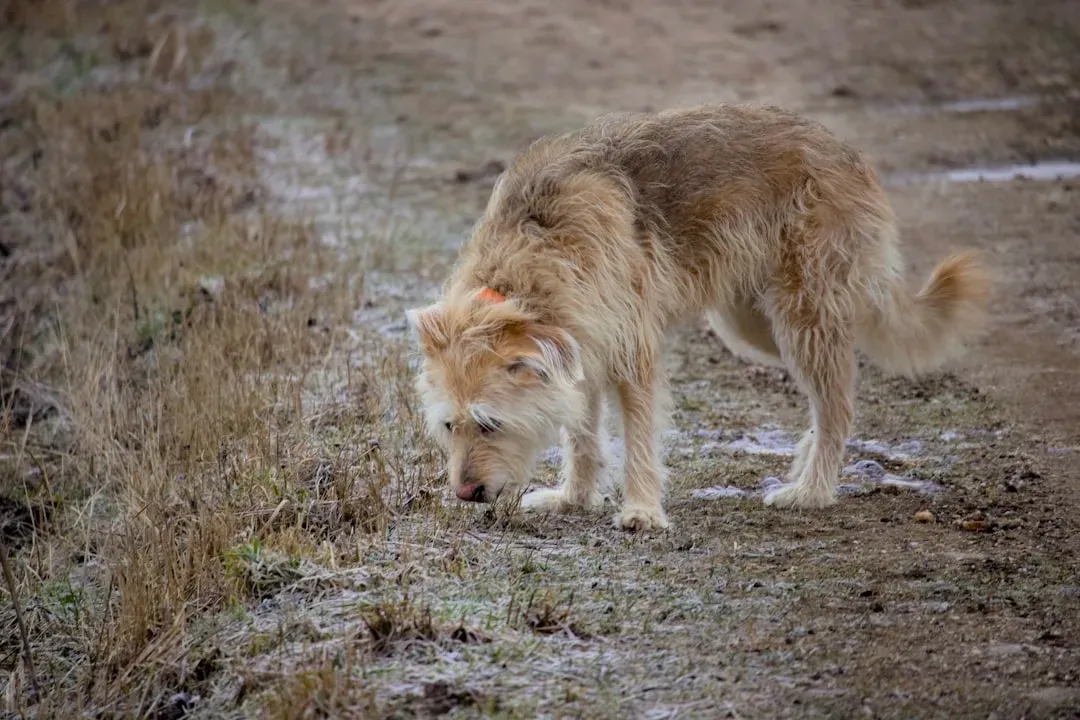
Many dogs begin actively looking for their missing friend, checking favorite resting places or following scents that lead nowhere. They might whine softly at windows or doors, or pace between rooms in a repetitive pattern that signals ongoing hope. This searching can extend to outdoor areas where the pair once played together.
The pining often shows up as vocalizations that differ from usual barking, sounding more plaintive and drawn out. Some dogs carry toys or blankets that belonged to the lost companion, treating them with unusual care. These actions reflect an attempt to reconnect with what feels missing, and they usually ease gradually as the dog adjusts to the changed environment.
Stage Three: Withdrawal And Reduced Activity
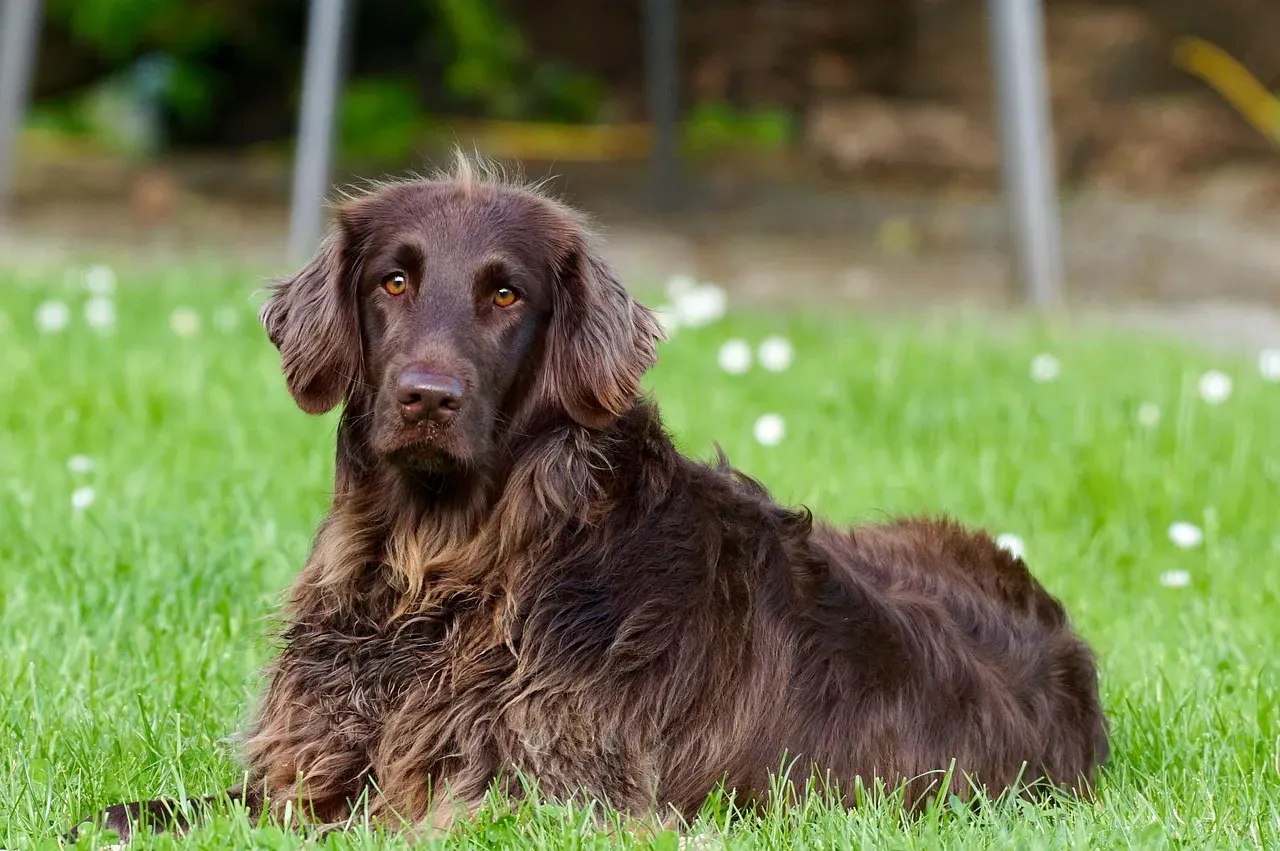
Interest in toys, walks, or even favorite treats can fade during this period, leaving the dog more sedentary than usual. They might choose to lie in quieter corners of the home, avoiding the lively spots that once held shared memories. Interaction with family members sometimes decreases as well, though gentle presence from people can still offer comfort.
Sleep patterns may shift, with longer naps during the day and restless nights that disrupt the household rhythm. This withdrawal serves as a protective pause, allowing the dog time to recalibrate without the constant reminder of loss. It rarely lasts indefinitely, but it marks a clear turning point in the grieving process.
Stage Four: Changes In Appetite And Physical Signs
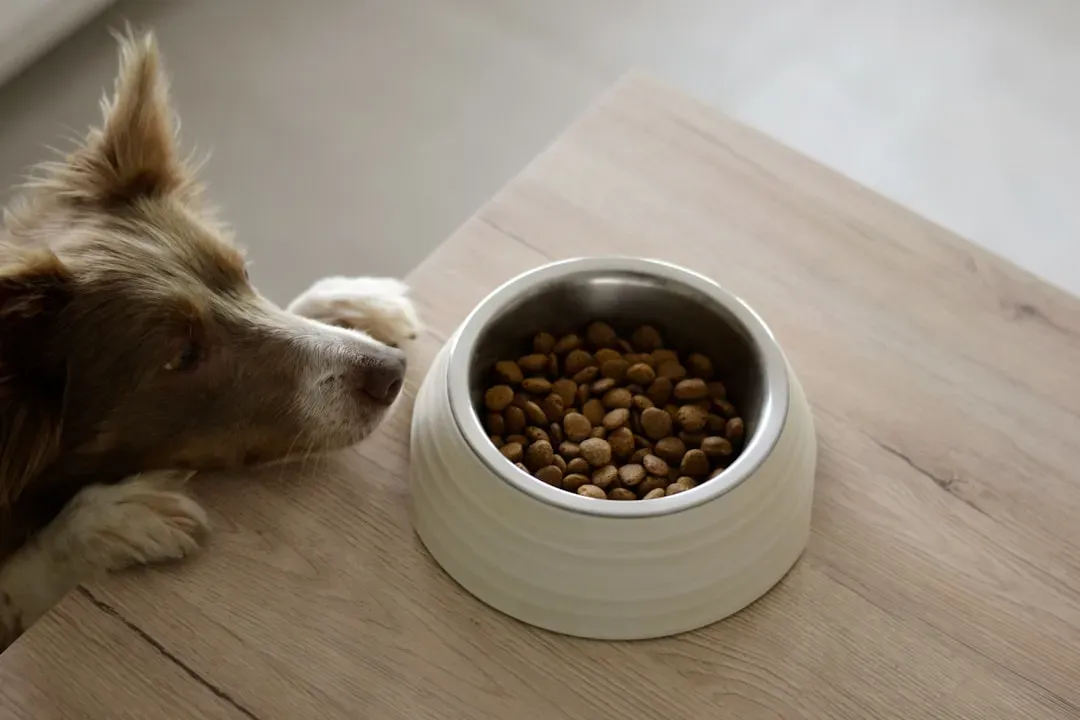
Food bowls often sit untouched for longer than normal, and some dogs lose weight or show less enthusiasm at mealtimes. Water intake can drop too, which raises practical concerns for owners monitoring health. These physical shifts stem from the emotional weight rather than any direct illness in most cases.
Grooming habits sometimes slip, with coats looking less tidy or skin showing minor irritation from stress. Regular checkups become important here to rule out other causes and ensure the dog stays nourished. Small adjustments like hand feeding or warmer meals can help bridge the gap until appetite returns.
Stage Five: Restlessness Or Mild Irritability
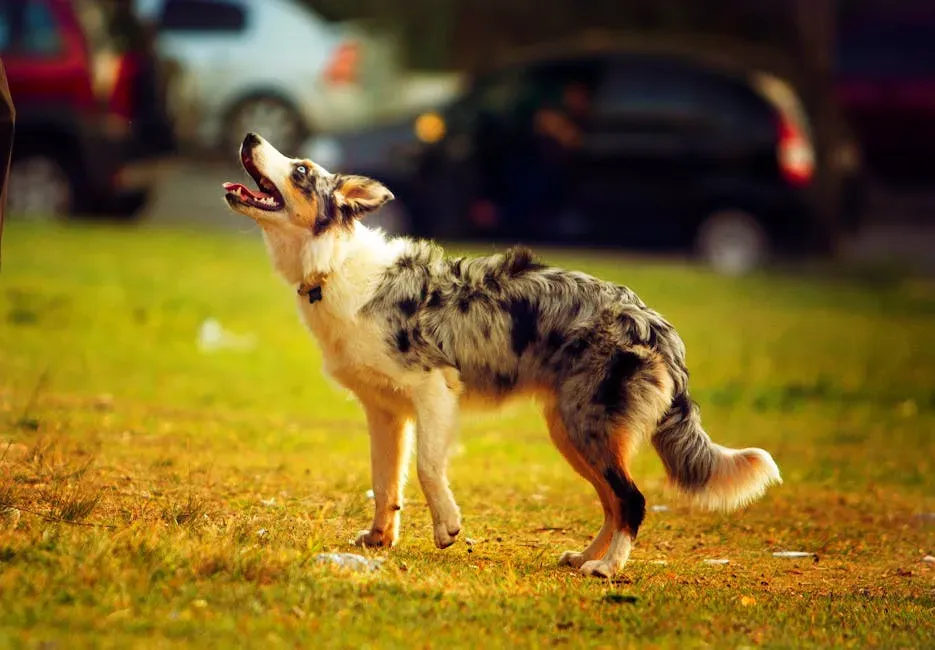
Some dogs display pacing or sudden bursts of energy that seem out of place, almost as if they cannot settle into the new normal. Others might show brief snaps of frustration toward other pets or even familiar people during this window. These moments usually pass quickly and do not reflect a permanent change in personality.
The restlessness often ties back to disrupted routines and the absence of the calming influence the lost friend once provided. Gentle exercise and consistent schedules help channel that energy in positive directions. Patience from the household makes a noticeable difference in how smoothly this stage resolves.
Stage Six: Seeking New Comfort And Connections
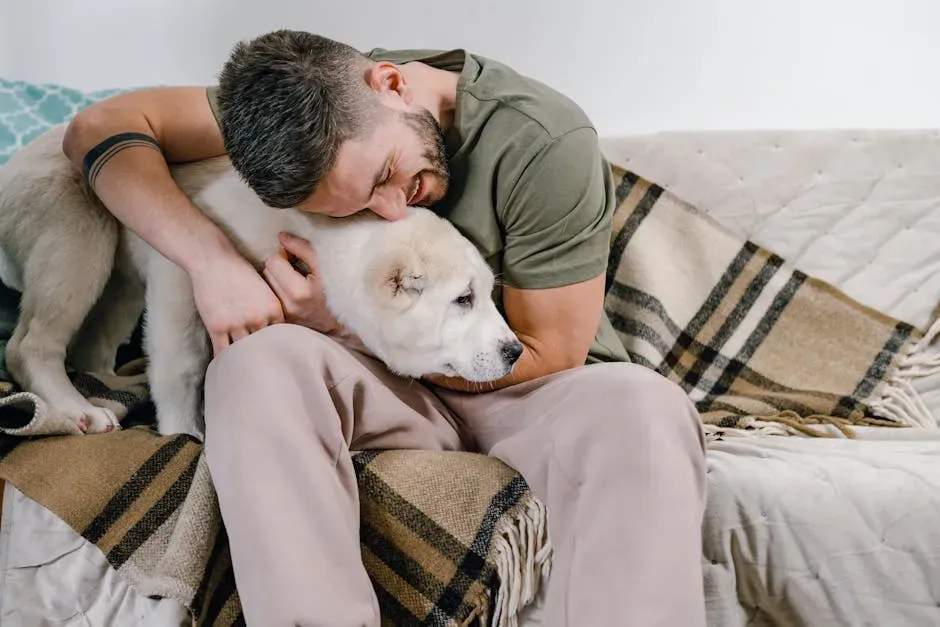
As time passes, dogs frequently turn toward remaining family members or even new household pets for closeness they once found elsewhere. They may follow people more closely during the day or initiate gentle contact like leaning or nudging for attention. This shift signals an emerging willingness to rebuild daily rhythms.
Play behavior starts to reappear in small ways, perhaps with a favorite toy or during short outings. The dog begins testing interactions that feel safe again, gradually expanding their circle of comfort. Owners who respond with steady affection often see faster progress through this rebuilding phase.
Stage Seven: Acceptance And Renewed Engagement

Full acceptance shows itself when the dog resumes old routines with genuine interest and begins forming fresh habits that do not revolve around the loss. Energy returns to walks and games, and the animal appears more present in the moment rather than scanning for what is gone. This stage does not erase the bond but integrates it into a new balance.
Some dogs even welcome new companions or activities that would have seemed impossible earlier. The process varies widely between individuals, yet most reach a point where joy reenters their days. Watching this return can feel quietly rewarding for anyone who has supported the dog through the earlier stages.
Grief in dogs reminds us that emotional bonds cross species lines in ways that deserve respect and care. Paying attention to these stages allows owners to respond with empathy rather than frustration, strengthening the relationship that remains. In the end, time and consistent kindness help most dogs find their way back to a full life, carrying the memory of their friend without being defined by the absence.


