

Picture this: you fall in love with a giant, fluffy puppy… and then realize that raising this gentle beast might quietly cost as much as a used car. Food, vet bills, training, grooming, health insurance, boarding – with large dogs, everything scales up. In the US, certain big breeds don’t just take up space on your couch; they also take a serious bite out of your budget.
This doesn’t mean you shouldn’t bring one home. It just means you should know what you’re getting into before your heart (and wallet) say yes. Let’s walk through some of , why they cost so much, and what it really feels like to live with these four‑legged “luxury models.”
Tibetan Mastiff: The High-Maintenance Lion Dog

The Tibetan Mastiff has a reputation as one of the priciest dogs on the planet, and in the US that reputation still holds. Well-bred puppies from responsible breeders can run into the several thousands, and the costs do not calm down after you swipe your card. Their sheer size, heavy bone, and dense coat mean big food bills, serious grooming, and a need for sturdy gear that can handle an animal that feels more like a small bear than a dog.
Vet costs can be higher than average, too, because they are prone to joint issues, thyroid concerns, and other large-breed health problems that require regular monitoring. Add in professional grooming to manage that mane, and the occasional behaviorist or trainer if their strong guarding instincts become a bit too intense, and you end up with a dog that feels almost like a luxury hobby. They’re stunning and deeply loyal, but they’re absolutely not for anyone trying to keep expenses low or schedules light.
Great Dane: The Gentle Giant With Giant Bills

Great Danes are often called “couch potatoes in a horse costume,” and that description is painfully accurate when you look at your monthly expenses. They eat a lot, and not just bargain kibble if you want to keep those massive joints and bones healthy over time. High-quality large-breed food, joint supplements, and regular vet checks add up faster than most first-time owners expect.
Medical costs are a huge factor with this breed. Great Danes are at higher risk for conditions like bloat and heart disease, which can mean sudden emergency surgeries and expensive lifelong medications. Their shorter lifespan can also feel emotionally expensive; you’re pouring time, money, and love into a dog that, on average, doesn’t live as long as many smaller breeds. Owning a Great Dane often feels like willingly taking on a beautiful, loving, and surprisingly fragile project that you know will be costly but emotionally priceless.
Bernese Mountain Dog: The Fluffy, Vet-Heavy Sweetheart

Bernese Mountain Dogs might be the definition of a heart-melter: big, soft, friendly, and great with families. But behind that storybook appearance is a breed that can be heartbreakingly expensive to keep healthy. Their purchase price is already on the high end, especially from good breeders focusing on health testing, because this breed faces several genetic issues that responsible breeders work hard to reduce.
Once they’re in your home, the costs keep rolling. Berners have a relatively short average lifespan and a higher risk of cancers and orthopedic issues, which can lead to frequent vet visits, imaging, surgery, and medications. Add in professional grooming to manage their thick, tri-color coat and the everyday costs of feeding a big dog, and you’re firmly in premium territory. Many Berner owners say they would do it all again in a heartbeat, even knowing the cost, because their combination of gentleness and goofiness feels almost irreplaceable.
Newfoundland: The Water-Loving, Wallet-Stretching Teddy Bear

Newfoundlands look like giant stuffed toys brought to life, but their running costs are anything but cute. These dogs can easily tip the scales in both weight and expenses. Between their huge appetite, preference for quality food to support bone and joint health, and need for a steady supply of grooming tools and services, the “Newfie tax” becomes obvious within a few months.
They are also prone to big-dog health issues like hip and elbow dysplasia, heart disease, and cruciate ligament problems, all of which can be extremely costly to treat. Their thick, water-resistant coat often requires professional grooming, especially if they spend a lot of time swimming or romping outside. Even everyday logistics – from buying a vehicle they actually fit in to paying extra for larger crates and heavy-duty leashes – quietly raise the lifetime price tag. Loving a Newfoundland means accepting that everything about your life, including your budget, needs to scale up.
Rottweiler: Powerful Protector With Premium Costs

Rottweilers are not always the first breed people think of when they picture “most expensive,” but once you factor in everything, they definitely belong on this list. Good Rottweilers from reputable breeders are not cheap, especially when you prioritize health clearances for hips, elbows, and heart. Beyond the initial cost, food bills climb quickly; a muscular, active dog like this needs quality nutrition to stay fit and sound.
Because Rottweilers are strong, intelligent, and sometimes headstrong, training is an area where cutting corners can backfire badly. Structured obedience classes, advanced training, and sometimes even behavior consultations are common and very worth the money. Insurance premiums can also be higher for this breed due to their reputation and, in some areas, breed restrictions. When you tally the cost of food, training, health care, and the occasional boarding solution that actually understands powerful working breeds, Rottweilers quietly become a very expensive long-term commitment.
Saint Bernard: The Lovable Giant That Outgrows Your Budget

Saint Bernards are the classic image of the gentle alpine rescue dog, but living with one in modern American life can feel like sharing your house with a furry boulder. Their initial purchase price is only the beginning. They require enormous amounts of food, and skimping on quality can lead to serious joint and weight problems. Many owners underestimate just how fast those food bags disappear when a Saint Bernard is in the house.
Health issues are another big cost driver. Saints are predisposed to orthopedic problems, heart disease, and bloat, all of which can lead to specialized vet care, surgery, and medications. Grooming, while maybe not as intricate as some long-coated breeds, still costs more simply because there’s so much dog to wash, dry, and brush. Even household items take a hit: you may find yourself replacing beds, couches, and even fencing because a Saint Bernard can simply be too big and too clumsy for “standard size” anything, and all of that has a price.
Irish Wolfhound: Rare, Majestic, and Shockingly Costly

Irish Wolfhounds are among the tallest dog breeds in the world, and their costs match their stature. They are less common than many other large breeds, so puppies from ethical breeders often come with a serious price tag due to careful breeding practices and limited litters. Their rarity can also mean traveling long distances or joining waitlists, which adds hidden expenses that people do not always think about at first.
Day-to-day, everything about caring for an Irish Wolfhound is expensive. They eat a lot, need roomy vehicles and extra-large beds, and require carefully managed exercise and nutrition to protect their rapidly growing bones and joints. They are also vulnerable to conditions like heart disease and certain cancers, which can mean regular specialty vet visits and medications. Emotionally, Wolfhound owners often describe the experience as incredibly rewarding but bittersweet, because these dogs usually have shorter lifespans, making every year feel both precious and costly in every sense of the word.
Why These Breeds Cost So Much – And Why People Still Choose Them
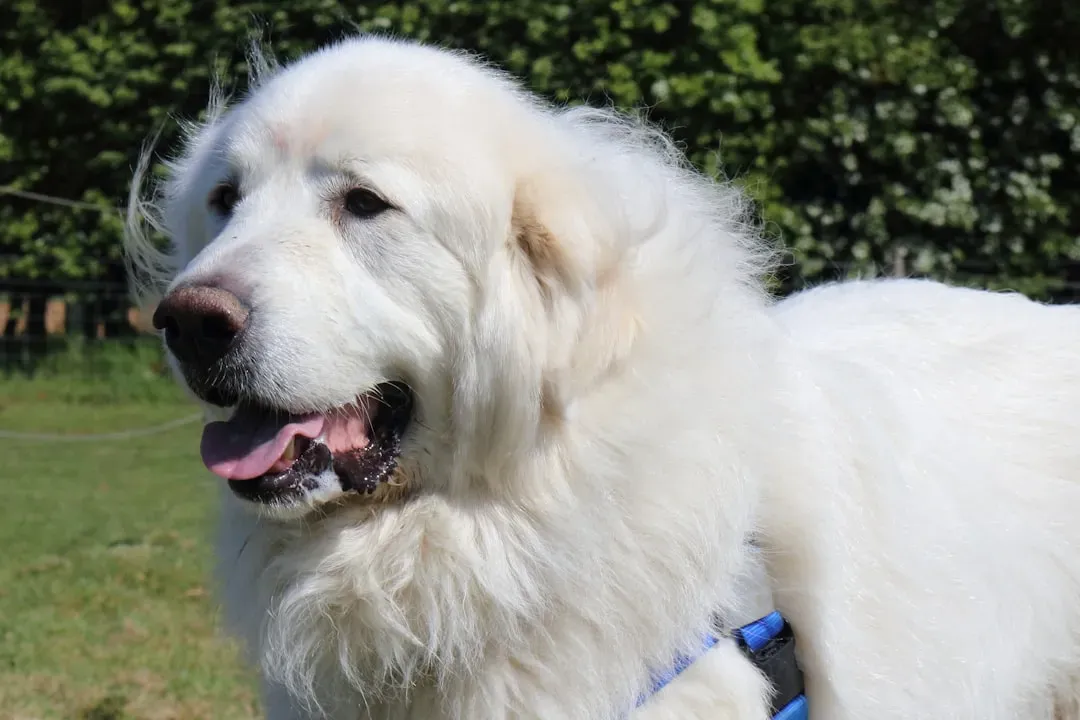
When you boil it down, the main drivers of cost with these large breeds are size, health, rarity, and training needs. Bigger dogs need more of everything: food, medications, space, and sturdier gear. Many giant breeds also face genetic health challenges that lead to frequent vet visits, expensive diagnostics, and sometimes emergency care. Add grooming, insurance, and the occasional destroyed sofa or chewed-through fence panel, and the lifetime bill can feel staggering.
And yet, people keep choosing them, knowingly and sometimes with full financial spreadsheets in hand. Speaking personally, I’ve had smaller, “easier” dogs, and still find myself drawn to these giant, clumsy, soulful animals that lean on you like you’re the only thing holding them to the earth. There is something uniquely grounding about a dog who can look you in the eye while standing on all fours and still chooses your lap as their favorite place. If you go in with open eyes, a realistic budget, and a willingness to prioritize long-term health over short-term savings, sharing your life with one of these expensive giants can feel less like a cost and more like a conscious investment in a very particular kind of happiness.


