
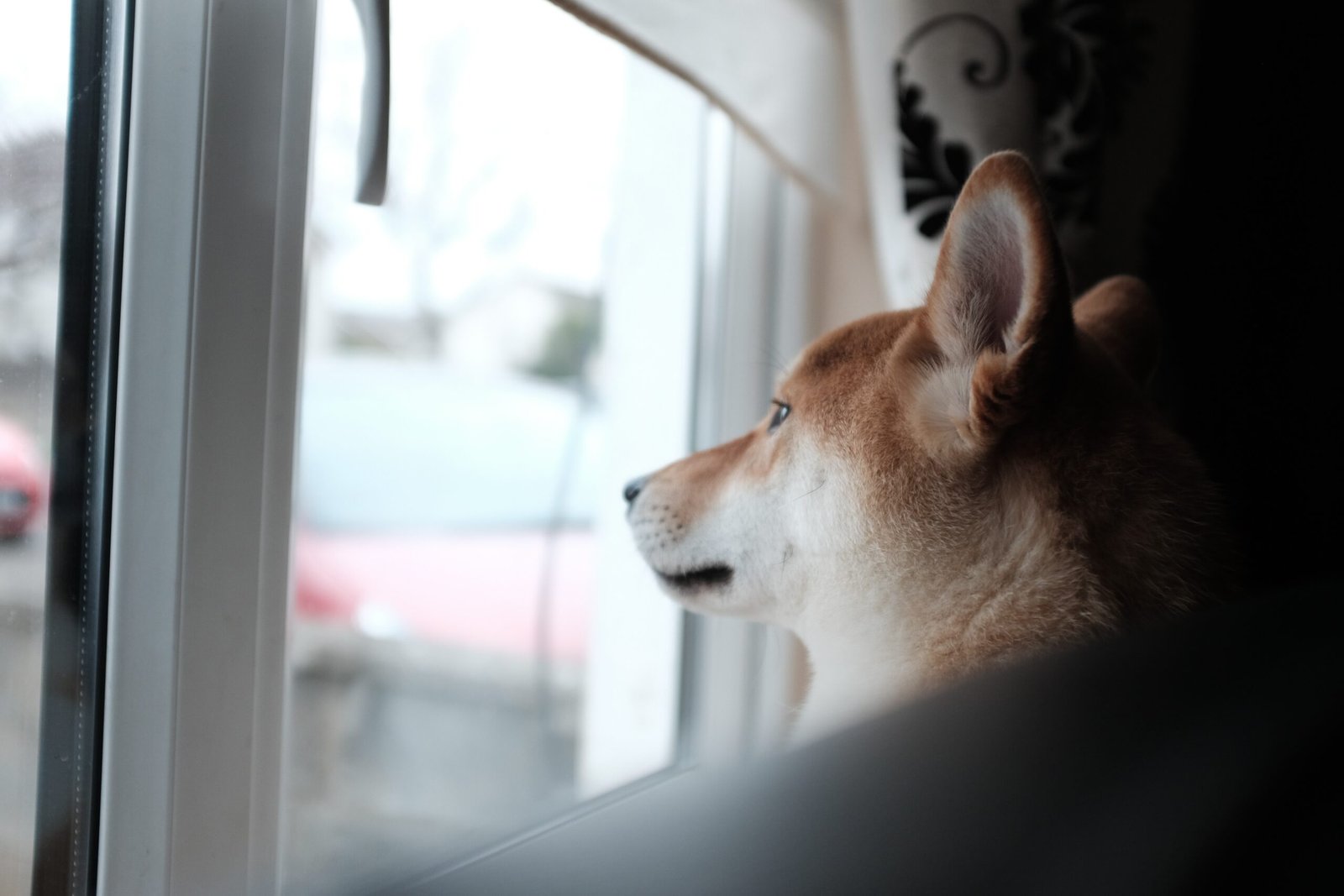
You know that feeling when your dog settles at the window like it’s their full-time job, staring out for what feels like hours? It’s easy to assume they’re bored out of their mind, just killing time until something more exciting happens. But that quiet, still posture can be hiding a hurricane of activity going on in their brain.
In reality, a dog at the window is often more like a security guard, a gossip reporter, and a wildlife documentarian all rolled into one. That glass isn’t just a view; it’s their personal news channel, and they’re watching it with a level of focus most of us reserve for a season finale. Once you start to understand what they might actually be paying attention to, you stop seeing a “bored” dog and start seeing a mind that’s busy making sense of the world.
The Neighborhood Watch Instinct

The most obvious thing your dog is doing at the window is one we tend to downplay: they’re on patrol. Dogs are hardwired to notice changes in their environment, and a front window is the perfect lookout post to keep tabs on the daily comings and goings. The mail carrier, the kids next door, the neighbor’s dog, a package delivery, even a plastic bag blowing by can all grab their attention.
From your dog’s point of view, each of these moments is a new data point that helps them figure out what’s “normal” around your home. Over time, they learn the patterns: who shows up every afternoon, which cars belong on the street, which people are familiar. This quiet tracking helps many dogs feel safer and more in control of their territory, rather than anxious or bored.
Tiny Noises You Don’t Even Notice
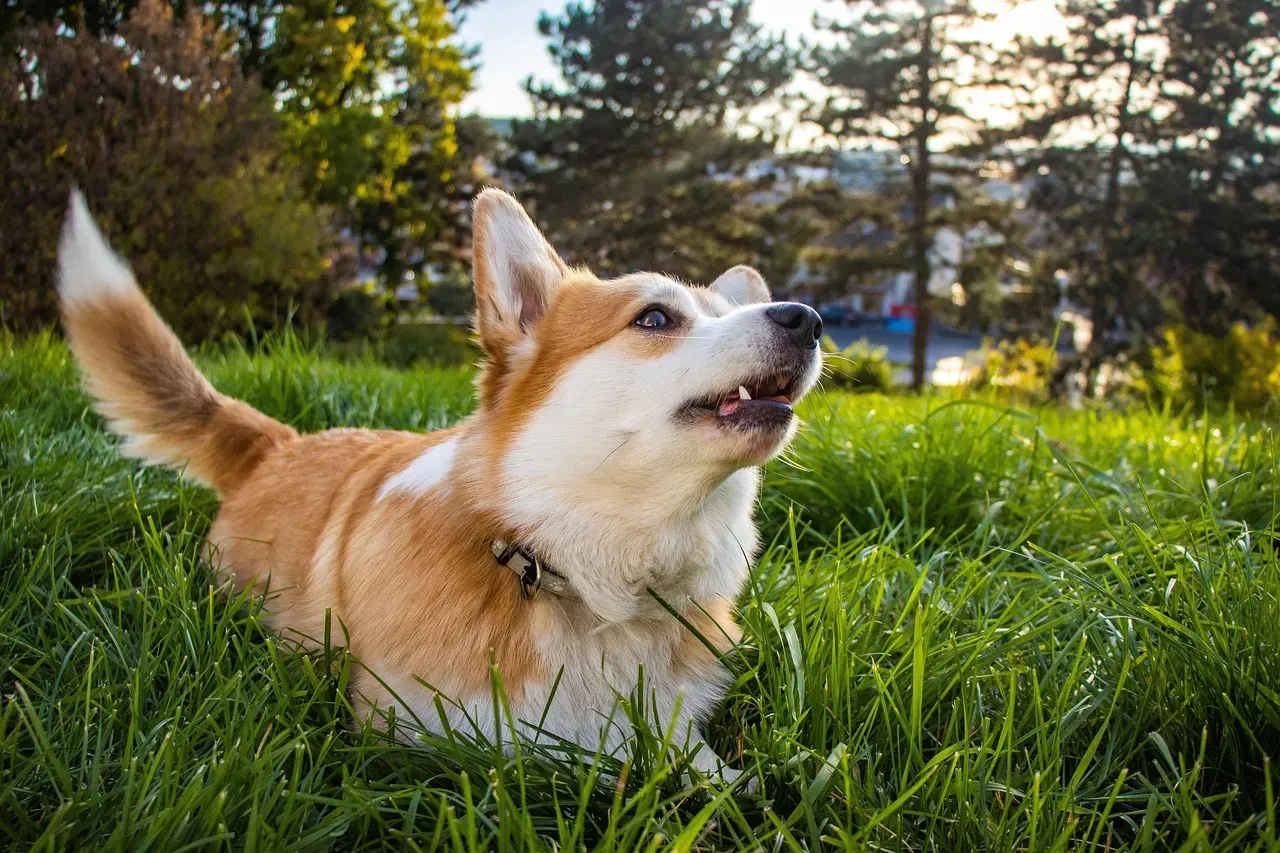
Sometimes it looks like your dog is just “staring,” but what they’re really doing is listening. Dogs hear higher frequencies and softer sounds than we do, and the window is often where outside noises are easiest to pick up. A distant car door closing, footsteps on the sidewalk, a squirrel rustling in the bushes, or a dog barking three houses down might be the soundtrack to their vigil.
Because they hear so much more, they often react before we even realize anything has happened. That moment when your dog suddenly tenses, pricks their ears, and leans forward at the glass? There was probably a sound you completely missed. To them, the window is less like a TV and more like a mixing board of subtle noises that they’re constantly trying to interpret.
Tracking Scents on the Breeze
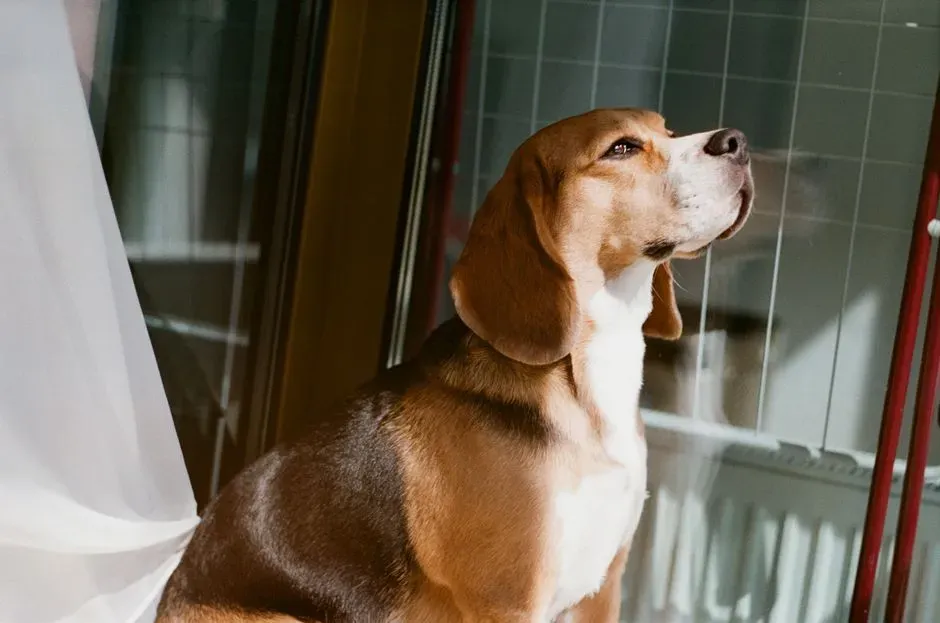
Even with the glass closed, smell still plays a huge role in why your dog keeps going back to the window. Every time the door opens, or a slight draft slips in, new scents ride the air into your home. Your dog may be watching for the visual confirmation of odors they’ve already picked up: another dog passing by, a jogger who smells like the park, a delivery driver who smells like ten different houses.
For dogs, scent is like a rich story unfolding in layers. Just as you might watch a drama show to see what happens next, your dog “watches” the window to connect smells and sights into a coherent picture of what’s happening outside. They may not look overly excited, but their nose and brain are working together in a very active way, putting the pieces of that story together.
Wildlife: The World’s Best Reality Show
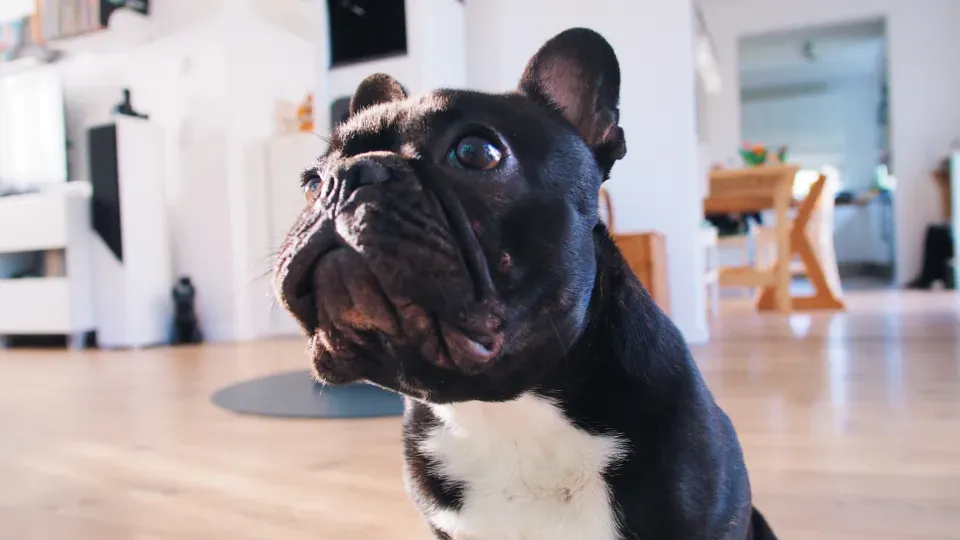
Birds, squirrels, cats, rabbits, even the occasional bug crawling on the glass can turn the window into prime entertainment. Many dogs are especially tuned in to small, quick movements, because those movements would have mattered for survival in their ancestors. So that tiny twitch of a bird’s wing or the jerky stop-and-go of a squirrel across the yard can be utterly fascinating to them.
What looks like “just staring” is often your dog carefully tracking motion, posture, and direction, deciding whether something is worth a bark, a pounce, or just quiet observation. Think of it as their version of people-watching in a busy café, except the “people” are feathered, furry, and sometimes mischievous. It’s mentally stimulating and scratches a deep instinctual itch without your dog even leaving the house.
Reading Human Routines and Schedules
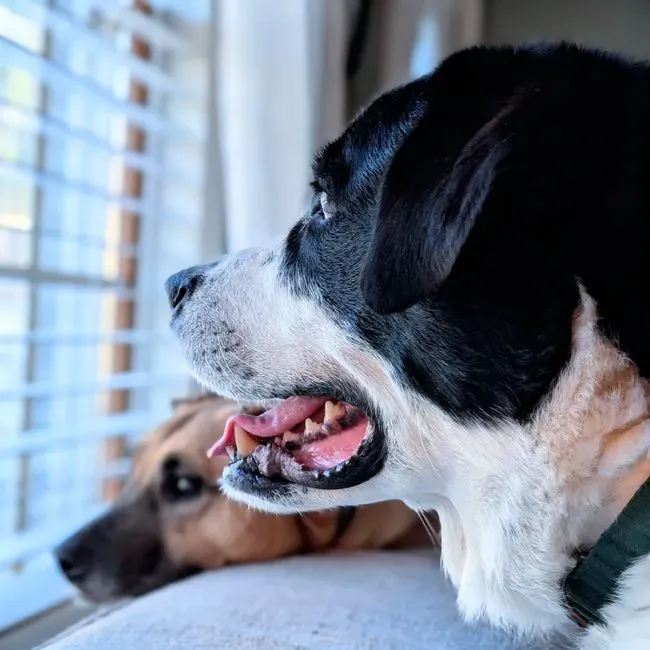
Dogs are brilliant at learning your daily routines, and windows give them a perfect vantage point for timing their expectations. Many dogs learn the sight and sound of your car, the usual time you come home, or when other family members arrive. That “waiting at the window” behavior you see in the late afternoon is often less boredom and more anticipation, like a kid tracking the school bus that brings a parent home.
They might also be watching neighbors they’ve learned to associate with certain events: a dog walker who sometimes rings your bell, a friend who often visits, or even a landscape crew that turns up on a regular schedule. By monitoring these patterns, your dog builds a mental calendar of who appears when, which can bring them comfort and predictability in a world where they don’t control much.
Self-Soothing and Feeling In Control
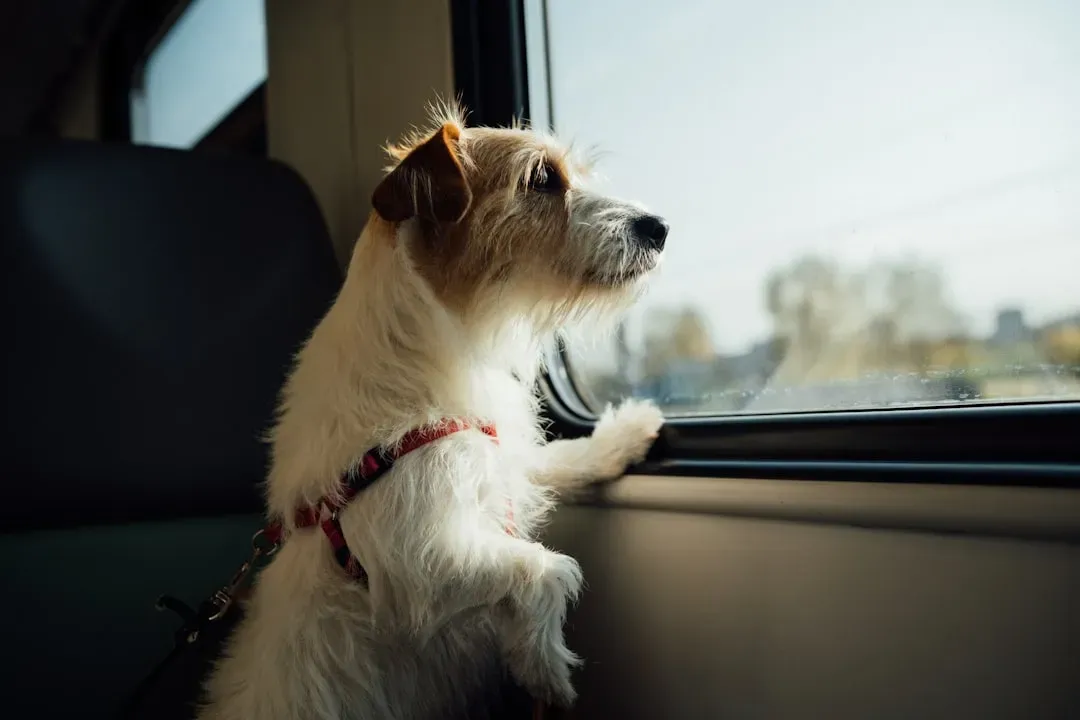
For some dogs, hanging out at the window is actually calming, not a sign of frustration. They’re not endlessly pacing or whining; they’re lying down or sitting, quietly observing. That steady watchfulness can give nervous or sensitive dogs a sense of control, as if they’re “on duty” and therefore less likely to be surprised by something unexpected happening outside.
Of course, there’s a line between calm monitoring and stressed hyper-vigilance. A dog who spends every spare minute frantically scanning, barking at every single movement, or unable to relax might be feeling anxious rather than entertained. But a dog who chooses the window as one of their favorite resting spots, switching between napping and glancing outside, is often simply using it as a peaceful perch to keep an eye on their world.
The Window as a Mental Workout
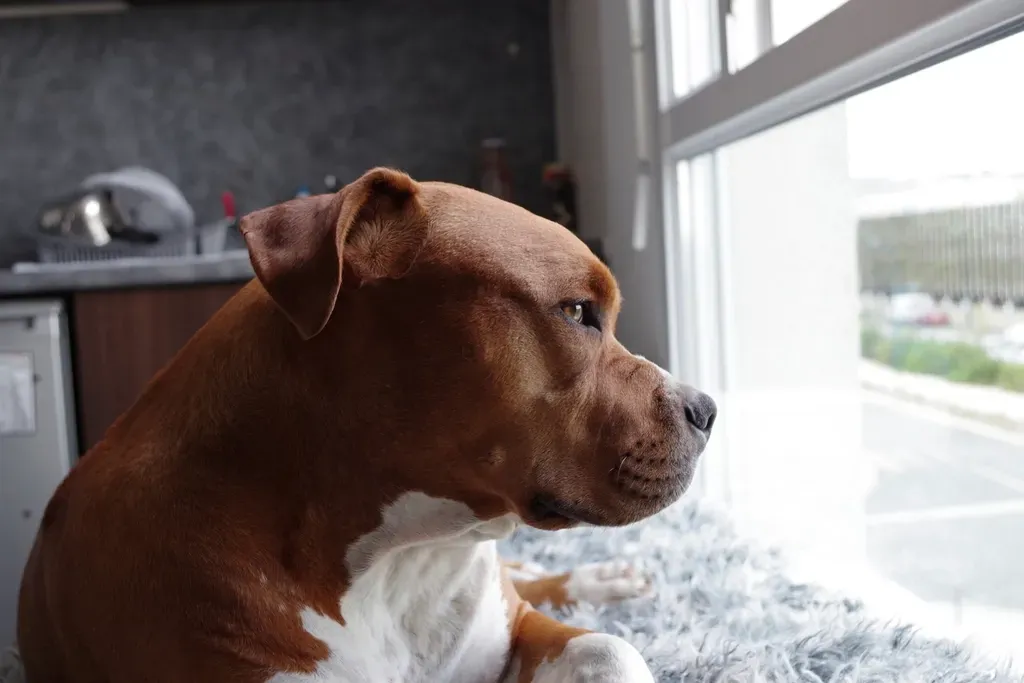
We tend to think of enrichment as toys, puzzles, or training games, but the view from a window can be a surprisingly rich mental workout. Your dog is constantly categorizing what they see and hear: safe or unsafe, familiar or unfamiliar, worth barking at or not worth the energy. That constant low-level problem-solving helps keep their brain engaged, a bit like reading a book while half-watching TV in the background.
When your dog chooses to watch the world rather than wander aimlessly around the house, it can actually be a sign that they’re using their environment well. Sure, they still need walks, play, and interaction with you, but their window habit is not automatically a red flag. In many cases, it’s one of the healthiest ways for a dog to pass time alone: quietly curious, alert but not stressed, and immersed in the never-ending story unfolding just beyond the glass.
When You Should Actually Worry

There are moments when a dog at the window is telling you something is off. If they look tense all the time, panting or whining, or bark frantically at every person or car, that may be less about curiosity and more about chronic stress. Likewise, if window-watching is the only thing they ever do, and they ignore toys, people, or play, it can be a clue that their world has gotten too small and repetitive.
In those cases, managing the view, teaching calm behaviors, and boosting enrichment away from the glass can make a big difference. You might need to block certain windows, add white noise, or pair outside sights with rewards for quiet behavior. The point isn’t to ban the window completely, but to make sure it stays a source of healthy interest rather than nonstop adrenaline.
Conclusion: Your Dog Is Not Just “Staring Into Space”
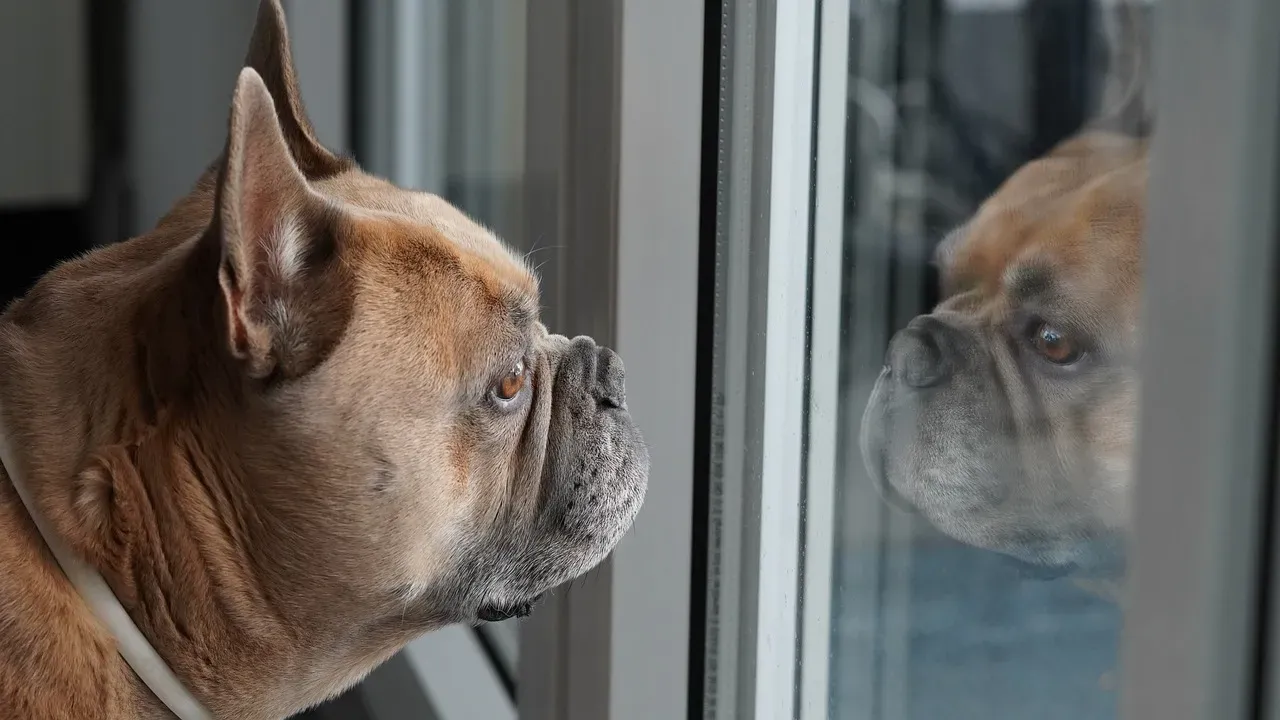
I’ll be honest: for a long time, I used to feel a little guilty seeing a dog spend so much time at the window, as if I’d failed to entertain them. The more I learned, the more my perspective flipped. Now, when I see a dog calmly watching the world go by, I see an animal doing exactly what their brain was built to do: observe, interpret, protect, and stay connected to their surroundings.
That doesn’t mean we get a free pass on walks, play, or training; dogs still absolutely need those things to thrive. But it does mean that a dog who keeps looking out the window is not automatically bored or lonely. Often, they’re doing complex work that we underestimate because it looks so still from the outside. Next time you catch your dog at their favorite window spot, maybe ask yourself: are they bored, or are they just a lot more tuned in than we are?


