
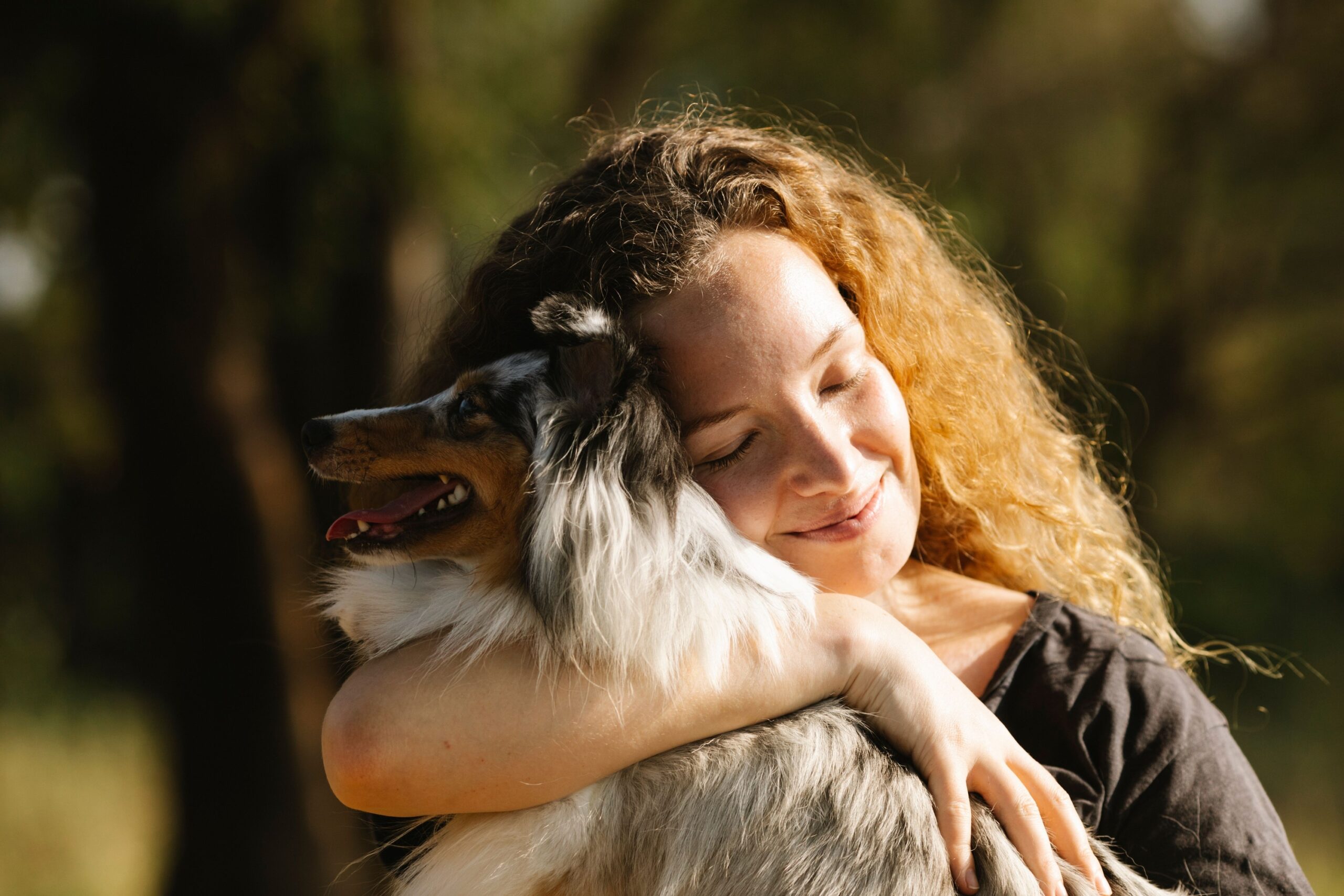
There’s this small, almost throwaway moment that every dog person knows: you’re standing at the counter or sitting on the couch, and suddenly you feel it – your dog silently presses their whole body into your leg and just stays there. No barking, no whining, just that quiet, gentle weight. It feels weirdly important, like they’re saying something without a sound.
And honestly, they probably are. Dogs rarely do anything for no reason at all. That full-body lean can be comfort, habit, stress, love, insecurity, or a mix of everything at once. The tricky (and beautiful) part is learning to read what your particular dog is trying to tell you in that moment. Let’s unpack the most common meanings behind that simple, heavy, heart-melting lean.
1. I Feel Safe With You
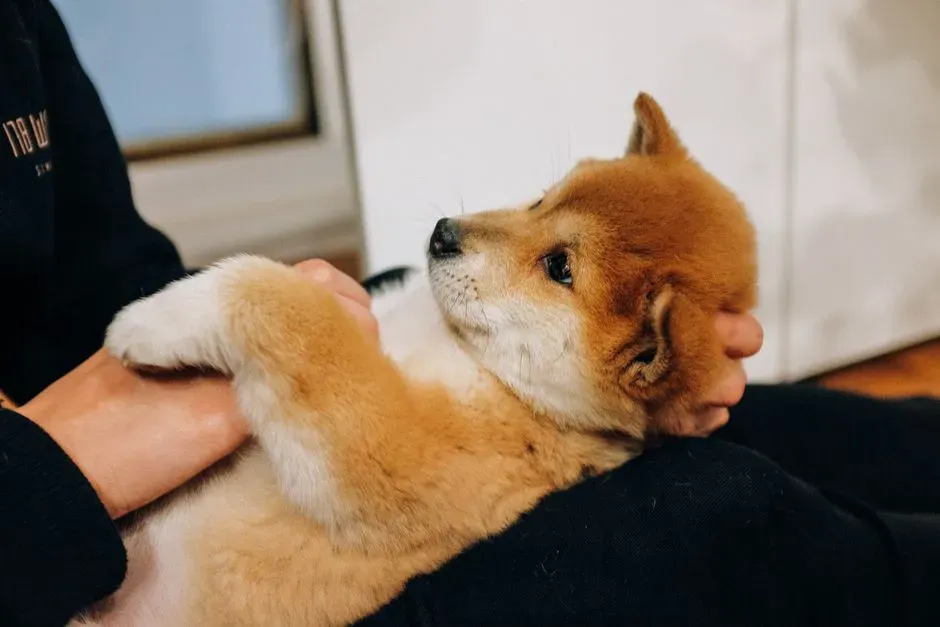
One of the most touching possibilities is also the simplest: your dog might be using your body as their personal safe zone. In the wild, safety often comes from physical closeness, whether it is pack members sleeping together or crowding into a den. When your dog leans their full weight into you and relaxes, they may be saying that your presence makes the world feel less risky.
You’ll often notice this kind of lean when nothing particularly dramatic is happening. Maybe you are scrolling your phone or watching a show, and they quietly sidle up until they are pressed right against your leg. Their body might feel loose, their eyes soft, breathing slow. That calm, almost sleepy contact is less about need and more about trust, like a friend who sits closer on the couch simply because they like how it feels to be near you.
2. I’m Seeking Comfort Or Reassurance

Sometimes the lean is not calm at all – it is a soft little SOS. Thunder, fireworks, raised voices, a loud vacuum, or even a weird new object in the house can all make a dog uneasy. When they lean into you then, they may be using your body as shelter, trying to borrow your confidence the way a nervous kid hides behind a parent’s legs.
In this version, you might notice subtle signs of stress: slightly tucked tail, ears back, yawning, lip licking, or scanning the room while staying glued to your side. The lean becomes less “I’m just hanging out” and more “Tell me this is okay.” In those moments, staying calm, speaking quietly, and not forcing them closer to what scares them can go a long way in making that lean a safe, reassuring habit instead of a panic response.
3. You’re Mine (In The Sweetest Way)
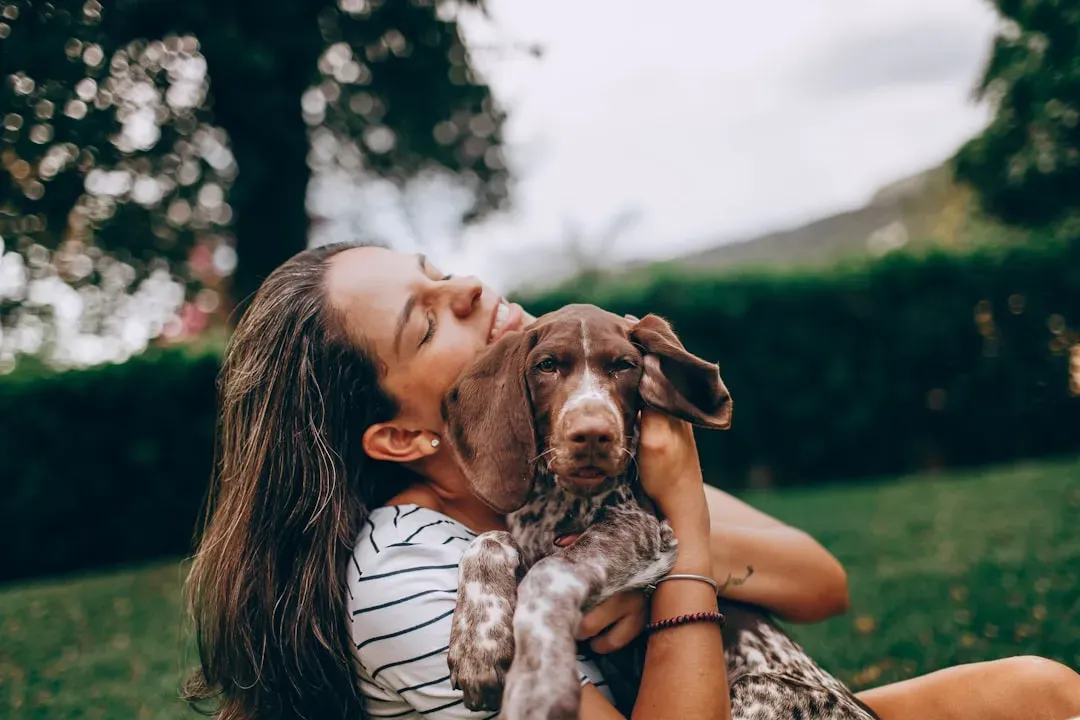
Dogs are social animals, and a lot of their communication revolves around who belongs to whom. A quiet lean can sometimes be a soft claim rather than a loud demand. Your dog may be saying that you are part of their inner circle, almost like draping an invisible “this is my person” banner over you, without a hint of aggression.
This kind of “ownership” is usually gentle and affectionate, not possessive or rude. You might see it when other people or pets are around, and your dog simply positions themselves flush against you, like they want to be counted in your immediate orbit. As long as there is no growling, stiffening, or pushing others away, it is typically just another way of saying they feel deeply bonded with you and want that fact physically acknowledged.
4. I Want Attention (But I’m Being Polite About It)
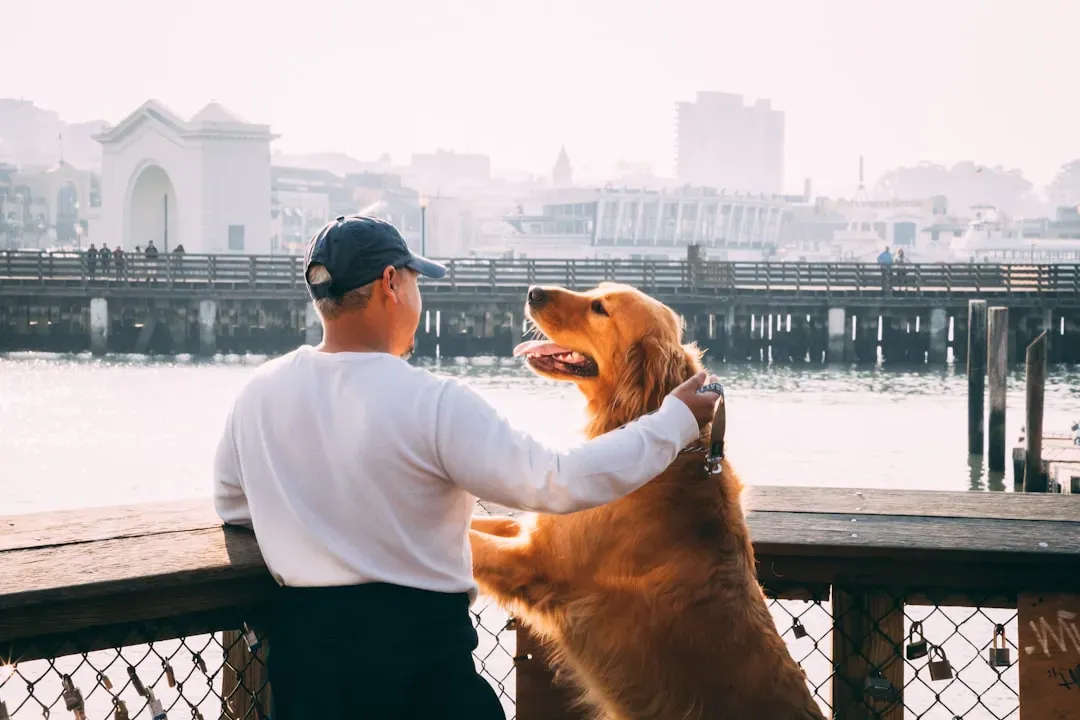
Not every dog is a jumper or a paw-slapper. Some figure out that subtlety works better: slide up, lean in, and wait. If you usually respond to that behavior with a scratch, a cuddle, or a little conversation, your dog may have learned that a quiet lean is the magic button that turns you into a walking petting machine.
Think of it like your dog’s version of a gentle shoulder tap. They are not barking or demanding, just using their body to say they’d like some interaction. You can see this especially clearly if the lean escalates into a sideways glance, a soft nudge of the nose, or them shifting their weight if you stop petting. If you do not want to reinforce constant attention-seeking, you can wait for a calm moment and then offer affection, so the lean stays a sweet signal instead of a nonstop request line.
5. I’m A Little Anxious Or Insecure Right Now
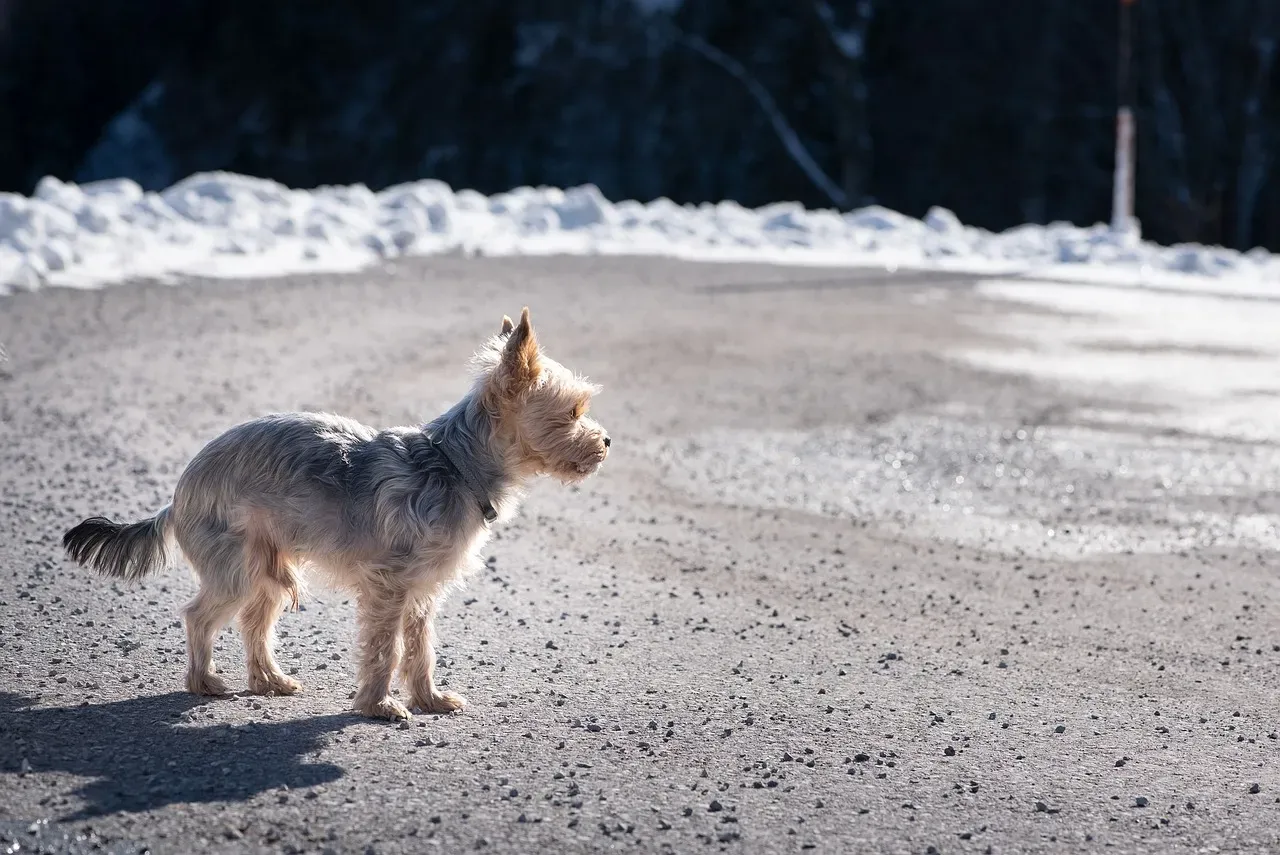
For some dogs, leaning is not just a comfort strategy in big scary moments, but a default coping mechanism when they feel unsure about anything: new places, new people, or changes at home. They may hover close, press against you, and almost act like you are a portable anchor keeping them from drifting into the unknown.
This kind of lean often shows up in vet waiting rooms, crowded parks, or busy sidewalks. You might notice your dog is alert and tense, but they still glue themselves to your leg, moving where you move. It can be tempting to label this as clingy or dramatic, but for them, your body is literally a moving safe spot. Helping an insecure dog means combining that allowed closeness with gentle confidence-building: short, positive outings, predictable routines, and never forcing them into situations that clearly overwhelm them.
6. I’m Protecting You (Or At Least I Think I Am)
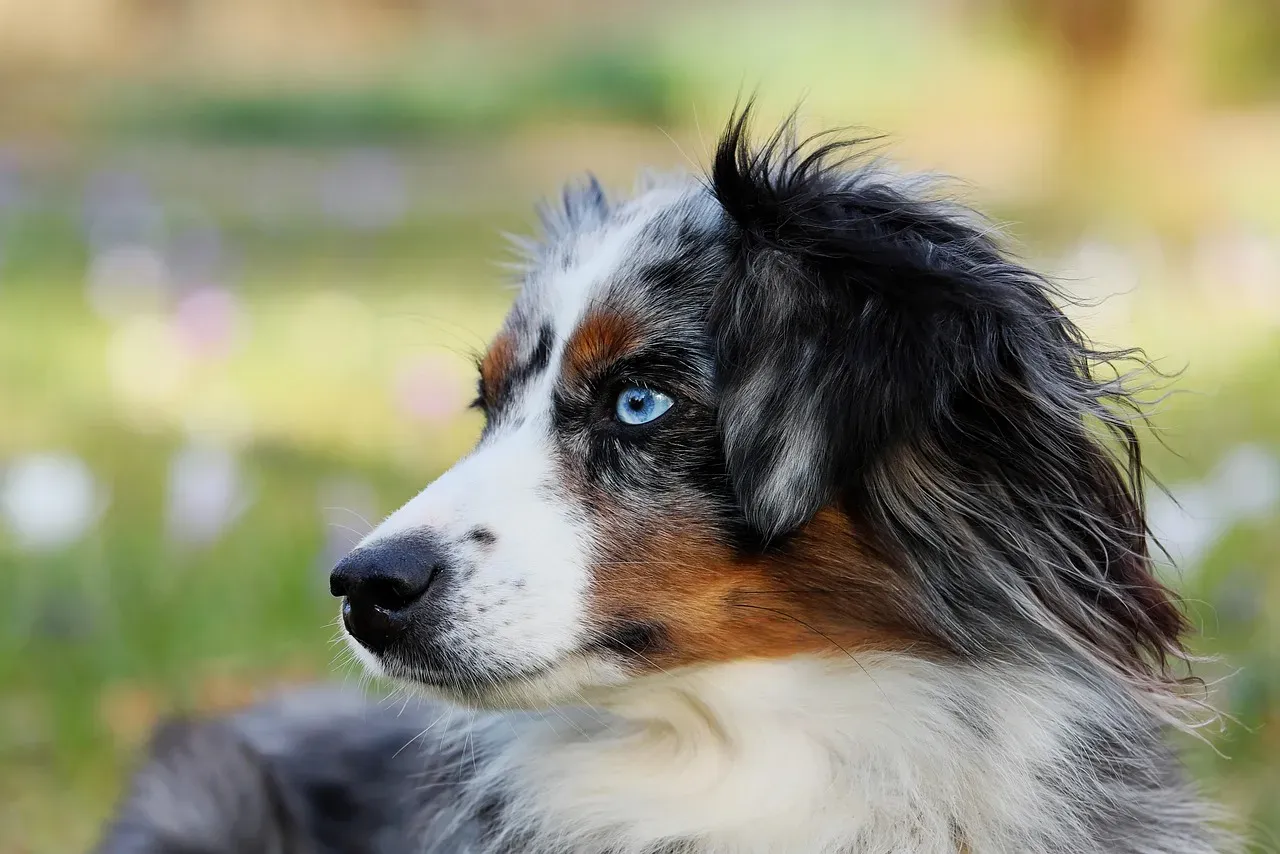
Some dogs quietly step between their person and the rest of the world like they have taken on an unofficial security role. That full-body lean can sometimes be a way of maintaining a position where they can both touch you and keep an eye on what is going on around you. They may not be ready to act, but they are on duty, in their own mind.
You might notice this if your dog plants themselves against your leg when strangers approach, or when someone leans in for a hug. Their body may go a bit still, eyes following the newcomer, but they are not necessarily being aggressive – more like a cautious bouncer at a friendly bar. If the behavior stays relaxed and there is no tension, it can simply be a sign that your dog takes your safety seriously. If they start growling or blocking people, you may need to work with a trainer to turn that protective streak into calm, polite behavior instead of overzealous guarding.
7. I’m Tired, And You’re A Perfect Support Pillow
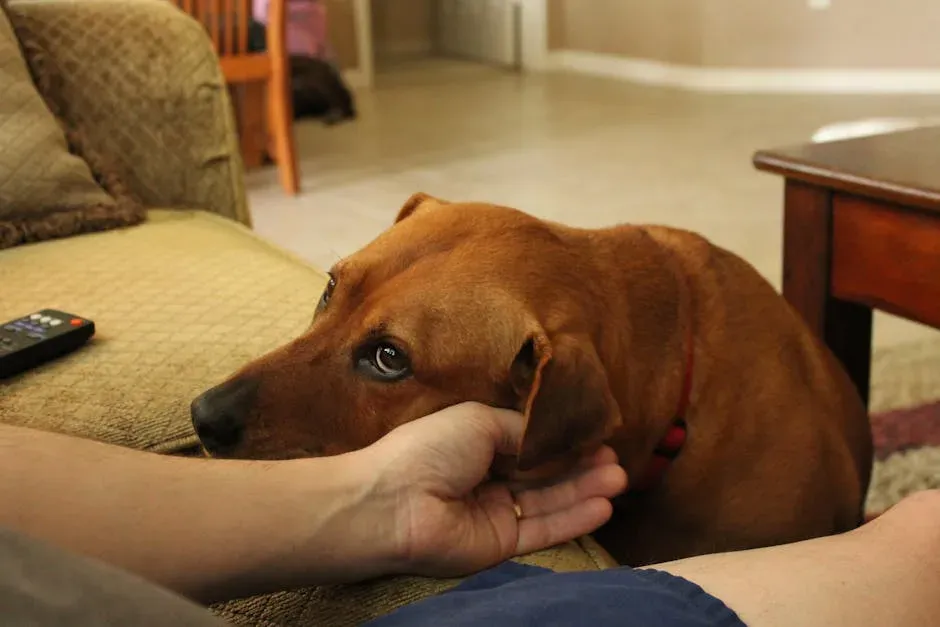
Sometimes, the explanation is delightfully un-dramatic: your dog might just be using your leg as furniture. Leaning lets them rest without fully lying down, especially if they are a bit tired, older, or dealing with subtle discomfort in their joints. You are warm, stable, and right there, so why not use you like a soft, living chair back?
This is especially common with large or giant breeds that seem to forget their own size. They sidle up, slowly shift more and more of their weight onto you, and before you know it, your center of gravity is gone. If the lean happens after walks, hikes, or play sessions, or if your dog is a senior, it might be partly about physical support. In those cases, it is worth paying attention to other signs of stiffness or soreness, and making sure their exercise and vet care are appropriate for their age and body.
8. This Is Just How I Show Affection
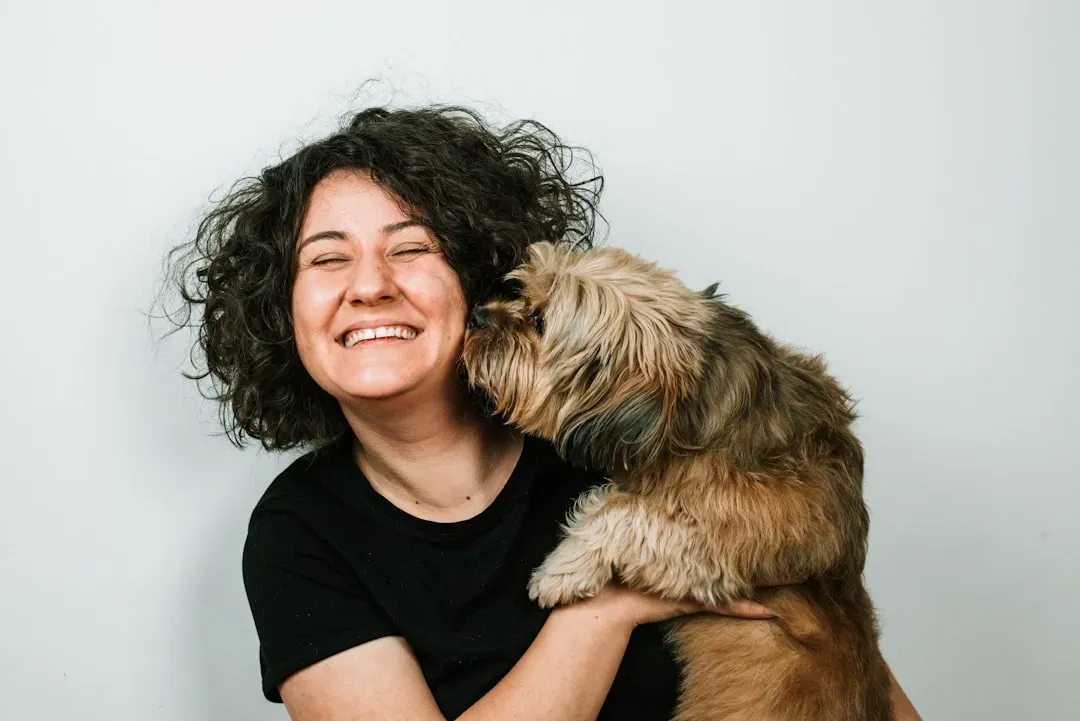
Every dog has their own love language. Some bring toys, some lick your hands, some sprawl upside-down on your lap, and some lean with their entire being like they are trying to merge into you. For a lot of dogs, this full-body press is simply their favorite way to express affection and soak up yours at the same time.
You’ll often see this version during quiet, happy moments: you are watching a movie, reading, or chatting with someone, and your dog chooses to be pressed against you instead of anywhere else. Their eyes might close, breathing slow, maybe a soft sigh as they settle. It is the canine equivalent of resting a head on a loved one’s shoulder. There is nothing complicated about it – they are enjoying you, and that is enough reason for them.
9. I’ve Learned That Leaning Works For Me
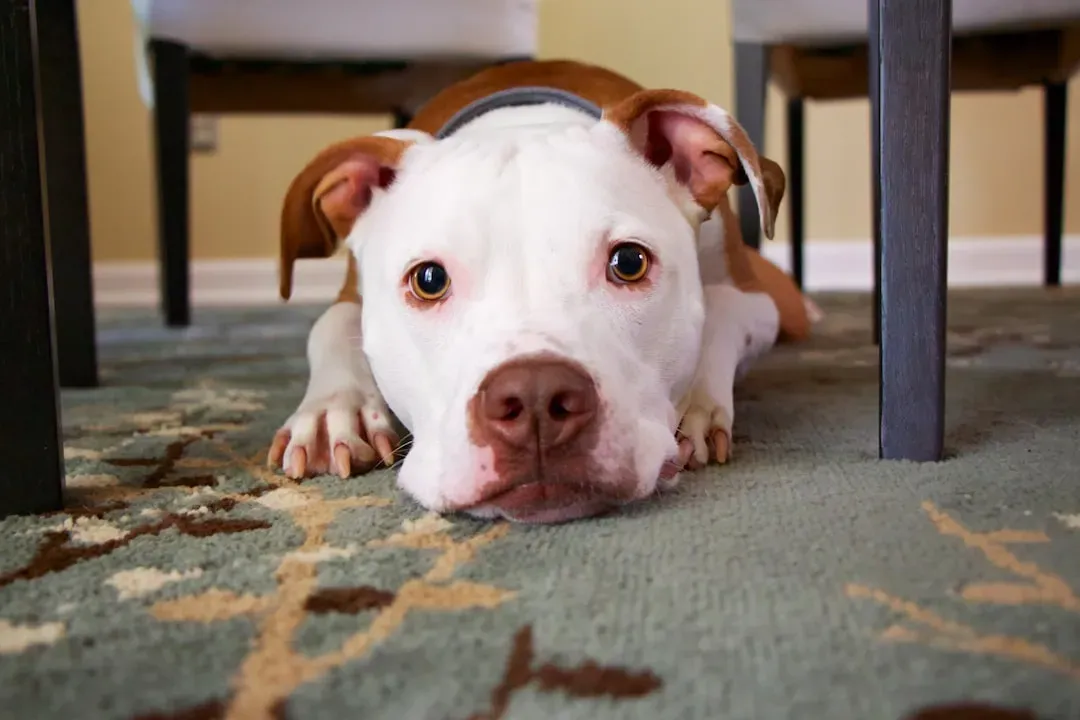
Dogs are expert pattern-readers. If leaning has consistently led to something they like – attention, food, going outside, avoiding something scary, or getting you to stay put – they will absolutely file it away as a useful tool. Over time, what may have started as a spontaneous behavior can turn into a kind of multi-purpose button they press whenever they want to influence what happens next.
This does not mean the behavior is fake or manipulative in a human sense. It just means your dog has figured out a strategy that works. If you notice your dog leans every time you talk to someone else, or right before mealtimes, or when you pick up your keys, they might be combining emotion with learned habit. You get to decide which versions you want to reinforce. Reward the calm, sweet leans you love, and quietly ignore or redirect the ones that pop up in pushy or inconvenient contexts, so the behavior stays charming instead of frustrating.
Conclusion: The Weight Of A Lean, And Why It Matters
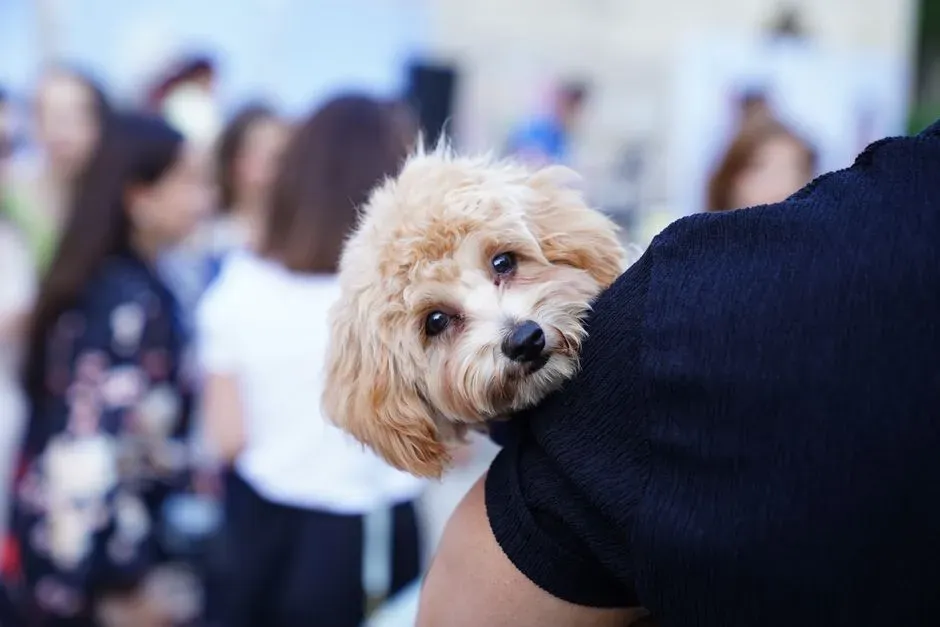
When a dog quietly leans their full weight against you, it is rarely just random. It is trust, habit, curiosity, insecurity, affection, or some messy mix of all of the above, packed into one simple action. The real magic is that you do not have to decode it perfectly every time for it to matter; just noticing and wondering about it already means you are paying attention to who your dog is, not just what they do.
Personally, I think those heavy, wordless moments are some of the best parts of living with a dog. They are like tiny check-ins that say, in their own way, that there is a real relationship happening between two very different species who happen to love each other anyway. The next time your dog leans all their weight into you, will you brush it off as nothing – or pause for a second and ask what they might be telling you right then?


