
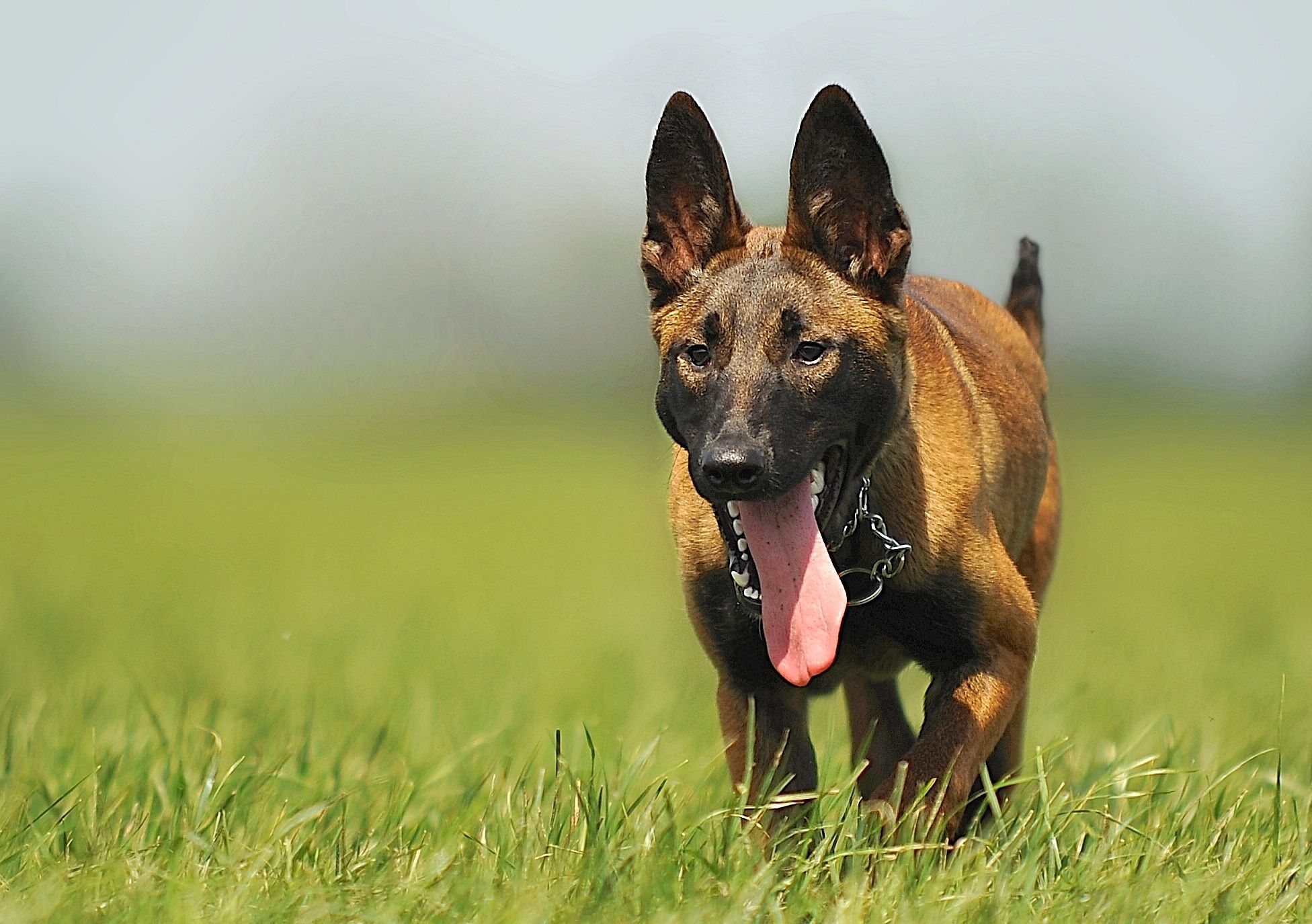
If you’ve ever watched a Belgian Malinois in action, you know it’s like someone mixed a border collie’s brain with a sprinter’s body and then gave it a soldier’s mindset. They’re stunning, intense, and almost unreal in what they can do. But hidden behind the cool videos and working-dog glory is a tough truth: this is absolutely not a dog for everyone, and for many people, not even close.
The Malinois is the kind of dog that can change your life in the best way or completely overwhelm you if you’re not ready. I still remember the first time I met one up close; I thought I knew dogs pretty well, and within ten minutes I realized I was out of my depth. If you’re even half-considering this breed, these ten facts will either convince you to run toward the challenge – or run the other way.
1. They Were Bred To Work All Day, Not Chill on the Couch

Most dogs appreciate a good nap after a walk. The Belgian Malinois, on the other hand, was developed as a herding and protection dog that could move, think, and react from sunrise to sunset. That working heritage is still wired deeply into them today, which means they don’t just like activity; they actually need it to feel normal and stable.
This isn’t “toss a ball for ten minutes and call it a day” energy. A Malinois that doesn’t get enough structured work often starts to invent their own job – usually in the form of chewing, barking, pacing, or chasing anything that moves. If you’re not prepared to build your lifestyle around daily mental and physical outlets, this breed will feel less like a pet and more like an unmanageable storm blowing through your living room.
2. Their Intelligence Is Impressive… and Unforgiving

People love to say their dog is smart; with a Malinois, it almost feels like the dog is quietly evaluating your competence. They learn patterns at lightning speed, read body language with scary accuracy, and often know what you’re about to do before you do it. That kind of sharpness is why they excel in police work, military roles, detection, and complex obedience.
The downside is that a clever dog does not automatically become a well-behaved dog. A Malinois will just as quickly pick up on your bad habits, your inconsistencies, and any loophole in your rules. If you let something slide “just this once,” they’ll file it away and test it again. With this breed, inconsistency isn’t cute – it’s an invitation for chaos.
3. Their Drive and Energy Level Can Be Overwhelming
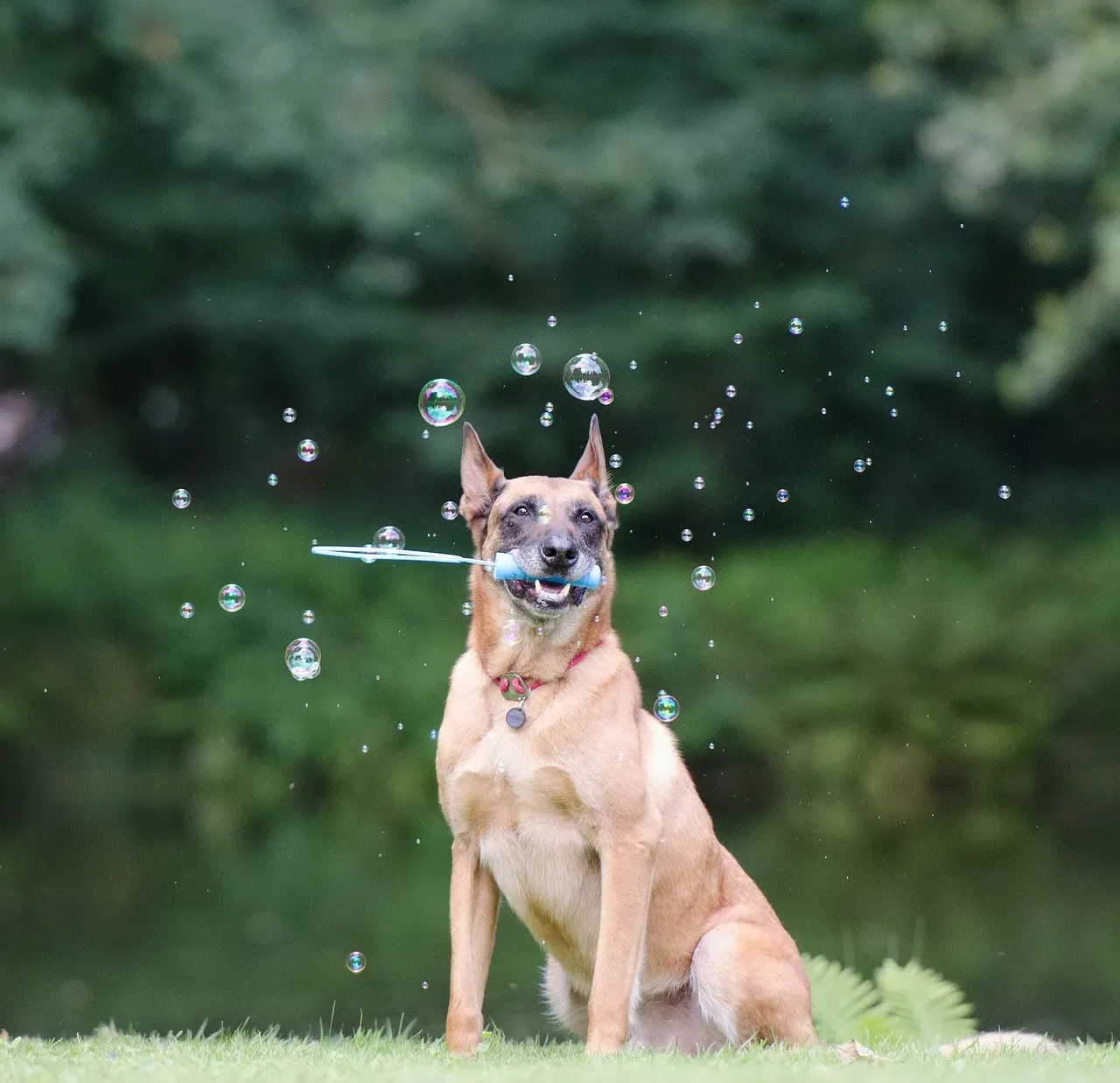
Drive is that inner push that makes a dog want to chase, hunt, tug, search, and keep going long after other dogs would flop down and quit. The Malinois is famous for having sky-high drive. It’s incredible when it’s channeled into something productive like tracking, sport, or protection work, because the dog looks unstoppable and incredibly focused.
But if you’re picturing peaceful Sunday mornings and spontaneous lazy afternoons, this level of intensity will clash with your reality very fast. A Malinois that’s revved up with no outlet is like having a high-performance race car and no track to drive it on: all that potential turns into frustration, restlessness, and behavior that can feel extreme if you’re used to calmer breeds.
4. They Bond Hard and Don’t Always Love Everyone
Malinois are often deeply loyal, forming razor-focused bonds with their handler or family. To the person they consider “theirs,” they can be affectionate, eager to please, and almost velcro-like in how closely they stick by your side. That intense attachment is one reason they work so well with handlers in demanding, high-risk environments.
What they are not is a guaranteed social butterfly. While some individuals are outgoing, many Malinois are naturally suspicious of strangers or simply uninterested in being everyone’s best friend. Without careful, ongoing socialization, their protective instincts can tip into reactivity or defensiveness. If you dream of a dog that happily greets anyone and everyone, this breed can be a jarring reality check.
5. They Need Structure, Not Just Love

Love matters with every dog, but with a Malinois, affection alone is nowhere near enough. They thrive on structure: clear rules, consistent routines, and well-defined boundaries. In that kind of environment, they tend to shine – calmer in the house, focused during training, and confident in new situations because they know what’s expected.
In a chaotic, rule-free home, though, a Malinois can quickly slide into hypervigilance and bossy behavior. They might start guarding things, sprinting from window to window, jumping on guests, or pushing limits just to see what happens. If you struggle with being firm, fair, and consistent, this breed will expose that weakness within days, and it won’t be pretty.
6. Their Exercise Needs Go Way Beyond “A Walk a Day”

A quick stroll around the block is a warm-up, not a workout, for most Malinois. They typically do best with a mix of intense physical exercise and serious mental challenges: running, hiking, structured play, obedience drills, scent work, or dog sports like protection, agility, or tracking. It’s less about exhausting their body and more about engaging their brain while they move.
If they don’t get that combination, problems often show up fast. You might see constant pacing, obsessive behaviors, escape attempts, or explosive bursts of energy that feel impossible to manage. You don’t need to train like a special forces unit, but you do need to enjoy a very active, hands-on lifestyle. If that sounds tiring just to think about, the breed will almost certainly be too much.
7. They Can Be Emotionally Intense and Sensitive

For all their toughness on the outside, many Malinois are surprisingly sensitive on the inside. They can react strongly to your mood, your tone of voice, and even subtle tension in the household. Harsh handling, constant yelling, or unpredictable anger can shut them down or make them anxious and edgy, even if they look outwardly composed.
This emotional intensity can be a gift in the right hands – they’re often incredibly in tune with their person – but it also means you have to watch your own behavior. If you’re easily frustrated or frequently stressed, your Malinois may mirror that energy. In a sense, they force you to grow up as a handler, because they don’t tolerate sloppy emotions any better than they tolerate sloppy training.
8. Training Is a Lifelong Commitment, Not a Puppy Phase
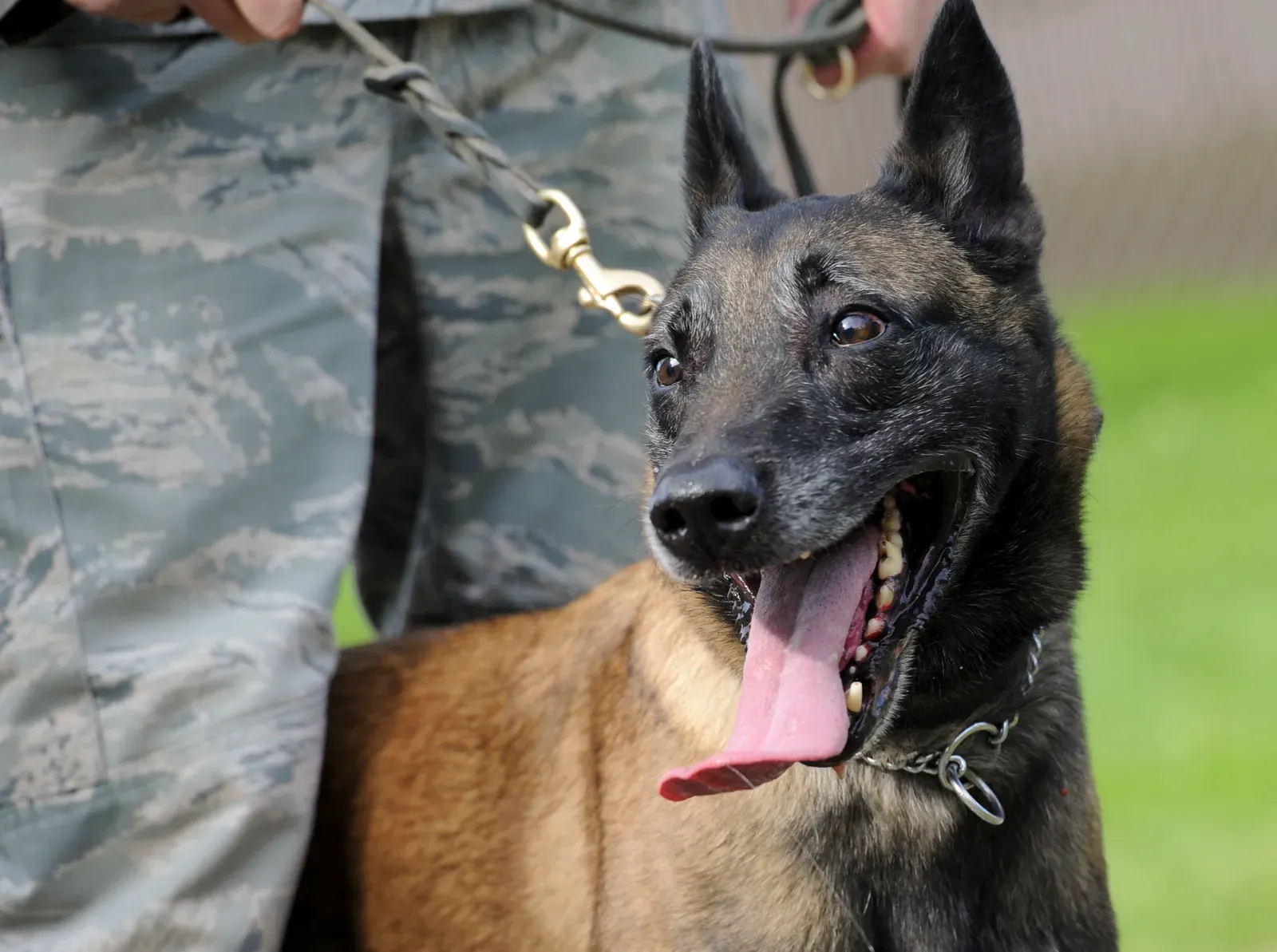
With many breeds, you can put in serious effort during the first year or two and then coast on that foundation. With a Malinois, coasting is risky. Their intelligence, drive, and curiosity mean they’re always learning, always testing, always capable of leveling up – both in good habits and bad ones. Lifelong training and engagement are part of the deal, not an optional bonus.
That doesn’t mean endless rigid drilling, but it does mean you’ll be teaching new skills, refining old ones, and using training to channel their energy for the entire length of their life. If your ideal dog is one you can eventually “set and forget,” a Malinois will feel exhausting and demanding. If you like the idea of a permanent project, they can be deeply rewarding – but you have to be honest with yourself about that.
9. Popularity and Online Hype Are Making Things Worse
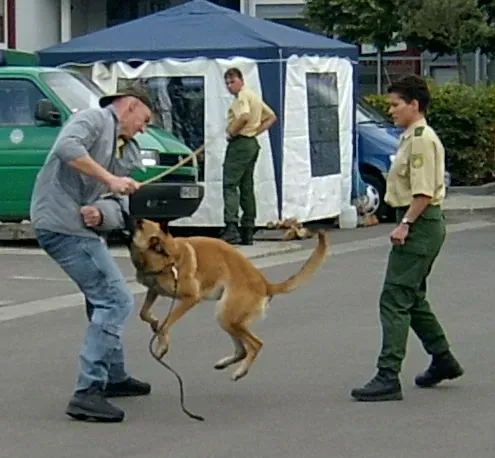
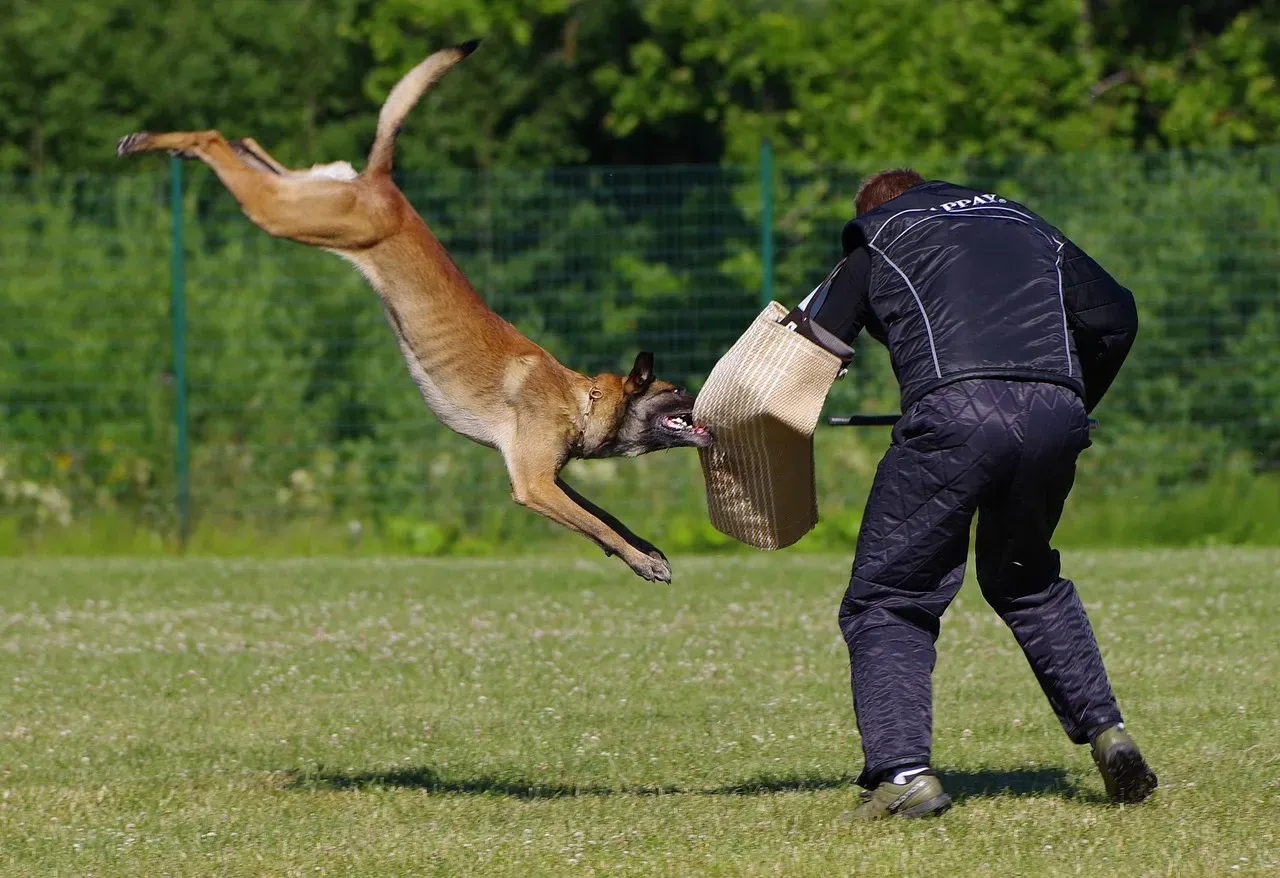
Videos of Malinois launching over walls, scaling obstacles, or performing dramatic bites have turned the breed into a kind of internet legend. It looks thrilling, almost superhero-like – and it is – but those short clips rarely show the years of careful breeding, intense daily training, and expert handling behind that performance. The danger is that people see the highlights and assume they can recreate it with zero experience.
This wave of attention has also encouraged irresponsible breeding, where temperament, stability, and health are not prioritized. That can produce dogs that are even harder for the average person to handle: nervier, more reactive, or less predictable. When you mix that with inexperienced owners drawn in by hype, you end up with stressed dogs, frustrated families, and far too many Malinois being surrendered or rehomed.
10. In the Right Hands, They’re Extraordinary – In the Wrong Hands, They Suffer

When a Belgian Malinois lands with someone who truly understands them – who enjoys training, loves structure, and respects the dog’s intensity – the result can be breathtaking. You get a partner that works with you, not just for you; a dog that feels almost like an extension of your own will. Watching that kind of team is inspiring because it shows what is possible when breed and lifestyle actually match.
But when they end up in homes that wanted “a cool police-style dog” or “a high-energy pet” without the follow-through, the story is often sad. These dogs can become anxious, destructive, reactive, or shutdown, not because they’re bad, but because they were set up to fail. That’s the hard truth: admiring the breed is easy; doing right by the breed is a serious responsibility.
Conclusion: Admire the Malinois Honestly, Not Blindly
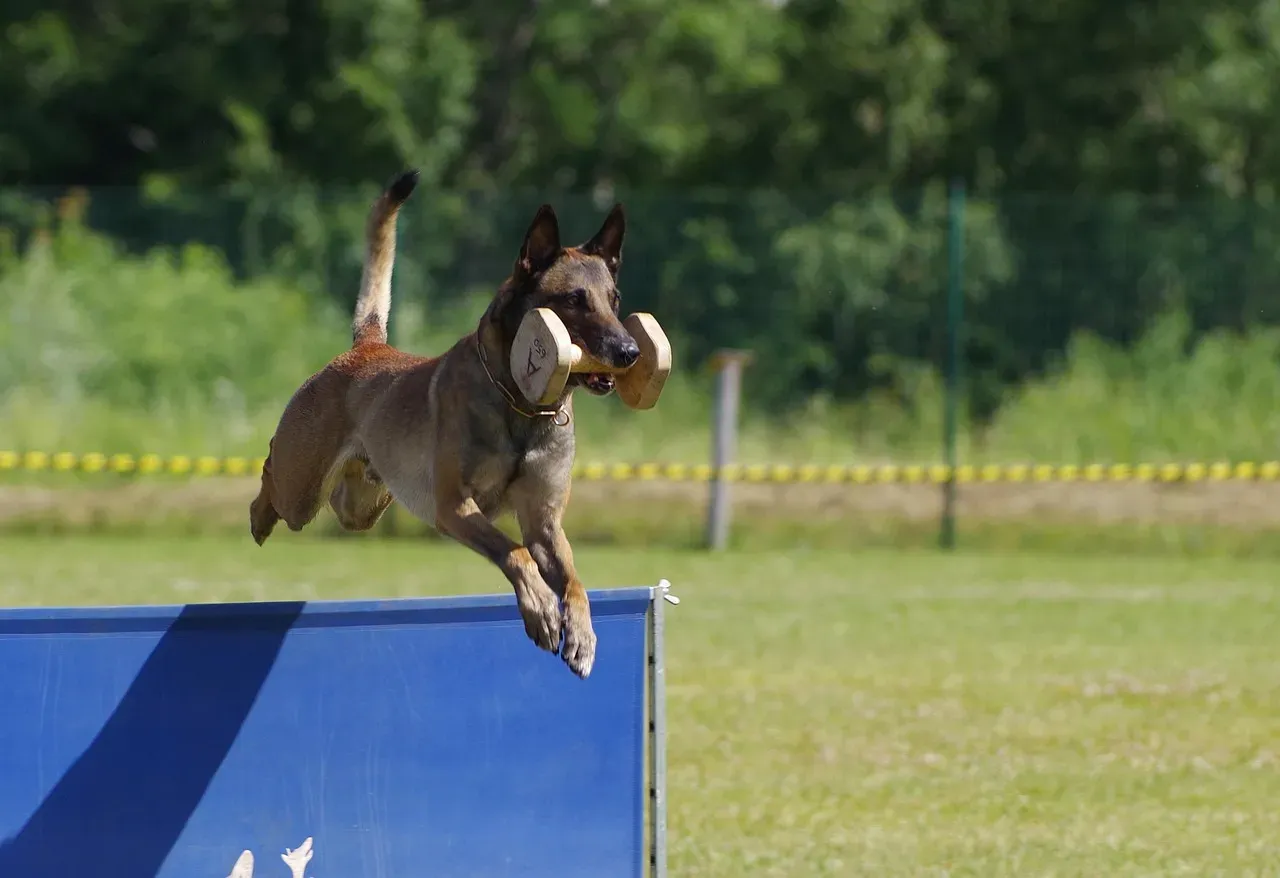
Personally, I think the Belgian Malinois is one of the most impressive dog breeds on the planet – and precisely for that reason, I believe most people shouldn’t own one. Respecting this dog means being brutally honest about what it takes: time, structure, consistency, and a lifestyle that revolves around giving a high-drive working animal what it was built for. Calling them “too much” for the average home isn’t an insult; it’s a way of protecting both people and dogs from a bad mismatch.
If you read all of this and feel even more excited, more determined, and more curious about what it would take to truly do right by a Malinois, that’s a good sign. If you read it and thought, “Wow, that sounds like way too much work,” that’s also a very good sign – because it means you’re listening to reality, not just the hype. In the end, maybe the real question isn’t whether the Belgian Malinois is good enough for you, but whether your life is truly good enough for a Belgian Malinois. What does your honest answer look like?


