
Walk through any trendy neighborhood in New York, Los Angeles, or Miami, and you’ll notice something funny: some of the tiniest dogs on the sidewalk often come with the biggest price tags. These are not just pets; they’re status symbols, designer companions, and in many cases the result of careful, costly breeding over years. It surprises a lot of people to learn that a dog that can fit in a tote bag can easily cost more than a used car.
I remember the first time I heard what a friend paid for her “teacup” pup and genuinely thought she was joking. That sticker shock is exactly what makes this topic so fascinating. Why are some small dogs in the United States so expensive, and what are people really paying for? Let’s dig into , what drives their eye‑watering prices, and whether all that money actually makes sense once you factor in health, lifestyle, and long‑term care.
French Bulldog: The Compact Celebrity
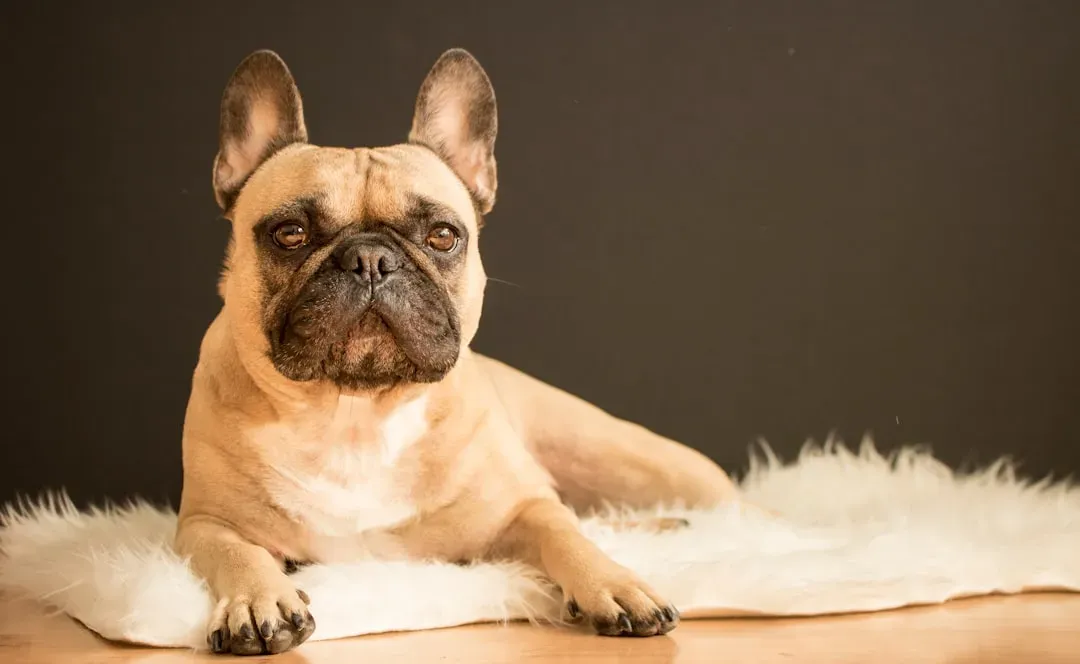
French Bulldogs might not fit the old‑school idea of “tiny,” but they’re firmly in the small‑breed category and often top the price charts in the US. Their flat faces, big bat ears, and chunky, clownish bodies have turned them into social‑media darlings and big‑city favorites. That demand, especially for rare colors or small, cobby builds, can push prices into truly shocking territory, particularly from popular bloodlines or breeders who cater to wealthy clientele.
Behind the scenes, though, Frenchies are expensive to produce. Their body shape means that many litters are delivered via C‑section, breeding is more medically involved, and infertility issues are common. Add that to rising demand, limited litter sizes, and the current fashion of owning a Frenchie in the US, and you get a perfect storm: a small dog that is both wildly popular and extremely costly, not only to buy but often to insure and keep healthy over time.
Pomeranian: Fluff With a Luxury Price Tag
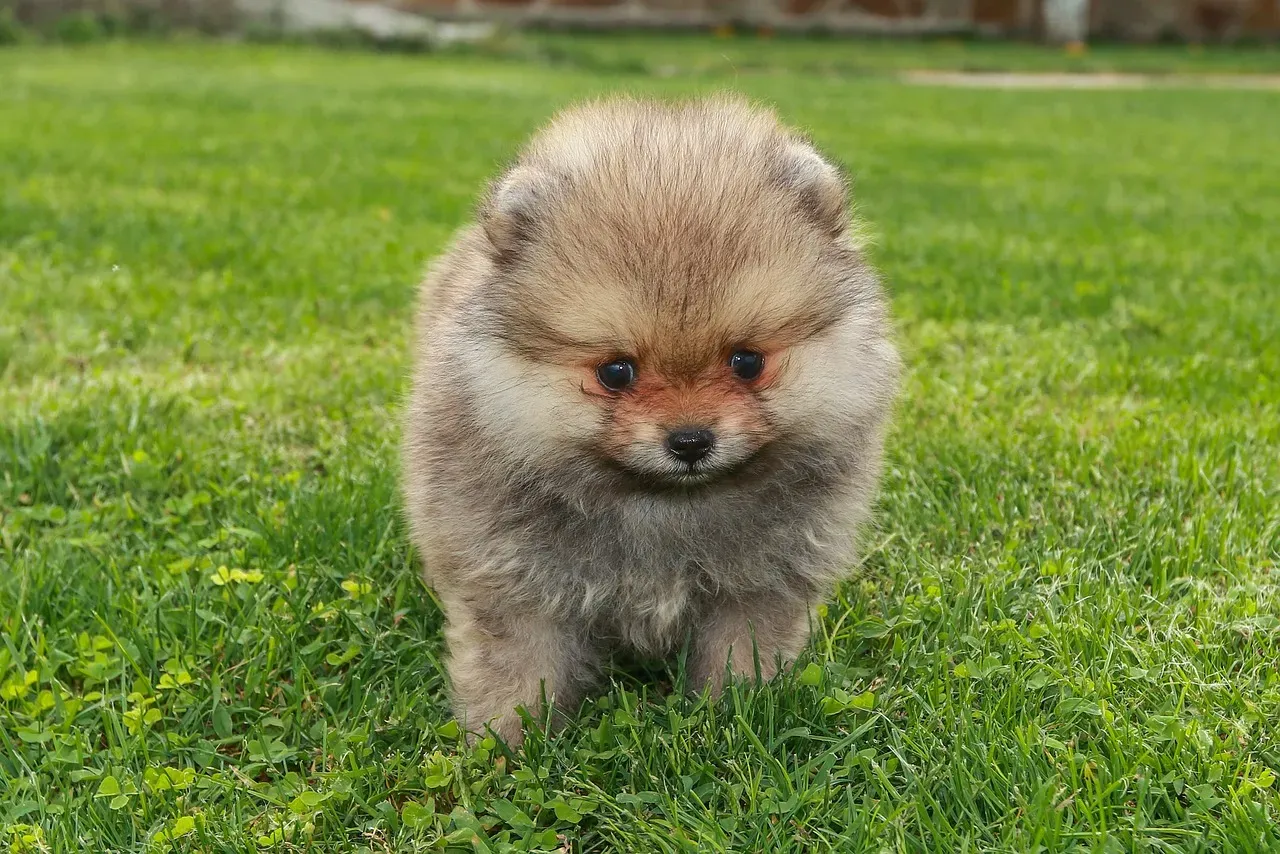
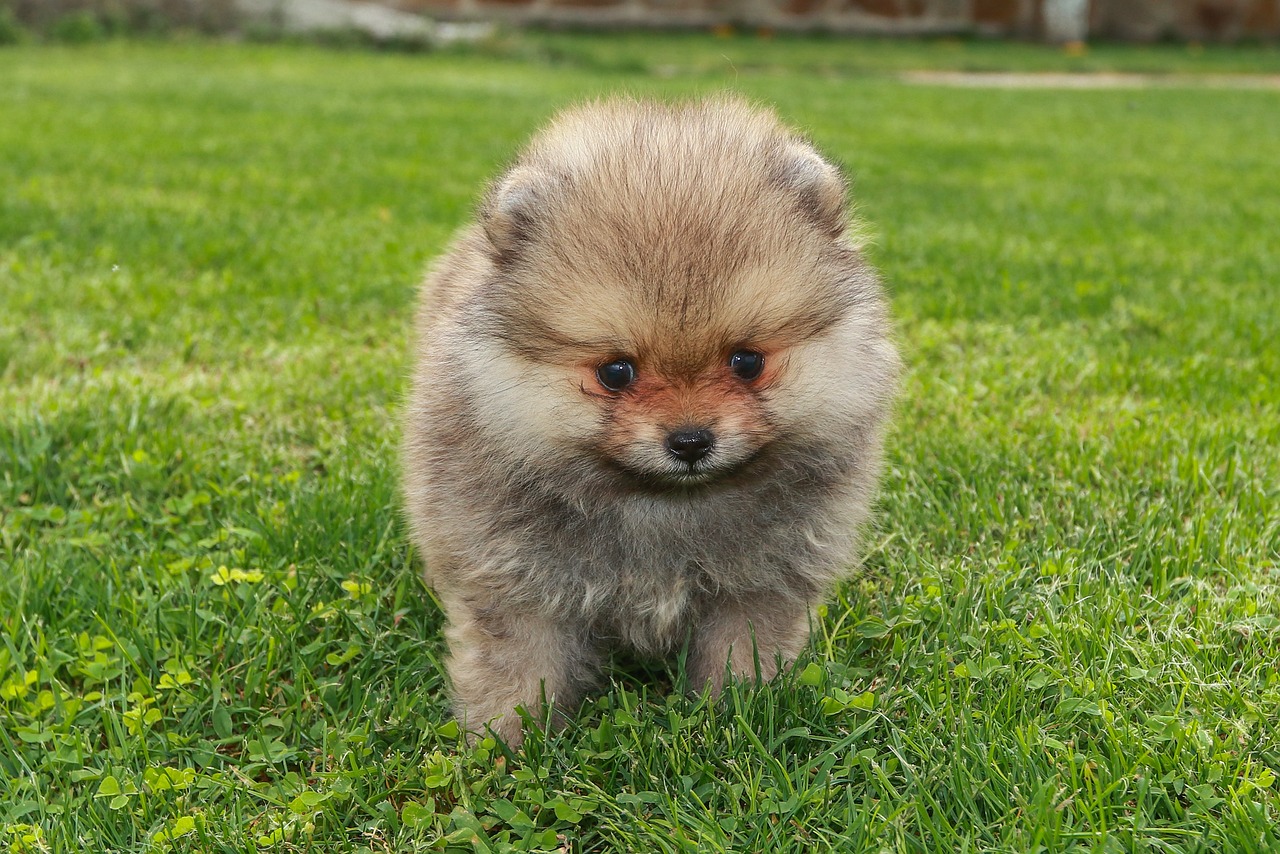
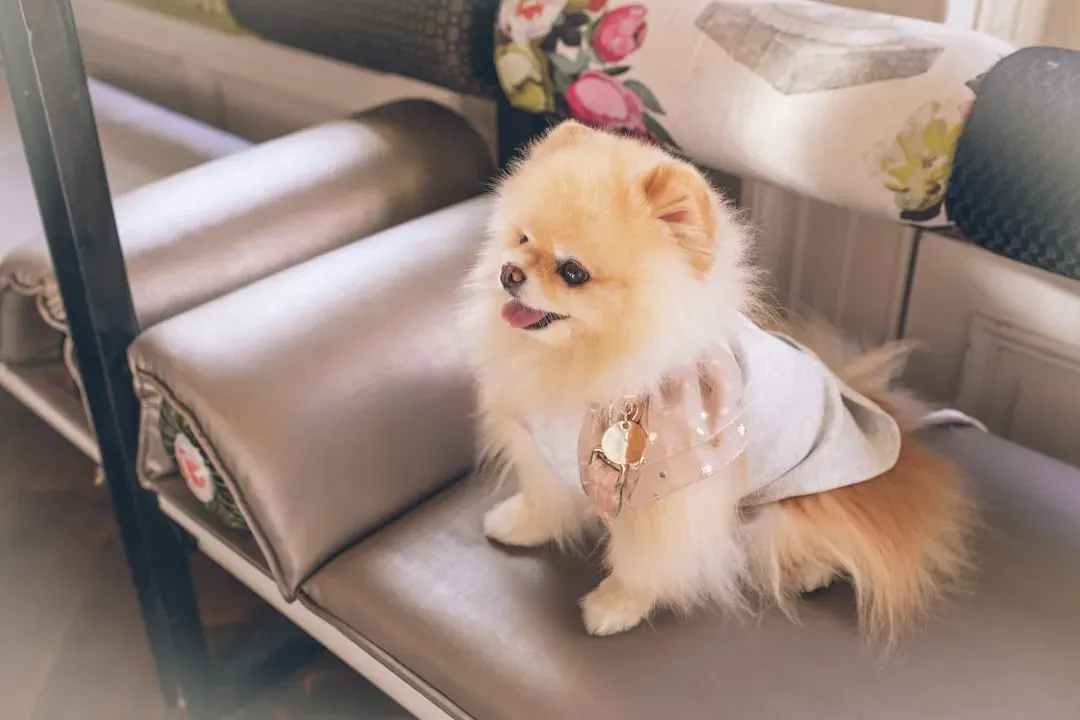
Pomeranians are like walking cotton balls with opinions, and that fluffy drama comes at a premium. Their foxlike faces, dense coats, and pocket‑friendly size make them an Instagram favorite, particularly in big cities and among people who want a very “portable” dog. Prices often spike for especially small Poms or those with particular coat colors, pedigrees, or show potential, and that’s where you can see numbers that feel more like a designer handbag than a family pet.
What a lot of new owners don’t realize is that the cost doesn’t stop at the purchase price. High‑quality grooming, dental care, and monitoring for common small‑breed issues like luxating patella or tracheal problems can add up over the dog’s lifetime. Many of the priciest Poms come from carefully selected lines, and ethical breeders pour money into health testing and proper care, which gets built into the final price. The result is a tiny, glamorous dog that can quietly drain a very non‑tiny budget.
Yorkshire Terrier: Old‑School Glamour, Modern Prices

Yorkshire Terriers have been “fancy” for a long time, and they still command serious money in the US. Their long, silky coat and confident, almost bossy personality make them feel like royalty in miniature. Well‑bred Yorkies with champion bloodlines, ideal coat texture, and the classic compact body can be very expensive, especially when purchased from breeders who focus on conformation or performance lines.
The market gets even pricier when people start chasing extra‑small “teacup” Yorkies, which are frequently marketed at a premium. That trend is controversial, because breeding for tininess can come with increased health risks. Many buyers pay high prices for the aesthetic of a palm‑sized dog without realizing they may be signing up for more fragile health, higher veterinary costs, and stricter daily management to keep that little body safe and stable.
Cavalier King Charles Spaniel: Small, Sweet, and Surprisingly Costly
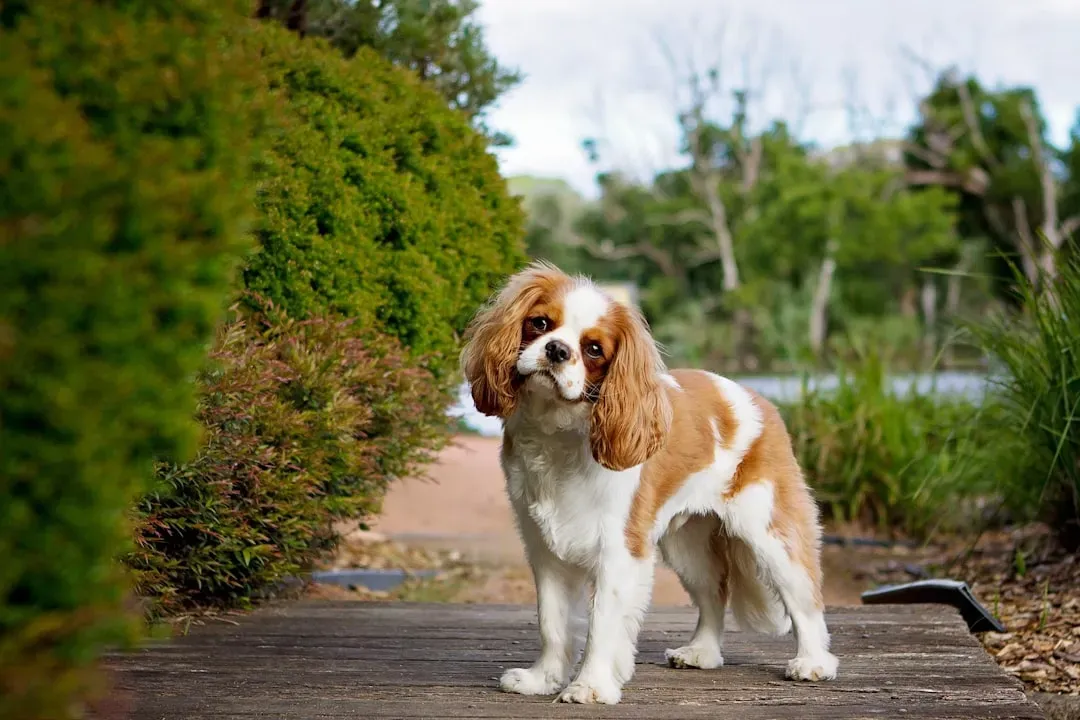
Cavalier King Charles Spaniels often surprise people by how expensive they are, especially when sourced from responsible breeders. They’re gentle, affectionate, and on the smaller side of medium, and they slot easily into apartment life in American cities. Their soft, expressive eyes and silky ears give them a royal, almost storybook look, and that aesthetic alone keeps demand high.
But the real driver of cost for Cavaliers is ethical breeding around health. This breed is prone to some serious inherited conditions, including heart and neurological issues, which responsible breeders work hard to minimize through health testing and careful pairing. That kind of diligence is time‑consuming and expensive, and it gets reflected in the price of well‑bred puppies. When buyers choose cheaper, less‑scrupulous sources, they may pay less upfront but dramatically more in vet bills and heartbreak later.
Havanese: The Under‑the‑Radar Luxury Companion

The Havanese is not always the first breed people think of when they imagine “expensive small dogs,” but dedicated owners in the US know just how valuable these little charmers can be. Originating as companion dogs, they’re affectionate, smart, and adaptable, thriving in urban apartments or suburban homes alike. Their silky, often slightly wavy coat and bright, clownish personality have made them a favorite among people wanting a hypoallergenic‑leaning, family‑friendly small dog.
High‑quality Havanese puppies from health‑focused breeders can be quite costly, and prices rise quickly for standout pedigree, show lines, or especially desirable colors and markings. Ongoing grooming, training, and socialization are also part of the “true cost” of owning one, because these dogs are highly people‑oriented and can develop anxiety without enough companionship and structure. In that sense, the Havanese is not just a financial investment, but an emotional one that demands real time and presence.
Maltese: Tiny White Royals With Big Bills

Maltese dogs have the energy of a playful puppy wrapped in the appearance of a tiny aristocrat. Their pure white, flowing coat and black button features give them a doll‑like look that many people in the US adore. Small size, single coat, and a long history as lapdogs mean they’re often associated with luxury living, and prices follow that image – particularly for pups with strong lineage and the classic, show‑style coat and structure.
Owning a Maltese can feel a bit like caring for a living piece of delicate art. Grooming can become a serious ongoing expense, especially if you keep the coat long instead of in a shorter “pet trim.” Like many small breeds, they can be prone to dental problems and joint issues, and keeping them healthy requires maintenance that people sometimes underestimate. When you combine purchase price, grooming, healthcare, and accessories, this little white dog can easily turn into one of the most expensive members of the household.
Chihuahua: The Iconic Pocket Dog With a Wide Price Range

Chihuahuas are everywhere in pop culture, from reality TV to memes, so it can be surprising to hear that some of them fall into the high‑end price category. In reality, the Chihuahua world in the US has a huge range: you can find lower‑cost dogs from casual breeders or shelters, but at the top end, specialty breeders producing show‑quality or very small, particular types can charge significant amounts. Apple‑headed Chihuahuas with perfect proportions, rare colors, or high‑profile pedigrees often command the highest prices.
The controversy comes when people push for ever‑tinier “micro” or “purse” Chihuahuas, which ramps up demand and, in turn, price. Personally, this is where the luxury trend starts to feel risky and a bit unfair to the dogs. You might pay extra for a dog that looks like a toy but is more vulnerable to injury, low blood sugar episodes, and other health concerns. The most expensive Chihuahua is not always the healthiest or happiest one, which is a tough reality many owners only discover after the initial excitement wears off.
Are These Tiny Dogs Really Worth the Big Money? (Opinionated Conclusion)
Looking at these breeds side by side, one pattern jumps out: people in the US are not just paying for a small dog, they’re paying for an image, a story, and sometimes a shortcut to a certain lifestyle. The irony is that the dog itself doesn’t care how much it cost; it just wants time, care, and a stable home. In my view, the most expensive small dog is only worth the price if that cost reflects responsible breeding and long‑term health, not just a fad color, a social media trend, or the thrill of owning something rare.
If anything, the rise of high‑priced small breeds should make us more curious and more cautious as buyers. It’s absolutely fine to love Frenchies, Poms, Yorkies, or any of these little charmers, but the real luxury is a dog that can breathe easily, move comfortably, and live a full, happy life. Before paying a premium, it is worth asking: am I funding good breeding practices, or just chasing a look? The answer to that question might be the true difference between an expensive purchase and a genuinely priceless companion.


