
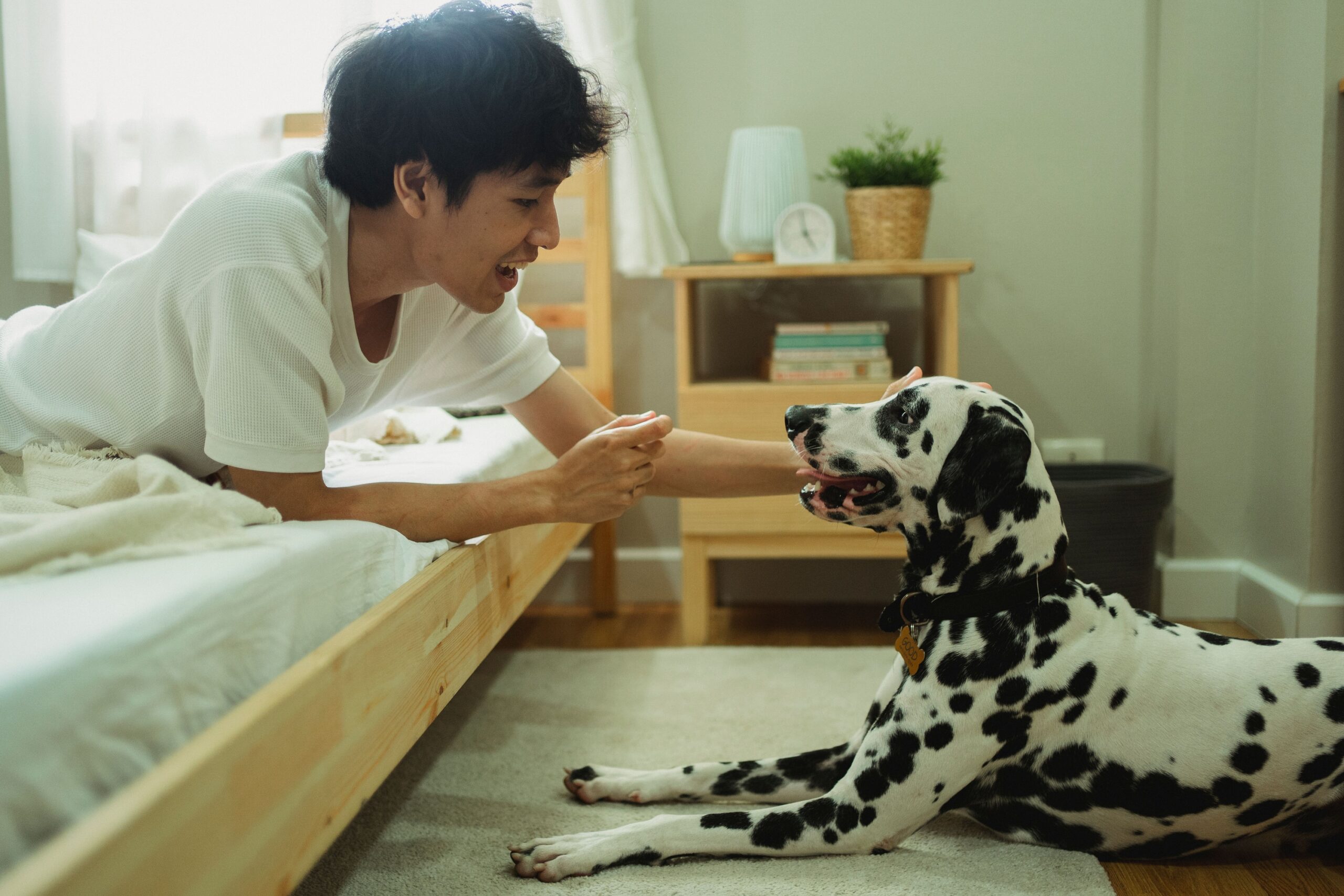
There’s something a little eerie and oddly comforting about waking up in the middle of the night to find your dog sitting at the edge of the bed, silently watching you. It can feel like a scene from a movie: the quiet room, your dog’s dark eyes, that stillness that makes you wonder what on earth is going through their mind. Are they plotting something, worried about you, or just really, really bored?
The truth is far softer, far simpler, and honestly more moving than most people realize. When a dog quietly keeps vigil while you sleep, they’re acting out thousands of years of instincts and attachment in one small, everyday moment. Beneath that calm stare is a mix of protection, bonding, habit, and pure affection that says more about your relationship than any trick or command ever could.
Your Dog Is Standing Guard Over Their “Pack”

The most touching explanation is also the most ancient: your dog is keeping watch, the way dogs and their wild ancestors have done for humans for a very long time. In the wild, someone always had to stay alert while the rest of the group slept, and your dog is unconsciously stepping into that role for you. To them, you are not just a roommate; you are their family, their pack, and their responsibility.
When they sit upright near your bed, ears twitching at every sound, they’re doing their version of night security. They listen for footsteps in the hallway, cars outside, the creak of the house settling, and they mentally sort those noises into safe or suspicious. You might see a dog just staring, but under the surface, a lot of quiet decision-making is happening: “We’re safe. You can keep sleeping. I’ve got this.”
They Feel Safer When They Know You’re Breathing and OK
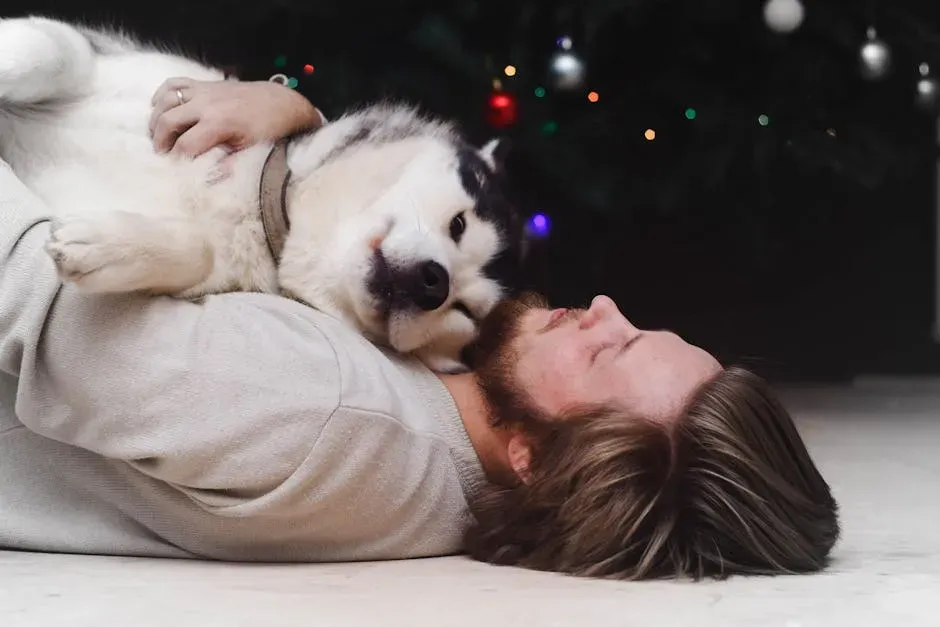
As much as we like to think we’re the only ones worrying, dogs can and do worry about us. They’re incredibly tuned into our breathing, movements, and general state. When they stare at you while you sleep, they may simply be checking that everything seems normal: your chest is rising and falling, you’re not in distress, your scent is familiar and calm. For a dog whose whole world revolves around you, that quick check-in is as natural as glancing at your phone to see if someone replied.
Over time, many dogs learn the subtle patterns of their owner’s nighttime habits: how you sound when you’re deeply asleep, the way you move when you’re about to wake up, the restless shifting on nights when you’re not feeling well. Watching you becomes a quiet health scan. It sounds dramatic, but for a creature that lives by reading body language and tiny signals, simply confirming “you’re okay” can be a soothing ritual.
They’re Drawn to Your Scent and Warmth Like a Living Nightlight

We underestimate how overwhelming and comforting our scent is to our dogs. Your bed, your pillow, your blanket, and you yourself are basically the ultimate comfort zone – like a weighted blanket, scented candle, and favorite playlist rolled into one living being. When your dog sits and watches you sleep, they’re also soaking in that sensory comfort: the warmth coming off your body, the familiar smell of your skin and sheets, the tiny rustles and sighs that say, “Home.”
Sometimes they do not even want to disturb that perfect scene by jumping up or pawing at you, so they park themselves nearby and just exist in it. It’s similar to how we might sit and stare at a campfire or the ocean, not because we are analyzing it, but because simply being near it feels grounding. You are their campfire. You are their favorite view.
They’re Anticipating Your Next Move (Especially if Mornings Mean Food or Fun)
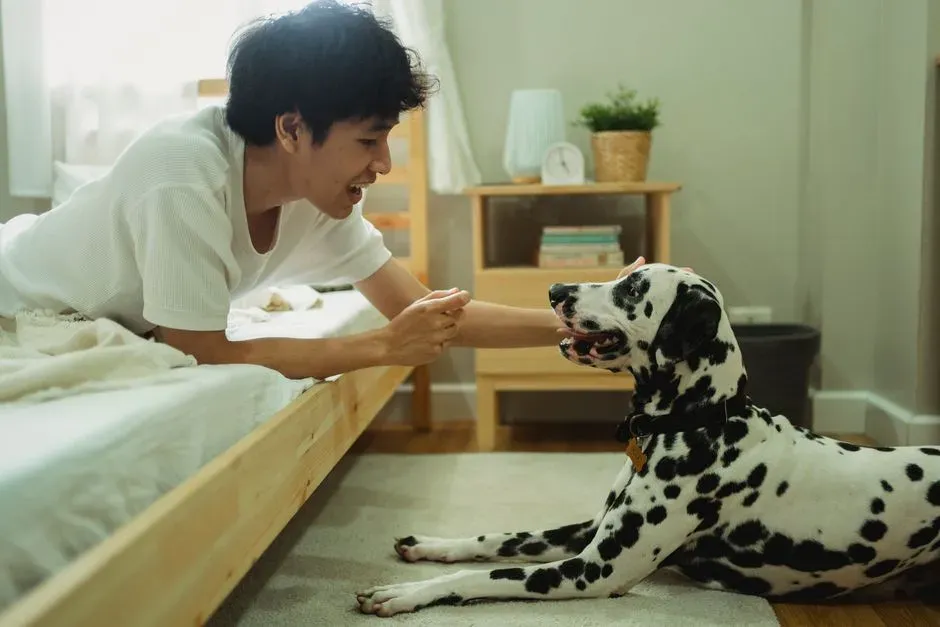
Dogs are masters of routine. If, in your house, you waking up usually leads to breakfast, a walk, cuddles, or playtime, then your dog has absolutely connected the dots. Watching you sleep can be part adoration and part strategy: they’re waiting for the first real sign that morning is starting. A yawn, a stretch, you rolling over in a certain way – these are like little signals that the “daytime fun” button is about to be pressed.
This doesn’t mean your dog is only in it for the food or the walk. It’s more that they’ve learned your rhythm and are patiently waiting at the starting line. Imagine a kid waiting for their parents to open their eyes on a holiday morning, hovering close but trying not to wake them too early. Your dog, sitting silently and staring, is often just that excited child in fur, holding themselves back until it’s socially acceptable to nudge your hand.
They’re Regulating Their Own Anxiety by Staying Close
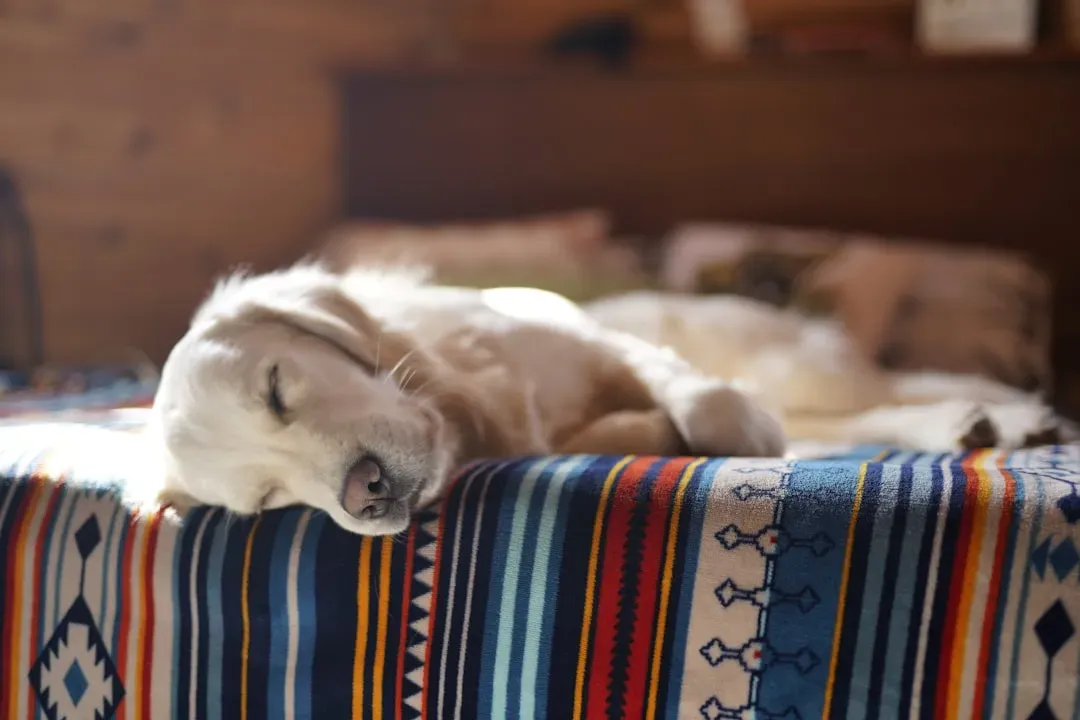
For some dogs, especially more anxious or sensitive ones, watching you sleep is about self-soothing. The world feels less unpredictable when they can keep you right in their line of sight. If they’ve ever been through changes, loud environments, or time alone that made them uneasy, your sleeping presence becomes an anchor. Sitting nearby and tracking your breathing and tiny movements can help them calm their own nerves.
This can be especially true in unfamiliar environments, like a hotel, a new apartment, or after a big life change. You might be knocked out and drooling on your pillow, but to your dog, you are the one stable point in all of that. Their watchful stare is less “I must protect you” and more “If you are here and peaceful, then maybe I can be okay too.” It’s a quiet, mutual therapy session that you’re mostly sleeping through.
They’re Expressing Attachment in the Only Way They Know How
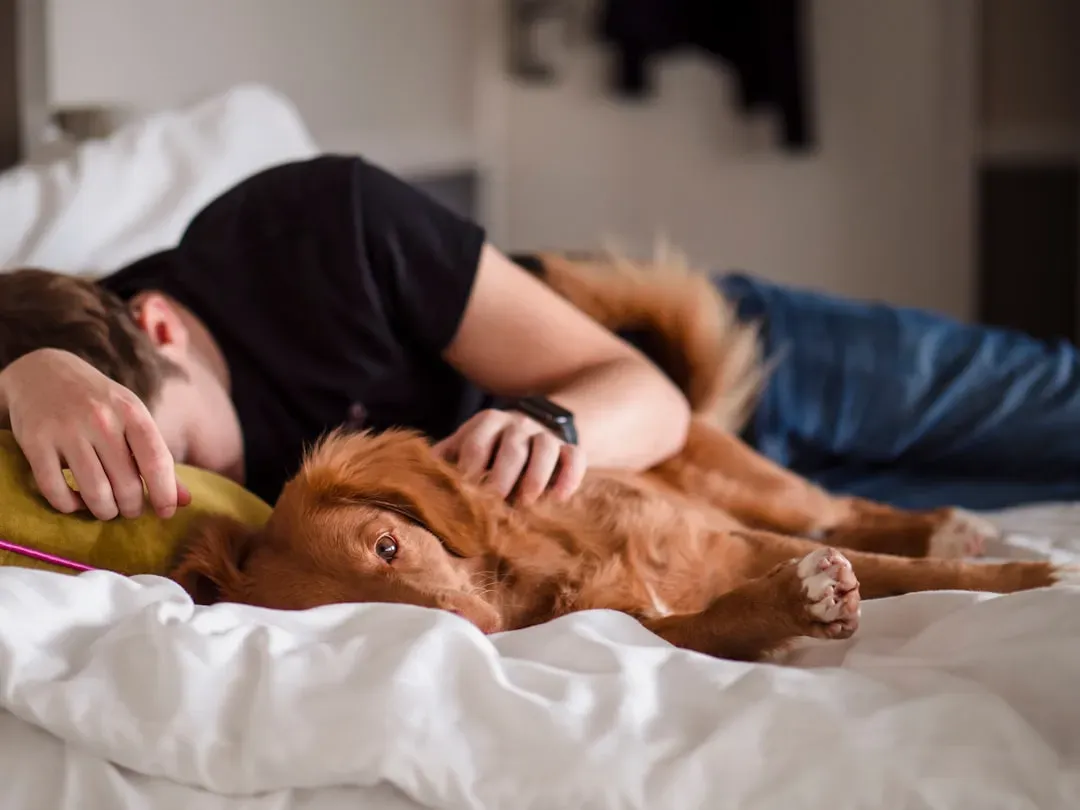
Humans say “I love you” with words; dogs say it with presence. Sitting close, keeping you in sight, and staying nearby when you’re at your most vulnerable is one of the purest forms of attachment they can offer. To a dog, being allowed near you while you sleep is a huge sign of trust both ways: you trust them enough to relax around them, and they respond by staying near, almost like a soft promise not to leave.
From your dog’s point of view, they do not need a big display to show that bond. No dramatic gestures, no speeches, no complicated rituals. Just quietly choosing to be there, again and again. It is a simple behavior that carries a big emotional weight: this is where my person is, so this is where I want to be. When you catch them watching you, it’s less creepy guardian and more devoted friend who does not quite have the tools to say how much you matter.
They Might Also Just Be…Comfortably Bored (And That’s Okay)
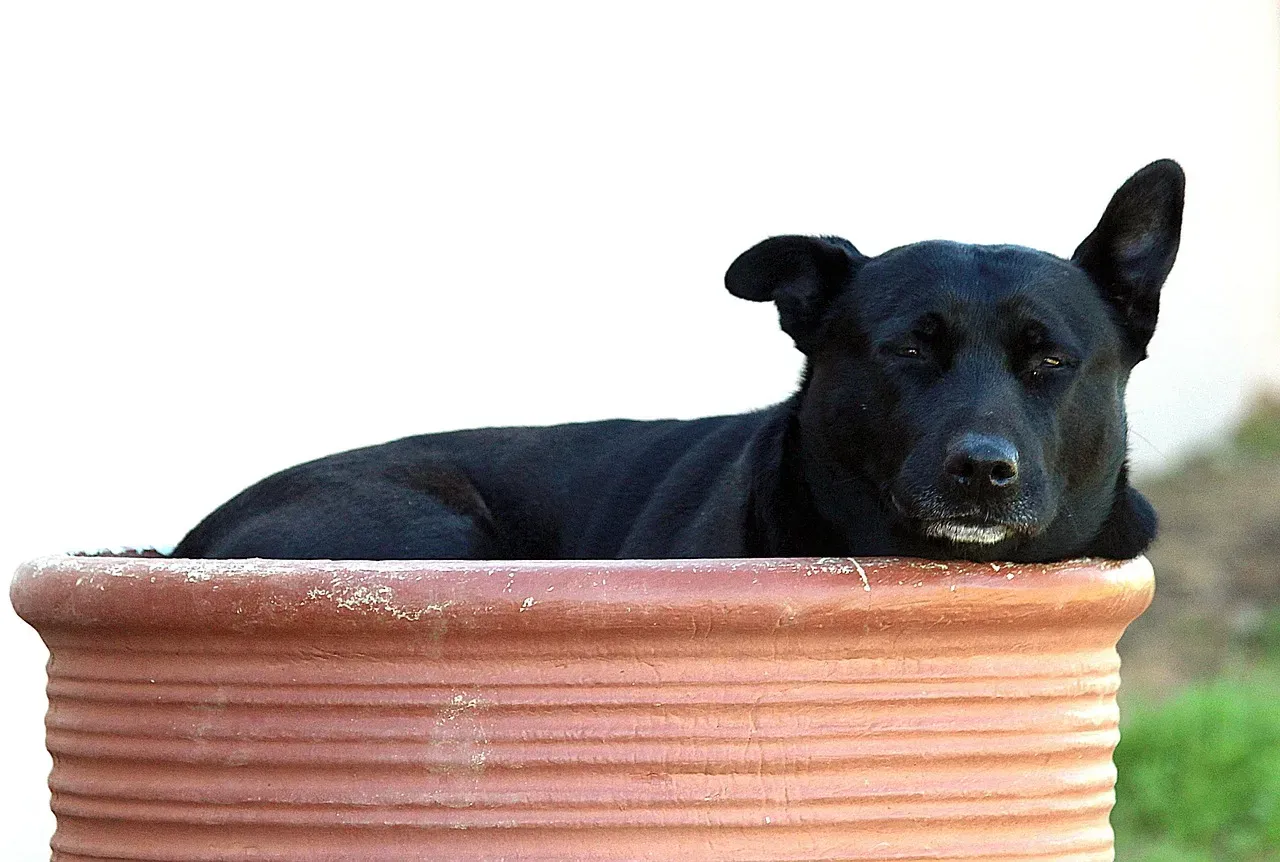
Not every behavior needs a deep, dramatic explanation. Sometimes your dog is watching you sleep because there is nothing else happening, and you are at least mildly interesting. Your breathing changes, you twitch, you roll over, you make little sounds – compared to a dark, quiet room, that is basically live entertainment. Dogs are curious by nature, and you are the most fascinating object in their environment.
The beautiful part is that even this low-key boredom is wrapped up in trust and companionship. Of all the places they could be, they’re choosing to be in your room, with you, instead of wandering the house or curling up somewhere else. They might not have some epic emotional monologue going on in their head, but their choice of seat says enough: if nothing is happening, you are still their favorite nothing.
So What Should You Feel When You Catch Them Watching You?
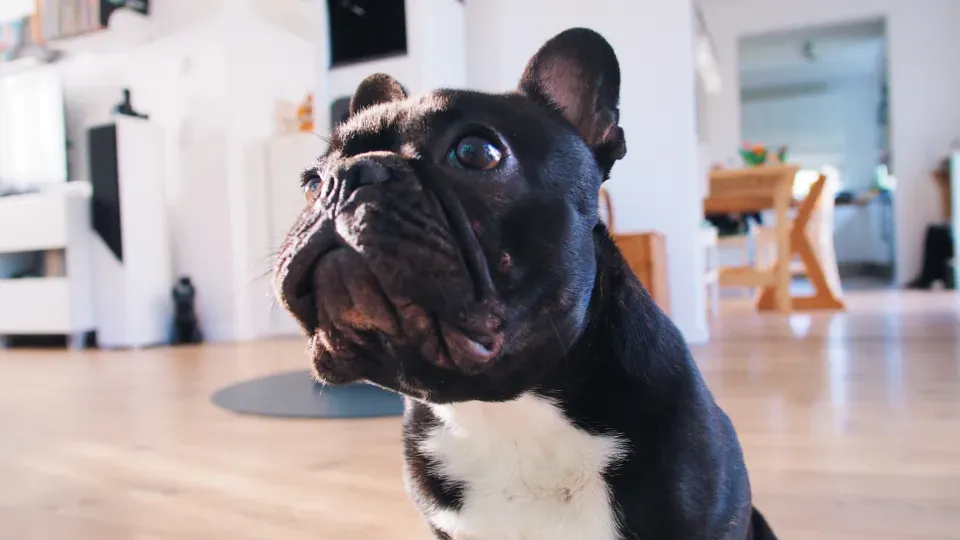
If you wake up to those unblinking eyes and feel a little weirded out, that’s normal. But once you know what’s probably behind it – protection, worry, comfort, habit, or a mix of all of the above – it starts to feel a lot less creepy and a lot more like a quiet love letter in dog form. They are not judging you, they are not plotting, and they are definitely not thinking about your messy hair or questionable pajamas. They are just doing the one thing they are wired above all else to do: be with their person.
Honestly, I think we should lean into how special that is. Of all the advanced, flashy things we can teach dogs, this simple, wordless watching might say the most about our bond with them. The answer to why they do it really is simpler and more touching than any wild theory: they are there because you are there, and that is enough for them. The real question is, the next time you catch those eyes on you in the dark, will you see it as strange – or as one of the quietest, sweetest compliments you will ever get?


