
Think about the last time your dog heard a thunderclap, a car backfiring, or a firework exploding out of nowhere. Did they bolt under the bed… or did they sprint straight to you, pressing their body against your legs or trying to climb into your lap? That simple choice says a lot about how your dog’s brain works and what you really mean to them. It’s not just “oh, they’re scared.” It’s closer to: “You are my safest place in the world, please help me figure out what to do.”
Dog psychology research, especially around attachment and emotional regulation, suggests that when dogs look for their humans after they’re startled, they may be treating us as a secure base and a kind of emotional shield. This sounds sweet, but it’s also deeply practical for the dog: your reactions help them decide whether something is actually dangerous. Once you see it that way, those trembling paws on your lap are not just cute – they’re a living, breathing example of how another species has wired you into its survival strategy.
Startle, Run, or Snuggle: What a Frightened Dog’s First Move Reveals
When something suddenly scares a dog, their brain flips into survival mode in a fraction of a second. Their options are primitive: freeze, flee, or fight. But our modern pet dogs have quietly added another move to that list – seek out the human. Instead of bolting blindly, many dogs sprint straight to the person they trust most, almost as if they’re outsourcing the danger assessment.
This “run to you” behavior suggests the dog has learned over time that you are predictable, comforting, and often in control of scary situations. They may not understand what thunder is, but they’ve noticed that when they’re near you, good things tend to happen and bad feelings usually pass. In a way, your presence becomes a shortcut to safety, both physically and emotionally, and that becomes their automatic response when fear hits.
The Secure Base: Why You’re More Than Just “The Food Person”
Scientists studying attachment in dogs have found patterns that look surprisingly similar to those seen in young children with trusted caregivers. Many dogs explore more confidently when their person is nearby, and when something spooks them, they seek out that person for support. In psychology terms, you’re acting as a secure base – someone they can return to when they feel unsure, then launch back out from once things feel safe again.
That means your dog isn’t just coming to you because you own the treat jar. They’re reading you like an emotional anchor. When they lean into your legs at the dog park after a loud bark, or sit between your feet during a storm, they’re using your calm (or lack of it) as data about the world. If you stay relaxed and steady, you’re quietly telling them that the universe isn’t ending, even if it sounds like it outside.
Social Referencing: How Your Reactions Shape Their Fear
There’s a term in behavioral research called social referencing, which is a fancy way of saying “I’ll check your reaction to decide how I should feel.” Dogs are masters at this. When a dog is startled, they often do a quick scan of their human’s face, posture, and tone of voice. If you jump, gasp, and fuss, it can reinforce their sense that the situation is alarming. If you stay loose and calm, many dogs visibly relax, almost like they’ve just been given permission not to panic.
This is why the way you respond when your dog rushes to you in fear really matters. If you repeatedly react as if the world is falling apart, your dog may start expecting every loud noise to be catastrophic. If instead you acknowledge their fear but pair it with steady, measured comfort, you become the emotional thermostat. Over time, they learn that checking in with you is the safest and smartest thing they can do when something feels off.
Comfort vs. Coddling: Are You “Reinforcing” Fear or Helping Them Cope?
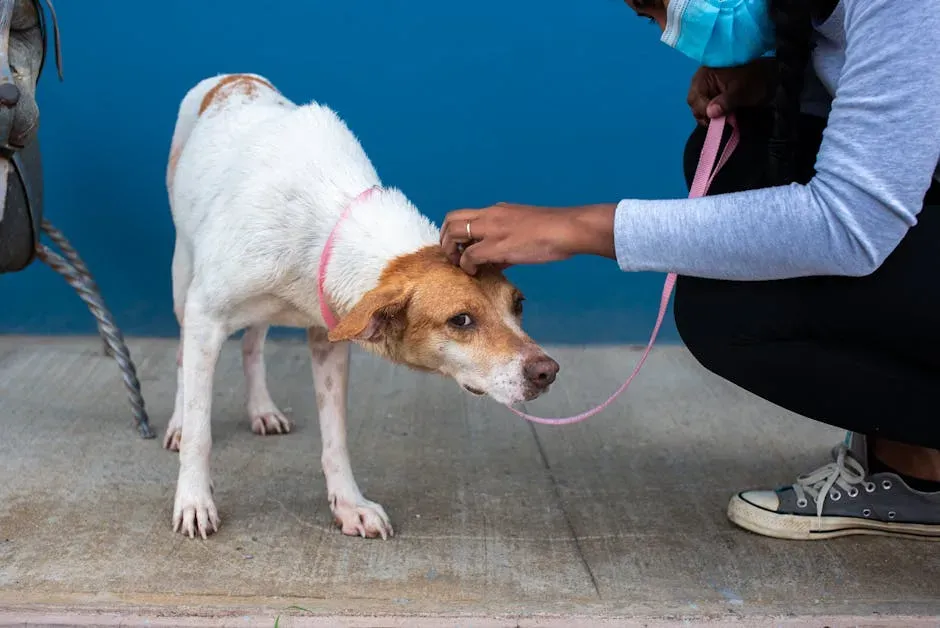
There’s a long-running myth that comforting a scared dog will “reward” their fear and make it worse, like you’re training them to be anxious. Modern behavior science just doesn’t support that idea. Fear is an emotion, not a trick. You can accidentally reward a behavior, but you don’t reward the underlying panic that caused it. Reaching for your dog when they’re trembling is not the same as handing out treats for a sit on cue.
In reality, calmly reassuring a fearful dog – through touch they enjoy, a soothing voice, or simply sitting close – can help bring their stress level down. Think of it less like spoiling them and more like offering a child a hand to hold in a dark hallway. What does backfire is panicked overreaction or turning every scare into a drawn-out drama. Measured, consistent comfort tells the dog: “Yes, that was weird, but I’ve got you, and we’re okay.”
Body Language of a Dog Using You as a Safe Haven
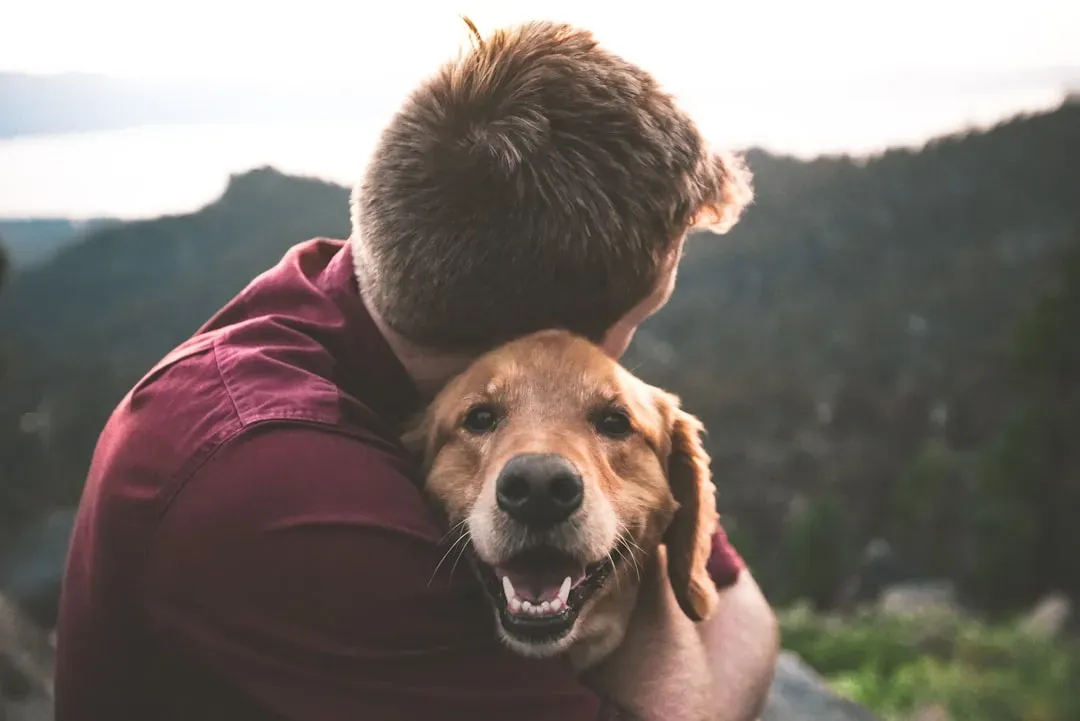
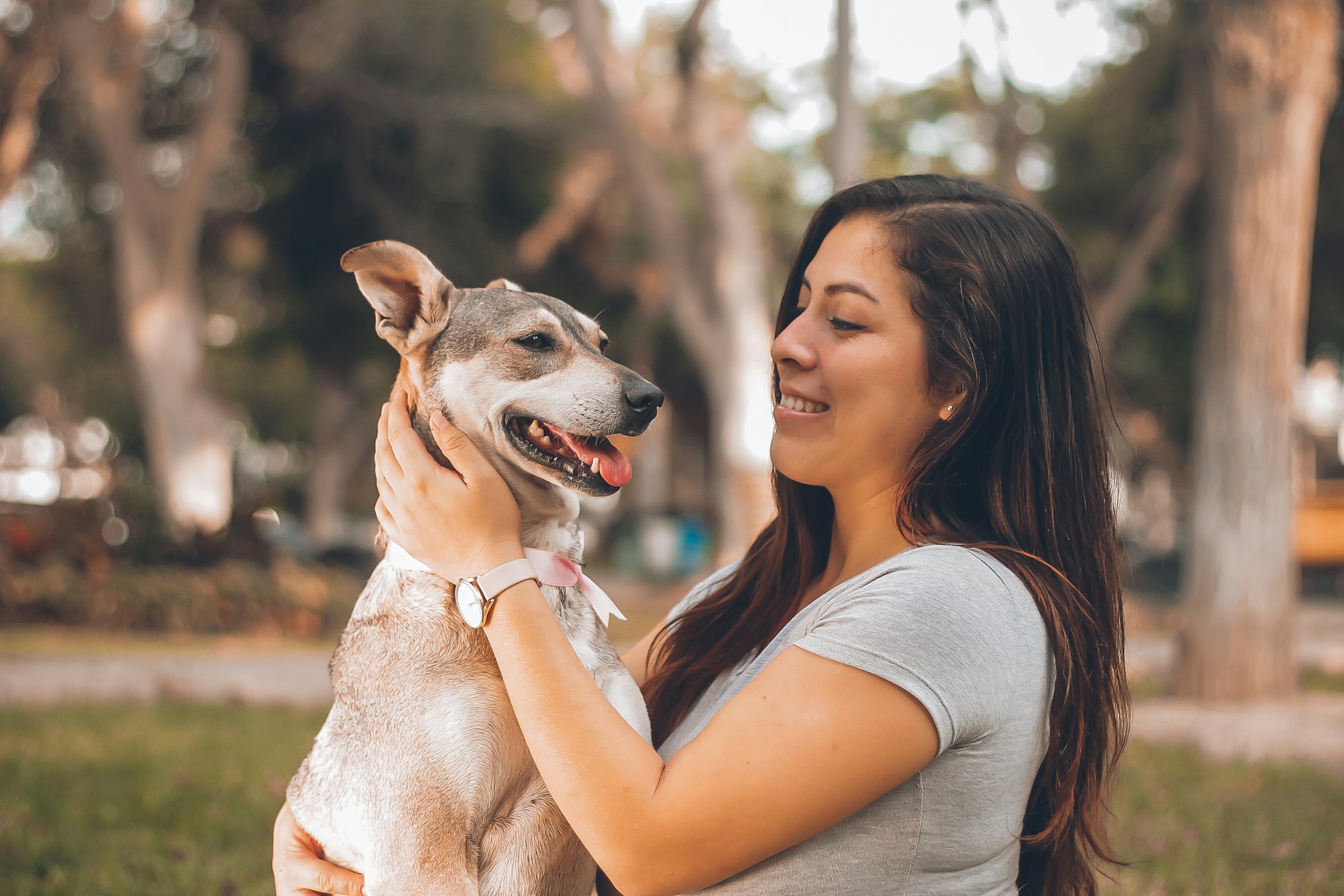
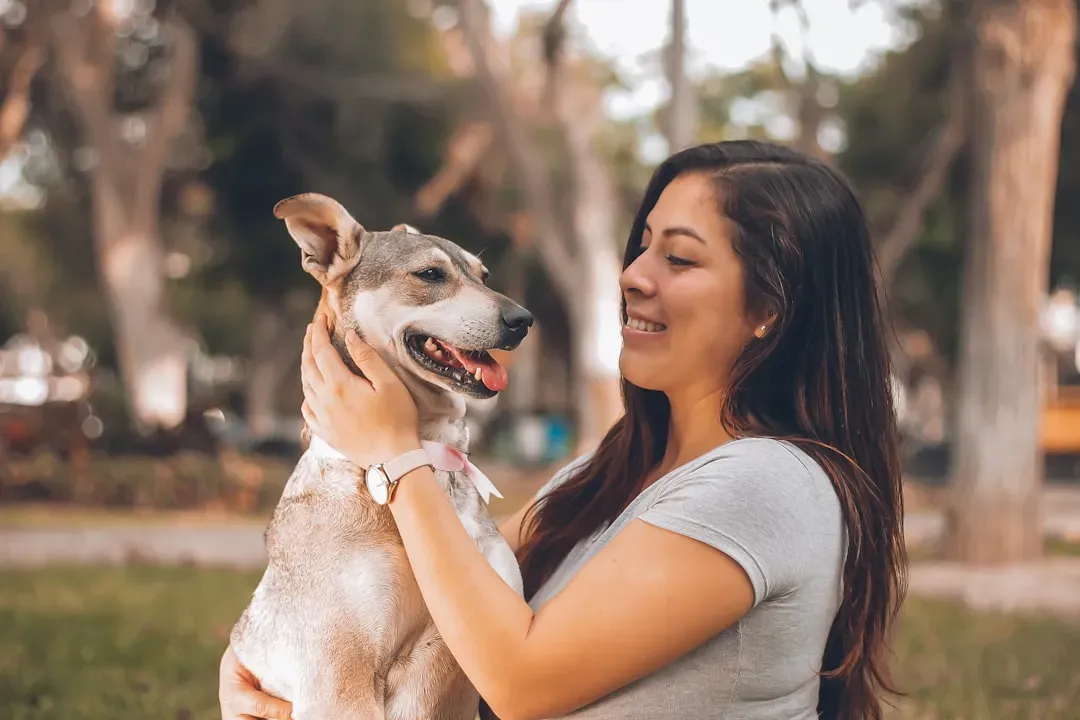
When a dog sees you as their safe space, you’ll often notice very specific body language during or after a scare. They might press their body along your leg, wedge themselves between your feet, lean their whole weight into you, or try to climb into your lap even if they’re way too big. Some dogs tuck their head under your arm or against your chest, as if they’re trying to hide part of themselves in you. These are all signs of seeking physical reassurance and protection.
You might also catch more subtle cues: soft eyes instead of hard staring, ears angled back but not fully pinned, a tail held low but wagging faintly once they realize you’re calm. Sometimes they’ll glance repeatedly from the scary thing back to your face, like they’re double-checking your verdict. Personally, I’ve seen even the most “tough” dogs melt into a puddle of relief once they make physical contact with their person, like flipping a switch from pure tension to “okay, I can breathe now.”
How to Respond When Your Dog Runs to You in Fear
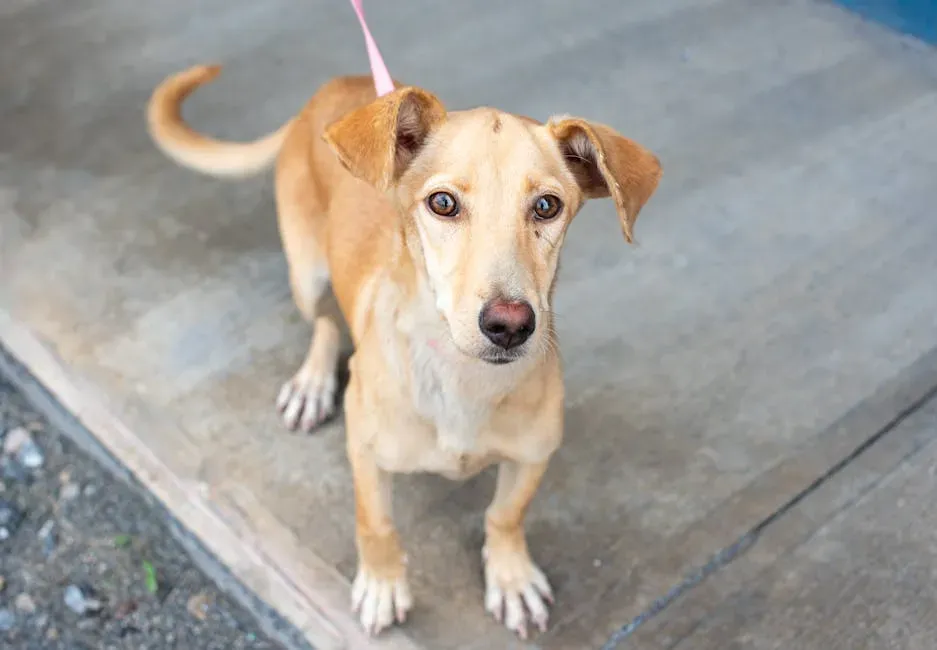
If your dog is using you as a source of safety, one of the kindest things you can do is live up to that role. That usually starts with lowering your own intensity: soften your shoulders, slow your breathing, and use a gentle, matter-of-fact voice. You don’t have to throw a party or speak in baby talk. Just be steady. Offer a hand for them to lean into, invite them up beside you if they like close contact, and let them choose how near they want to be.
At the same time, if the trigger is something you can control – like a noisy appliance or a sudden visual – you can work on making it less scary over time. Pair small, manageable exposures with calm praise, play, or treats when your dog shows even small signs of relaxation. You’re not forcing them to “toughen up”; you’re walking them gently through the process of learning that the world is less dangerous than their instincts suggest, with you as their guide.
Building a Dog Who Trusts You With Their Big Feelings
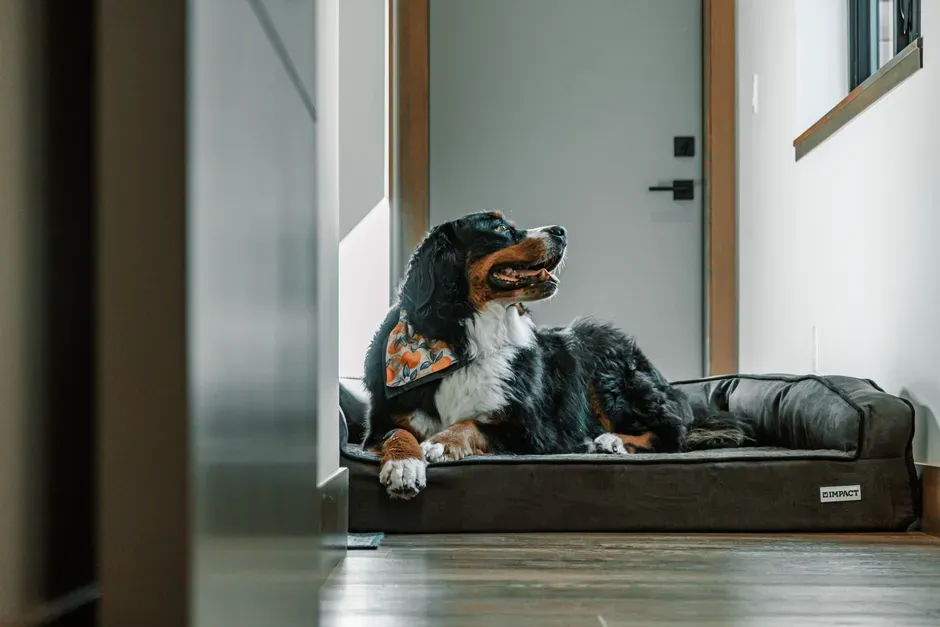
Dogs that dash to their humans when frightened are sending a pretty vulnerable message: they trust you with their panic. That trust doesn’t just appear overnight; it’s built from thousands of tiny interactions – how you handle them when they make mistakes, how predictable you are, whether you listen to their boundaries and comfort zones. The more consistently you show up as fair and safe, the more likely they are to lean on you when life gets loud or confusing.
Honestly, I think we should see it as a compliment and a responsibility. A dog who uses you as their source of safety is telling you that you’re not just the one who fills the food bowl, you’re the emotional backbone of their world. In my view, that’s something we shouldn’t brush off with jokes about “clinginess” or “spoiled” behavior. It’s a relationship that asks you to be steady, kind, and thoughtful, even on the days when you’re tired and the barking at fireworks is driving you up the wall.
Conclusion: Your Dog’s Fear Is Not a Nuisance, It’s a Conversation

When a frightened dog seeks you out, it’s easy to get annoyed or embarrassed, especially in public. But from a psychological perspective, that behavior is one of the clearest signs that your dog sees you as their emotional anchor. They’re not being dramatic; they’re communicating in the only language they have that they need reassurance and guidance. To dismiss that or punish it, in my opinion, is like hanging up on a friend who called you in tears.
So yes, it can be inconvenient when thunder turns your dog into a shadow or fireworks turn your living room into a safe room. But that instinct to run to you is a powerful marker of trust and attachment – one that many people would miss terribly if it were gone. If we care about dogs as thinking, feeling beings, we owe it to them to meet that fear with calm, grounded support instead of frustration. Next time they press in close after a loud noise, maybe ask yourself: what kind kind of safe place do I want to be for this animal that chose me?


