
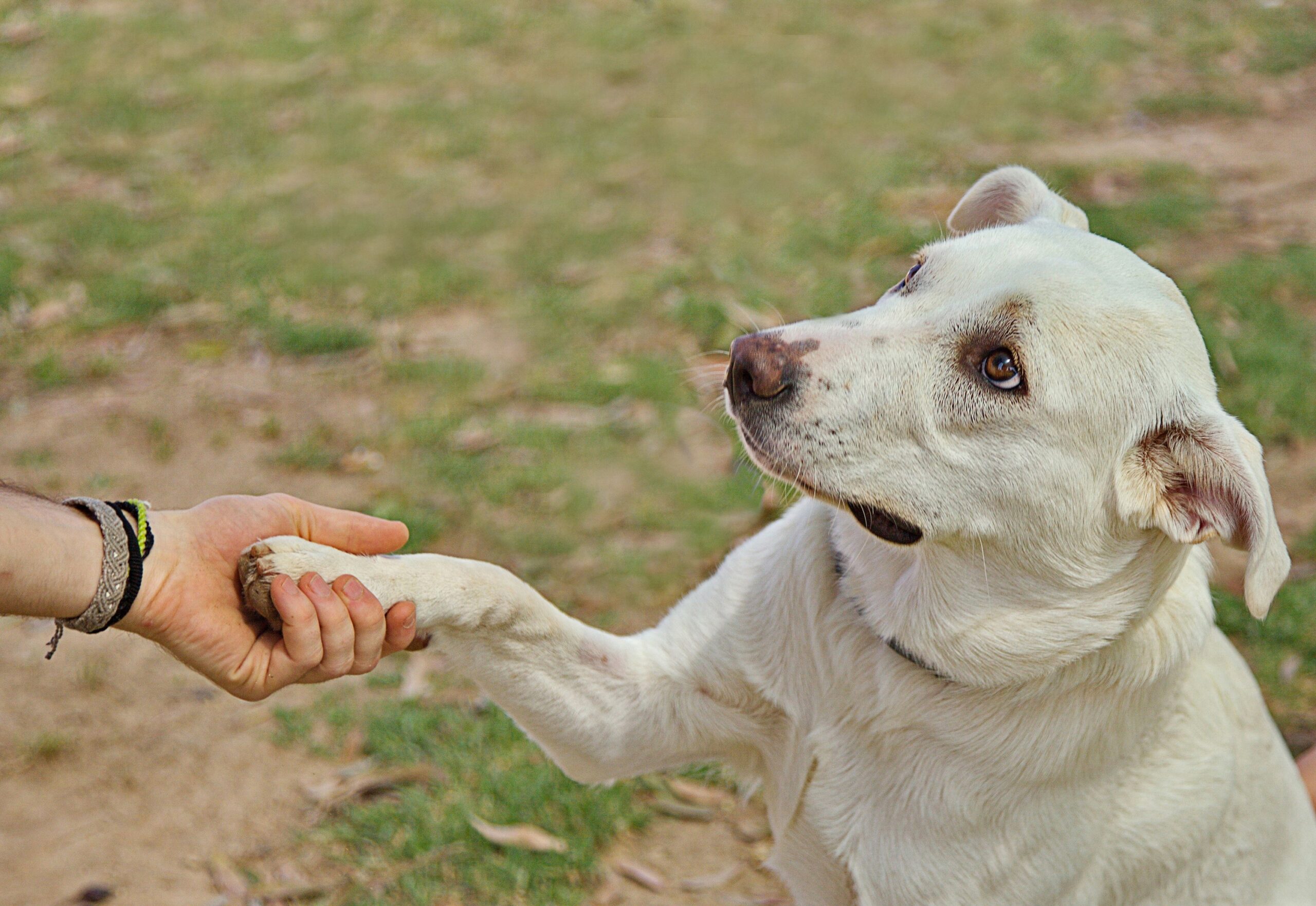
There’s something disarmingly sweet about a dog quietly placing their head on your lap. Most of us melt on the spot, assume they’re begging to be petted, and happily oblige. But that soft weight on your legs can actually be a much more complex message than “please scratch my ears.” Sometimes, your dog is not asking for affection at all; they might even be trying to tell you the opposite.
Once you start looking closely, you’ll notice that the same “head on lap” move can show up in totally different situations: when your dog is tired, anxious, a bit pushy, slightly unwell, or deeply relaxed. The behavior itself is simple; the meaning isn’t. Let’s break down what might really be going on under that furry forehead so you can respond in a way that actually helps your dog instead of just assuming they always want more hands-on attention.
Seeking Comfort, Not Constant Petting
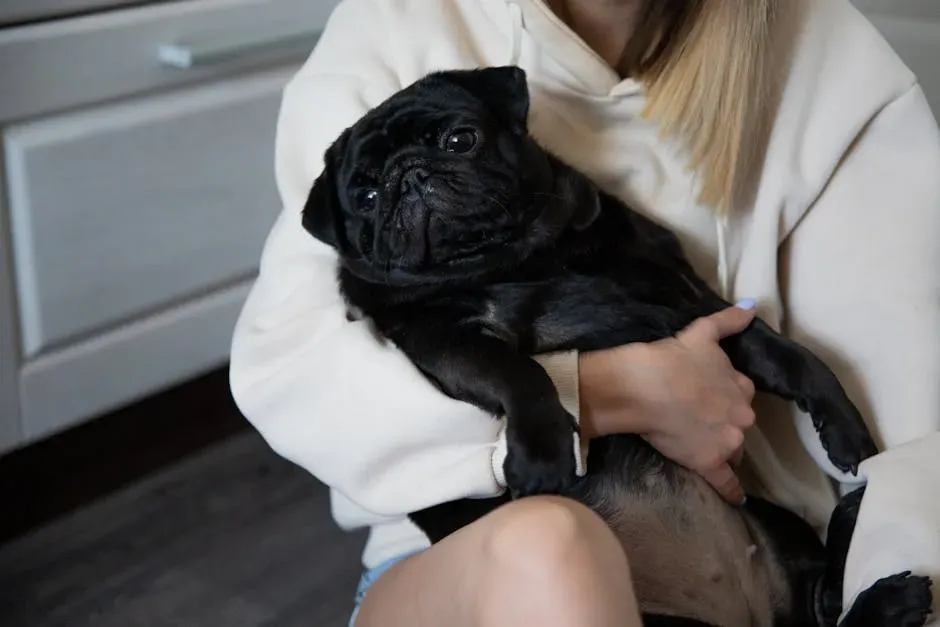
One of the most common reasons a dog rests their head on your lap is that they’re looking for comfort, not necessarily for you to spring into a full-blown petting session. Think of it like a friend who leans their shoulder against you on the couch; they might just want to be close, not dive into a deep conversation. Many dogs feel safer when they can physically touch their person, and a quiet head rest can be their version of an emotional exhale.
When the goal is comfort, your dog’s body language usually looks soft and relaxed: loose muscles, slow blinking, maybe a gentle sigh. In those moments, you don’t have to do much. A calm hand resting on their back or simply letting them stay where they are can be exactly what they’re after. Ironically, over-petting in that quiet state can sometimes wake them up emotionally, almost like turning a soothing moment into a full-on social event they didn’t ask for.
Checking In: Emotional “Status Updates”
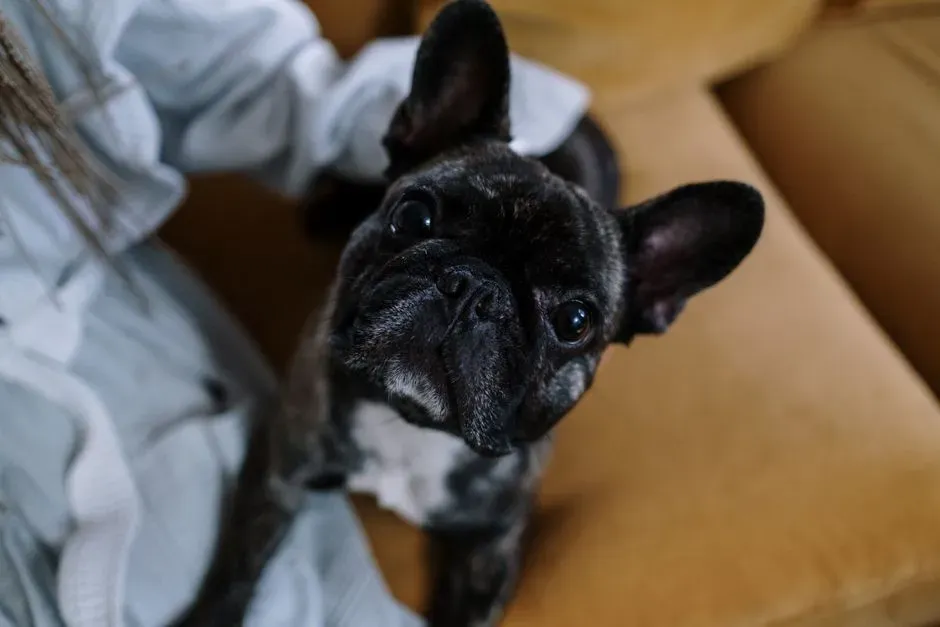
Sometimes that gentle head on your lap is less about comfort and more like a quick “are we okay?” check-in. Dogs that are highly bonded to their humans often do small contact behaviors throughout the day to reassure themselves that the relationship is still solid and that you’re emotionally available. A brief head lean or light pressure can be the canine version of a soft tap on the shoulder.
You might notice this especially if you’ve been distracted, working, scrolling your phone, or feeling tense. Your dog may drift over, rest their head, stay for a few seconds, then wander off again as if they just needed a tiny emotional confirmation. In those moments, you do not have to stop everything and have a cuddle marathon, but a quick look, a warm word, or a couple of slow strokes can go a long way in telling your dog, “Yes, you and I are still good.”
Polite Request or Pushy Demand? Reading the Context
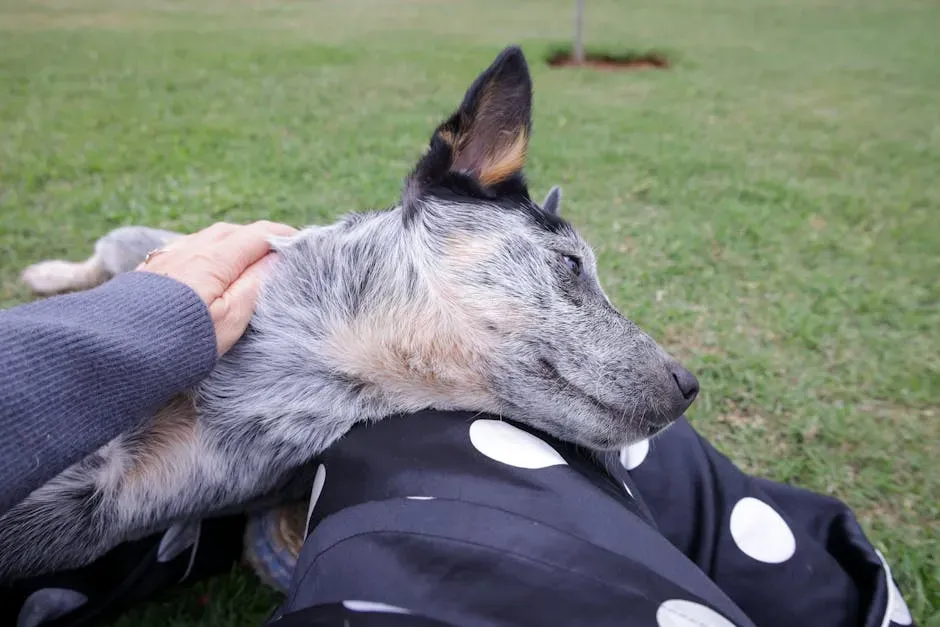
Here’s where it gets tricky: head-on-lap can be both an incredibly sweet request and, occasionally, a bit of a power move. Some dogs figure out very quickly that placing their head on you earns them immediate attention, treats, or playtime. Over time, that soft little gesture can morph into a kind of pushy demand, especially if you always respond right away with exactly what they want. It’s not “dominance” in the dramatic sense; it’s more like a very smart habit that gets results.
The difference is all about context and intensity. A gentle, occasional head rest with loose body language is likely a polite ask. Repeated, insistent head shoving, pawing, whining, or nudging your hand until you “give in” can signal that your dog is starting to run the show. In that case, calmly pausing, asking for a simple cue like “sit,” and then offering attention on your terms helps keep the relationship balanced without punishing your dog for wanting to be near you.
Stress, Anxiety, and the Need for Reassurance
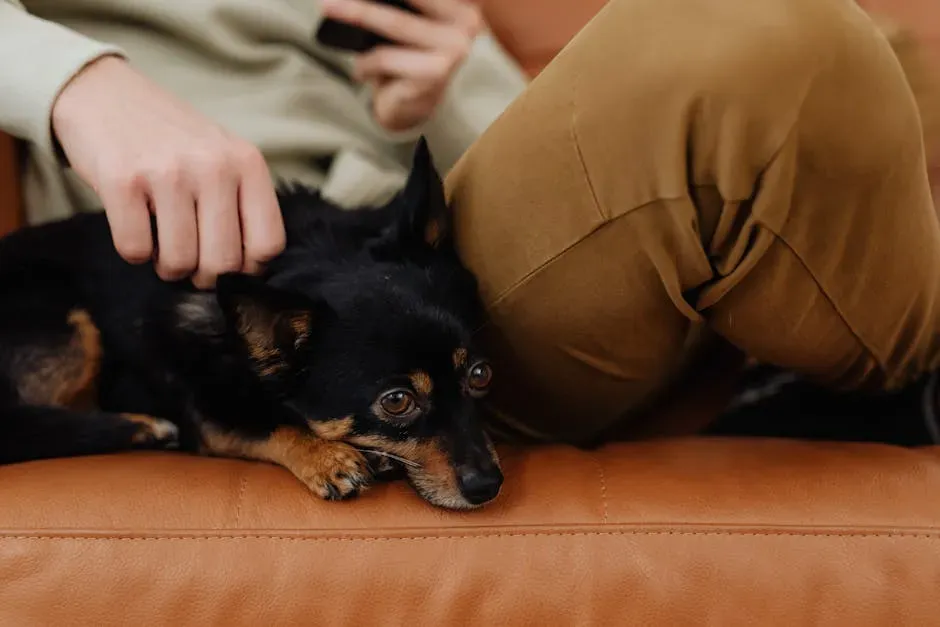
Dogs that are worried, startled, or overwhelmed will often seek contact, and a head on your lap can be a very real cry for reassurance. Think thunderstorms, fireworks, visitors, arguments, or even changes in routine. In those moments, your dog may press their head more firmly into you, breathe faster, or show other tension signs like pinned ears, panting, lip licking, or avoiding eye contact. They are not just being cute; they might be trying to cope.
In that state, what they need most is safety, not necessarily enthusiastic petting. Sudden or intense touch can sometimes make an anxious dog even more keyed up. A calmer approach usually works better: speak softly, keep your movements slow, and offer gentle, predictable contact along their side or chest instead of lots of quick scritches. Your steady presence, a quiet room, and predictable routines can do more for an anxious dog than any amount of frantic affection.
Fatigue, Discomfort, or Subtle Pain Signals
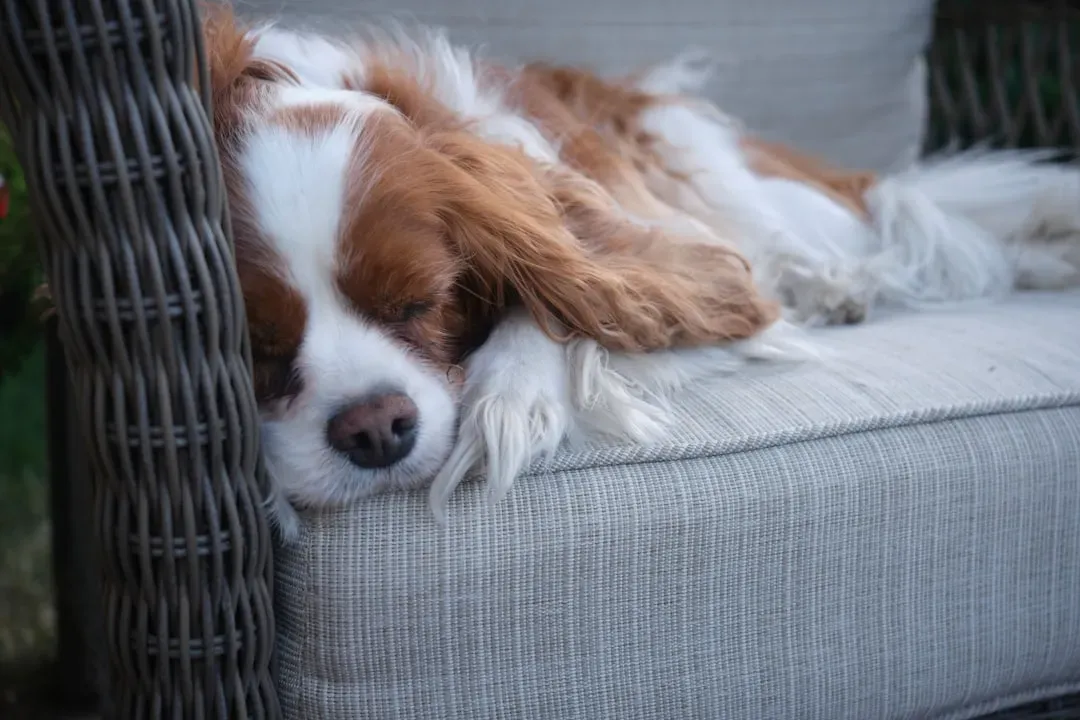
This is the part owners often miss: sometimes when a dog rests their head on your lap, they are tired, feeling off, or experiencing low-level pain. A dog that is a bit nauseous, has a headache-like discomfort, or feels body aches might seek stillness and closeness, using your leg almost like a safe pillow. It can look tender and sweet, but if it appears suddenly in a dog who does not normally do this, it can be a quiet red flag instead of a simple affection request.
Watch for other clues: are they moving more slowly, reluctant to jump, unusually quiet, or suddenly less interested in food or play? If the head-on-lap behavior shows up with these changes, it’s worth talking to your vet rather than just patting them more. I once had a dog who started resting his head on my knee every evening; it felt loving, but it turned out he was developing joint pain. Catching that early meant we could manage it, and the behavior made a lot more sense in hindsight.
Bonding and Trust: The Quiet Side of Affection
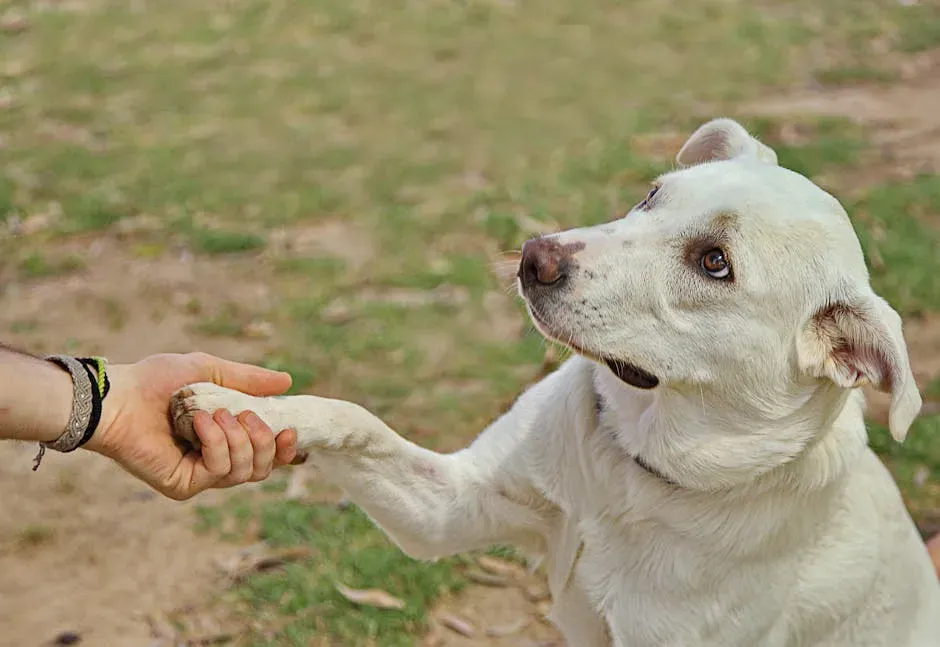
Of course, sometimes the simplest explanation is the right one: your dog rests their head on your lap because you are their safe person and it feels good. For many dogs, the head and neck are vulnerable areas, so choosing to place that part of their body on you is a sign of deep trust. That quiet physical contact can be a kind of shared silence, the way two close friends might sit together without needing to talk.
In those deeply bonded moments, you might notice your dog’s breathing syncing with yours, their muscles totally relaxed, maybe even drifting off to sleep. You do not need to turn it into anything else. Just being there, letting them feel your warmth, can be a powerful way to strengthen your relationship. Think of it less as an on-demand petting request and more as a mutual “we’re safe together” ritual that does not require constant movement or noise.
How to Respond: Matching Your Touch to Your Dog’s Message
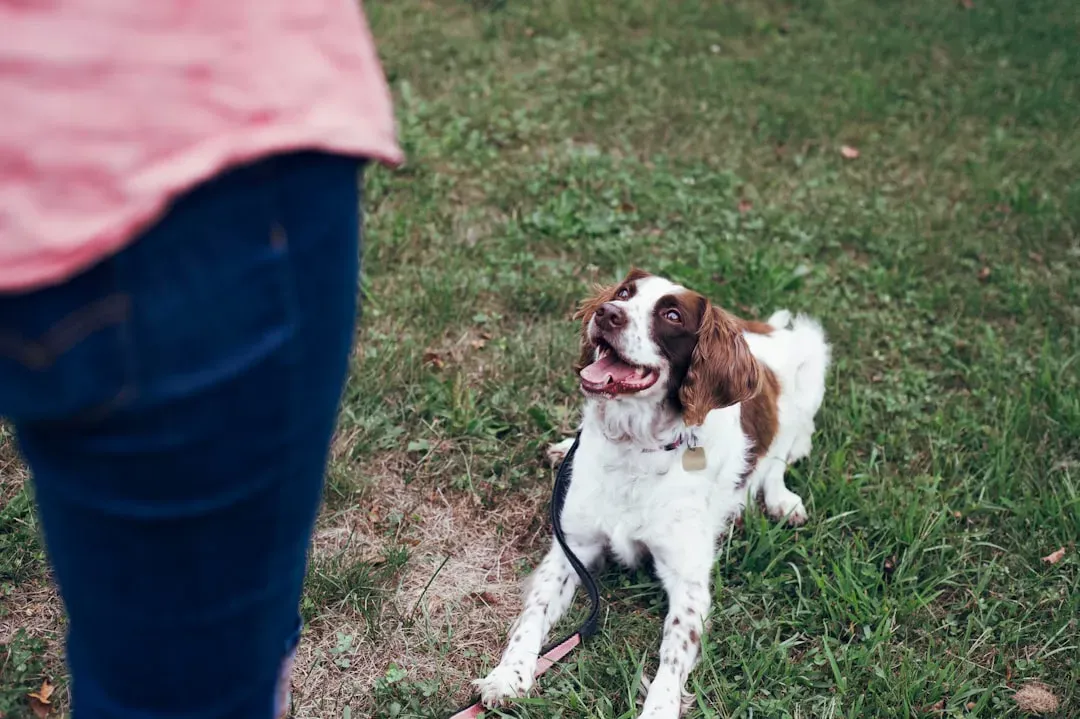
If there is one practical takeaway, it’s this: do not assume every head on your lap means “pet me more.” Instead, get into the habit of pausing for a second and scanning your dog’s body language. Are they loose and sleepy, tense and clingy, insistent and pushy, or unusually still and quiet? That tiny check-in will tell you whether to offer soft strokes, calmer presence, a bit of structure, or even a call to your vet if something feels off.
The best response is always tailored to the specific dog and the specific moment. Some dogs thrive on touch and will be thrilled if you settle in for a cuddle; others feel more secure if you just stay close without fussing over them. Learning to read the difference is part science, part intuition, and very much practice. Once you stop treating “head on lap” as a one-note signal, your relationship with your dog gets a lot richer – and far more respectful.
Conclusion: Affection, Assumptions, and Actually Listening
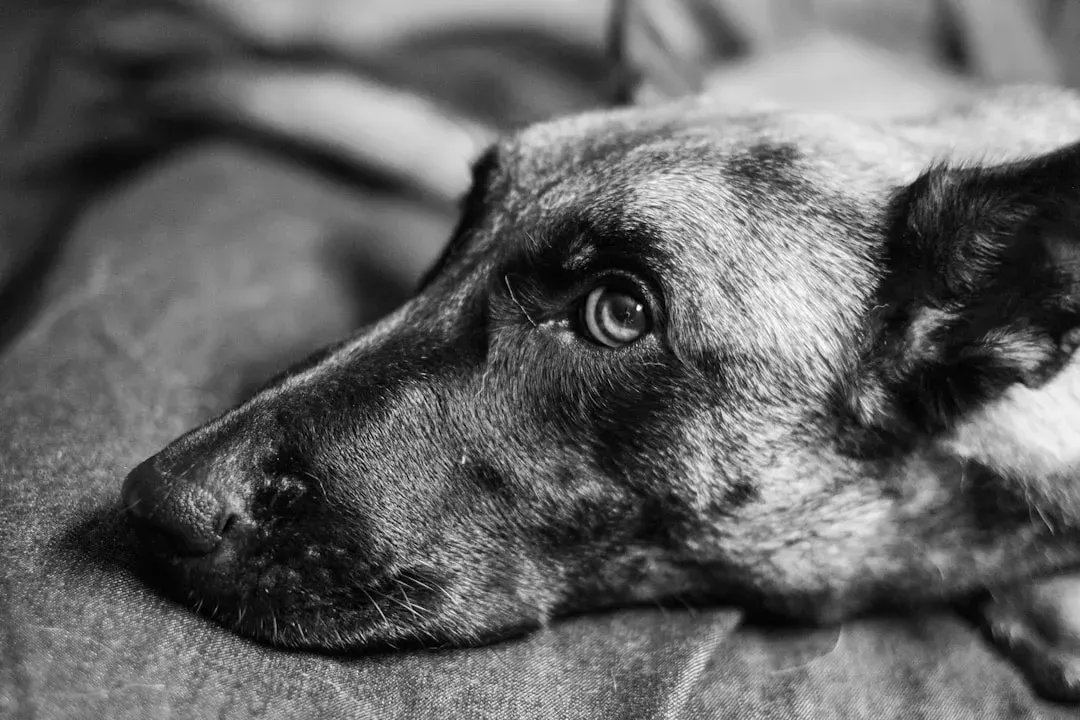
It is tempting to treat every sweet behavior from our dogs as a simple request for more affection, because that fits what we want to believe: that love is always about more touching, more cuddling, more doing. But the truth is more nuanced and, honestly, more interesting. When a dog rests their head on your lap, they might be asking for comfort, reassurance, structure, rest, or even medical help – and sometimes they are just saying, in the quietest way, that being near you feels safe. In my view, the most loving thing we can do is resist the urge to project our own needs onto them and instead learn to listen to what they are actually saying.
So the next time you feel that familiar weight on your legs, treat it less like a button you have to push with petting and more like a message you need to decode. Look at the whole dog, not just the cute pose, and decide how to respond based on what you see, not just what you hope. It is a small shift, but it changes everything: you stop reacting on autopilot and start engaging like a partner who pays attention. In the end, that might be the deepest affection of all – are you willing to slow down enough to hear what your dog is really telling you?


