
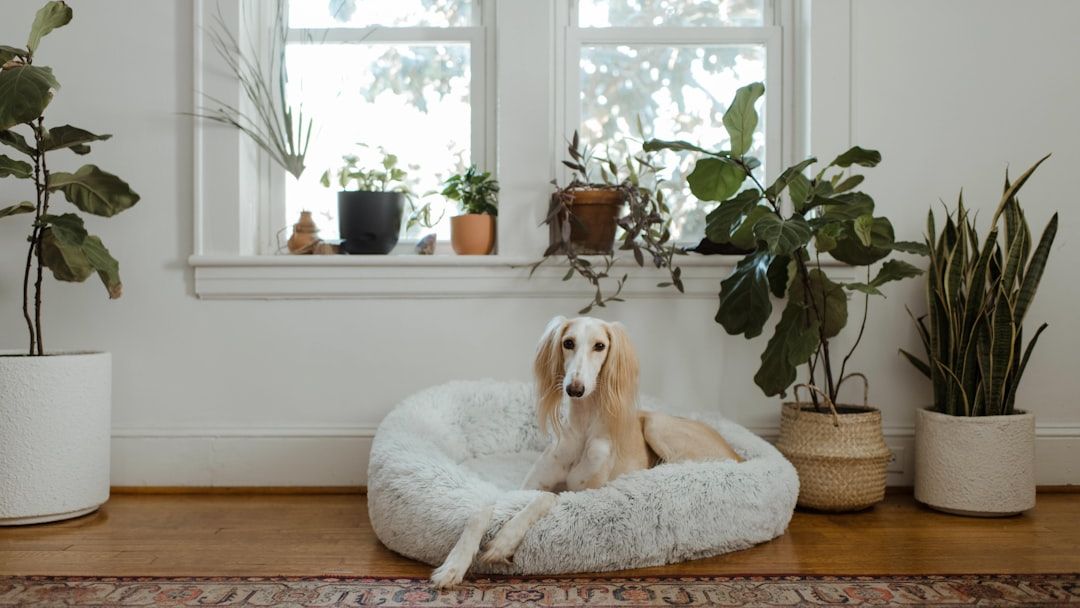
Picture this. You come home after a long day, and your dog is already stationed near one particular doorway, ears perked, body relaxed yet alert. It is not the front door or the kitchen where treats live. Something deeper is at play here, a quiet claim on space that reveals how your dog truly sees you.
That room holds more than furniture and memories. It speaks to the core of your shared life in ways that go beyond simple commands or playtime. Understanding the choice can shift how you view every tail wag and every watchful glance.
The Bedroom Emerges as the Prime Territory
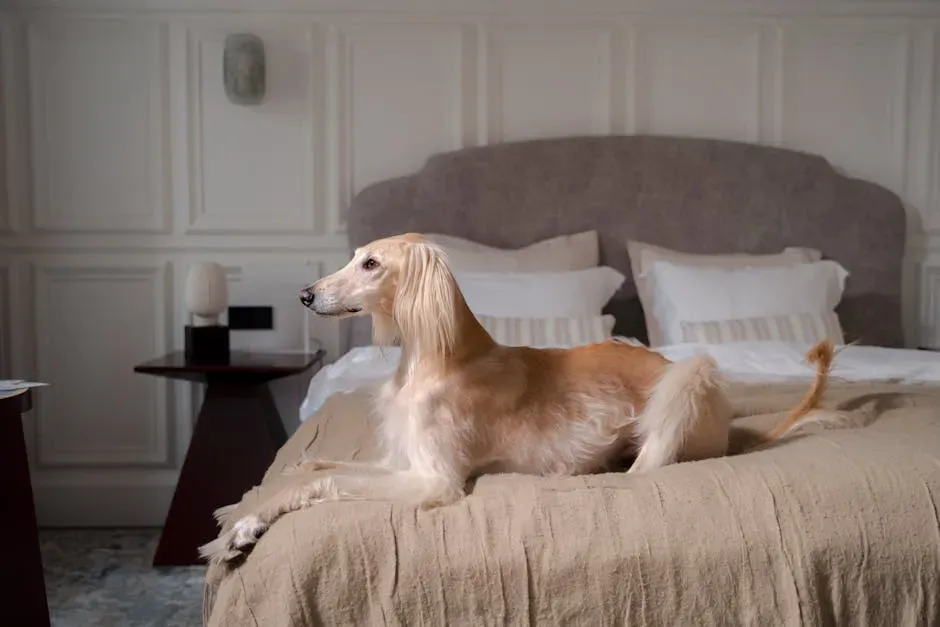
Dogs often single out the bedroom because it represents the most intimate part of the household routine. This is where you rest, where your scent lingers longest on pillows and blankets, and where the family unit gathers at the end of each day. The space carries a steady rhythm of your presence that feels safe and predictable to them.
Research into canine behavior shows that dogs prioritize areas tied to their primary caregiver’s sleep and downtime. They treat these spots as extensions of their own resting place. The result is a natural vigilance that kicks in whenever someone unfamiliar approaches.
Pack Instincts Drive the Protective Stance

At heart, dogs still operate with ancient wiring from their wolf ancestors. They view the household as their pack and the bedroom as the den where the leaders rest. Guarding that den comes instinctively because it protects the most vulnerable moments of the day.
This behavior strengthens when the dog feels a strong attachment to one or two people. The room becomes a symbol of that bond rather than just another space in the house. Over time the instinct blends with learned habits from living together.
Your Scent Creates an Invisible Boundary
A dog’s nose maps the world in layers of smell that humans barely notice. Your bedding and clothing carry a concentrated version of your unique odor, turning the bedroom into a comforting fortress. They linger there because the smells signal safety and belonging.
When visitors or other pets enter, the dog may position itself to monitor access. This is not random aggression. It is a calculated response to preserve the scent-rich zone that feels most like home to both of you.
Daily Patterns Reinforce the Attachment

Simple routines like bedtime cuddles or morning stretches on the floor build layers of association. The dog learns that this room equals calm, connection, and your full attention without distractions from work or chores. Those repeated moments deepen the sense of shared territory.
Over months and years the pattern becomes automatic. The dog anticipates your movements toward the bedroom and adjusts its own position accordingly. What starts as instinct grows into a personalized ritual that only the two of you share.
Body Language Reveals the Depth of the Bond
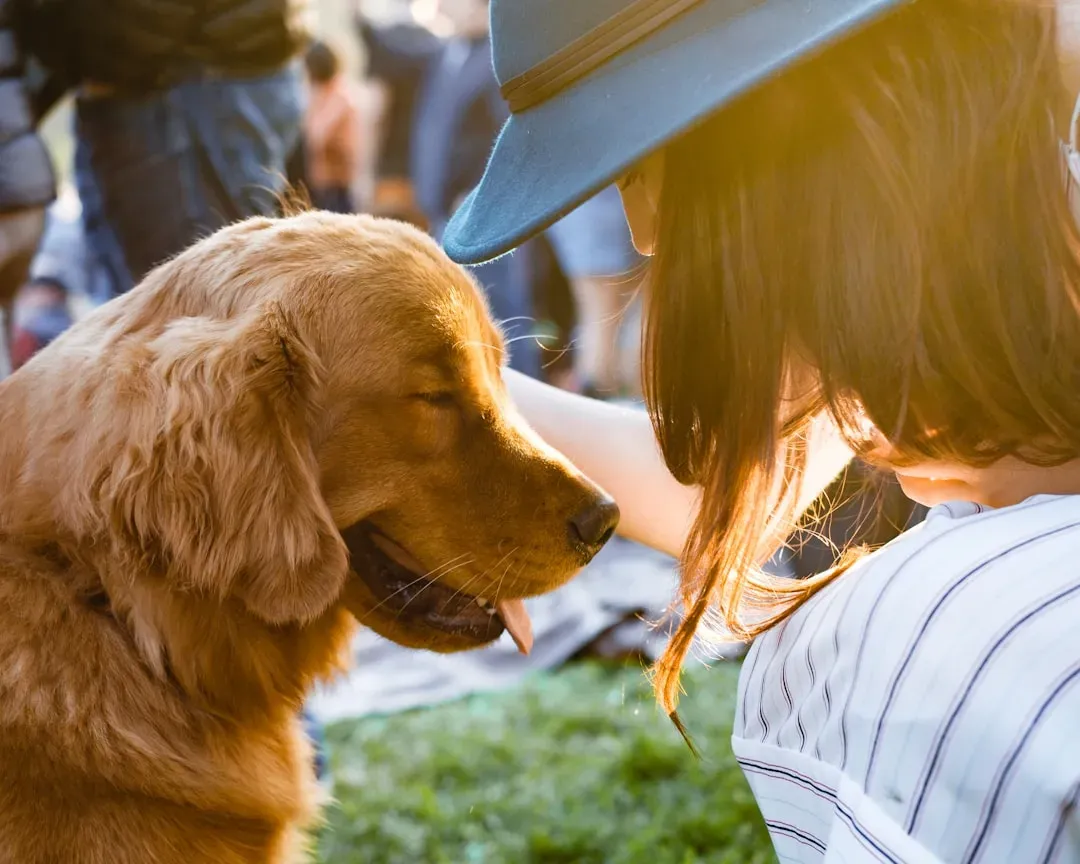
Watch how your dog settles near the doorway with a soft gaze rather than tense muscles. That relaxed yet ready posture shows trust mixed with loyalty. They are not on high alert for every sound but remain tuned to your comfort level.
Other signs include choosing to sleep facing the entrance or following you in and out during evening wind-down. These small choices add up to a clear message. The bedroom is where they feel most responsible for your well-being.
Modern Homes Test These Ancient Drives
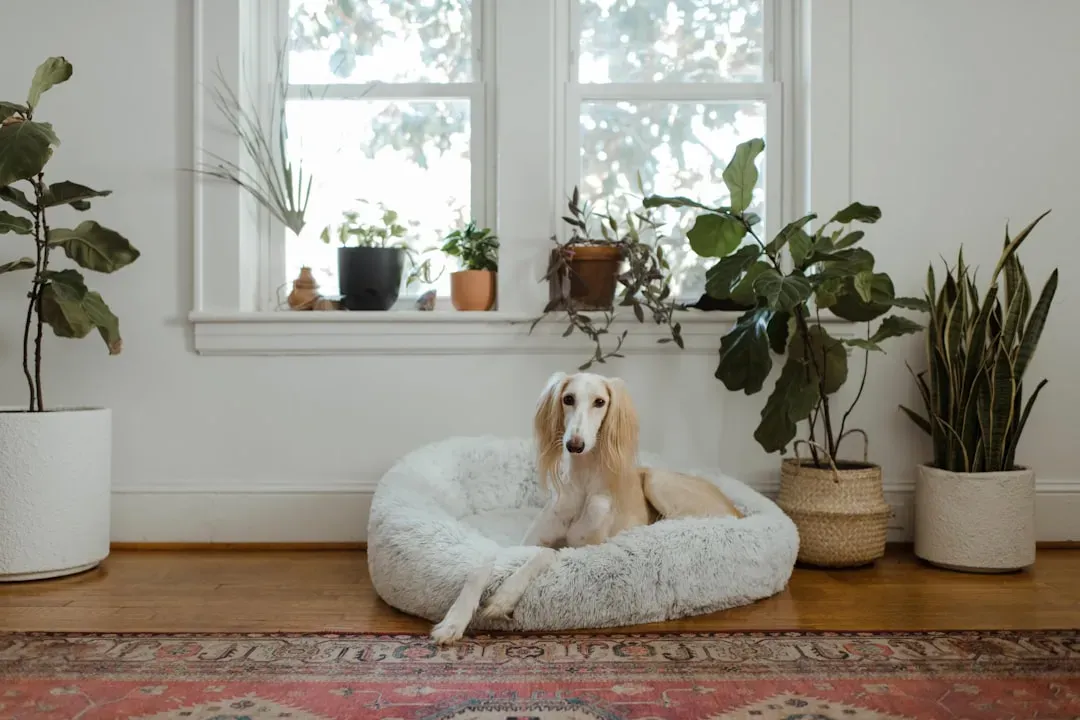
Apartments and open floor plans can blur traditional room boundaries, yet dogs still gravitate toward the sleeping area. They adapt by claiming the bed itself or the hallway just outside. The instinct persists even when walls are fewer.
Busy schedules sometimes limit time spent in that room together. When the dog still chooses to guard it anyway, the attachment stands out even more clearly. It shows the bond survives despite the pace of daily life.
The Real Measure of Your Connection
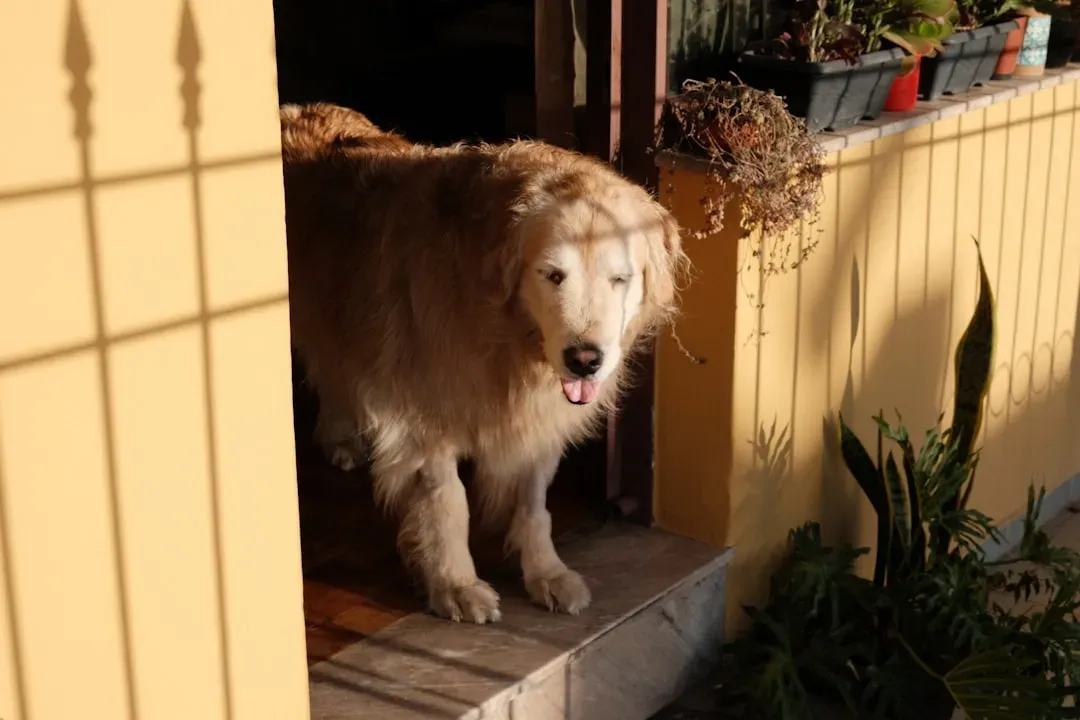
Ultimately the room your dog guards reflects how completely they have folded you into their sense of family. It is a quiet vote of confidence that you are worth protecting at rest. That choice carries more weight than any trick or command ever could.
Paying attention to this preference invites you to treat the space with the same care they do. Small adjustments like keeping the area calm or sharing quiet moments there can deepen what already exists. In the end the bond grows from these ordinary, shared corners of life rather than grand gestures.


