
The Real Reason Dogs Circle Before Lying Down Has Nothing to Do With Comfort – And Everything to Do With Ancient Survival
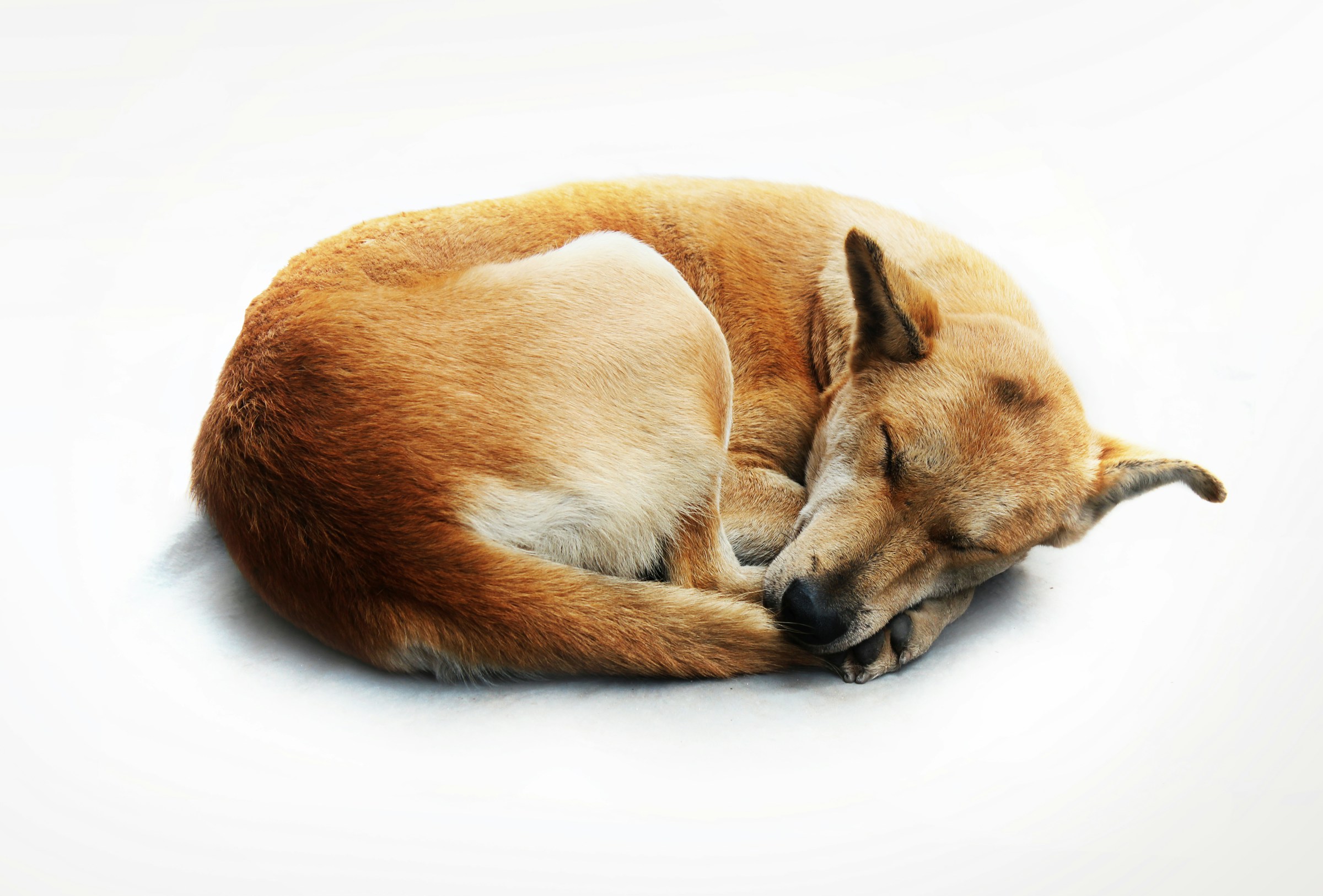
Ever watched your dog spin in circles before finally settling down for a nap and wondered, “What’s up with that?” While it might seem like a quirky bedtime ritual, this behavior is deeply rooted in survival instincts passed down from their wild ancestors. Let’s unravel the mystery behind this fascinating canine habit.
Instincts from the Wild: A Legacy of Survival
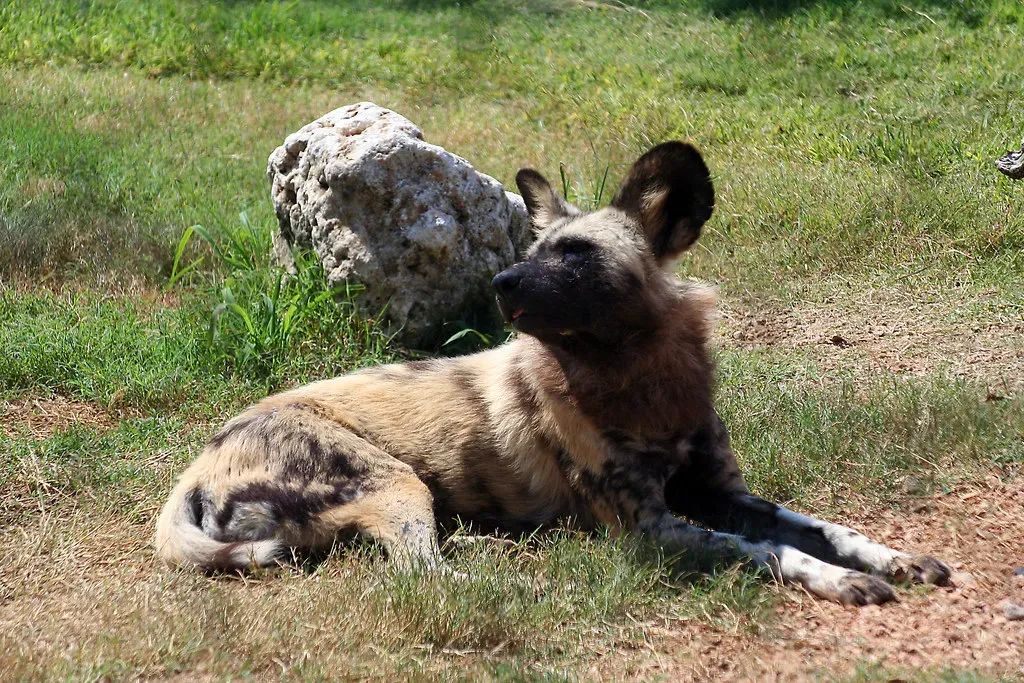
Long before dogs became our couch companions, their ancestors roamed the wild, facing daily threats and challenges. Circling before lying down was a crucial survival tactic. By turning in circles, wild canines could flatten tall grass or snow, creating a comfortable and concealed resting spot. This behavior also helped them detect any lurking dangers, such as snakes or insects, ensuring the area was safe before they let their guard down.
Even in the safety of our homes, this ingrained behavior persists. It’s a testament to the enduring nature of survival instincts, even when the original threats are no longer present.
Temperature Regulation: Nature’s Thermostat
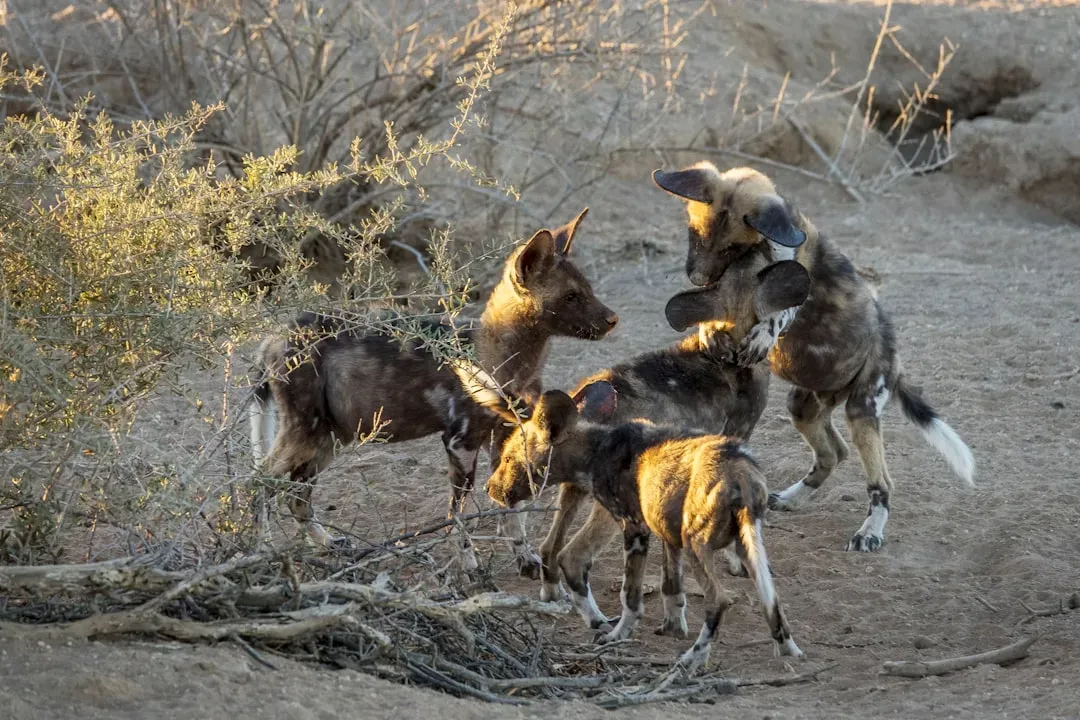
Beyond safety, circling played a role in temperature control. In colder climates, wild dogs would circle to create a depression in the ground, providing shelter from the wind and conserving body heat. Conversely, in hotter environments, digging and circling could expose cooler earth, offering relief from the heat.
While our domesticated dogs enjoy climate-controlled environments, this behavior remains a part of their natural repertoire, showcasing the adaptability and resourcefulness of their ancestors.
Marking Territory: Claiming Their Space
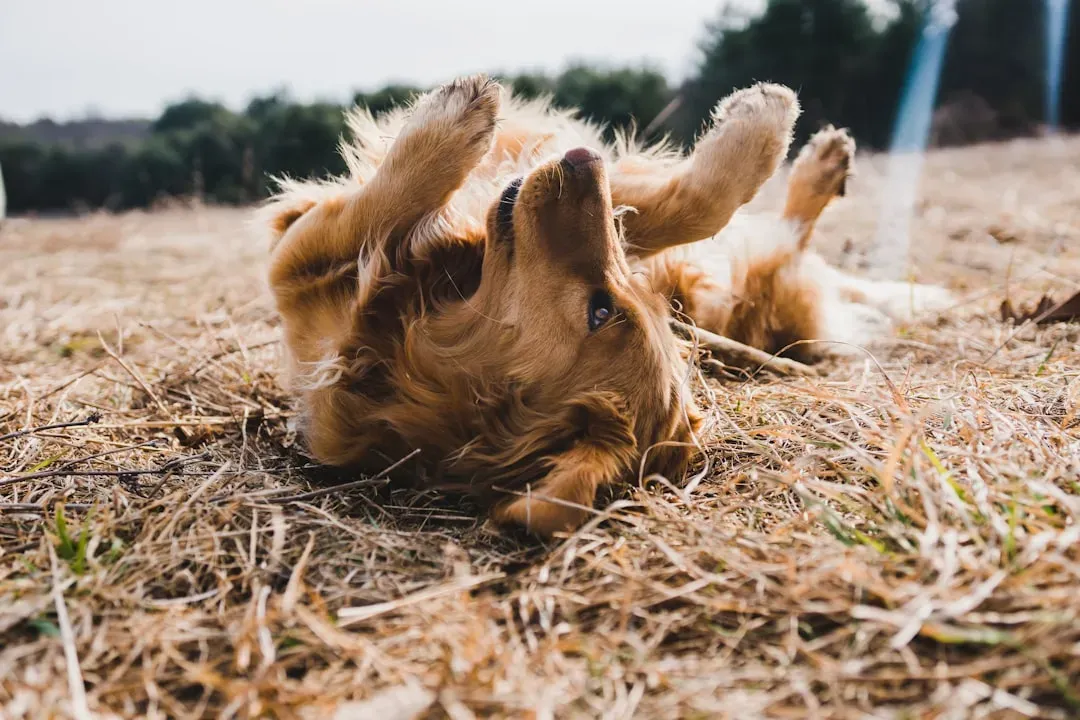
Circling isn’t just about comfort or safety; it’s also a way for dogs to mark their territory. As they circle, the scent glands in their paws release pheromones, signaling to other animals that this spot is claimed. This subtle form of communication was vital in the wild, helping to establish boundaries and reduce conflicts over resting areas.
In our homes, this behavior might seem unnecessary, but it’s a lingering reminder of the complex social structures and communication methods of wild canines.
Ensuring Safety: A Final Perimeter Check
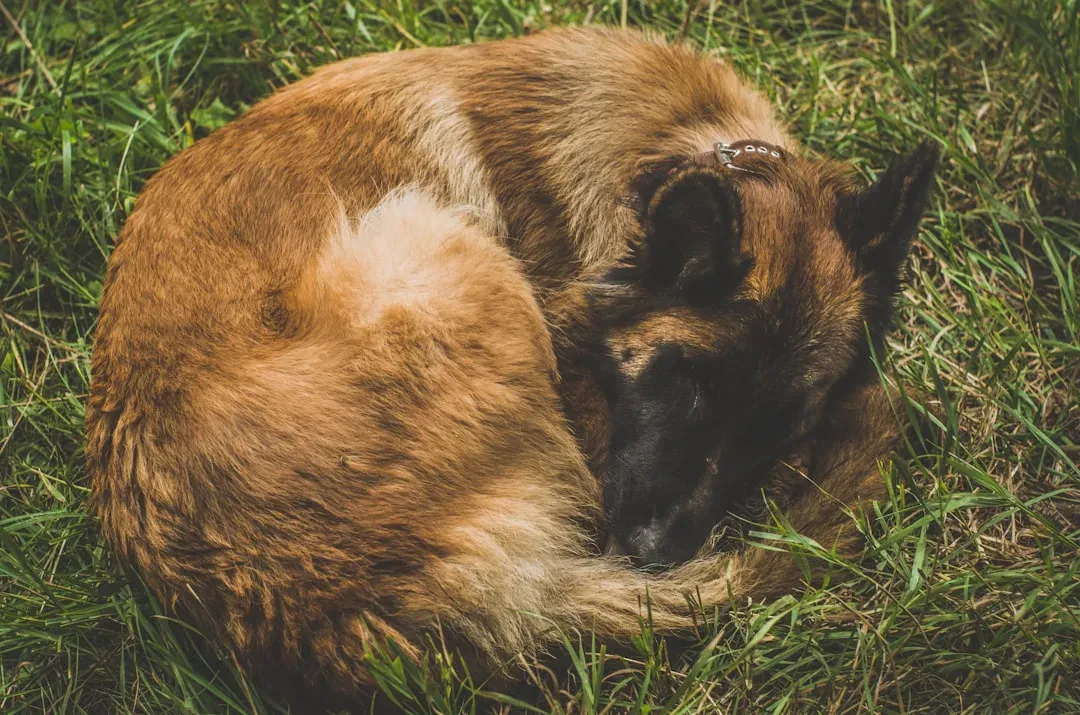
Before settling down, circling allowed wild dogs to perform a final check of their surroundings. This behavior ensured they weren’t vulnerable to surprise attacks from predators. By scanning the area one last time, they could rest with a sense of security.
Today, while the threats have changed, the behavior remains. It’s a fascinating glimpse into the vigilant nature of dogs and their ever-present awareness of their environment.
When Circling Signals a Problem
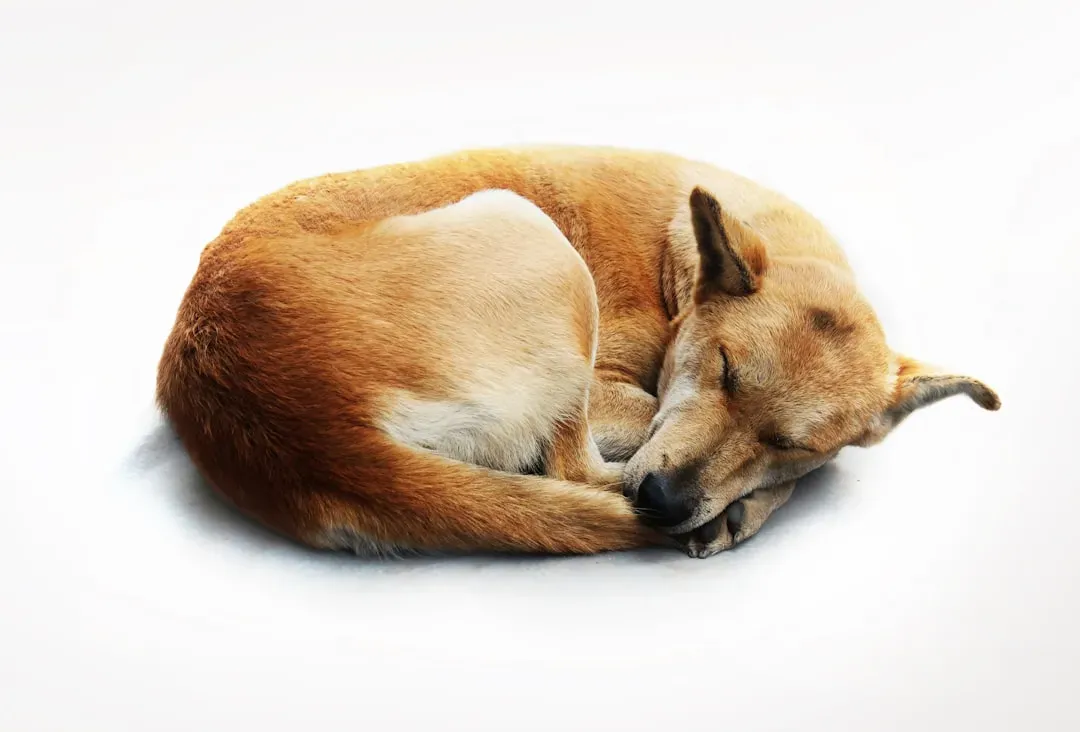
While circling is a normal behavior, excessive or compulsive circling can indicate underlying health issues. If your dog circles excessively, seems unable to settle, or shows signs of distress, it could be a sign of pain, neurological problems, or anxiety. In such cases, it’s essential to consult with a veterinarian to rule out any medical concerns.
Being attuned to changes in your dog’s behavior can help catch potential health issues early, ensuring they receive the care they need.
Embracing the Instincts: Letting Dogs Be Dogs
Understanding the reasons behind circling allows us to appreciate the rich tapestry of instincts that our canine companions carry. Instead of viewing it as a quirky habit, we can see it as a window into their ancestral past, a behavior that has ensured their survival for thousands of years.
So, the next time your dog spins before lying down, take a moment to marvel at the deep-rooted instincts at play. It’s a beautiful reminder of the wild spirit that still resides in our domesticated friends.
Conclusion: A Dance of Survival and Comfort
In essence, the circling behavior of dogs before lying down is a dance of survival, comfort, and communication. It’s a blend of ancient instincts and modern habits, a behavior that connects them to their wild ancestors while adapting to their domesticated lives. Embracing and understanding these behaviors enriches our bond with our canine companions, offering a deeper appreciation for the complex creatures they are.
So, the next time you see your dog circling before settling down, remember: it’s not just about getting comfy; it’s a nod to a rich history of survival and adaptation. Isn’t it amazing how the past echoes in the present?