
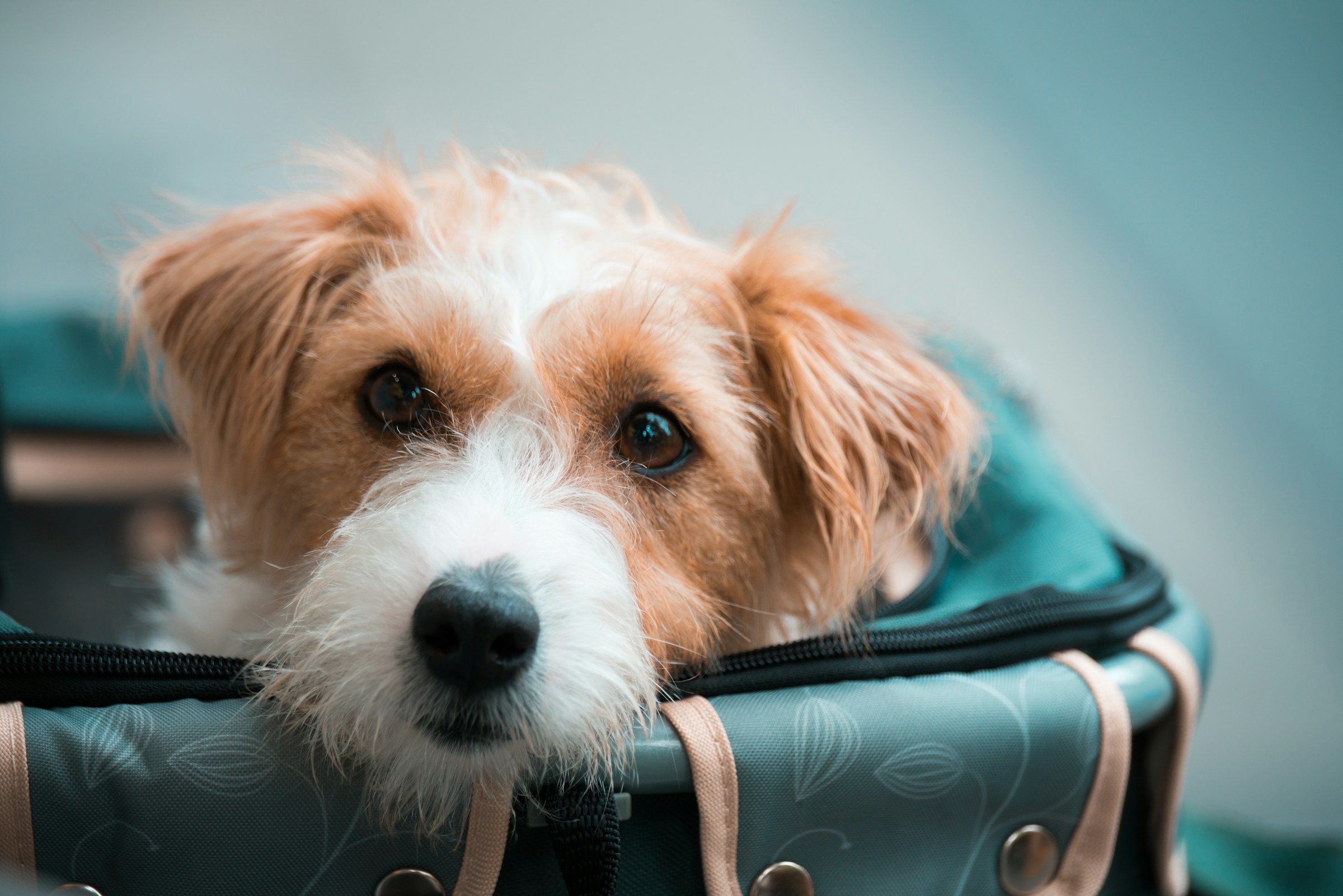
Every dog parent knows that look. The moment the suitcase comes out, your happy, tail-wagging shadow suddenly slinks under the bed, paces anxiously, or refuses to leave your side. It can feel almost spooky, like your dog has some sixth sense that you’re about to disappear. It is tempting to call it psychic, magical, or mysterious.
But what is really going on is actually more fascinating than a supernatural explanation. Your dog has quietly turned your suitcase into a powerful emotional symbol, thanks to repeated real-life experience. Once you understand how their brain is connecting the dots, those guilty eyes and anxious behaviors make heartbreaking, scientific sense – and you can actually do something about it.
How Your Dog Turned a Suitcase Into an Emotional Alarm Bell
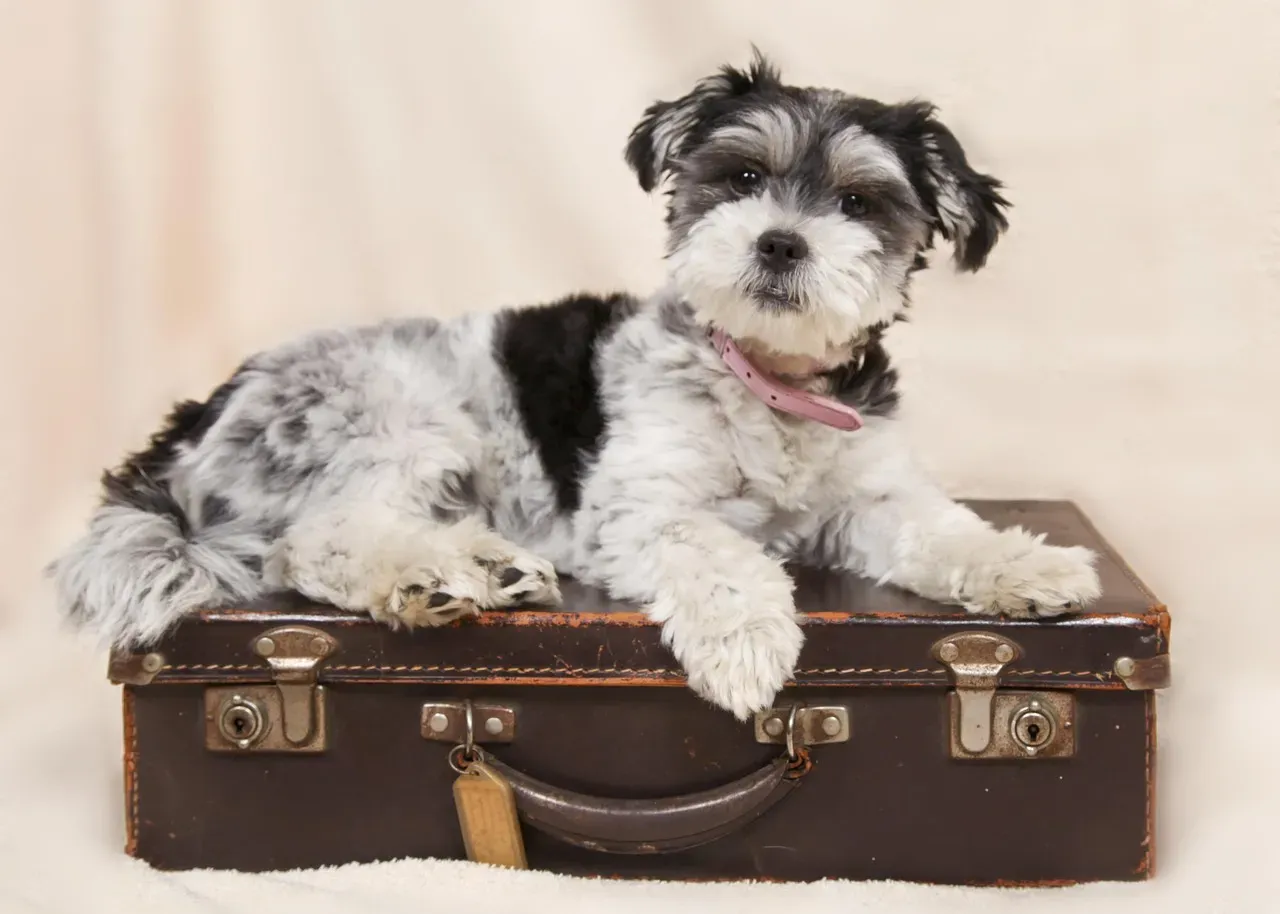
Here is the surprising part: your dog did not need words or logic to figure out what your suitcase means. Over time, your pup has seen a simple pattern repeat again and again: suitcase appears, routines change, you leave, and then you are gone for what feels like forever in dog time. Through this repeated pairing, your dog’s brain has quietly linked that object to your absence.
This is called associative learning, and it is one of the core ways animals, including humans, understand the world. Just like a dog learns that the sound of the food container means dinner is coming, it also learns that the squeak of your suitcase wheels means you will soon walk out the door. The object itself is neutral; the emotions attached to it are entirely learned through experience.
Classical Conditioning: Your Dog Is Basically Running a Psychology Experiment
If this all sounds a bit like a textbook, that is because it is. What your dog is doing mirrors classic conditioning principles first described in animal studies more than a century ago. In simple terms, when one thing repeatedly predicts another, the brain starts responding to the first thing as if the second is already happening. Your dog is not thinking this through; the reaction is automatic.
At first, your dog reacts only when you actually leave. But after enough trips, the suitcase becomes an early warning signal. Eventually, that warning alone can trigger stress, whining, hiding, or clinginess well before you put on your shoes. It is the same basic process that makes some people feel anxious just smelling a hospital corridor because their brain has linked that smell with illness or pain.
Why It Feels Psychic: Timing, Pattern-Spotting, and Your Own Emotions
It is easy to see why people reach for a mystical explanation. The moment you think about traveling, your energy shifts. You move differently, you pack, you make calls, you double-check lists. Your dog notices all of that long before you even pull the suitcase from the closet. Dogs are incredible pattern-spotters, especially when those patterns revolve around their favorite person: you.
From your dog’s point of view, the suitcase is just one piece of a whole pre-travel ritual. The change in your scent when you get stressed, the way you rush around, the different tone in your voice, all of these details stack up. It looks like mind reading, but really it is your dog doing what dogs do best: reading you with absurd sensitivity and building emotional predictions based on the past.
Suitcase Equals Separation: How Attachment Shapes the Reaction

The reason your dog cares so much about that suitcase is simple: you are their safe base. Many dogs form deep attachment bonds that are not that different from what young children form with caregivers. When that bond feels threatened or disrupted, the emotional alarm system goes off. The suitcase has become a symbol of that disruption, a kind of emotional red flag.
Some dogs will show this as quiet withdrawal, hiding, or refusing to engage. Others go the opposite way and become extremely clingy, following you from room to room and refusing to let you out of their sight. None of this is drama or manipulation. It is raw attachment anxiety, expressed through the only language they have: behavior.
When Normal Worry Turns Into Separation Anxiety

Not every dog that acts weird around a suitcase has a clinical problem, but for some, it is part of a bigger pattern called separation-related distress or separation anxiety. These are the dogs that do not just look sad; they may panic when you leave, bark for long periods, destroy things, or even hurt themselves trying to escape. For them, the suitcase is like the opening note of a song that always ends badly.
If your dog’s reaction to travel days is intense and seems to be getting worse, that is a sign to take it seriously. Left unchecked, this anxious association can generalize, so that other small cues – like putting on makeup, grabbing keys, or even closing a laptop – start triggering fear. Early support, including behavior modification and sometimes professional help, can keep things from reaching that point.
What You Can Do to Soften the Suitcase Trigger

The comforting news is that learned associations can be changed. The same learning process that turned your suitcase into a symbol of loss can be used to turn it into something more neutral or even positive. One common strategy is desensitization: you bring the suitcase out on random days, leave it open, and do not go anywhere. Over time, its power to predict separation starts to weaken.
You can take it a step further by pairing the suitcase with things your dog loves, like high-value treats, special toys, or extra playtime. The aim is not to trick your dog; it is to teach their brain a new story: suitcase out does not always equal you disappearing. Consistency matters here. It is like rewriting an old script, line by line, until the ending feels less scary.
Travel Days With Less Guilt: Supporting Your Dog Before You Leave

Even if your dog never fully loves seeing a suitcase, you can make the whole process easier on both of you. Building predictable routines helps a lot. A calm walk, a puzzle feeder, or a chew object before you leave can give your dog something constructive to focus on. Think of it as sending them into a movie with snacks instead of leaving them alone in the dark with nothing to do.
It also helps to stay emotionally steady yourself. Dogs are emotional sponges, and if you act frantic, apologetic, or overly dramatic with long, teary goodbyes, they will pick up on your tension. A calm, matter-of-fact departure paired with positive experiences tends to set a clearer emotional tone. You are not ignoring their feelings; you are modeling that separations, while not fun, are safe and survivable.
Opinion: Stop Calling It Psychic – Start Calling It Proof They Care
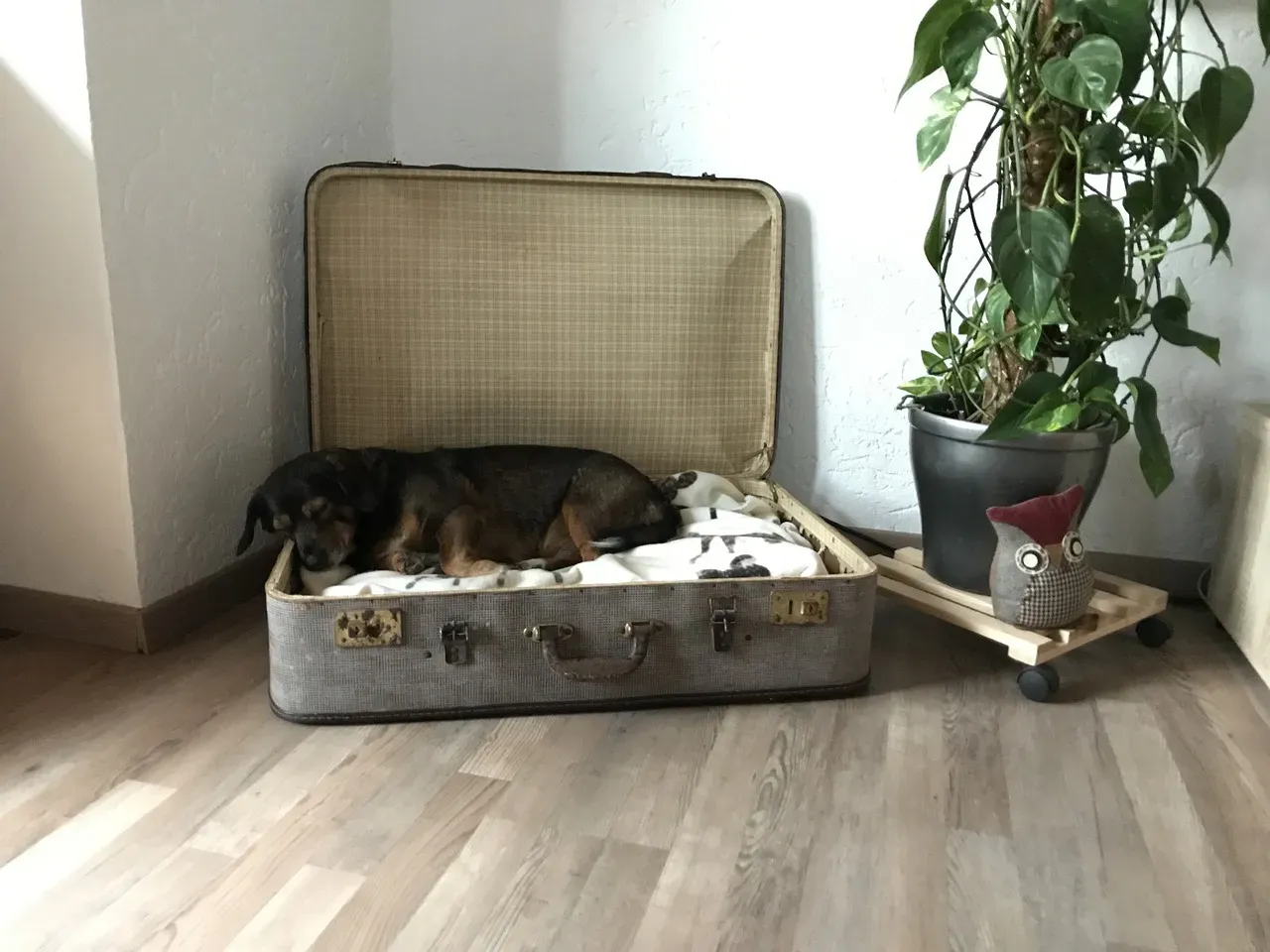
There is a real risk in brushing off this behavior as something cute, mystical, or just a quirky dog superstition. When we call it psychic, we romanticize it and miss the deeper truth: your dog is showing you, in the only way they can, that your comings and goings shape their emotional world. That worried look when the suitcase comes out is not magic; it is attachment, memory, and fear woven together.
In my view, that makes their reaction even more moving, not less. Understanding the science behind it is not about draining the magic from the bond; it is about taking responsibility for the impact we have on the animals who depend on us. The suitcase does not need to stay a symbol of heartbreak. With a bit of patience and empathy, you can turn it into just another object in the room – and maybe, someday, into the start of a story where everyone, dog included, knows they will be okay in the end. Did you expect something this ordinary to be the real answer?


