
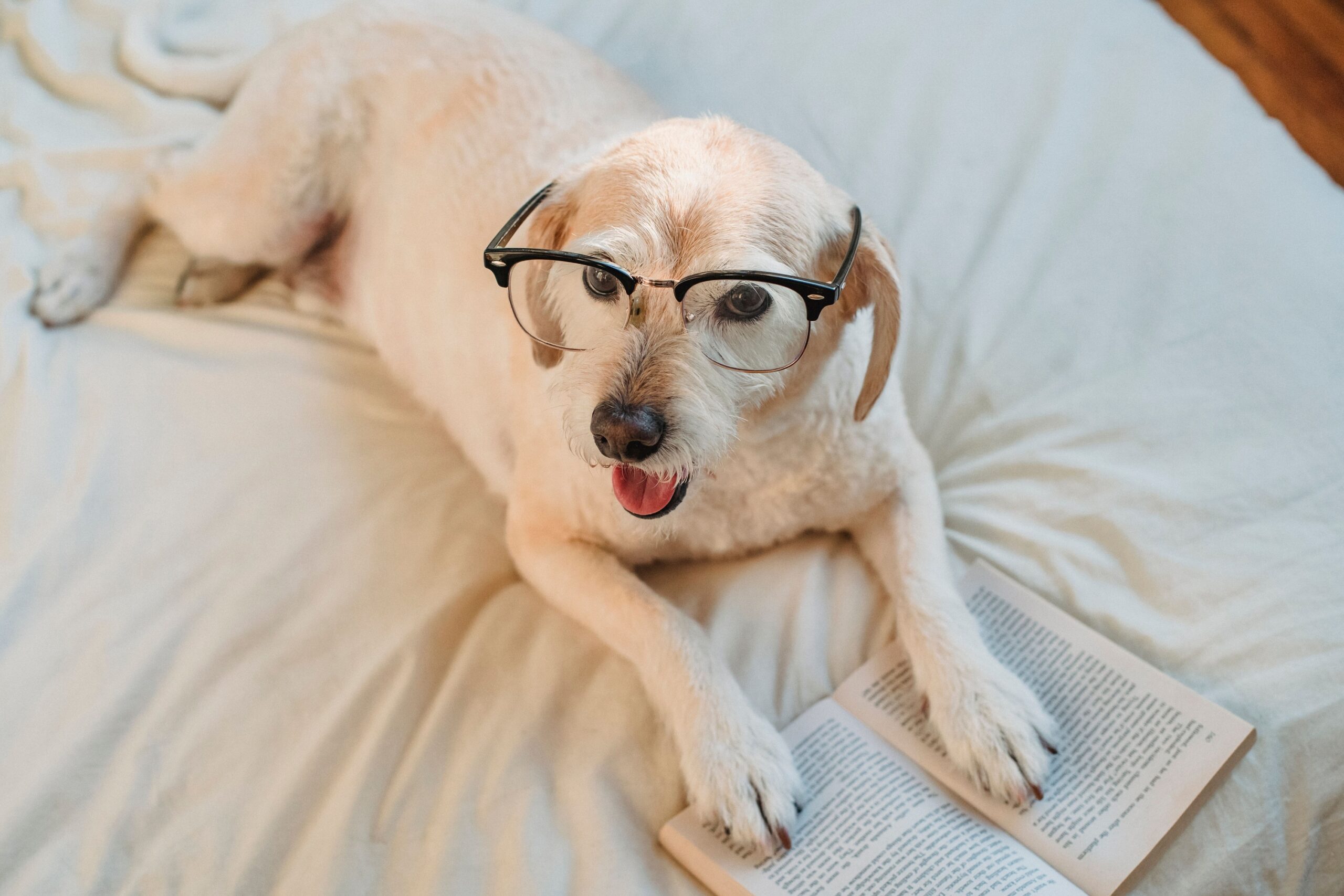
Imagine walking into a room after a long day, and your dog locks eyes with you for a split second before wagging their tail like you’re the best thing that’s ever happened to them. That tiny moment of eye contact feels special, almost human. Now scientists are showing it is more human than we thought: dogs do not just look at our faces, they favor one side of our face in a way that mirrors how humans and primates read emotion.
Research suggests that when dogs look at us, they tend to scan the right side of our face first, which corresponds to a left-gaze bias – because the left eye naturally lands on the other person’s right side. That detail might sound technical, but it quietly reveals something profound: dogs are not just responding to our tone of voice or body language, they are visually reading emotional signals on our faces using strategies similar to our own. Let’s unpack what that actually means, why it matters, and how it changes the way we think about the bond between humans and dogs.
The Science Behind the “Left Gaze Bias” in Dogs
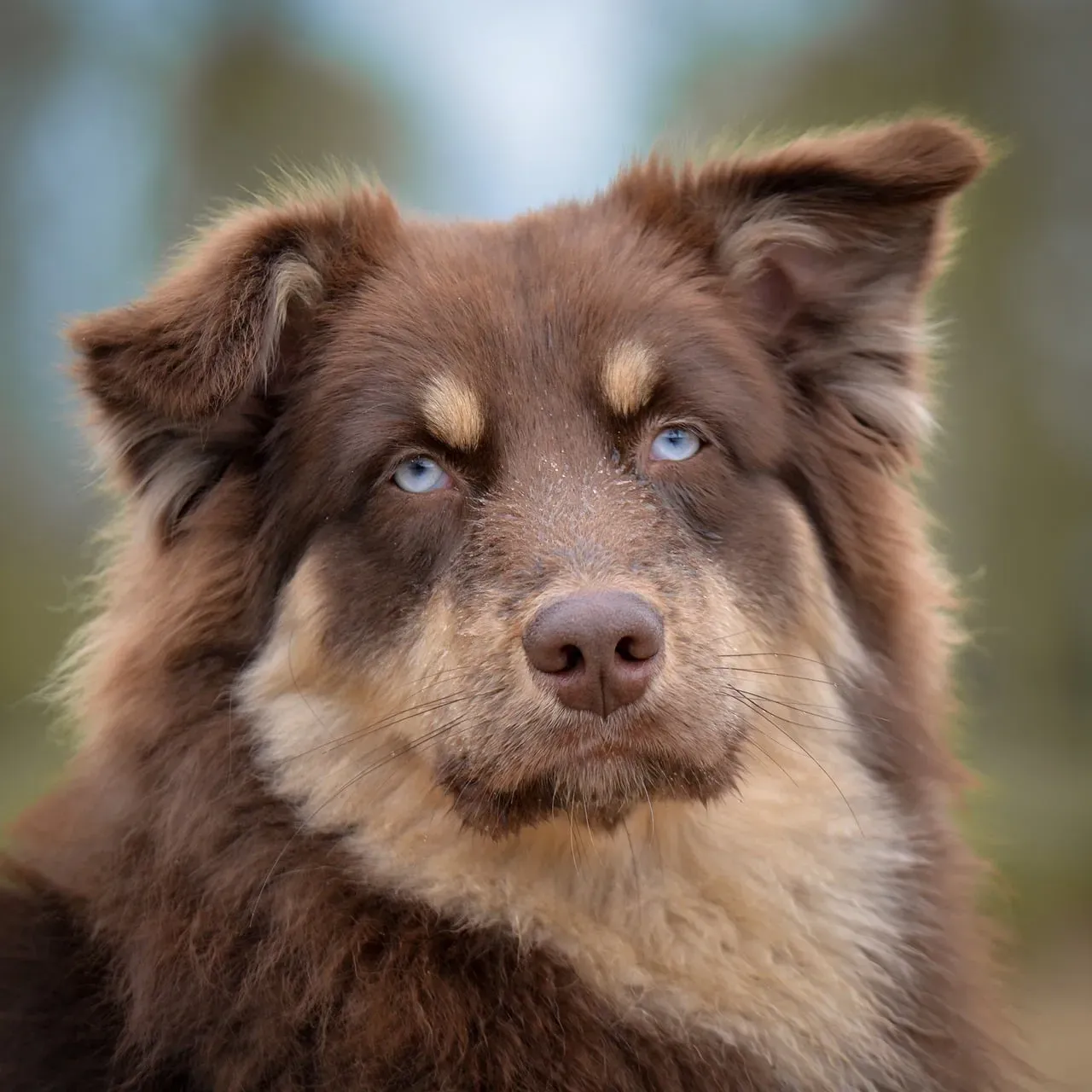
In human and primate research, scientists have long known that when we look at a face, our gaze is not perfectly centered. We tend to drift slightly to the left of the person we’re looking at, meaning we focus more on the right side of their face. This subtle pattern is called a left gaze bias, and it is linked to how our brains process emotional expressions. When similar gaze tracking tests were run with dogs looking at human faces, a striking pattern emerged: dogs also showed a left gaze bias when viewing people.
These findings usually come from carefully controlled experiments where dogs are shown images or videos of human faces displaying different emotions while eye-tracking technology records exactly where their gaze lands. Over and over, dogs tended to fix their attention first, or most strongly, on the right side of the human face. That is not something you would expect if they were just randomly looking around; it suggests a consistent, possibly hardwired way of decoding our expressions.
Why the Right Side of the Human Face Matters for Emotion

The right side of your face often tells more of an emotional story than the left. Because the right side of the face is more strongly influenced by the brain’s right hemisphere, which is deeply involved in emotional processing, expressions on that side tend to be a bit more intense or easier to read. When you genuinely smile or feel angry, that emotional “weight” can show more clearly on the right half of your face without you noticing it.
Dogs keying in on that side suggests they are tuned into the most informative part of our facial landscape. They are not just noticing that our mouth is up or down; they are likely picking up on subtle asymmetries and tensions that signal whether we are relaxed, anxious, upset, or joyful. In simple terms, if the right side of your face is like the bold headline of your mood, dogs are reading that headline first.
Shared Strategies: Dogs, Humans, and Primates Reading Faces Alike
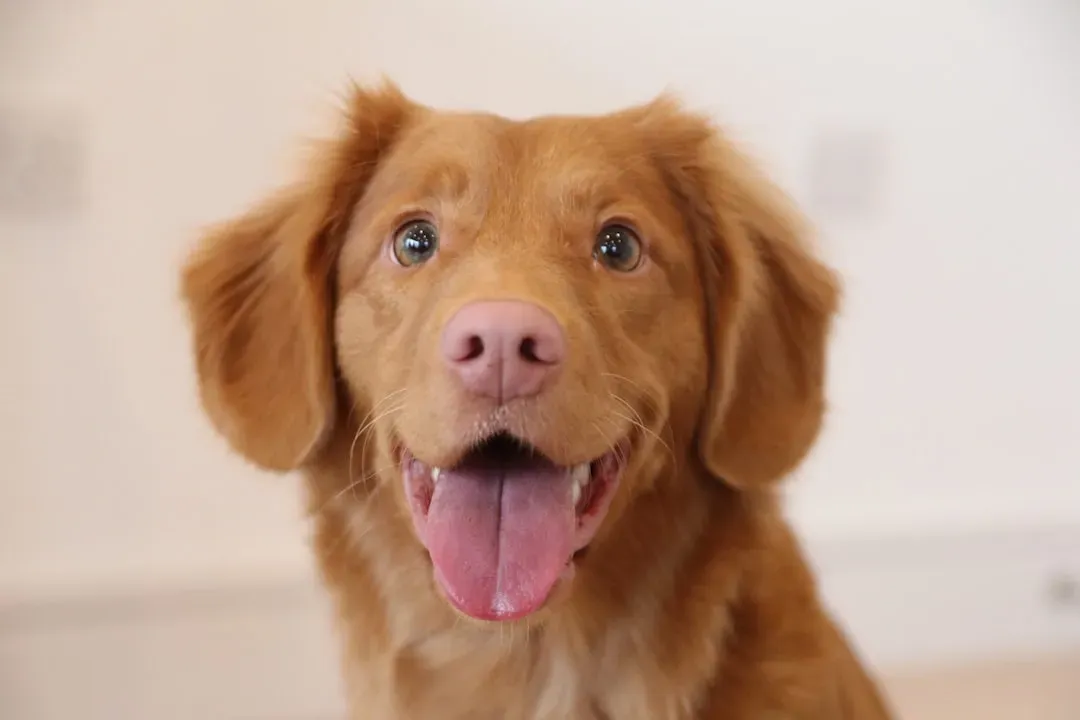
What makes this research especially fascinating is not just that dogs look at our faces, but that they appear to use a similar visual strategy to humans and primates. In several primate species, including humans, the left gaze bias shows up when looking at other faces because it taps into the brain’s specialized systems for interpreting facial emotion. The fact that dogs display a comparable pattern, but specifically for human faces, hints at a shared or convergent solution to the same social problem: how to quickly and accurately read what another being is feeling.
What is even more intriguing is that this bias in dogs does not seem to be as strong, or may even be absent, when they look at non-face objects or at other things in their environment. That suggests it is not just a generic visual quirk. Rather, it looks like a functional response: a way of zeroing in on emotionally relevant cues, just like we do. It places dogs in a surprisingly exclusive club of animals that process faces in a sophisticated, emotion-focused way.
Domestication and How Dogs Evolved to Read Human Emotion
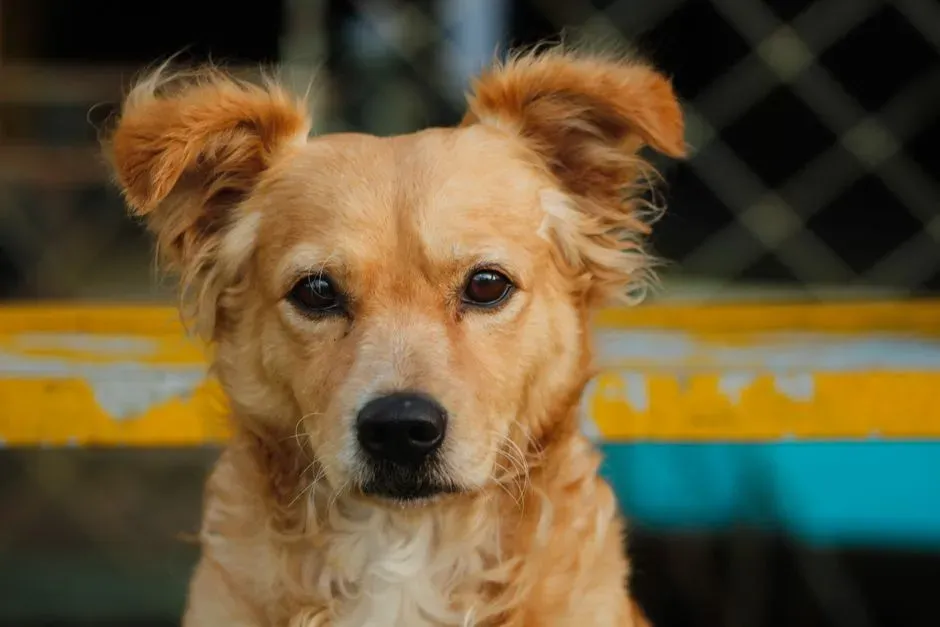
The fact that dogs show a human-like left gaze bias for our faces very likely did not appear by accident. Over thousands of years of domestication, dogs that were better at reading human signals – including subtle shifts in facial expression – would have had a clear advantage. They could avoid conflict, seek comfort, find food, and strengthen bonds by understanding when a human was angry, calm, or affectionate. That social sensitivity would make them more successful in a human world.
In that sense, your dog’s habit of searching your face is not just cute; it is an evolutionary success story etched into their nervous system. Their brains and eyes have been quietly shaped by living alongside us, to the point where their gaze patterns resemble those of our closest primate cousins. Dogs essentially became experts in “speaking human” visually, and the left gaze bias is one of the clearest signatures of that adaptation.
What This Means for Your Relationship with Your Dog
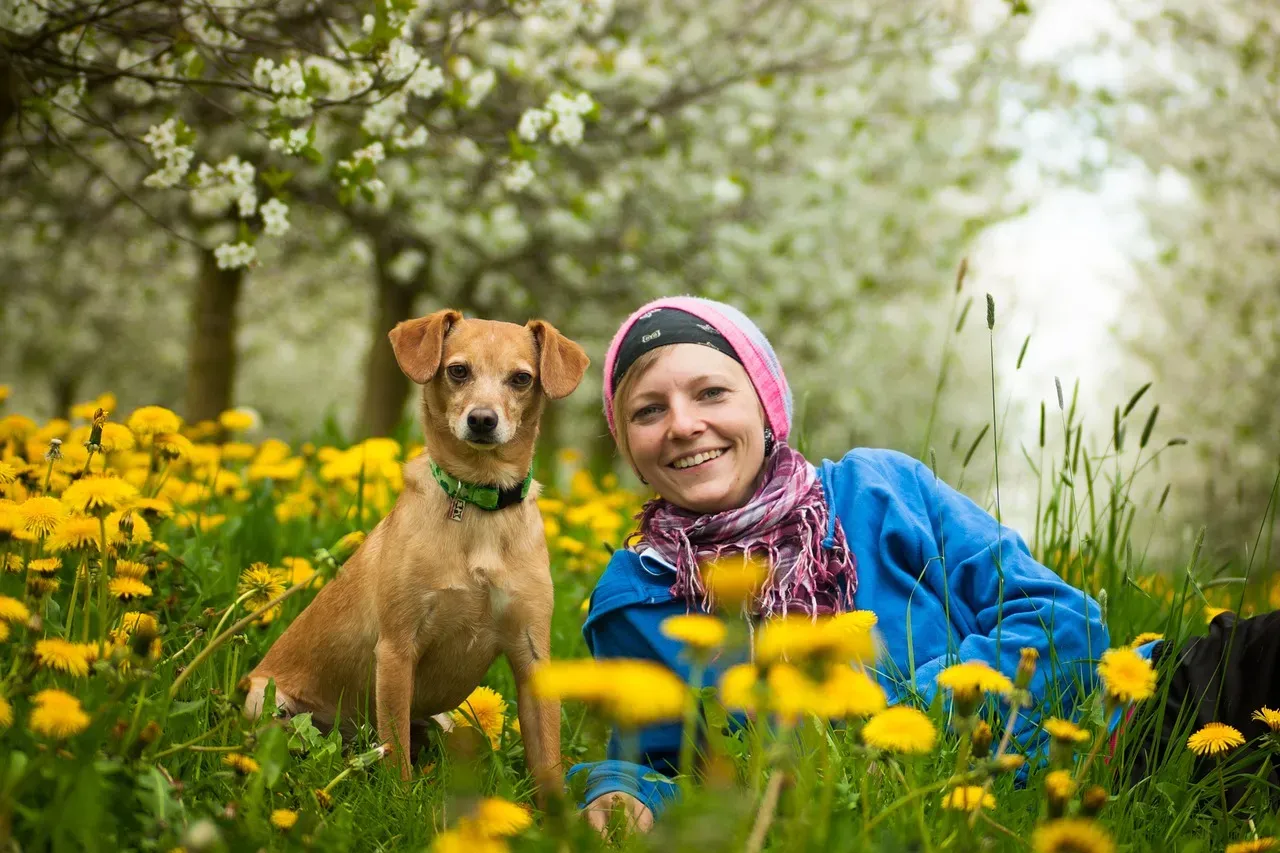
Knowing that your dog looks first to the right side of your face, where your emotion often leaks through the strongest, changes how you think about everyday interactions. When you come home stressed and try to force a smile, your dog may still pick up on the tightness around your eye or the tension in your cheek. It is not that they understand human psychology in a conscious way, but their visual system and emotional attunement let them sense that something is off.
This helps explain why dogs can feel almost psychic, curling up beside you when you are upset even if you have not said a word. They are reading your micro-expressions in real time, and they have learned over years of shared life what those patterns often mean. If anything, it calls us to be more honest around them: they are already seeing the truth, whether we want to admit it or not.
Limits, Nuances, and What the Research Cannot Yet Say
As compelling as these findings are, they are still pieces of a larger puzzle rather than a complete map. Eye-tracking experiments show where dogs look, but not every detail of what they feel or understand. A left gaze bias strongly suggests that dogs are prioritizing emotional information on the right side of the face, but it does not prove that they experience emotion in the same way we do or consciously think, “This person looks sad.”
There are also nuances: different breeds, individual personalities, and life experiences may shape how strongly a dog shows this bias or how skilled they become at reading specific people. Dogs that have been mistreated or poorly socialized with humans might look at faces differently, or even avoid direct gaze altogether. So while the left gaze bias is a powerful general finding, it is not a rigid rule that applies identically to every dog in every situation.
Beyond Cute: Why This Changes How We Think About Animal Minds
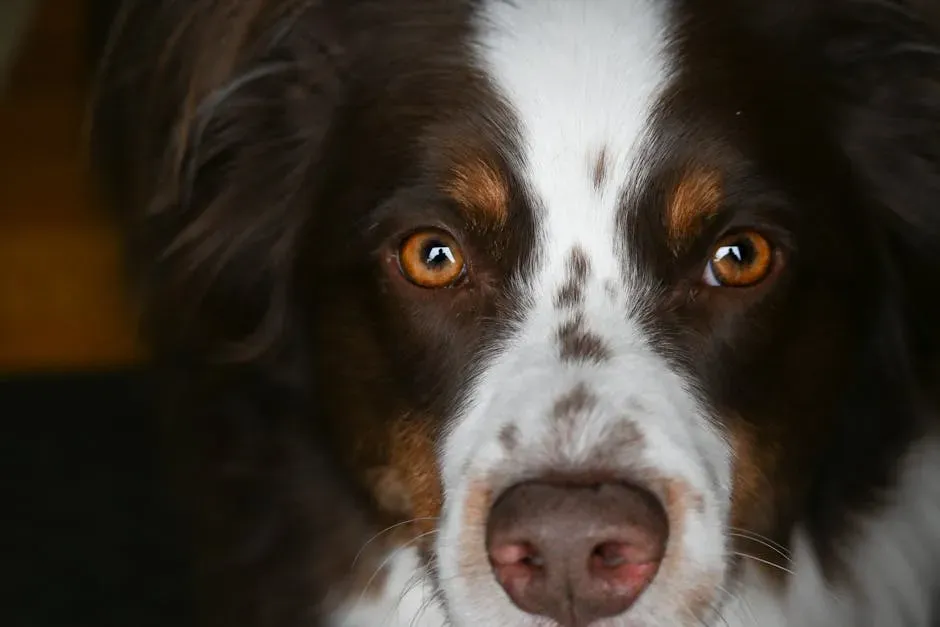
It is tempting to file this kind of research under “fun dog facts,” but it actually presses on a deeper question: how close are animal minds to ours when it comes to social intelligence? The idea that dogs use a similar gaze pattern to humans and primates when decoding faces pushes back against the old notion that only a narrow group of species are capable of sophisticated emotional reading. It suggests that living in a rich social world, especially alongside another species, can sculpt surprisingly advanced abilities.
For me, the most striking part is how this reframes that familiar moment when a dog stares into your eyes. It is not just affection or anticipation of a treat. It might be a carefully tuned act of perception, where your dog is quietly scanning the emotional landscape of your face the way a pilot checks instruments before takeoff. That mix of science and everyday experience makes the bond feel even more mysterious and, honestly, more humbling.
Conclusion: Dogs Are Not Just Watching Us – They Are Reading Us
When you put all of this together, the picture is pretty bold: dogs are not randomly gazing at us like living plush toys; they are actively reading the most expressive side of our faces using a strategy that echoes human and primate face perception. The left gaze bias is a technical term for something deeply emotional – a sign that our dogs are wired to pick up what we are feeling, sometimes even before we fully admit it to ourselves. In my view, that elevates them from loyal companions to true emotional partners who navigate our moods with surprising precision.
At the same time, this research is a reminder that our expressions matter, not just to other people, but to the animals sharing our homes and our daily rhythms. The right side of your face might be saying more than you think, and your dog is listening with their eyes. Next time they glance up at you, maybe you will wonder for a second: what story is my face telling them right now, and how much have they already figured out?


