
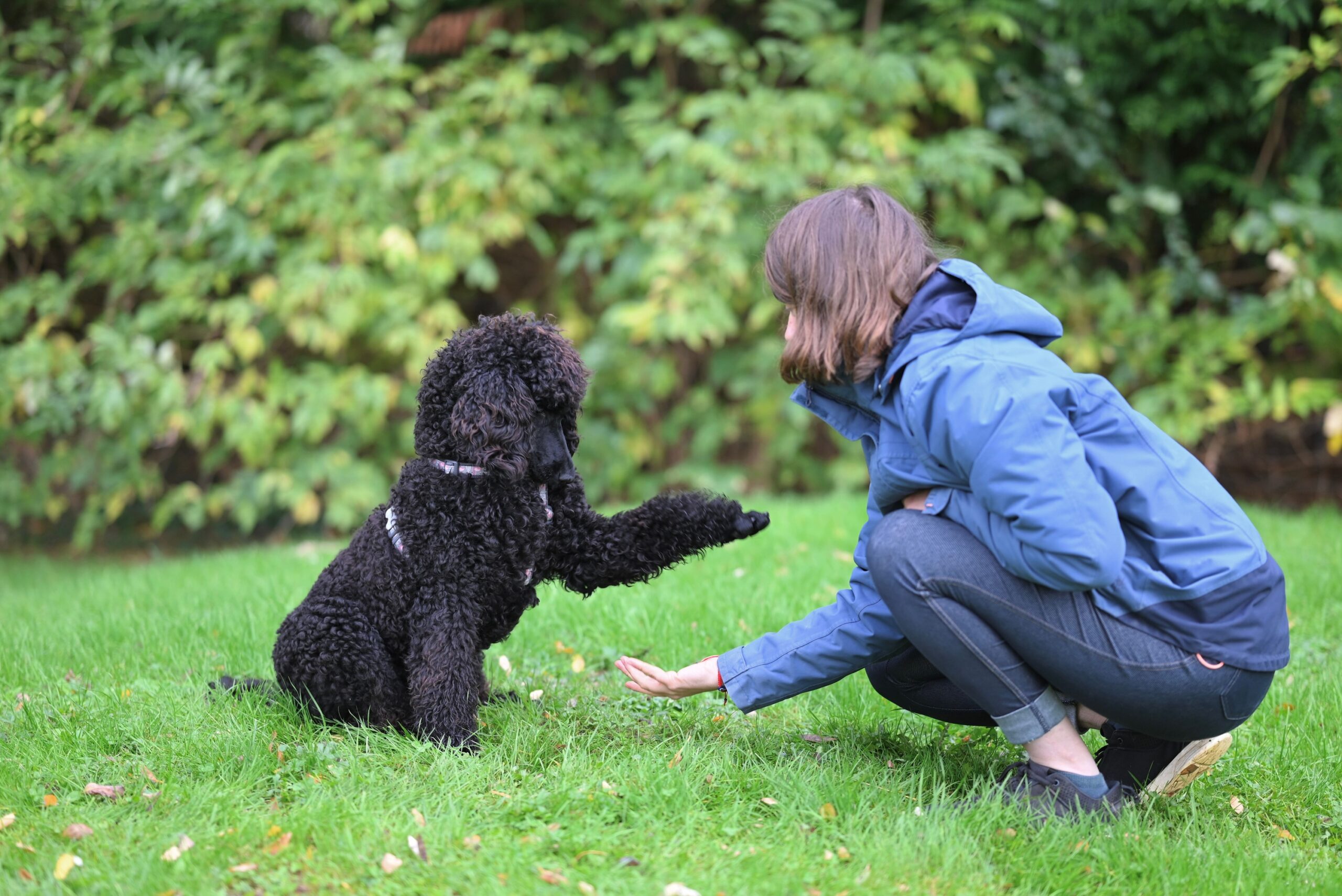
Some dogs just melt your heart and make your life easier at the same time. They are gentle, friendly, and also happen to pick up basic commands like sit, stay, and come without turning every training session into a wrestling match. That mix of sweetness and trainability is exactly what most families dream of when they picture their ideal dog.
This list focuses on dogs known for their soft temperaments and solid responses to everyday training, not high-pressure competition work. Of course, every dog is an individual, but certain breeds really do stack the odds in your favor. Let’s walk through ten of the sweetest breeds that usually make basic training feel surprisingly smooth.
Golden Retriever
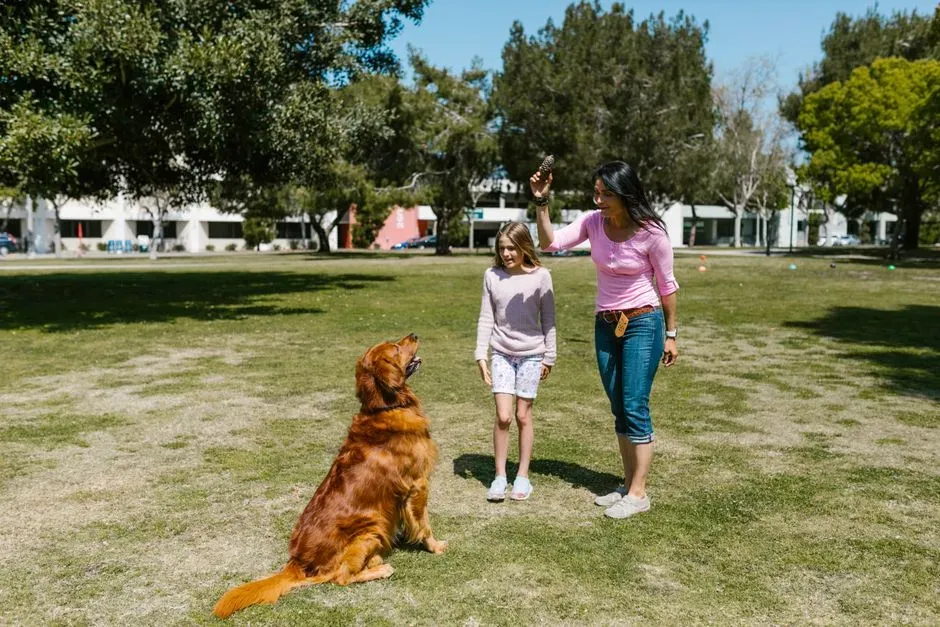
Golden Retrievers are often described as the complete family package: affectionate, eager to please, and generally enthusiastic about just about everything, including learning new cues. They were originally bred as hunting companions, which means listening to humans, reading body language, and working as a team are quite literally in their DNA. That makes them very responsive to reward-based training, especially when praise and play are involved.
Because Goldens are sensitive and people-oriented, they usually do best with gentle, consistent guidance rather than harsh corrections. In basic training, they pick up sit, down, recall, and loose-leash walking quickly, as long as their brains and bodies get enough daily exercise. Their main “downside,” if you want to call it that, is their tendency to get overexcited and a bit goofy, so early training around calm greetings and impulse control pays off hugely.
Labrador Retriever
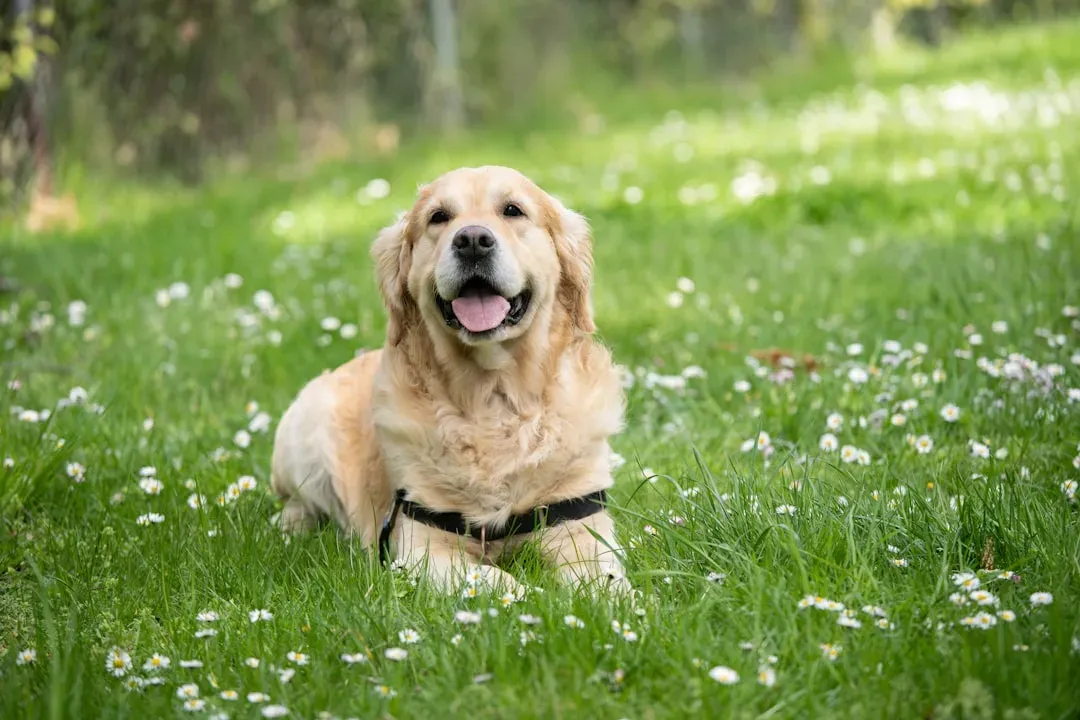
Labrador Retrievers have a reputation for being everyone’s best friend, and it’s well earned. They are typically cheerful, food-motivated, and highly adaptable, which sets them up beautifully for learning the basics. Many Labradors are willing to work for a simple piece of kibble or a tossed tennis ball, turning everyday moments into training opportunities without it feeling like a chore.
Because Labs are energetic and often stay puppy-like for a long time, early training makes a big difference. Teaching simple cues such as “sit” before getting the leash on or “wait” before walking through a door harnesses their enthusiasm in a positive way. Their general sweetness toward people and other dogs also means socialization tends to go smoothly, as long as owners stay on top of manners so that friendliness does not turn into jumping and pulling.
Cavalier King Charles Spaniel

The Cavalier King Charles Spaniel is like a living plush toy with a real heart and brain. These little dogs are known for their gentle, affectionate nature and their love of being close to their people. That closeness usually translates into a strong desire to understand what you want, making basic training relatively straightforward when you use soft voices and gentle hands.
Cavaliers are not typically stubborn, but they can be a bit sensitive, so very firm or harsh methods tend to shut them down rather than help. They respond beautifully to short, upbeat sessions where success is easy and rewards are frequent. Because of their size and demeanor, teaching basics like walking politely on leash, coming when called, and calmly greeting guests can be done in small daily bursts, making them ideal for first-time dog owners who want a sweet companion rather than a high-powered working dog.
Poodle (Standard, Miniature, and Toy)
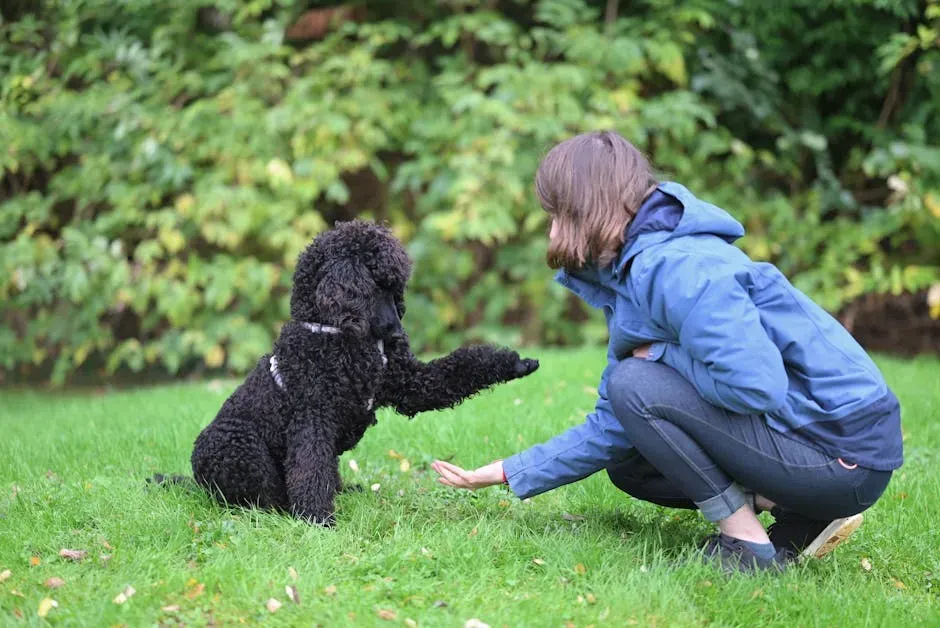
Poodles combine brains with a surprisingly sweet personality. All three sizes tend to be highly intelligent, people-focused, and responsive to positive reinforcement. While their intelligence sometimes earns them a reputation for being “too smart,” in basic training that cleverness usually works in your favor, because they connect actions with rewards very quickly.
At the same time, Poodles are generally affectionate and bond strongly with their families, which boosts their motivation to cooperate. Simple cues like sit, stay, and come are often mastered early, and many Poodles thrive when you add a bit of mental challenge, such as simple trick training or puzzle games. With their mix of sensitivity and smarts, they do best with consistent, kind leadership, not rough handling or chaotic rules that change from day to day.
Border Collie
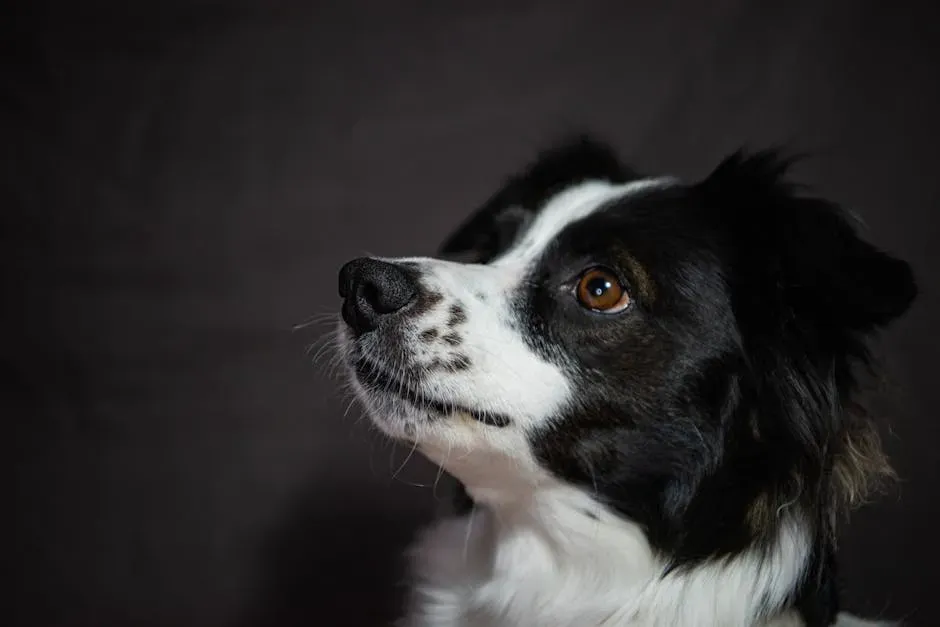
Border Collies are often labeled as the brainiacs of the dog world, but many people overlook how sweet and deeply loyal they can be with their humans. They were bred to work closely with shepherds, which means watching, listening, and following instructions is hardwired into their behavior. In the context of basic training, that natural focus often makes them feel almost telepathic once you develop a bond.
However, their intelligence and work drive are a double-edged sword. If you only want a calm couch companion, a Border Collie can easily become bored and anxious, which shows up as unwanted behaviors. But for owners who are willing to provide daily exercise and mental challenges, basic training can feel remarkably easy and rewarding. Their sweetness tends to shine the most in homes where they have clear jobs, regular training sessions, and consistent structure.
Papillon
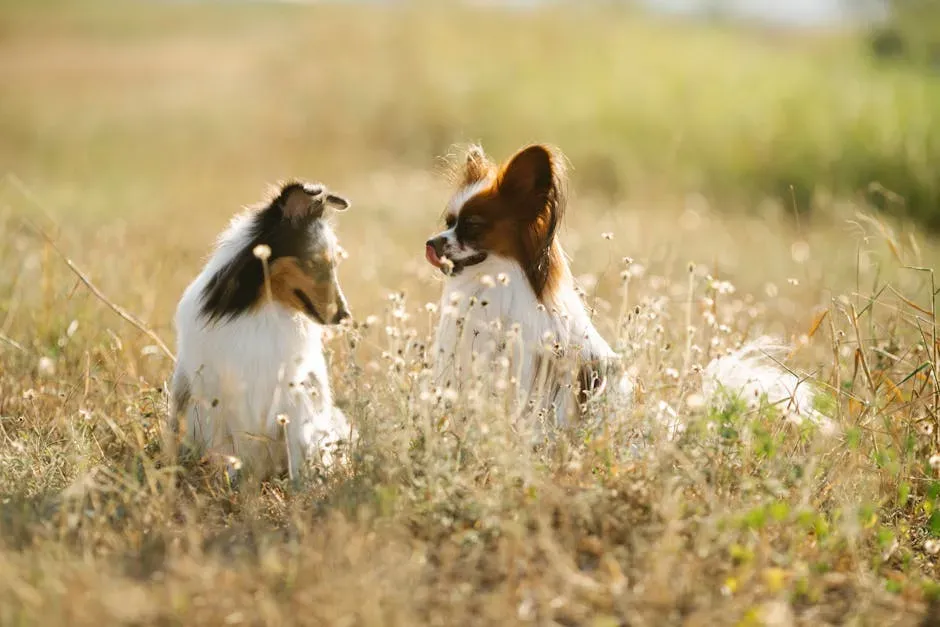
The Papillon is a tiny dog with a huge personality and an unexpectedly sharp mind. Named for their butterfly-like ears, these dogs are usually cheerful, alert, and eager to engage with their people. Despite their small size, they have a big appetite for learning and often excel in obedience and trick training when given the chance.
In basic training, Papillons respond quickly to clear communication and positive rewards. Their sweet, social nature makes them want to be part of everything you do, which you can turn into a training advantage by weaving simple cues into daily life. Because they are small and delicate, they need gentle handling and careful management around rough play, but in the right hands, their combination of affection and trainability is hard to beat.
Pembroke Welsh Corgi
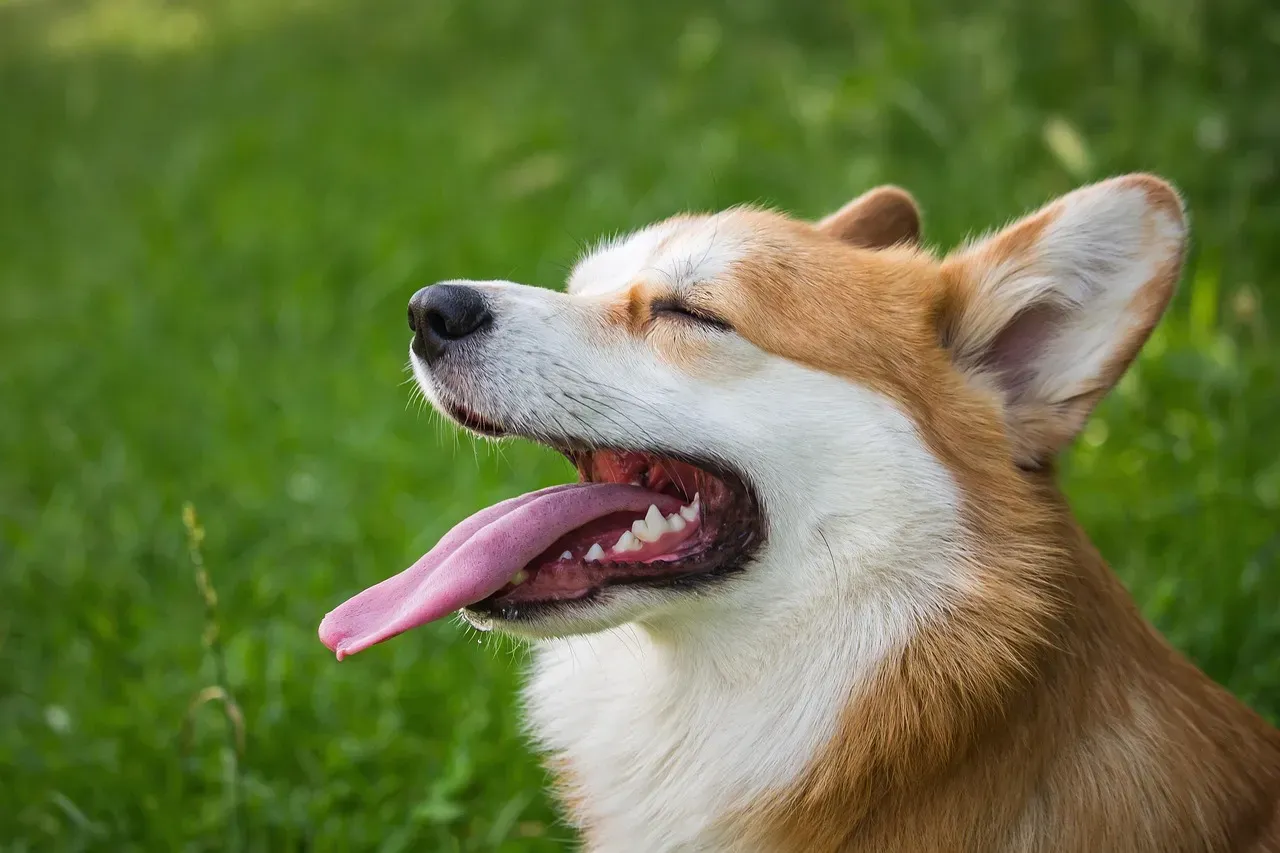
Pembroke Welsh Corgis may have short legs, but their personality and heart are anything but small. Traditionally used as herding dogs, they are alert, bold, and surprisingly affectionate with their families. That herding background also means they enjoy having a job, so learning basic cues often feels like a fun assignment rather than a boring task.
Corgis can have an independent streak and a sense of humor, which sometimes comes across as playful stubbornness. Still, when training is consistent and rewards are meaningful – whether that is food, toys, or praise – they usually respond very well. Many owners find that channeling a Corgi’s natural energy into structured basic obedience and simple games reduces nuisance behaviors like nipping at heels or excessive barking, allowing their sweet, clownish side to come forward.
Bernese Mountain Dog
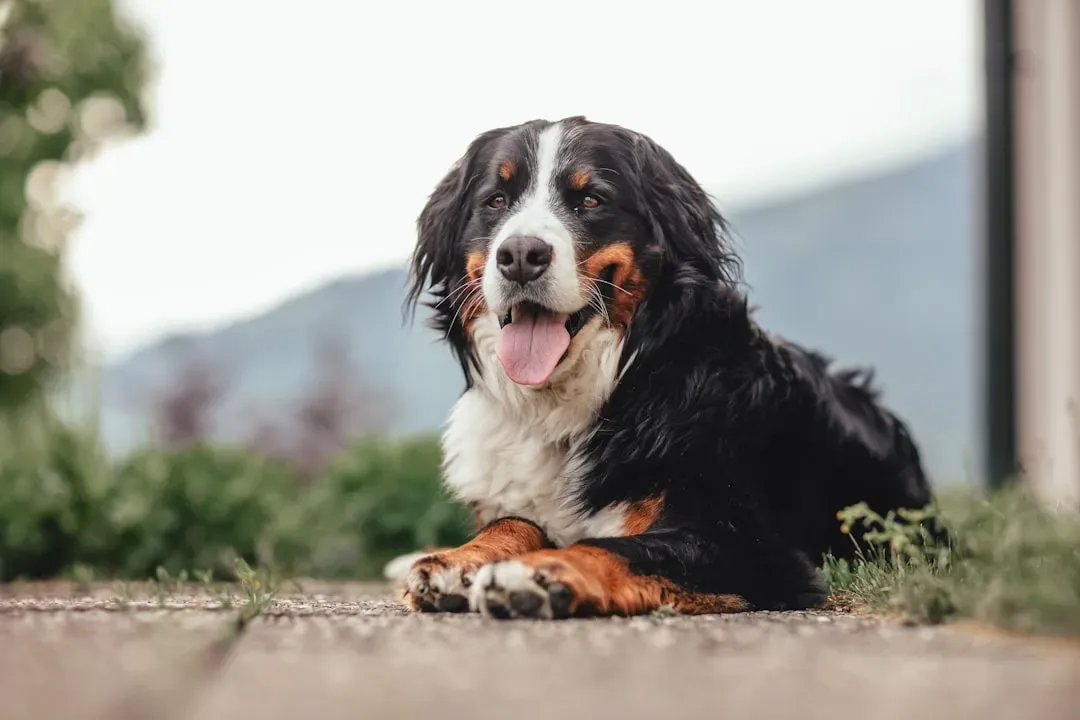
Bernese Mountain Dogs are often described as gentle giants, and that is a fair summary. They tend to be calm, affectionate, and deeply attached to their families. This breed was originally used as a farm helper and draft dog, which required reliability and willingness to work alongside humans, traits that now support their trainability at home.
Because Berners mature slowly and have big, somewhat clumsy bodies in puppyhood, basic training should start early but stay patient and steady. They respond best to calm, positive guidance rather than intense, high-pressure drills. Teaching them simple manners like walking nicely on a leash, sitting politely to greet people, and coming when called helps keep their size manageable and lets their naturally sweet temperament shine without accidentally knocking people over in enthusiasm.
Beagle
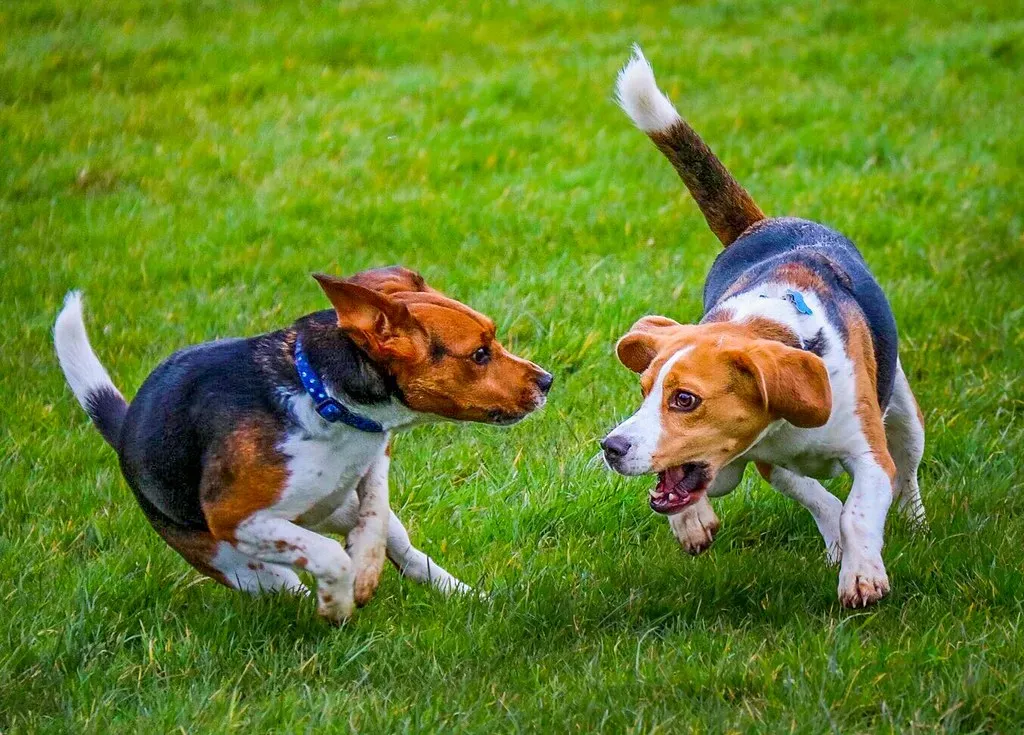
Beagles are often thought of as playful, nose-driven little explorers, and that is absolutely true, but they can also be incredibly sweet and people-friendly. Their charm and fondness for both humans and other dogs make them popular family companions. When it comes to training, the Beagle’s strong food motivation can be a major asset, especially for basic cues and house manners.
However, Beagles do bring a bit of independent spirit, thanks to their background as scent hounds bred to follow their noses. This means basic training works best when you keep sessions short, upbeat, and well rewarded. Their sweetness really shines when owners respect their need to sniff and explore while still enforcing consistent rules. With that balance, Beagles can absolutely learn to respond reliably to everyday commands and become well-mannered, loving house dogs.
Bichon Frise
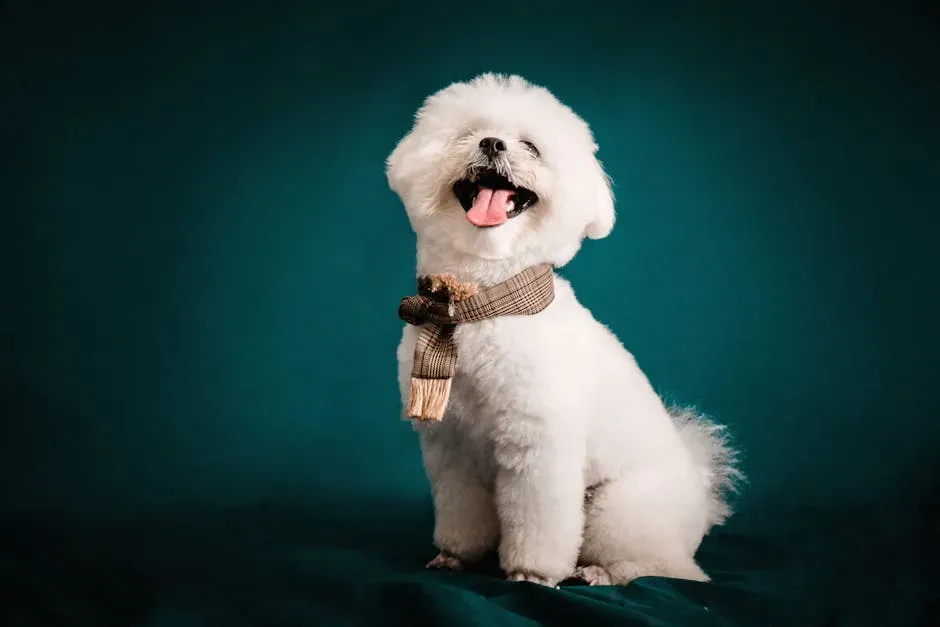
The Bichon Frise is often described as a little comedian, always ready to make people smile. They are typically cheerful, gentle, and affectionate, thriving on human company and attention. That desire to be near their people makes them quite responsive to training, as long as it is positive and engaging rather than stern or repetitive.
Bichons are usually willing to repeat a behavior if it consistently leads to attention, treats, or play, which makes basic cues very teachable. Their soft, social nature also tends to make them friendly with visitors and other pets, but they still need boundaries to avoid becoming overly clingy or vocal. With fair rules and fun, bite-sized training sessions, their sweetness and willingness to cooperate make them excellent companions, especially in smaller homes or apartments.
Why Sweetness and Trainability Both Matter
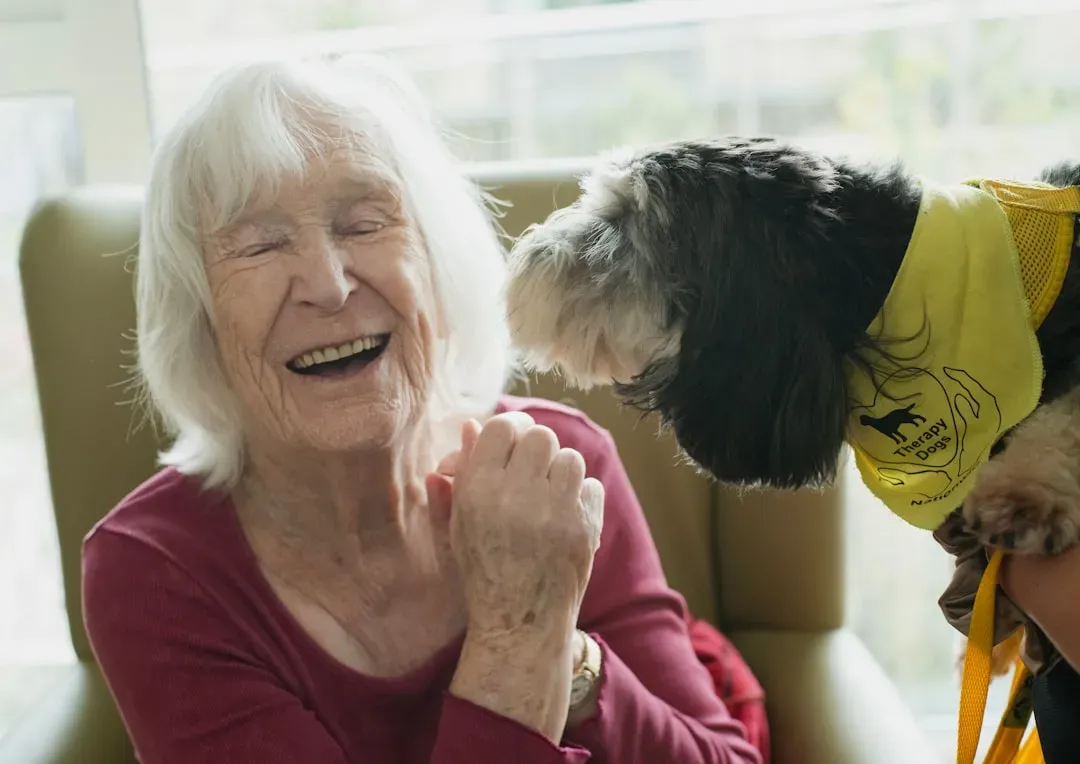
People often focus on looks when choosing a dog, then discover later that temperament and trainability matter far more for day-to-day life. A sweet, people-oriented dog that also responds well to basic training tends to be easier to live with, safer in busy environments, and less stressful during routine tasks like vet visits. That combination is especially important for families with children, first-time owners, or anyone who wants a dog to share the couch with rather than compete in demanding sports.
Of course, even within these famously sweet and trainable breeds, individual dogs vary. Early socialization, consistent routines, and patient, reward-based training matter just as much as genetics. In my own experience, the dogs that become truly unforgettable companions are not the ones with perfect pedigrees, but the ones whose owners put in the time to shape that natural sweetness into good manners and mutual trust. In the end, the real magic happens where kind breeding meets kind training.
Conclusion: The Sweet Spot Between Heart and Mind
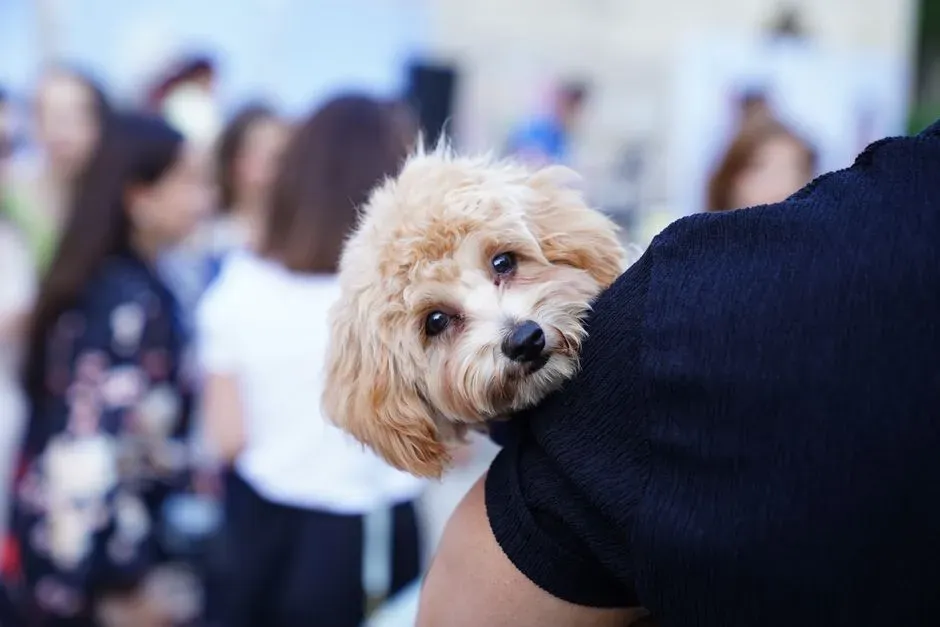
When you look at these ten breeds side by side, a pattern jumps out: the dogs that feel “easy” to live with are rarely just cute or just smart. They tend to combine a naturally gentle, people-focused temperament with a genuine willingness to learn and follow simple cues. That sweet spot between heart and mind is what turns a pet into a real partner, whether you are walking through a crowded park or curling up on the sofa after a long day.
No breed can guarantee perfect behavior, and it would be misleading to pretend otherwise. But choosing a dog from a breed known for both softness and trainability puts the odds on your side, especially when you back that choice with positive training, patience, and realistic expectations. In the end, the sweetest, most trainable dog is often the one whose person shows up every day, treats them fairly, and enjoys the process as much as the outcome. If you had to bet on one quality above all, would you pick raw intelligence, or that deep, quiet desire to stay by your side and listen?


