
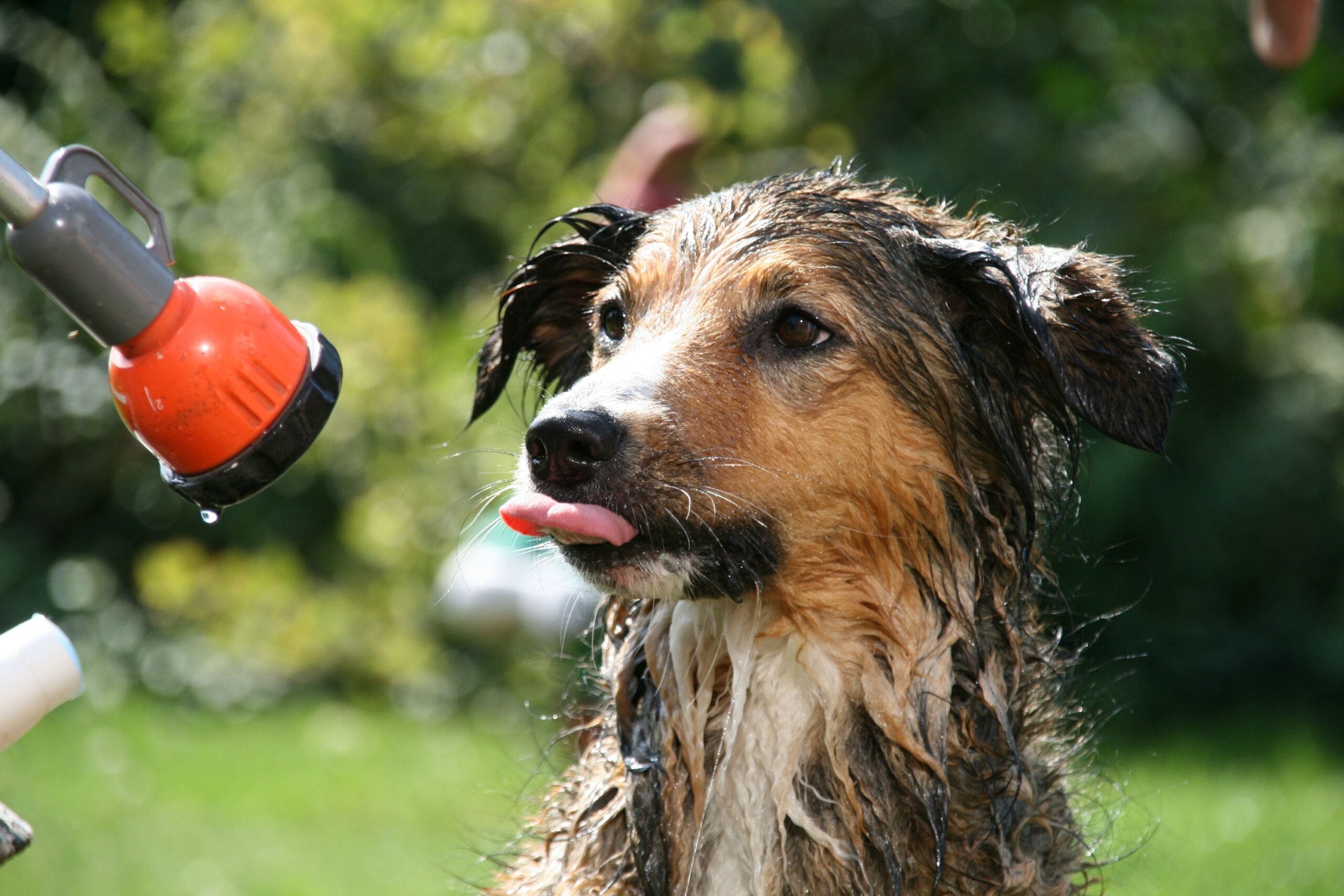
You know that sinking feeling when you see your dog panting hard, tongue bright red, and you suddenly wonder if they’re actually too hot? Most owners truly love their dogs, yet many of the most dangerous overheating mistakes are made with the very best intentions. Cooling a dog seems simple on the surface, but canine bodies don’t work like ours – and that gap between what feels right to us and what actually helps them is where trouble starts.
What surprised me most when I dug into the science is how many “classic” summer tricks are either useless or, in some cases, quietly risky. A wet towel here, a fan there, a quick splash of icy water – it all feels caring, but the real question is whether it helps your dog’s body dump heat fast enough to prevent damage. Let’s walk through the five biggest cooling mistakes experts keep seeing, why they matter, and what to do instead so you’re not guessing when the temperature spikes.
1. Relying on fans like they work the same for dogs as for humans
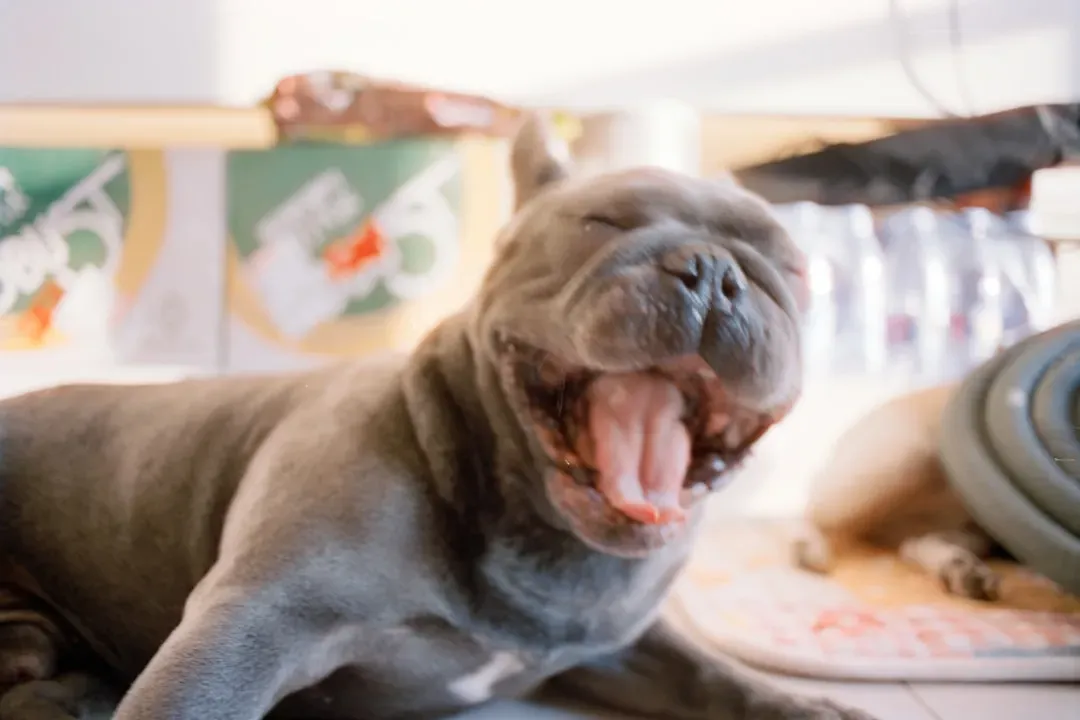
It feels so natural: you turn on a fan, sit your dog in front of it, and assume they’re cooling down like you are. The catch is that the fan mostly cools us because it helps sweat evaporate from our skin, and dogs barely sweat at all. They cool themselves mainly by panting and a bit through their paw pads, so a fan often gives owners a sense of comfort that simply does not match what the dog’s body is experiencing.
Fans can still help, but only under the right conditions. A fan blowing hot air in a stuffy room is basically just a noisy hairdryer to your dog, especially for brachycephalic breeds like pugs and bulldogs who already struggle to pant efficiently. A better approach is to combine air movement with an actually cooler environment: shaded space, lower room temperature, cool tile or a cooling mat, and fresh, cool (not icy) water. Think of the fan as a small bonus, not the main cooling strategy.
2. Using ice-cold water or ice baths and shocking the system
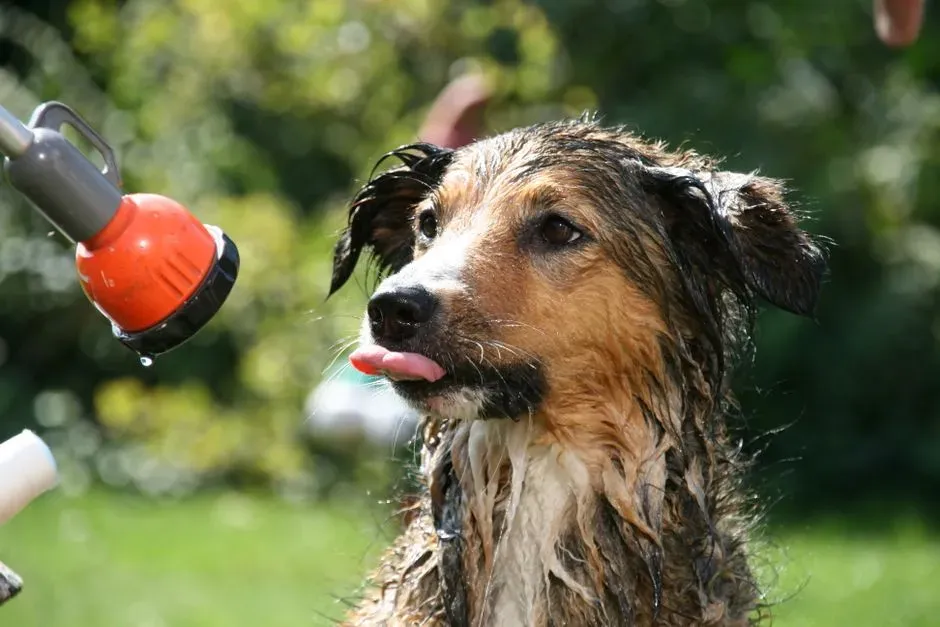
When you see a dog really overheating, it’s tempting to grab the coldest water you can find, or even pack them in ice. That feels logical because with drinks and showers, cold equals relief for us. But when a dog is too hot, very cold water can cause blood vessels at the skin’s surface to constrict, which actually slows heat leaving the body. In serious heat stress, that sudden cold shock can also increase stress and make breathing even more frantic.
Experts tend to recommend cool or slightly lukewarm water, not freezing water, for soaking towels, cooling the paws, belly, groin, and armpits, or spraying the dog down. Short, gentle cooling steps are safer and more effective than one dramatic plunge into an ice bath. If a dog is showing clear signs of overheating – very heavy panting, bright or dark red gums, weakness, confusion, or vomiting – the priority is to start controlled cooling with cool water and get to a vet immediately, not to see how fast you can turn them “cold.”
3. Trusting shade alone and underestimating humidity
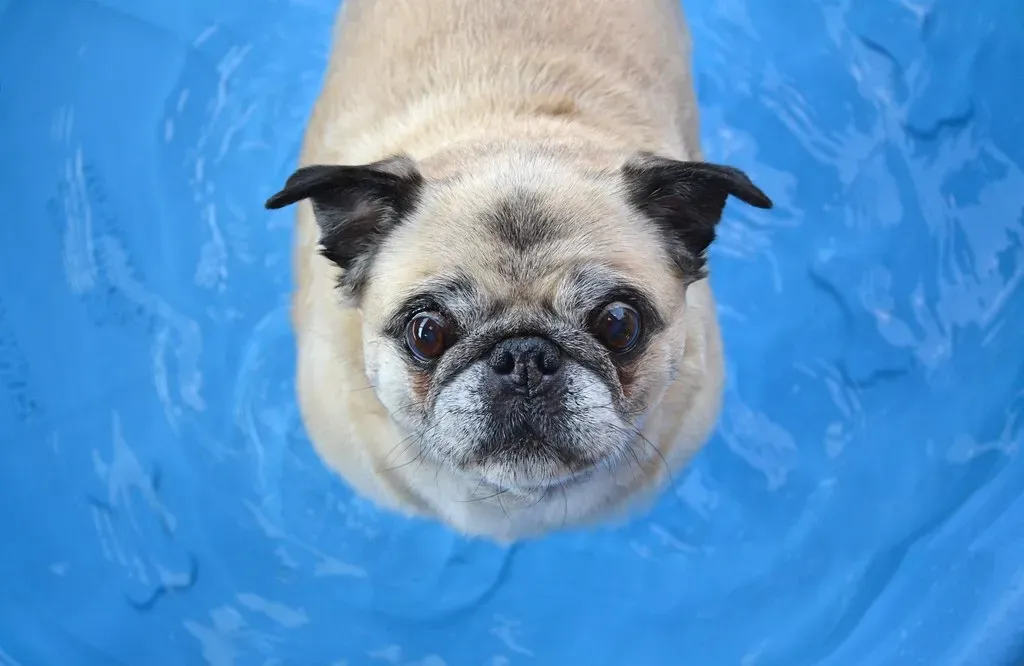
Finding shade absolutely helps, but many owners treat it like a magic shield against heat, and that can be dangerously misleading. On very hot days, shaded concrete, patios, and even artificial turf can still be intensely warm, and dogs sink that heat straight into their bodies through their paws and bellies. If the air is still and humid, panting also stops working as well, because the hot, moist air cannot accept more moisture from the lungs efficiently.
A safer mindset is to treat shade as the minimum baseline, not the full solution. Combine shade with good airflow, cool surfaces, access to indoor cooled areas, and breaks from any kind of exertion. If you step outside and feel like the air is thick, sticky, and hard to breathe, your dog is struggling even more. On those muggy days when it does not cool down much, early-morning or late-evening walks, short play sessions, and intentional indoor enrichment can be the difference between “a bit warm” and a medical emergency.
4. Overestimating how much cooling vests, bandanas, and mats can do
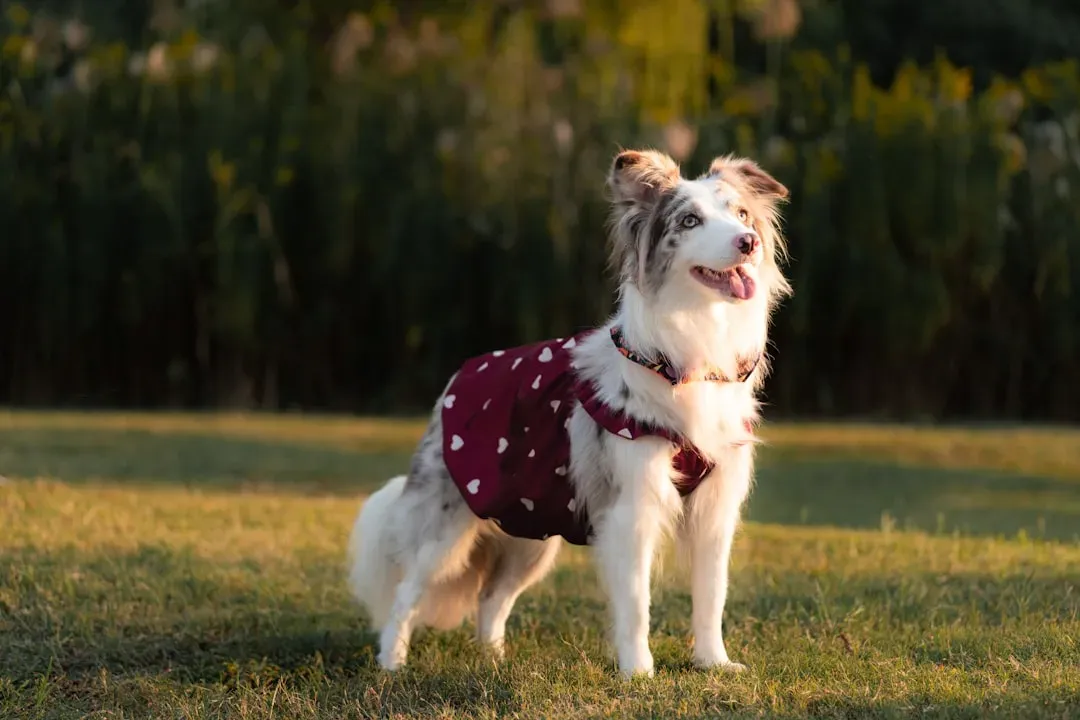
Cooling gear is everywhere now: gel mats, phase-change vests, damp bandanas, cute cooling harnesses. These tools can genuinely help, but a common mistake is treating them like a full solution rather than a modest support. If the dog is still running, playing fetch, or sitting outside in high heat and humidity, a cooling vest is not enough to offset the overall heat load on their body, especially in darker-coated or thick-coated breeds.
The other hidden trap: once the cooling item warms up to the dog’s body temperature or the outside air, it stops cooling and can even become an extra layer of insulation. Owners throw on a vest at midday, feel reassured, and forget to check if it’s still cool thirty or forty minutes later. The smarter way to use these products is as part of a bigger plan: limited time in the sun, frequent shade and indoor breaks, plenty of cool water, and gear that you actively re-wet, re-cool, or rotate out rather than just leaving it on and hoping for the best.
5. Misreading early signs of heat stress and waiting too long
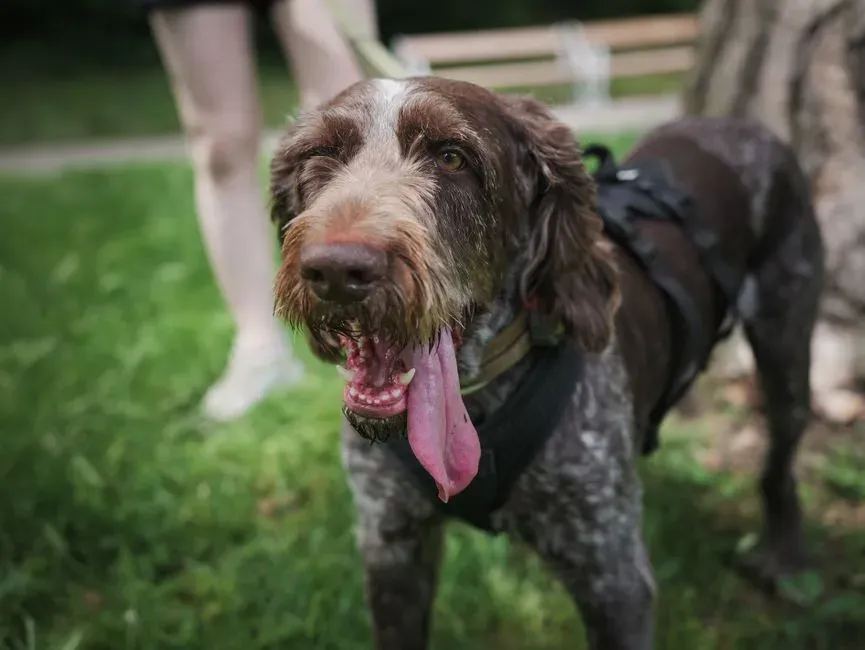
One of the most dangerous mistakes is not about the tools you use, but about timing. Many owners expect overheating to look dramatic from the start, so they dismiss the early signs as “just a bit hot” or normal panting. In reality, by the time a dog collapses or becomes glassy-eyed and unsteady, things are already serious and can move into life-threatening territory very quickly. Dogs are also incredibly eager to please, so they will often keep going for a ball, a run, or a hike long after their body is under real strain.
It helps to get specific with yourself about what is normal for your dog and what is not. If the panting is louder, more intense, or continues long after exercise stops; if gums look unusually bright red or dark; if the dog seems reluctant to move, slows down, or acts a bit confused; those are red flags, not quirks. In my own life, the times I almost pushed a dog too far were nearly always when I told myself “just a bit longer” instead of listening to those subtle early warnings. Choosing in that moment to cool, rest, or go home is often the quiet, unglamorous decision that saves a life.
Conclusion: Cooling your dog is not about tricks – it is about respect for their biology
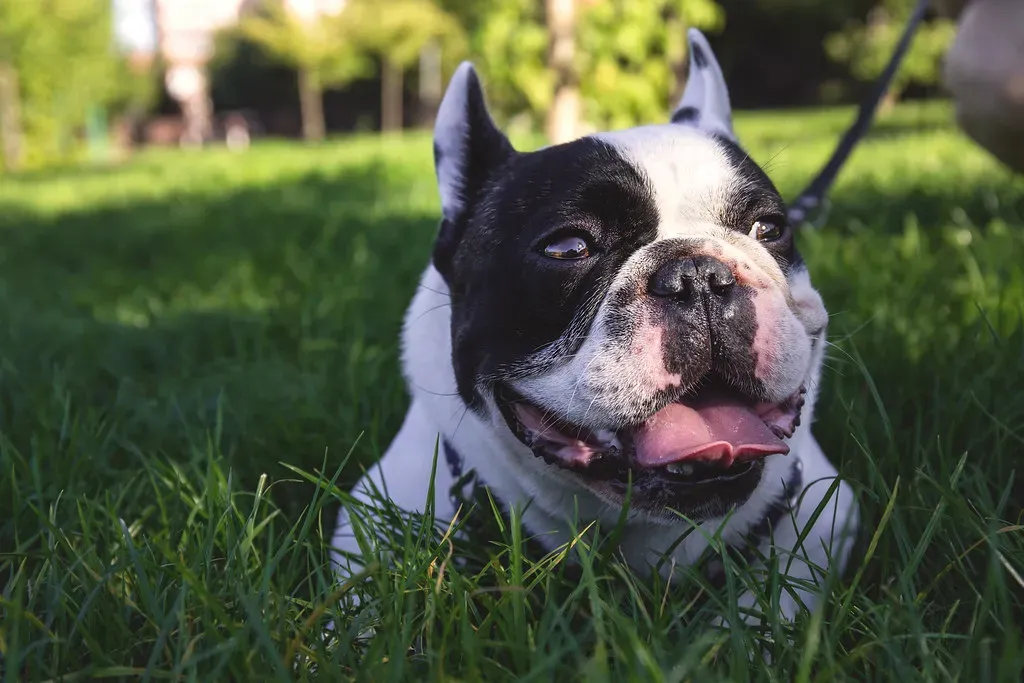
When you step back, a pattern appears across all these mistakes: we project our own sense of comfort onto an animal whose body works very differently. Fans, ice, shade, trendy cooling gear, and “they seem fine” instincts all come from a place of care, but good intentions do not change physiology. Dogs cool themselves mainly by panting, they overheat faster than we do, and they cannot tell us with words when they are in the danger zone – that responsibility lands squarely on us.
My opinion, after years of living with dogs and digging into the science, is that we should treat heat the way we treat traffic: something we assume is dangerous until proven safe, not the other way around. That means shorter walks on hot days, boring decisions like skipping midday fetch, watching humidity as carefully as temperature, and using every tool – water, shade, gear, vet care – as part of a thoughtful plan instead of a quick fix. In the end, keeping a dog cool is really about choosing their long-term health over our short-term desire to stick to the plan or squeeze in “one more” activity. Next time the temperature spikes, will you do what feels normal to you – or what your dog’s body actually needs?


