
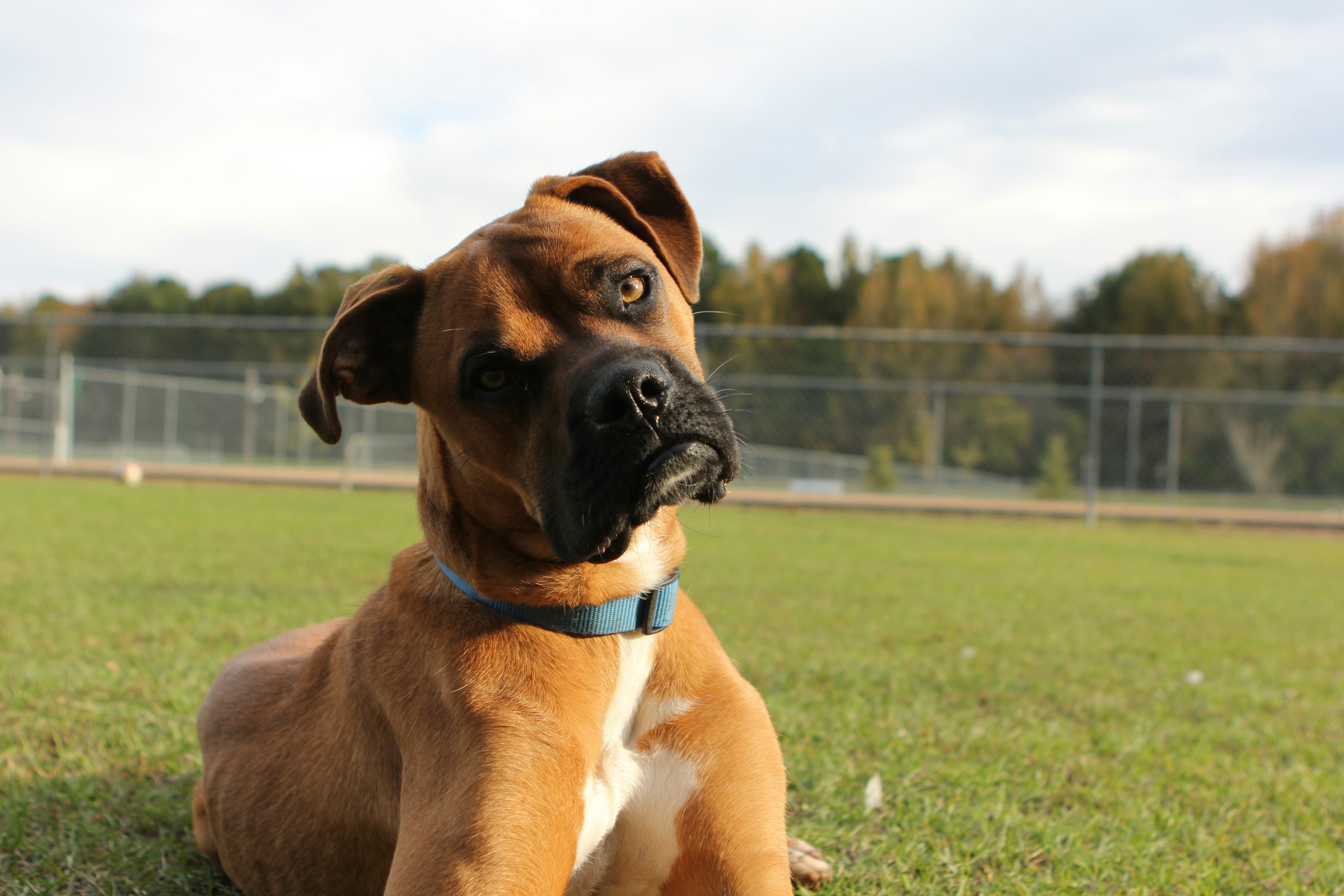
If you live with a dog, you probably know that moment: you say something in that silly voice you swear you never use in public, and your dog freezes, locks eyes with you, and tilts their head as if you’ve just revealed a wild secret. It feels intentional, almost human, like they’re really trying to understand you. That tiny motion has launched a thousand viral videos and just as many theories from dog owners who are convinced their pup is basically fluent in English.
What makes it even more fascinating is that scientists still have not completely nailed down the exact reason dogs do this. The current thinking is that head tilting may help dogs localize sounds more precisely and also get a better view of your mouth and facial expressions. But the full picture is still being pieced together. Let’s dig into what researchers do know so far, what they’re still debating, and how much of this charming behavior might actually be your dog working hard to read you like a book.
The Adorable Mystery: Why Head Tilting Still Isn’t Fully Explained
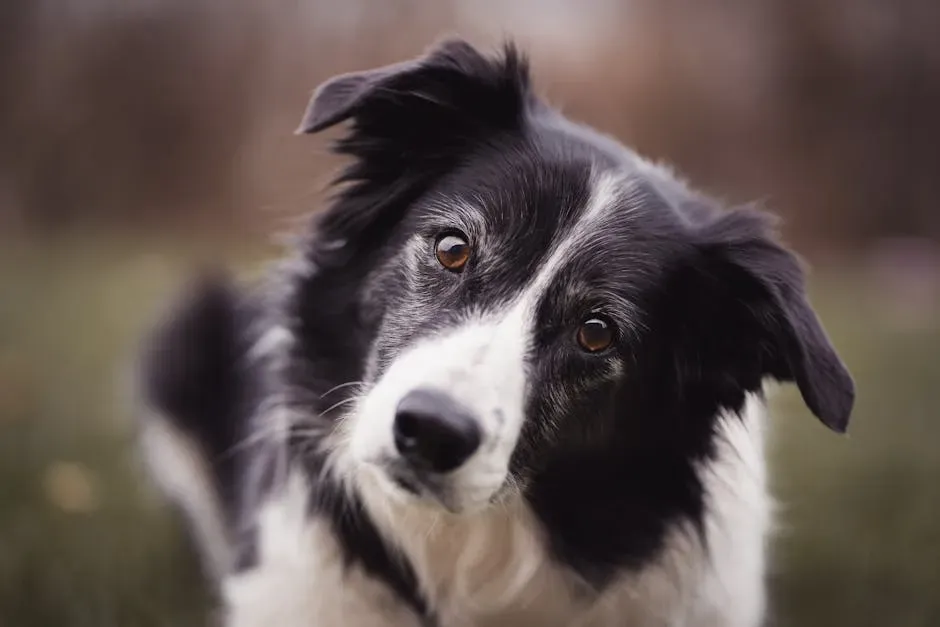
It’s almost shocking that in 2026, with dog DNA mapped and smart collars tracking everything from heart rate to sleep patterns, we still can’t say with absolute certainty why dogs tilt their heads. Researchers have ideas and some promising data, but no single, universally accepted answer. That alone tells you this behavior is more complex than it looks, and probably not just a cute quirk for social media.
Part of the challenge is that dogs are incredibly individual. Some tilt constantly, some only with certain words, some hardly ever. That variation makes it tricky to run neat, clean experiments and come away with a simple conclusion. So right now, scientists talk about likely explanations and contributing factors rather than one magic reason. The best-supported ideas point toward a mix of sound processing, visual access to your face, and learned association with attention and rewards.
Sound Science: How Tilting May Help Dogs Pinpoint Where Your Voice Comes From
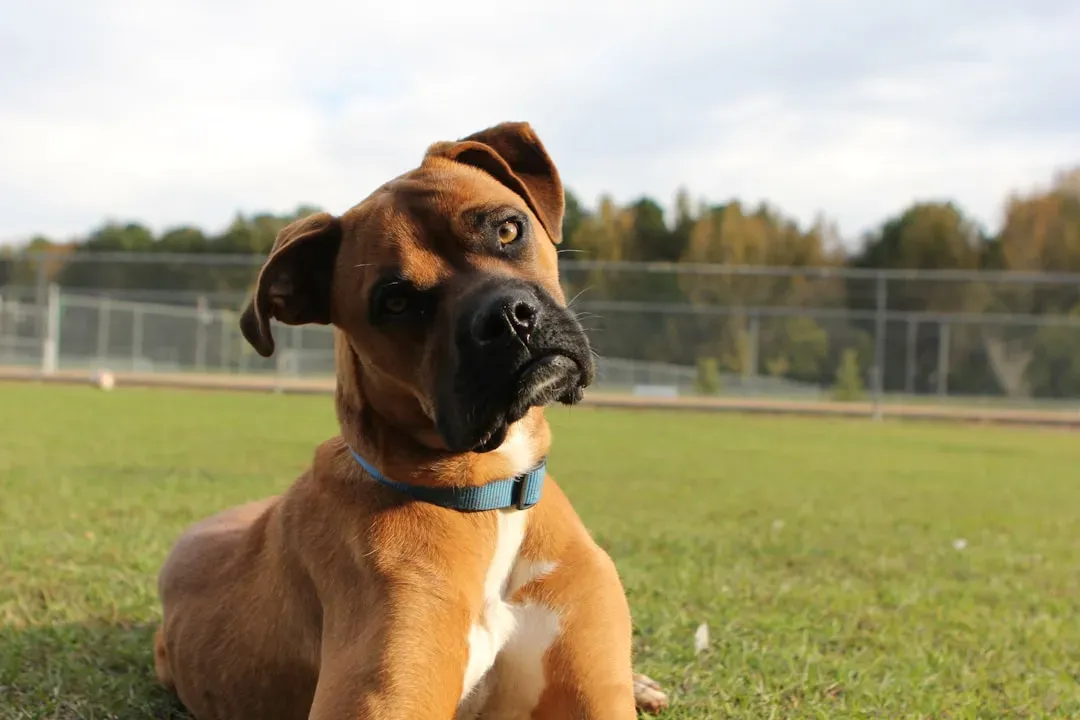
One of the strongest theories is that dogs tilt their heads to help their brains better figure out where a sound is coming from. When a dog moves or tilts their head, the sound reaches each ear at slightly different times and intensities. That change can give the brain extra information to work with, like when you lean closer to a speaker at a noisy party to really focus on someone’s voice. In other words, that tilt might be your dog turning up the resolution on your speech.
Think about how often head tilts happen when you use a specific tone, say certain words, or ask questions like “Want to go for a walk?” Dogs are especially tuned in to the sounds that matter to them: their name, happy voice, signals that predict fun or food. Tilting could be a way of finely adjusting their “sound radar” to lock onto what you’re saying, especially if there are other noises in the background. It is not proof that your dog understands every word, but it does suggest they’re working hard to decode what they hear.
Seeing Your Face Better: The Visual Side of the Head Tilt

Another compelling idea is that the head tilt helps dogs see our faces and mouths more clearly, especially if their muzzle partially blocks their view. For many dogs, the shape of their snout can make it harder to see the lower part of the human face straight on. By shifting their head, they might be adjusting their line of sight to catch your eyes, lips, and overall expression more accurately. It’s a bit like you leaning around someone at the movie theater when a tall person sits in front of you.
Humans send out a ridiculous amount of information through tiny changes in our faces. We smile, raise eyebrows, widen eyes, and shape our mouths differently depending on what we’re saying. Dogs are surprisingly good at reading these cues and pairing them with tone of voice and context. A head tilt aimed at your face could be your dog’s way of gathering more visual data so they can better guess what happens next: playtime, food, or maybe just more weird talking from their favorite human.
Reading You Like a Book: Dogs and Human Emotional Signals
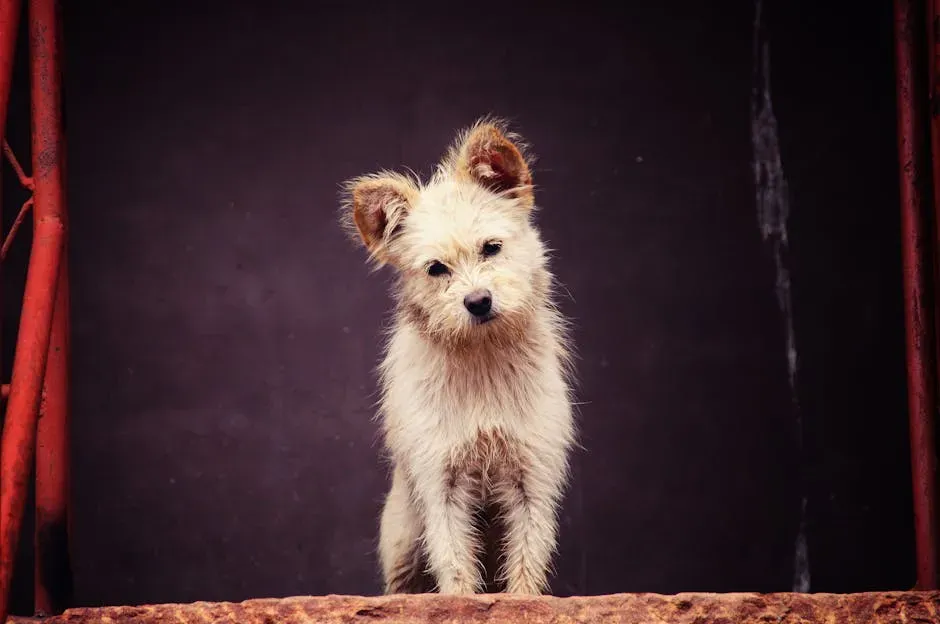
Beyond just seeing and hearing better, head tilting seems closely tied to emotional communication. Many owners notice their dogs tilt their heads most when they speak in an emotional way, whether that’s excitement, concern, or that classic baby-talk tone people often use with pets. Dogs have lived alongside humans for thousands of years, and they’ve become incredibly skilled at reading our feelings, sometimes better than we are at reading our own.
Head tilting might be part of that emotional decoding. When your dog tilts, stares at you, and listens closely, they could be checking in: are you okay, are we about to do something fun, do you need comfort, or are you just being dramatically weird again? It’s not over-romanticizing it to say the tilt can be a sign of engagement and emotional attunement. That is one reason it hits people so hard; it feels like the dog is not just hearing sounds, but genuinely trying to connect.
Learning What Works: How Your Reactions Shape the Head Tilt
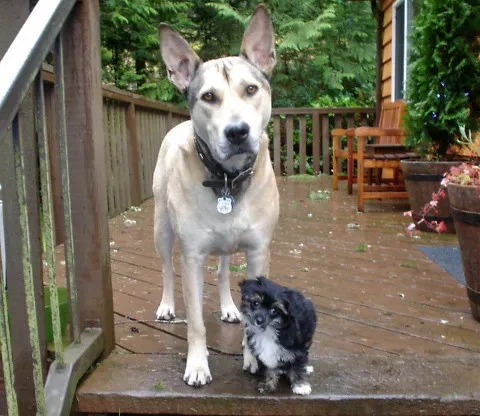
There’s also a very down-to-earth, behavioral piece to all this: we reward head tilts constantly, often without realizing it. When a dog tilts their head, humans usually react with praise, laughter, attention, maybe a treat, or an invitation to play. Over time, many dogs learn that this specific little movement gets them good things. They may start offering a tilt more often in situations where they expect a response, especially when you talk in a fun or exaggerated way.
This does not mean the tilt is fake or meaningless. It just means that on top of the sound and visual benefits, the behavior is being reinforced. Dogs are experts at repeating whatever behavior gets them a positive outcome, and head tilting is basically a jackpot behavior in most homes. From a dog’s perspective, it is a low-effort move with a high payoff: better information for their senses, plus a burst of affection from their favorite person.
Not Every Dog Tilts: Breed Differences, Personality, and Context
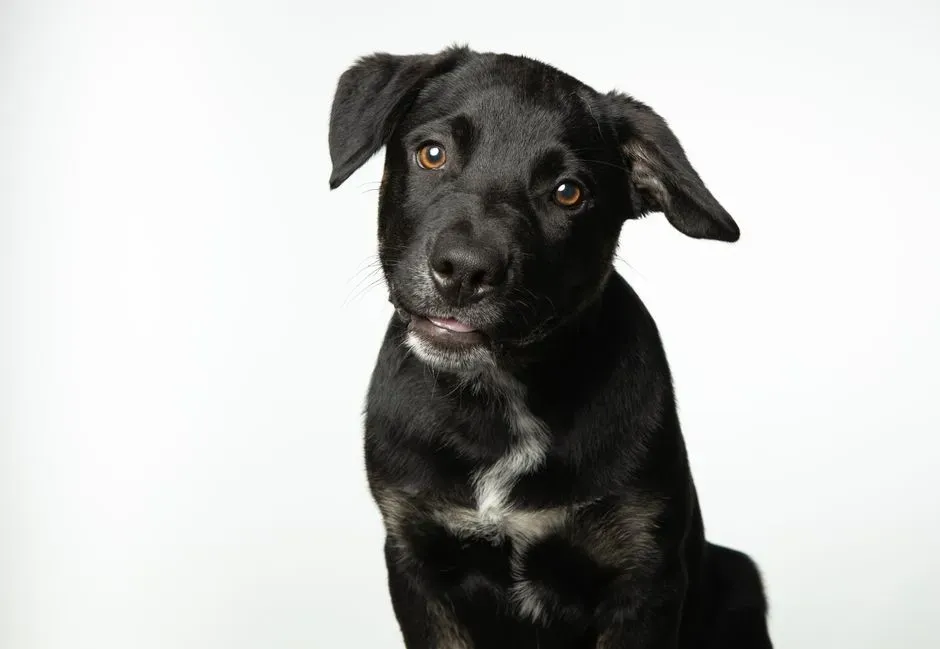
If your dog almost never tilts their head, it does not mean they are less smart or less bonded to you. Some research and a lot of owner reports suggest that head tilting can vary by breed, muzzle length, ear shape, and even individual personality. Dogs with longer snouts or droopy ears might tilt more often simply because they get a bigger benefit from changing head position, while flat-faced dogs might not need to adjust as much to see or hear you clearly.
Personality matters too. More cautious, thoughtful, or highly focused dogs might tilt their heads more often when they are processing something new. Goofy, impulsive dogs might just bounce straight into action instead of pausing to tilt and think. Context plays a role as well: you are more likely to see tilting when you say specific words your dog finds meaningful, use a high-pitched tone, or introduce an odd, unfamiliar sound. So if your dog is not a big tilter, that is still completely normal; they may just process you in a slightly different style.
Opinionated Take: What Head Tilting Really Says About Our Bond With Dogs
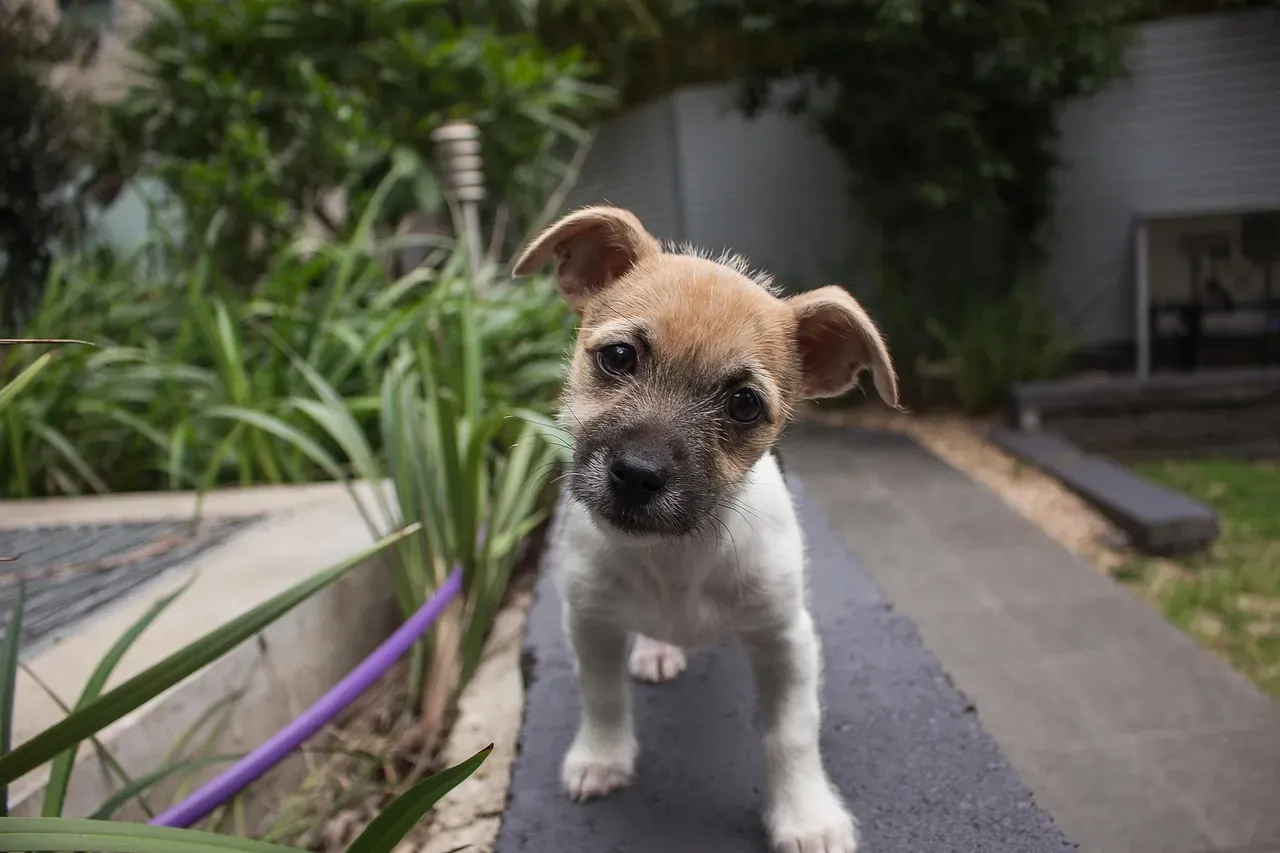
Here is my honest opinion: even if science never lands on a single, perfect explanation, the head tilt has already told us something huge about dogs. It shows how deeply tuned they are to human communication, far beyond what we see in almost any other animal living in our homes. Whether they tilt to sharpen their hearing, see our faces better, or because we have accidentally trained them to do it, the behavior exists because being in sync with us matters to them.
Head tilting is not proof your dog understands every word, and it is not some magical sign of genius, but it is a small, visible window into how hard they are trying to meet us halfway. To me, that is the real story: dogs are constantly adjusting their bodies, their senses, and even their learned habits just to understand the strange, noisy primates they chose to live with. The next time your dog tilts their head at you, maybe see it as a tiny act of effort and partnership rather than just a cute trick. In the end, isn’t that what we really wanted from dogs all along – someone who is truly trying to listen?


