
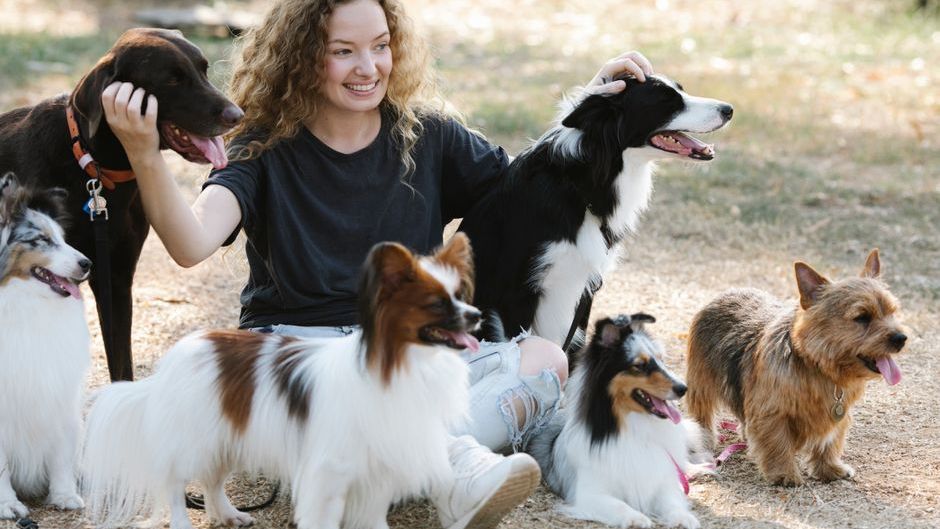
Why Your Dog Freezes During Hugs
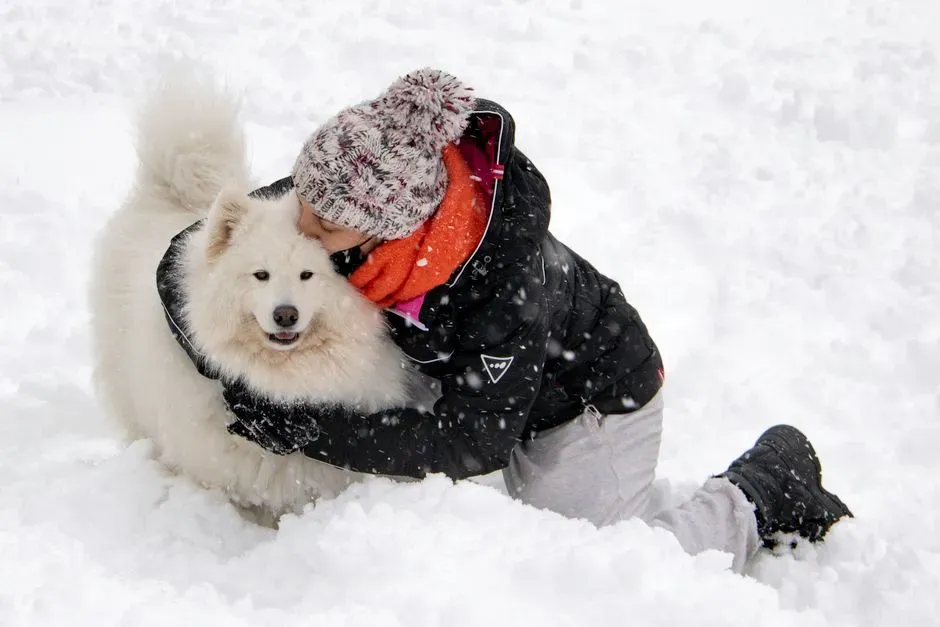
Ever noticed your dog stiffen up when you wrap them in a warm embrace? While we humans see hugs as a universal sign of affection, our canine companions might interpret them quite differently. Dogs are naturally wired to flee from threats, and a hug, which restricts their movement, can trigger a stress response. This immobilization can make them feel trapped, leading to that frozen posture you observe.
Research supports this reaction. In a study analyzing 250 photos of people hugging their dogs, over 80% of the dogs displayed signs of discomfort or stress. These signs included turning their heads away, showing the whites of their eyes, or lowering their ears. It’s a clear indication that, for many dogs, hugs aren’t the comforting gestures we intend them to be.
Decoding Canine Body Language
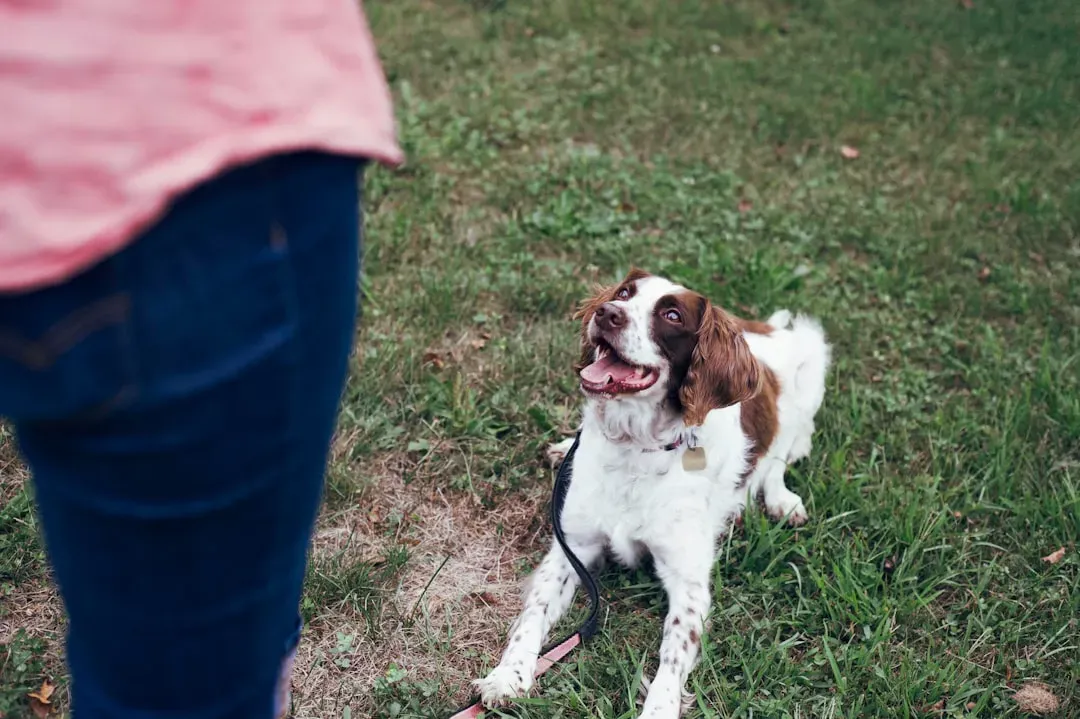
Understanding your dog’s body language is crucial to gauge their comfort levels. When a dog feels uneasy, they might exhibit subtle signs that are easy to overlook. For instance, a dog might yawn, lick their lips, or avoid eye contact when they’re stressed. These behaviors are their way of communicating discomfort.
On the flip side, a relaxed dog will have a loose body posture, wagging tail, and soft eyes. Recognizing these cues can help you determine whether your dog is enjoying an interaction or merely tolerating it. By paying close attention, you can ensure that your expressions of affection align with your dog’s comfort zone.
The Evolutionary Perspective
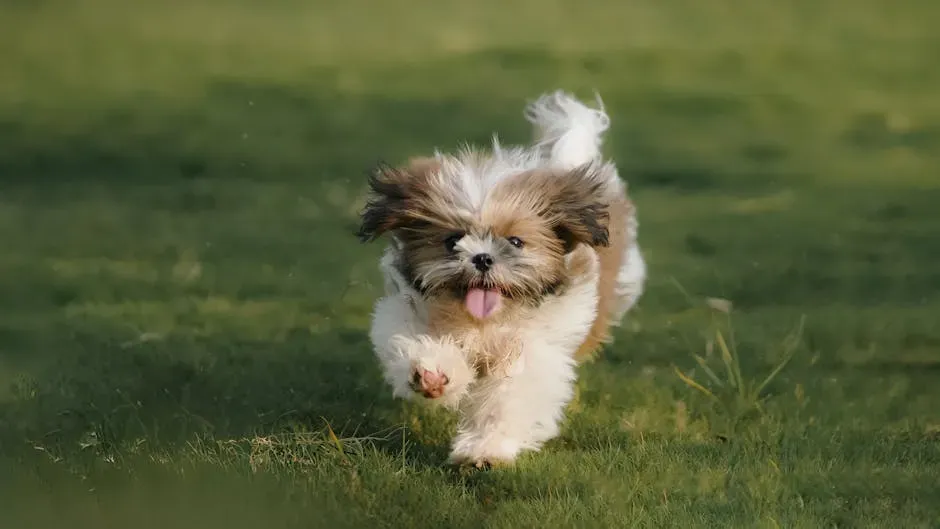
From an evolutionary standpoint, dogs are cursorial animals, meaning they’re built for swift running. This trait is a survival mechanism, allowing them to escape potential threats quickly. When we hug them, we’re essentially restricting this natural flight response, which can induce anxiety.
In the wild, close physical contact among dogs is often associated with dominance or aggression, not affection. So, when we envelop them in a hug, they might misinterpret our intentions, leading to stress or even defensive behaviors. It’s essential to remember that our ways of showing love don’t always translate seamlessly into the canine world.
Alternative Ways to Show Affection
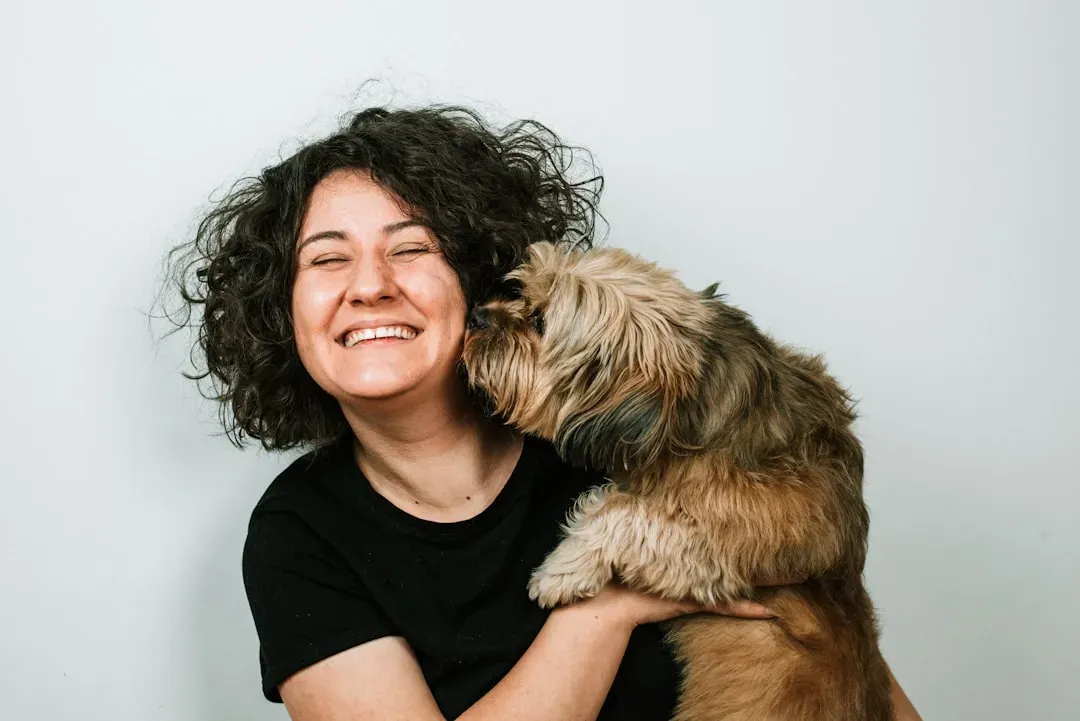
So, if hugs aren’t the best way to express love to your dog, what is? There are numerous dog-friendly ways to show affection that they’ll appreciate. Gentle petting, especially in areas they enjoy, like behind the ears or along the back, can be very soothing. Engaging in playtime, whether it’s a game of fetch or tug-of-war, also strengthens your bond.
Training sessions using positive reinforcement not only teach your dog new skills but also build trust and mutual respect. Even simply spending quality time together, like going for walks or relaxing side by side, can convey your affection in a way that resonates with them.
Recognizing Individual Preferences
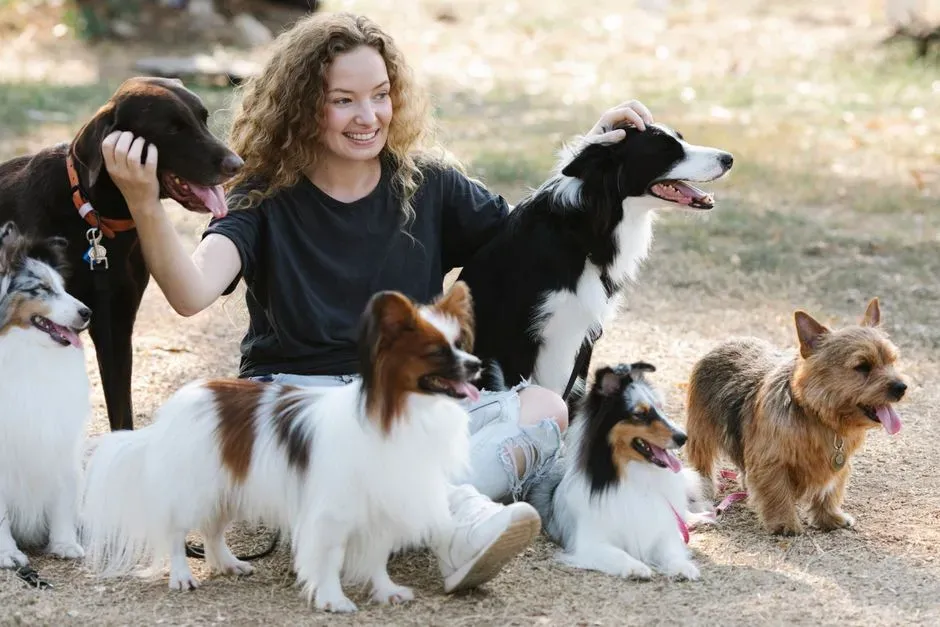
Just like humans, every dog is unique. While some might tolerate or even enjoy hugs, others might find them distressing. It’s essential to recognize and respect your dog’s individual preferences. Forcing interactions they’re uncomfortable with can erode trust and potentially harm your bond.
By observing your dog’s reactions and adjusting your behavior accordingly, you demonstrate respect for their feelings. This mutual understanding fosters a deeper, more trusting relationship between you and your furry friend.
The Risks of Forcing Hugs
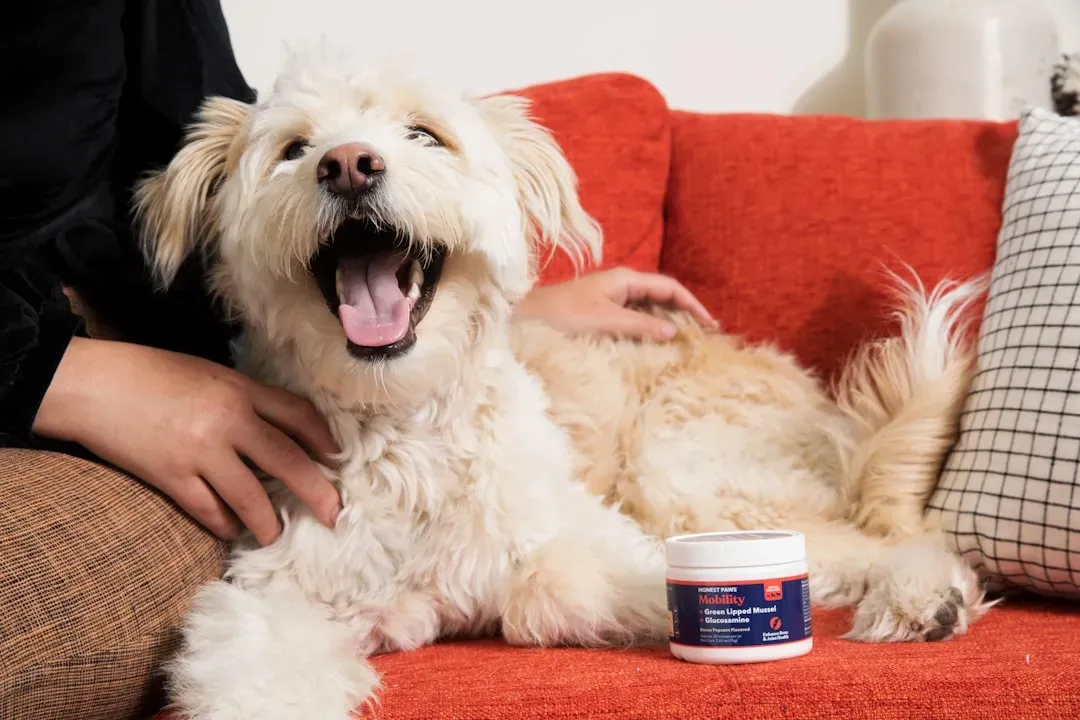
Insisting on hugging a dog that clearly dislikes it can have unintended consequences. Beyond causing immediate stress, it can lead to behavioral issues over time. A dog that’s consistently placed in uncomfortable situations might become anxious, withdrawn, or even aggressive.
Moreover, repeated exposure to unwanted hugs can make a dog less likely to seek out interactions with you, weakening the bond you share. It’s crucial to prioritize your dog’s comfort and well-being over our human inclinations to hug as a sign of love.
Building a Trusting Relationship
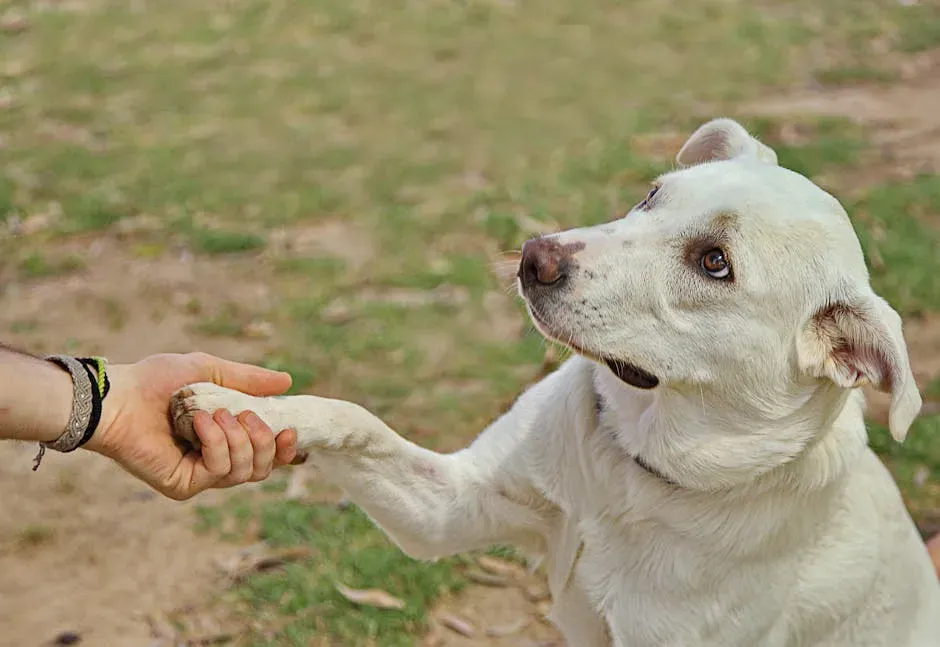
At the heart of any strong human-dog relationship is trust. By respecting your dog’s boundaries and understanding their unique ways of expressing and receiving affection, you lay the foundation for a lasting bond. This means being attentive to their cues, providing positive experiences, and ensuring they feel safe and loved in ways they understand.
Remember, love isn’t about imposing our ways onto others but about finding common ground where both parties feel valued and understood. In the case of our canine companions, this means embracing their language of love, even if it doesn’t involve hugs.
Conclusion

While our intentions are pure, hugging our dogs might not be the best way to show affection. Recognizing and respecting their comfort levels ensures a stronger, more trusting bond. After all, isn’t understanding and mutual respect the true essence of love?


