
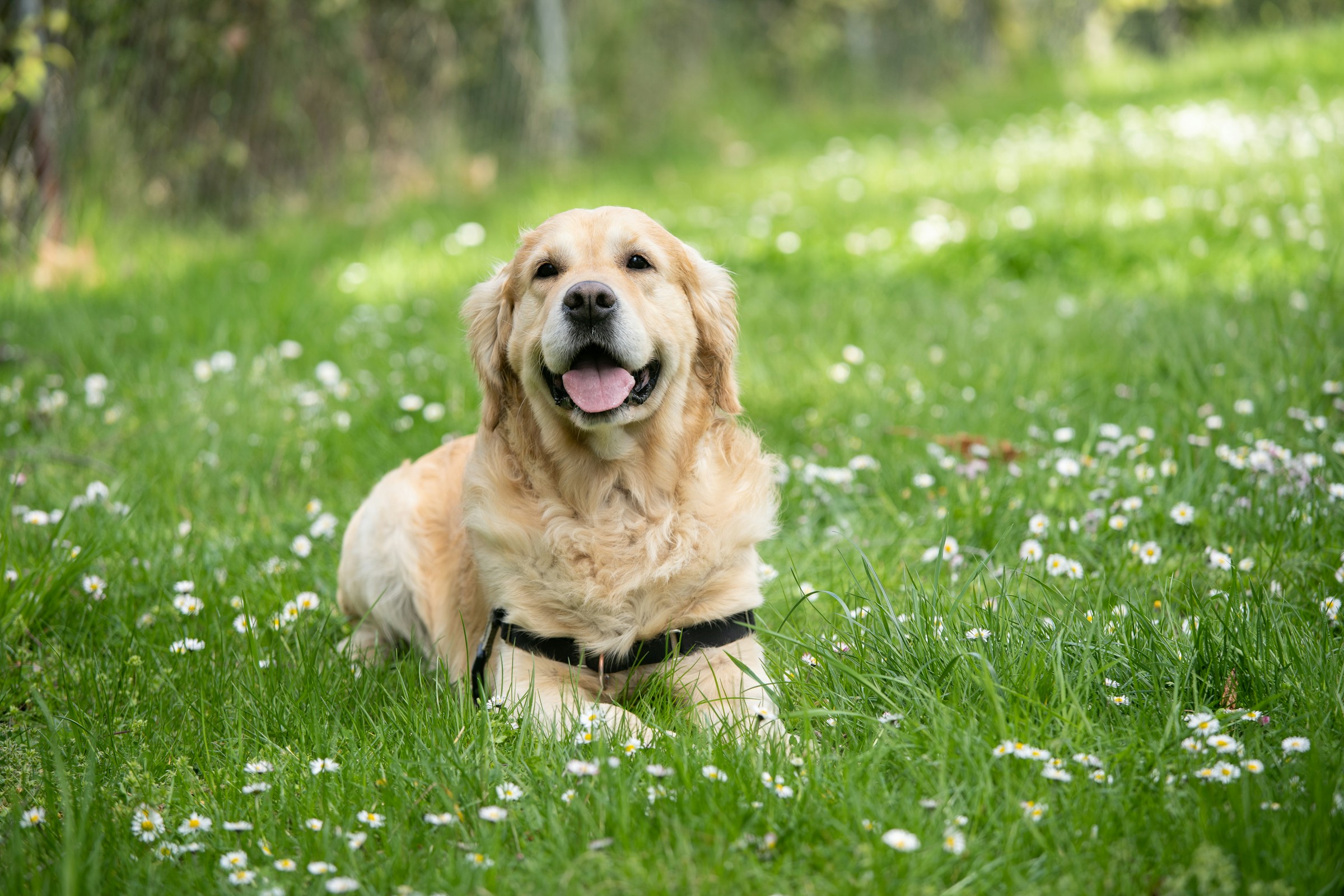
If you feel like you see Labs everywhere these days, you’re not imagining it. Labrador Retrievers have been one of America’s favorite dogs for decades, and in some pockets of the country, they practically feel like the unofficial state animal. From lakeside cabins and duck blinds to minivans and city dog parks, Labs show up wherever people want a friendly, sturdy, go‑anywhere companion.
But some states are especially Lab‑obsessed. While there’s no single perfect national census of dog breeds by state, patterns from registration data, veterinary reports, adoption trends, and even pet insurance and search data all point in the same direction: certain regions are absolutely dominated by Labrador love. Let’s walk through the states where Labs rule, why they fit so well there, and what that says about how Americans really live with their dogs.
Why Labrador Retrievers Dominate So Many States
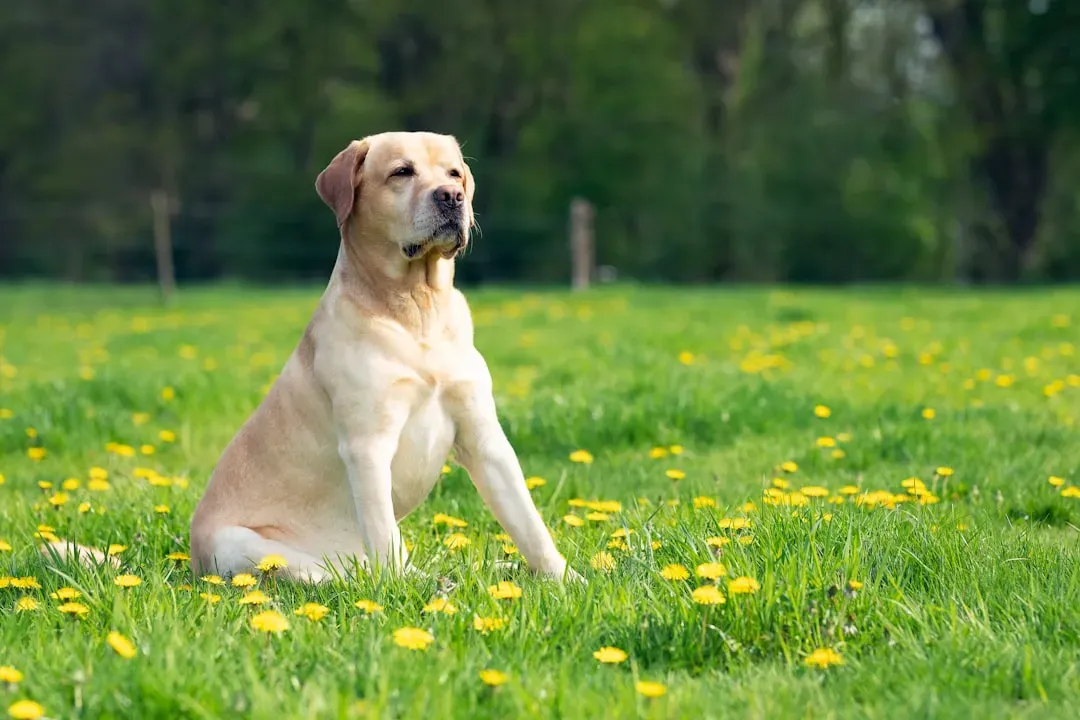
Before calling out specific states, it helps to understand why Labs rise to the top again and again. They’re sturdy, medium‑large dogs that can keep up with active families, tolerate cold water, and still curl up on the couch at night. They tend to be food‑motivated, people‑oriented, and easier to train than many other popular breeds, which makes them a natural fit for first‑time dog owners and busy households.
On top of that, Labs have a long history as working dogs in North America: hunting, retrieving, and later serving as guide dogs, detection dogs, and search‑and‑rescue partners. Once a breed becomes that visible in daily life, momentum builds. Friends get Labs because they saw one in action. Neighborhoods fill up with them. Entire regions become known for labs on boats, labs on farms, labs at the school bus stop. That snowball effect is a big part of why certain states are so saturated with them.
Texas: Big State, Big Love For Big Dogs
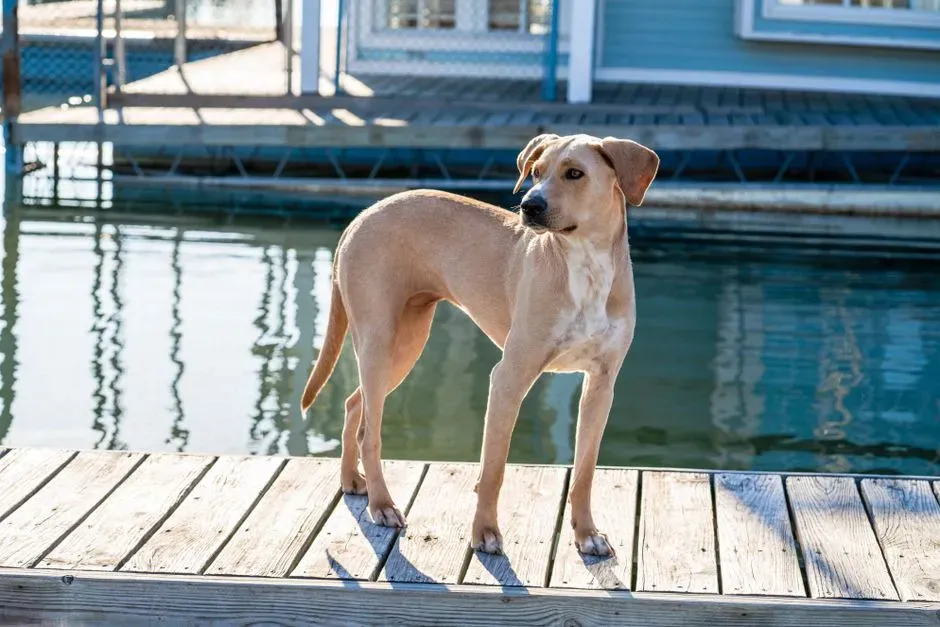
Texas is huge, and so is its affection for Labrador Retrievers. With vast rural areas, strong hunting traditions, and lots of families who value an athletic, tough, but friendly dog, Labs fit right into the Texas lifestyle. You’ll find them riding in pickup trucks down dusty roads, crashing into stock tanks and lakes, or sprawled under the porch after a long day outside.
Urban Texas is no exception. In cities like Dallas, Houston, and Austin, Labs are everywhere in apartment complexes, dog parks, and suburban cul‑de‑sacs. They’re big enough to feel like real dogs but adaptable enough to live in a busy, more crowded environment, which is a powerful combo. In a state that leans hard into “go big or go home,” a medium‑large, fun‑loving dog that can do nearly anything understandably becomes the default family choice.
California: Labradors On The Beach, In The Mountains, And Everywhere In Between
California is famous for its mix of surf culture, outdoor fitness, and family‑friendly suburbs, and Labrador Retrievers slide into that picture almost too perfectly. Head to a coastal trail or dog‑friendly beach and you’ll see Labs charging into waves, chasing tennis balls, and making instant friends with strangers. They have the energy to keep up with hikers, runners, and paddle‑boarders, but the chill temperament to hang with kids at home afterwards.
At the same time, California’s size and population mean that even a moderate preference for Labs can put the state near the top in sheer numbers. From tech professionals in the Bay Area to families in the Central Valley and retirees along the coast, many people want a dog that’s robust, trainable, and easygoing around visitors and neighbors. The result is that Labs quietly become part of the background of everyday life in California, like Subarus and reusable water bottles: you stop noticing how many there are until you really start counting.
Florida: Labs In The Land Of Lakes And Backyards
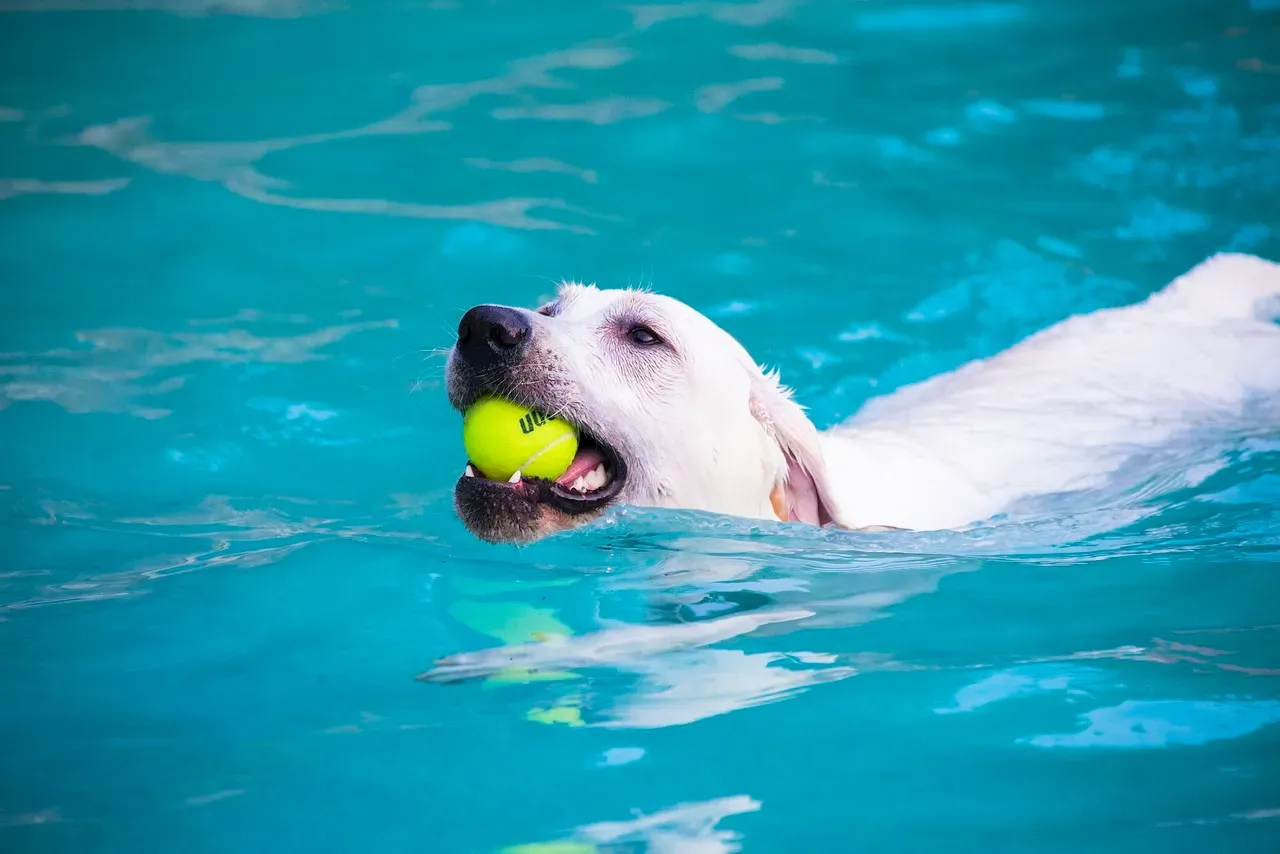
Florida, with its warm weather and endless water, is Lab heaven. There are freshwater lakes, canals, and ponds seemingly everywhere, and plenty of people who fish, boat, or just like hanging out by the water. A dog that loves to swim, retrieve, and tolerate the heat naturally flourishes here, even if you have to be a bit more cautious about wildlife than in some northern states.
Beyond the water, Florida’s suburban sprawl is a huge factor. Many neighborhoods are built around single‑family homes with yards, which is exactly the environment where medium‑large family breeds thrive. Between snowbirds, retirees settling down, and multi‑generation families, Labs often become the glue dog: active enough for the younger crowd, gentle and loyal enough for older adults who want a companion. If you’ve ever walked a Florida subdivision at sunrise, you’ve probably passed more than one tail‑wagging Lab pulling its human toward the nearest lake.
Midwestern Strongholds: Minnesota, Wisconsin, And Michigan

Move north into the Upper Midwest and Labs feel almost inevitable. States like Minnesota, Wisconsin, and Michigan are full of lakes, cabins, hunting grounds, and snowy winters that reward a dog with a double coat and a love of the outdoors. Labs are bred for cold water retrieves and long days in the field, so it’s no surprise they’ve become the go‑to dog for duck hunters and weekend anglers alike in this region.
There’s also a strong cultural match. Many communities in these states value practical, friendly, no‑nonsense dogs over more delicate or high‑maintenance breeds. A Lab that can crash through ice‑rimmed cattails in the morning and nap politely in a warm living room in the afternoon fits that mindset. Even people who don’t hunt often end up with Labs simply because that’s “what everyone has up at the cabin,” and the tradition keeps rolling from one generation to the next.
Northeastern Favorites: Pennsylvania, New York, And Beyond
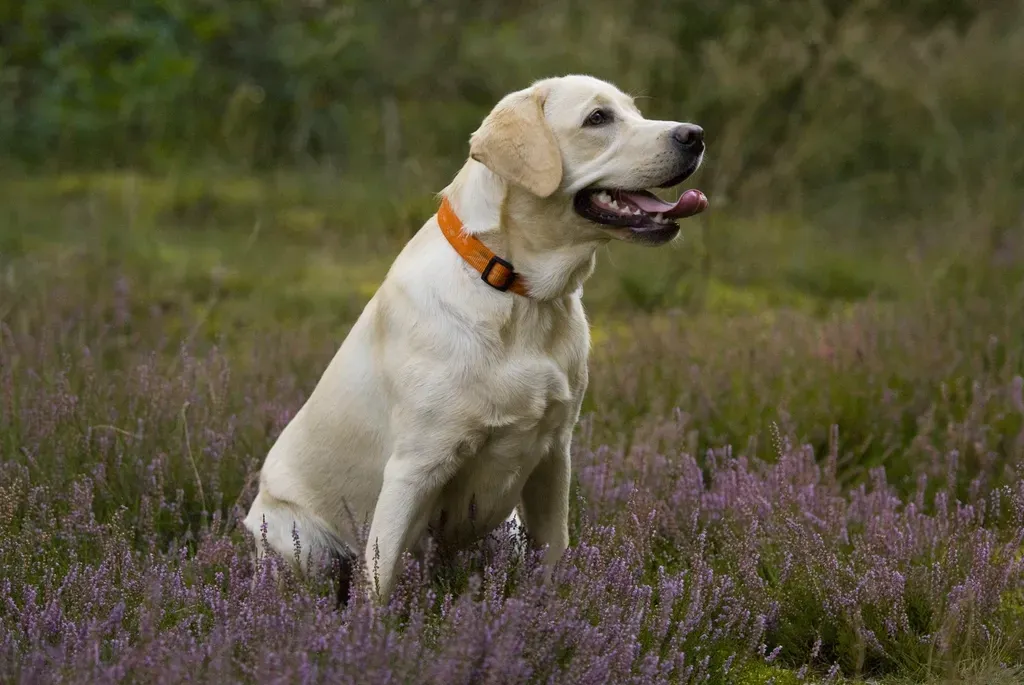
In the Northeast, especially in states like Pennsylvania and New York, you get a different but equally strong kind of Labrador presence. Here, Labs have long been the default suburban family dog, romping in fenced‑in backyards and showing up at youth soccer games with tongues lolling and tails wagging. They’re big enough to feel like a proper watchdog but friendly enough not to intimidate the neighbors, which hits a sweet spot for many East Coast households.
Head just a bit out of the big cities and you find rural and semi‑rural areas where Labs step back into their working‑dog boots. They retrieve birds, join hikes in the Appalachians, and patrol properties with a calm, steady presence. In my own experience visiting friends in upstate New York, you can drive twenty minutes out of town and suddenly every other house seems to have a black or yellow Lab waiting by the driveway like part of the landscape.
Why The “Most Labs” Question Is Trickier Than It Looks
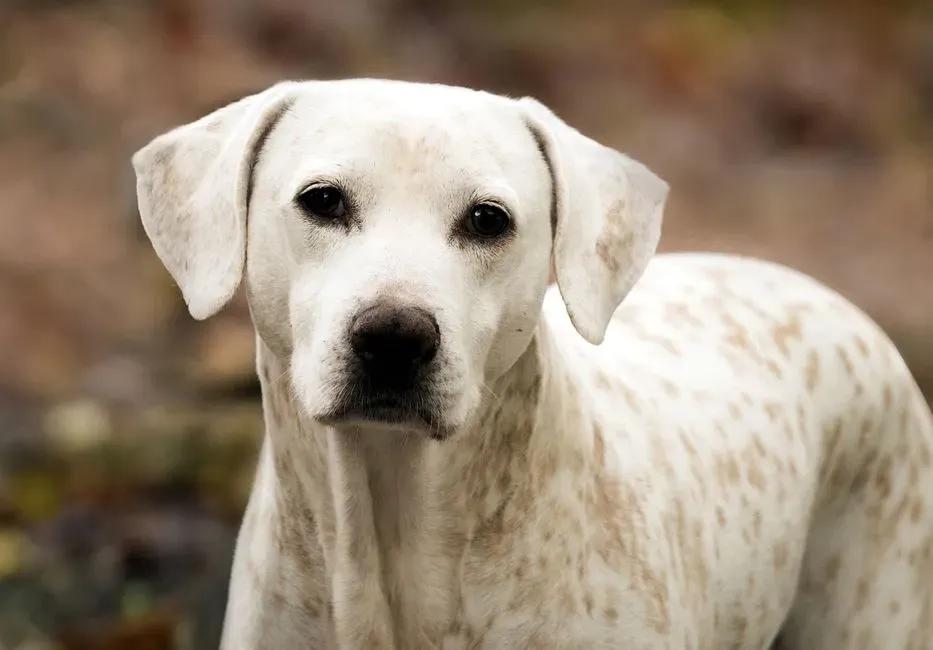
Here’s the interesting twist: asking which US states have sounds straightforward, but the data behind it is surprisingly messy. Different sources look at different slices of reality: kennel club registrations favor purebred, papered dogs; shelter and rescue numbers capture a different crowd; pet insurance and microchip records lean toward owners who invest more in tracking and healthcare. None of those cover every Lab, especially the beloved backyard dogs who never see a show ring or a policy form.
What we can say with confidence is that Labs tend to cluster where there are lots of families, plenty of space, and strong outdoor or hunting cultures. That pattern puts big, populous states like Texas, California, and Florida near the top in absolute numbers, and gives regions like the Upper Midwest and parts of the Northeast particularly high concentrations. Instead of a neat ranked list carved in stone, it’s more honest to picture a rough map of Lab hot spots, shaped by lifestyle, climate, and the kind of relationship people want with their dogs.
Conclusion: The States Where Labs Feel Right At Home
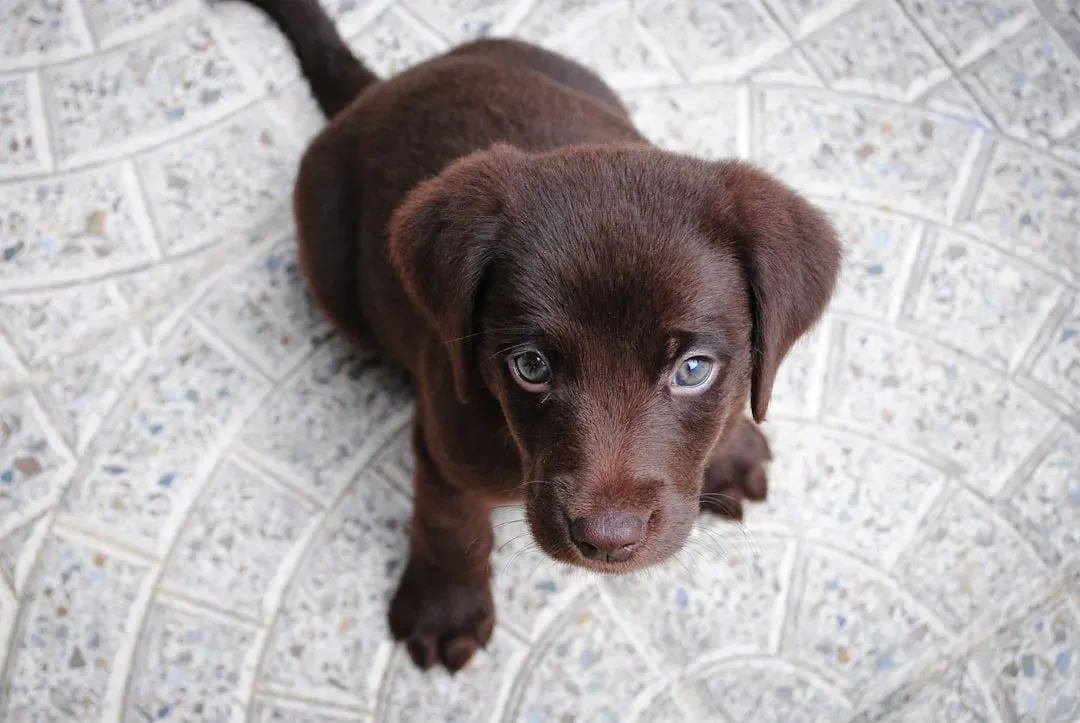
When you look past the imperfect numbers, a clear story emerges: Labrador Retrievers flourish in states that offer space to run, water to splash in, and people who value a dog that’s both capable and kind. From Texas ranches and Florida lakes to California beaches and Minnesota cabins, these states do not just have a lot of Labs; they offer the exact mix of environment and culture that allows Labs to become almost invisible in their normality. They are simply the dog that fits, the one you expect to see when you pull up to the house or drift past a dock at sunset.
Personally, I think that says something comforting about us. In a world obsessed with rare breeds and social media trends, the steady popularity of the humble Lab in so many states feels like a quiet vote for reliability over flash. We keep choosing the dog that loves our kids, tolerates our mistakes, and still wags its tail at the end of a long, messy day. If you had to guess which dog best reflects how Americans actually live, not just how we post online, would you really pick anything other than a Labrador Retriever?


