
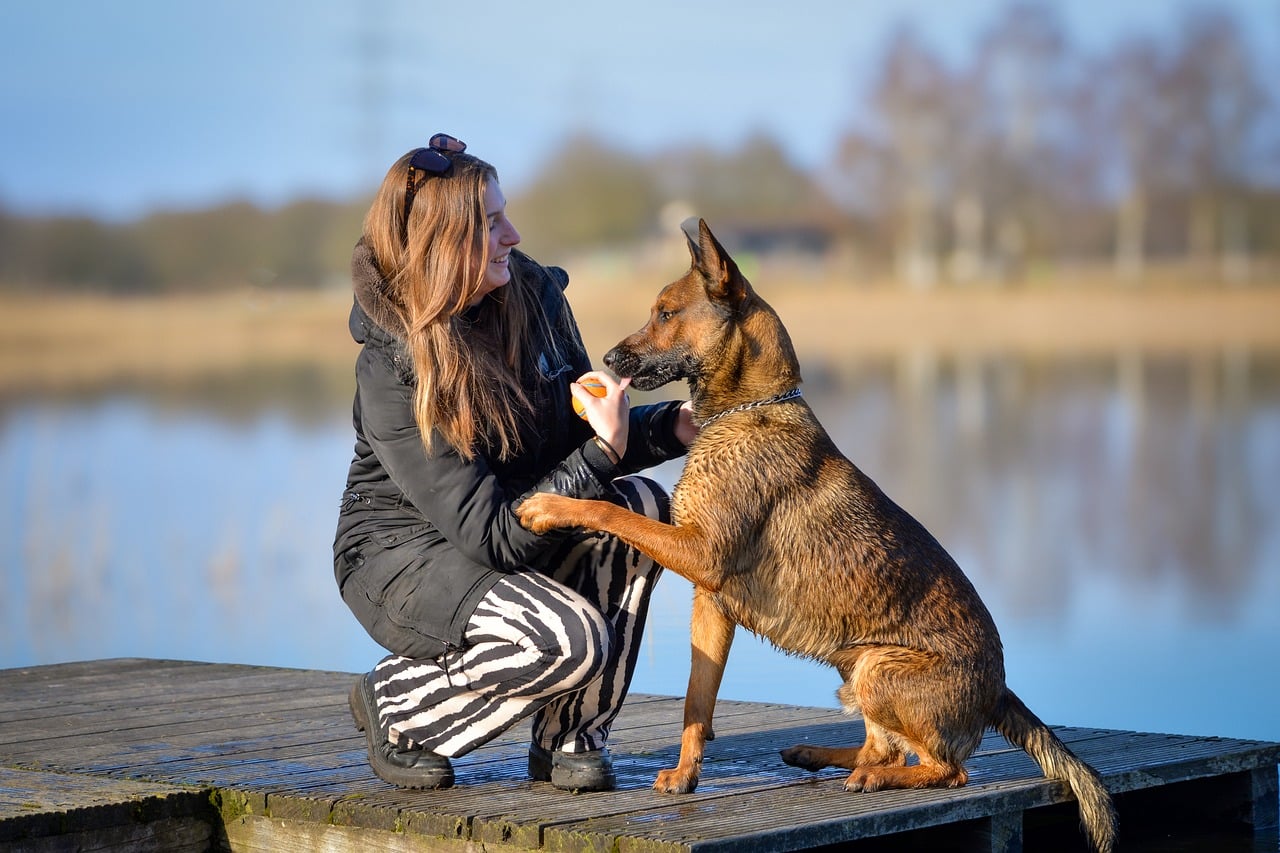
You’re sitting on the couch, half-watching a show, half-scrolling your phone… and then you feel it. That gentle, insistent pressure on your hand. You look down, and there’s your dog, eyes wide, paw resting on you like they’re about to say something important. It feels personal, almost human, and you can’t shake the sense that they are trying to tell you more than “hey.”
I remember the first time my own dog did this and held it there, almost like a handshake that lingered a little too long. I used to think it was just cute, but the more I paid attention, the more I noticed patterns: different kinds of paw touches for different moods, different situations, different “requests.” That paw on your hand is rarely random. In dog language, it’s one of the clearest, sweetest forms of communication we get to witness up close.
1. “Please Don’t Stop, I Want More Attention”
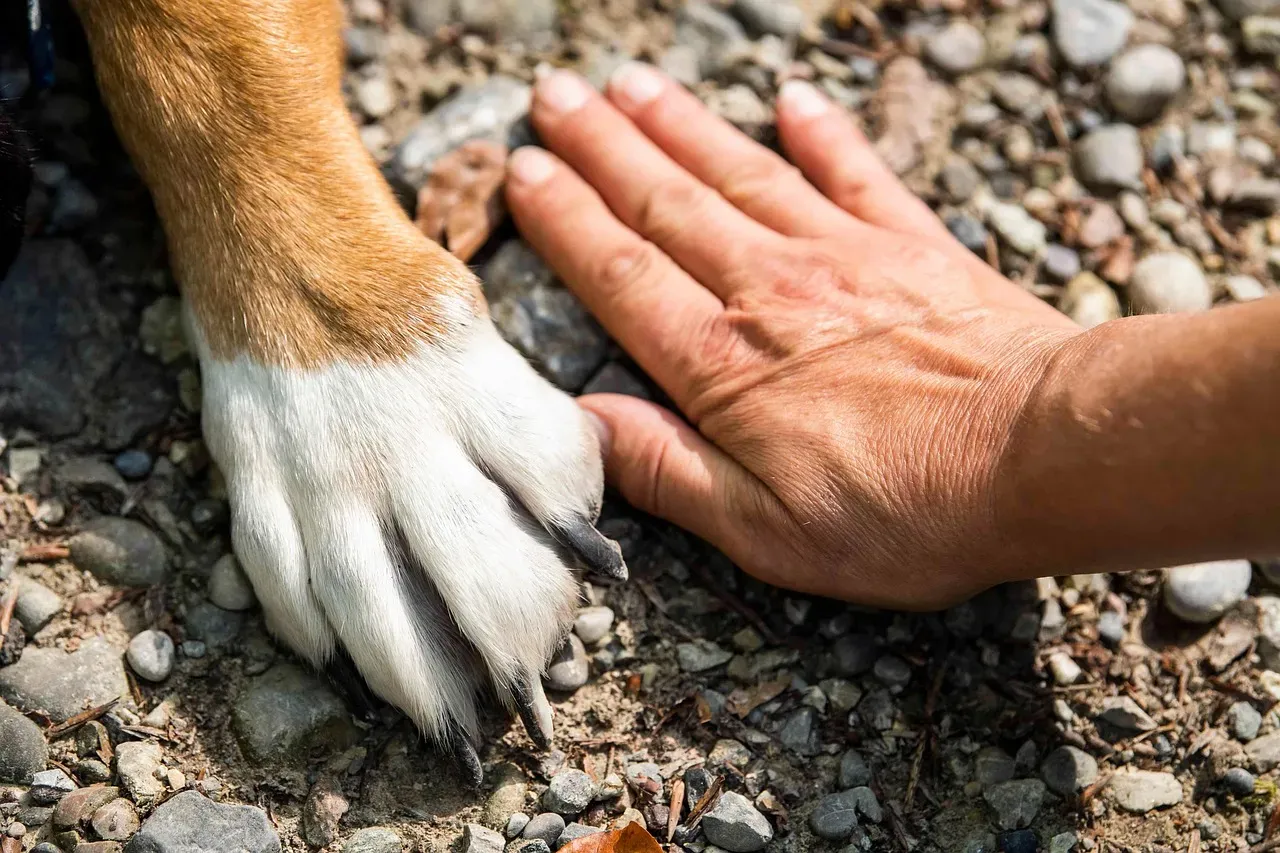
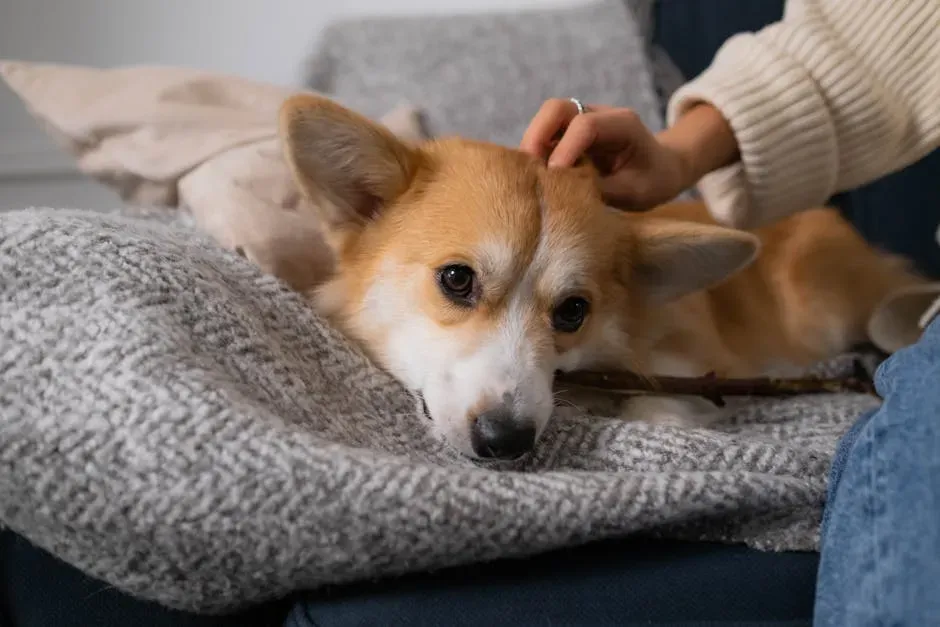
One of the most common meanings behind that paw on your hand is incredibly simple: your dog is asking you not to stop. Often, this happens when you’re petting them, then pause to reach for your phone or remote, and suddenly there’s a paw pressing down like a gentle reminder. They’ve decided that you, right now, are their personal massage therapist and the session is not over.
You’ll usually see a relaxed body, soft eyes, maybe a slow wagging tail to go with it. This combo screams contentment and desire for more of the good stuff. Think of it as your dog hitting the “continue” button. In a world where they can’t use actual words, that little paw is a surprisingly polite but firm way of saying, “Excuse me, human, your hand was doing something wonderful. Don’t you dare stop now.”
2. “I Need Comfort, I’m Feeling Anxious”
Sometimes the same paw move can mean something completely different, depending on the context. If your dog puts their paw on your hand during a thunderstorm, when fireworks are going off, or in a busy environment, they might be seeking reassurance. Dogs that are feeling anxious often move closer, lean in, and use their paws to anchor themselves to the person they trust most: you.
You might notice other signs of stress along with the paw – pacing, trembling, lip licking, yawning, or ears pinned back. In that moment, the paw is less “pet me more” and more “stay with me, I’m scared.” It’s like when a child reaches for a parent’s hand in a crowded place. Responding calmly, speaking softly, and offering steady touch can help your dog feel safer and teach them that when the world feels scary, you’re a solid, reliable place to land.
3. “Hey, Look at Me, You’re Ignoring Me”
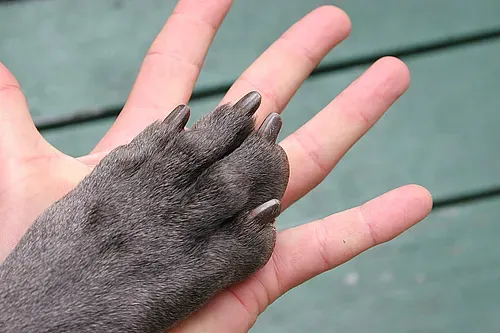
Dogs are masters of reading our focus, and they notice when your attention is swallowed by a screen. A paw on your hand, laptop, or even your forearm while you’re typing can be a very clear protest against being invisible. Your dog might not understand social media, but they absolutely understand when your eyes and hands are not on them.
In this case, the paw is like a little tap on the shoulder, a reminder that they exist and would prefer not to be just background decoration. Some dogs will escalate: paw, then a nudge, then leaning their full weight on you if subtlety doesn’t work. It’s easy to brush this off, but there’s something powerful about rewarding those gentle bids for connection with even a minute or two of eye contact, a scratch, or a quick play session. To your dog, that small shift in attention feels huge.
4. “Can We Play? I’m Bored Out of My Mind”
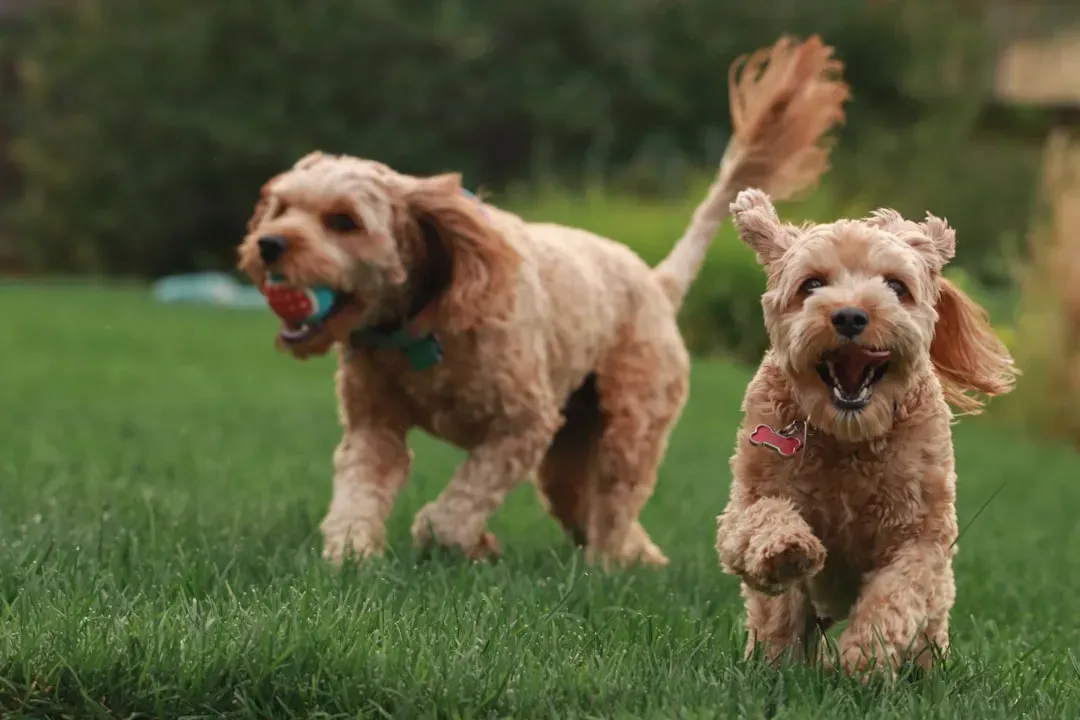
If your dog plants a paw on your hand with bright eyes, perky ears, and a bouncy posture, odds are good they’re asking for action, not cuddles. This is the “I’m bored” paw. You’ll often see it paired with zoomies, grabbing toys, or running away a few steps and then back to you, almost like a game of tag they’re desperately trying to start.
Dogs, especially younger or high-energy breeds, live in a world that can feel monotonous if every day looks the same. For them, putting a paw on your hand can be the first move in an invitation to interact – fetch, tug, training, or even a silly game in the living room. Ignoring that request day after day can build frustration. Meeting it, even with just 10 minutes of focused activity, can work wonders on their behavior and mood, the same way a quick workout changes your whole day.
5. “I’m Hungry or Thirsty, Can You Fix That?”
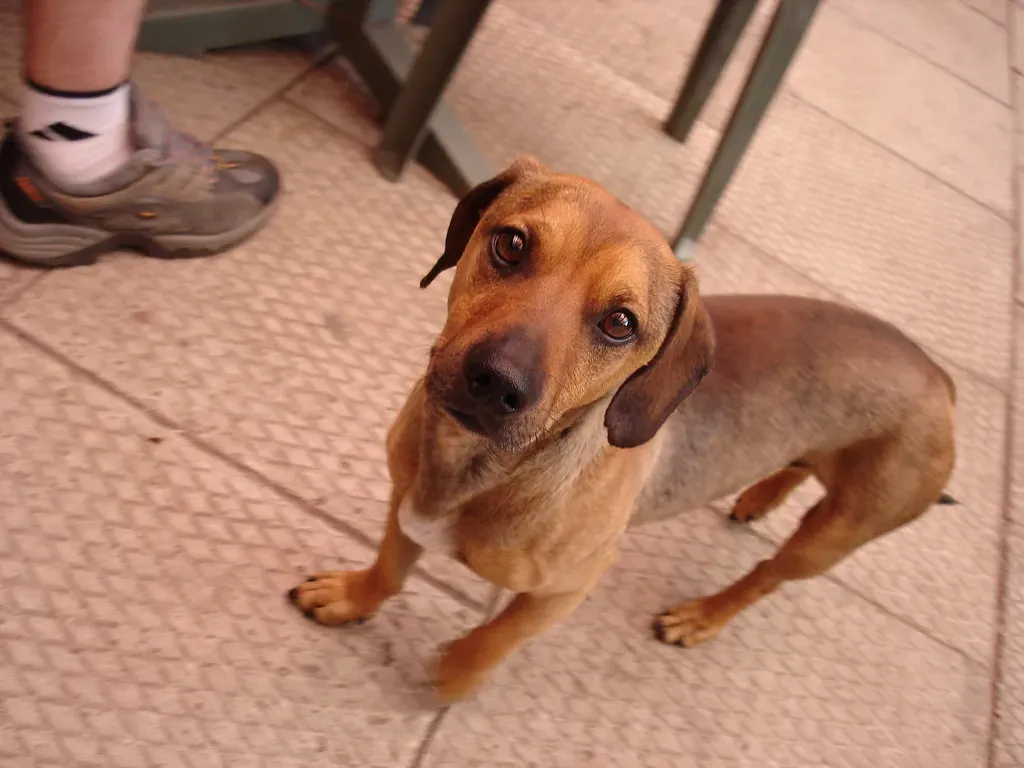
Some dogs are clock-watchers in fur coats. They know exactly when dinner is supposed to happen, and if you’re late, you might suddenly find a paw resting on your hand or arm with uncanny timing. If this happens near their normal feeding time or when their water bowl is empty, that paw may be a polite (or not so polite) reminder that they have basic needs you are currently failing to meet.
Body language helps you decode this one: they might look from you to the kitchen, lick their lips, walk toward their bowl, or whine softly. Over time, you’ll notice a pattern and realize the paw is part of a ritual. While it’s fine – and honestly kind of charming – to respond when they “ask,” it’s still important to stick to appropriate portions and schedules. Your dog’s paw is a powerful communication tool, but it shouldn’t be allowed to negotiate endless snacks like a tiny, furry lawyer.
6. “I Want to Bond With You, You’re My Safe Place”
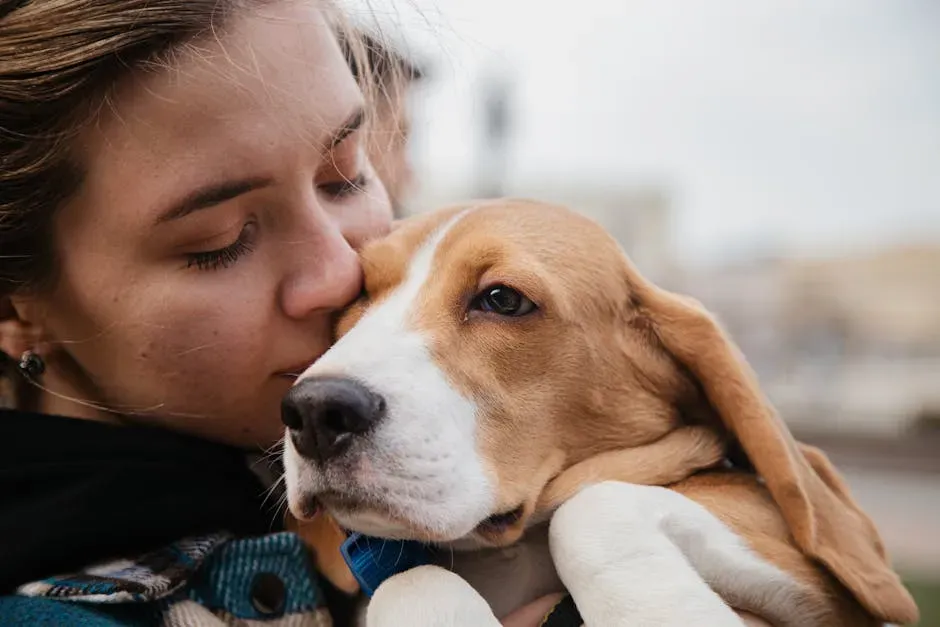
Not every paw touch is about getting something concrete. Sometimes your dog rests their paw on your hand when nothing special is happening – no loud noises, no toys in sight, no dinner on the horizon. They’re calm, maybe even sleepy, and yet that paw slowly drifts over and stays there. In those quiet moments, the paw is more like a hug than a request.
Dogs are social animals that build bonds through proximity and touch, much like we do. That simple act of placing their paw on you can be a way of saying, “You and me, we’re a team.” It reminds me of someone lightly hooking their foot under yours while you both watch a movie. There’s no agenda. It’s just about feeling connected, sharing space, and reinforcing the invisible thread that ties you together.
7. “I’m Testing Boundaries and Learning What Works”
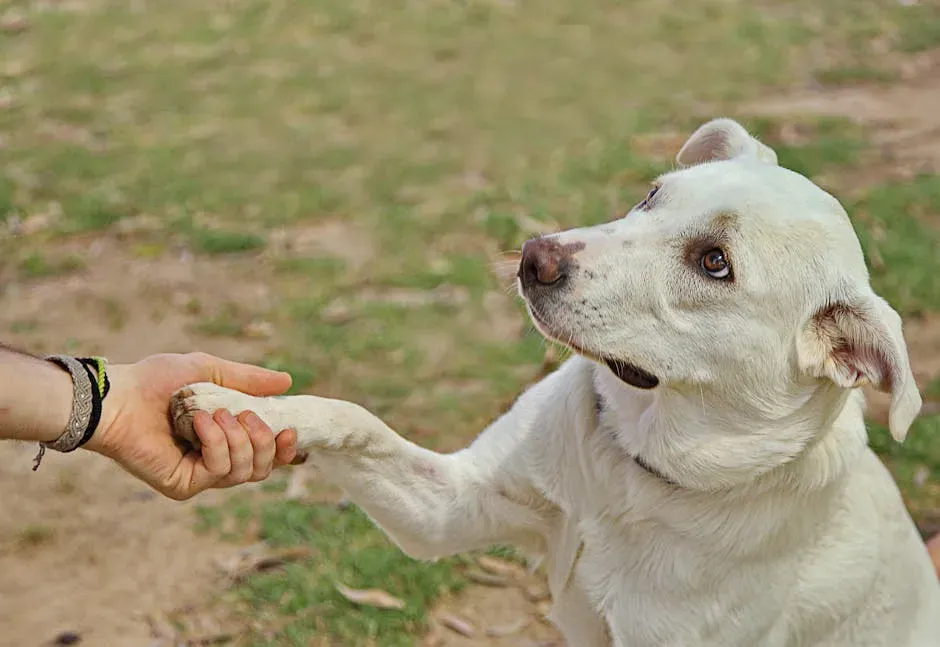
Here’s the slightly uncomfortable truth: sometimes your dog is not just being adorable; they’re experimenting. If every time they place a paw on your hand you respond instantly – petting, getting up, offering treats – they quickly learn that paws are magic buttons that control the human. Dogs are brilliant at chains of cause and effect, and pawing can become a learned behavior because it pays off.
This isn’t automatically bad, but it can become pushy if left unchecked. You might notice your dog pawing you insistently while you’re eating, working, or talking to someone, and it keeps escalating. In those cases, gently redirecting, asking for a different behavior (like lying on a mat or sitting calmly), and rewarding that instead helps them understand that while their voice matters, they don’t run the entire household. You’re not shutting them down; you’re just teaching them that there are better “words” to use.
8. “Something Hurts or Feels Off, Please Notice Me”
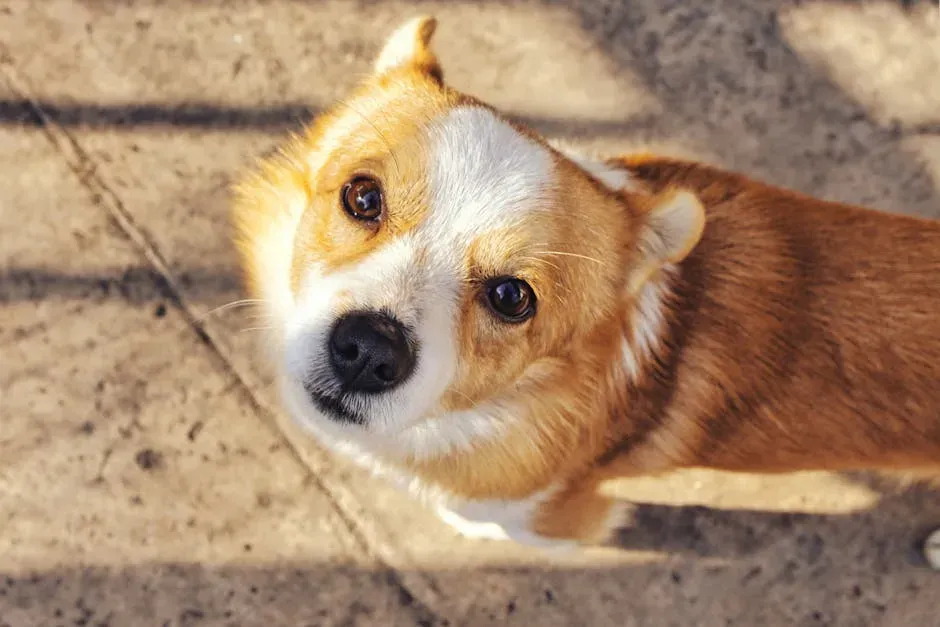
Occasionally, a dog’s paw on your hand can be a subtle flag that something is wrong. If your usually independent or less touchy dog suddenly becomes clingy, pawing at you more frequently, especially paired with whining, restlessness, or changes in appetite or behavior, they might be trying to tell you they feel unwell or uncomfortable. Dogs can’t point directly to where it hurts, so they use connection to draw your focus.
This is where knowing your dog’s normal habits really matters. A sudden increase in pawing, combined with other changes, is worth paying attention to and, if needed, discussing with a vet. I’ve seen people realize in hindsight that their dog had been more “needy” for days before a health issue became obvious. It can feel a bit gutting when you connect the dots, but it also reinforces how important it is to treat that paw on your hand as a potential message, not just a cute quirk.
9. “This Is My Version of Saying ‘I Love You’”
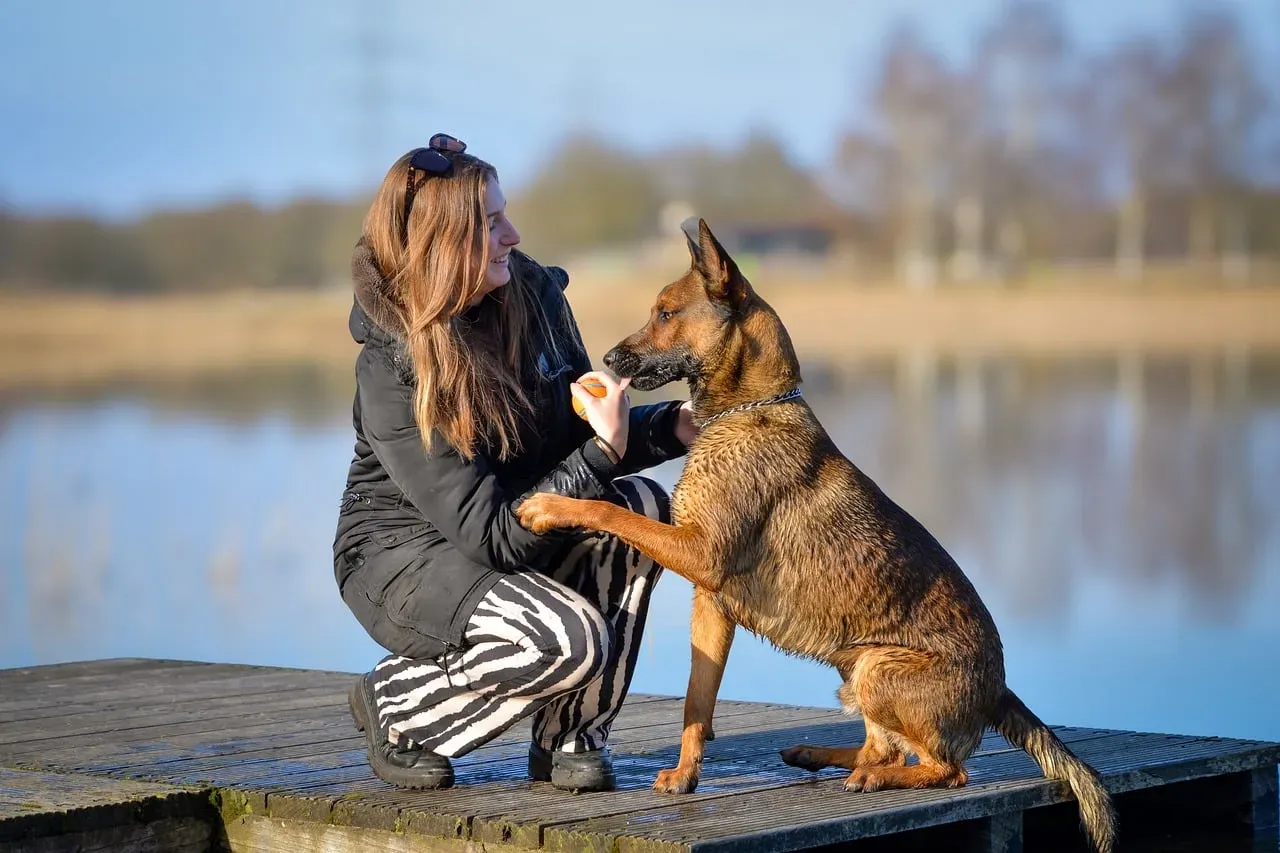
At the end of the day, a lot of pawing boils down to one big, messy, beautiful thing: affection. Dogs are emotional creatures, and the more secure they feel with you, the more they tend to seek physical closeness. Resting a paw on your hand while gazing at you, stretching out next to you, or drifting off to sleep with that contact maintained can be one of the purest expressions of trust they have.
It’s easy to get caught up in decoding every micro-behavior, but sometimes the simplest interpretation really is the truest. When your dog gently lays a paw across your hand and sighs, it often feels like they’re saying, “You’re my person, and I want to be right here.” You don’t need a degree in animal behavior to feel the honesty in that. All you really need to do is notice it, appreciate it, and maybe, in your own human way, say it back.
Conclusion: Listen to the Paw Before the Bark
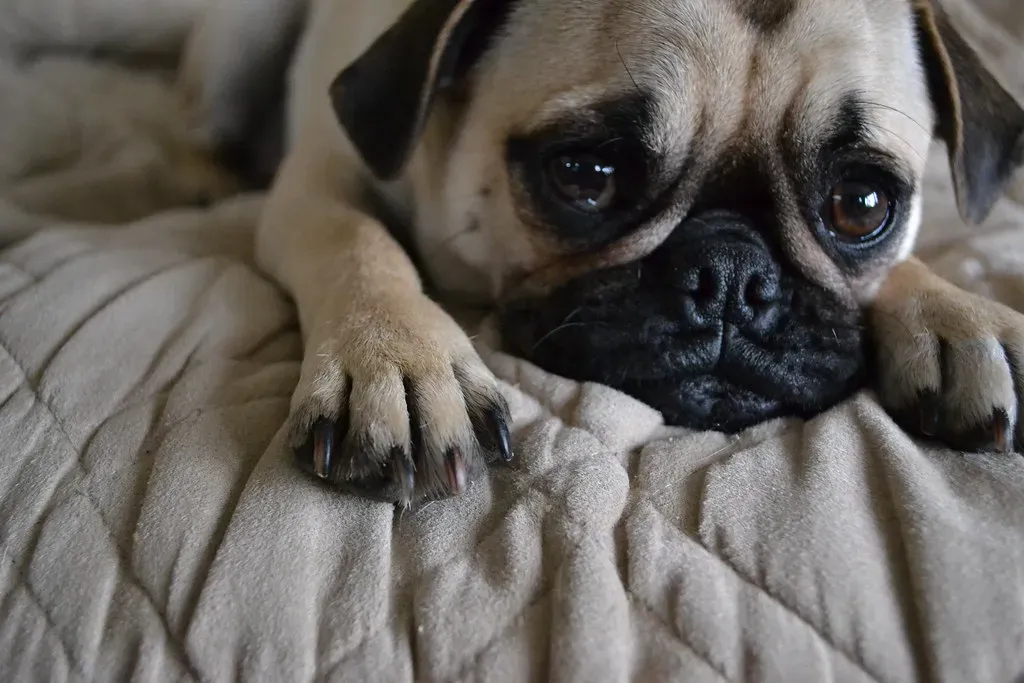
Once you start paying attention, that little paw on your hand stops being a random habit and starts looking a lot like a language. Sometimes it means “more belly rubs, please,” sometimes it means “I’m struggling right now,” and sometimes it simply means “stay close, I like you.” Ignoring it is a bit like ignoring a friend who taps you on the shoulder to talk; you can do it, but you’ll miss out on the best part of the relationship – the conversation itself.
I’m convinced that one of the most underrated skills in being a good dog owner is learning to respond thoughtfully instead of automatically. You don’t have to cave to every request, but you do owe it to your dog to at least listen. The more you treat that paw as a message worth decoding, the deeper and more intuitive your bond becomes. Next time you feel that gentle pressure on your hand, will you brush it away – or will you pause and ask yourself what your dog might be saying?


