
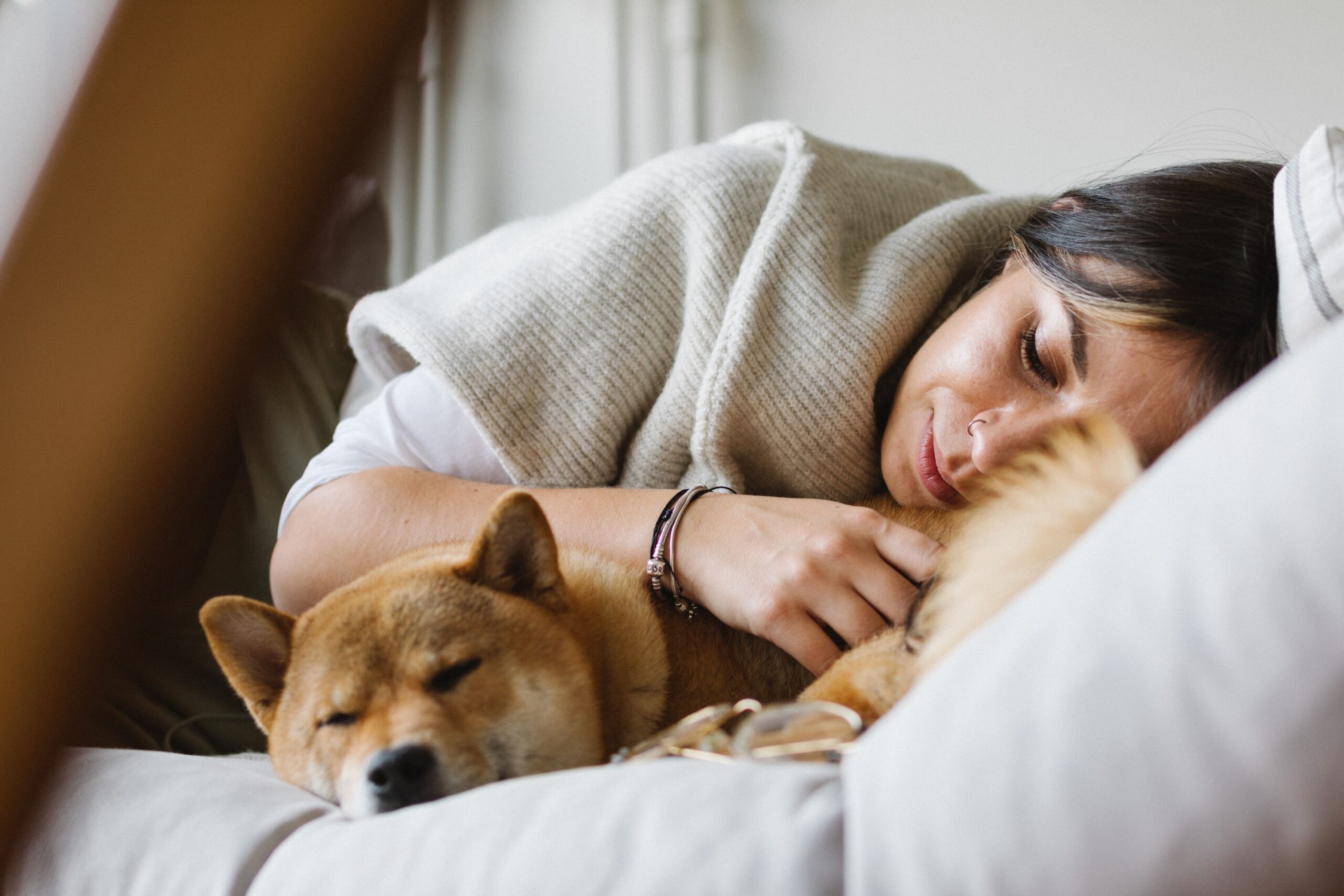
You probably worry about whether you’re doing enough for your dog – buying the right food, choosing the best harness, picking the perfect toys. But the funny thing is, your dog is usually paying attention to something much simpler: the tiny, everyday things you do on autopilot. Those small habits, the ones you barely notice, can be exactly what tells your dog this is home, this is safe, this human is my person.
Once you start seeing your routines from your dog’s point of view, it’s almost emotional. You realize that the way you stand in the kitchen, the sound of your keys, or how you nudge them over in bed is their version of a security system. Let’s dig into some of the things you do without thinking that quietly tell your dog: you’re safe, you’re loved, and I’ve got you.
1. The Way You Greet Them Every Single Time
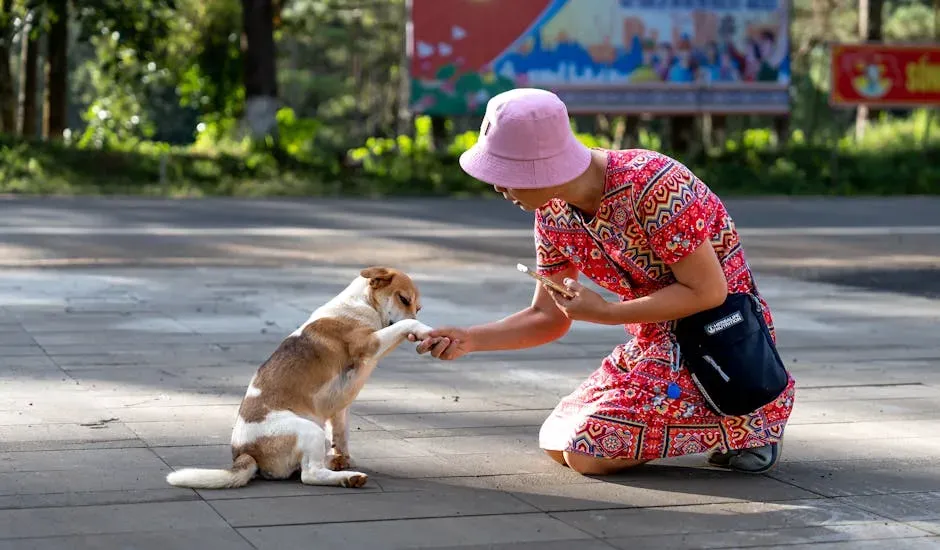
That quick “hey buddy” when you walk through the door might feel like nothing to you, but it is the highlight of your dog’s entire day. Whether you kneel down for a second, ruffle their ears, or just smile and say their name, that predictable moment tells them the world is okay again because you came back. Dogs thrive on routines, and your consistent greeting is like a little emotional anchor they can rely on.
Even if you only step out for a minute, your dog doesn’t know how long you’ll be gone – they just know that you always return, and you always acknowledge them. Over time, this pattern teaches them that separation is temporary and reunions are guaranteed. That builds deep trust and helps reduce anxiety more than any fancy training tool ever could.
2. Letting Them Follow You Around the House
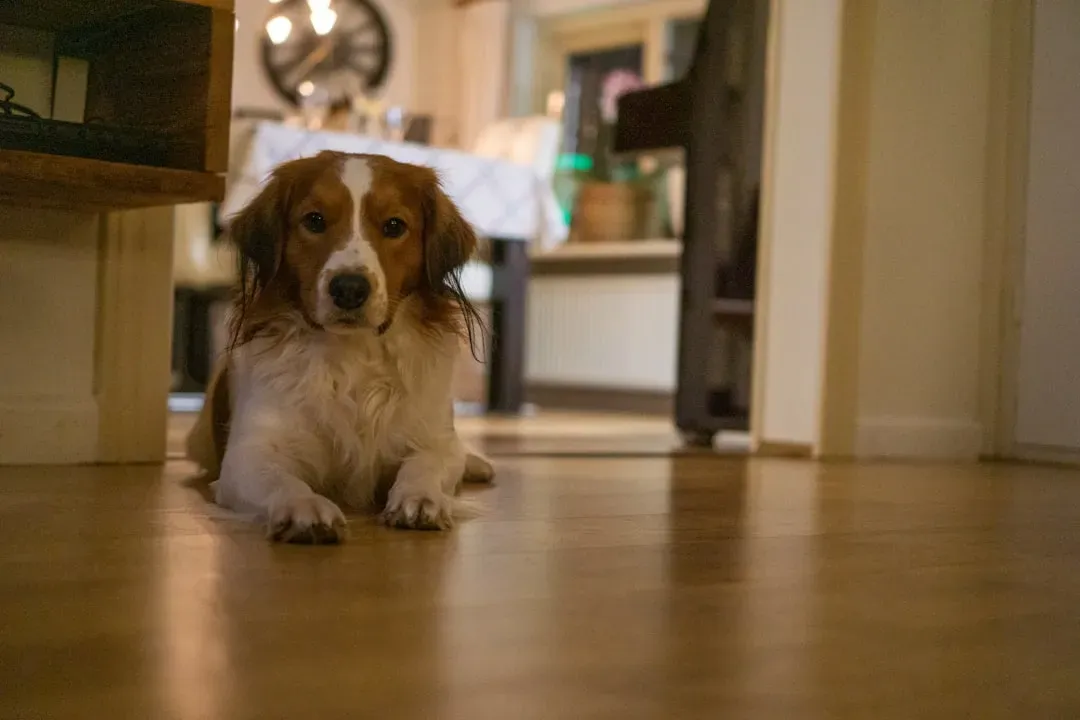
You might joke that you have a furry shadow, especially when your dog trails you from the bedroom to the bathroom to the kitchen and back again. Most people barely think about it – you just step over them, scoot around them, and keep doing your thing. But letting them quietly accompany you like this sends a powerful message: you’re allowed near me, you belong with me, I don’t mind your presence.
For a dog, being close is safety. In the wild, distance from the group is risky, and our pets still carry that instinct. When you do not constantly push them away or shut them out, you’re telling them that they’re part of your little “pack.” Just existing side-by-side – you scrolling on your phone, them napping at your feet – becomes this calm, safe background rhythm that shapes how secure they feel in life.
3. Keeping a Predictable Daily Rhythm
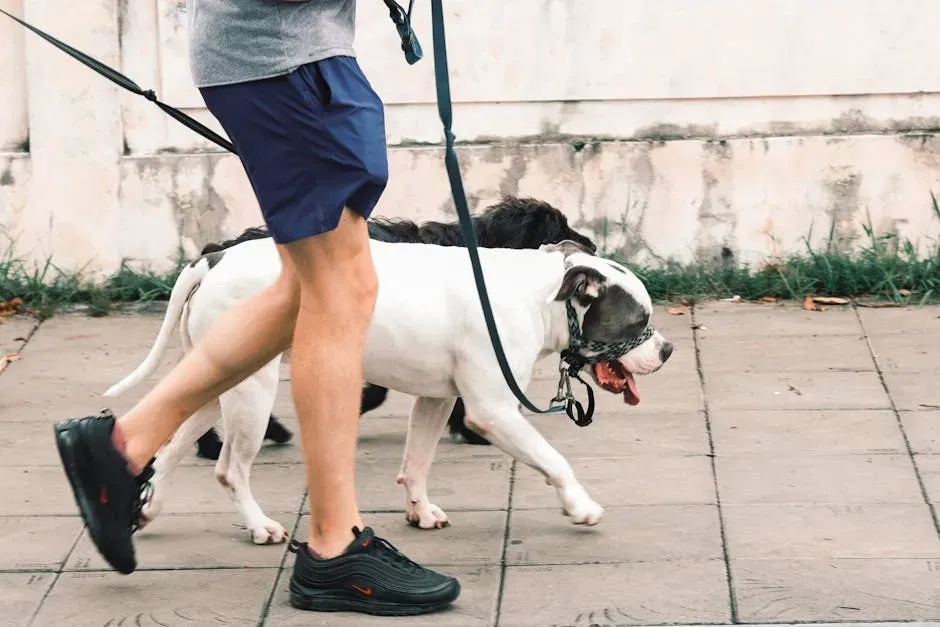
You might feel like your days are chaotic, but to your dog, you’re much more predictable than you think. You tend to wake up around the same time, feed them in a similar window, walk them along familiar routes, and settle in on the couch at night. Even when you’re not trying, your habits create a loose schedule that your dog can count on, and that rhythm is extremely soothing for them.
Dogs don’t need a strict, military-style timetable to feel safe – they just need to know that food appears, walks happen, and you come back. When your general pattern stays roughly the same, your dog learns that the basics are covered and the world makes sense. That sense of “I know what’s coming next” is one of the simplest and strongest ways you protect their emotional wellbeing without even noticing it.
4. Using a Soft, Warm Voice Around Them
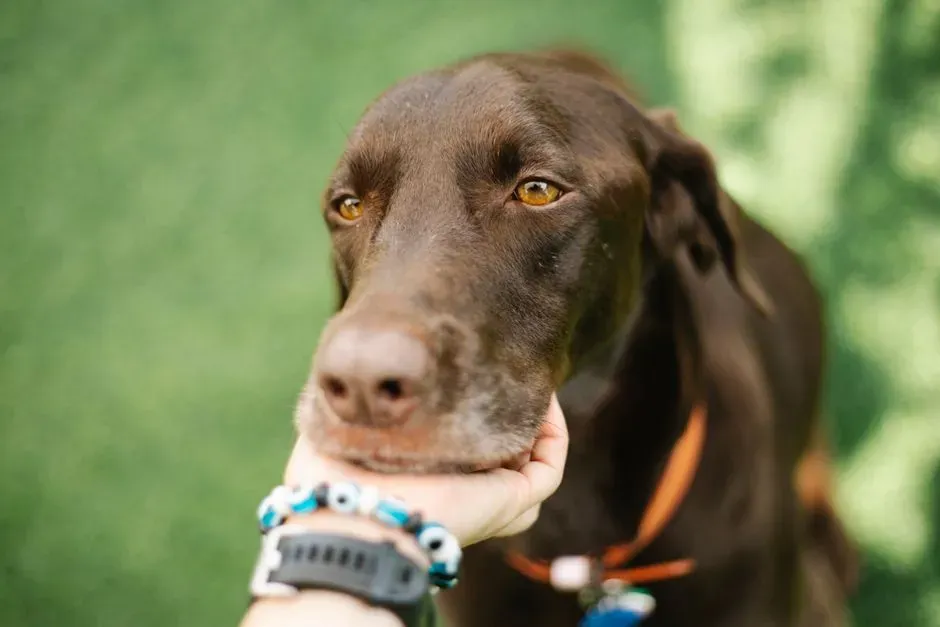
You probably don’t hear it, but your voice changes when you talk to your dog. Most people naturally go a bit higher, slower, and gentler, especially when they say the dog’s name. That tone becomes a safety cue. Even if they don’t understand all the words, they absolutely understand the feeling: calm, friendly, safe. Your voice is one of the first things your dog learns to read, long before they figure out sit or stay.
On hard days, you might find yourself absentmindedly muttering to your dog, or giving them a casual “good girl” while you pass by. Those tiny moments of verbal reassurance, in that same familiar tone, are emotional touchpoints. Over time, your voice becomes like a soft blanket to them – something that wraps around their nervous system and says, nothing bad is happening right now, you’re okay, go back to sleep.
5. Offering Casual Touch: Head Pats, Shoulder Brushes, Couch Cuddles
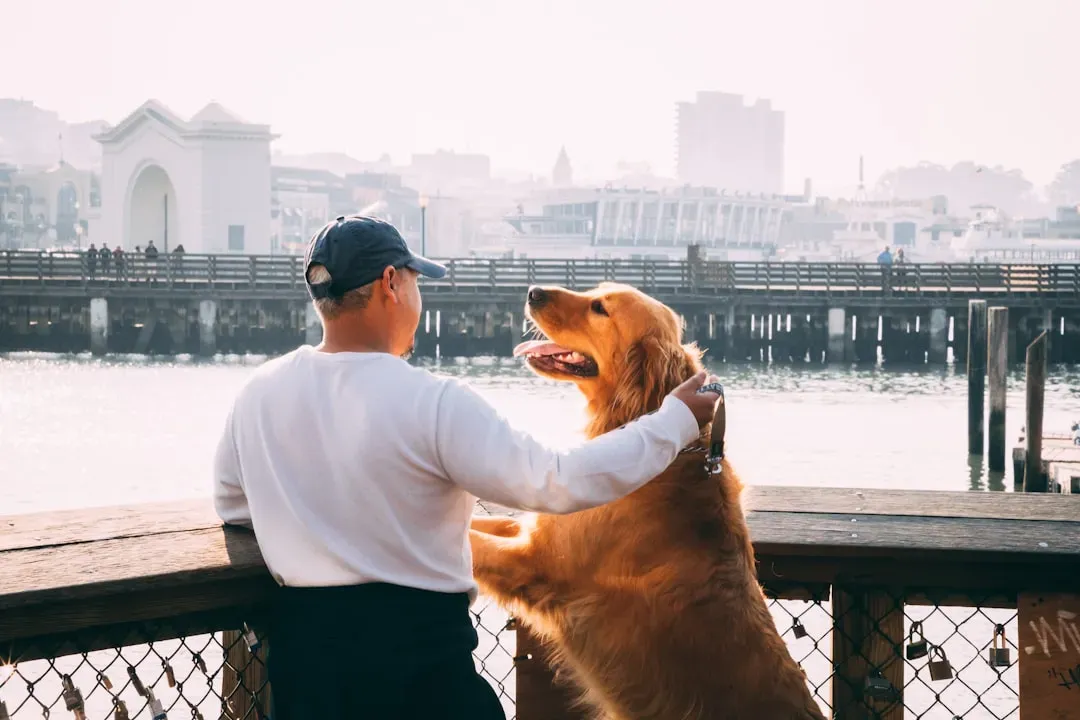
Think about how often you reach down and touch your dog without thinking: a light pat as you walk by, a scratch behind the ear during a commercial, a hand resting on their side while you watch a show. To you, it’s almost automatic. To your dog, physical contact is their primary language. Gentle, casual touch signals that you are relaxed, and if the leader is relaxed, everything must be safe.
Not every dog is a full-body cuddler, and some prefer a little space, but almost all of them use touch to check in. When you don’t flinch away, shove them aside, or constantly block them from leaning against you, they learn that your body is a secure place, not a source of threat. That quiet trust gets built in the in-between moments – the sleepy cuddles, the lazy weekend pats, the way you drape your arm over them like they’re just naturally part of your life.
6. Sharing Space During Sleep and Rest
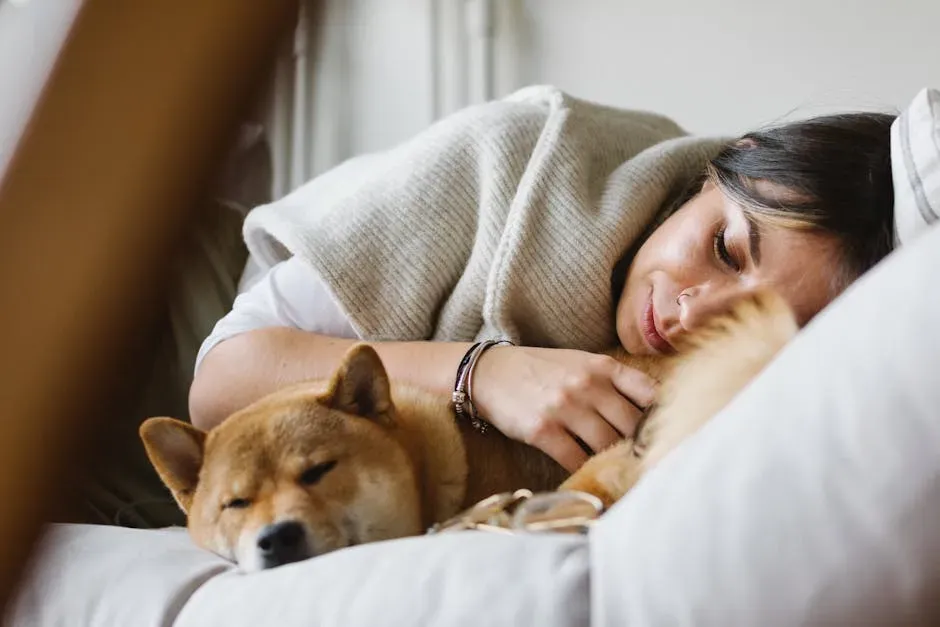
Whether your dog is in your bed, in a crate, or on a dog bed nearby, how you treat them at rest says a lot about safety. Maybe you let them curl behind your knees, or you drag their bed closer to the couch so they can snooze right next to you. You might not think twice about it, but for your dog, sleeping near you is the ultimate sign that everything is safe enough to truly relax.
In the animal world, sleeping is when you’re most vulnerable. So when your dog feels able to flop on their back, stretch out, sigh deeply, and drift off while you’re around, that’s not an accident – that’s trust. By letting them be close at night or during naps, and not startling or scolding them for simply wanting that nearness, you become their security blanket. Your breathing, your movements, even the sound of you turning a page or tapping your phone are quiet signals that they can rest easy.
7. Protecting Them From Overwhelming Situations
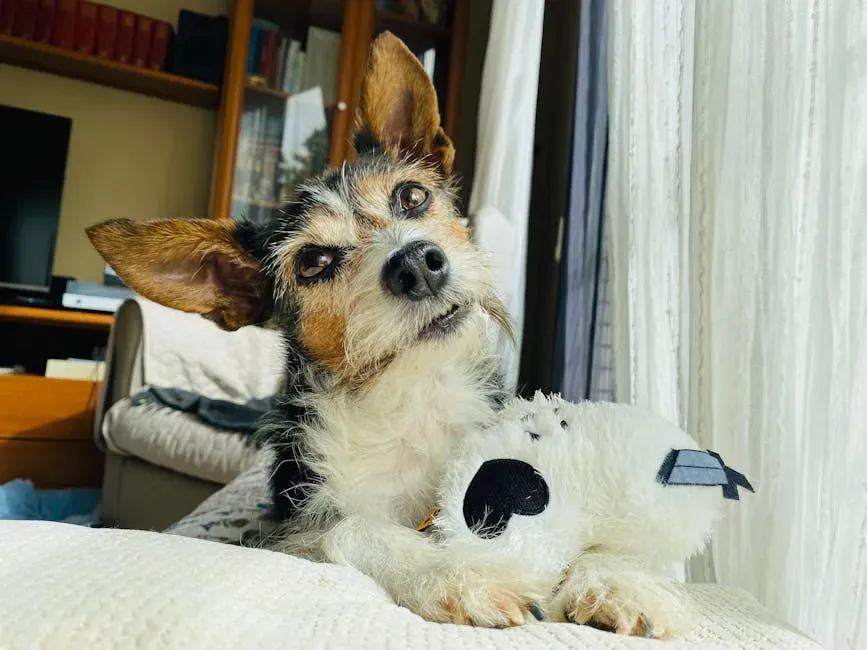
You might not label it as “advocating” for your dog, but you probably do it already. You cross the street when you see a chaotic dog coming, you gently block a child from hugging your dog’s face, or you cut a walk short when fireworks start. These tiny decisions, often made in half a second, teach your dog that you notice what they find scary and you’re willing to adjust. That is huge for their sense of safety.
Dogs watch how we respond to the world. When you calmly step in instead of forcing them into overwhelming situations “to toughen them up,” your dog learns that you are not just a source of food and fun – you are a protector. Over time, they do not need to be on constant lookout because they know you are already scanning. That shift alone can turn a nervous, reactive dog into a calmer, more confident one who trusts you to handle the big stuff.
8. Reading Their Body Language and Respecting Their Signals
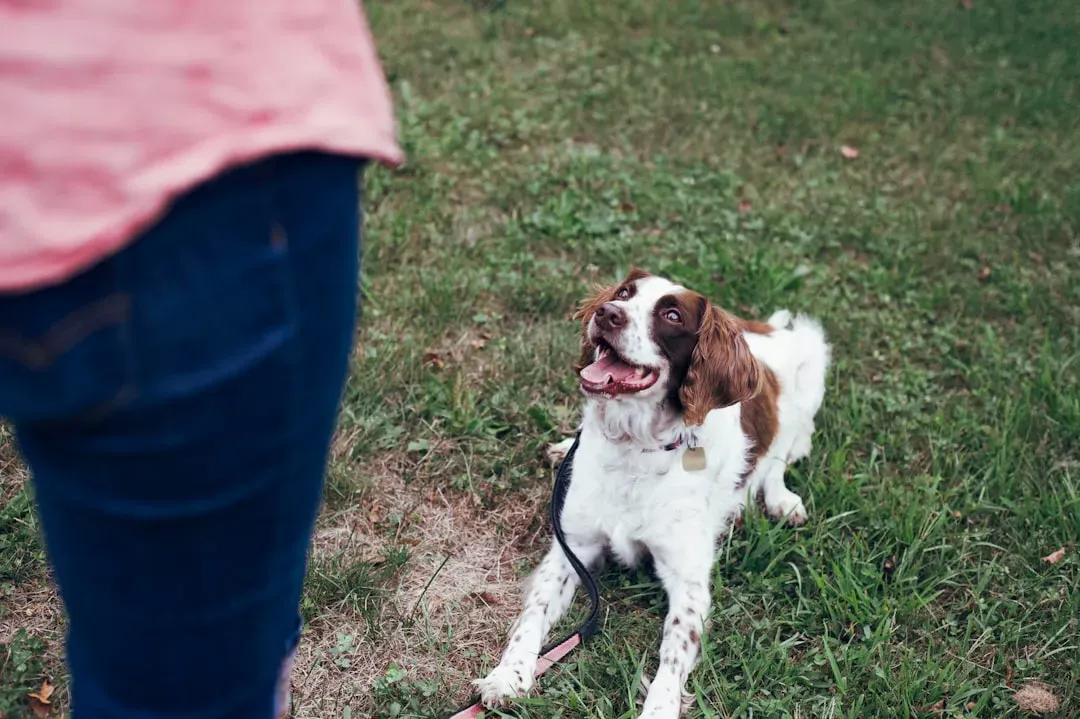
Most dog owners, even the “I just wing it” kind, start to intuitively notice when their dog is uncomfortable. Maybe you ease up during a rough pet when they lean away, or you stop taking photos when they lick their lips and turn their head. You might not know all the technical terms for stress signals, but when you respect those subtle signs instead of ignoring them, your dog feels heard and safe.
Imagine living with someone who never listened when you said no – you’d always be bracing. Dogs feel the same way. Every time you back off when they stiffen, give them space when they move away, or let them choose not to greet someone, you are proving that their feelings matter. That builds a deep, quiet confidence: they can communicate and you will respond, which makes the world far less scary.
9. Coming Back When You Say You Will (More or Less)
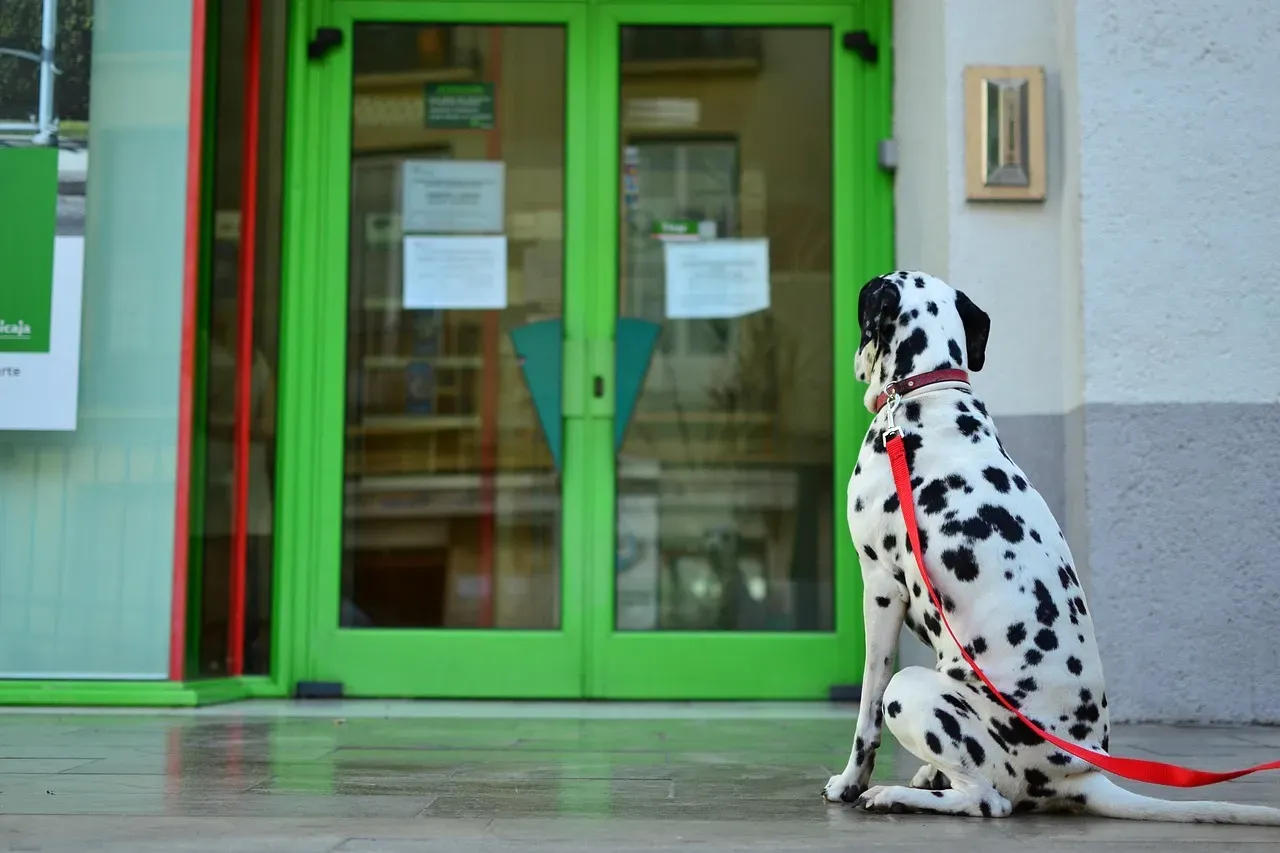
Most of us underestimate how much our coming and going shapes a dog’s sense of security. You grab your keys, say something like “I’ll be back,” and head out. You might be gone twenty minutes or several hours, but the steady pattern is what matters – you leave, nothing terrible happens, and you always return. That repetition is the foundation of a dog who can actually relax when you’re not home.
Over time, your dog learns your patterns: weekday mornings mean longer absences, evenings mean couch time, weekends mean more outings. Even if they do not understand clocks, they understand your rhythm. The fact that you consistently come back, feed them, walk them, and settle in again tells them that being alone is not abandonment. It is simply a pause in the story, and you always press play again.
Conclusion: You’re Doing More Right Than You Think
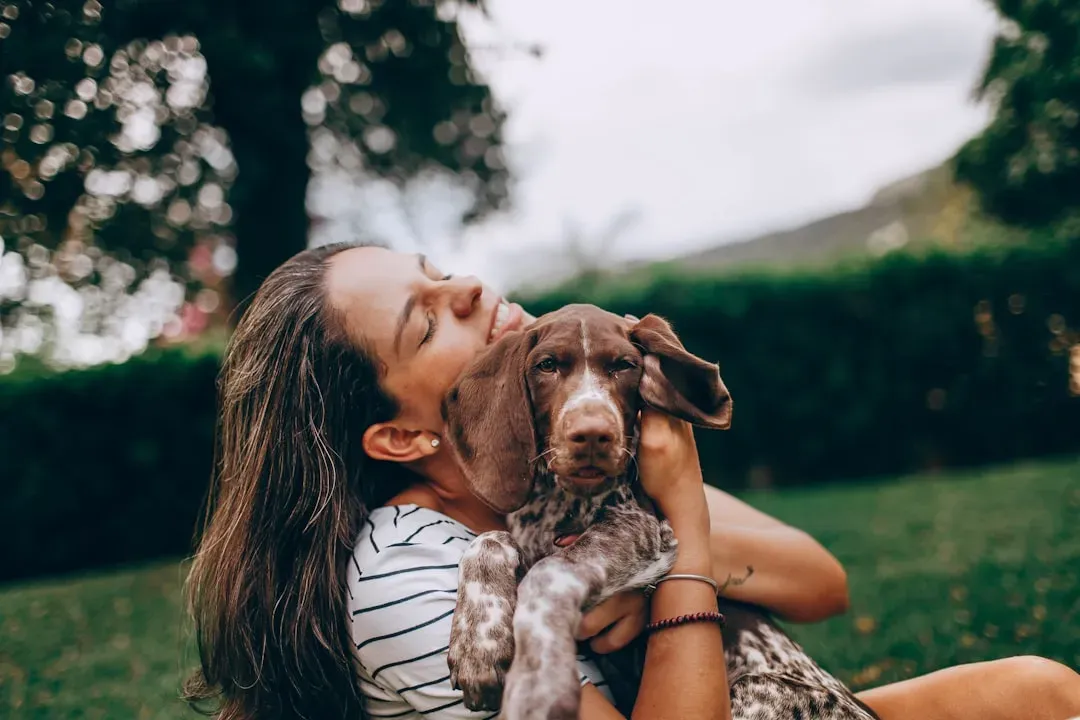
It’s easy to spiral into guilt as a dog owner – worrying you are not training enough, enriching enough, or doing everything the internet says you “should” be doing. But when you zoom out, all these small, unconscious habits you already have are quietly telling your dog that their world is safe. Your consistency, your touch, your decisions in tricky moments, and even your lazy routines add up to something huge in their life: security.
I’ve lost count of how many times I’ve looked at a dog simply melting into their person on the couch and thought, this is what actually matters. Not the perfect routine, not the trendiest gear, just a dog who trusts their human. So the next time your dog sighs and settles at your feet while you answer emails or cook dinner, remember this: to them, your ordinary is their safe place. Knowing that, which of your “little” habits are you suddenly most proud of?


