
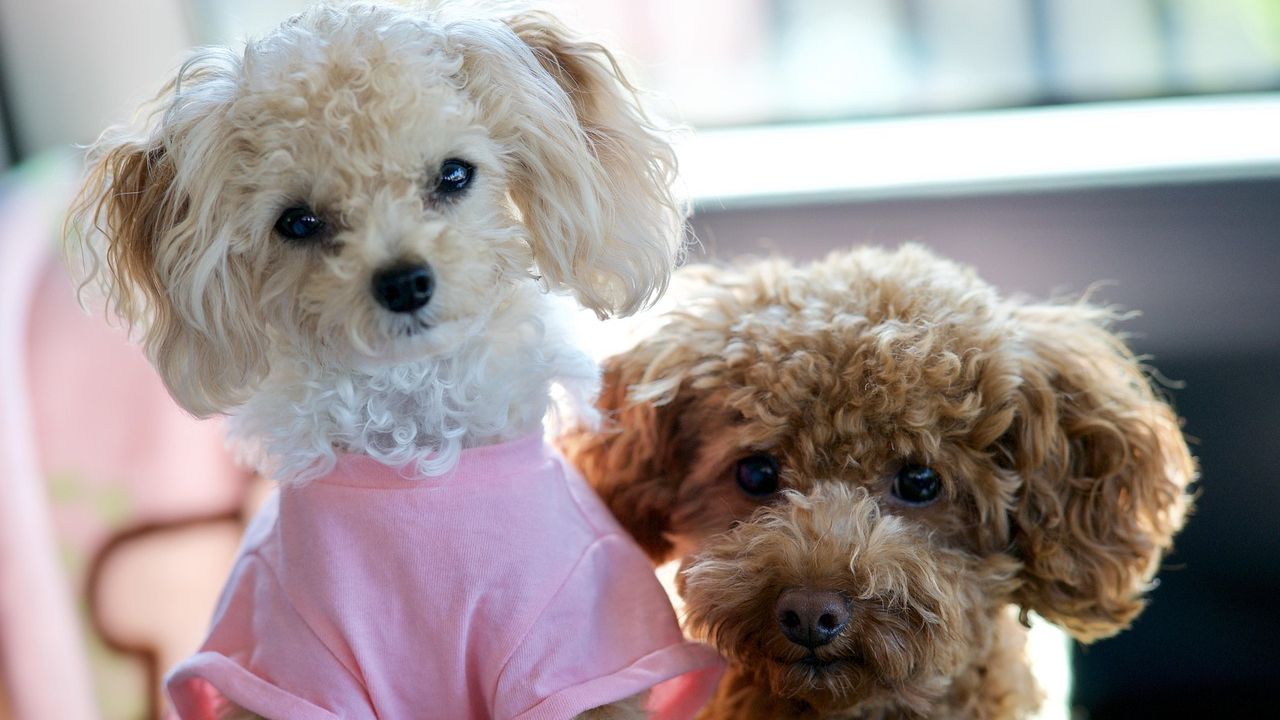
#1. Vizsla

Vizslas are sometimes nicknamed “Velcro dogs” because of how tightly they stick to their people. This strong attachment makes them deeply loving companions, but it also makes them one of the breeds most associated with separation anxiety. Their need for closeness isn’t just a personality quirk. It’s hardwired into their history.
Vizslas are hunting dogs, bred to work alongside their humans in the field. They are highly social animals and do poorly when left alone with nothing to do. Time without physical activity or their human family can lead directly to distress and anxiety. Their sensitivity to solitude can trigger anxiety-driven behaviors such as chewing, digging, or barking, and in more severe cases, they may scratch desperately at doors and windows, sometimes causing self-injury in their attempts to reunite with their owners.
#2. Border Collie
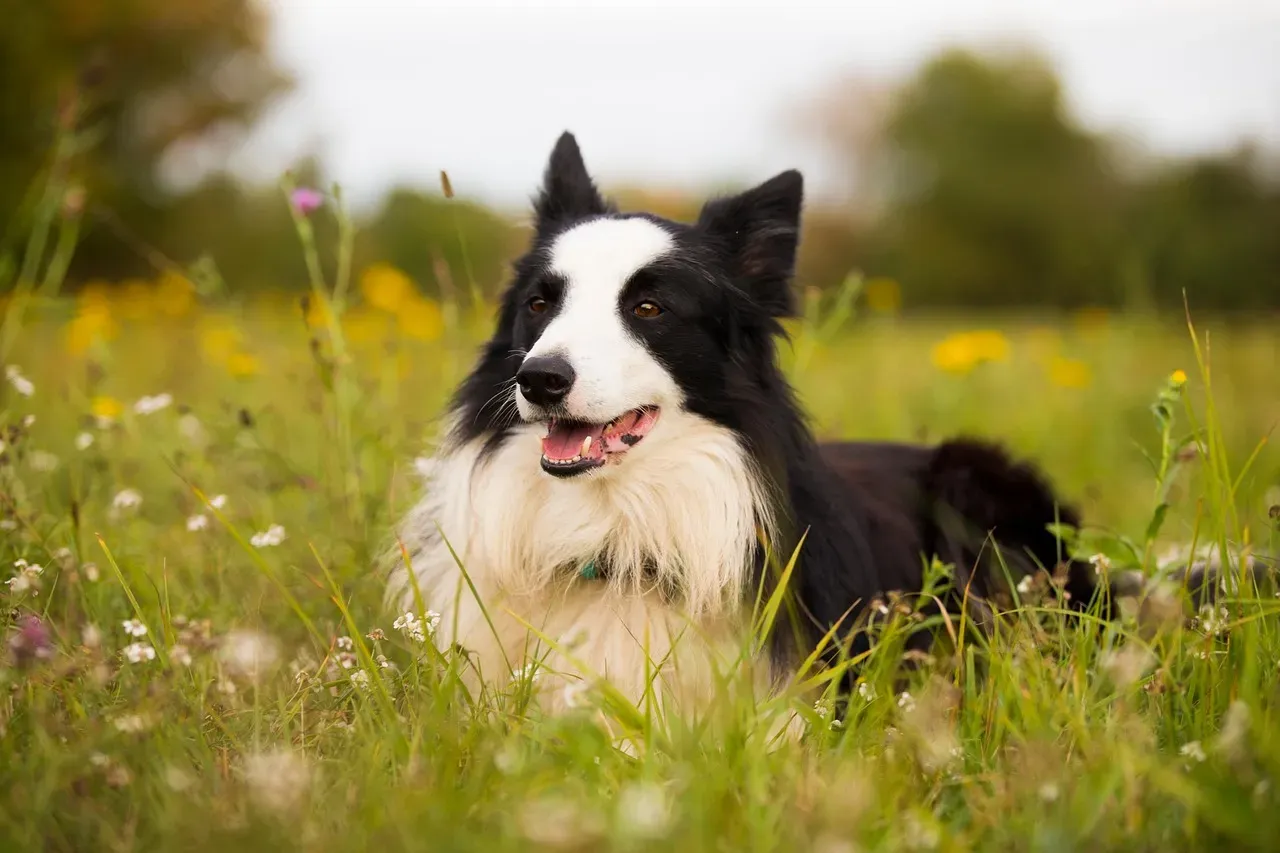
The Border Collie consistently ranks as one of the most intelligent dog breeds, but that brainpower has a downside. Left without stimulation, they are more likely than most breeds to develop separation anxiety and destructive behavior as they search for ways to occupy themselves. A brilliant mind with nothing to do is not a quiet mind.
Border Collies are highly energetic dogs that thrive on mental and physical stimulation. Their working background means they are used to having a job and spending significant time with their handlers. When left alone too long, they can become bored and anxious, leading to chewing, digging, or even attempts to escape. Herding breeds were designed for constant vigilance and problem-solving, bred to be outdoors and alert for long stretches. In a home without those same demands, these strengths can manifest directly as anxiety.
#3. Labrador Retriever

Labrador Retrievers are known for their boundless love and loyalty, which makes them exceptional family dogs. Their deep attachment to their owners comes with a genuine downside, though: they hate being left alone. Labs thrive on human interaction and become anxious quickly when separated from their family for extended periods. For a breed this popular, that’s a fact that doesn’t get talked about enough.
Like German Shepherds, Labrador Retrievers are bred to work closely with people. As such, they may struggle with anxiety more than other breeds when separated from their favorite humans. When experiencing separation anxiety, Labradors often engage in destructive chewing and digging, and may develop stress-related behaviors like excessive licking that can lead to skin problems. Their natural energy levels can amplify anxiety symptoms, making their distress behaviors particularly dramatic.
#4. German Shepherd
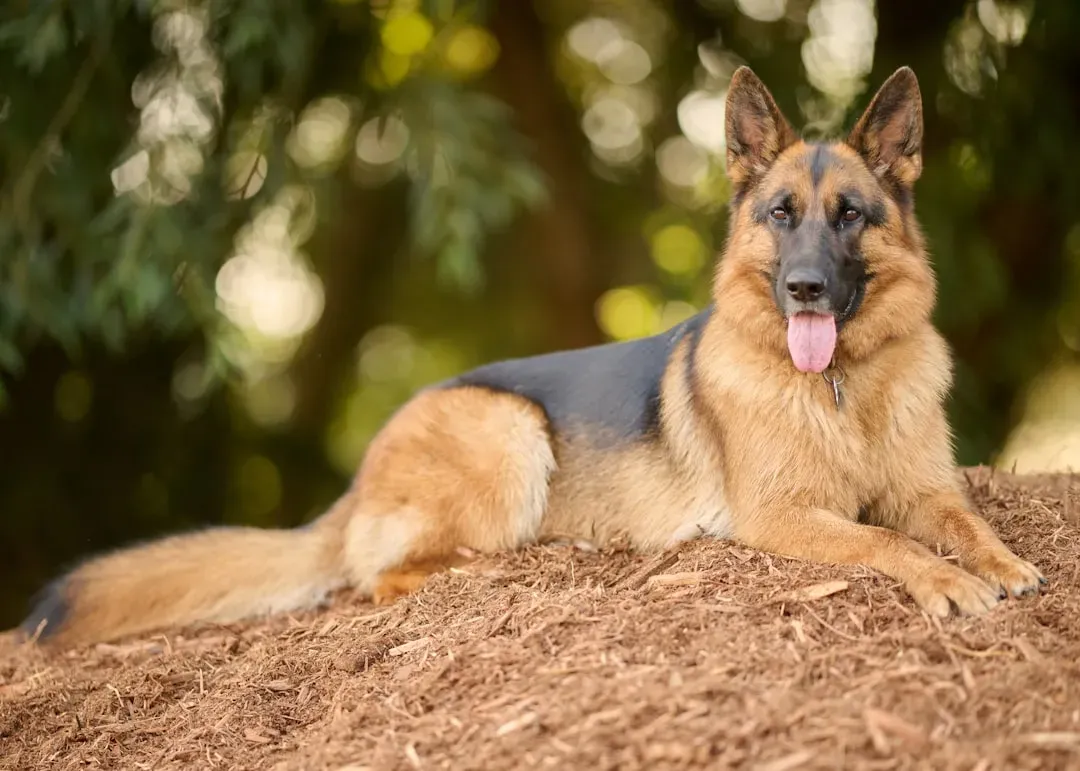
German Shepherds need a physically and mentally stimulating environment, and as brilliantly trainable, intelligent working dogs, they form strong bonds with their owners. This means they can be particularly prone to distress when left alone or not adequately exercised and stimulated. Their loyalty, which makes them exceptional companions, also makes solitude genuinely difficult for them to process.
German Shepherds are high-energy dogs who love having a job that engages both body and mind. They thrive on consistency, so disruption to their routine may result in anxious behaviors such as pacing and door-scratching. These are working dogs that do best in environments that are physically and mentally stimulating. Left alone and bored, they can become genuinely distressed.
#5. Cavalier King Charles Spaniel

Cavalier King Charles Spaniels are affectionate, gentle dogs with a strong desire to be around people. They were bred to be companion dogs, which makes them more prone to separation anxiety when their owners leave. These dogs thrive on human interaction and often form deep family bonds. The trouble is, a dog bred entirely for closeness is a dog that finds distance extremely hard.
Separation anxiety in Cavaliers manifests as panic, whining, and intense clinginess when alone, with symptoms including distress even during brief absences. Factors like moving to a new home, sudden changes in routine, or certain health conditions can further aggravate anxiety. Owners may notice nonstop barking, destructive chewing, restlessness, pacing, or even escape attempts. This breed has a reputation for suffering from particularly pronounced separation anxiety.
#6. Bichon Frise
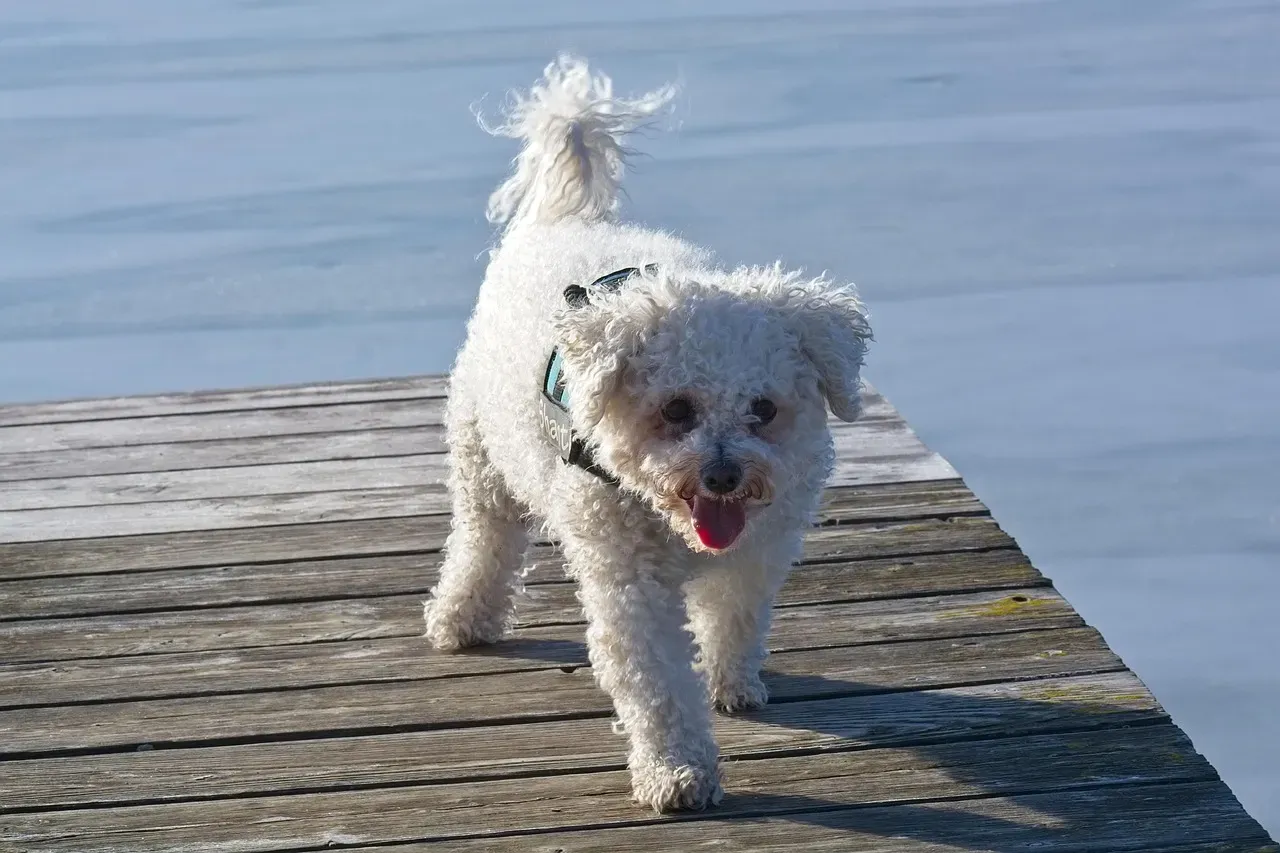
The Bichon Frise was bred to be the perfect lap dog, which means it can feel anxious and abandoned without constant human company. Separation anxiety can be a very real problem with this fluffy, endearing breed. Their entire genetic purpose was closeness, and that purpose doesn’t simply switch off when you close the front door behind you.
Bred as a companion dog, the Bichon Frise really does best when surrounded by its human family. Left alone, they can become bored and suffer severe distress from loneliness. Bichons suffering from separation anxiety typically display excessive vocalization, including persistent high-pitched barking or howling serious enough to draw neighbor complaints. They may also exhibit inappropriate elimination despite being house-trained, and some develop self-soothing behaviors like excessive grooming that can result in skin problems.
#7. Australian Shepherd
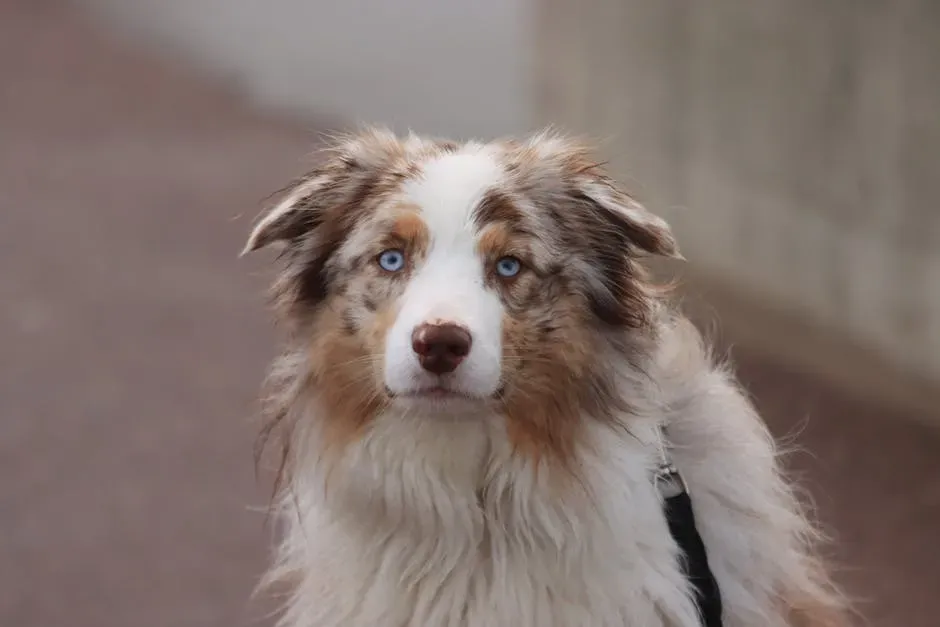
Bred to work on farms helping humans herd cattle and sheep, the Australian Shepherd is a bright dog. That brightness is the very thing that makes them vulnerable. This breed does best when actively at work. They need to stay active and may suffer anxiety when there is nothing to do. An idle Australian Shepherd is rarely a calm one.
Australian Shepherds are a working breed with significant needs, and understimulation can turn directly into destructive behavior. Factors such as a history of abandonment, changes in routine, or traumatic experiences can further compound the development of separation-related conditions. Younger dogs and puppies may also be especially susceptible to anxiety as they form strong early attachments to their owners. When an Aussie’s mind and body are both left idle, the results are rarely subtle.
#8. Chihuahua
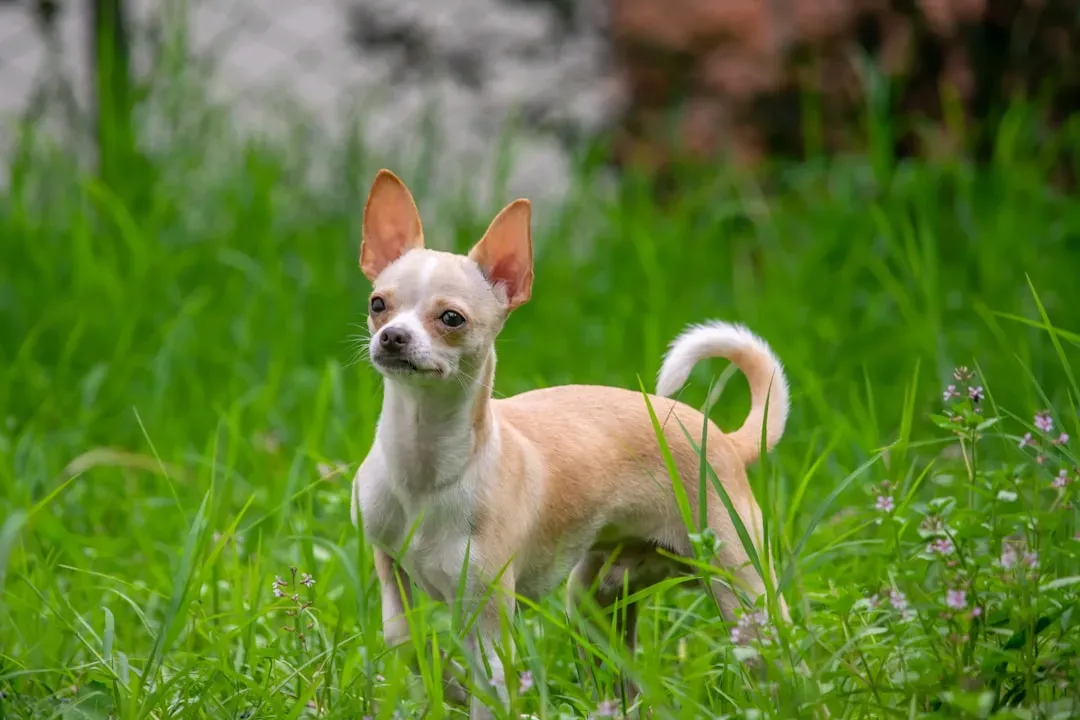
Despite their bold personalities, Chihuahuas are prone to both social and separation anxiety. They may be shy and timid around new people and bark excessively when nervous. Their outsized confidence tends to mask a genuine emotional vulnerability that many owners don’t initially recognize.
Chihuahuas may be small, but they form incredibly strong bonds with their owners and can become deeply anxious when left alone. Known for their loyalty and devotion, they prefer to be with their humans as much as possible. When left alone for extended periods, they exhibit signs of separation anxiety including barking, whining, and destructive chewing. Their small size and delicate temperament make them particularly sensitive to environmental changes.
#9. Toy Poodle
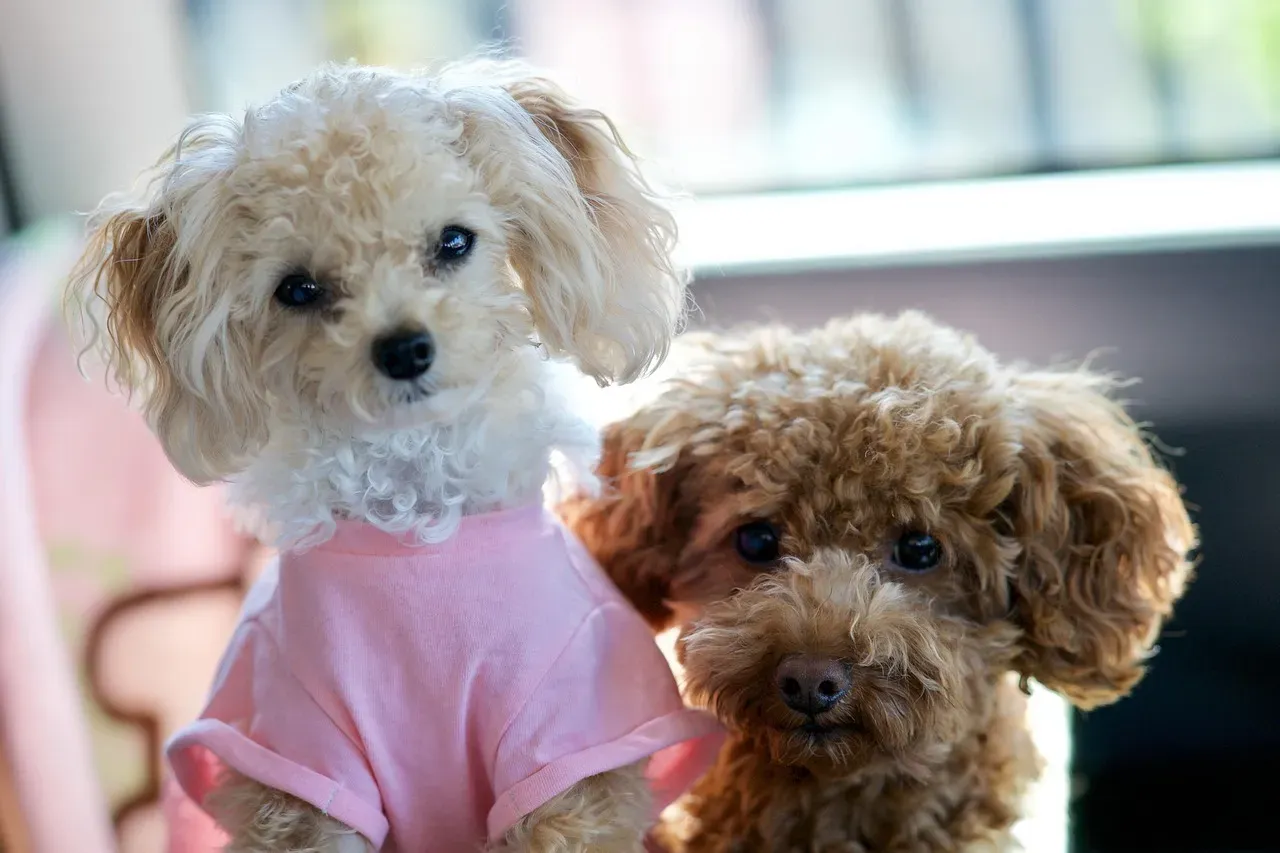
The Toy Poodle is one of the breeds most prone to separation-related problems. This breed is highly social and does not do well when left alone for long periods. When left without company, they may bark excessively, destroy furniture, or have accidents indoors. Beneath the elegant appearance is a dog that genuinely craves constant connection.
Poodles are often said to be more drawn to humans than to other dogs. Blessed with a gentle temperament and bred as companion animals, they crave attention and human company. They’re also accustomed to spending considerable time being groomed and handled. When that closeness disappears, they can become quite distressed. Toy Poodles are sensitive and deeply attached, often whining, pacing, or clinging before their owner even leaves the room.
What Owners and Vets Can Do About It

Research from animal behavior specialists suggests separation anxiety in dogs should be seen as a symptom of underlying frustrations rather than a fixed diagnosis, and that understanding these root causes could be key to effective treatment. That’s an important reframe: it means the condition is not necessarily a life sentence for your dog.
Your first port of call should always be your veterinarian, who can rule out medical issues that may be contributing to the behavior. In some cases, a vet may prescribe anti-anxiety medication to help alleviate symptoms. These medications can reduce severity, but medication alone is not a cure and works best alongside positive reinforcement training and behavior modification.
Every dog is an individual, and even the most anxious breeds can thrive with early socialization, gentle training, and strong bonds with their owners. Research highlights how different emotional states combine to produce problem behaviors, and notes that although the unwanted behavior is triggered by the owner’s departure, it arises from a combination of risk factors including the dog’s temperament, the nature of the owner-dog relationship, and the way the two interact.
A Final Word
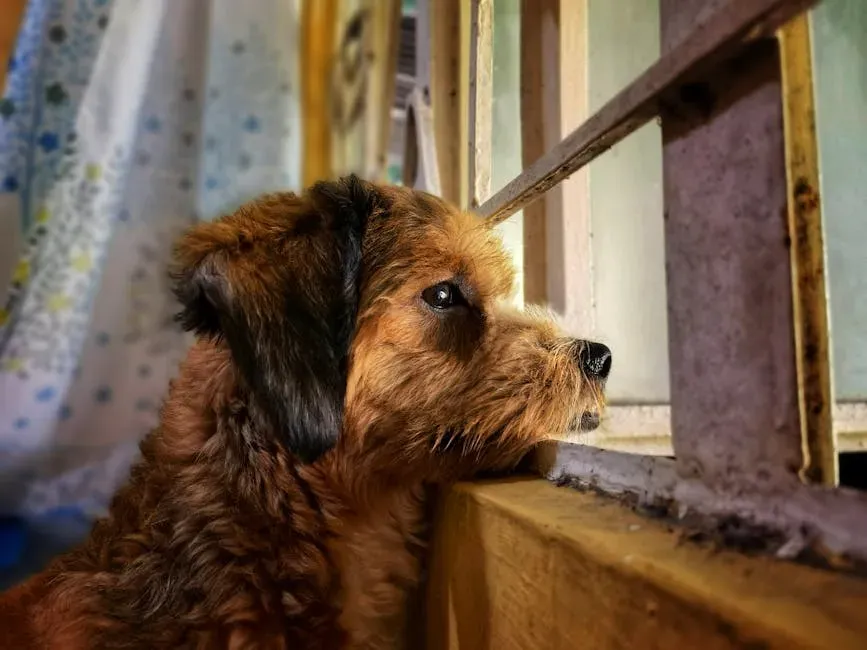
There’s a tendency to frame separation anxiety as a training failure or a discipline problem, and that framing is simply wrong. Many of the breeds on this list were selectively developed over centuries to never leave a human’s side. Their distress when alone isn’t defiance. It’s loyalty without an outlet.
Choosing a Vizsla, a Cavalier, or a Border Collie is a beautiful decision. It is also a significant commitment, one that includes planning for the hours you won’t be home. These are dogs that give everything. The least they deserve in return is an owner who understands what being alone actually costs them.
If your dog already shows signs of separation anxiety, don’t wait for the behavior to worsen. Veterinary behaviorists, certified trainers, and thoughtful management can make a genuine difference. The relationship between a dog and its person is one of the most rewarding bonds in the animal kingdom. Protect it on both ends of the leash.


