
A Natural Bodily Function
Dogs sigh for the same basic physiological reasons humans do. A deep breath helps stretch the lungs and keeps the tiny air sacs open for proper oxygen exchange. This reflex happens several times an hour in healthy dogs regardless of mood.
The act becomes more noticeable when your dog lies down because the motion itself can push air out. It is not always tied to emotion at all. Think of it as routine maintenance for their respiratory system.
Expressions of Contentment
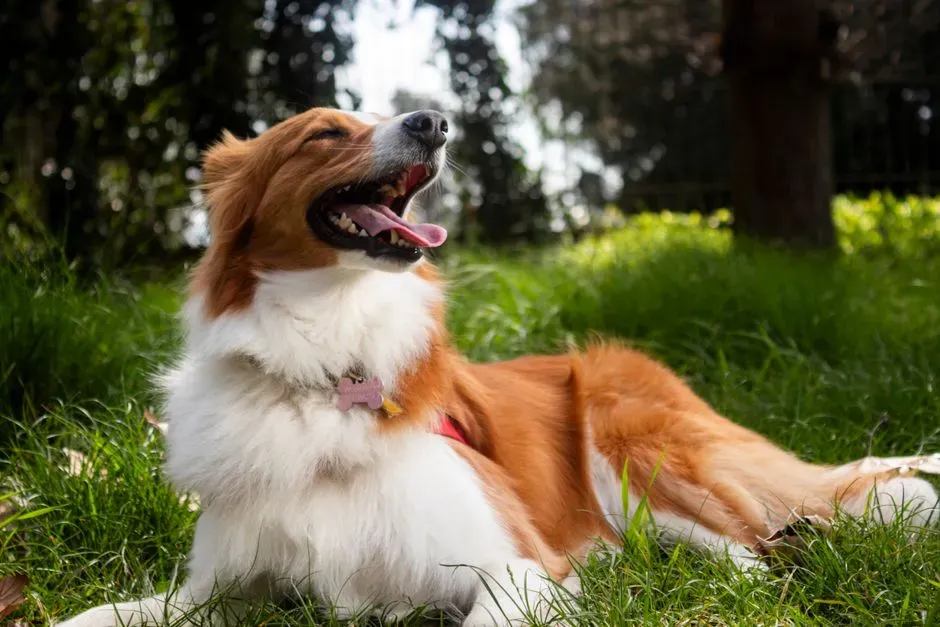
When the sigh arrives alongside loose body language and half closed eyes, it usually signals pure satisfaction. Your dog has found the perfect spot next to you and is simply releasing tension. Many owners notice this happens most often during quiet evenings or after a satisfying meal.
The sound carries a different quality than a quick breath. It feels deliberate and drawn out. This type of sigh often pairs with a soft expression that shows your presence makes them feel secure.
Indicators of Relaxation After Activity
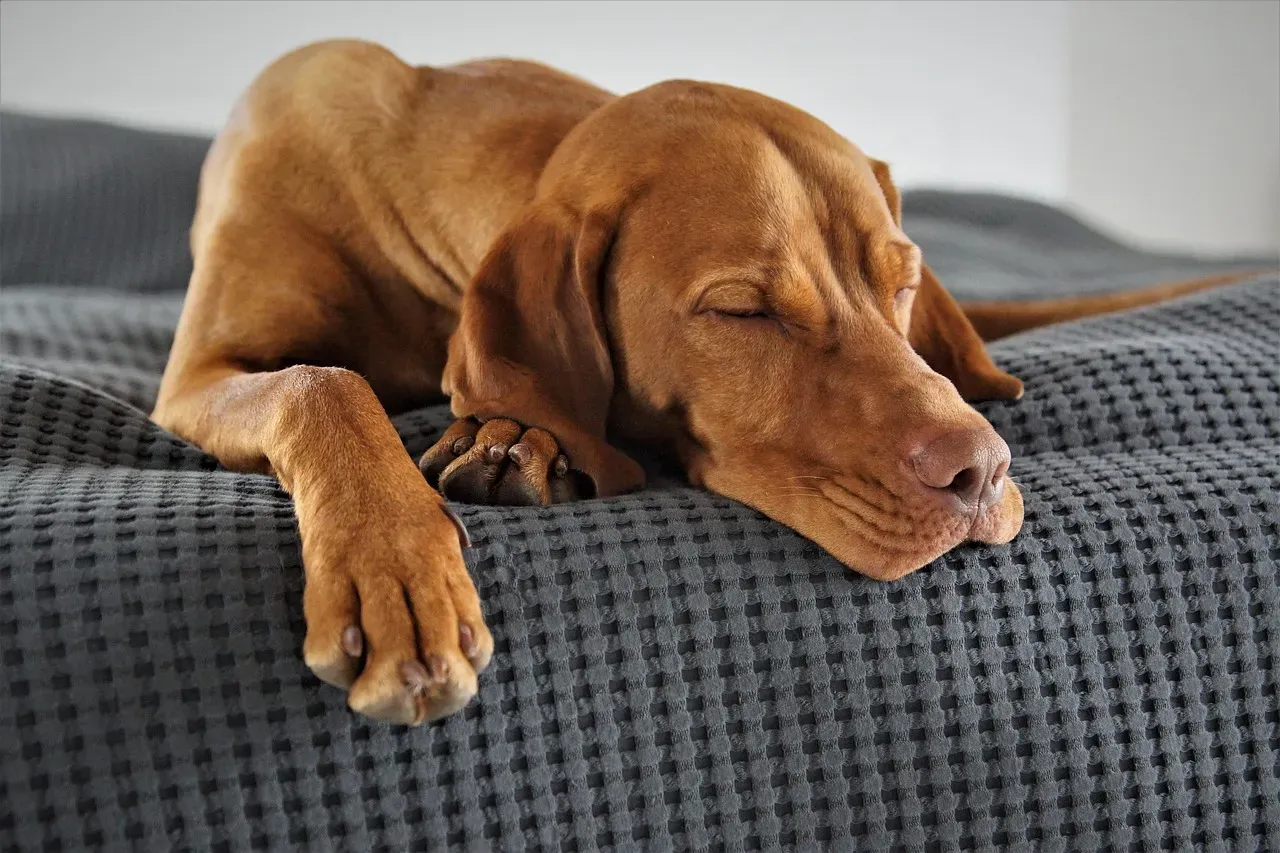
A dog that has just finished playing or exploring will sometimes let out a heavy sigh once they settle. The exhale marks the shift from movement to rest. It is their way of marking the end of one phase and the start of downtime.
You might see this pattern after walks or training sessions. The sigh arrives as they stretch out and get comfortable. It reflects both physical tiredness and mental ease in your company.
Possible Signs of Mild Disappointment
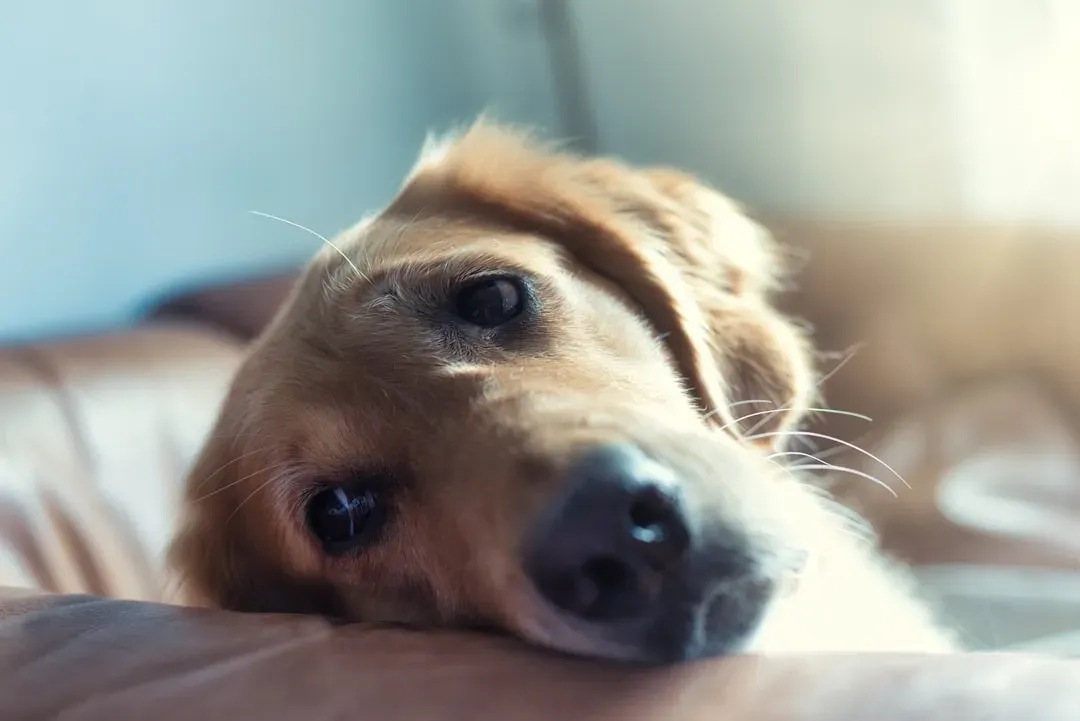
Context changes everything with sighs. If your dog’s eyes stay wide open and their ears remain alert, the sound can lean toward mild frustration. They might have hoped for a walk or a treat that did not arrive.
These moments tend to be brief and situational. The sigh passes quickly once the dog adjusts to the reality of the moment. It rarely lasts long when the rest of their posture stays relaxed.
Context Through Body Language
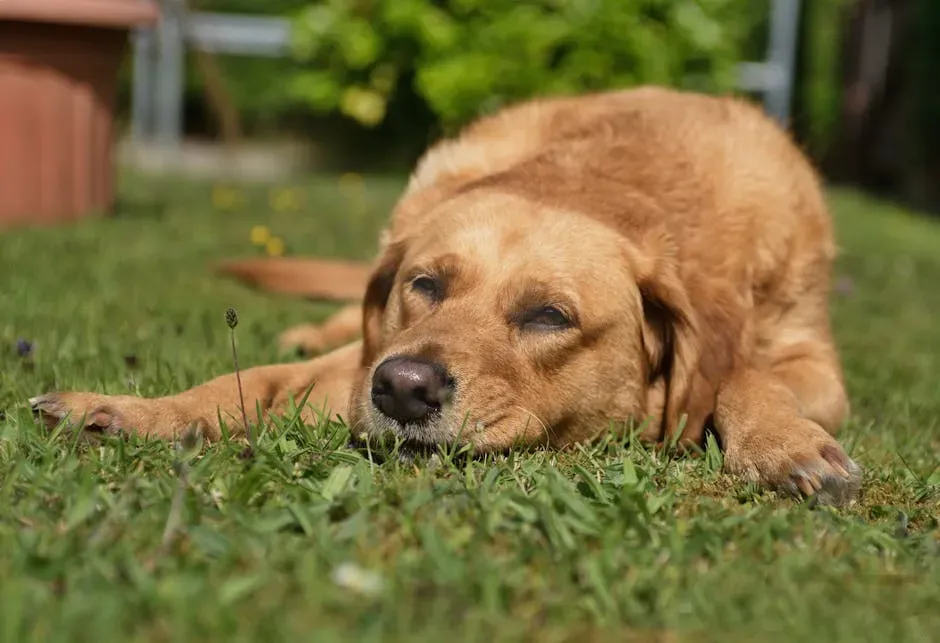
Reading the full picture matters more than the sound alone. A relaxed tail, soft mouth, and easy breathing point toward positive feelings. Stiff posture or tucked ears suggest something else might be at play.
Pay attention to what happened right before the sigh. Was there a change in plans or simply the end of a busy afternoon? The surrounding details usually clarify the message your dog is sending.
Individual Variations Among Dogs
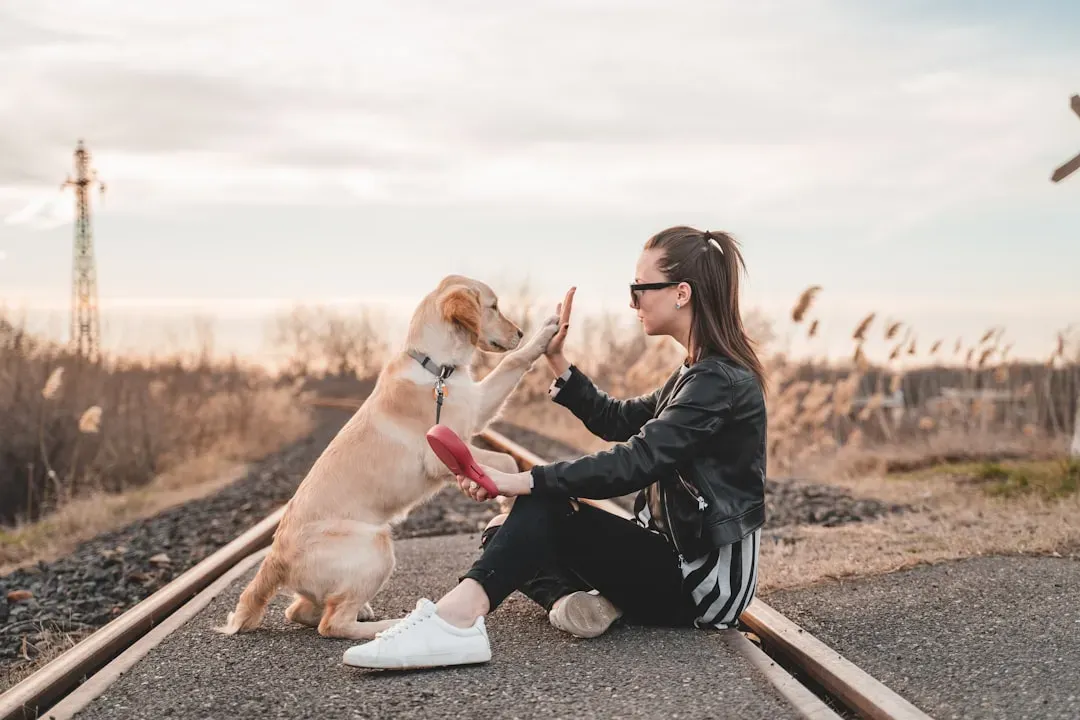
Every dog has its own style of communication. Some sigh frequently while others rarely make the sound at all. Age, breed tendencies, and past experiences all shape how often and why the behavior appears.
Senior dogs may sigh more as they settle into comfortable positions. Younger ones might use it during play transitions. Getting to know your own dog’s patterns turns the sigh into a familiar part of your shared routine.
Why These Moments Matter Most
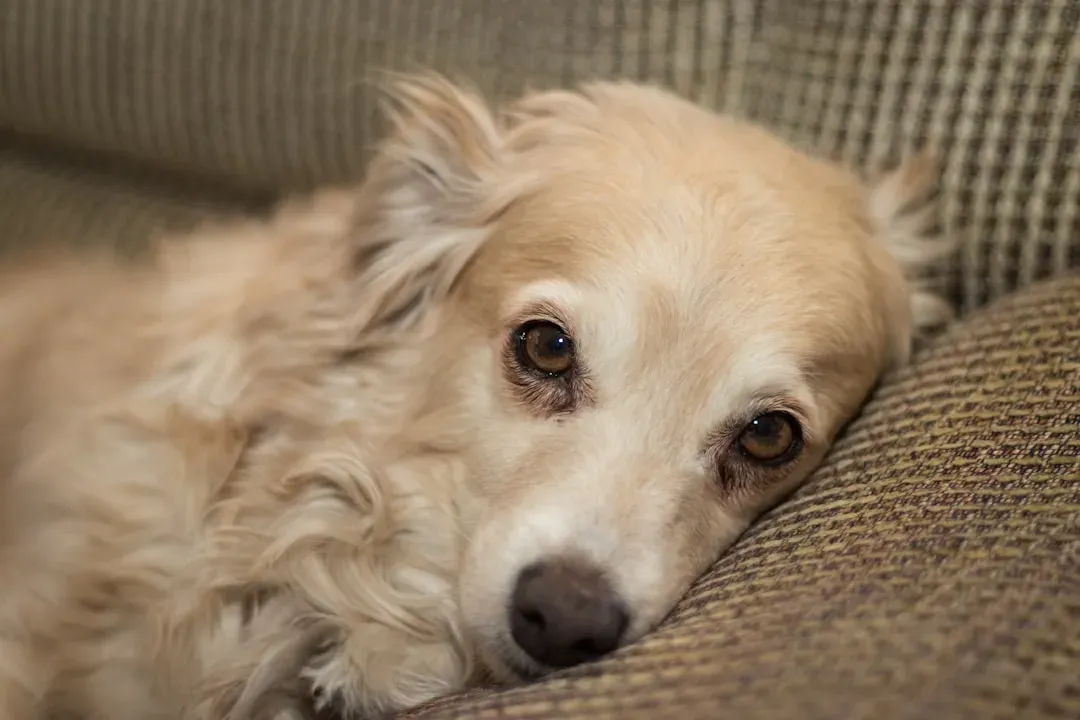
Paying attention to these small signals strengthens the connection you already share. It reminds you that your dog chooses to rest beside you for a reason. The sigh becomes one more thread in the quiet language the two of you have built over time.
Trust what you observe rather than searching for a single dramatic explanation. Most often the deep exhale simply means your dog feels safe enough to let go. In a world full of noise, that quiet trust is worth noticing every single time.


