
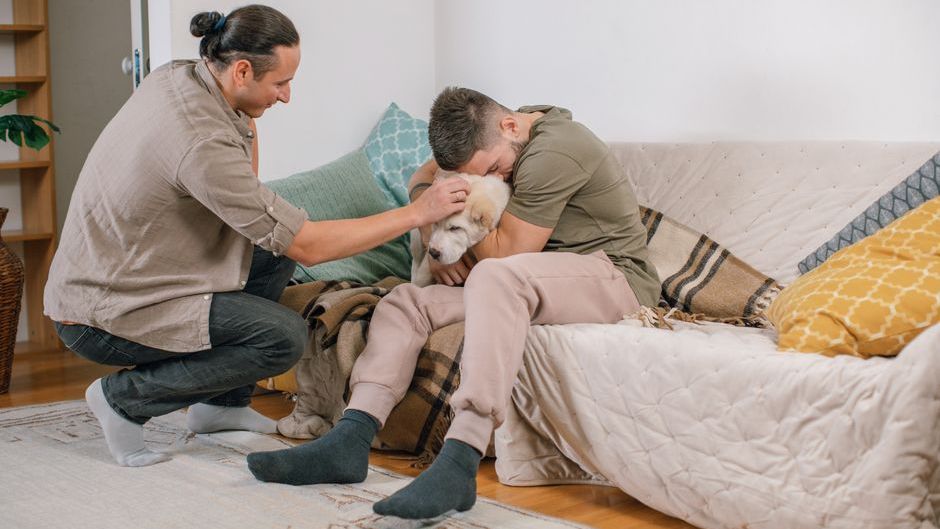
Most people assume a dog’s affection shows up in obvious ways, like frantic tail wags or excited barking at the door. Yet the deeper bond often hides in smaller moments that slip by unnoticed during daily life. These quiet signals can hint at a special attachment that goes beyond simple companionship.
Recognizing them takes a bit of observation and patience. When you start noticing the patterns, the relationship feels more mutual than you might have realized at first.
They Seek You Out During Quiet Moments
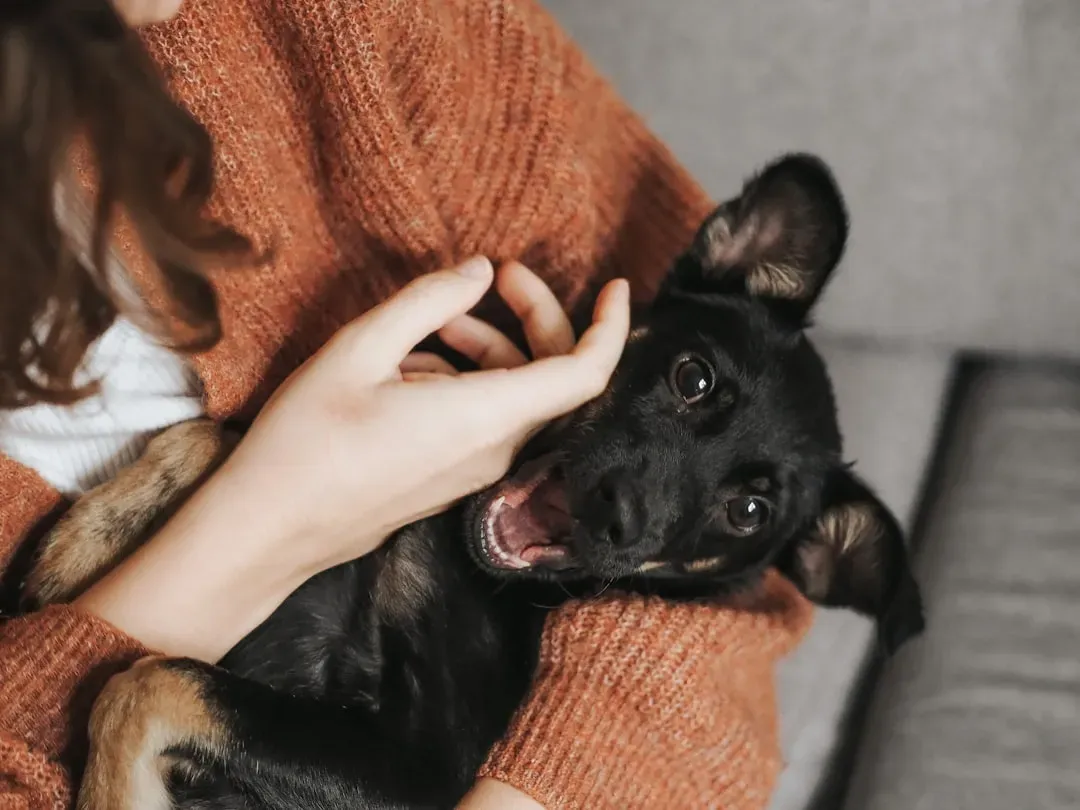
Dogs with a strong attachment often drift toward their person even when nothing exciting is happening. They might settle nearby while you read or work, choosing your presence over a more stimulating spot in the house. This choice reflects comfort rather than boredom or habit.
Over time the pattern becomes clear. The dog does not need play or food to decide where to rest. Their decision to stay close speaks to a sense of security that feels personal.
They Hold Your Gaze Without Looking Away
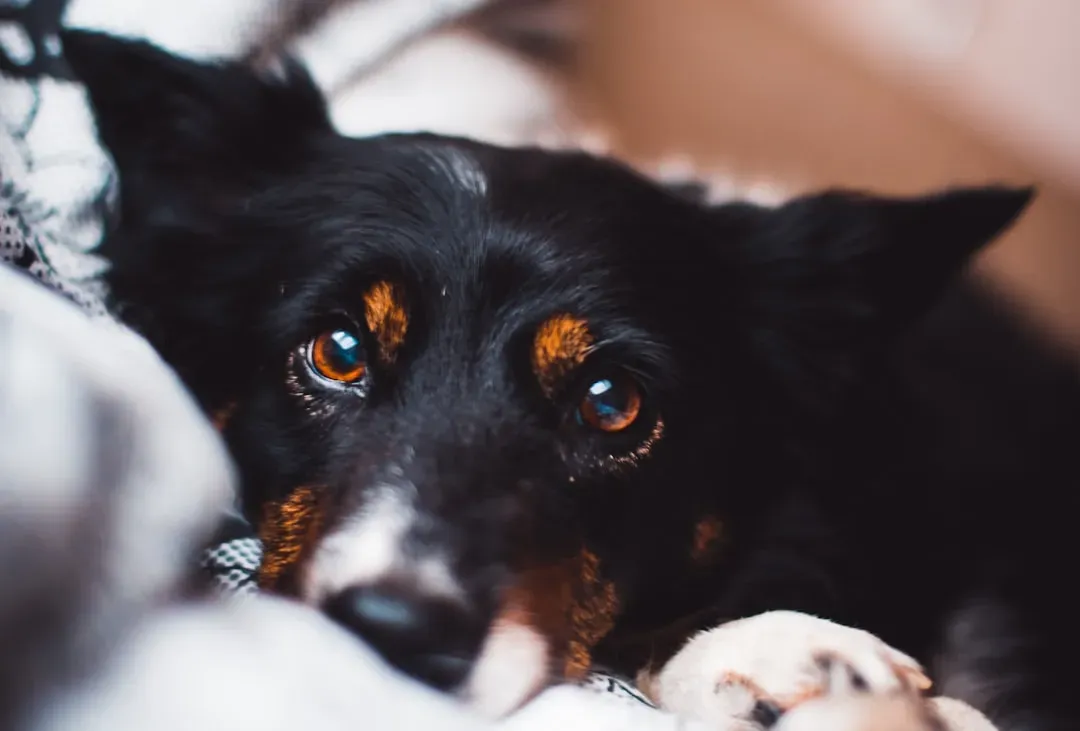
Extended eye contact from a dog can signal trust rather than challenge. When your pet looks at you steadily during calm times, it often mirrors the way bonded pairs communicate without words. Studies on canine behavior note that this kind of looking releases oxytocin in both species.
The moment feels different from a quick glance. It lingers just long enough to feel intentional. Many owners describe it as the dog checking in or simply enjoying the connection.
They Bring You Objects Without Prompting
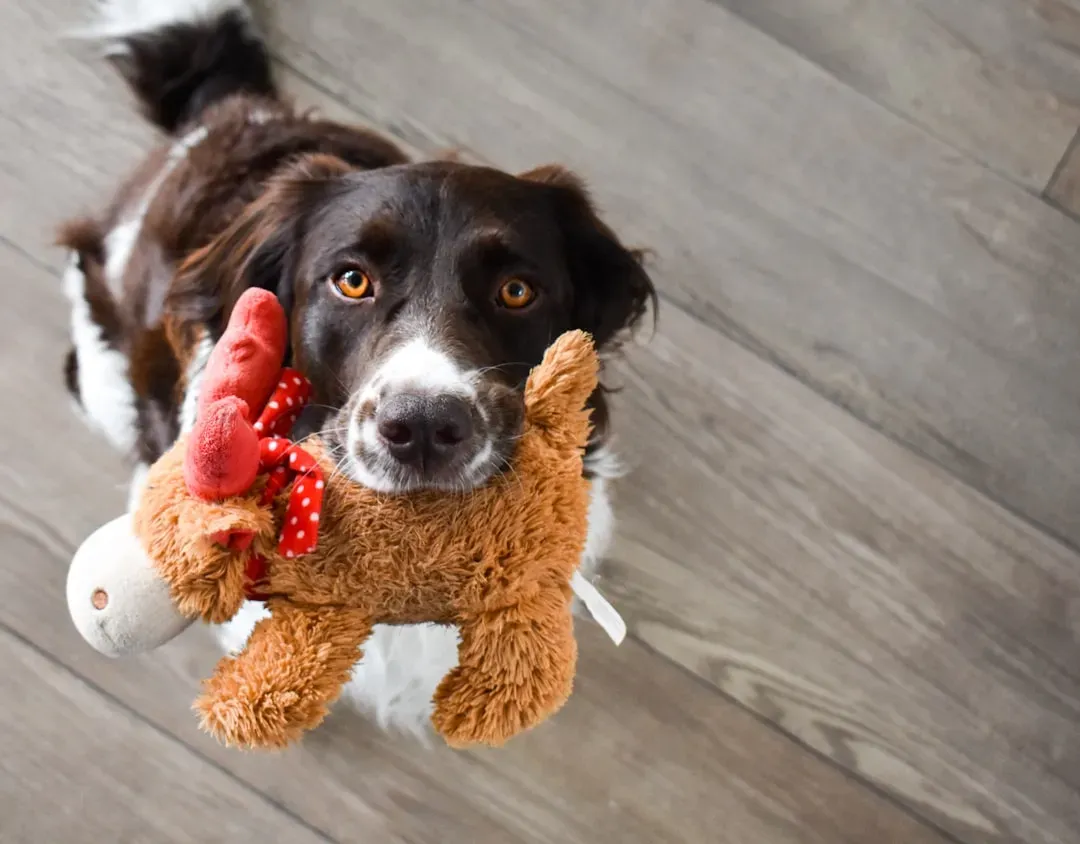
A toy or stick offered directly to you, rather than dropped at your feet for a game, carries a different meaning. The dog seems to share something they value. This small act can reflect a desire to include you in their world.
The gesture rarely comes with demands. Instead it appears during ordinary afternoons or after a walk. Owners often notice the item chosen matches whatever the dog was playing with alone moments earlier.
They Lean Into You for Support
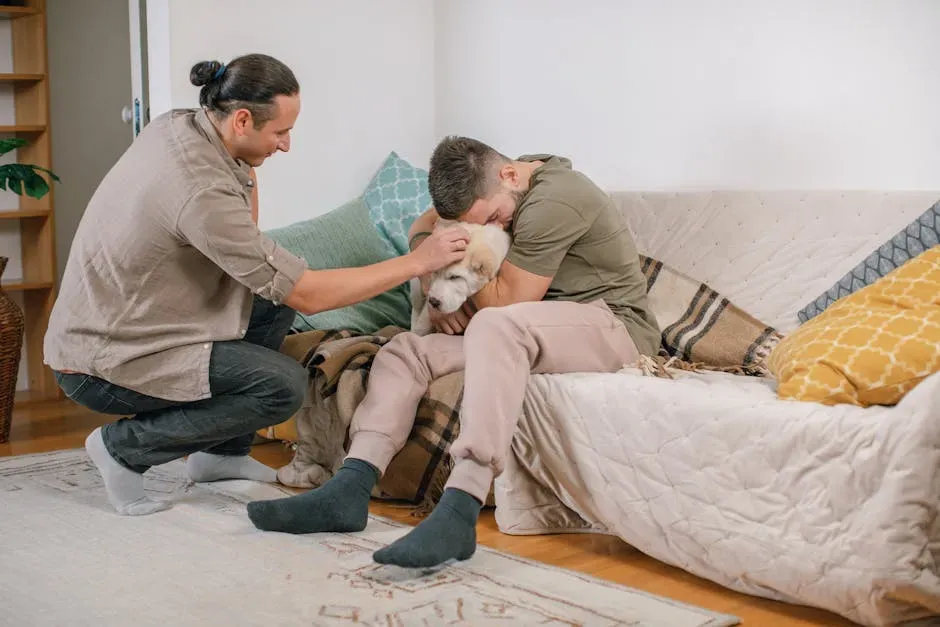
Leaning is not always about seeking attention. A dog that presses its side against your leg during a vet visit or a loud noise uses you as a steady point. The contact provides reassurance that the dog has learned to expect from you specifically.
Watch how the body relaxes once contact is made. Tension eases in the shoulders and the breathing slows. That physical response shows the dog views you as a source of safety.
They Adjust Their Pace to Match Yours
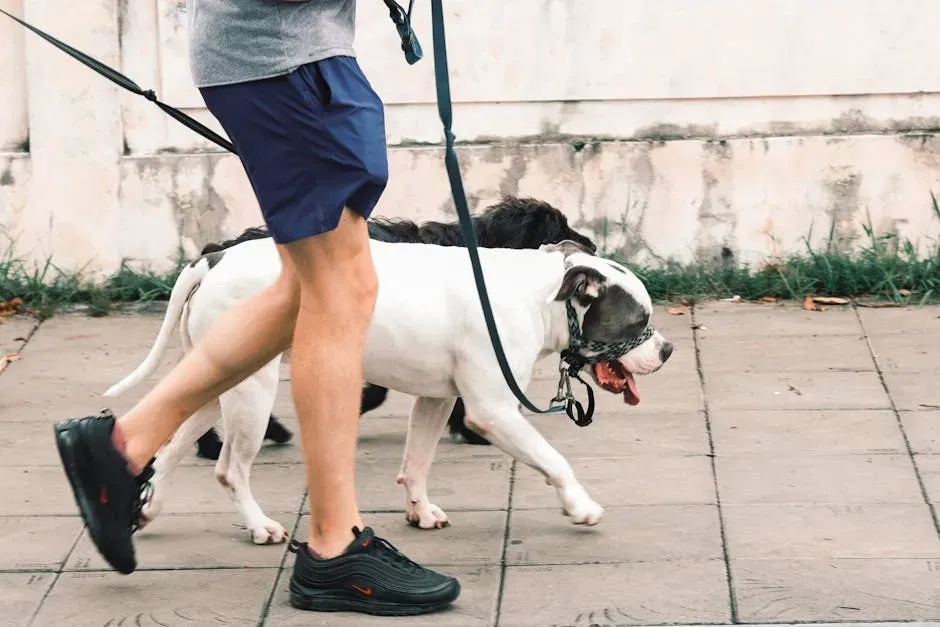
On walks the dog sometimes slows or speeds up to stay in step without any leash correction. This synchronization happens more consistently with the primary person. It suggests an awareness of your rhythm and a willingness to stay connected.
The adjustment feels effortless rather than trained. Even on familiar routes the dog glances back or shortens strides when you pause. Such small accommodations build over months of shared time.
They Show Their Most Relaxed Posture Only Around You
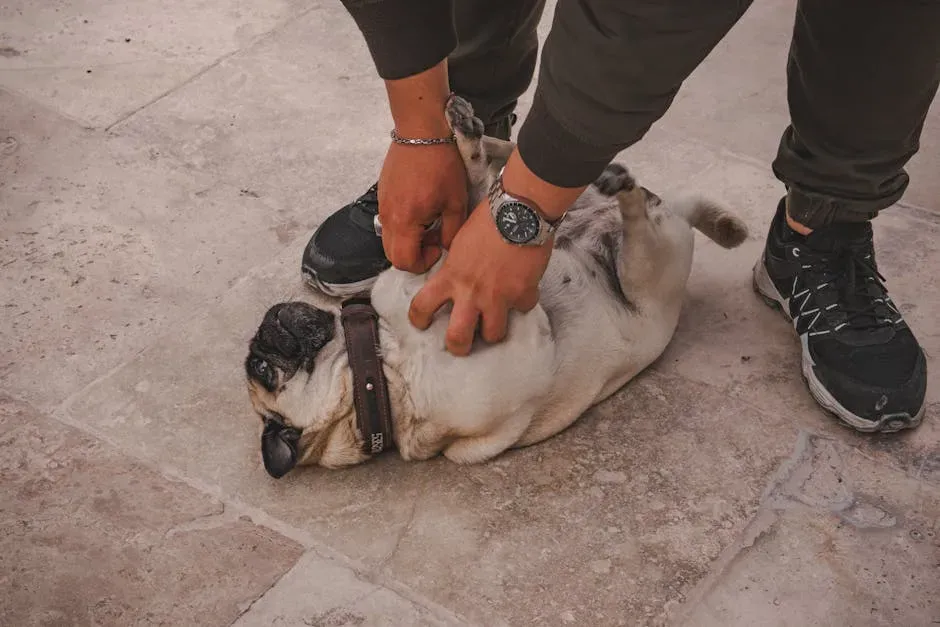
Every dog has a baseline of alertness. When the same animal flops onto its side or exposes its belly exclusively in your presence, the difference stands out. Other people may receive polite tolerance while you receive full vulnerability.
The change appears in the tail position and the softness around the eyes. These details emerge after the dog has known you for a while. They mark a level of ease that does not appear with casual visitors.
They Respond to Your Voice Before Anyone Else’s
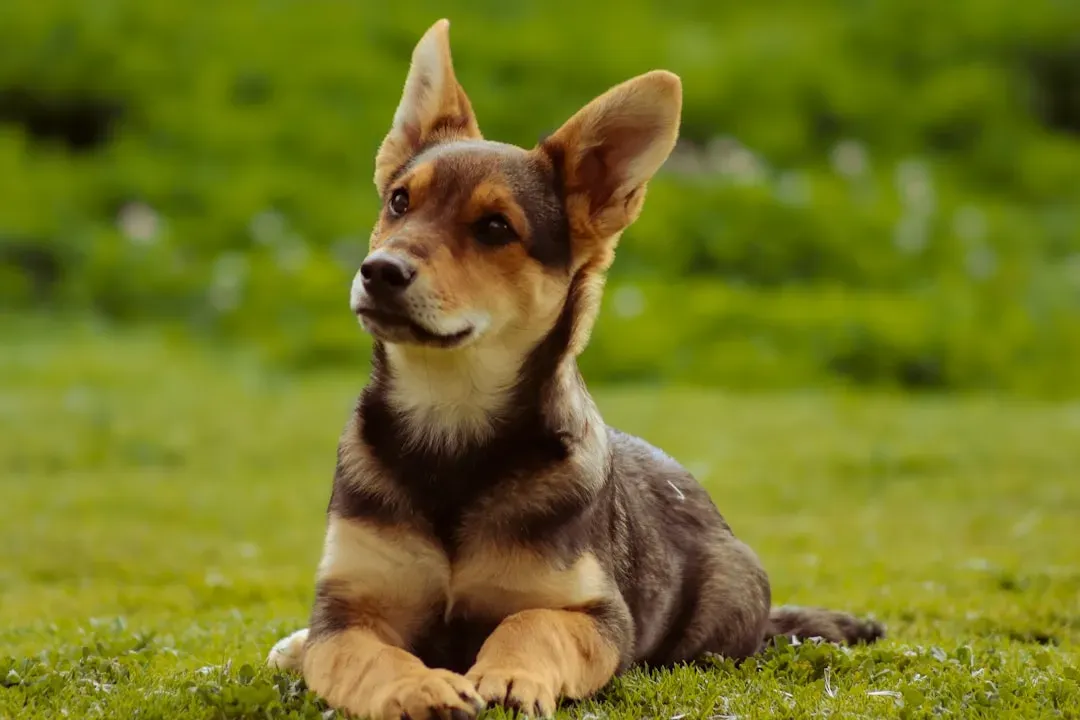
A familiar tone can cut through background noise when other voices do not. The dog lifts its head or moves toward the sound even if the words are ordinary. This selective attention points to a learned preference built through daily interaction.
The reaction stays consistent across different rooms or situations. It does not require treats or commands. The simple sound of your voice carries enough meaning to draw focus.
They Position Themselves Between You and New People
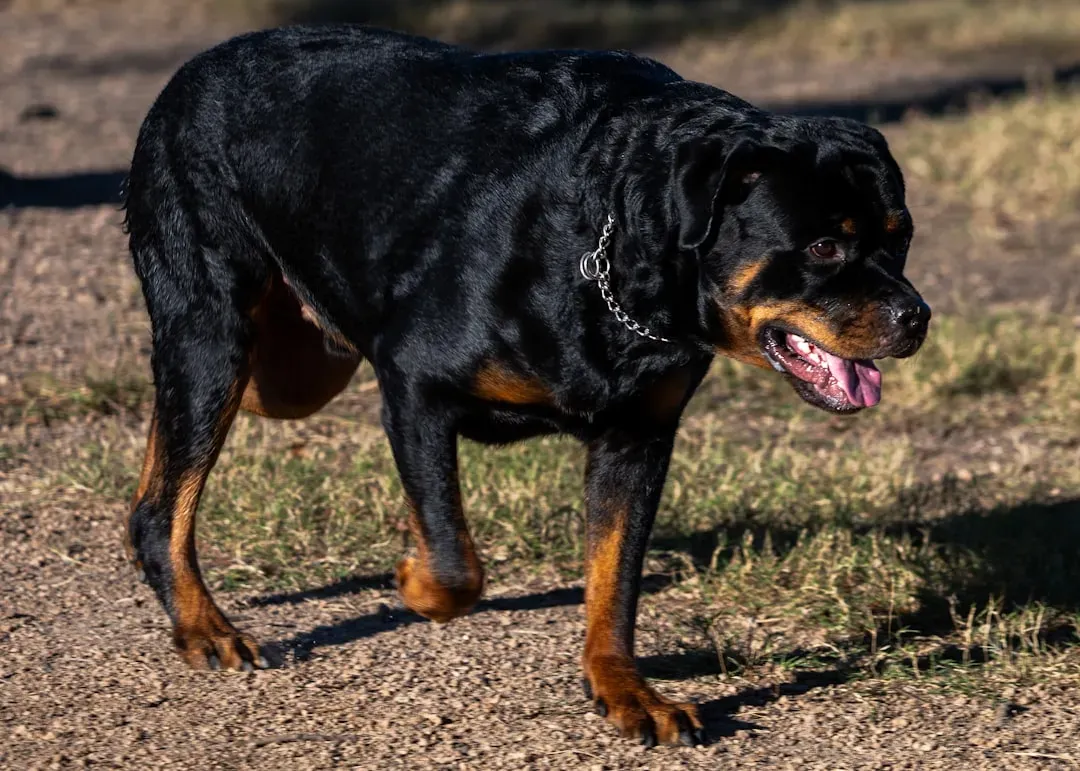
Some dogs place themselves slightly in front of their person when strangers approach. The stance is rarely aggressive. It functions more like a quiet buffer that the dog maintains until the situation feels settled.
Owners notice the dog returns to a neutral spot once introductions finish. The behavior repeats with new delivery drivers or guests. It reflects an instinct to monitor the shared space rather than claim it.
They Mirror Small Shifts in Your Mood
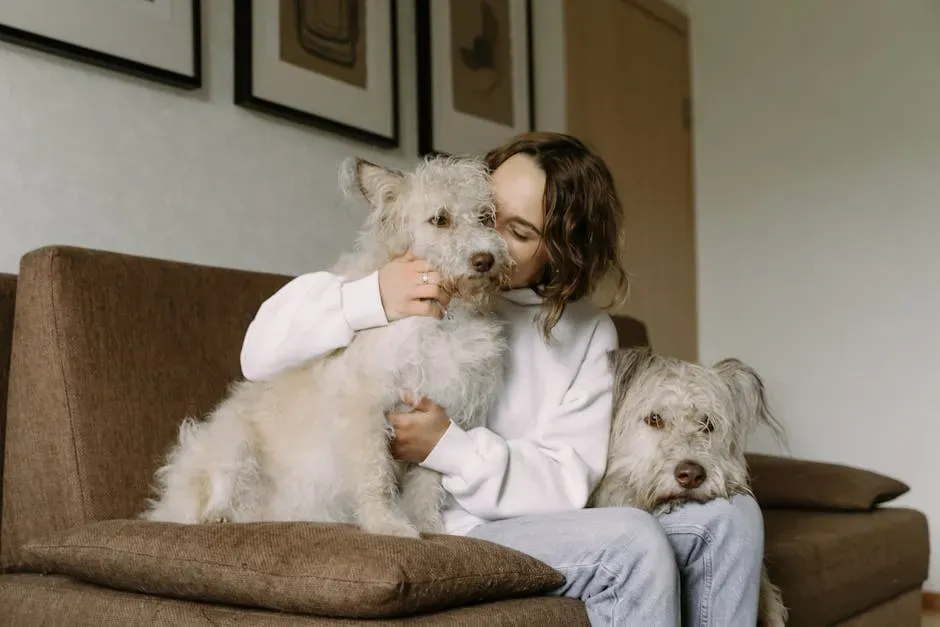
A dog that grows quiet when you feel low or becomes playful when your energy rises shows sensitivity to subtle cues. The mirroring happens without obvious triggers like raised voices. It develops through repeated shared experiences over time.
The response can appear in breathing patterns or ear position. These changes align closely with your own state rather than external events. Many people describe it as the dog reading the room through them.
These quiet signals add up to something meaningful. A dog that chooses you in small ways every day creates a partnership built on trust rather than routine. Paying attention to those moments deepens the connection on both sides and reminds you how much the relationship depends on mutual recognition.


