
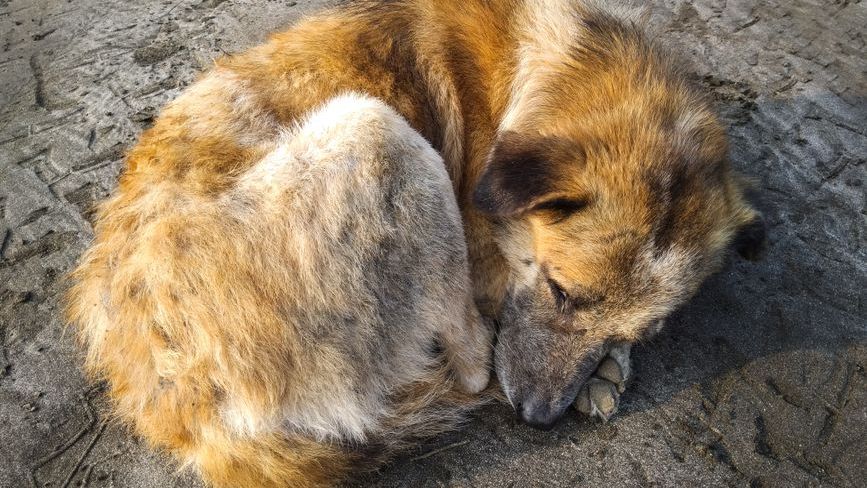
Observe a dog getting ready to rest and the same small dance often appears. They turn in slow loops, pause to sniff, then settle into place as if following steps passed through generations.
This habit looks simple on the surface yet points back to instincts shaped long before dogs shared homes with people. The circling serves purposes that once helped survival in the wild.
Ancient Survival Tactics
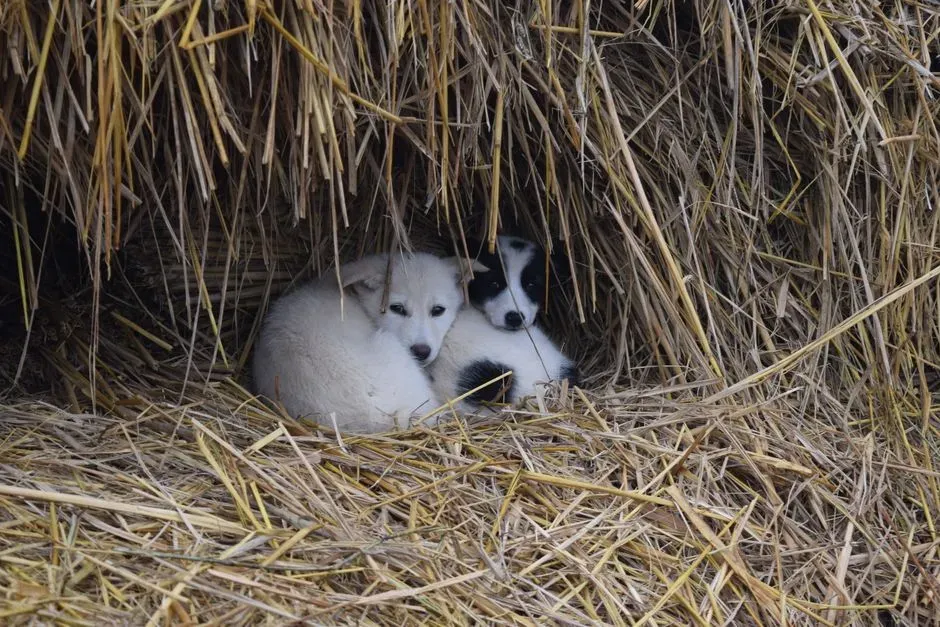
Dogs inherited this routine from their wild ancestors who needed secure places to sleep. Circling allowed them to scan the area for hidden threats or uneven ground that could hide danger.
The motion also flattened grass or leaves into a basic nest. That preparation reduced the chance of sudden disturbances during rest when senses were lowered.
Preparing the Perfect Spot
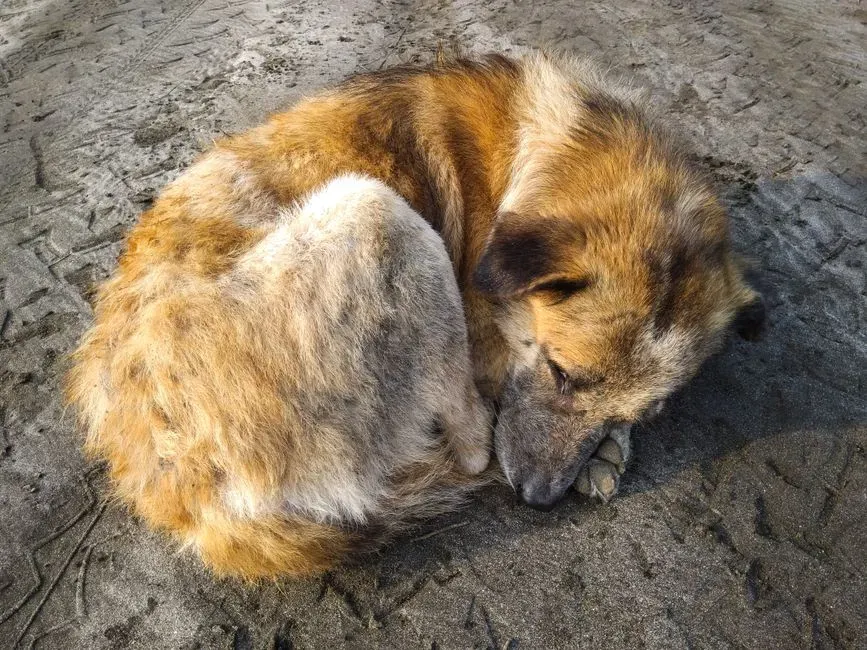
Modern dogs still follow the same pattern even on soft carpets or beds. The turns help them test the surface for lumps or dips that might disturb sleep later.
By moving in circles they create a small depression that feels more enclosed and stable. This step brings a sense of order to the resting place before they commit to .
The Role of Scent
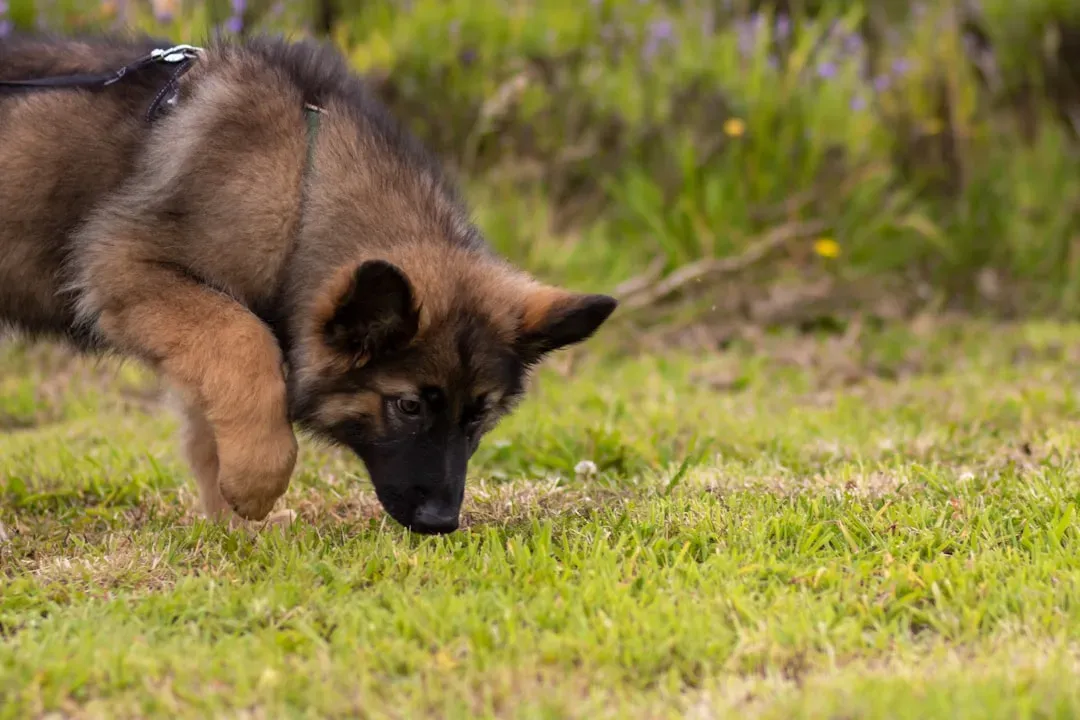
Sniffing during the circles lets dogs gather information about who or what has been there before. Familiar scents can signal safety while new ones might prompt extra caution.
Some circling also spreads their own scent across the spot. This subtle marking reinforces a feeling of ownership and comfort in the chosen area.
Temperature and Comfort Factors

The ritual sometimes helps dogs adjust to the temperature of the surface. Turning exposes different parts of their body to cooler or warmer patches until the balance feels right.
Once settled the curled position conserves body heat. The earlier movements ensure the final spot supports that natural posture without unnecessary shifting.
Breed Differences in Behavior

Some breeds show more pronounced circling than others depending on their original working roles. Herding or hunting dogs may retain stronger versions of the instinct from field life.
Smaller companion breeds often perform quicker loops yet still follow the same sequence. The core drive remains consistent even when daily life no longer requires the same level of vigilance.
What Owners Can Learn

Watching the behavior offers a window into a dog’s sense of security at home. Providing a consistent bed or blanket can support the instinct without forcing changes.
Owners who notice excessive or restless circling might consider whether the resting area needs adjustment for better comfort. Simple tweaks often align with what the dog is already trying to achieve.
Reflections on Canine Instincts

The circling habit reminds us that dogs carry echoes of their past even in modern settings. These small actions connect everyday life to deeper roots that shaped their species.
Respecting the ritual rather than interrupting it strengthens the quiet bond between people and their pets. In the end the behavior stands as a gentle reminder that comfort and safety still matter most when it is time to rest.


