
When Your Dog Stops to Sniff Every Few Feet, They’re Not Ruining the Walk – They’re Experiencing a World You Can Barely Detect
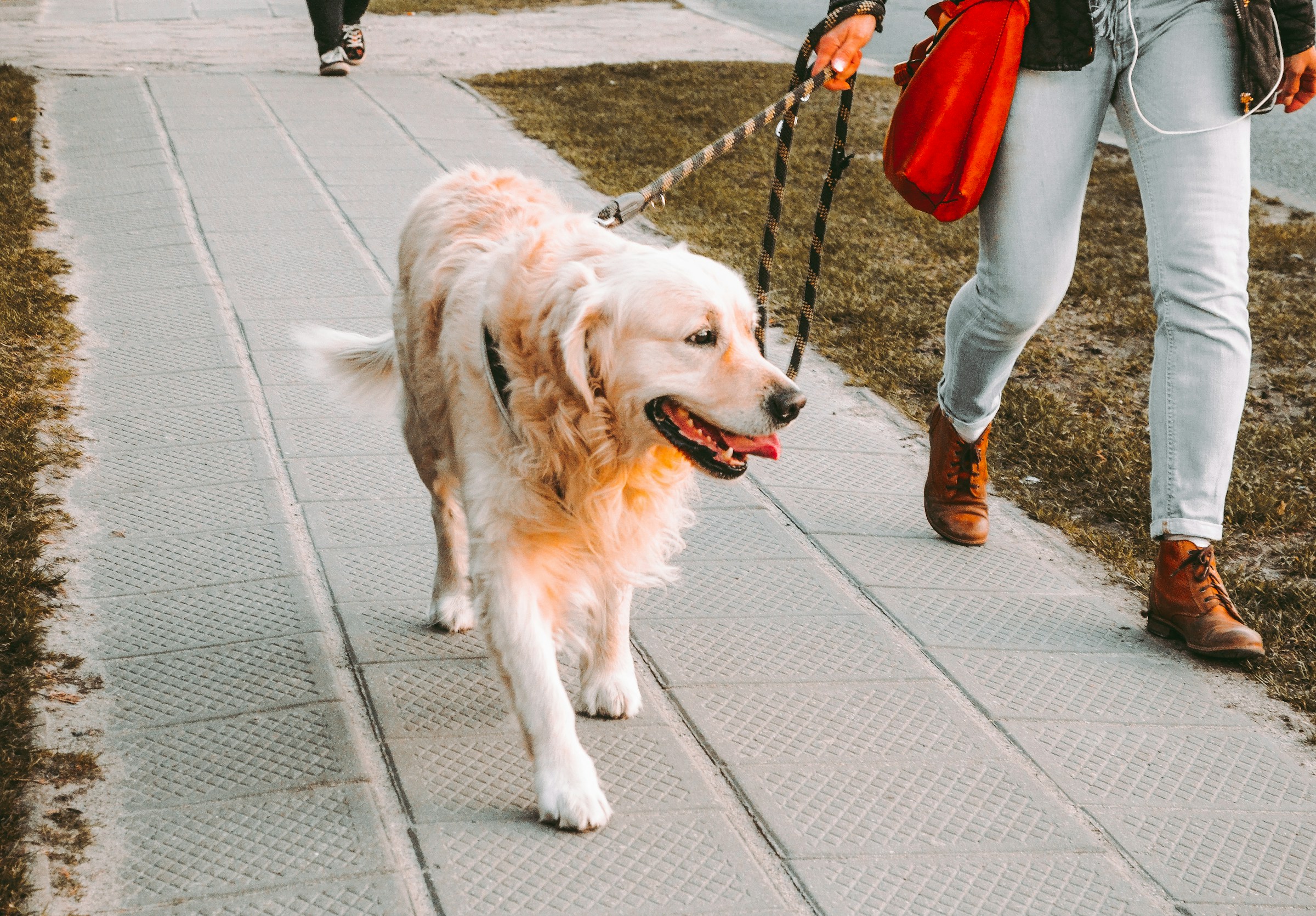
You know that feeling when you’re in a hurry, but your dog hits the brakes for the tenth time to shove their nose into yet another mysterious clump of grass? It can be maddening. But here’s the twist: while you’re counting minutes, your dog is collecting stories, decoding invisible messages, and wandering through a sensory universe you can’t even see. What looks like a frustrating delay to you is, to them, the whole point of being outside.
Once you start to realize just how different your dog’s world is, those stop-and-sniff breaks feel a lot less like interruptions and a lot more like a gift. You’re sharing the same sidewalk, but not the same reality. Understanding that gap doesn’t just make walks calmer; it deepens your relationship, because you stop dragging a nose with legs and start partnering with a thinking, feeling creature who experiences the world through scent first and everything else second.
The Invisible World Under Your Feet (And Under Their Nose)
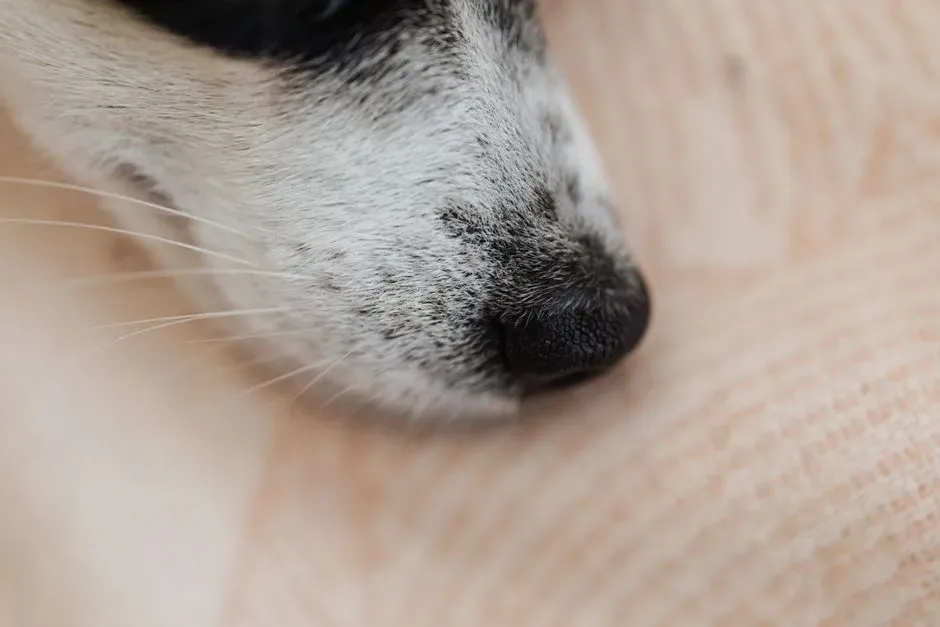
Imagine walking through a crowded city with noise-canceling headphones and dark sunglasses on. That’s a rough version of what it’s like being human compared to being a dog. Where you see a lamppost, your dog detects who was there, how long ago, what mood they were in, and probably what they had for breakfast, all from one quick inhale. Their nose isn’t just good; it’s a biological superpower that reshapes reality.
Scientists estimate that dogs can have tens of millions more scent receptors than we do, and a much larger part of their brain is dedicated to processing smells. To put it in simple terms, you might catch a faint whiff of someone grilling burgers, while your dog smells each ingredient, the person flipping them, and maybe even the last time this spot hosted a barbecue. So when they stop every few feet, they’re not being difficult. They’re stepping into a flood of information you aren’t equipped to notice.
Every Sniff Is a Social Media Check-In
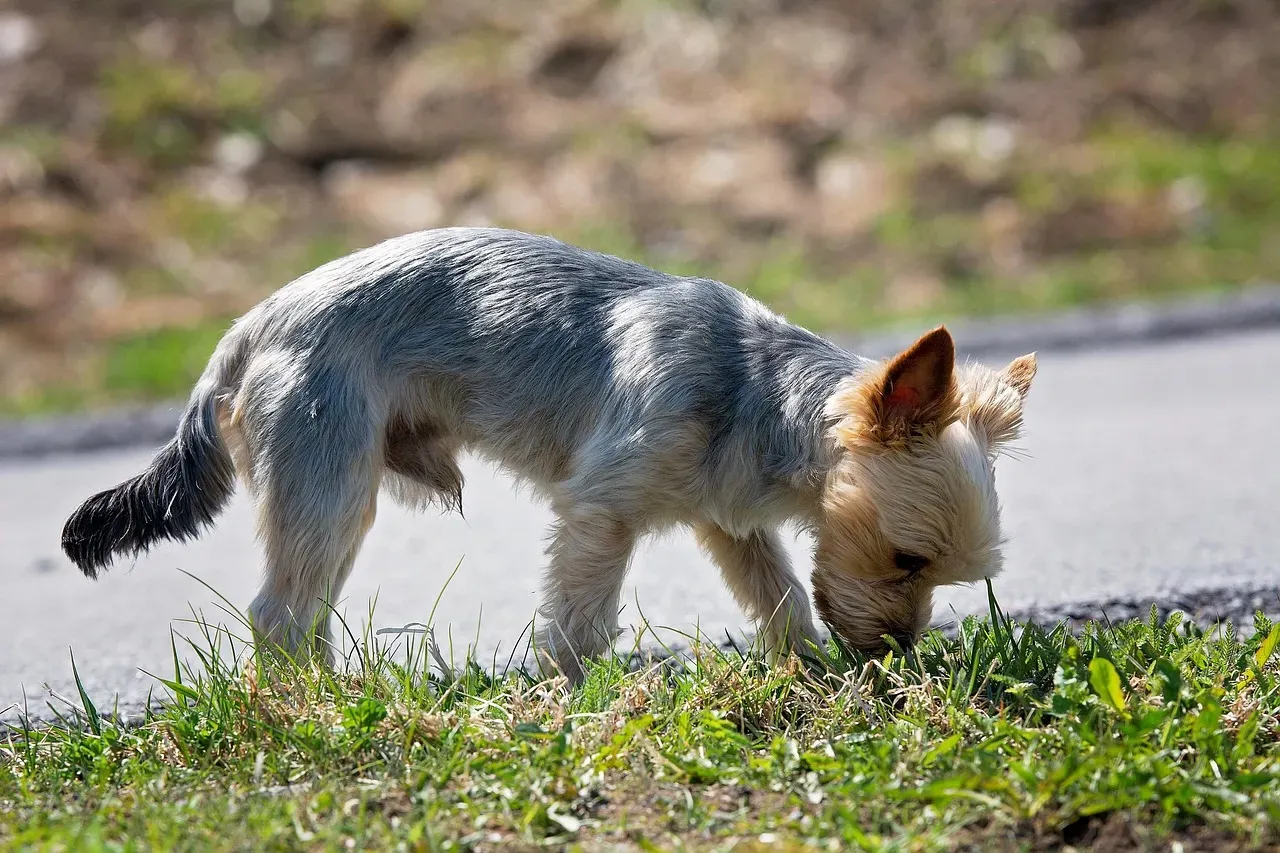
If you think of scent like a dog’s version of social media, their constant sniffing starts to make a lot more sense. That patch of grass is a status update. The tree trunk is a group chat. The corner of the fire hydrant might be the dog park rumor mill. Your dog learns who came by, whether they were male or female, old or young, stressed or relaxed, and what they left behind. It’s gossip, news, and neighborhood watch, all rolled into one.
When your dog pauses to sniff, they’re not zoning out; they’re checking their notifications. They are catching up with the neighborhood, reading messages, and leaving a few of their own. You might feel like yelling, but to them you’re the impatient friend yanking the phone away mid-scroll. Once you see it as their daily social ritual instead of disobedience, those pauses start to feel strangely polite, even necessary.
Why “Hurry Up” Walks Feel Wrong to Your Dog
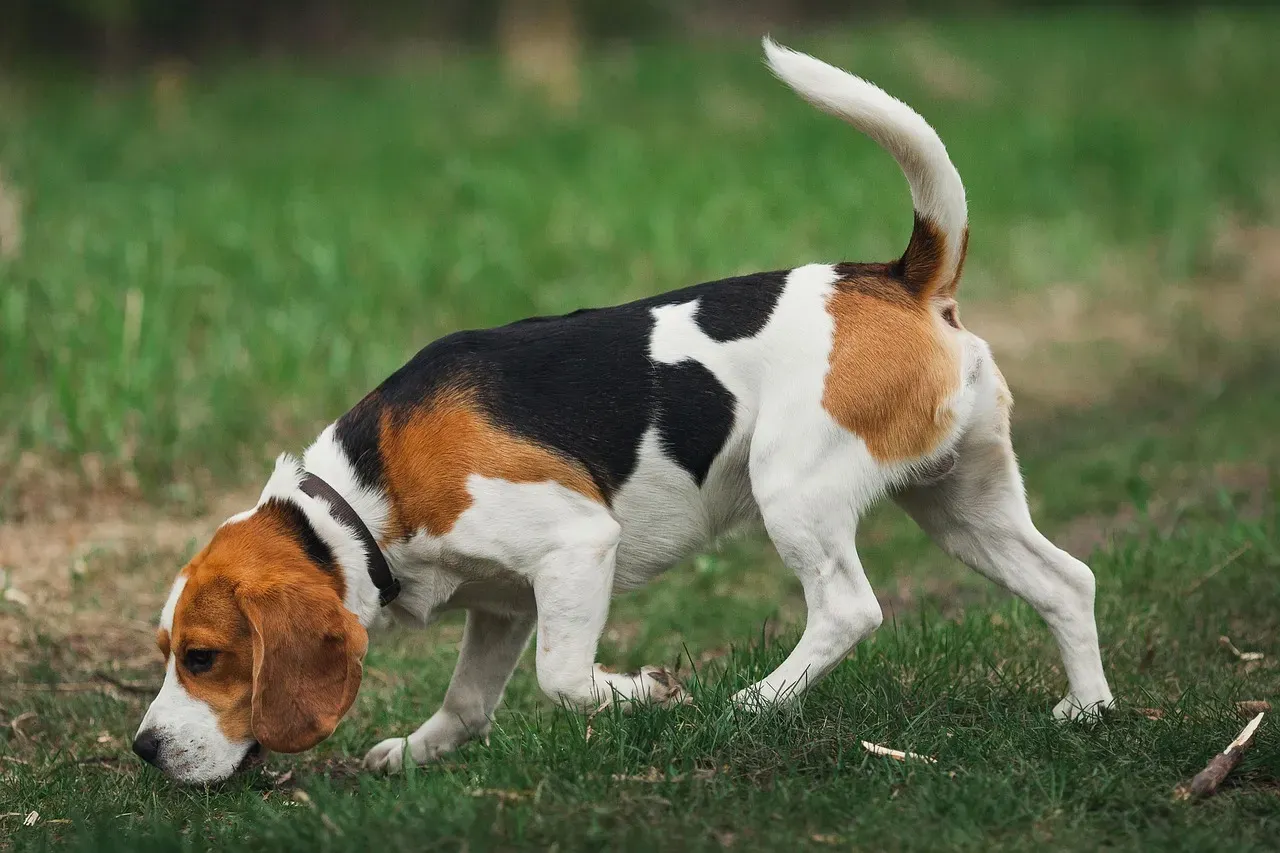
Many of us think of walks mainly as exercise: cover distance, burn energy, get it done. But your dog usually doesn’t care if they hit a certain step count. For them, the walk is mental enrichment first and physical second. A fast, no-sniff power walk can feel like running through a museum while someone shouts at you not to look at the art. Sure, you moved your body, but you missed the point.
That’s why some dogs pull, zigzag, or look restless even after a long route. Their nose never got to do its job, so their brain didn’t get tired in the satisfying way it craves. Slowing down enough to let them process smells can leave them calmer and more content than just marching around the block. Ironically, you often get a better-behaved dog by giving up the idea that walking is only about going from point A to point B.
The Science of the Super Nose (In Plain English)
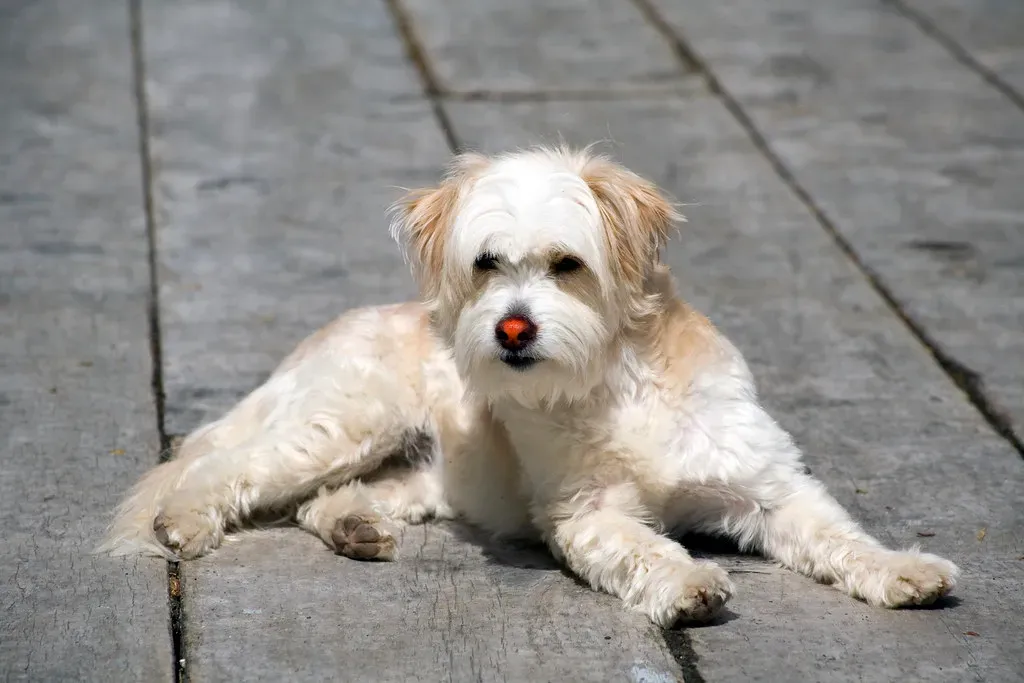
Under the hood, your dog’s nose works very differently from yours. They inhale air in a way that sends some of it straight to a specialized scent-processing area, and they can even smell separately with each nostril, helping them locate where a scent is coming from. On top of that, they have a special structure in their nasal cavity that detects certain chemical signals, especially from other animals. It’s like having a built-in detector for emotional and biological clues.
There’s also something wild about how they experience time through scent. A fading smell can tell them that a person or animal was here a while ago, while a stronger, fresher odor signals something recent. So when your dog pauses and sniffs the air, they’re not just knowing what is around them but also what was and what might be coming. That constant information stream is why a walk with time to sniff leaves them mentally satisfied in a way a quick, rushed loop simply cannot.
Sniffing as Stress Relief and Emotional Regulation
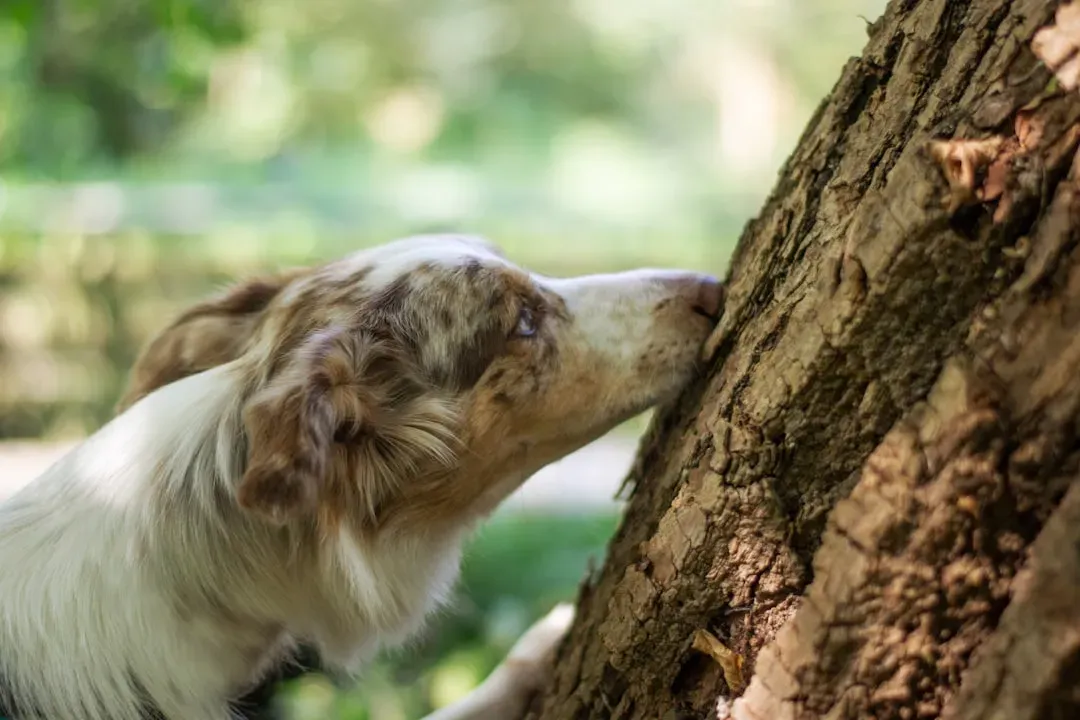
Sniffing is not just about curiosity; it’s also a powerful emotional tool for dogs. Many behavior professionals see sniffing as a calming activity, almost like a dog version of deep breathing or mindful meditation. When dogs are allowed to explore scents at their own pace, they often show fewer signs of anxiety and tension. You might notice their body soften, their tail loosen, and their whole energy shift from wired to grounded.
On the flip side, constantly yanking them away from smells can add frustration, especially for dogs that are already sensitive or nervous. I’ve noticed with my own dog that days with relaxed, sniff-heavy walks feel different at home: he settles faster, nags less, and seems more content. It’s a good reminder that what looks like a small indulgence is actually one of the healthiest ways they self-regulate and shake off stress from the day.
Balancing Real-Life Schedules With Your Dog’s Needs
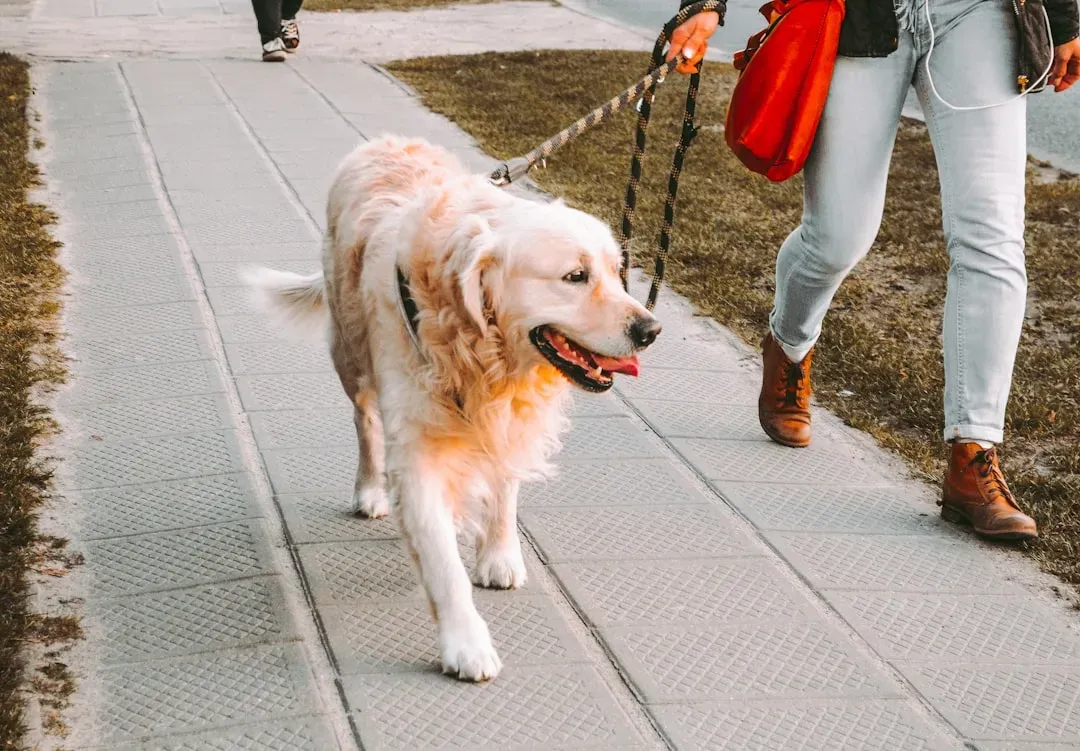
Of course, you don’t always have time for a slow, meandering smell-fest. Life happens: you’re late for work, it’s pouring rain, or you’ve got kids melting down at home. The goal isn’t to turn every outing into a two-hour scent safari, but to intentionally build in sniffing when you can. Think of some walks as bathroom breaks with a clear purpose, and others as bonus “sniffari” walks where wandering and smelling are the main event.
You can also choose routes that are richer in smells when you do have time, like grassy areas, parks, or paths with trees and bushes. On the days when you are rushing, even offering a few extra seconds at particularly interesting spots can make a difference. It’s a bit like grabbing a quick, meaningful conversation instead of ignoring a friend all week. Your dog feels heard, even if the moment is short.
Reframing the Walk: From Chore to Shared Adventure
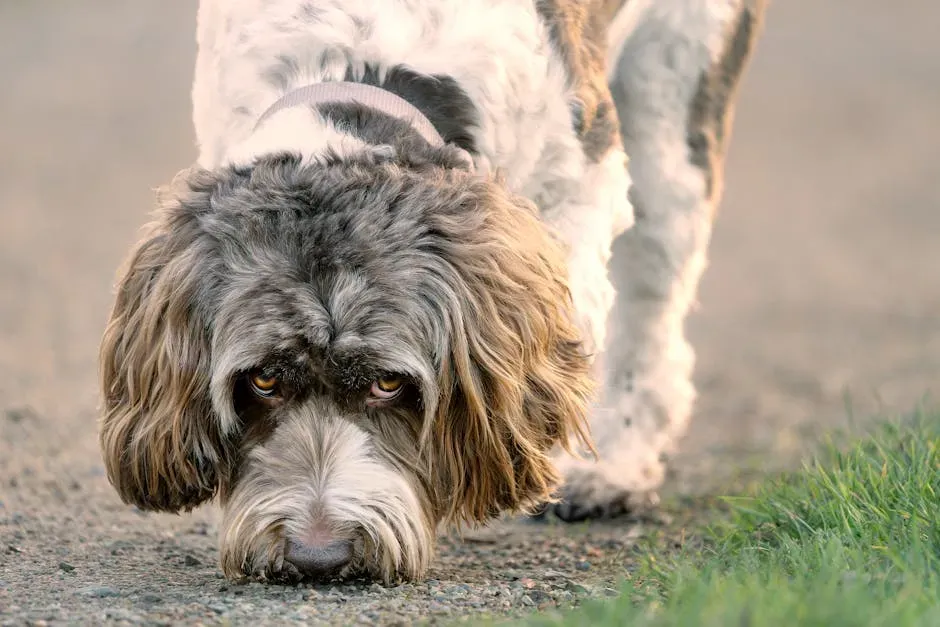
Here’s the opinionated part: if your only goal on a walk is to keep your dog’s nose off the ground and your pace uninterrupted, you’re missing out on the best part of having a dog. Walking with a dog is one of the few chances we get to step outside our human bubble and glimpse another way of experiencing the world. When you slow down and let them lead with their nose sometimes, the sidewalk stops being just a strip of concrete and becomes a living, breathing storybook.
So the next time your dog stops to sniff, try seeing it not as them ruining the walk but as them inviting you into their universe. You don’t have to understand every scent they’re decoding to respect how important it is to them. Maybe you’ll start to notice how your shoulders drop, how your own breathing slows, when you quit fighting their nature and walk at “dog speed” once in a while. In a world that constantly tells us to go faster, maybe letting your dog sniff every few feet is not an inconvenience at all, but a quiet, everyday act of kindness. Did you ever think such small pauses could matter this much?