
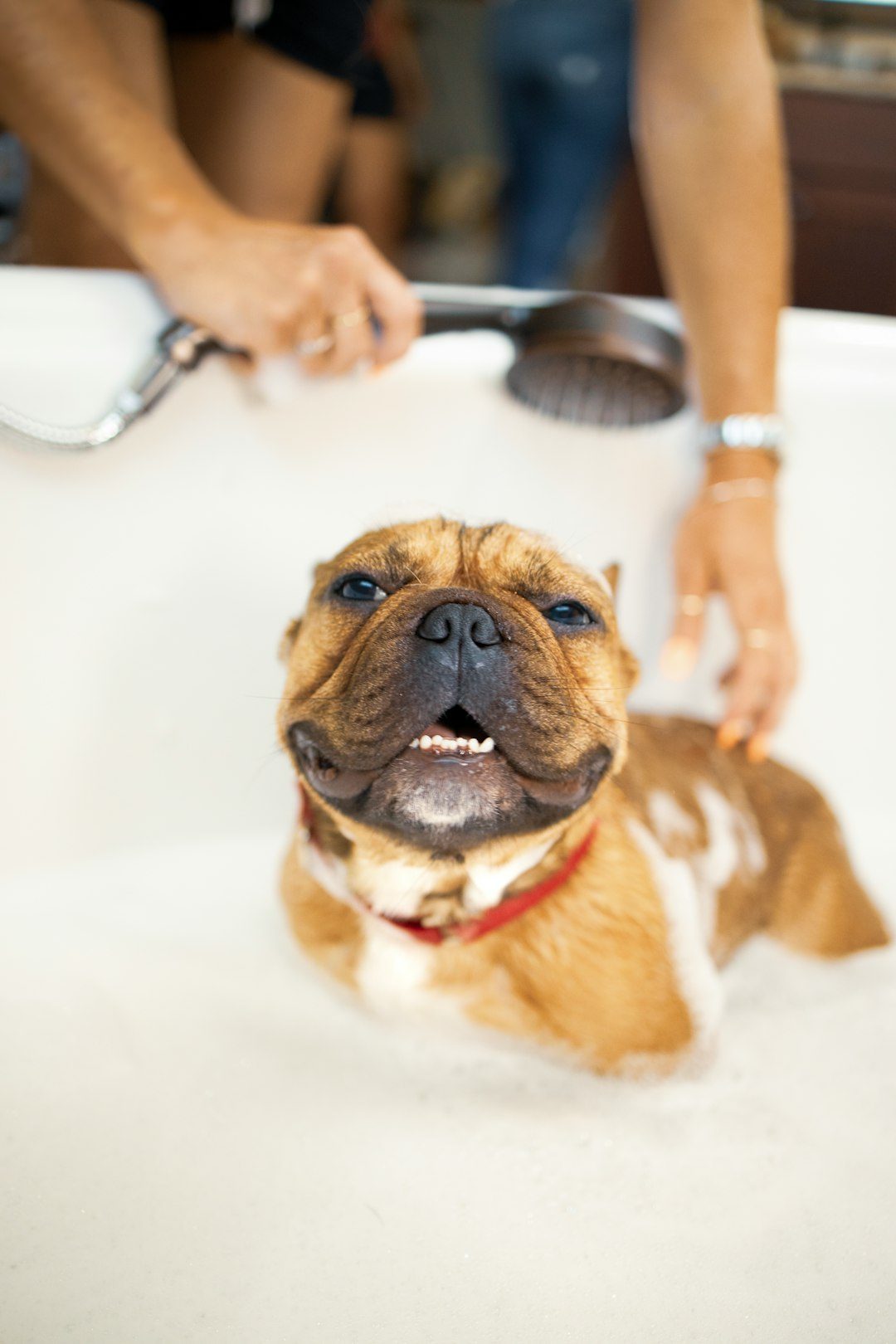
Picture this: you’ve just finished giving your beloved pup a nice warm bath, carefully shampooing their fur and rinsing away every trace of dirt. You’re feeling pretty proud of yourself for getting through the whole process without too much fuss. Then suddenly, as soon as those wet paws hit the bathroom floor, your dog transforms into a furry tornado, racing around the house like they’ve just been struck by lightning.
If this sounds familiar, you’re definitely not alone. These sudden, intense bursts of playful running – known as “zoomies” – are a common and completely normal canine behavior that leaves many pet owners both amused and bewildered. So let’s dive into this delightful mystery and discover exactly what’s happening in your dog’s mind during those post-bath sprints.
The Science Behind Those Wild Post-Bath Sprints
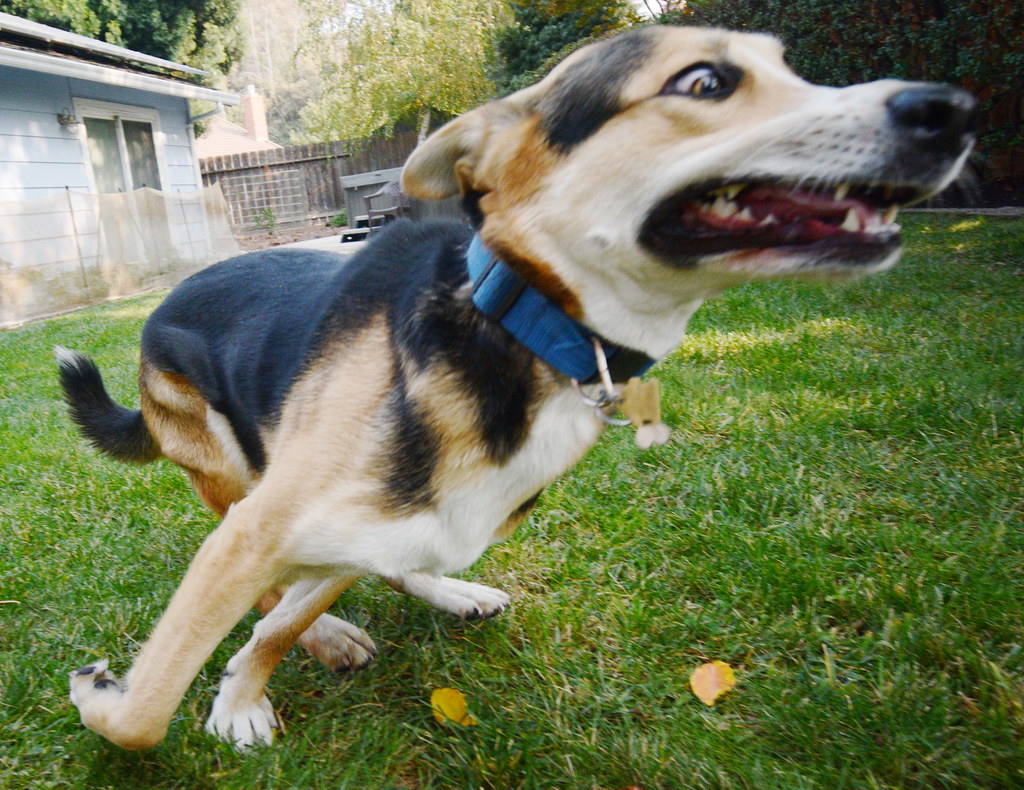
Zoomies, scientifically called Frenetic Random Activity Periods (FRAPs), are sudden, intense bursts of energy where dogs run at high speeds, dart around rooms, and play with enthusiastic abandon. Think of it as your dog’s way of hitting the reset button after an intense experience. These episodes are completely normal and typically last a few minutes, serving as a natural stress-relief mechanism for our canine companions.
Bath time can be overwhelming for dogs. The new sensations – water temperature, unfamiliar scents, and confined space – create significant sensory stimulation. Once released, dogs use zoomies as a way to “shake off” these intense experiences, literally and figuratively. It’s honestly fascinating how our furry friends have developed this natural coping mechanism. Running around helps them reset and return to a more comfortable state.
Your Dog’s Natural Drying Instincts Are Kicking In
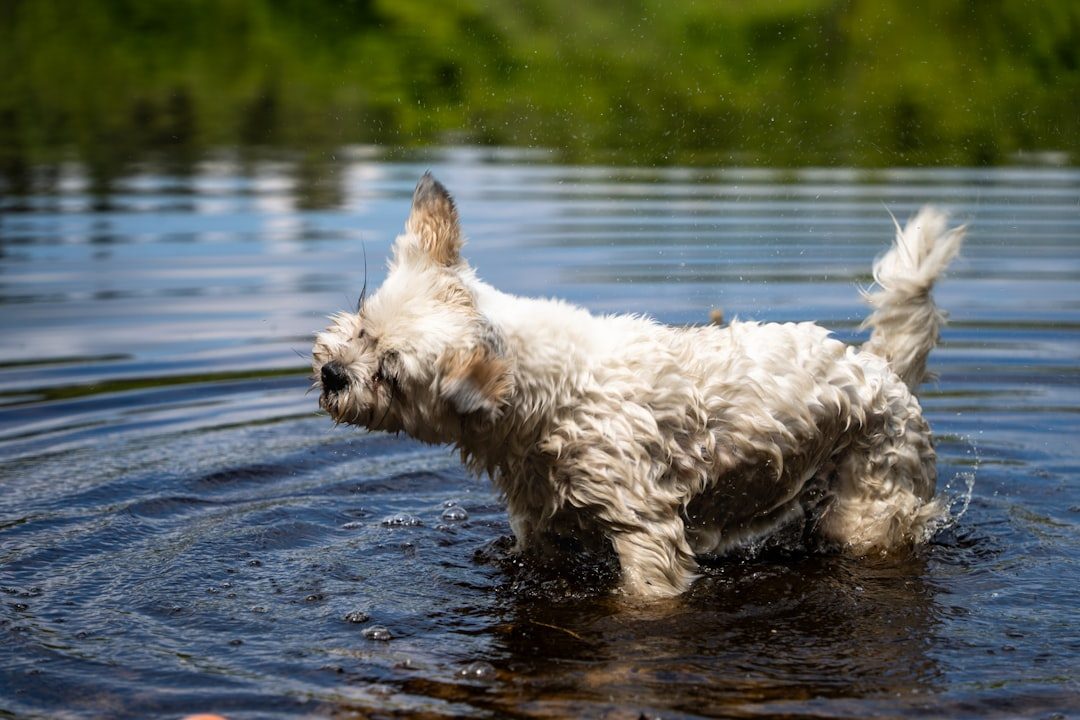
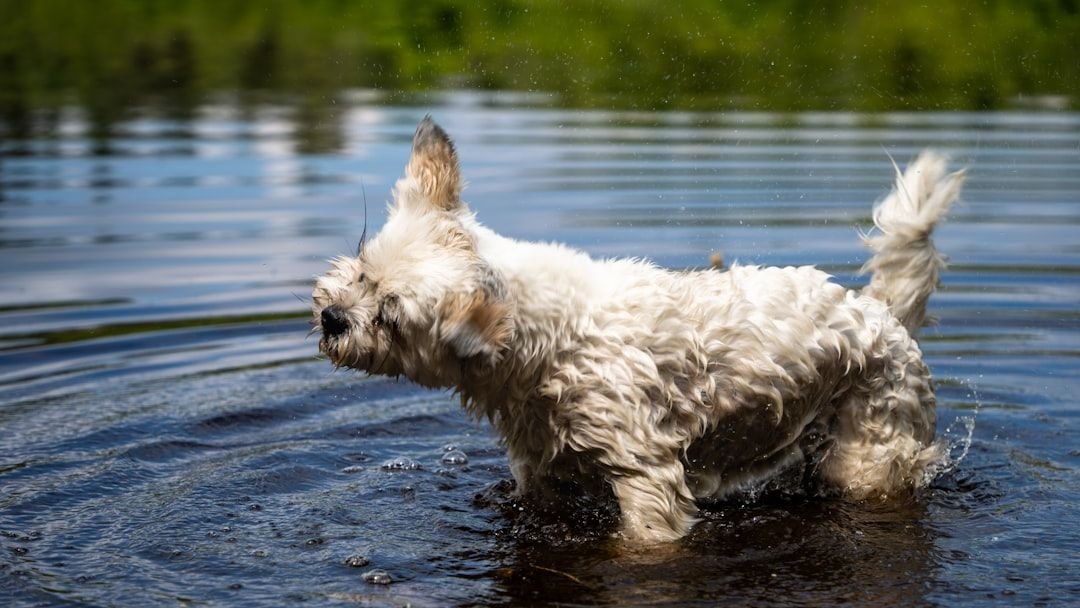
Wet fur feels uncomfortable for dogs. Their instinctive response is to shake, run, and roll around to remove moisture quickly. This behavior isn’t just about getting dry – it’s a survival mechanism that helps regulate body temperature and prevent potential skin irritations from prolonged moisture. Zoomies after a bath may also be rooted in instinct. In the wild, animals often engage in vigorous movements to dry off or remove foreign substances from their fur. While domesticated dogs no longer need to rely on such behaviors for survival, the instinct to shake off water and debris remains. The zoomies could be a modern-day manifestation of this primal urge.
Your dog is essentially following thousands of years of evolutionary programming. Furthermore, the physical activity helps them warm up after being wet, which can be particularly comforting in cooler environments.
The Great Scent Identity Crisis
Dogs have a powerful sense of smell and often find bath products’ fragrances foreign and unsettling. Post-bath zoomies can be their way of attempting to mask these artificial scents with their own natural odor by running, rolling, and rubbing against familiar surfaces. Imagine if someone suddenly changed your favorite cologne to something completely different – you’d probably feel a bit off too!
One of the biggest reasons your dog goes hyper after a bath is because their natural scent has changed. Your dog doesn’t just like how they smell – their scent is how they identify themselves. It’s their canine fingerprint. Dogs have a highly developed sense of smell, and the scents from shampoos and conditioners can be overwhelming for them. After a bath, they may feel the need to ‘reclaim’ their natural scent by rolling around or running. This behavior is a way for them to feel more comfortable and secure in their environment.
Freedom Feels Fantastic
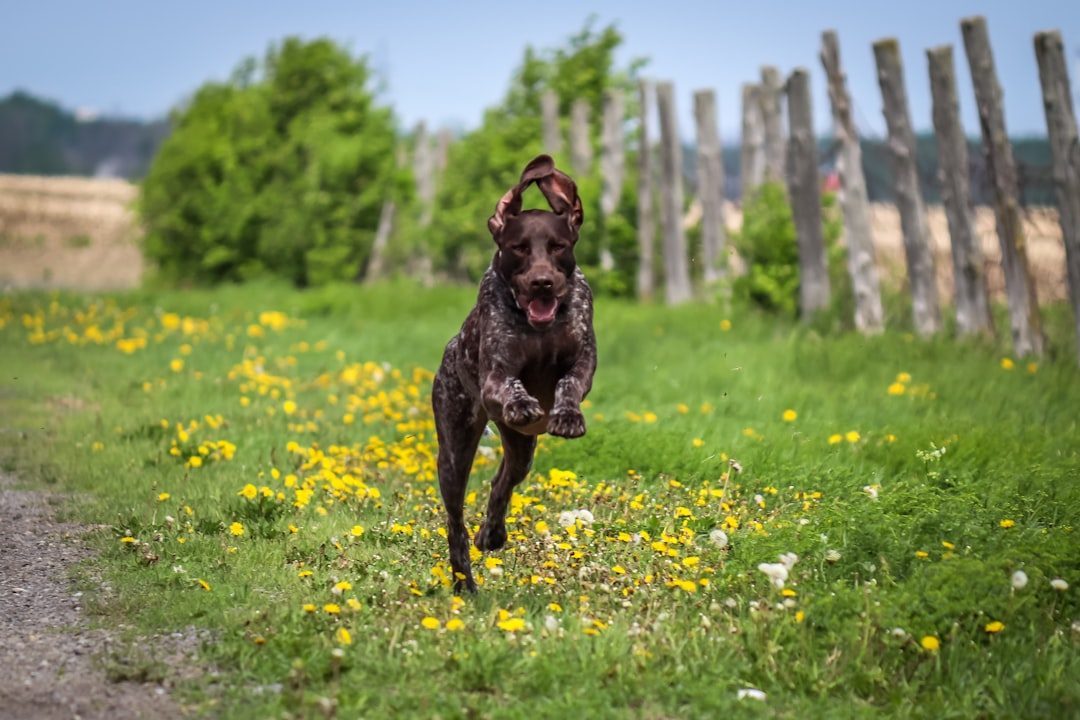
For many dogs, baths are a restrictive experience. They are confined to a tub or shower, often held in place, and subjected to a thorough cleaning. Once the bath is over, the sudden return to freedom can be exhilarating. The zoomies are a celebration of this newfound liberty, a way for dogs to express their joy and reclaim their autonomy.
After a bath, your dog may feel a mix of relief, excitement, and even stress. The combination of these emotions can trigger a burst of energy, leading to the zoomies. It’s like that feeling you get when you finally finish a challenging task – sometimes you just want to dance around and celebrate! Baths can also stimulate a dog’s skin and muscles, leaving them feeling invigorated. The act of being scrubbed and rinsed can awaken their senses and energize their bodies. This physical stimulation, combined with the relief of being clean, can lead to a playful outburst in the form of zoomies. It’s their way of embracing the refreshed feeling and having fun.
Reading Your Dog’s Bath-Time Stress Signals

Stress signs to look for include whale eye (when dogs reveal the whites of their eyes), tucked ears or tail, raised hackles, lip-licking, yawning, and panting. Your dog might also avoid eye contact or look away. There are some pretty obvious signs that your pup isn’t down with bathing, such as reluctance to go into the bathroom, excessive vocalizing and aggression. But, there are more subtle signs that your dog can be showing too, where despite their willingness to get into the bath, they’re trying to communicate that they’re in distress.
A panting dog is a prime sign of an anxious dog, and an anxious dog is usually a stressed dog. A dog panting can mean that the dog’s stress level is higher than usual, and the panting is often accompanied by other changes in the dog’s behavior, like whining or yawning more than usual. Excessive panting accompanied by extra-wide or panicked-looking eyes is a great indicator of canine stress. When a dog is scared, you will see them visibly shake as if cold. It is not unusual to see some small dogs shake when they are at the vet’s office. Some high-strung dogs are prone to shaking when nervous or scared.
Making Bath Time Less Stressful for Everyone
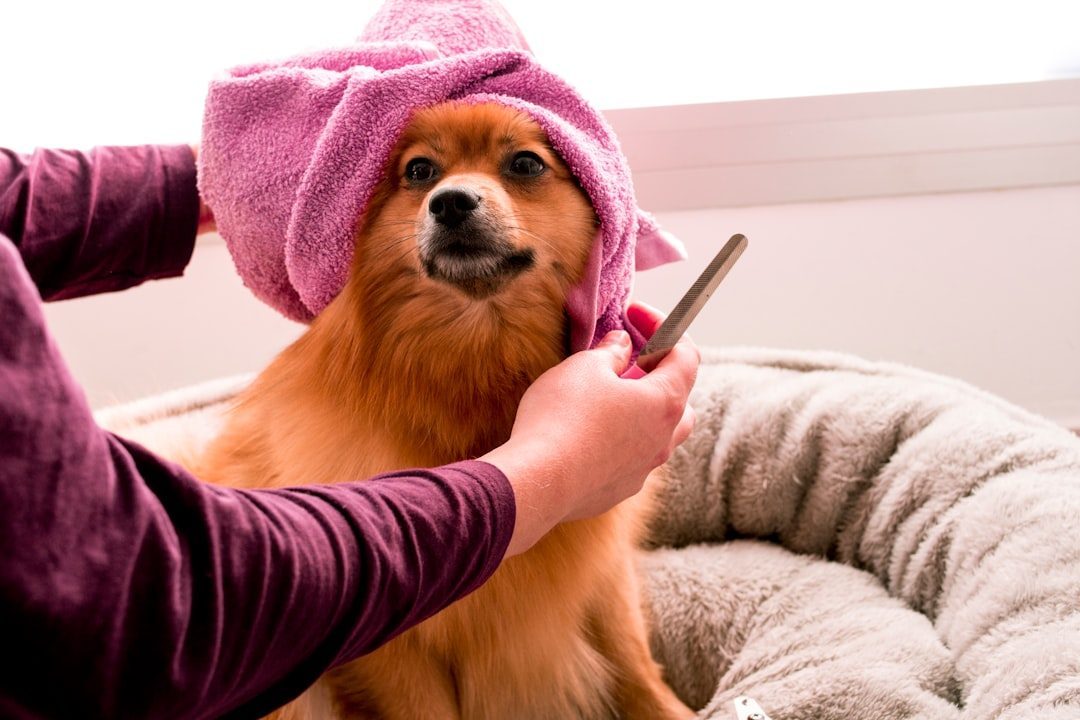
You can’t stop post-bath zoomies completely (and you shouldn’t), but you can make them less intense. Redirect their energy to another room: Let your dog zoom in a safe, enclosed space like a backyard or a large room. Pet gates can block off safe areas. Reward calm behavior post-zoomie: Once your dog settles down, give them treats or praise to encourage calmness.
For dogs who are sensitive, fearful, or shy, I fill a bucket with warm water and then fill an empty shampoo bottle with half water and half shampoo. The warm water is more comforting for dogs, while cold water can shock or frighten them. The shampoo and water mixture will help ensure that you don’t miss any spots, even on someone who is a little squirmy. Use a non-slip mat in the tub to make your dog feel more secure. Start by giving your dog a treat or their favorite toy before, during, and after the bath to associate bath time with something positive. Speak to your dog in a calm and reassuring tone throughout the process. Use lukewarm water and a gentle dog shampoo to avoid any discomfort.
When to Worry and When to Just Enjoy the Show
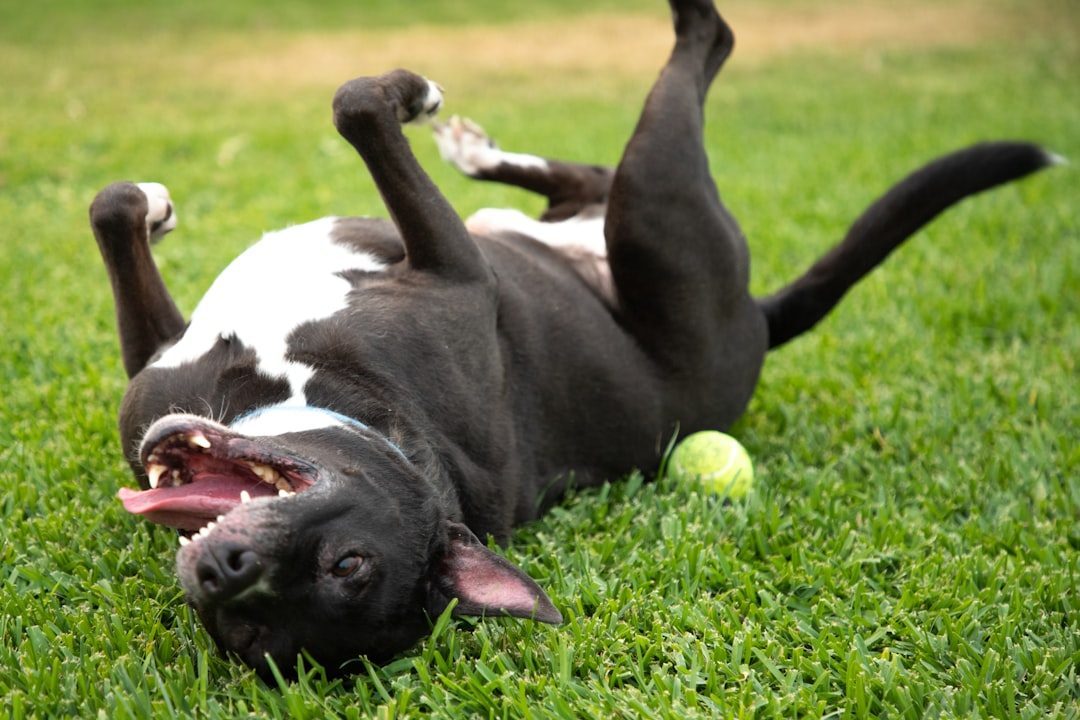
Post-bath zoomies are a normal and joyful part of being a dog, helping them dry off, release energy, and shake off stress. As long as your pup is safe, let them enjoy the fun! If your dog’s zoomies come with frantic barking, aggression, or trouble calming down, bath time might be too stressful. Here are some tips to help bath time stress: Create a calm environment: Keep the room quiet and free of distractions.
In most cases, post-bath zoomies are a normal and healthy behavior. However, if your dog’s zoomies are accompanied by signs of distress, such as excessive panting, trembling, or aggression, it may be worth consulting a veterinarian. These symptoms could indicate underlying issues, such as anxiety or discomfort, that need to be addressed. Post-bath zoomies can be wild, but as long as your dog is safe, it’s best to let them enjoy the fun! Just watch out for things like slippery floors or bumping into furniture.
Conclusion
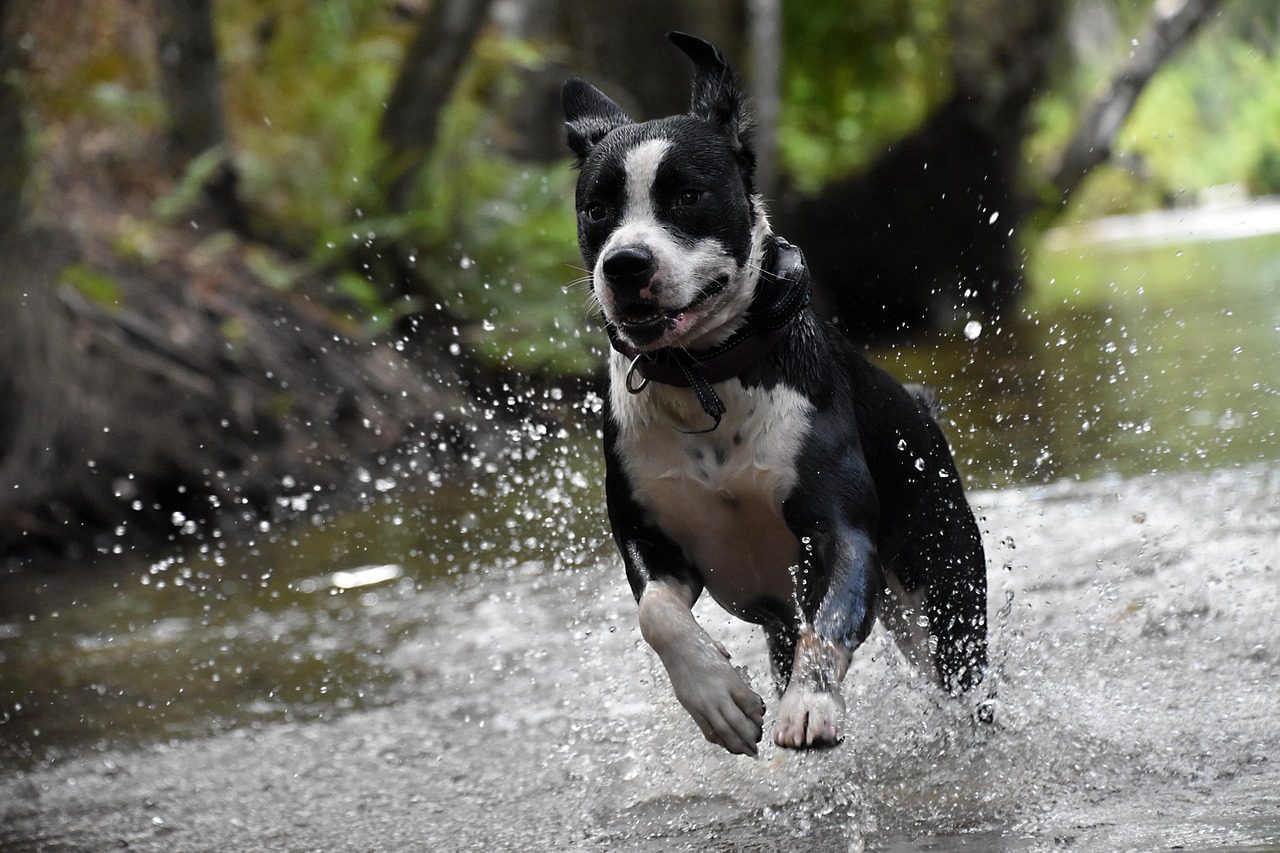
As funny (and chaotic) as they can be, post-bath zoomies are totally normal for your dog. They’re not about disobedience – they’re about instinct, identity, and stress relief. By understanding what’s going on behind your dog’s silly behavior and their Frenetic Random Activity Periods (zoomies), you can better support them – and maybe even start to enjoy dog bath time a little more yourself.
The next time you witness your freshly bathed pup transform into a four-legged rocket ship, remember that you’re seeing thousands of years of canine evolution in action. They’re processing their emotions, reclaiming their identity, celebrating their freedom, and just being wonderfully, authentically dog. What do you think about it? Does your dog have any particularly entertaining post-bath rituals? Tell us in the comments!


