
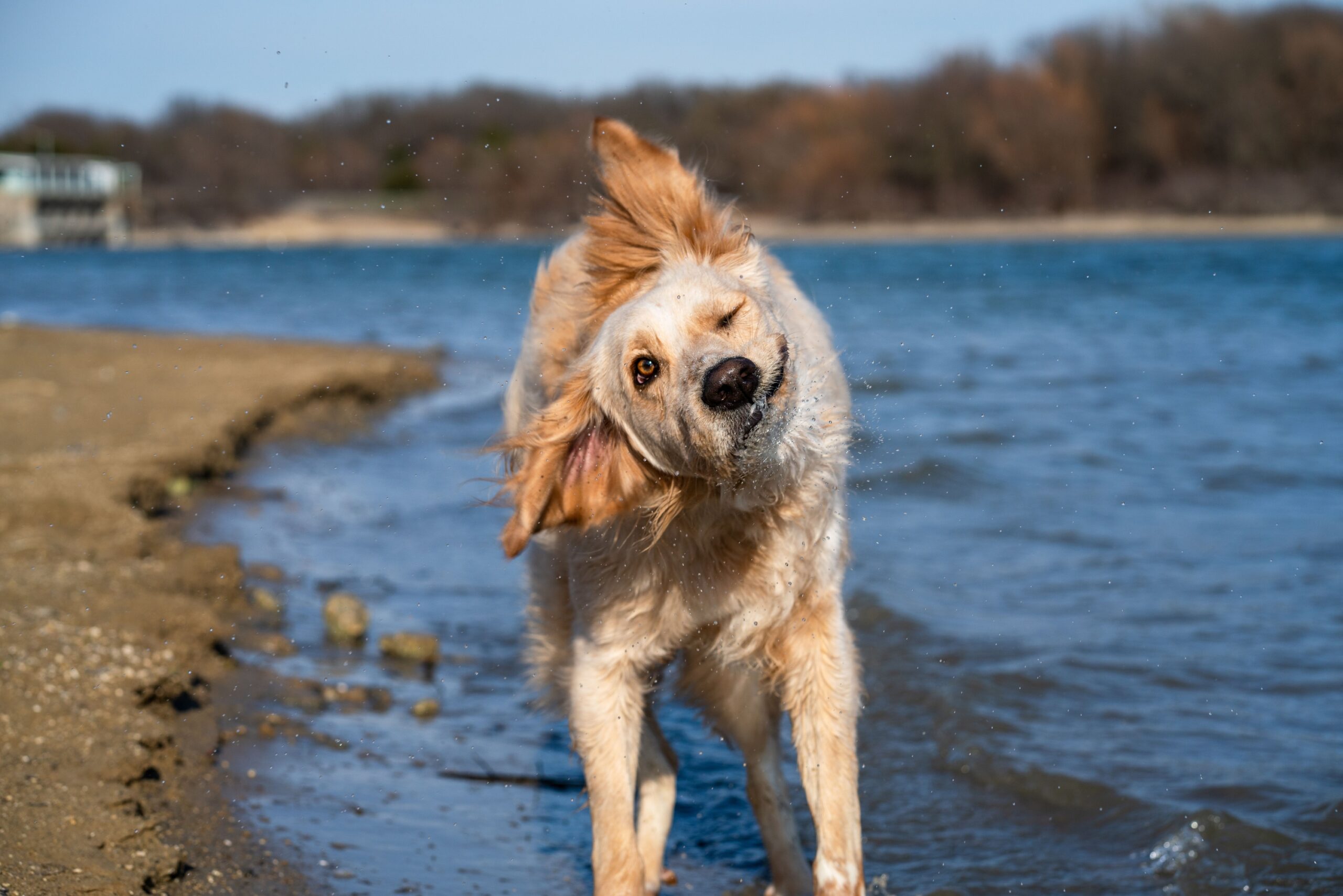
If your dog has ever barked at a stranger, stiffened during a tense greeting, or endured a vet visit and then suddenly done a big full-body shake, you’ve witnessed something fascinating. That shake is not random, rude, or meaningless. It may actually be your dog’s way of resetting their body and mind after a spike of emotional arousal.
Understanding that simple shake can change the way you look at your dog’s stress, comfort, and overall well‑being. When you start to see it as communication instead of a quirk, you get a front-row seat to their inner world – and you can respond in ways that make them feel safer, calmer, and more understood.
The “Shake Off”: More Than Just Drying Invisible Water
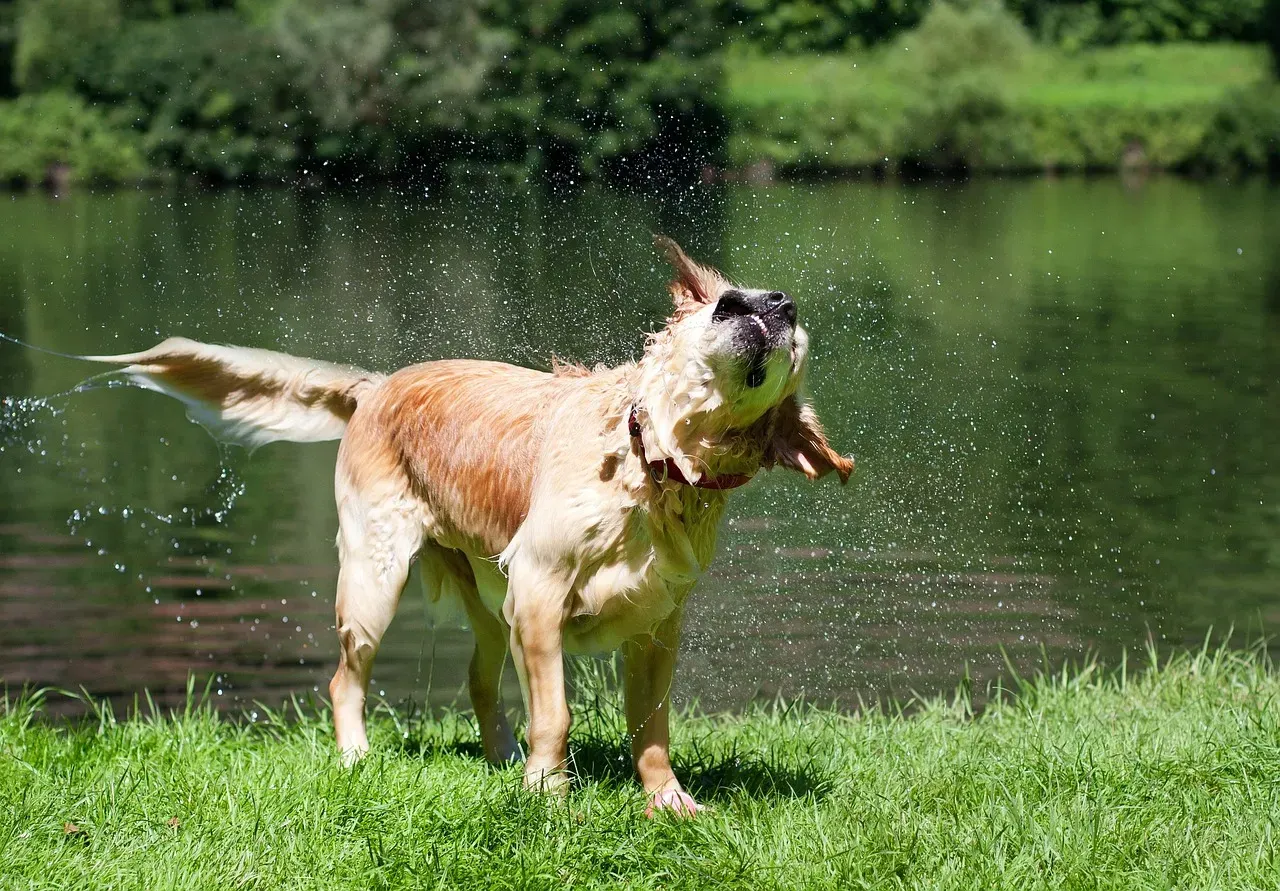
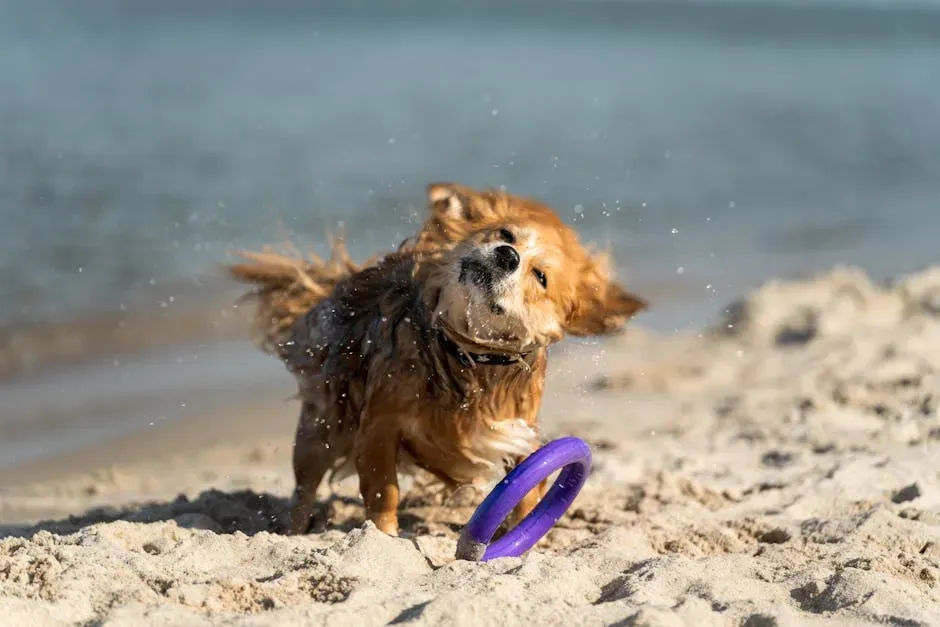
That big, rippling shake that starts at the head and travels down the spine to the tail is often called a shake off. We usually notice it when a dog is wet, but dogs also do it in completely dry, emotional moments – after an argument at the dog park, a tense interaction with a stranger, or a loud startling noise. In these contexts, many animal behaviorists view the shake off as a reset signal following emotional arousal.
Think of it like your dog hitting a built‑in reset button. Their nervous system ramps up during stress or excitement, and the shake seems to help discharge some of that tension. You’ll often see it right after a situation ends: the other dog walks away, the scary object passes, or you stop restraining them, and then… shake. It’s your dog’s way of saying, in body language, that they’re trying to move on from what just happened.
How Stress Affects Your Dog’s Body (And Why They Need a Reset)

When dogs feel worried, overexcited, or frightened, their bodies shift into a biological “get ready” mode. Heart rate increases, muscles tense, breathing changes, and stress hormones like adrenaline surge. This state is useful in short bursts, but it’s not comfortable to stay there for long. Just like people feel jittery after a scare, dogs can feel amped up too.
The shake off may help their body transition back toward baseline once the danger or excitement has passed. By engaging their muscles in a quick, coordinated way, they might be helping to release leftover tension and signal to their own brain that the event is over. You can think of it as your dog’s version of taking a deep breath, stretching out their shoulders, and saying, “Okay, that’s done now.”
When a Shake Off Signals Emotional Arousal (And Not Just Itchy Fur)
Of course, dogs also shake for very practical reasons: to dry off water, dislodge dirt, or scratch an itch. The emotional shake off is more about timing and context than the motion itself. If your dog has just finished a stressful or highly exciting interaction and immediately does a full‑body shake, you’re probably seeing that emotional reset in action. No bath, no rain, no obvious itch – just a big exhale in body form.
Watch for patterns around triggers: tense meet‑and‑greets with other dogs, arguments at the fence, awkward handling from strangers, or a scary noise like fireworks or a dropped pan. If the shake comes right after the moment ends – for example, after they move away, after you step between them and a trigger, or as you walk off – that’s a clue that emotional arousal was involved. Over time, noticing these patterns gives you powerful insight into what your dog finds difficult or overwhelming.
Other Stress Signals to Watch Alongside the Shake
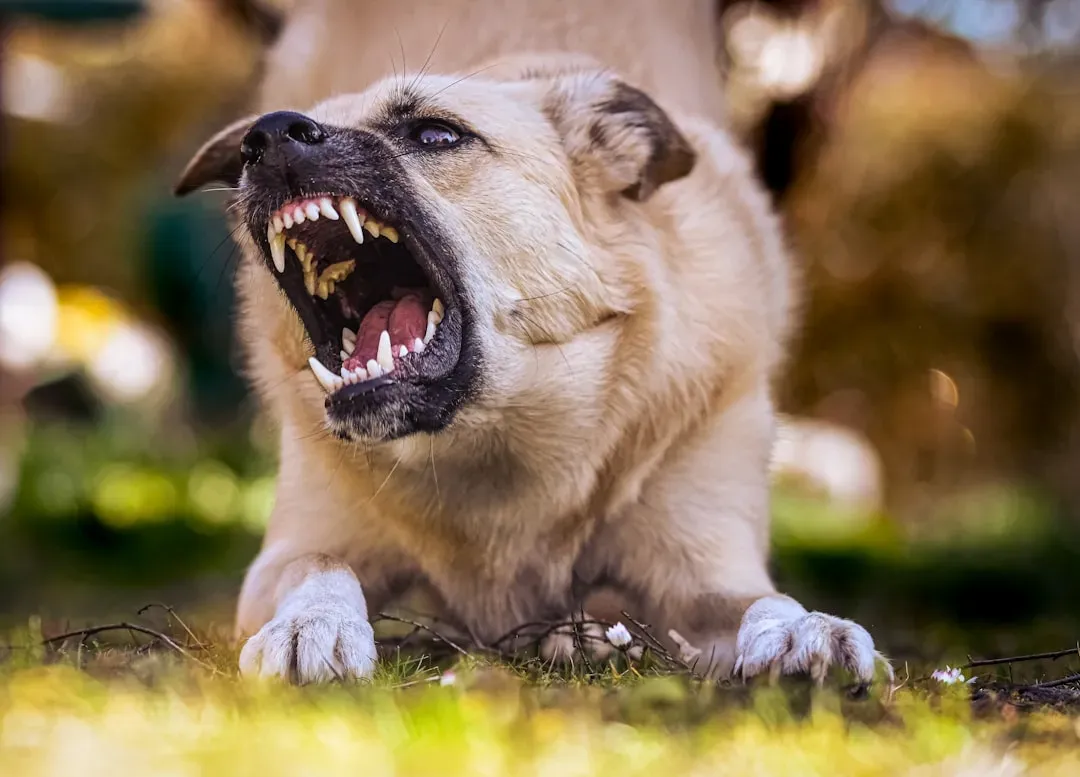
A shake off rarely appears in isolation when a dog is stressed. You might also see lip licking, yawning outside of a sleepy context, turning the head away, lifting a front paw, or sudden intense sniffing of the ground. Ears may pin back, the tail may tuck or go low, and the body might look stiff or hunched. These softer signs often appear before more obvious behaviors like barking, growling, or lunging.
Noticing the combination of signals helps you read just how stressed your dog really is. For example, a dog who stiffens during a greeting, licks their lips, then backs away and shakes off as soon as the other dog leaves is probably feeling pretty overwhelmed. On the other hand, a dog who finishes a zoomie session, flops down, and does a quick shake with loose, wiggly body language might just be coming down from happy excitement. Context, timing, and the whole body picture matter more than any single behavior.
When a Shake Might Signal a Health Issue Instead of Emotion
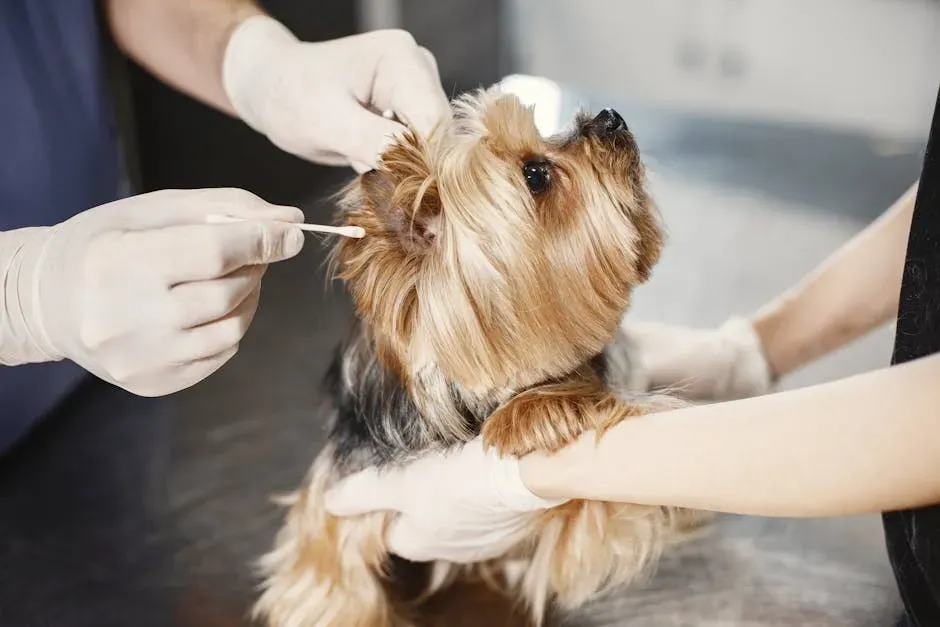
While shake offs after stress are normal, frequent or intense shaking outside of emotional contexts can hint at a medical problem. If your dog is repeatedly shaking their head, scratching at their ears, or seems uncomfortable, conditions like ear infections, allergies, or skin irritation might be at play. Neurological issues or pain can also cause unusual shaking or trembling, which is very different from the quick, coordinated full‑body shake associated with emotional reset.
It’s a good idea to pay attention to patterns over days and weeks. If you’re seeing a lot of shaking without obvious emotional triggers, or if shaking comes with head tilts, balance problems, redness, odor from the ears, or changes in behavior, a vet check is important. I always tell people: if your gut says something feels off, trust that feeling and get a professional opinion. It is far better to be reassured than to miss early signs of discomfort.
How You Can Support Your Dog During and After Stress

When you see your dog shake off after a stressful moment, you can treat it as useful feedback instead of a small, forgettable shrug. They are telling you that whatever just happened was a lot for them. In that moment, your job is not to scold, force them back into the situation, or laugh it off, but to give them space, safety, and calm. Sometimes that means stepping farther away from the trigger, speaking softly, or guiding them to a quieter spot.
Afterward, you can help them continue to unwind with familiar, soothing routines. A slow walk in a quiet area, gentle sniffing games in the yard, a lick mat, or simply resting beside you can help their nervous system fully settle. Over time, you may also adjust their environment or training plan – for example, avoiding crowded dog parks, using more distance from triggers, or working with a qualified behavior professional if stress reactions are frequent or intense. That little shake is the start of a conversation; your response can shape how safe they feel in their world.
Real-Life Scenarios: What the Shake Off Looks Like Day to Day
Picture a dog at the vet: they’re held gently for a vaccination, muscles tight, eyes wide, breathing a little faster. The moment the needle is out and the technician steps back, the dog hops down, does a big full‑body shake, and then sniffs the floor. That shake is a classic emotional reset – their way of shedding the tension of being restrained and poked. The same thing can happen after a grooming session, nail trim, or even a well‑meant but overwhelming hug from a child.
Another common example is at the dog park or during on‑leash greetings. A dog might have an awkward interaction – a little too much sniffing, some stiff posturing, maybe a quick grumble – and then disengage and shake off as soon as they walk away. I’ve seen this countless times with my own dogs and with clients’ dogs, and once you start watching for it, you’ll spot it everywhere. It becomes one of those quiet, beautiful signs that your dog is actively trying to cope with their emotions and move on, rather than staying stuck in tension.
Helping Your Dog Feel Safer So They Need Fewer Resets
While the shake off is a healthy coping tool, it is also a hint that your dog is experiencing events that push them toward their stress limits. You cannot (and should not) prevent all stress, but you can reduce unnecessary strain by managing their environment and setting them up for more positive experiences. That might mean shorter social visits, avoiding rough play with incompatible dogs, using distance from triggers, or building up their confidence with gentle, reward‑based training.
Pay attention to patterns: if you notice your dog shaking off repeatedly in specific places or around certain people, that is valuable data. Maybe the busy street corner is too much traffic noise, or the neighborhood dog who always rushes the fence is too intense. When you adjust based on what your dog shows you, you are not “spoiling” them – you are listening. Over time, a dog who feels consistently heard and protected often becomes more relaxed, resilient, and able to handle life’s bumps without tipping into overwhelm.
Conclusion: The Small Shake That Speaks Volumes
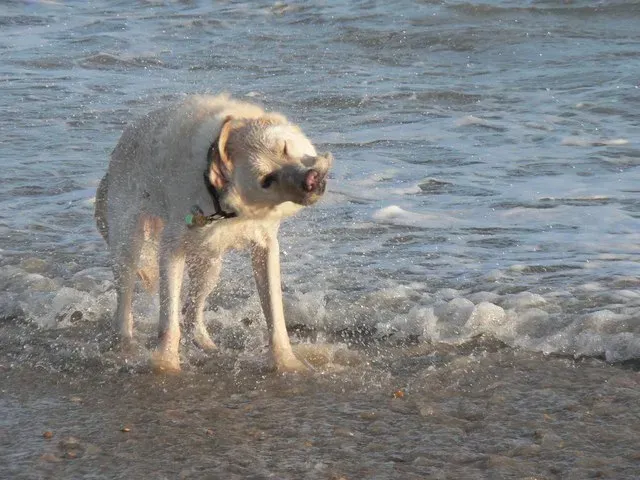
That simple, split‑second shake off so many of us barely notice is actually a powerful window into your dog’s emotional world. It can signal that they have just ridden out a wave of stress or excitement and are trying to settle themselves again. By seeing it as a reset after emotional arousal, you start to understand when your dog is coping well and when they might need a little extra kindness, space, or support.
Next time your dog shakes off after a tense or busy moment, pause and quietly thank them for the information. Then ask yourself what you can do to make their next experience just a little easier. In the end, that is what loving a dog is really about: learning their language, honoring their feelings, and walking through the world as their safe place. Now that you know what that shake might mean, what will you notice the next time you watch your dog move through their day?


