
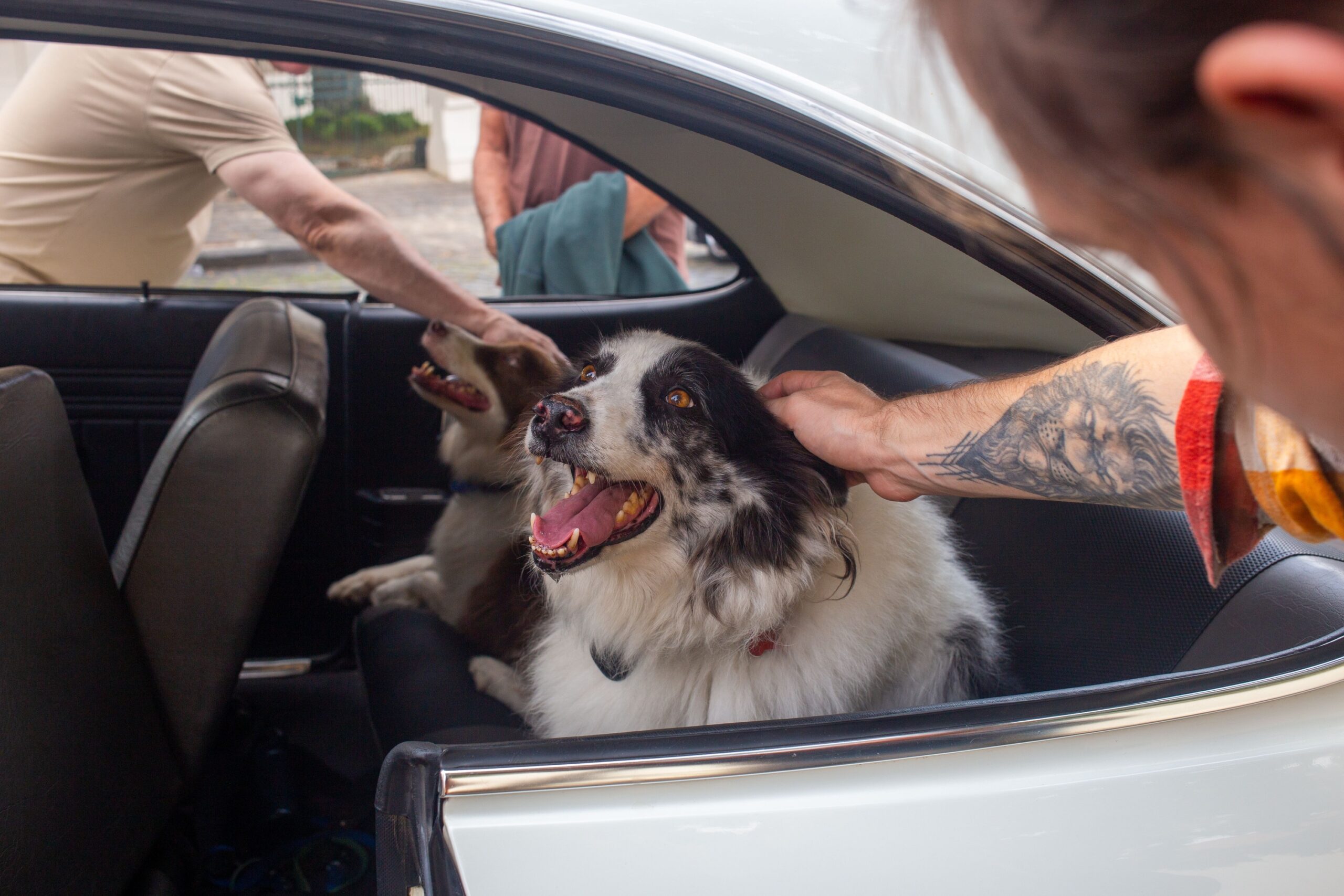
Dogs attachments are not all created equal. Some dogs seem to orbit one human like a little furry moon, shadowing them from bedroom to bathroom, while others spread their affection widely across a bustling household. At first glance both patterns look equally loving, but under the surface the emotional wiring can be quite different – and surprisingly, science suggests that a quieter, one‑to‑one home can amplify the intensity of a dog’s bond with their person. I still remember dog‑sitting for a friend who lived alone: her small mixed‑breed dog glued himself to me within a day, watching every move like the world might end if I left the room. I had lived with multiple dogs and multiple people before, but this was a different level of emotional reliance – closer to a toddler watching a parent than a pet casually hanging out with a family. That experience matches what attachment research is now pointing to: when a dog has just one social anchor, that undivided focus can shape their brain, their stress systems, and their habits in powerful ways.
The Science of Attachment: Dogs Are Emotionally Closer to Toddlers Than We Like to Admit
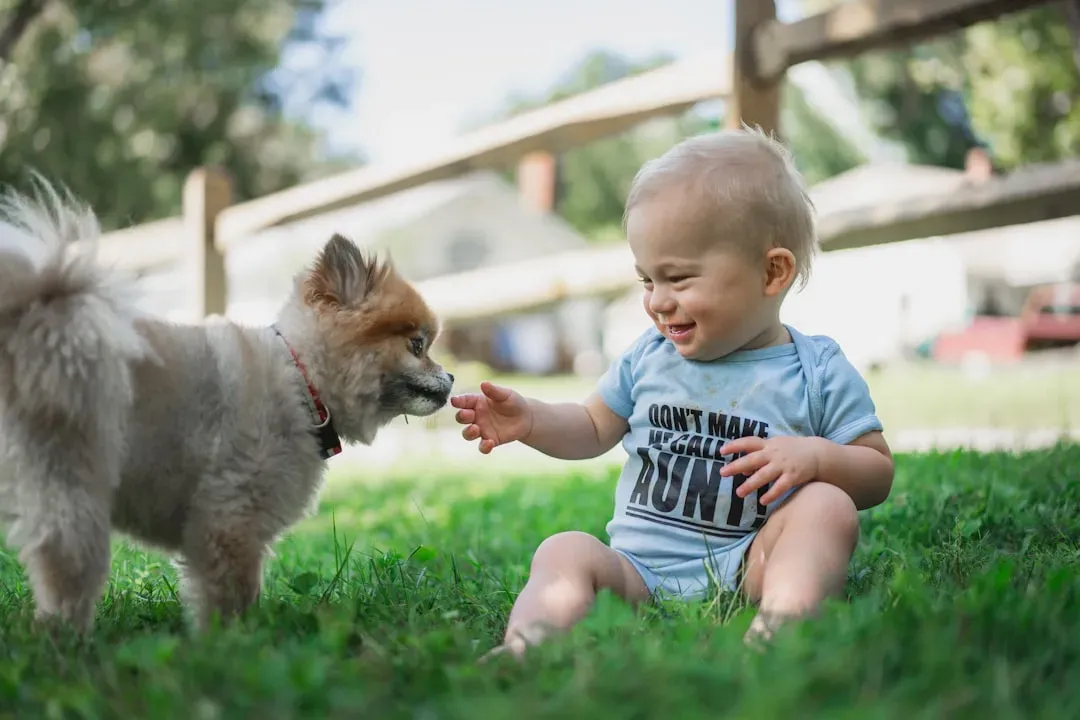
Modern research treats the dog human bond much like the bond between young children and caregivers. Scientists often use adaptations of the strange situation test, a classic procedure from developmental psychology, to study how securely attached a dog is to their person. In that setup, dogs show patterns strikingly similar to human infants: seeking proximity, using their person as a base for exploration, and showing distress when separated.
Over time, repeated experiences of comfort, consistency, and safe return shape a dog’s internal model of relationships. In simple terms, the dog learns whether the world is safe, whether their needs will be met, and whether this one key human can be depended on. When that caregiving is concentrated in a single, stable person, the attachment signal is clearer and less diluted; there is less guesswork about who to go to for safety and support, which can make the bond feel more intense from both sides.
Undivided Social Focus: Why One Human Often Becomes a Dog’s Emotional “North Star”
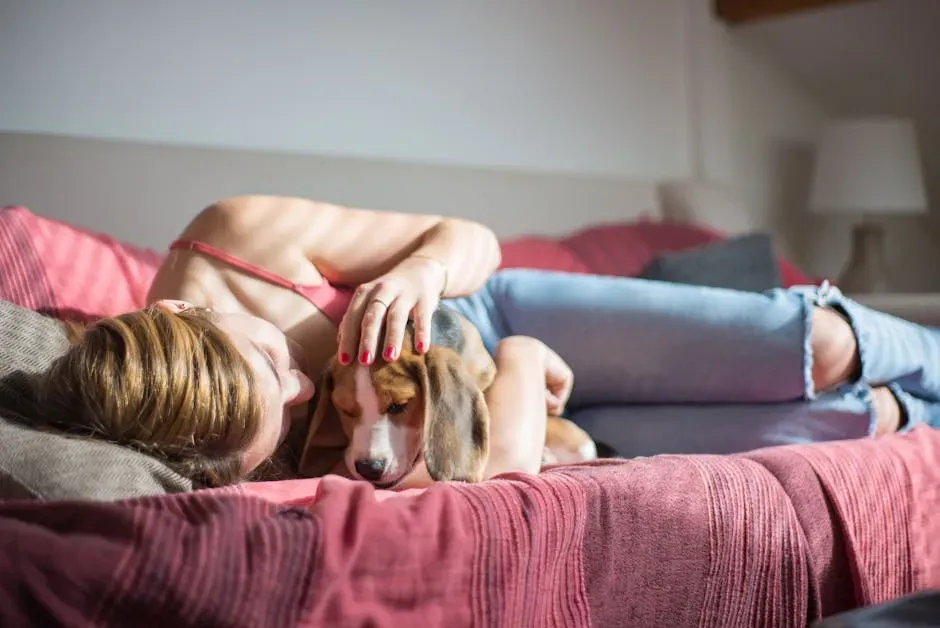
Imagine trying to navigate with three compasses that all point slightly differently. That is a bit like a dog in a busy household: attention, care, and affection are spread across several people, so the emotional signal is warm but divided. In a single‑person home, however, the dog’s social compass has one unmistakable direction. Nearly every need food, walks, comfort, play, medical care originates from one figure.
This consistent social spotlight means the dog does not just like their person; they organize their entire emotional world around them. Routines, expectations, and stress relief all become tightly linked to that individual. Over months and years, that undivided focus can deepen reliance: the dog is not wondering who will respond, because history has taught them it is always the same face and the same voice that brings safety.
Neurobiology of Bonding: Oxytocin, Routine, and the One‑Person Feedback Loop
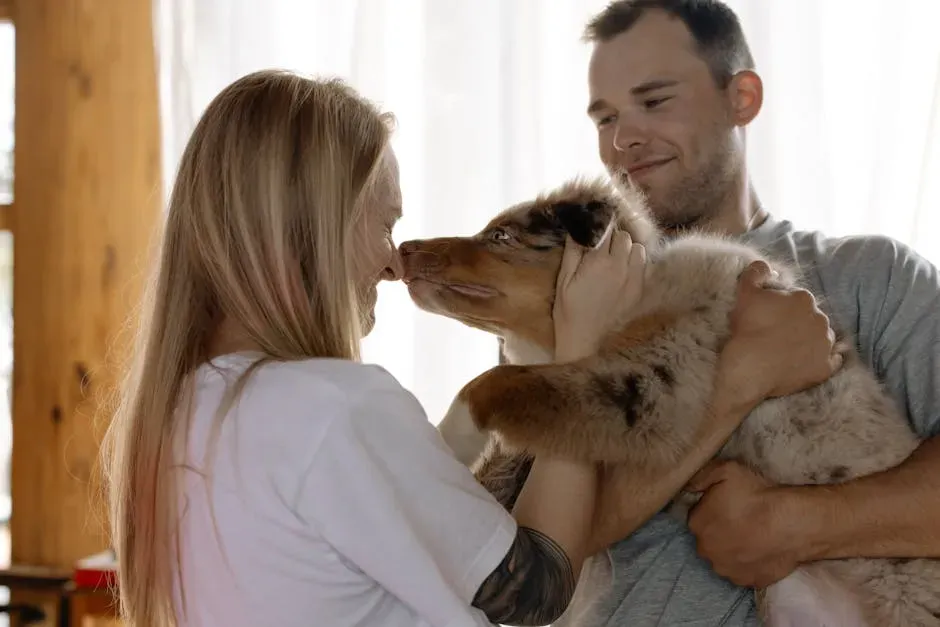
On a biological level, dog human bonding is heavily tied to oxytocin, often called a bonding hormone. When a dog and person gaze at each other, touch, or engage in gentle social play, both species show rising oxytocin levels. In a one‑person household, almost all of these oxytocin‑triggering moments are concentrated between the dog and the same human, so the chemical reinforcement loop is tighter and more focused.
Layer routine on top of that chemistry and the pattern gets even stronger. Predictable daily rhythms the same footsteps returning at a certain hour, the same hand opening the food container, the same voice cueing walks build neural associations between that individual and all of life’s essentials. The brain is designed to notice what is reliably rewarding; when most good things trace back to one human, the nervous system naturally codes that person as central, which feels like intense devotion on the surface.
Emotional Reliance vs. Clinginess: When Deep Bonding Tips Into Dependence
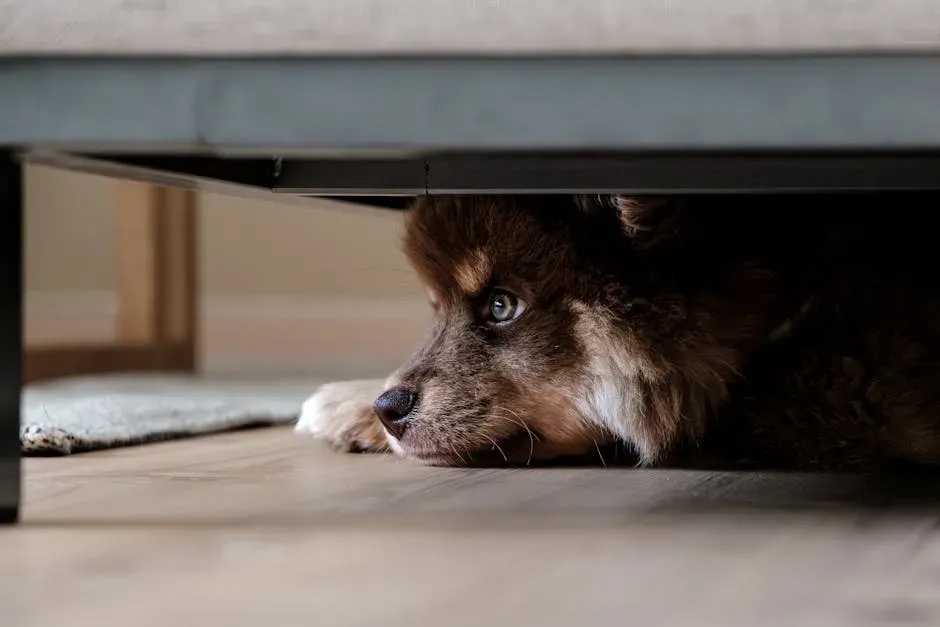
There is a fine line between a beautifully strong attachment and a fragile dependence that collapses when the person leaves. Dogs who live with one person are at higher risk of leaning too heavily on that single emotional pillar. They can become hyper‑vigilant about the person’s movements, overly distressed when doors close, and visibly uneasy with pet sitters or new environments.
From the outside, this can look flattering the dog clearly adores their person and follows them everywhere. But from the dog’s point of view, it can feel like walking a tightrope with no safety net. If that one figure disappears for work, travel, or an unexpected hospital stay, the dog’s stress response may spike because their entire attachment world has temporarily vanished. The deeper the emotional reliance, the more important it becomes to build some psychological resilience into the relationship.
Busy Households: More Social Options, Often Softer Individual Bonds
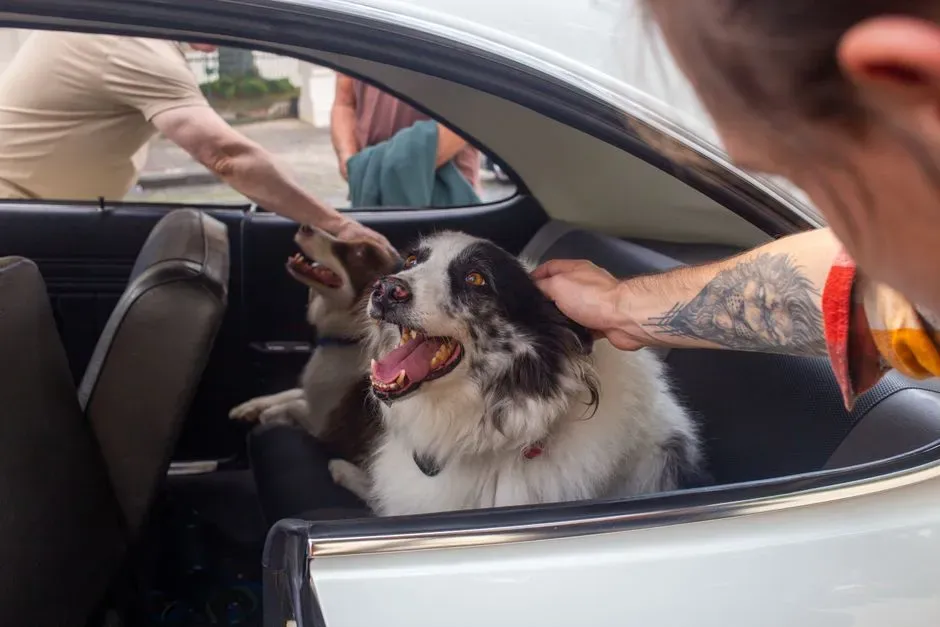
In a lively, multi‑person home, dogs usually have more than one emotional landing pad. One person might be the main feeder, another the long‑walk partner, another the playful roughhouser on the floor. Affection and support are distributed across several humans, which can create a social network rather than a single point of failure. This shared care often leads to a more flexible dog, socially speaking.
At the same time, the intensity of the bond with any one household member may feel less concentrated. The dog still cares deeply, but they are less likely to unravel if one person is gone, because others can temporarily step into the attachment role. Think of it like having several close friends instead of one sole best friend; the comfort is real, but the emotional weight is spread across multiple connections, so reliance on each individual is a bit softer.
How Human Lifestyle Shapes the Depth of Dog Attachment
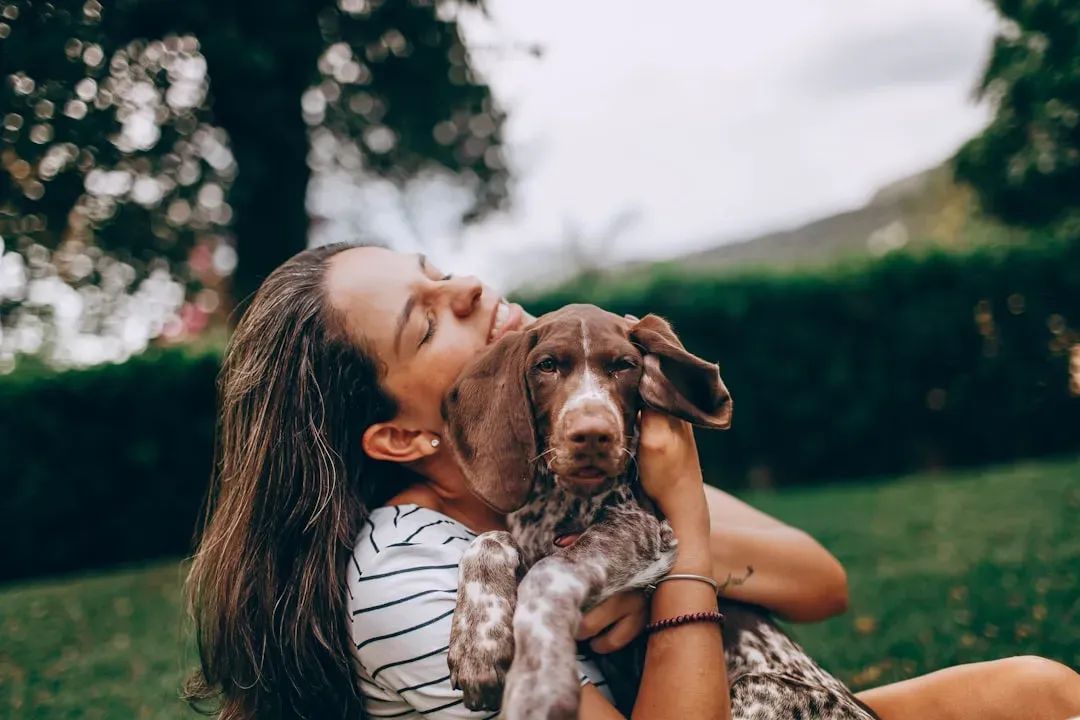
It is not just the number of people in the home; it is how they live. A person who works from home, lives alone, and rarely travels may unintentionally create a level of continuous presence that makes their dog feel fused to them. Every coffee break, every stretch, every couch flop becomes a moment of shared space, and the dog’s day almost completely overlaps with the human’s routine.
In contrast, a big family where people come and go at different times creates a more varied rhythm. The dog still gets loads of interaction, but no single human is there for nearly every moment. The pattern of availability matters: steady, near‑constant access to one person sends a very loud message that this individual is the center of the universe, while a more patchwork social schedule spreads that meaning across several people and activities.
Potential Downsides: Separation Anxiety and Over‑Attachment in One‑Person Homes
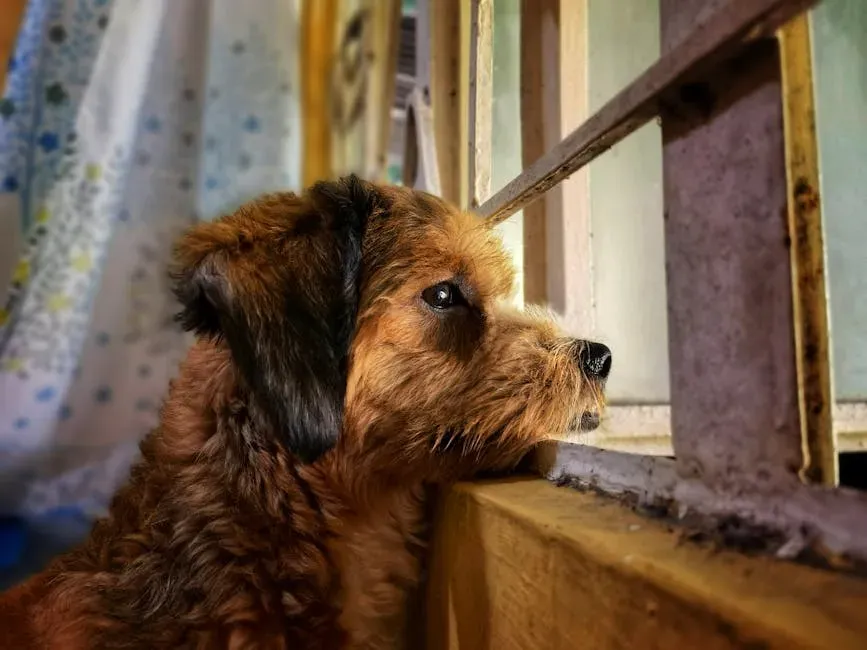
When emotional reliance is too concentrated, separation anxiety becomes a real risk. Dogs who have known almost nothing but the presence of one beloved person can panic when left alone or placed with a sitter. They might bark relentlessly, destroy doors or blinds, or refuse to eat until the person returns. This is not misbehavior in a moral sense; it is a stress response from an animal whose attachment system is in overdrive.
I have seen people wear this dependence like a badge of honor, joking that their dog cannot live without them. The hard truth is that the dog is not just being sweet; they are struggling. The same deep bond that makes the relationship feel special also makes the dog more vulnerable when that bond is disrupted, even temporarily. Intensity can be beautiful, but when it comes with chronic distress, it is a sign the attachment needs reshaping, not celebration.
Supporting Healthy Bonds: Helping Closely Attached Dogs Become More Secure
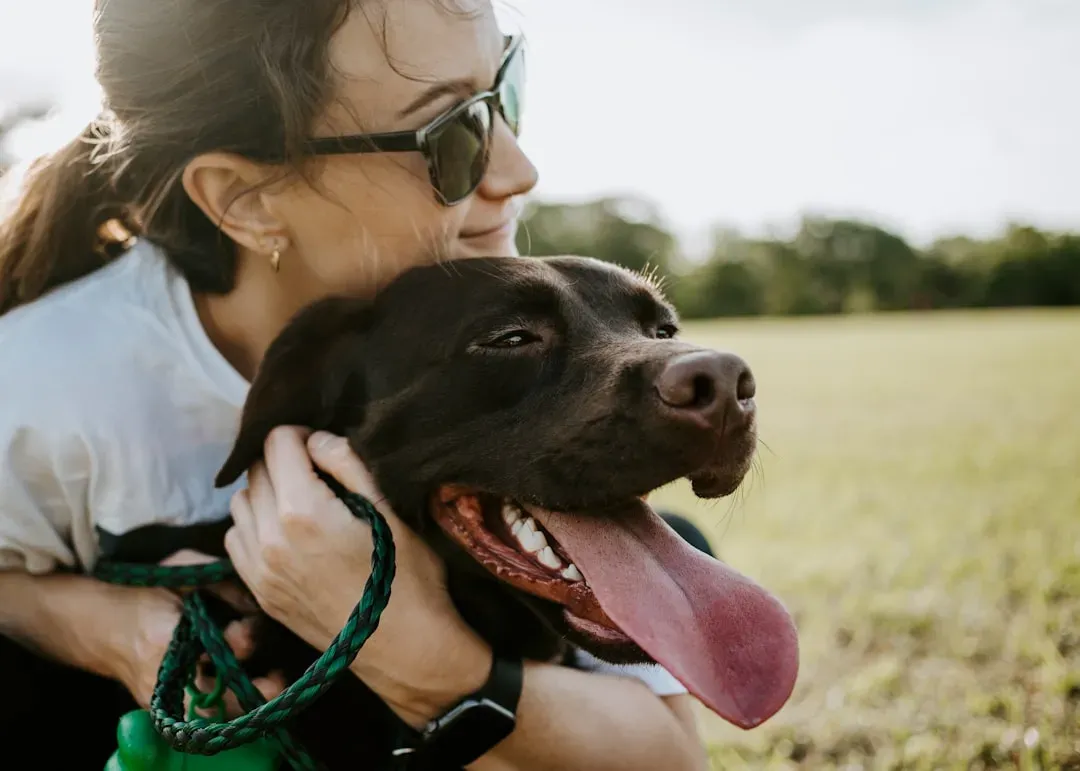
The goal is not to weaken the bond with a one‑person dog, but to round it out so it is strong and flexible rather than brittle. That can mean gradually teaching the dog to be okay in another room, building positive associations with short absences, and occasionally letting trusted friends handle walks, play, or feeding. Each small step tells the dog that the world does not collapse when their main human steps away, and that other people can also be safe and supportive.
In multi‑person homes, it can help to intentionally share key caregiving tasks so the dog does not over‑attach to one person by default. When multiple humans take turns doing the emotionally important things feeding, grooming, training, cuddle time the dog learns a more balanced social map. In both settings, the healthiest attachment is one where the dog feels anchored but not chained, connected but not terrified of being alone, and loved without being emotionally cornered.
Conclusion: Intense Bonds Are Powerful – But They Should Not Break the Dog
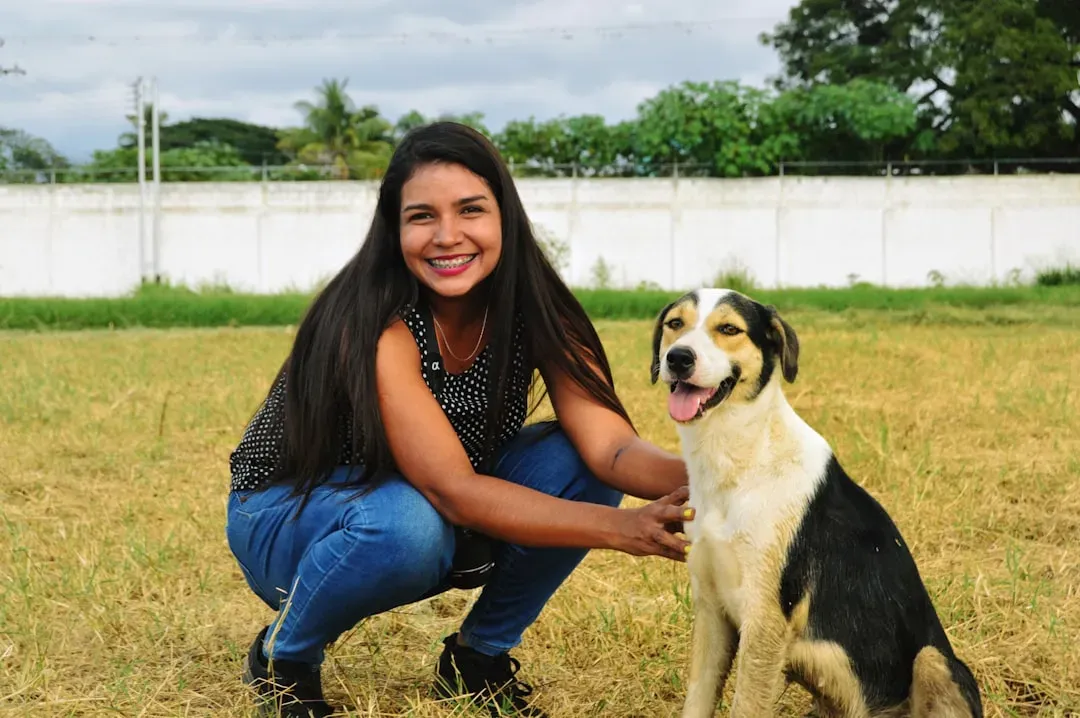
Dogs who live with one person often do bond more intensely, and that makes emotional sense: one face, one voice, one pair of footsteps becomes the epicenter of their universe. That undivided social focus can create stunning loyalty and tenderness, the kind that makes people describe their dog as a soul mate rather than just a pet. But there is a point where intensity stops being romantic and starts being risky, especially when it tips into anxiety and dependence.
My own view is that we should absolutely cherish these deep one‑to‑one relationships, but we also owe it to the dog to make sure they can cope when life is imperfect, busy, or suddenly disrupted. A great bond should feel like a sturdy bridge, not a tightrope over a canyon. So if your dog is your shadow, the real question is not just how strongly they cling to you, but how calmly they stand when you are not there for a moment; what do you think your dog would do if the world went quiet and you stepped out the door?


