
You walk through the door after a long day, drop your keys, and there it is: your dog trotting up proudly with a toy in their mouth like they’ve just won a trophy. Most of us laugh, assume they’re begging for a game of fetch, and feel a tiny stab of guilt if we’re too tired to play. But that familiar scene is hiding something much deeper – and a lot more touching – than a simple play request.
Behavior researchers and veterinarians increasingly see this “welcome-home toy ritual” as a classic affiliative gesture, a kind of canine love language that says, in dog terms, you matter to me and I’m glad you’re back. When I first learned that, I went from feeling mildly guilty about not always playing to feeling genuinely honored, because my own dog’s “stuffed duck deliveries” suddenly made emotional sense. Once you see it this way, you’ll never look at that slobbery toy in your hallway the same again.
The Science Behind Affiliative Gestures in Dogs
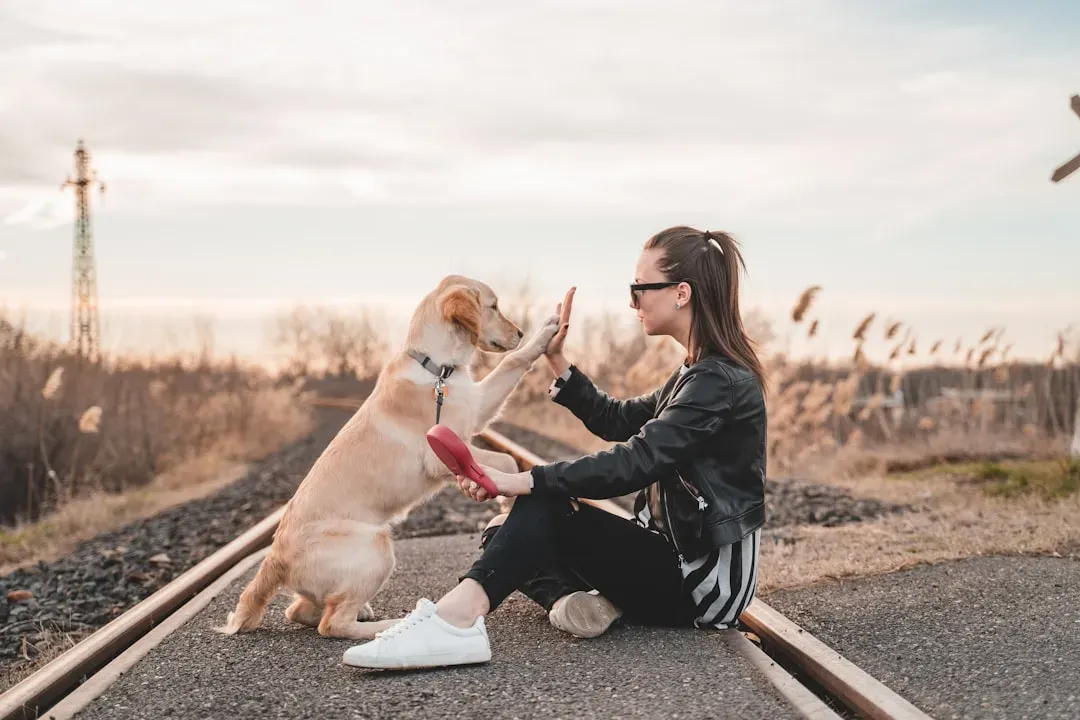
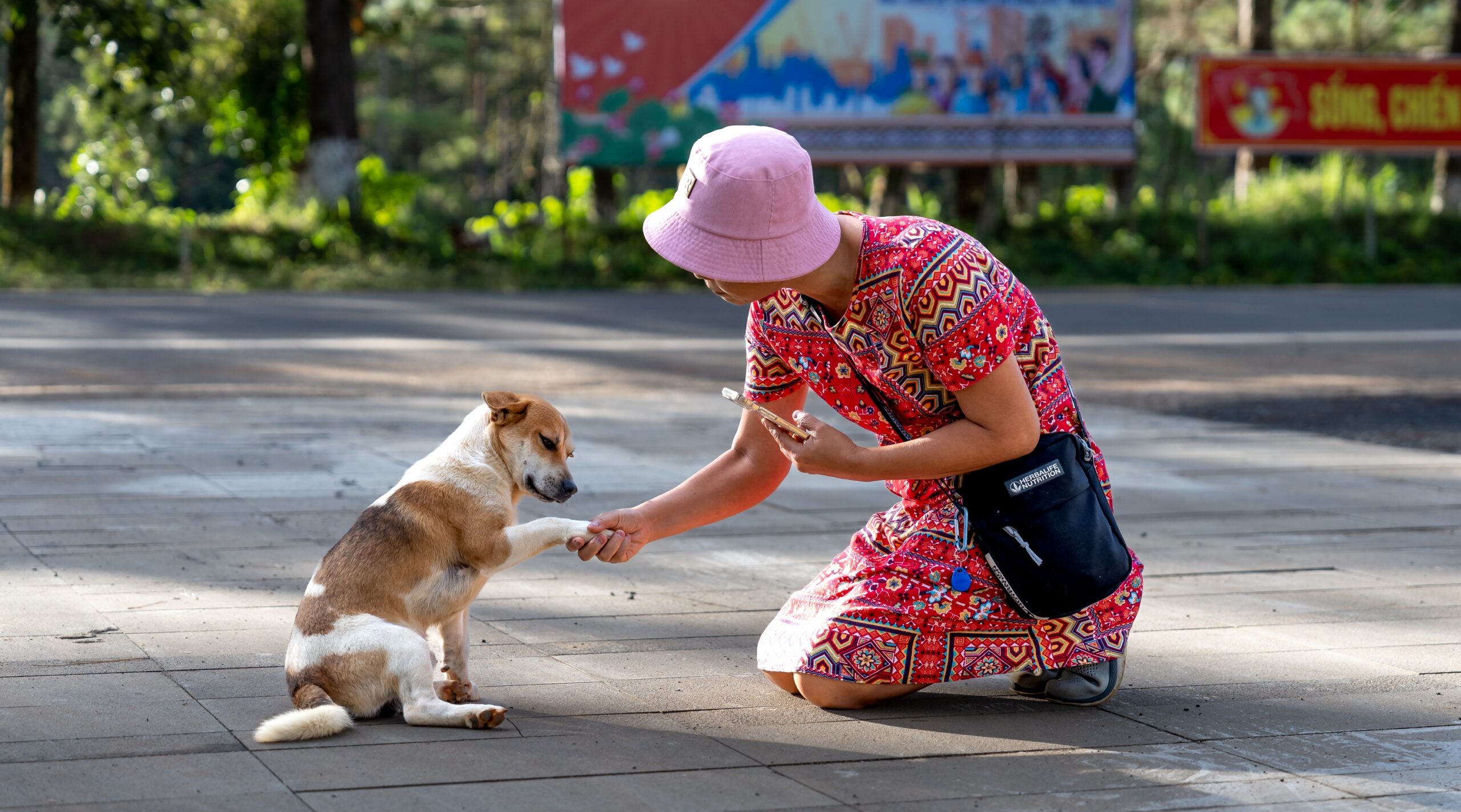
Affiliative behavior is a fancy term for actions that maintain or strengthen social bonds: things like grooming, gentle touching, leaning, or staying close. In social mammals, these gestures are not random; they’re wired into the brain as ways to reduce tension, increase safety, and reinforce relationships. Dogs, having evolved alongside humans for thousands of years, have developed a rich toolkit of these social signals that they direct toward us as if we’re members of their own group.
When a dog brings you a toy the moment you return, it fits neatly into this affiliative category. Instead of just jumping, barking, or pacing, they are choosing to bring an object and share space with you in a specific, ritualized way. Researchers studying dog–human bonds point out that such predictable reunion sequences often function like a greeting ceremony, very similar to the way some wild canids greet pack members with body contact, muzzle nudges, or shared objects. Your dog may not be living in the wild, but their brain is still playing by ancient social rules.
Why It’s Not Just a Simple Request to Play
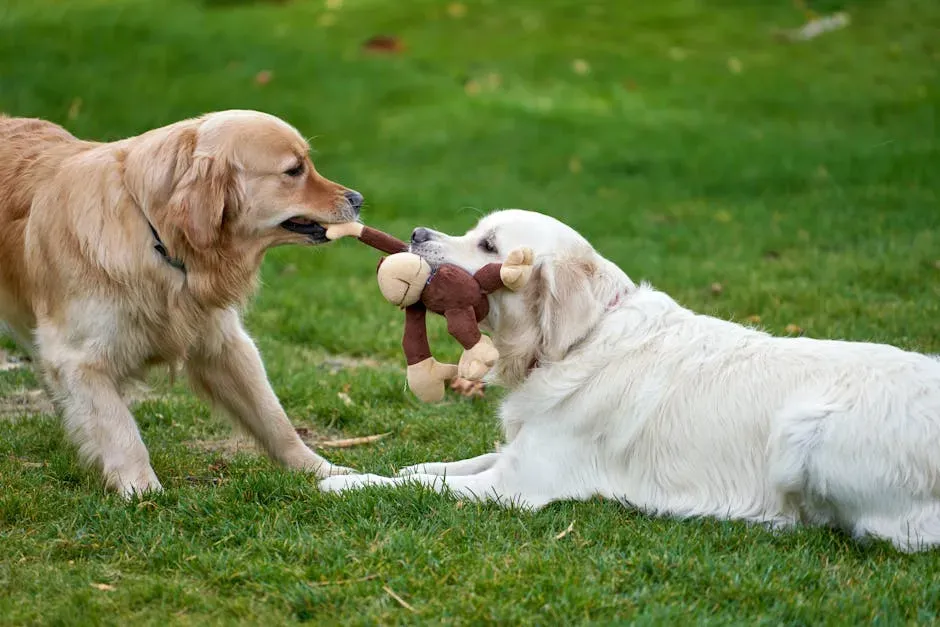
It is tempting to assume every toy-related behavior is about play, because toys are such obvious play objects to us. But context matters a lot in animal behavior, and the context here is very specific: the moment of reunion after separation. Many dogs do not immediately start a full play sequence when you walk in; instead, they may hover, wiggle, or just stand near you with the toy, almost as if they are presenting it as a social offering rather than demanding a fetch session.
If this were purely a request to play, you’d expect them to show the same behavior any time they were bored, regardless of whether you had just come home or not. Instead, a lot of guardians notice that toy presentation is tightly tied to arrivals, emotionally charged moments, or big transitions in and out of the house. It is less about entertainment and more about regulating emotion – their excitement, relief, and perhaps even a tiny bit of stress from your absence – through a familiar, bonding ritual.
Dogs, Toys, and the Emotional Weight of Objects
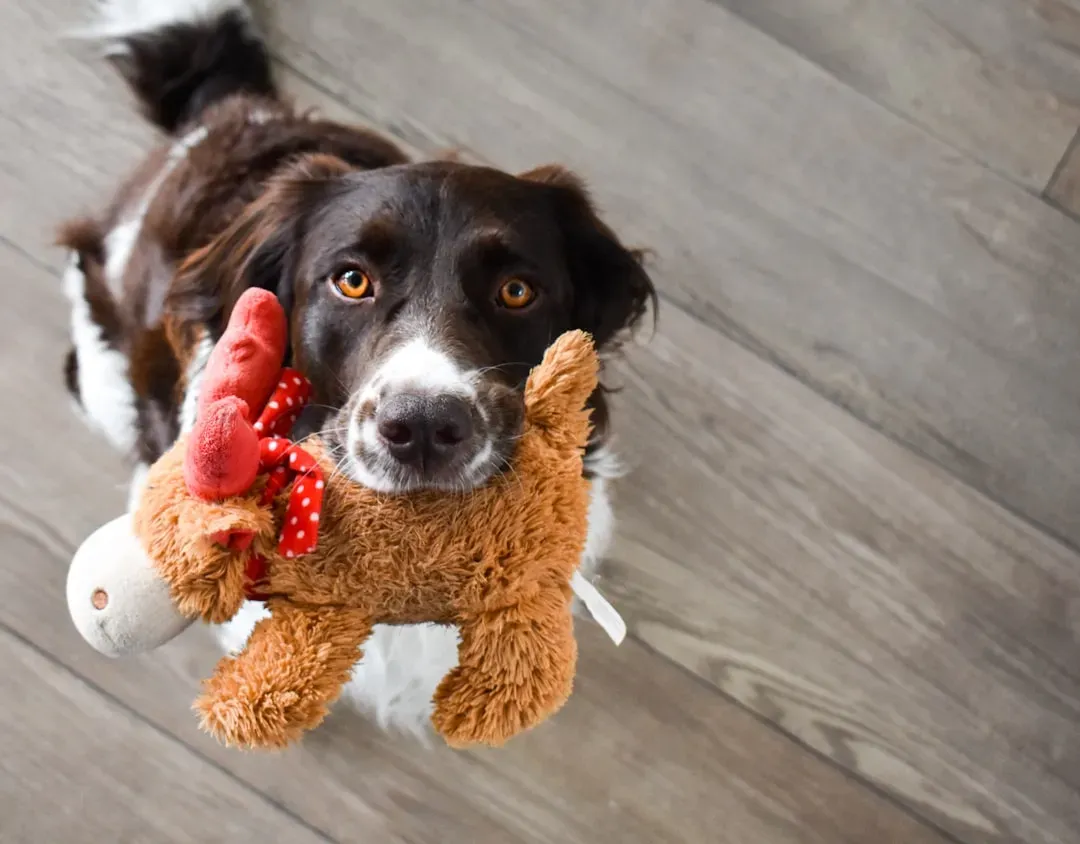
For dogs, toys are not just colorful chewables lying on the floor; they can function almost like comfort objects, similar to a child’s favorite blanket. Many dogs have specific toys they prefer, carry to bed, or seek out when they are uncertain. When your dog picks up that special object and brings it to you, they are not only acting on instinct but also weaving their emotional life into something you can physically see.
Carrying or presenting an object can also help a dog manage arousal. Coming home can be an intense event for them – heart rate up, tail wagging hard, maybe even little yips of excitement. Grabbing a toy can act as a “self-soothing” behavior, giving their mouth and body something to do while their nervous system settles down. When they then share that toy with you, they are folding you into that emotional regulation process: you and the object together help them feel grounded again.
The Reunion Ritual: How Your Dog Is Saying “You’re Part of My Group”
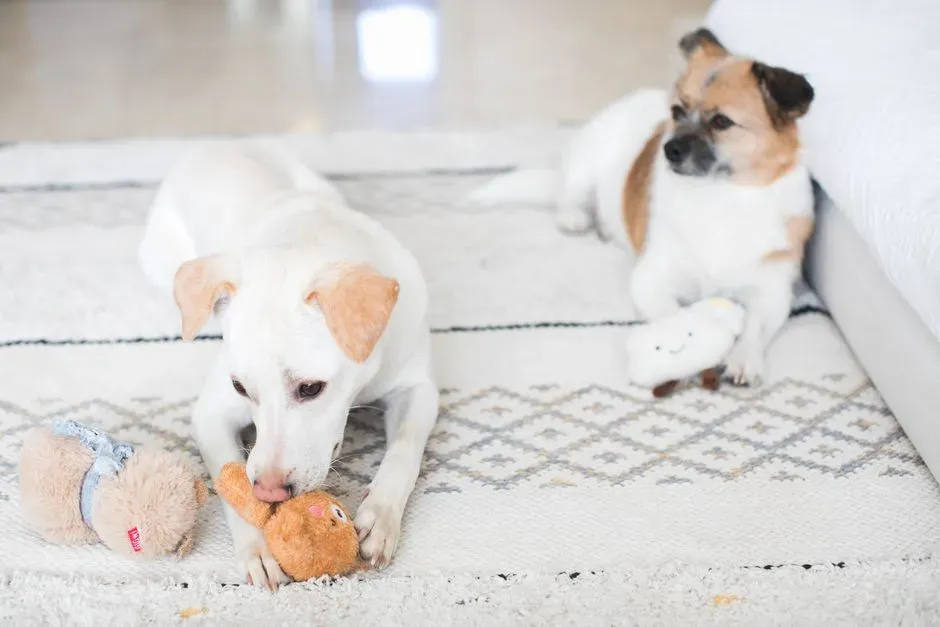
In many social species, reunions are a big deal. Wolves returning to the pack engage in elaborate greeting ceremonies with body rubbing, licking, and tail wagging; primates groom each other or vocalize; even elephants perform dramatic, trumpeting reunions. Dogs, shaped by both their canid ancestry and human environments, create their own hybrid greeting rituals with us, and toy presentation is often a central piece of that pattern.
By consistently offering you a toy when you walk in, your dog is effectively running a little social script: you are back, I recognize you, and I want to reconnect. It is a behavioral bridge that closes the gap created by your absence and reassures both of you that the bond is intact. You might feel like you are just stepping through your front door, but in your dog’s mind this is a daily reaffirmation of membership in their inner circle.
Affiliative vs. Attention-Seeking: Reading the Nuance
Of course, behavior is rarely all one thing or all another, and dogs are fully capable of combining motives. A toy brought at the door can be affiliative and still slide into play once the emotional high of reunion softens. The key is paying attention to the rest of the body language: a soft, relaxed face, loose tail wags, and gentle proximity often signal an affiliative greeting, even if they later bounce into a goofy play bow.
On the other hand, if your dog repeatedly drops the toy at your feet, backs up, and stares expectantly, especially after the initial reunion has passed, that is more like a classic play invitation layered on top of the greeting. It does not cancel out the affiliative meaning of the first toy presentation; it simply shows how flexible and opportunistic dogs can be in turning a bonding moment into something fun. They are social opportunists in the best way, always ready to add joy to connection.
How You Respond Changes What the Gesture Becomes
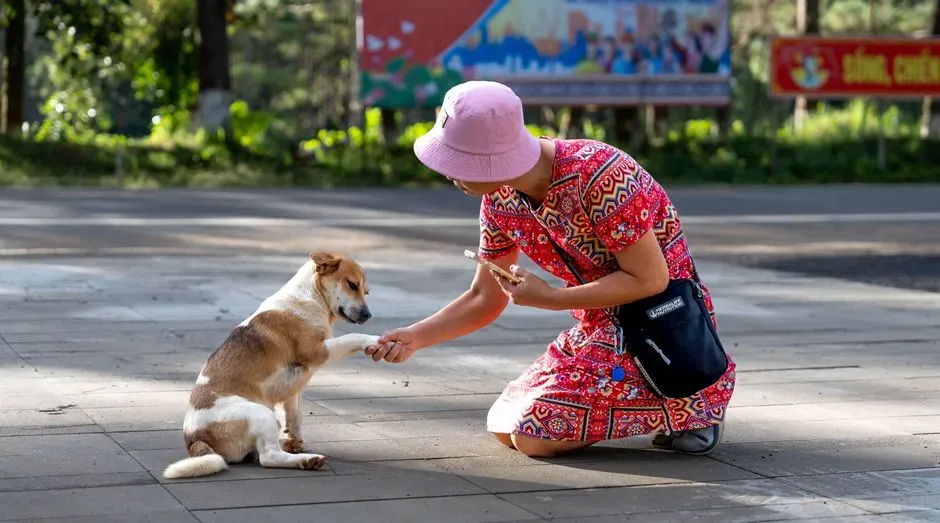
Your reaction can shape how this ritual evolves over time. If you consistently ignore the toy and push your dog away, you may blunt the affiliative meaning of the gesture, making greetings more hesitant or, in some cases, more frantic as the dog tries harder to reconnect. That does not mean you have to play fetch every single time, but acknowledging the gesture – with touch, warmth, or a few kind words – helps affirm the bond your dog is trying to reinforce.
If you sometimes turn the toy greeting into a brief play session, you may strengthen the behavior even more, because now it pays off in both emotional relief and fun. Over months or years, this can become a deeply ingrained tradition that feels as automatic as you hanging your coat. Personally, I have found that even on days when I am exhausted, taking ten seconds to kneel, scratch behind the ears, and gently hold the toy with my dog turns a chaotic arrival into a mutual exhale.
What This Says About Your Bond (And How to Nurture It)
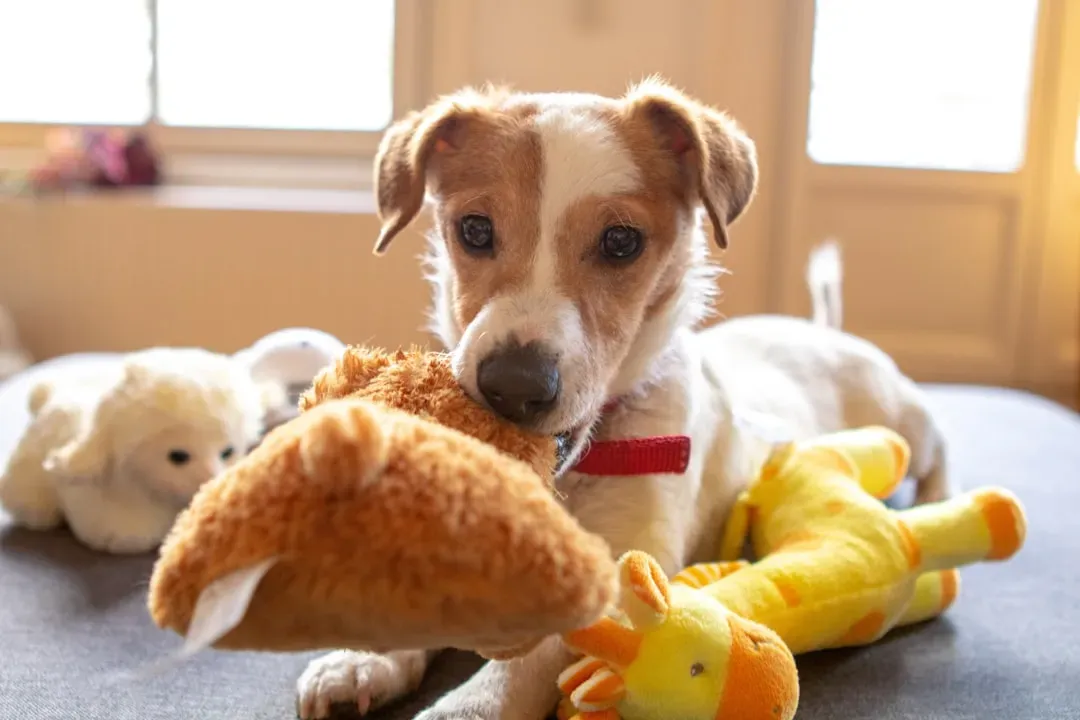
A dog that reliably greets you with a toy is giving you a snapshot of your relationship in motion. It usually signals a secure attachment where your presence is meaningful and your return is worth marking with a special action. In attachment research, dogs often show their strongest affiliative gestures toward the person they rely on most, so if you are the one getting the toy deliveries, your dog is quietly telling you that you are their primary social anchor.
You can nurture this connection by treating the greeting ritual as something sacred rather than an inconvenience. That does not require elaborate games or training; it can be as simple as putting your phone down, giving them your full attention for a short moment, and letting the ritual run its course. When you honor their affiliative gesture, you are not just being nice – you are actively maintaining the emotional bridge your dog works so hard to build every time you walk through that door.
Conclusion: It’s Not Just a Toy, It’s a Relationship in Motion
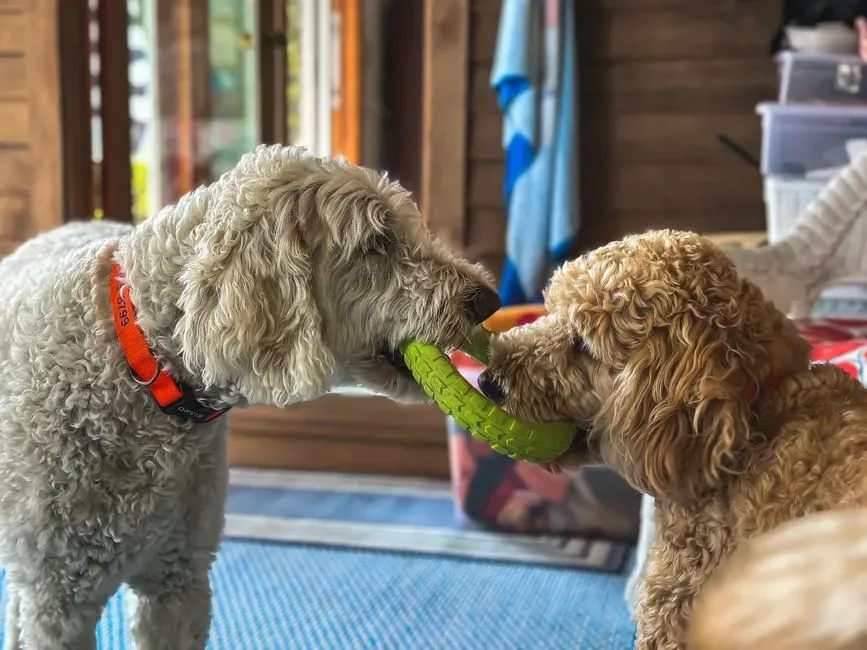
Seeing your dog’s toy greeting as a documented affiliative gesture rather than a pushy play demand changes the emotional math in a big way. Instead of feeling pressured or annoyed, you can recognize it as a small but powerful display of loyalty, relief, and affection. In my view, dismissing it as simple attention-seeking sells dogs short; this ritual is one of the clearest everyday signs that they experience us as true social partners, not just food dispensers or entertainment providers.
That does not mean you must throw the toy every time, but it does mean the moment deserves a little respect. When a dog meets you at the door with their favorite object, they are not just handing you a squeaky thing; they are handing you a piece of their emotional world and trusting you to hold it, even briefly. The real question is not whether they want to play, but whether we are willing to show up for the relationship they are so clearly trying to keep alive – what would you do with that toy now that you know what it really means?


