

Picture this: your dog jumps on you at the door after a long day and you laugh, ruffle their ears, and let it happen. The next morning, dressed for a job interview, the same dog launches themselves at your clean jacket and you push them off firmly, saying “No!” Your dog isn’t being stubborn or manipulative. They’re just genuinely confused. And honestly? That’s on us.
This is one of the most common dynamics playing out in households everywhere, and it has nothing to do with a dog being disobedient. Dogs aren’t wired to understand context the way humans are. They’re wired to understand patterns. When those patterns keep shifting, the result isn’t a “bad dog.” It’s a bewildered one. Understanding why this happens, and what you can do about it, might be the single most useful thing you can do for your dog’s wellbeing right now.
Your Dog Is Always Looking for the Pattern

Dogs are remarkably good at reading the world around them, but they do it through repetition and association, not logic. Dogs learn through classical conditioning, which involves associating one thing with another, and operant conditioning, which means learning through consequences. Both processes rely on repetition and reliability. When those patterns keep changing, your dog doesn’t have a framework to work from.
In both classical and operant conditioning, inconsistency undermines the learning process. If rewards, corrections, or cues are applied sporadically, your dog cannot form strong behavioral associations. Think of it like being taught a recipe where the ingredients change every time you try to make it. You’d stop trusting the recipe entirely.
Dogs thrive on predictability and clear expectations. When rules change randomly, they struggle to understand what is truly expected of them. Canine behavior researchers have demonstrated that dogs learn most effectively through consistent, repetitive training approaches that provide clear boundaries and predictable consequences. So the next time your dog seems checked out or keeps repeating a behavior you’ve corrected before, ask yourself whether the pattern has been clear enough.
Mixed Signals from the Household Are a Major Culprit
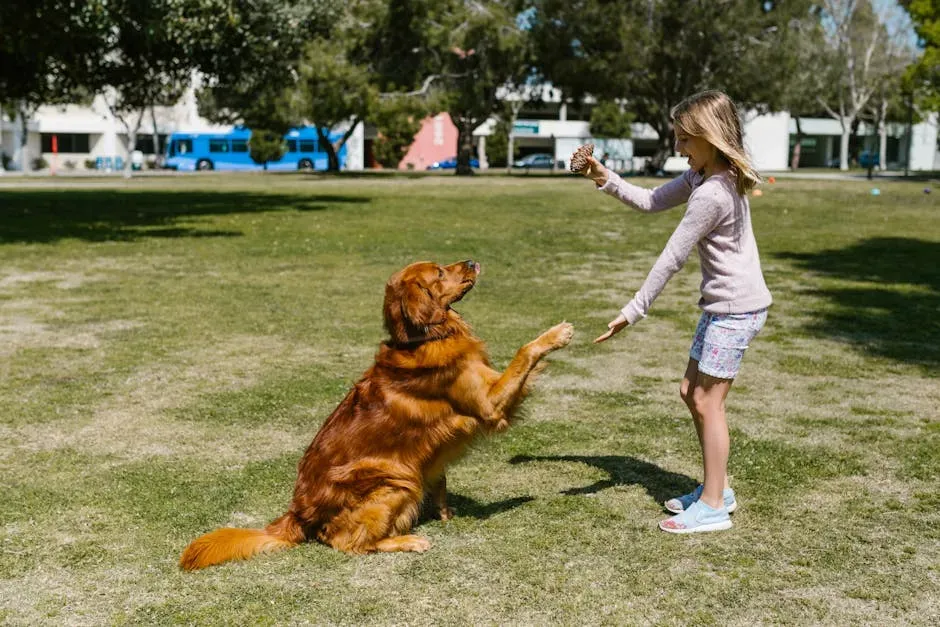
One of the most overlooked training problems isn’t the dog at all. It’s the household. Being consistent means practicing the same way between different people or circumstances, and when dogs get mixed signals from their family, it is not the dog’s fault for misbehaving but due to the family’s lack of consistency. This is a hard truth, but a freeing one.
Dogs are great at learning specific cues, but they need consistency in their training. If family members use different words for the same command, like “Down” versus “Lie down,” the dog might get confused and struggle to perform the behavior reliably. Now imagine that playing out across every rule in the house, from the furniture to mealtimes to greeting guests.
A classic real-world example: when an owner encourages a dog to jump up and hug them during a training session focused on stopping jumping, that inconsistent behavior on behalf of the owner causes confusion for the dog and prevents them from successfully ending the unwanted behavior. The dog isn’t broken. The communication is. Experts suggest that families sit down together, develop a plan that everybody can agree on, and then do their best to follow it.
Confusion Has Real Emotional and Physical Consequences

Most dog owners associate confusion with simple behavioral problems, like not sitting on command. But the impact runs deeper. Inconsistent rules can stress a dog. Consistency can also help prevent problem dog behaviors such as barking or jumping, which are often caused by your dog’s confusion about the rules or their reaction to your unpredictability.
Health issues might also emerge when a dog’s environment is unpredictable. Stress from inconsistency can lead to physical symptoms, such as digestive trouble or skin problems. These health issues can add unnecessary doctor visits and bills. Furthermore, stress can weaken a dog’s immune system, making them more vulnerable. A confused dog isn’t just frustrating to live with. They may actually be suffering.
Watch for these behavioral cues that signal your dog is feeling uncertain or overwhelmed: signs of confusion or distress will often be seen in how the dog is checking out the environment. You may see the dog scanning, looking back and forth, while panting with their ears back and their head held low. Hyperactivity can be a sign the dog is searching to emit the desired behavior. The dog may ignore you and reject treats. As the confusion intensifies, the dog may bark or startle easily. The confusion may even lead the dog to give up and go lay down. These aren’t attitude problems. They’re distress signals.
The Sneaky Ways We Accidentally Reward the Wrong Things

Even the most well-meaning dog owners can fall into this trap without realizing it. Inconsistency can maintain unwanted behaviors. Dog trainers often see people struggling to reduce a dog’s behavior they don’t like. But when the trainer digs deeper, they realize the owners are occasionally reinforcing the negative behavior, whether they realize it or not.
The examples are everywhere once you start looking. For instance, letting your dog jump up on you while you’re wearing your jeans but not your work clothes, or if one person feeds the dog from the table while others don’t. From the dog’s perspective, the rule appears to be random. People praise their dogs for jumping even when they are trying to train them not to. Then they ignore the dog when he’s relaxed with his paws on the floor, which is the moment they should praise him. This mixed feedback makes training a challenge.
Timing plays a huge role here too. Rewards and corrections must happen within one to two seconds of the behavior to be effective. Otherwise, your dog won’t connect the consequence with the action. Delayed feedback, whether positive or negative, teaches your dog very little and adds to the fog of confusion they’re already navigating.
How to Build Real Consistency That Actually Sticks
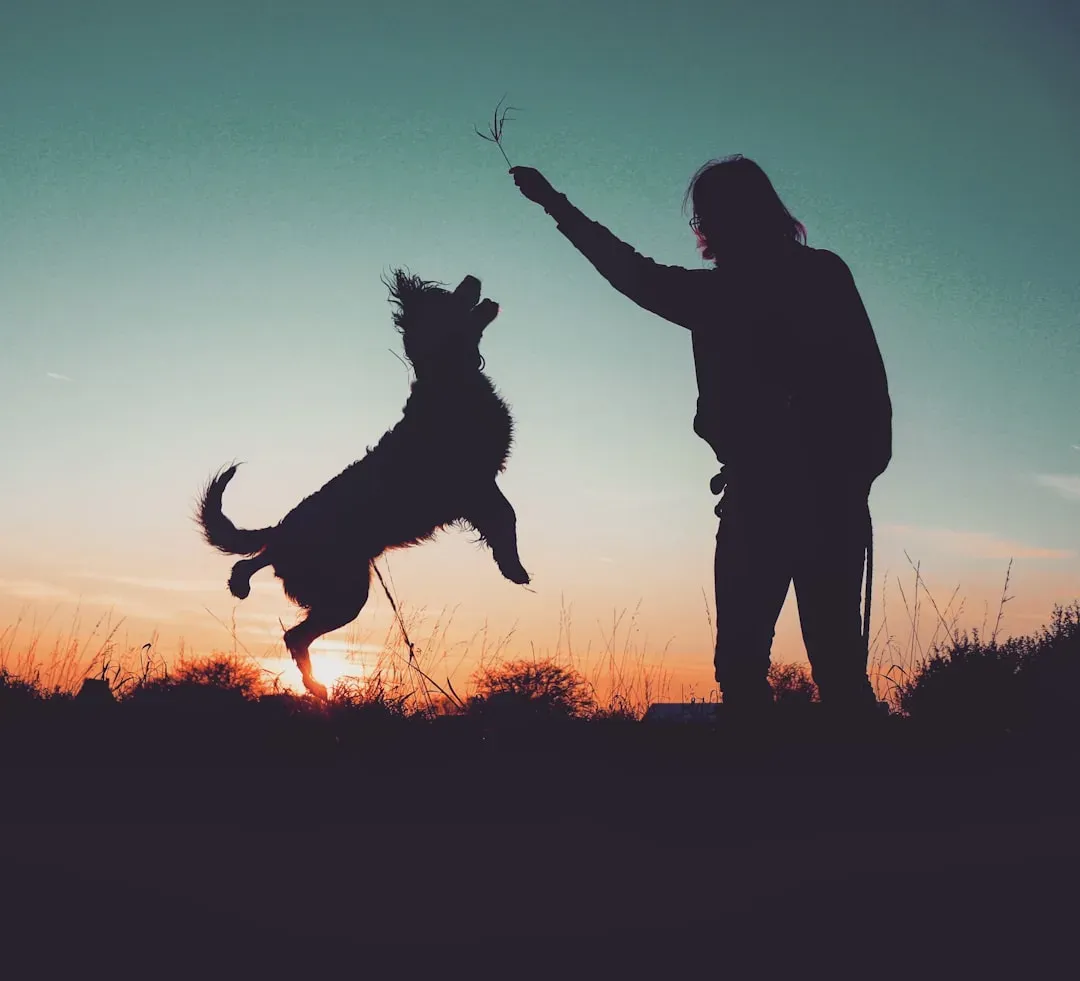
The good news is that dogs are genuinely resilient. If your dog is already operating in a pattern of confusion, dogs respond quickly when clear structure is introduced. The first step is identifying the specific rules that have been inconsistently applied and committing to enforcing them the same way every time going forward. It does not take months of perfect behavior to begin seeing improvement; dogs recalibrate surprisingly fast when the rules stop shifting under their feet.
The fastest fix for household inconsistency is a simple agreement on rules, commands, and consequences that every person in the home follows without exception. This means using the same word for each command, enforcing the same boundaries every time, and agreeing on which behaviors are never acceptable, regardless of context. It sounds straightforward, but in practice, it requires real commitment from every adult and child in the house.
A few practical steps that make a real difference: choose one word or phrase per command and stick with it. For example, pick “Come” instead of alternating with “Here” or “Come here.” The same applies to tone and body language since dogs respond to consistency in delivery. Also, one of the kindest things you can do for your dog is to make this mystifying human world more predictable. That’s not a restriction. That’s a gift.
Conclusion: Clarity Is the Kindest Thing You Can Give
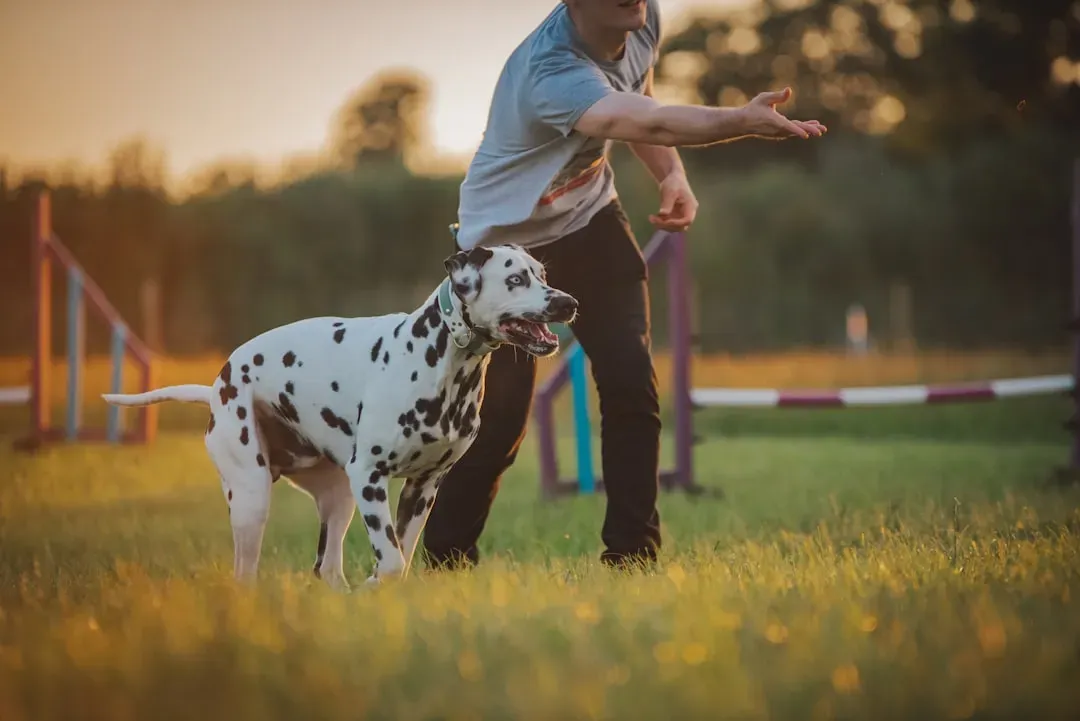
Most dogs labeled as “badly behaved” are simply navigating a world where the rules keep changing. They aren’t trying to push boundaries or dominate the household. They’re trying to figure out what’s being asked of them and coming up short because the signals are blurry. Consistency is not about being rigid or harsh; it is about being reliable. A dog that can count on you to mean what you say and follow through every time is a dog that trusts you, and trust is the foundation on which everything else is built.
When a dog knows the rules do not change, they feel more secure and are less likely to develop bad behaviors. This results in better overall behavior and a happier pet. That’s a relationship worth building, and it starts with something simpler than any training program: deciding what the rules actually are, and keeping them.
Your dog isn’t asking for perfection. They’re asking for clarity. Give them that, and you’ll likely be amazed at how quickly the dog you always hoped for starts to show up.


