
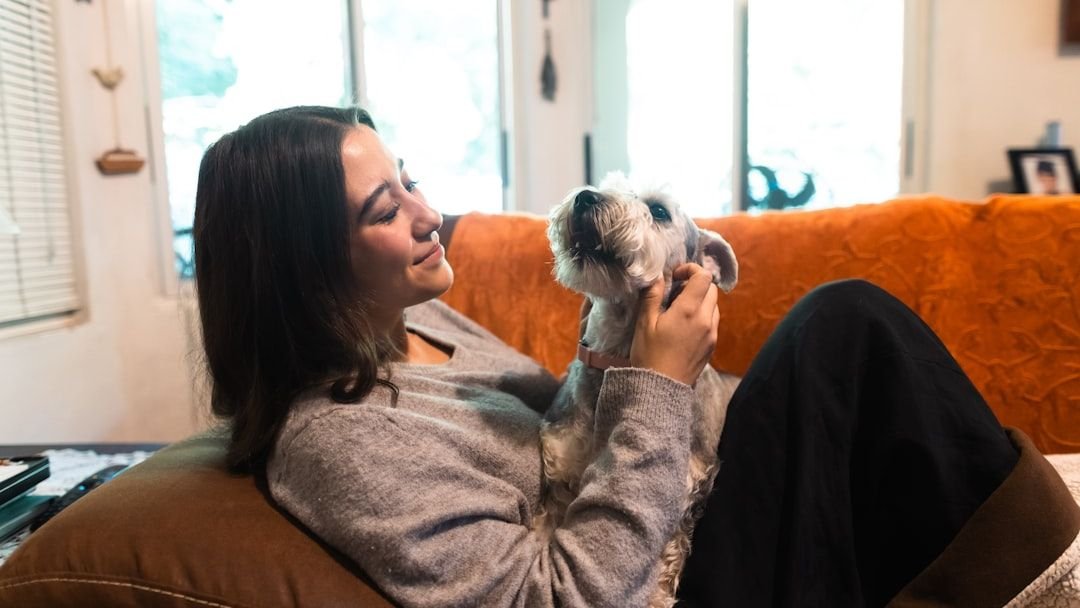
Most of us know when our dogs are happy. The spinning, the tail-wagging, the full-body shimmy at the front door – those signs are hard to miss. But deep attachment? That’s a quieter thing. It lives in the small, easy-to-overlook moments: a glance held a second too long, a paw resting gently on your knee, a sigh that somehow sounds like relief.
While every dog shows affection, emotional attachment goes far beyond simple tail wagging or excitement at mealtime. An emotionally attached dog sees you as their source of safety, comfort, and stability. Understanding what that actually looks like in daily life can change how you see your dog entirely. These 12 behaviors might be happening right now in your home, and they mean more than you think.
1. They Follow You From Room to Room
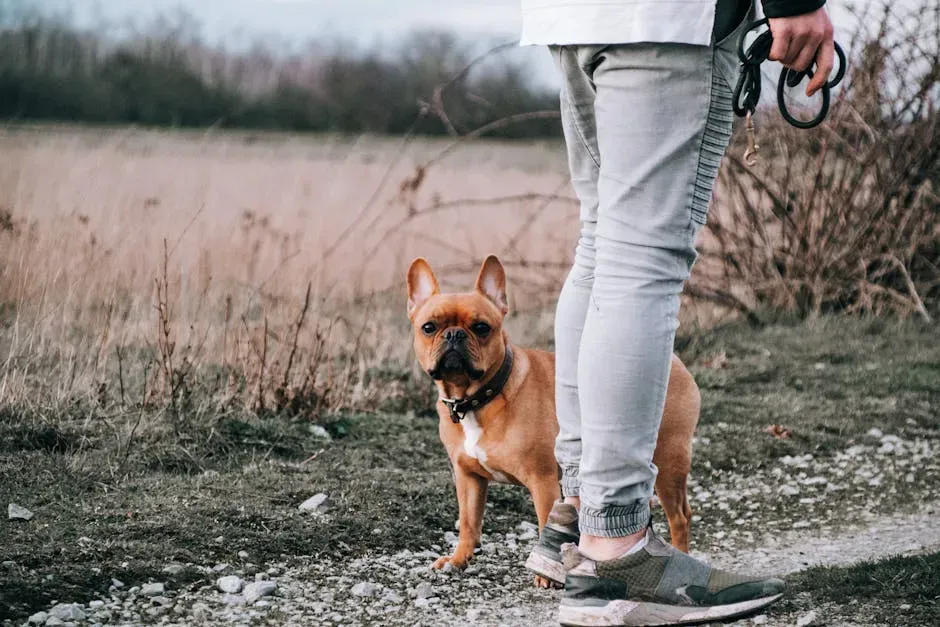
There’s a reason some dogs have earned the nickname “velcro dogs.” A dog who follows you around isn’t just being nosy – they feel safest and most content when they’re near you. Whether you’re making coffee or folding laundry, your presence brings them comfort and a sense of belonging. It’s pack instinct, yes, but it’s also something more personal than that.
Proximity seeking is one of the key behaviors indicative of an attachment relationship – the animal will seek out the attachment figure as a means of coping with stress. So when your dog parks themselves just outside the bathroom door, they’re not being intrusive. They’re telling you that wherever you are is where they feel whole. That said, keep an eye on whether this behavior is calm and relaxed, or whether it tips into anxiety when you’re out of sight.
2. They Make Prolonged, Soft Eye Contact
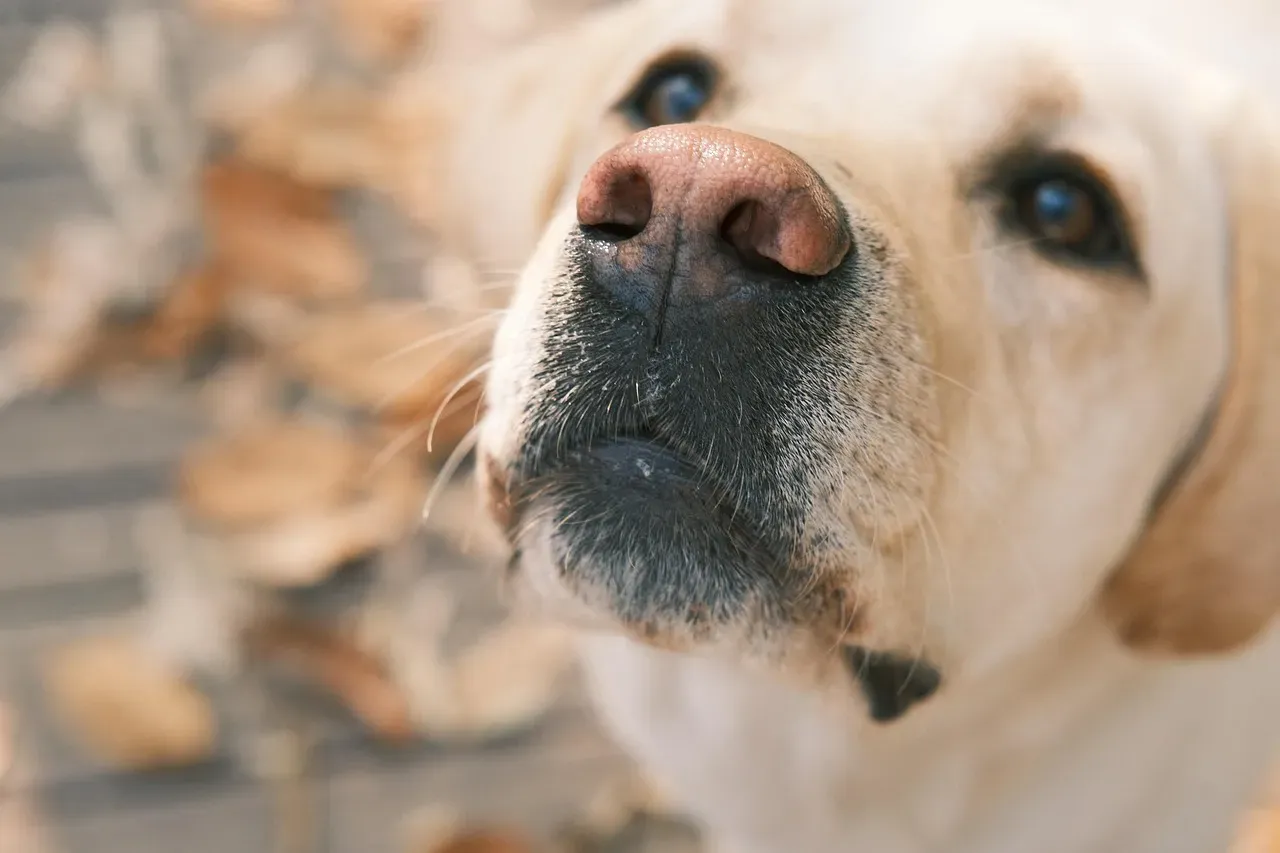
Studies indicate that when dogs make direct eye contact with their owners, it triggers the release of oxytocin in both the dog and human. This “love hormone” is the same one that bonds mothers to their infants, further affirming the special relationship between humans and their canine companions. That calm, unhurried gaze your dog gives you across the room isn’t random. It’s biochemically meaningful.
Dogs that are emotionally attached to their owners tend to maintain eye contact, looking at them with soft, relaxed eyes. The keyword here is “soft.” Hard, tense eye contact in dogs can signal stress or challenge. Soft, blinking, relaxed eye contact is something else entirely – it’s trust made visible. If your dog gazes at you during a quiet evening, hold that moment. It’s genuinely reciprocal.
3. They Lean Their Body Weight Against You
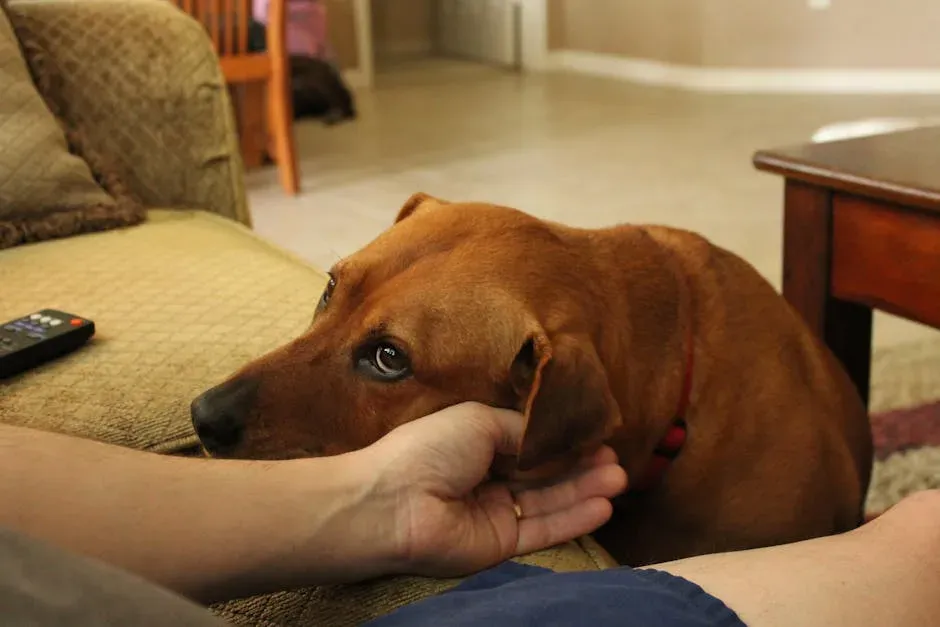
If your dog leans their body weight against you or rests their head on your lap, it’s a sign of trust and attachment. They only do this with people they feel comfortable and secure around. It’s a small gesture, but it’s remarkably deliberate. Dogs choose very carefully who gets this kind of physical closeness.
From laying their head on your lap to leaning against your side, dogs who crave physical closeness are showing emotional closeness too. Touch becomes their silent reassurance that love is present and near. Think of it as your dog anchoring themselves to you when the world feels a little uncertain. If your dog does this regularly, it’s one of the clearest signs you’re their safe harbor.
4. They Bring You Their Favorite Toy
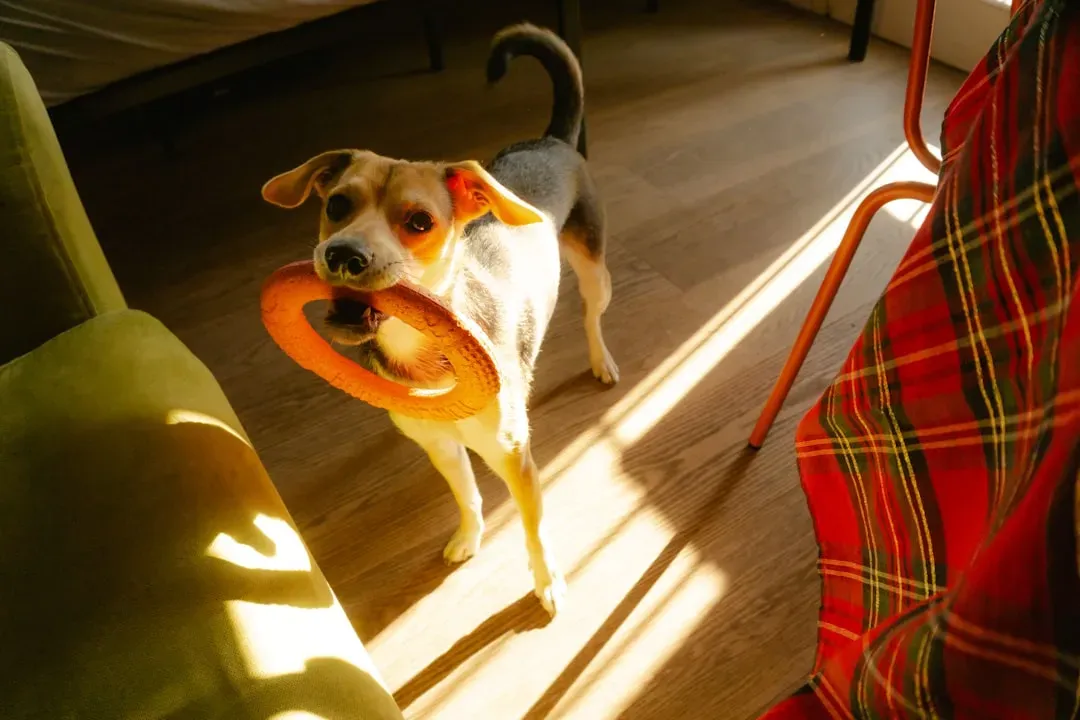
Some dogs express their attachment by bringing you toys or other items as gifts throughout the day. This behavior is similar to how a mother dog might bring food to her puppies, showing that they want to provide for you. When your dog drops a soggy tennis ball in your lap, they’re not just asking for playtime. They’re including you in their most valued circle.
Bringing you their favorite toy shows trust and the desire to bond. Notice that it’s often the most prized possession – not just any old chew. A dog who hands over their best toy is essentially sharing something sacred. Receive it with enthusiasm; even a brief moment of play in response deepens the bond considerably.
5. They Check In on You During Outdoor Activities

Even during play or exploration, they’ll glance back to make sure you’re still there. It’s a subtle, beautiful way of saying, “Are we still connected?” Their world might be big and full of smells, but you’re still their anchor. This “checking in” behavior is one of the most telling and least talked-about signs of deep attachment.
The safe haven effect describes when the canine more freely explores novel objects in the caretaker’s presence. Canines are capable of assessing humans’ emotional states, as well as discriminating humans by levels of familiarity. In practice, this means your dog feels brave enough to explore precisely because you’re there. Your presence is the foundation their confidence is built on. If your dog keeps glancing back at you on walks, take it as a quiet compliment.
6. They Mirror Your Emotions and Moods
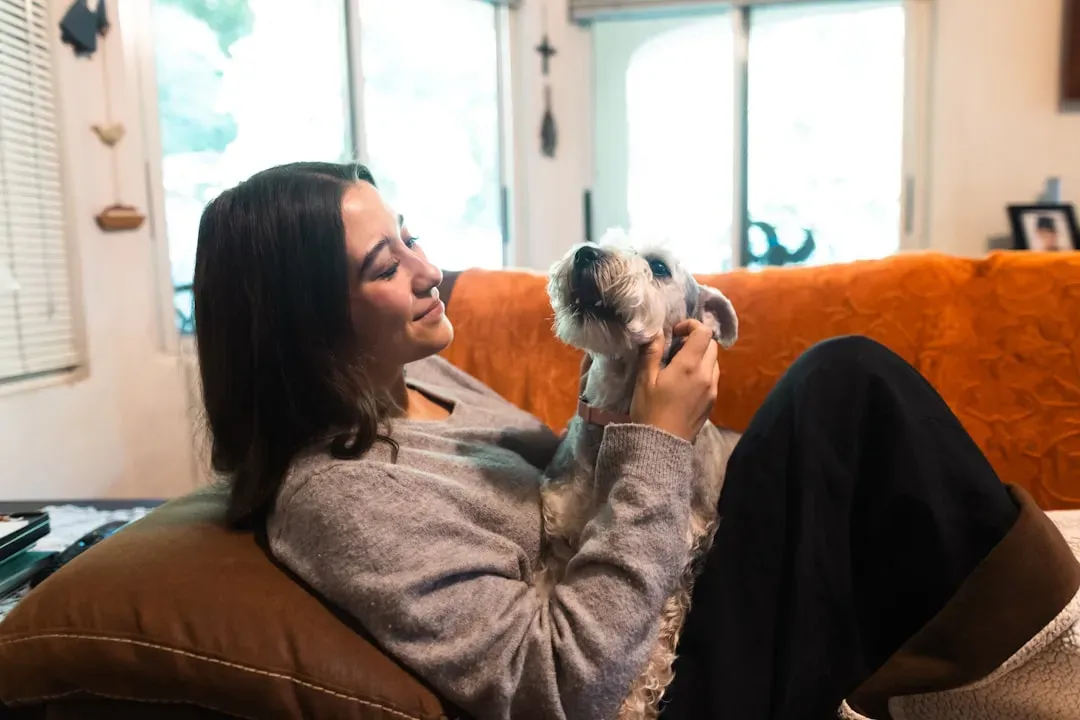
Dogs are emotional mirrors. If you’re sad, they may become quieter or seek to comfort you. If you’re happy, they get the zoomies. They read your emotional state and respond in kind – it’s empathy in fur-covered form. This is far from coincidence, and research supports it fully.
As your bond with your dog grows stronger, they begin to pick up on your body language and personality traits. If you’re an overly anxious person, your pup may start exhibiting similar anxious behaviors, and the same goes if you’re a bubbly, outgoing person. This emotional mirroring is a sign of deep attunement. It also serves as a gentle reminder: our own stress and energy directly shape how our dogs feel day to day, which is a good reason to model calm when you can.
7. They Sleep Close to You or at Your Feet

In the wild, canines are at their most vulnerable when they sleep. To maximize their safety, members of the pack will sleep with their backs facing each other and their noses facing out. If your dog chooses to sleep with you or next to your bed, this means they see you as a trusted member of their pack. This isn’t about comfort-seeking alone – it’s about choosing the safest place they know.
Dogs are most vulnerable when they sleep, so their choice of sleeping close to you means they trust you deeply. It’s a sign of safety, belonging, and emotional warmth. Some dogs prefer the foot of the bed, others wedge themselves against your legs. Either way, you’re being chosen as a sleep companion, which is one of the most genuine expressions of trust a dog can offer. It doesn’t get much more sincere than that.
8. They Seek You Out When Something Frightens Them

The dog–human attachment relationship allows dogs to interact securely with their environment in the presence of the owner and show less distress in response to threatening events. A thunderstorm, a strange noise, an unfamiliar visitor – whatever spooks your dog, watch who they run to. That answer tells you everything about their attachment hierarchy.
Proximity seeking behavior is where the canine will seek out its caretaker as a means to cope with stress, and consequently the absence of the caretaker will trigger separation anxiety to a varying degree. When your dog presses against your leg during fireworks or buries their snout under your arm during a loud argument outside, they’re using you as their emotional regulation system. The best response is to stay calm, speak softly, and let them settle at their own pace rather than forcing reassurance.
9. They Yawn When You Yawn
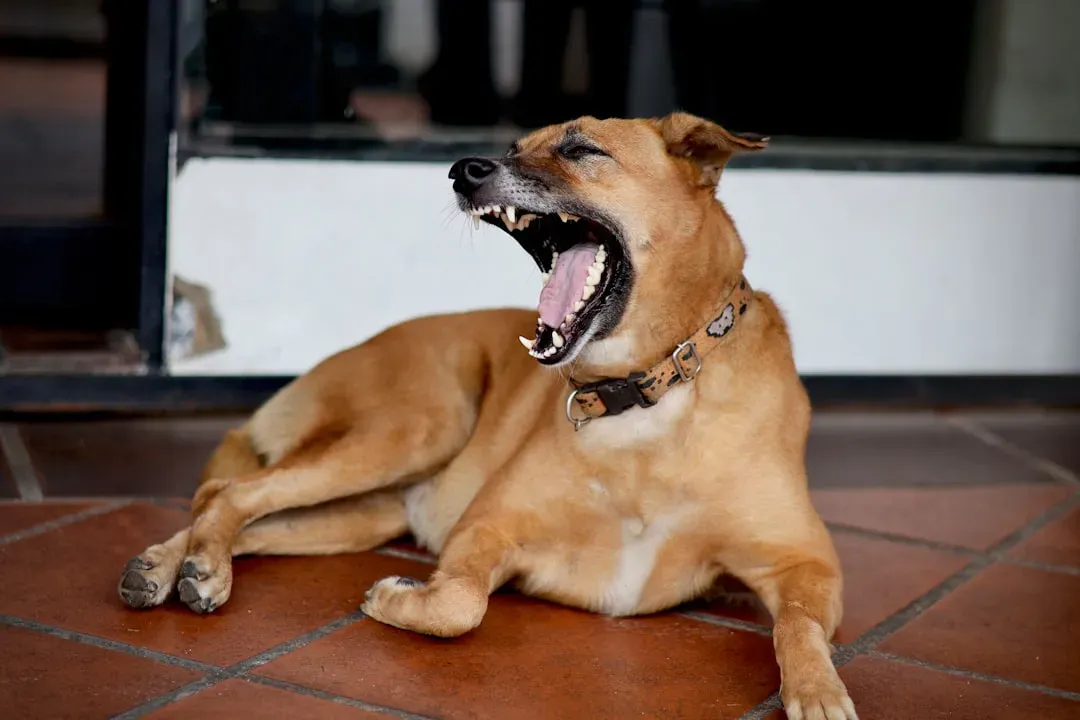
Scientists believe that dogs who yawn in response to their owners’ yawns are showing empathy. It’s a subtle way of mirroring your behavior, indicating they are tuned into your emotions. Not all dogs will yawn when their owners do, but those that do likely share a deep bond with them. It’s one of the strangest and most endearing signs on this list.
Research has shown that contagious yawning is linked to social bonding. In humans, it often occurs among family members or close friends. So, when your dog catches your yawn, it’s a sign they consider you part of their close circle. Try it the next time you’re sitting together quietly. A slow, deliberate yawn from you might just be answered. If it is, you’re witnessing a small but meaningful window into the emotional intelligence your dog carries around all day.
10. They Initiate Physical Contact on Their Own Terms
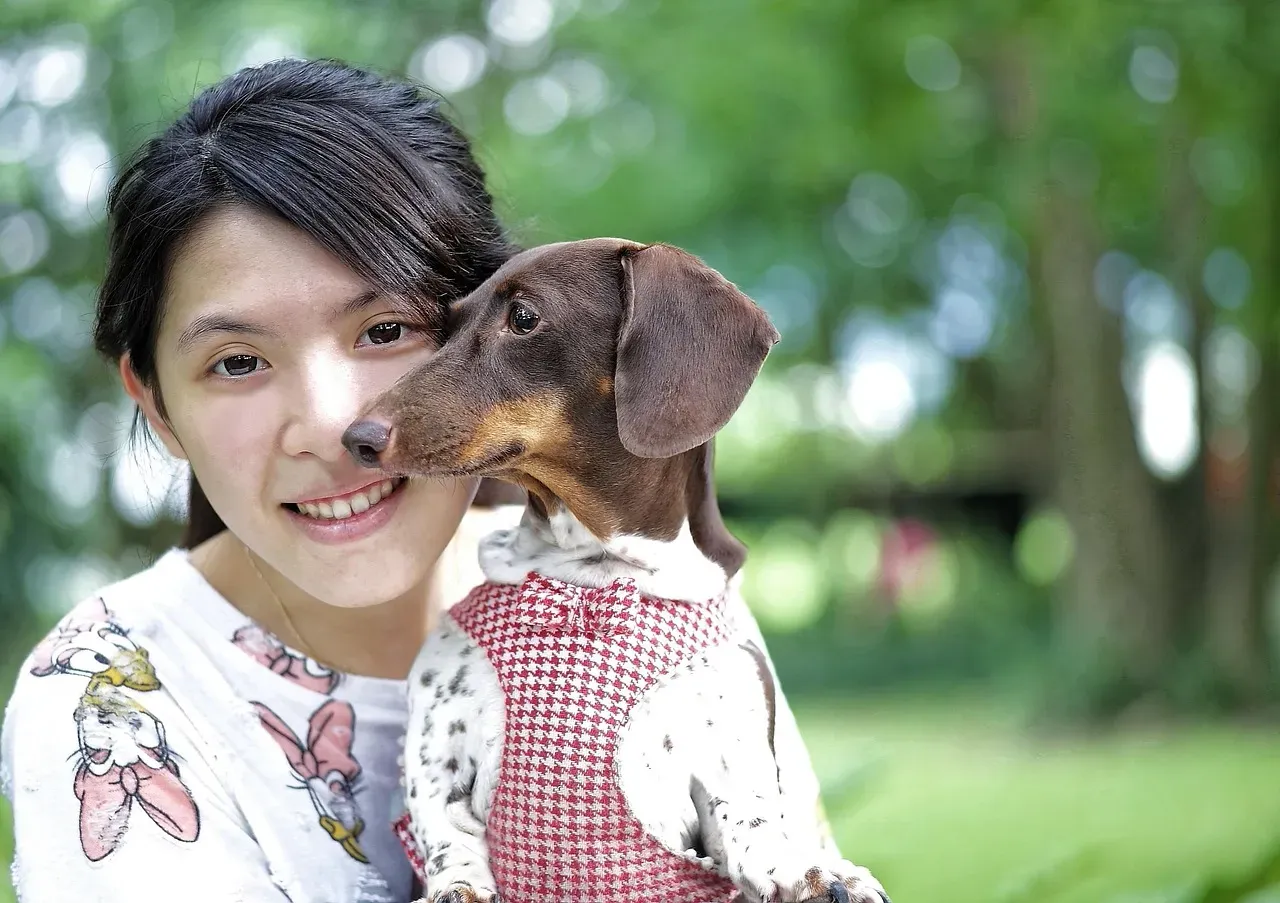
Dogs often show their love through physical affection, especially cuddling. An emotionally attached dog will be the first to initiate a cuddle session – snuggling with you on the couch or curling up at your feet while you work. The key word here is “initiate.” Dogs that are deeply bonded don’t wait to be invited; they choose you first.
Physical closeness is a key way dogs express love. An attached dog will want to cuddle, sit on your lap, or rest beside you whenever possible. They lean on you for comfort. They paw at you gently for attention. When a dog reaches out with their paw to rest it on your hand, or nudges your elbow with their nose, that’s self-directed affection. Respect it. Respond to it. It means your dog trusts you enough to ask for closeness rather than just waiting for it to happen.
11. They Try to Comfort You When You’re Upset
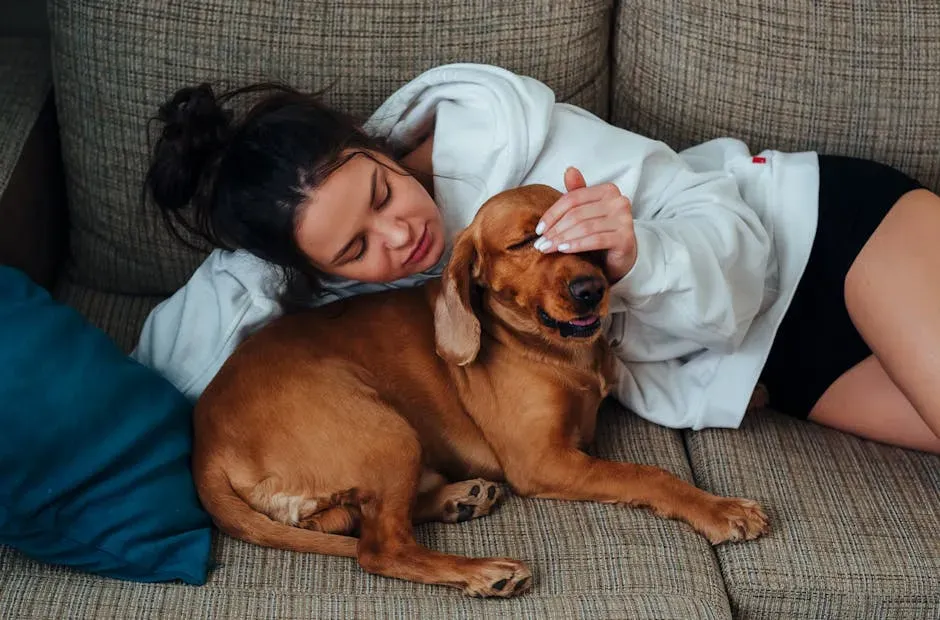
Dogs with strong emotional attachments will be very in tune with their pet parent’s emotions. They can pick up on feelings of anxiety or sadness and will try to provide comfort by nuzzling or licking your face. Many dog owners describe moments where their dog appeared seemingly out of nowhere during a low moment – quietly pressing close without being prompted.
Dogs are highly attuned to human behavior. They can detect subtle changes in mood and energy. Many dogs respond to sadness by staying physically close or resting their head on their owner’s lap. This sensitivity strengthens the human-animal bond and deepens mutual trust. This isn’t performance or coincidence. It’s genuine attentiveness rooted in attachment. If your dog has ever crawled into your lap on a hard day, they weren’t just following instinct. They were choosing you in a moment when you needed it most.
12. They Show Calm, Settled Behavior in Your Presence
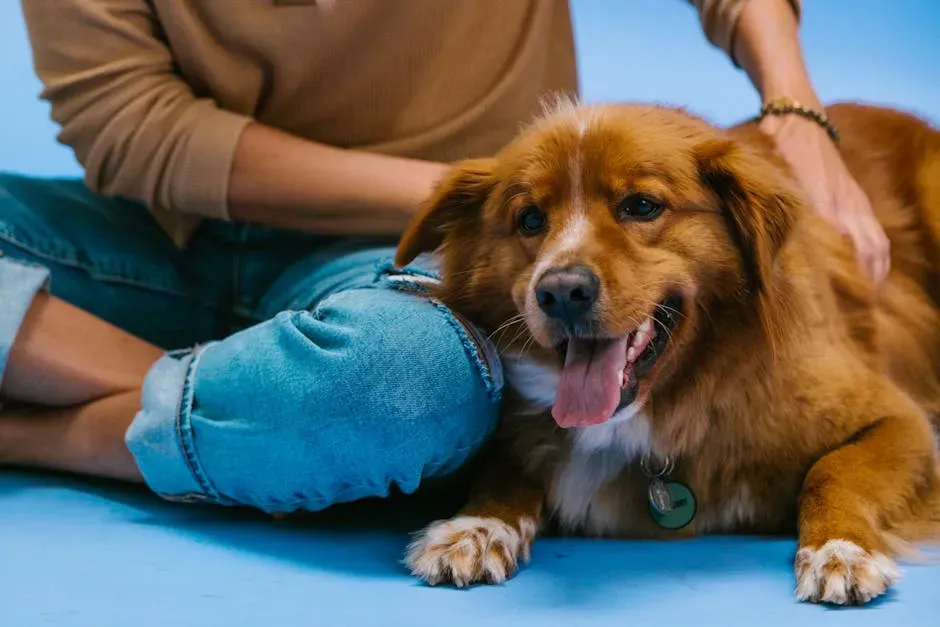
A dog that fully trusts you often appears visibly at ease when near you. Even subtle cues, like leaning against you or sleeping peacefully beside you, reflect emotional security. Deeply attached dogs don’t just seek you out when things are hard. They find everyday peace simply by being in your orbit.
Research shows that during positive interactions with their owners, dogs experience increased levels of oxytocin, often called the “love hormone,” just as humans do when bonding with loved ones. This physiological response reinforces the attachment and creates a mutual feedback loop of positive emotions. A dog who sighs contentedly, relaxes their muscles, and settles deeply when you enter the room isn’t being passive. They’re telling you, in the quietest possible language, that you are home to them.
What This All Means for You as a Dog Owner
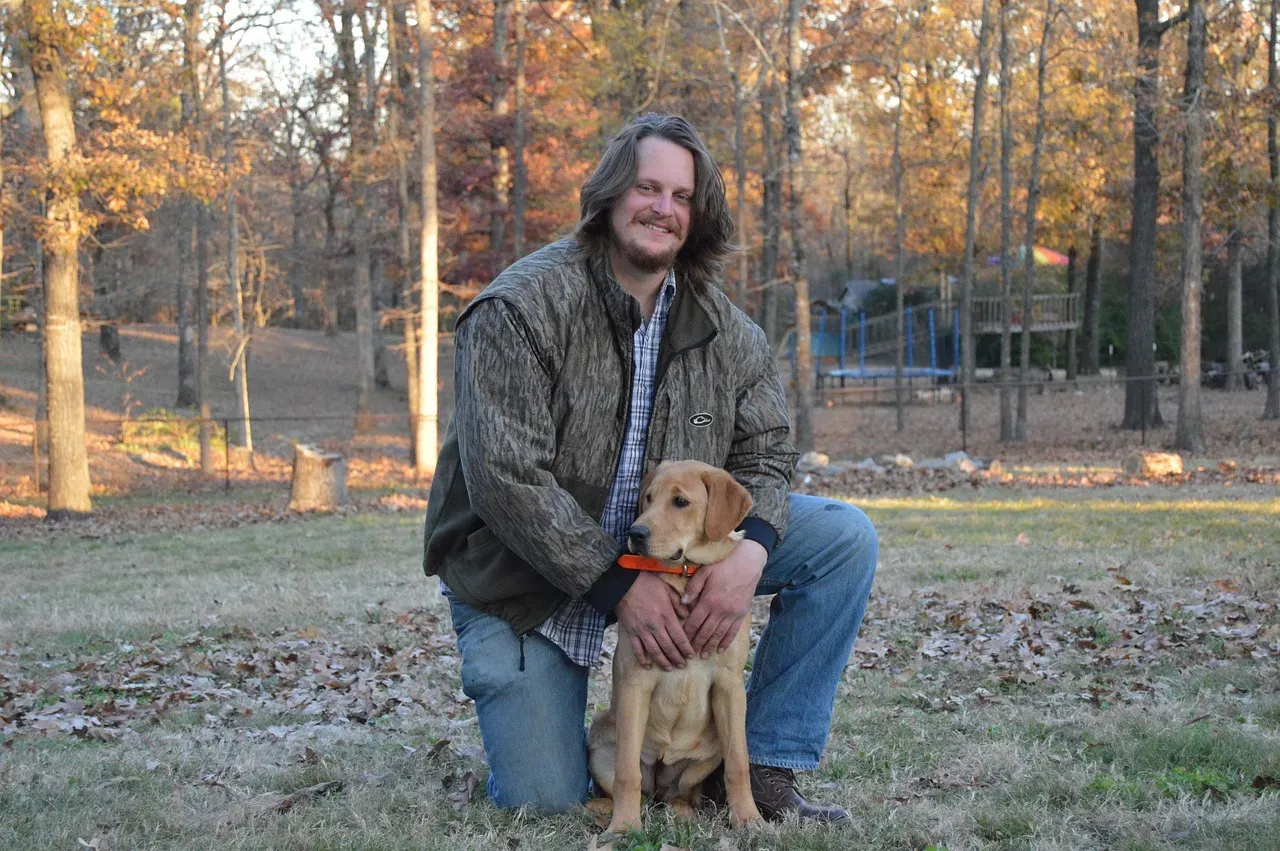
The behaviors above aren’t just sweet to notice. They’re your dog’s primary language for expressing trust, safety, and love. The human-canine bond is strengthened, or diminished, depending on the quantity and quality of the time spent with the canine and through activities such as routine walking, feeding, grooming, and play. So every consistent walk, every calm interaction, and every moment of gentle attention is doing real work on that bond.
Owners who have a secure attachment style with their dog will respond to their dog’s signals and acknowledge their need for closeness and safety. You, the owner, need to provide a secure base from which your dog can explore their environment, and at the same time act as a safe haven to return to when your dog faces danger. That’s a meaningful role. Worth showing up for every single day.
Recognizing these 12 behaviors won’t just help you understand your dog better – it’ll shift how you see the relationship entirely. Attachment is a two-way current. Your dog has already decided you’re worth trusting. The quiet, continuous joy of that is something worth paying attention to.


