
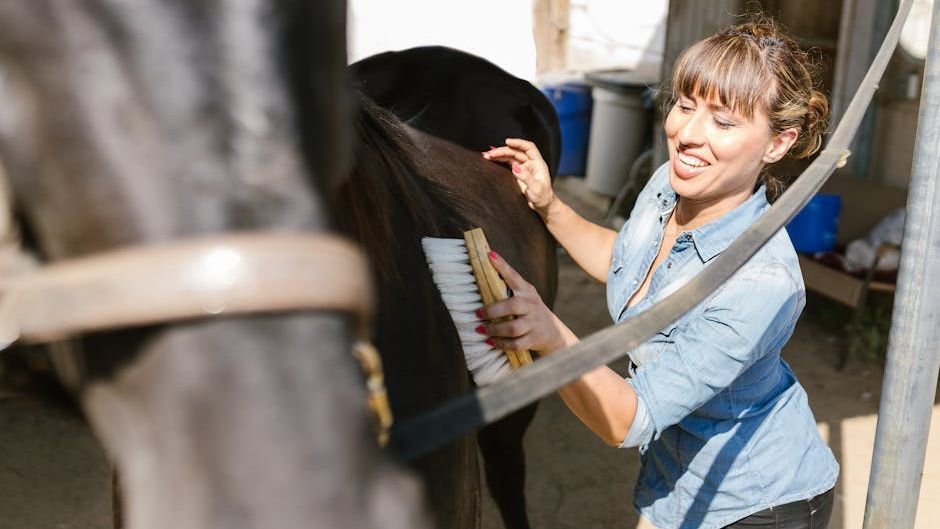
There’s something quietly extraordinary about watching a horse at total ease. The muscles soften, the eyes grow still, and the whole body seems to exhale. For an animal that evolved as a prey species, wired to scan every shadow for danger, true relaxation is not a small thing. It takes real trust, a safe environment, and a human who knows how to listen.
Most of a horse’s daily communication happens through body language. It’s through subtle movements of the ears, nostrils, eyes, mouth, and tail that they convey information to each other and to us. Learning to read those signals isn’t just about safety. It’s about deepening a relationship that can become one of the most rewarding partnerships you’ll ever have.
1. They Lower Their Head and Let It Stay Low
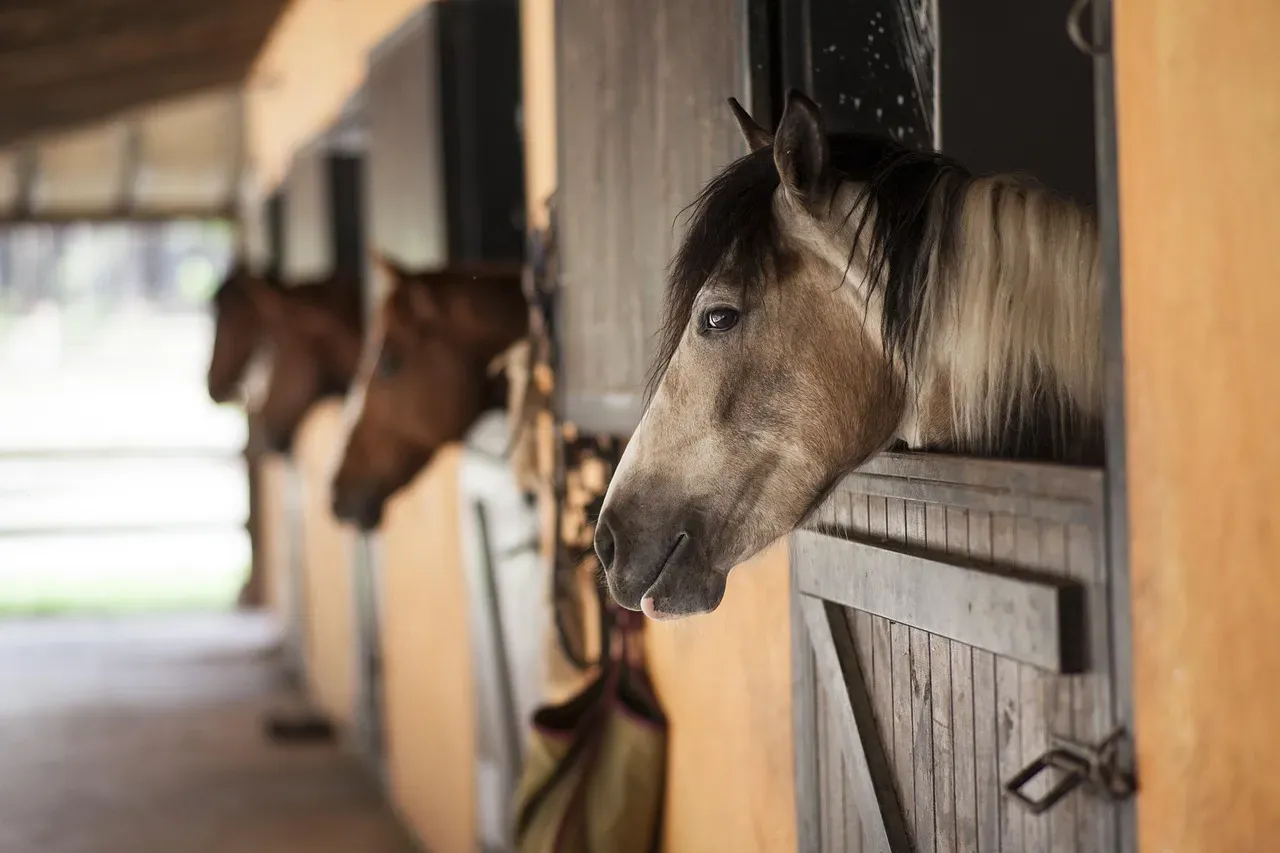
A dropped head is one of the clearest, most honest signals a horse can offer. A dropped head is a sign your horse is relaxed and feeling good, and his ears will often hang to the side as well. It sounds simple, but for a prey animal whose first instinct is to raise its head and scan the horizon for threats, choosing to let that guard down speaks volumes.
A relaxed and safe horse will lower his head, relax his ears, lick his lips, chew, drop his tail, and take a deep sigh. Any change in the elevation of the horse’s head downward indicates the horse is relaxing, and any upward movement indicates tension. This is why experienced horse people pay close attention to head position above almost anything else during handling or training sessions.
If you’re working with a horse and you notice the head gently sinking lower and lower during groundwork or grooming, take that as confirmation you’re doing something right. Creating a calm, predictable environment can go a long way. When horses feel secure in their routine and surroundings, they’re less likely to experience emotional tension. Consistency from you builds the confidence that makes head lowering possible.
2. They Rest a Hind Leg (the “Cocked Hoof” Posture)
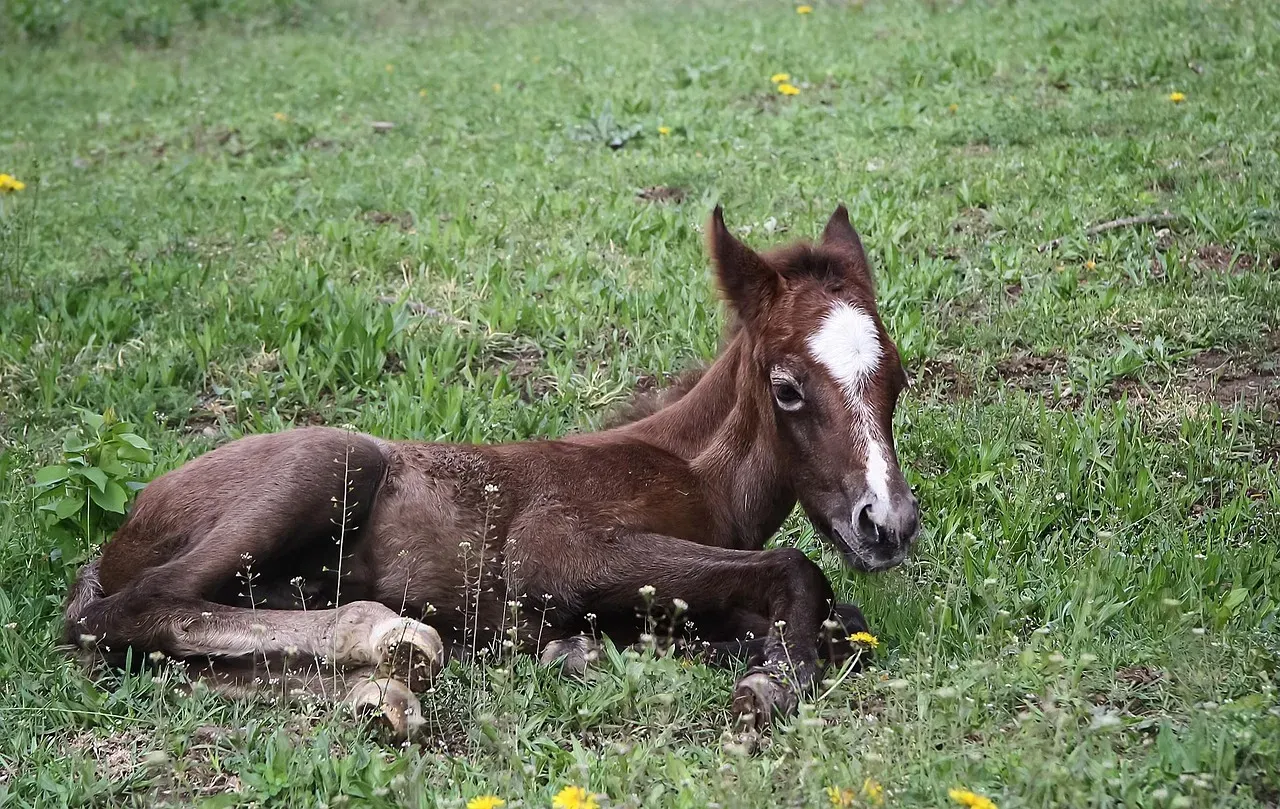
You’ve probably seen it a hundred times without thinking much of it. One hind leg slightly bent, the hoof resting on its toe, the hip dropped on that same side. It’s easy to overlook, but that small shift carries real meaning. When a horse cocks his leg, he rests the leading edge of the hoof on the ground and drops his hip. When combined with a lowered head or ears hanging to the side, this is the sign of a horse who is relaxed and resting.
In a truly relaxed horse, the tail is held loosely, not clamped in anger or raised in excitement. One hind hoof is cocked and resting on its toe, and weight is even on both front hooves, which means the horse is not thinking at all about flight. That last detail is the telling part. A horse not thinking about fleeing is a horse that genuinely feels safe.
Worth noting: context matters here. If your horse shifts his weight rapidly from one foot to the other, he’s probably in pain and cannot get comfortable. A horse may also cock a hind hoof when he is irritated or defensive and considering kicking, in which case he may also elevate his head and turn his ears back. So take the whole picture in, not just the leg. A relaxed hind leg paired with soft eyes and a loose jaw is the real signal you’re looking for.
3. They Engage in Mutual Grooming or “Groom” You Back
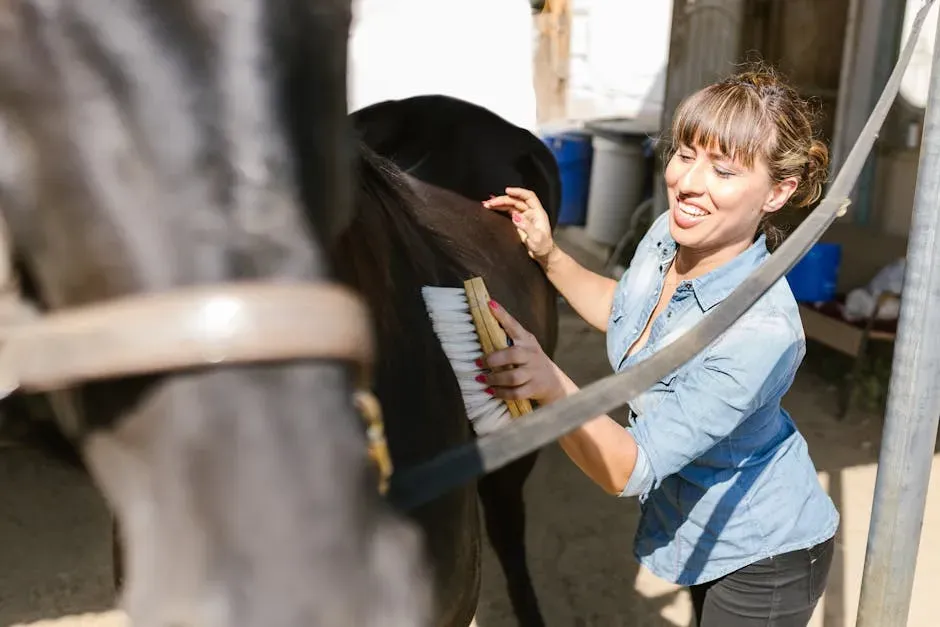
Mutual grooming is social bonding in its most literal form for horses. In the wild and in pasture life, horses stand shoulder to shoulder and nibble along each other’s withers, manes, and necks. It’s not just practical. It’s an expression of affection and trust between individuals who have chosen each other. Horses groom each other in the wild not only because it feels good, but because it is a way to show affection toward one another. They nibble at each other’s withers, backs, and necks. Research in Applied Animal Behaviour Science confirms that mutual grooming is a vital social bonding activity for horses.
When that behavior extends to you, something meaningful is happening. If your horse gently nibbles at your clothing, hair, or shoulder while you’re grooming them, they’re trying to groom you back, treating you like a valued herd member. That’s not just a cute quirk. It’s your horse telling you, through one of its most deeply instinctive behaviors, that you belong in their circle. Healthy social relationships with other horses, including mutual grooming and shared eating, are essential for emotional well-being. The fact that your horse extends this to you says everything.
4. They Produce Soft Snorts and Slow, Audible Sighs
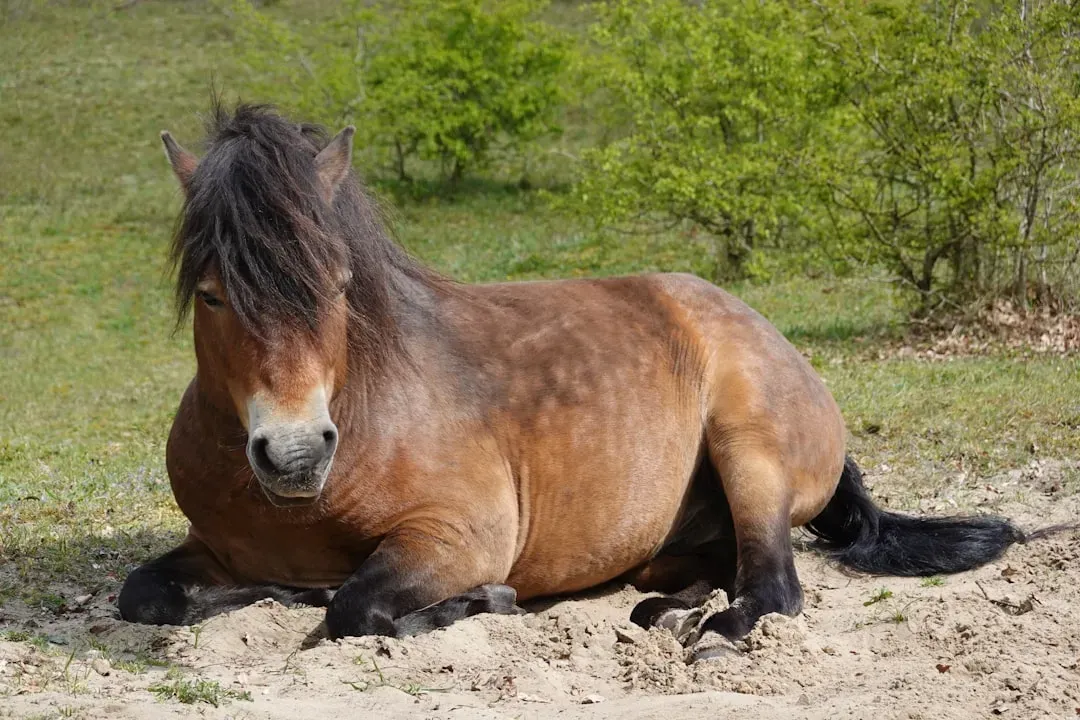
Sound is part of the equation too, and two sounds in particular are worth knowing well. A soft snort through relaxed nostrils and a slow, audible sigh are both signs that a horse’s nervous system has genuinely settled. When a horse blows or snorts softly through its nostrils, it is often a sign of relaxation and contentment. This gentle exhalation indicates that the horse feels comfortable and at ease in your presence.
According to a 2018 study published in Scientific Reports, horses frequently snort or blow air when they are feeling calm and positive, especially in familiar environments. Recognizing this subtle behavior can help you understand that the horse is happy and enjoys your company. A slow sigh works in a similar way. It’s the body physically releasing held tension, the equine equivalent of a long exhale after a stressful day.
You’ll often notice these sounds during grooming, after a smooth training session, or when a horse settles into its stall with familiar surroundings and full hay. A horse can relax in the presence of strong leadership, knowing that he is being taken care of and will be safe and comfortable. These sounds are your reward for getting that part right.
5. They Allow You to Touch Sensitive Areas Without Resistance
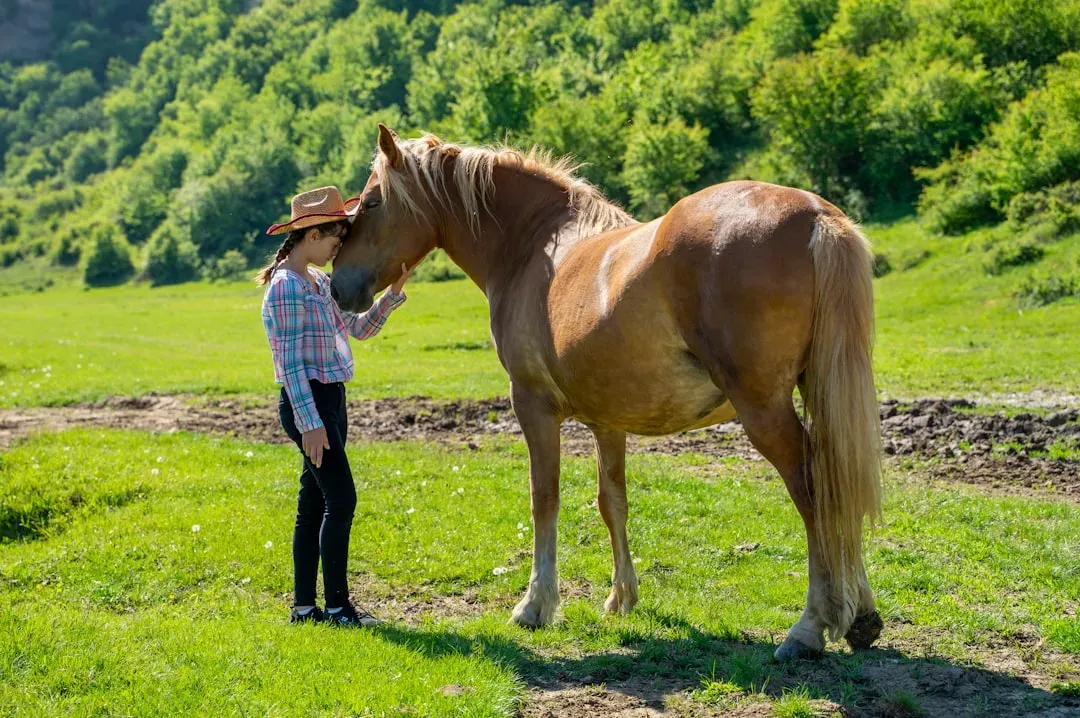
A horse that lets you handle its ears, pick up each hoof without a fight, or touch around its face without flinching is offering you something real. These aren’t just cooperative behaviors. They’re evidence of trust built over time. Horses will let those they trust enter their personal space and may even nuzzle or lean into you. If they allow you to touch sensitive areas like their ears, muzzle, or hooves, it’s a good sign that they feel safe with you.
When we ask a horse to pick up a foot and hold their leg in the air, we are essentially taking away their ability to run away. A horse that picks up all four feet and allows us to take care of their needs is a clear sign of trust. When your horse allows you to touch, examine, or work with sensitive areas without tension or resistance, they’re demonstrating significant trust in your intentions and actions. That’s not a small concession for a flight animal.
Happy horses show relaxed facial expressions, including soft eyes and unflared nostrils, indicating mental well-being and comfort. When you see those soft eyes during handling, know that your horse isn’t simply tolerating the interaction. They’re genuinely at peace with it, and with you. That’s the goal worth working toward every single day.
Conclusion: Trust Is a Language Worth Learning
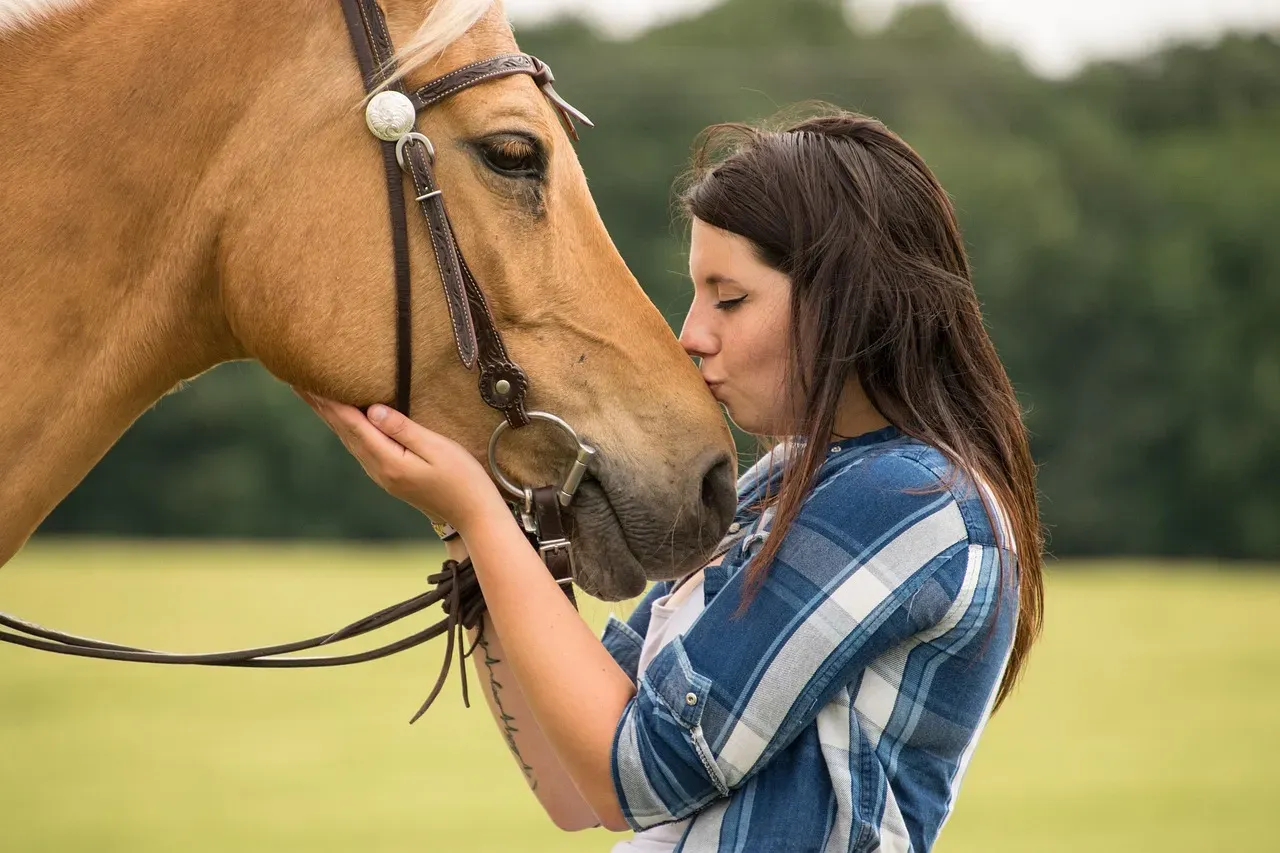
Security in a horse doesn’t happen by accident. It’s built through consistency, patience, and a willingness to pay attention to signals that are easy to miss if you’re not looking. Horses naturally rely on body language to solidify their social networks, live in peace with each other, and protect themselves from predators. When we encourage these exchanges by paying attention to our horses’ visual cues, we can deepen our interspecies connections and have healthier, safer, and more rewarding experiences with them.
A horse’s past experiences significantly shape its behavior. Positive interactions build trust, while negative ones can lead to fear or aggression. This underscores the importance of consistent, patient handling. Every calm moment you create is a deposit into a trust account that grows slowly but holds for a long time.
The dropped head, the cocked hoof, the gentle nibble along your sleeve. None of these are grand gestures. They’re quiet ones. Horses don’t announce their feelings with fanfare. They show them in the stillness, in the breath, in the willingness to stay close when they could easily walk away. Learn to notice those moments, and you’ll understand your horse in a way that changes everything.


