

Pet owners sometimes find their dogs slipping away to a quiet corner or hidden spot during their final hours. This pattern raises quiet questions about what drives the choice and whether it reflects something deeper than simple coincidence.
The behavior often leaves people wondering if their companion is protecting them from the pain of watching or following an older instinct that still lingers. Understanding the reasons behind it can shift how we view those last moments together.
Ancient Survival Patterns Still at Work
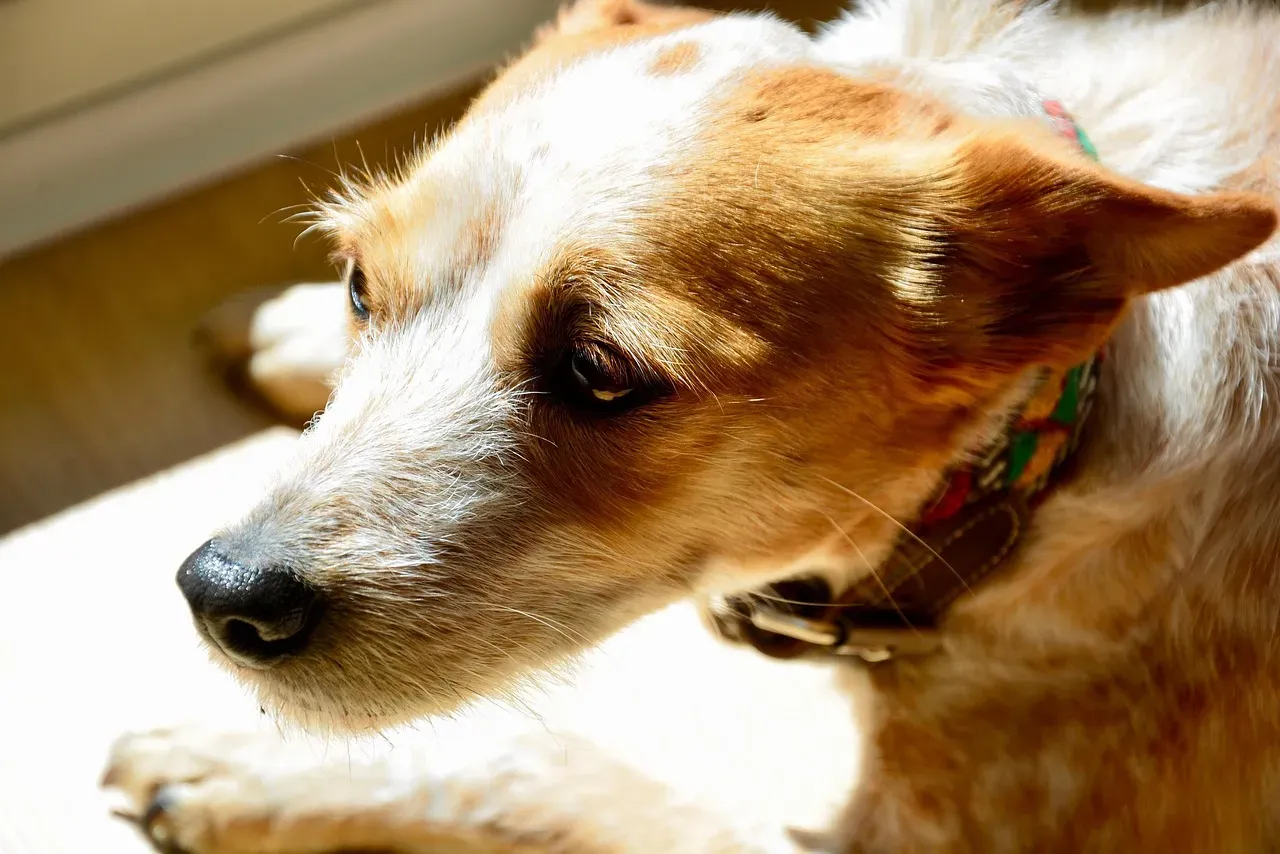
Dogs carry instincts from their wild ancestors that once helped them avoid predators when they felt weak. In those earlier environments, showing vulnerability could invite danger, so retreating made practical sense for survival.
Modern pets live in safe homes yet the impulse remains. When illness sets in, some dogs follow the same pattern without any conscious decision to isolate from their people.
Physical Discomfort Shapes the Decision
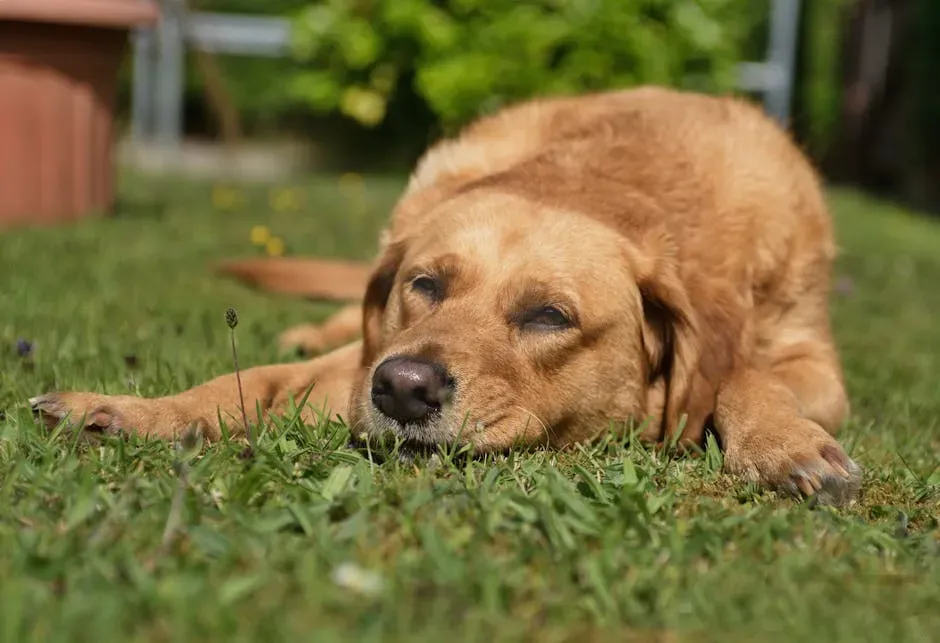
Pain or nausea can make a dog seek cooler floors, darker spaces, or areas away from household noise. These spots feel more manageable when every movement brings discomfort.
Veterinary observations note that dogs in advanced stages of disease often move less and prefer low-traffic zones. The change happens gradually as energy levels drop and the body focuses on basic needs.
Emotional Responses Play a Quiet Role
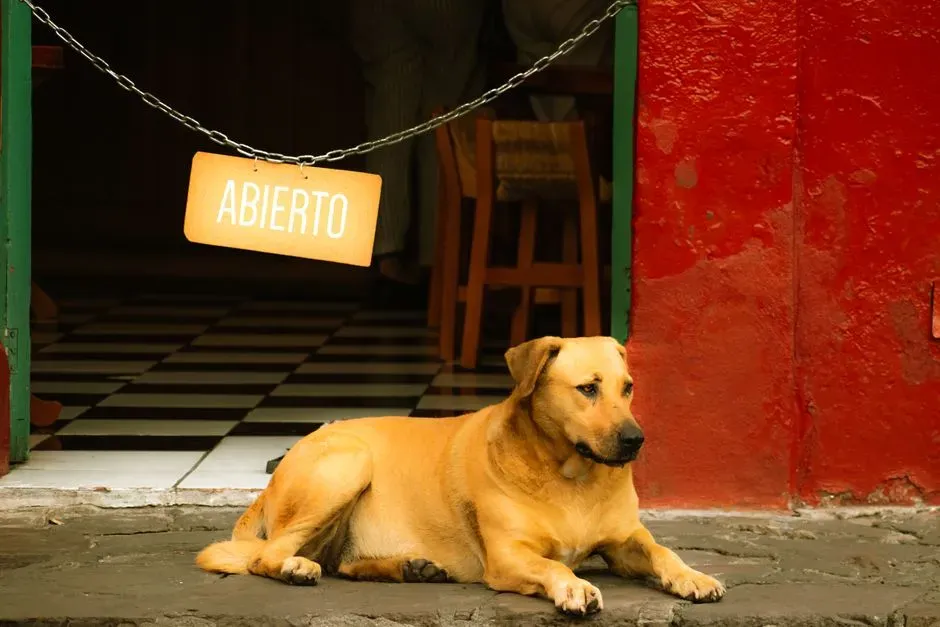
Some dogs grow more reserved as their condition progresses, not because they reject their family but because social interaction requires energy they no longer have. Rest becomes the priority over play or affection.
Owners sometimes notice a dog that once followed them everywhere now choosing a separate room. This shift reflects reduced capacity rather than a sudden desire for complete solitude.
Household Dynamics Influence the Choice
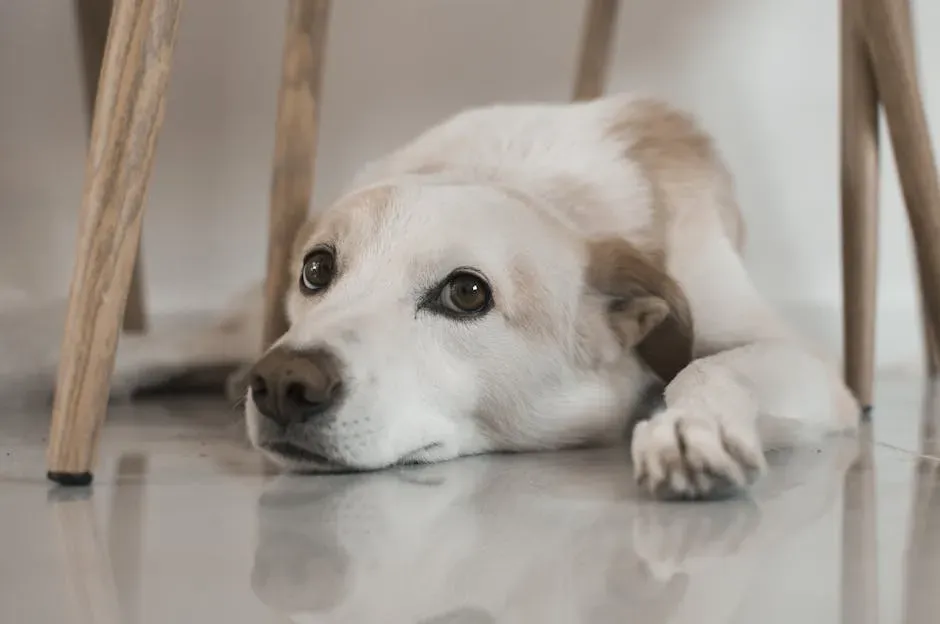
Busy homes with children, other pets, or frequent visitors can feel overwhelming when a dog feels unwell. A quieter corner offers relief from constant stimulation.
Even in calm households, dogs may sense subtle changes in routine or tone of voice that signal concern. They respond by creating distance to reduce added stress on themselves and those around them.
Common Misunderstandings Among Owners
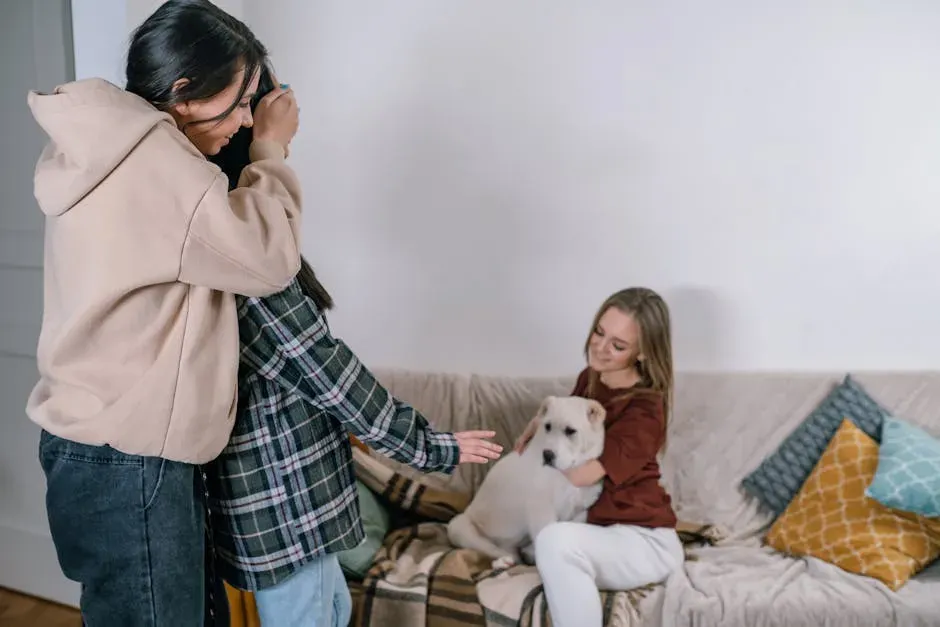
Many people interpret the retreat as rejection or a sign that the dog no longer wants comfort. In reality the action often stems from physical limits rather than emotional withdrawal.
Recognizing the difference helps owners respond with calm presence instead of worry. Sitting nearby without forcing interaction can still provide reassurance without demanding effort from the dog.
Practical Steps During the Final Stage
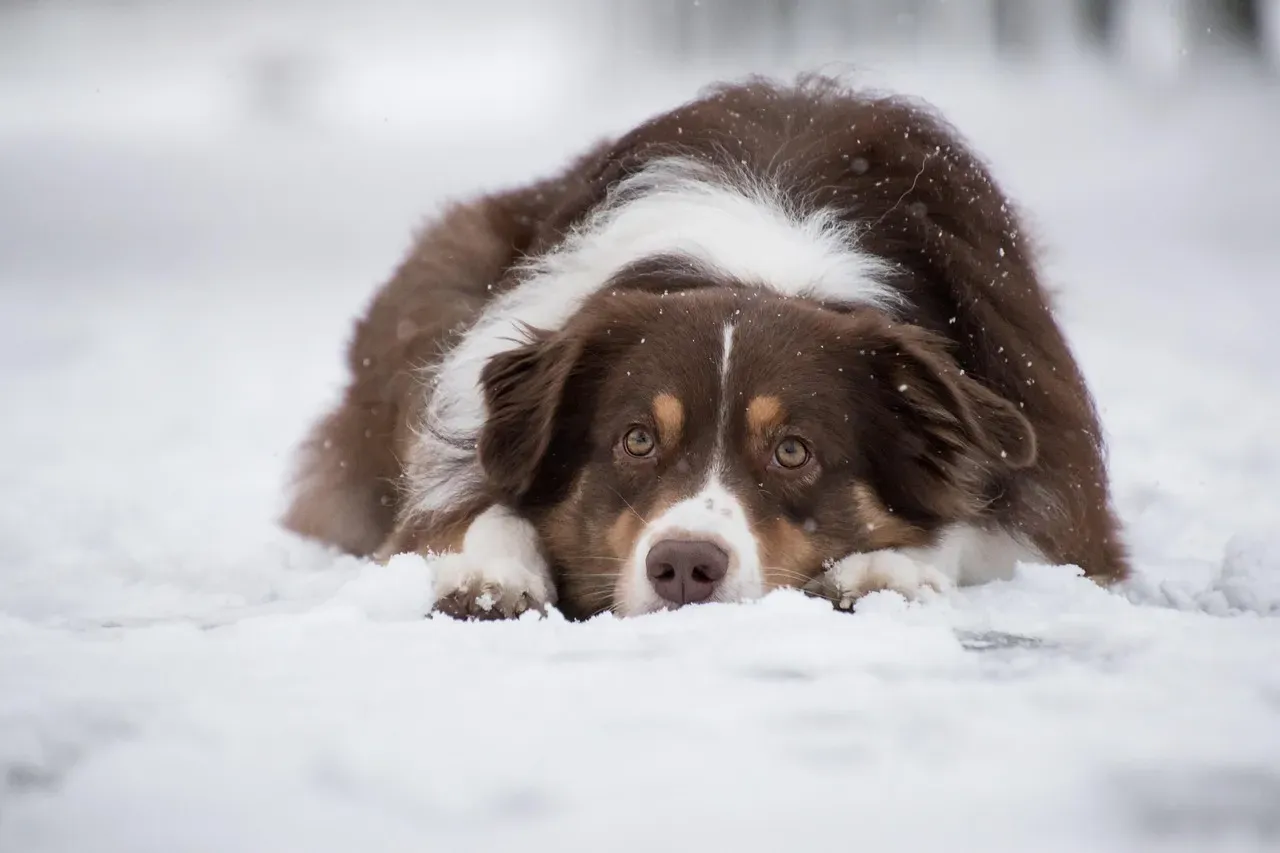
Creating a comfortable, accessible resting area with familiar bedding and easy access to water supports the dog without disrupting its need for space. Soft lighting and minimal noise help maintain a peaceful setting.
Regular check-ins from a distance allow owners to monitor breathing and comfort while respecting the dog’s preference. Veterinary guidance on pain management remains essential throughout this period.
A Quiet Reflection on What Remains
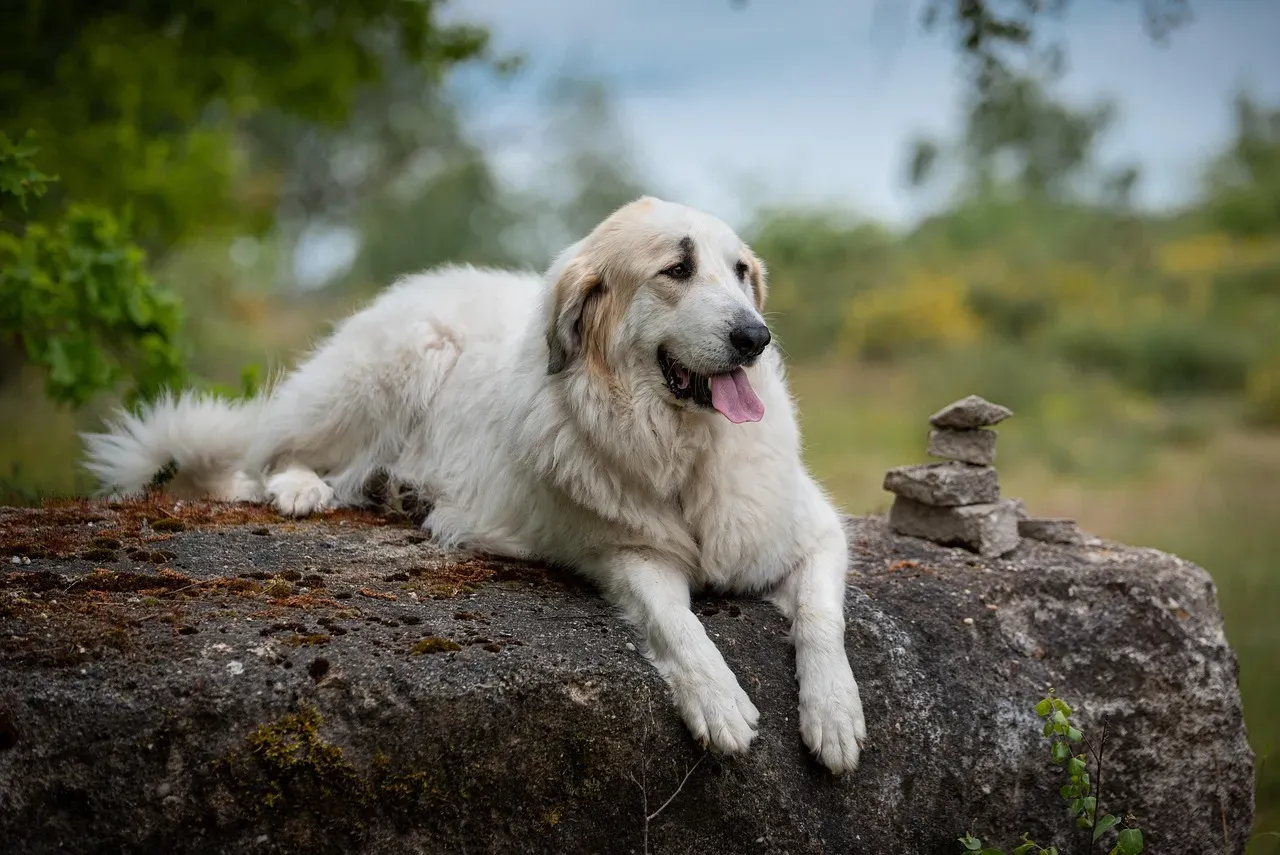
The instinct to seek solitude does not erase the bond formed over years of shared routines and affection. It simply reveals one more layer of how dogs navigate vulnerability in their own way.
Owners who witness this behavior often carry a deeper appreciation for the trust their dog showed in earlier, healthier days. That memory becomes part of the lasting connection that continues beyond the final moments.


