
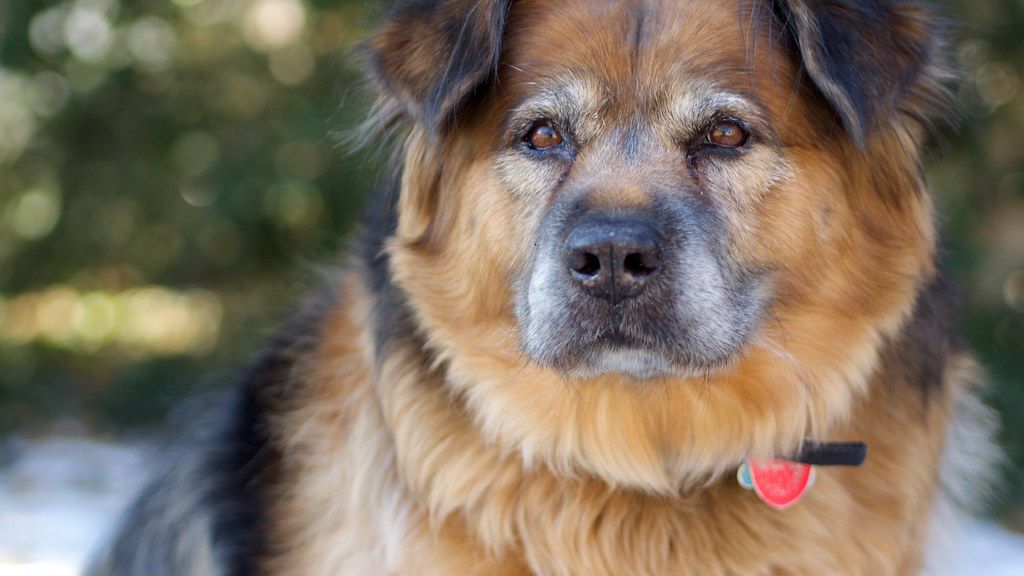
Your dog has always been your shadow, padding after you from room to room and claiming the couch cushion beside you without question. Then a new person enters the picture and suddenly the tail stops wagging at the sound of their voice. The shift can feel personal, even when everyone involved means well.
Many owners notice the tension right away, yet the reasons often trace back to simple changes in the household rather than outright dislike. Understanding those triggers opens the door to smoother adjustments for everyone.
Shifts in Daily Routines
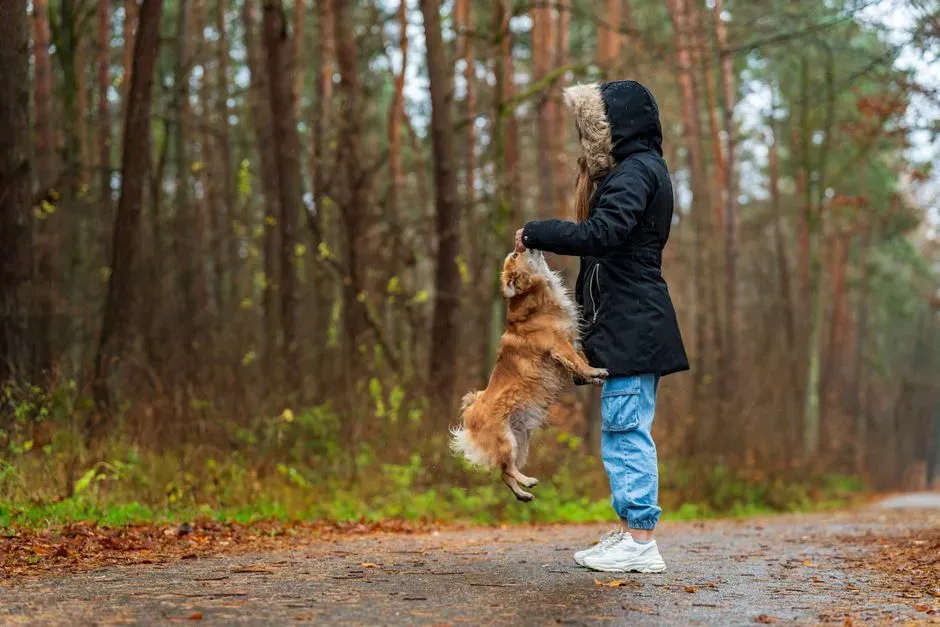
Dogs thrive on predictable patterns, from morning walks to evening cuddles on the sofa. When a new partner arrives, those rhythms often bend to accommodate shared meals, later nights out, or different sleep schedules. The dog may interpret the disruption as a loss of security rather than a neutral adjustment.
Even small changes add up quickly. A favorite toy left on the floor or a shortened play session can register as neglect. Over time the animal connects the new presence with those altered moments and begins to pull back.
Feeling Replaced in the Pack
Many dogs view their human as the center of their social world. Introducing another adult who receives attention, affection, and space can trigger a sense of displacement. The dog does not reason in human terms, yet the emotional response mirrors classic resource competition.
Jealousy shows up in subtle ways at first. A dog might wedge itself between the couple on the couch or bark when the partner leans in for a hug. These behaviors serve as attempts to restore the original order rather than outright aggression.
Unfamiliar Scents and Body Language
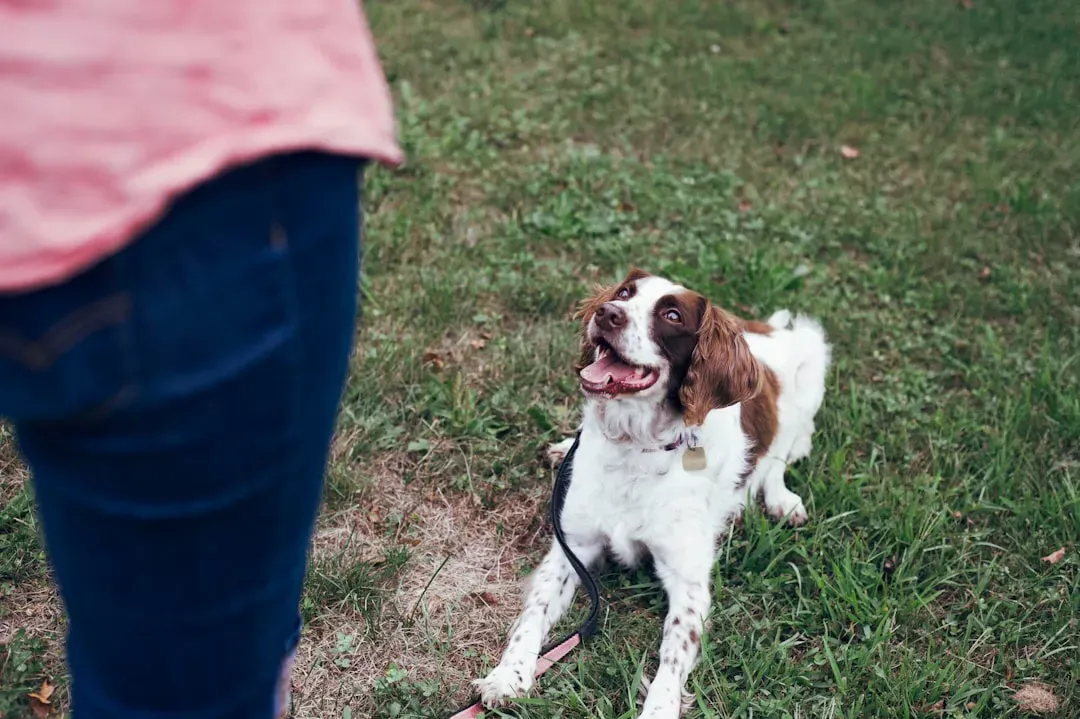
A dog’s nose processes far more information than human senses can grasp. The new partner carries different smells from clothing, pets at their own home, or even stress hormones that linger after a long day. Those scents can read as foreign or mildly threatening until they become familiar.
Body language adds another layer. A partner who leans forward too quickly or maintains steady eye contact may unintentionally signal dominance or challenge. The dog responds with avoidance or low growls because the signals feel off, not because the person is disliked on principle.
Protective or Territorial Responses
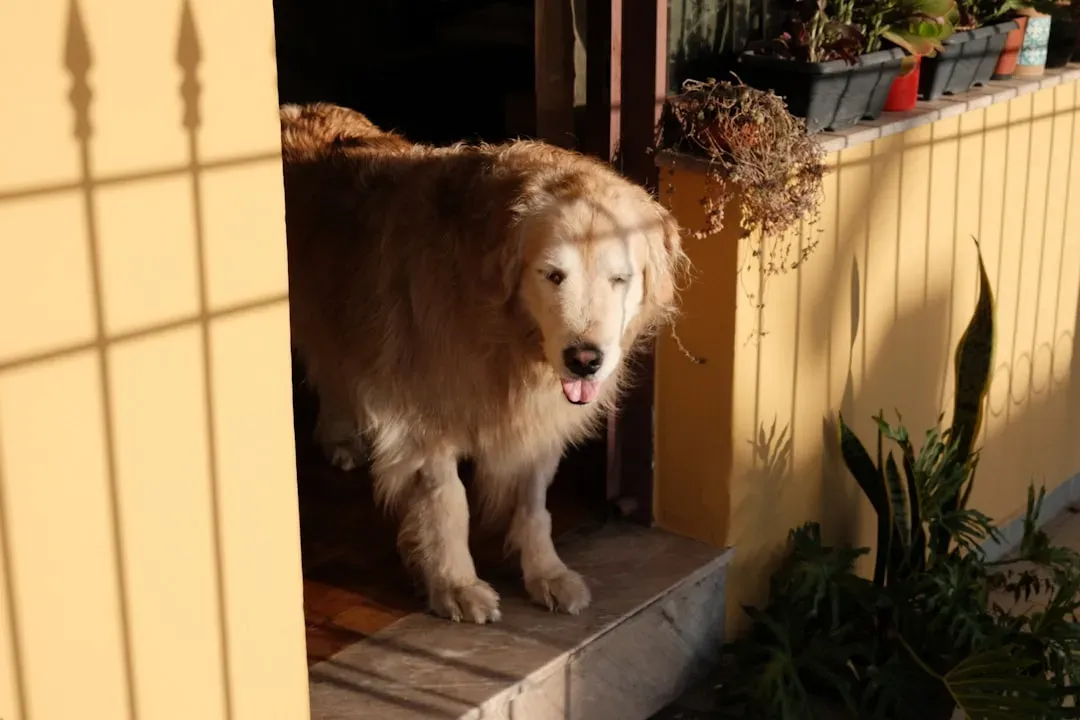
Some dogs naturally guard their home and primary caregiver. A new person crossing the threshold can activate that instinct, especially if the dog has limited prior experience with visitors who stay overnight. The behavior protects the existing bond rather than reflecting personal animosity.
Territorial displays often ease once the dog learns the partner poses no threat to safety or resources. Consistent calm exposure helps the animal update its internal map of who belongs inside the home circle.
Gradual and Positive Introductions
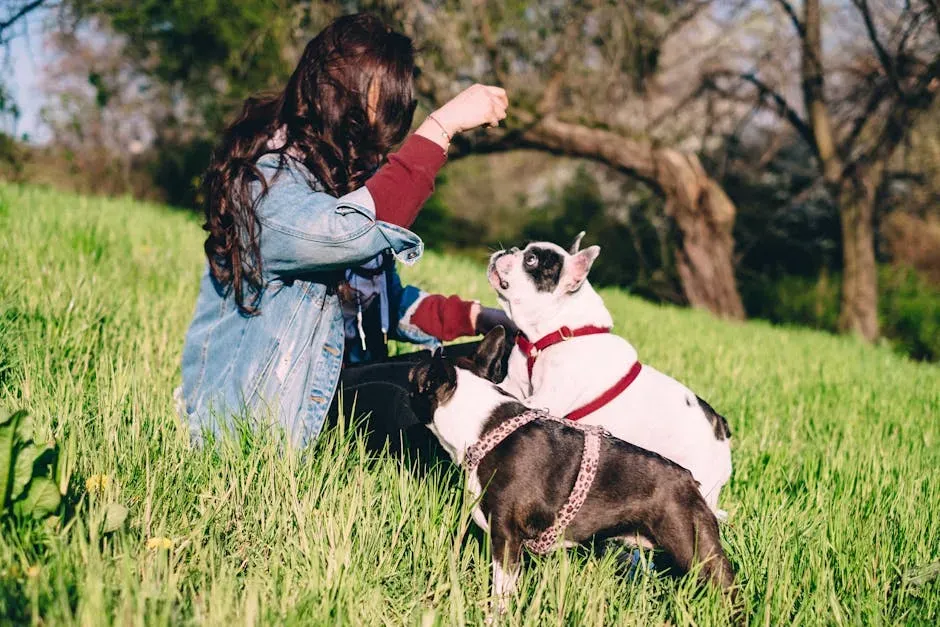
Rushing the first meeting rarely helps. A better approach starts with short, low-pressure encounters on neutral ground such as a park or sidewalk. The dog can observe the new person from a comfortable distance while receiving treats or praise for calm behavior.
Over several days the interactions move indoors for brief periods. Keeping sessions upbeat and ending them before tension rises prevents negative associations from forming. Patience during this phase pays off more reliably than forcing closeness too soon.
Building Shared Experiences

Once basic comfort exists, joint activities strengthen the new relationship. Walks where the partner holds the leash or hands out favorite treats create positive links in the dog’s mind. Play sessions that involve everyone further reinforce the idea that the partner adds fun rather than competition.
Consistency matters more than intensity. Short daily moments of cooperation build trust faster than occasional long outings. The dog gradually learns that the partner’s presence predicts good things instead of uncertainty.
When Extra Support Helps
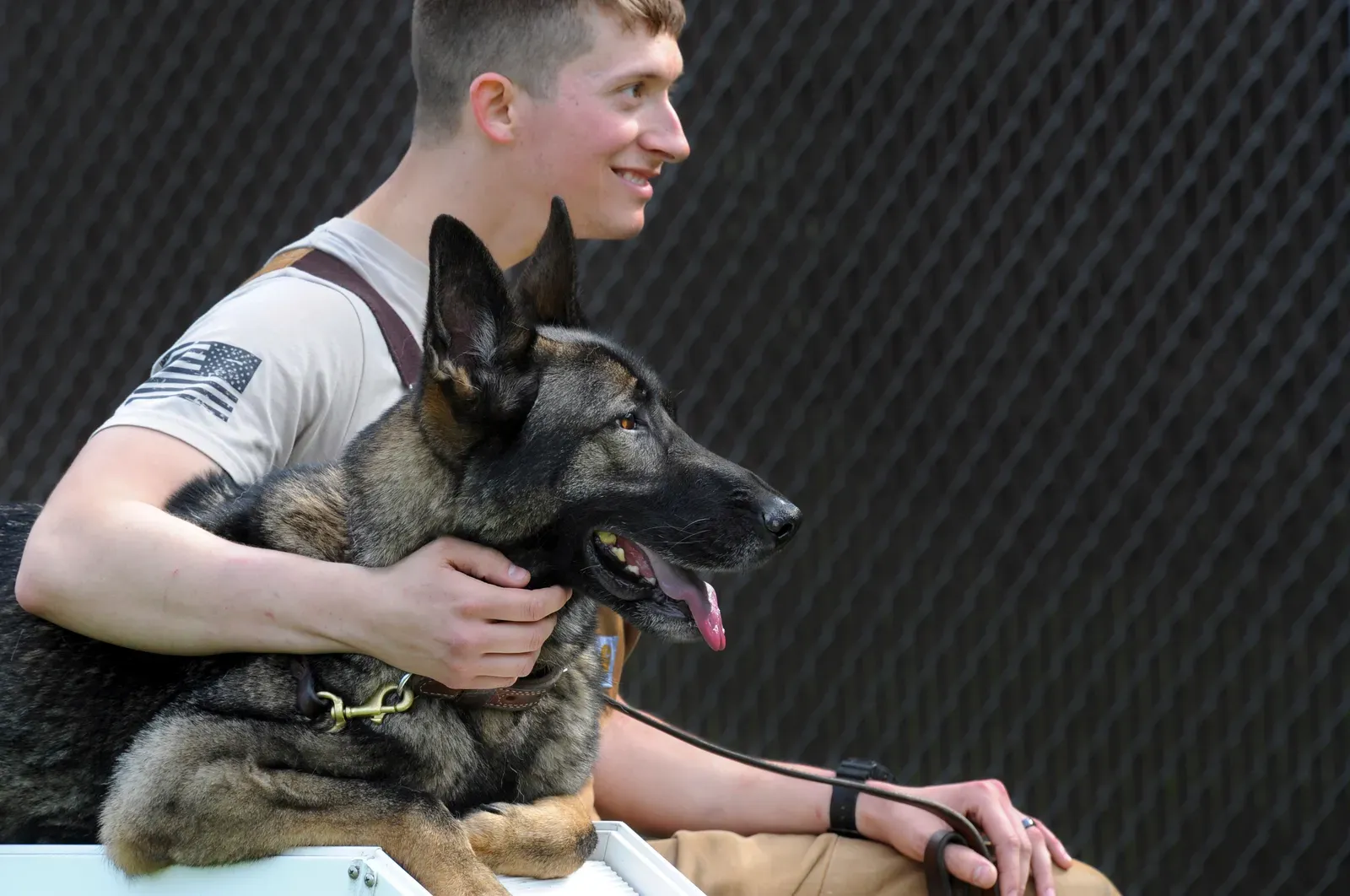
Most dogs adjust within weeks when owners stay patient and consistent. Persistent growling, snapping, or extreme withdrawal signals that professional input may speed progress. A certified trainer or behaviorist can observe specific triggers and design a tailored plan.
Medical checks also rule out pain or illness that might heighten irritability. With the right guidance the household can move past the rough patch and settle into a comfortable new normal.
In the end the dog does not hate the new partner so much as it resists change. With steady effort the three of you can form a workable pack that feels right for everyone involved.


