
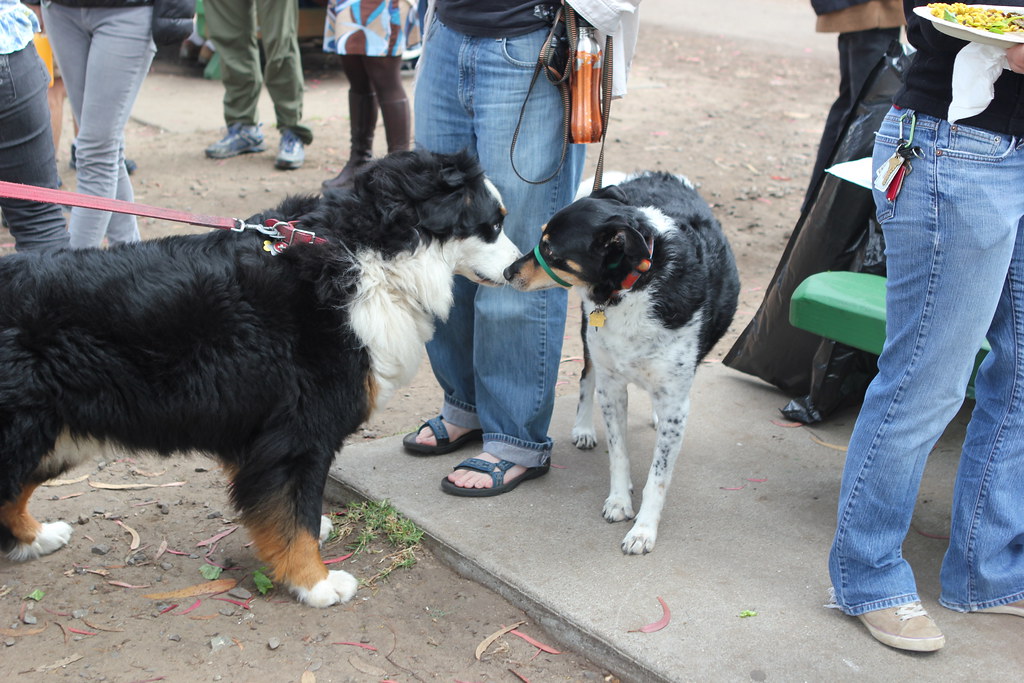
You know that awkward moment at the park when your dog beelines straight for another dog’s butt while you’re frantically tugging the leash, mumbling apologies? From a human point of view, it feels wildly inappropriate. From your dog’s point of view, though, it’s just basic manners and smart information-gathering.
What looks embarrassing to us is actually one of the most impressive built‑in “apps” dogs have: a scent-based social scanner that can pull age, sex, health status, recent experiences, and even emotional state from a single sniff. Once you understand what’s really going on, you stop feeling mortified and start being quietly amazed.
The Science of the Super Sniffer: How Dogs Experience the World
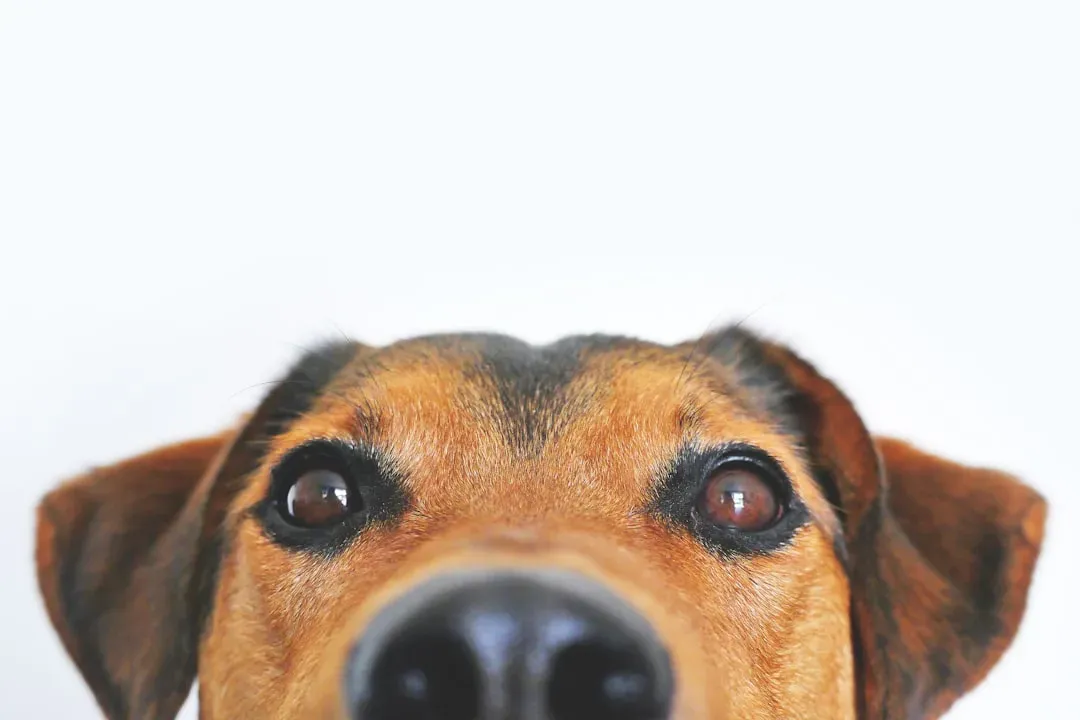
Imagine living in a world where every breeze carries a story, every patch of grass is a message board, and every rear end is a detailed bio. That’s normal life for your dog. Their sense of smell is thousands of times more sensitive than ours, thanks to an enormous number of scent receptors in their noses and a brain heavily wired to process smells in high definition.
On top of that, dogs have a special structure called the vomeronasal organ, tucked between the nose and the mouth. This extra sensor is tuned specifically for picking up chemical signals from other animals. While we mostly rely on sight and sound, dogs live in a scent‑first universe, so of course they head straight to the most information-rich spot on another dog’s body.
What’s Hiding in the Rear End: The Role of Anal Glands and Scent Signals
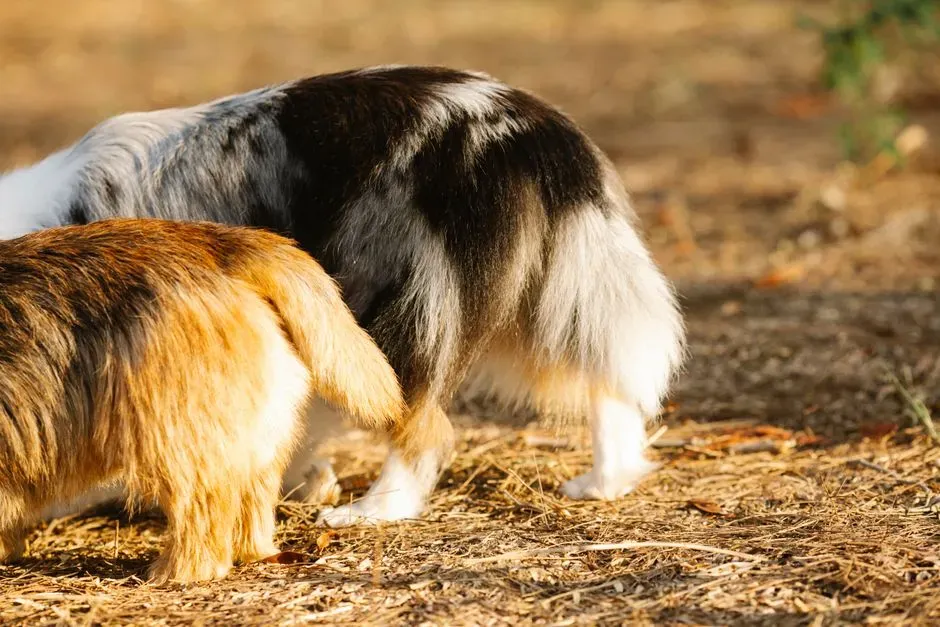
Here’s the not-so-glamorous truth: the area under your dog’s tail is basically a chemical data center. Dogs have anal glands on either side of the anus that produce a strong-smelling secretion. To us it just smells… bad. To them, it’s packed with specific information about the dog who produced it.
Those secretions contain chemical markers that can signal things like sex, whether the dog is intact or neutered, general health, reproductive status, and more. So when your dog goes in for that targeted sniff, they’re not being weird; they’re scanning a complex scent profile the same way you’d scan someone’s social bio or LinkedIn page, just in a much more literal and nose-forward way.
Age, Sex, and Health in One Sniff: The Hidden “Profile Fields”
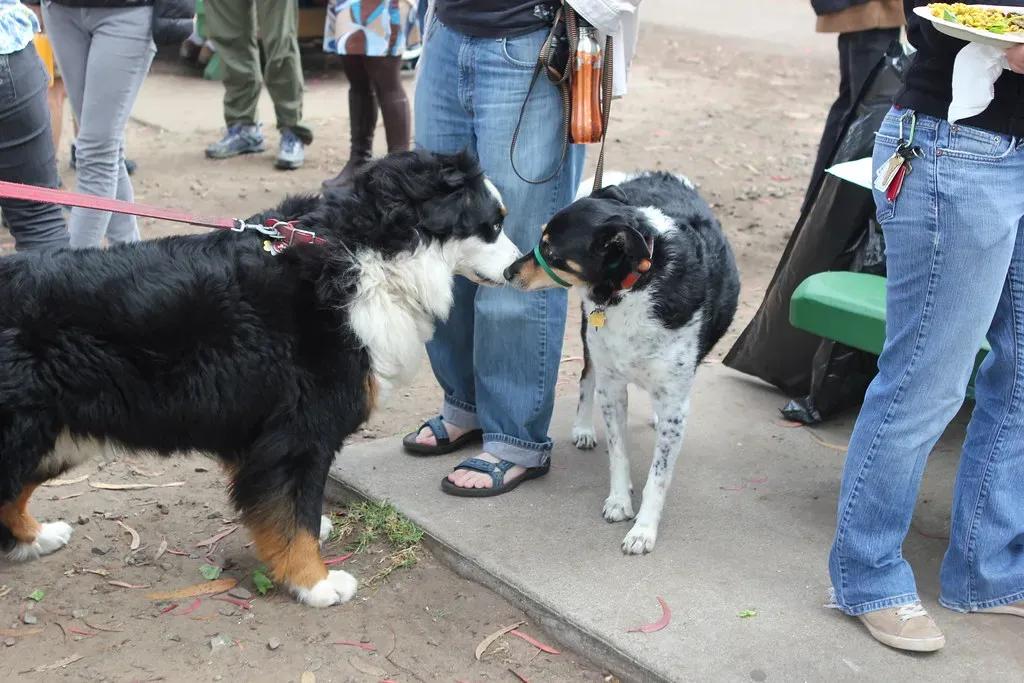
Dogs can detect subtle differences in body chemistry that we’d never notice, and these differences often correlate with age and sex. Puppies smell different from adults, males different from females, and intact dogs different from neutered ones. That first sniff lets your dog figure out whether they’re dealing with a rambunctious youngster, a mature adult, or a senior who deserves more space and respect.
Health leaves a scent trail too. Illness, infection, hormonal shifts, and even diet can alter the odor of those anal gland secretions and surrounding areas. While your dog is not consciously doing medical diagnostics, their brain automatically registers “healthy,” “frail,” “stressed,” or “off.” It’s one of the reasons some dogs act extra gentle around sick or elderly animals long before humans realize something is wrong.
Emotional State Through Scent: Smelling Stress, Fear, and Calm
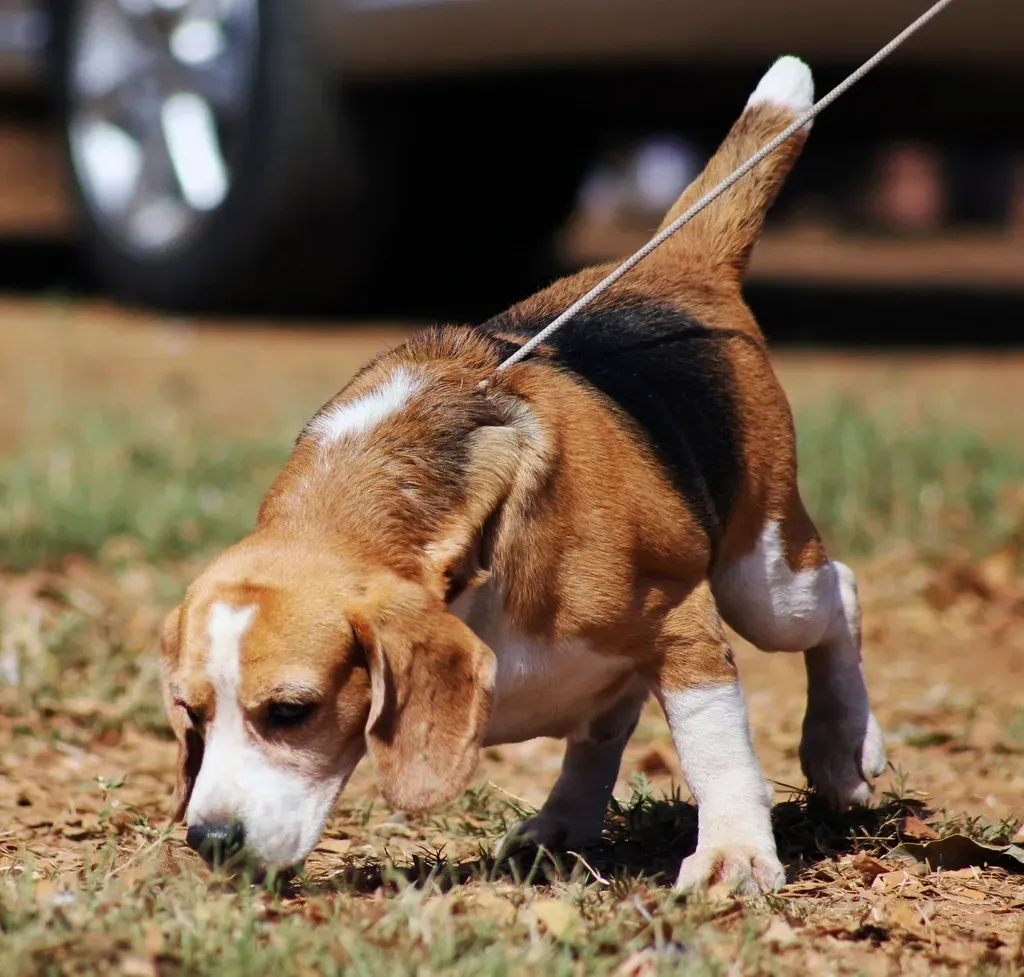
We tend to think emotions are written on the face, but for dogs, they’re also written in smell. Stress and fear change heart rate, breathing, and sweat and oil production, which in turn tweak the scent signals coming from a dog’s body. That means your dog can often smell that another dog is nervous or uneasy before any obvious behavior appears.
On the flip side, a relaxed, confident dog will “smell” different too. When your dog politely sniffs under the tail, they’re essentially asking: Are you feeling okay? Are you tense? Are you friendly? This helps them decide whether to play, hang back, or keep things formal. It’s like reading the emotional tone of a room, but instead of scanning faces, they’re scanning scent molecules.
Rear-End Sniffing as Canine Greeting Etiquette, Not Bad Manners

From a social standpoint, that rear-end sniff is closer to a handshake than a rude gesture. For many dogs, rushing up nose‑to‑nose is actually more confrontational. Under‑the‑tail sniffing is a safer, more polite way to gather data without staring directly into another dog’s eyes, which can feel threatening in dog language.
You’ll often see dogs approach in a curve, briefly circle, and then each take a turn sniffing the other’s rear. That ritual lets both dogs exchange profiles in a calm, predictable way. Interrupting that too abruptly every time, purely because it embarrasses you, can make interactions more awkward for them, a bit like forcing two strangers to make small talk with blindfolds on.
Why Some Dogs Sniff More (Or Less) Than Others
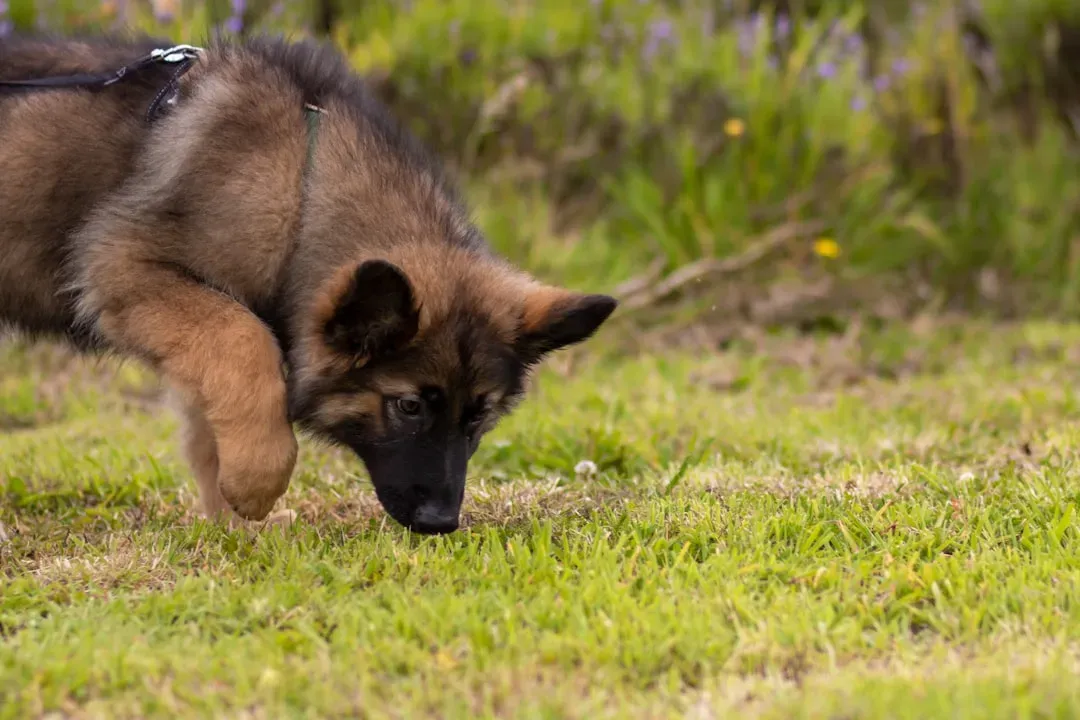
Just like people differ in how chatty or reserved they are, dogs vary in how intensely they sniff. Confident, curious dogs may dive right into a thorough investigation, while shyer or anxious dogs might do a quick, hesitant sniff and then retreat. Breed tendencies, early socialization, and past experiences all play a part.
Dogs that have had negative encounters may avoid close contact around the rear altogether, or they may appear rude by skipping the usual ritual and going straight to play or barking. On the other hand, some very persistent sniffers can annoy more sensitive dogs. Your job is to read the body language, step in if one dog looks uncomfortable, and help both sides feel safe while still allowing normal canine communication.
When to Allow It and When to Gently Interrupt
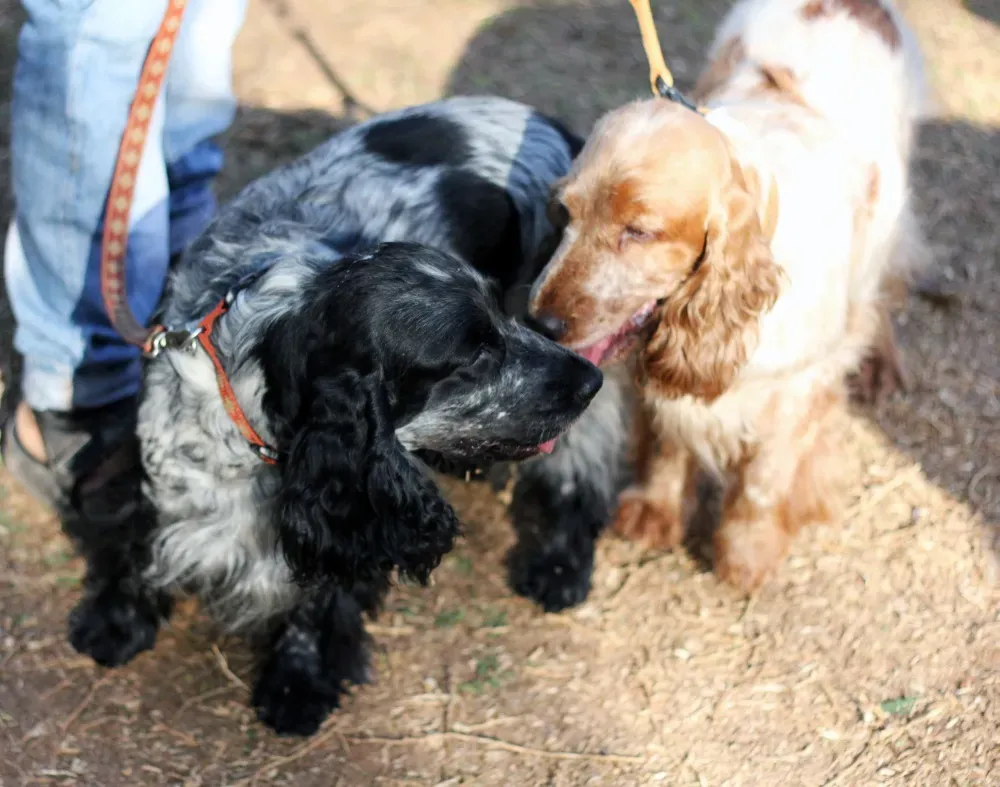
Most of the time, brief rear‑end sniffing between relaxed, loose‑bodied dogs is not only normal but healthy. It lets them do their version of exchanging names, reading vibes, and setting boundaries. As long as tails are neutral or gently wagging, bodies are soft, and both dogs can move away if they want, there’s usually no reason to intervene.
You should step in if one dog freezes, tucks their tail tightly, tries to escape but is being followed, or starts to stiffen and stare. In close spaces, like narrow sidewalks or crowded vet waiting rooms, it can be kinder to calmly redirect your dog and skip the full sniff ritual. Think of yourself as the event coordinator making sure everyone has the option to say no thanks.
What Your Dog Knows That You Don’t: Respecting Their Native Language
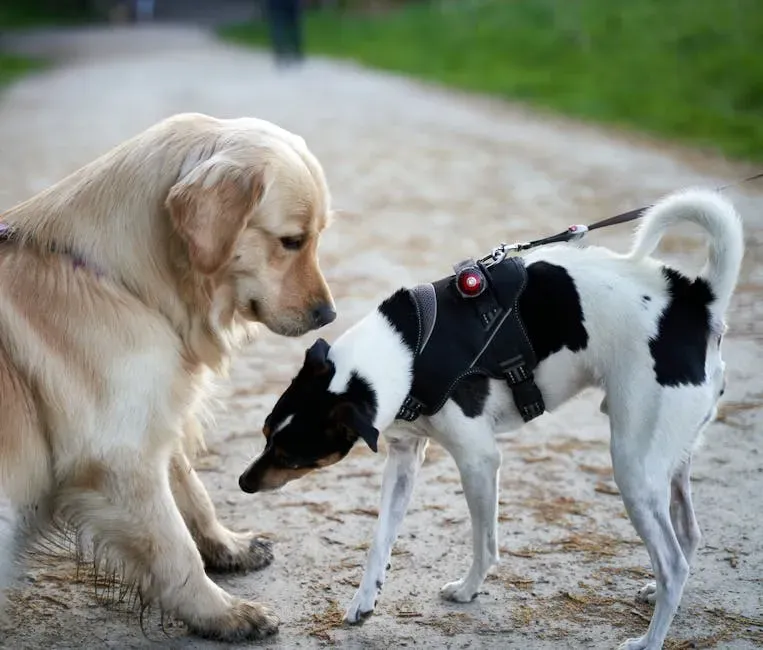
It’s tempting to judge your dog’s behavior using human social rules, but that often leaves both of you confused and frustrated. Rear‑end sniffing feels mortifying through a human lens, yet through a canine lens it is basic literacy. Your dog is simply reading and speaking the language their species evolved to use, with a level of nuance we can barely imagine.
When you recognize that, your perspective shifts. Instead of yanking them away in embarrassment every time, you start asking a different question: How can I balance human comfort with my dog’s need to communicate? That mindset respects them not just as pets, but as thinking, feeling animals with their own valid way of experiencing the world.
Conclusion: From Embarrassing Habit to Extraordinary Superpower
Rear‑end sniffing might never feel completely normal to you, and that’s okay; you’re human, not canine. But once you understand that your dog is gathering age, sex, health clues, and emotional information in one efficient little sniff, it stops looking like bad manners and starts looking like a genuine superpower. The thing that makes you cringe at the park is the same thing that helps your dog navigate social life with surprising sensitivity.
So maybe the next time your dog goes for that under‑the‑tail greeting, you do not have to apologize quite so much. You can supervise, keep everyone safe, and quietly appreciate the science happening right under your nose. In a world obsessed with digital profiles and instant data, isn’t it a bit humbling that your dog has had a built‑in, scent‑based social network all along?


