
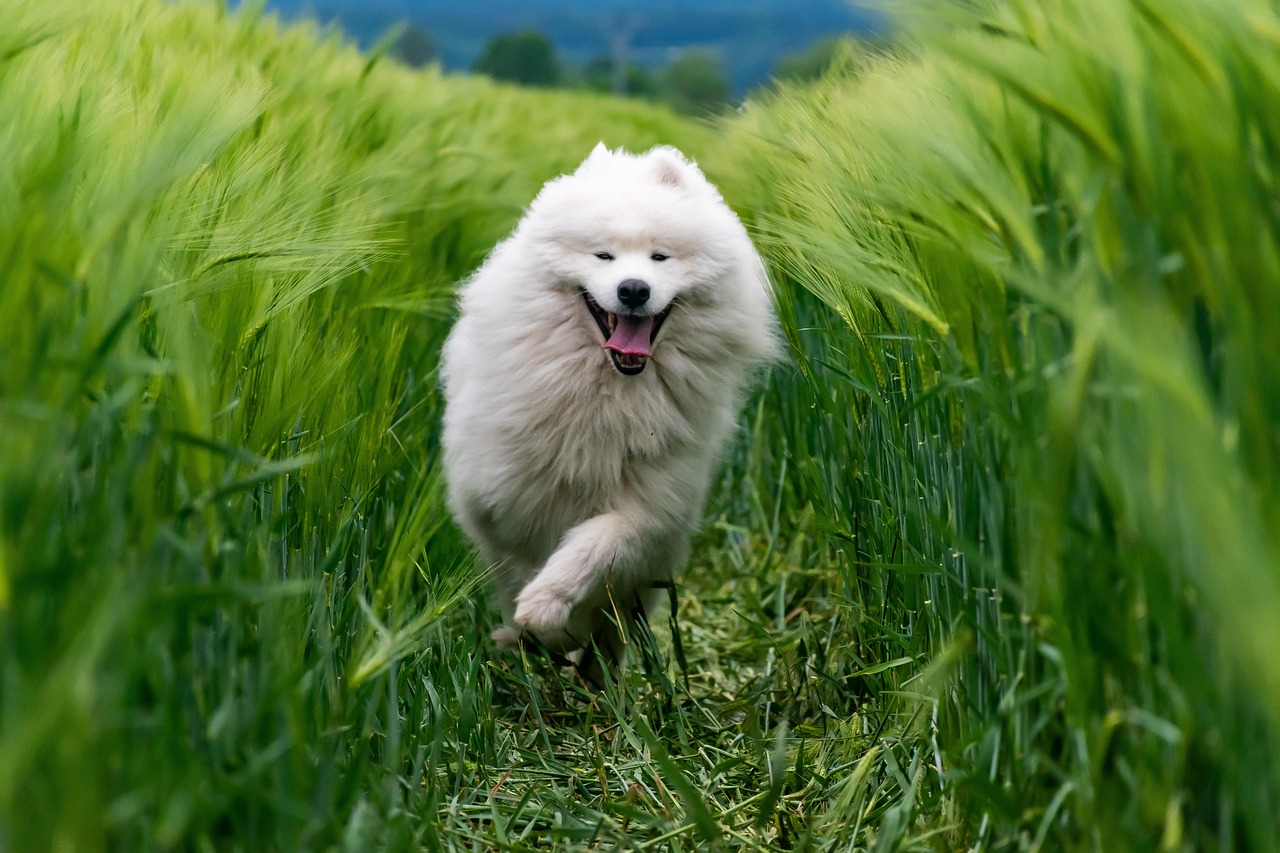
Your dog is not just being “weird.” A lot of those quirky little habits that make you laugh, roll your eyes, or secretly worry actually have solid scientific explanations behind them. Once you understand what is going on under the fur, their behavior suddenly feels a lot less random and a lot more like a window into how a very different mind experiences the world.
Some of these explanations are surprisingly sweet, others are a bit uncomfortable, and a few might make you rethink who is actually training whom in your house. As I learned more about the science, I caught myself apologizing to my own dog for things I had misread for years. Let’s unpack twelve everyday dog behaviors that look mysterious on the surface but make perfect sense once you know the biology and psychology driving them.
1. Why Your Dog Circles Before Lying Down
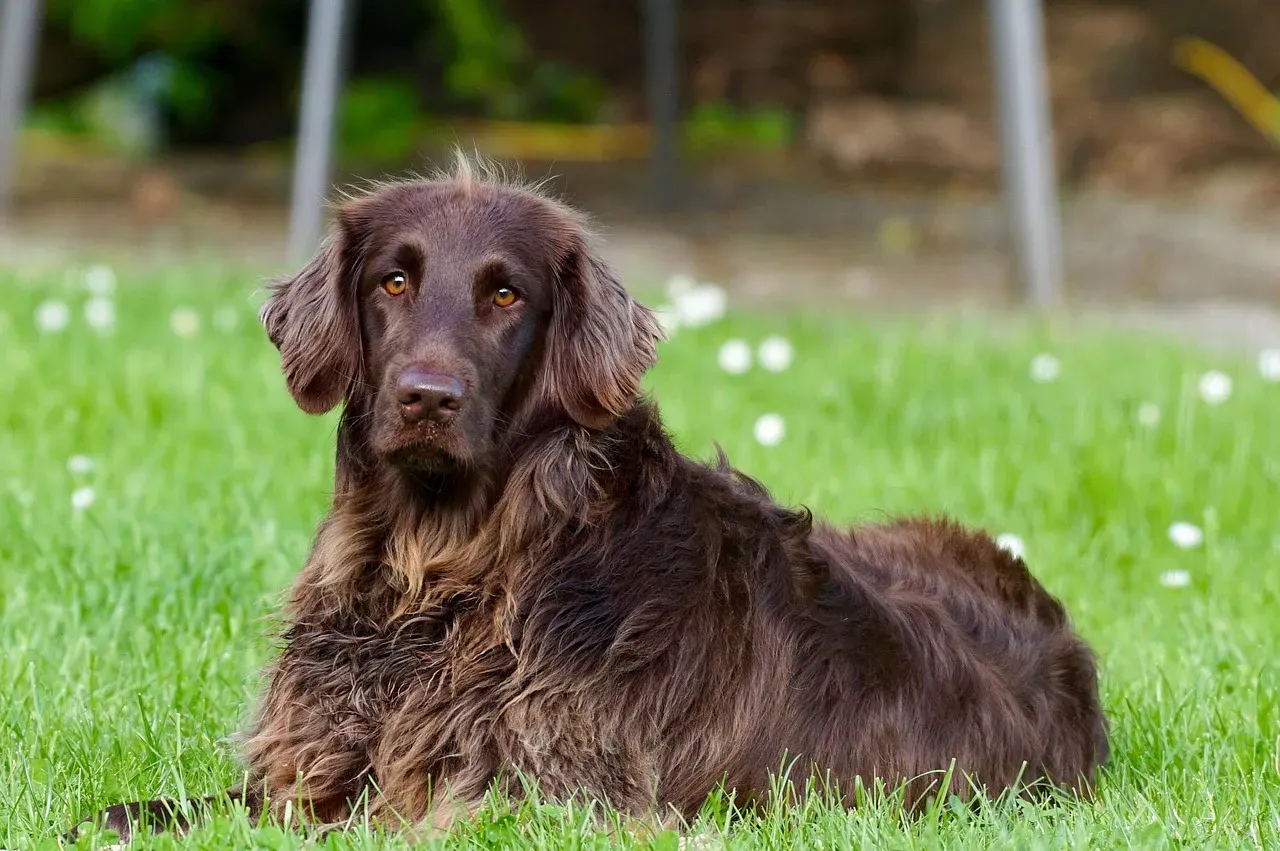
That little pre-nap dance where your dog turns in a few circles before curling up looks harmlessly cute, but it has deep evolutionary roots. Wild canids like wolves and foxes are known to circle and trample grass to create a safer, more comfortable resting spot that is free of hidden insects or sharp objects. Domestic dogs carry that behavior forward like a behavioral fossil, even though they are flopping onto a perfectly flat couch instead of a patch of savanna.
There may also be a temperature and orientation component at play. In natural settings, circling can help a dog find a position that shields them from wind or places their nose downwind so they can smell approaching threats while they rest. Your living room is not exactly the Serengeti, but your dog’s brain does not know that; it is still running a very old program that once kept their ancestors alive.
2. The Science Behind Zoomies (Those Sudden Bursts of Madness)
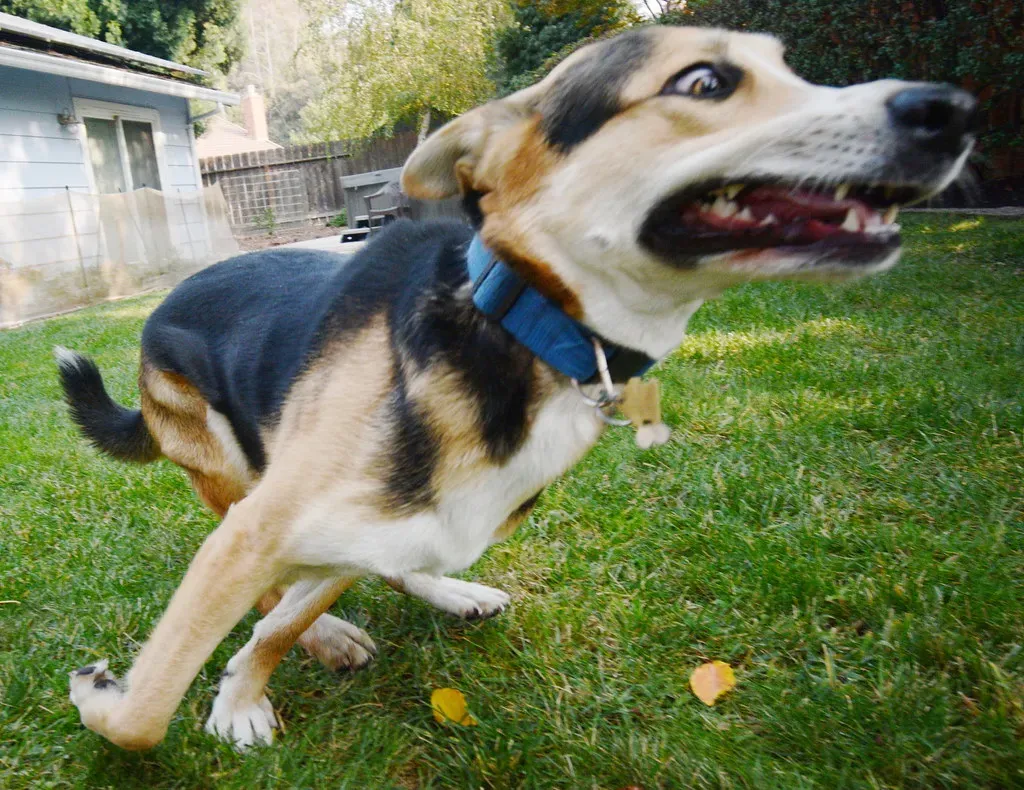
One moment your dog is calm; the next, they are sprinting in wild loops around the house like they just heard a silent starter pistol. Those frantic sprints have a name in animal behavior research: frenetic random activity periods. They most often happen when a dog has built-up energy or stress that needs a physical outlet, such as after a bath, a long nap, or a period of confinement.
From a physiological point of view, zoomies help reset the nervous system. Short intense bursts of movement can burn off circulating stress hormones and trigger the release of neurotransmitters associated with pleasure and relief. It is a bit like when a kid runs out of school after sitting all day; the body is demanding movement, and the brain rewards it with a rush that feels good.
3. Why Your Dog Stares at You While Pooping
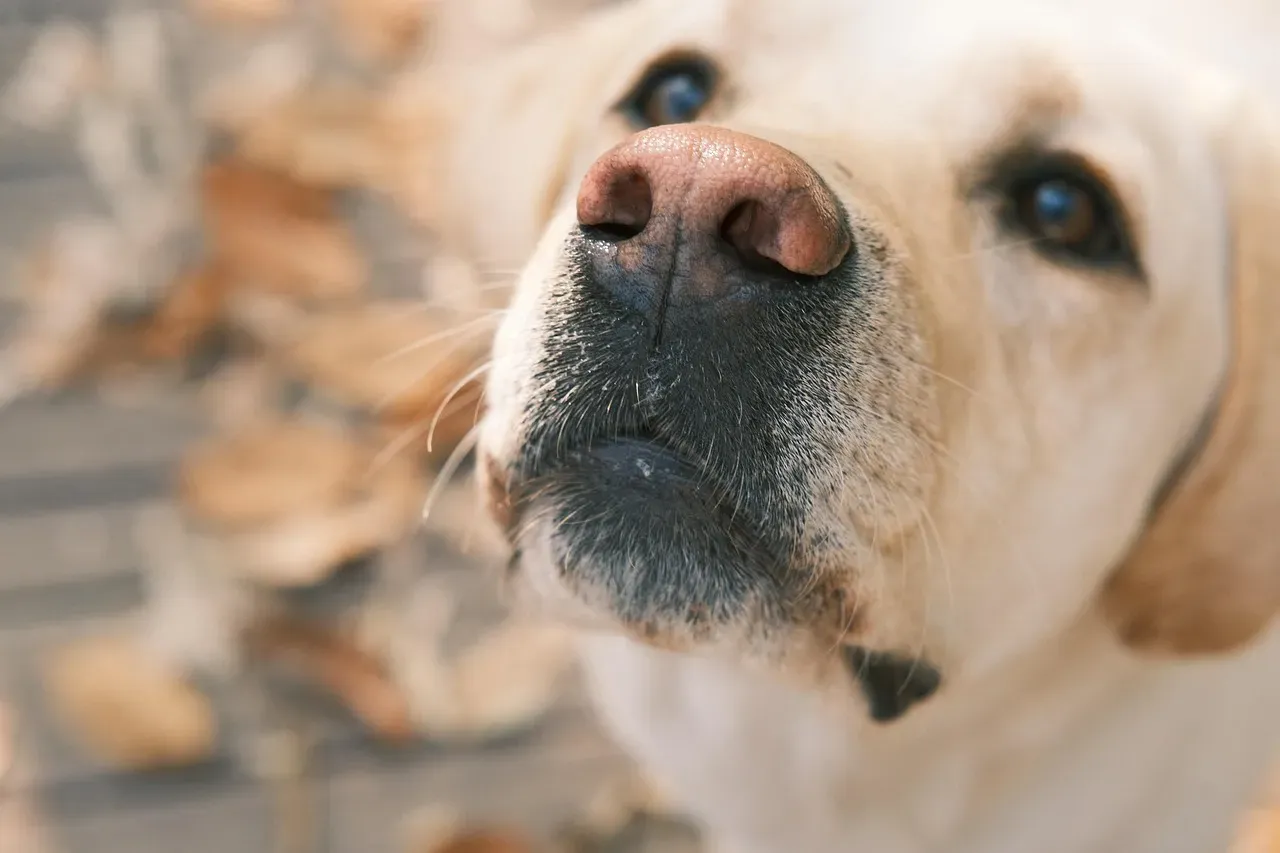
It can feel awkward when your dog locks eyes with you while they are in the middle of their bathroom business, but they are not trying to embarrass you. Defecation is a vulnerable moment in the animal world because it limits mobility and situational awareness. Dogs look to trusted companions during that time to act as an early-warning system, the same way many prey animals rely on herd members to watch for danger while they graze.
There is also evidence that dogs use eye contact to gauge your emotional state and to seek information. When they stare at you during a vulnerable act, they may be checking in to see if you are calm, tense, or signaling any kind of threat in the environment. What feels like “creepy” eye contact is actually a fairly touching display of trust: your dog is literally depending on you to keep them safe while they let their guard down.
4. The Real Reason Dogs Sniff Each Other’s Butts
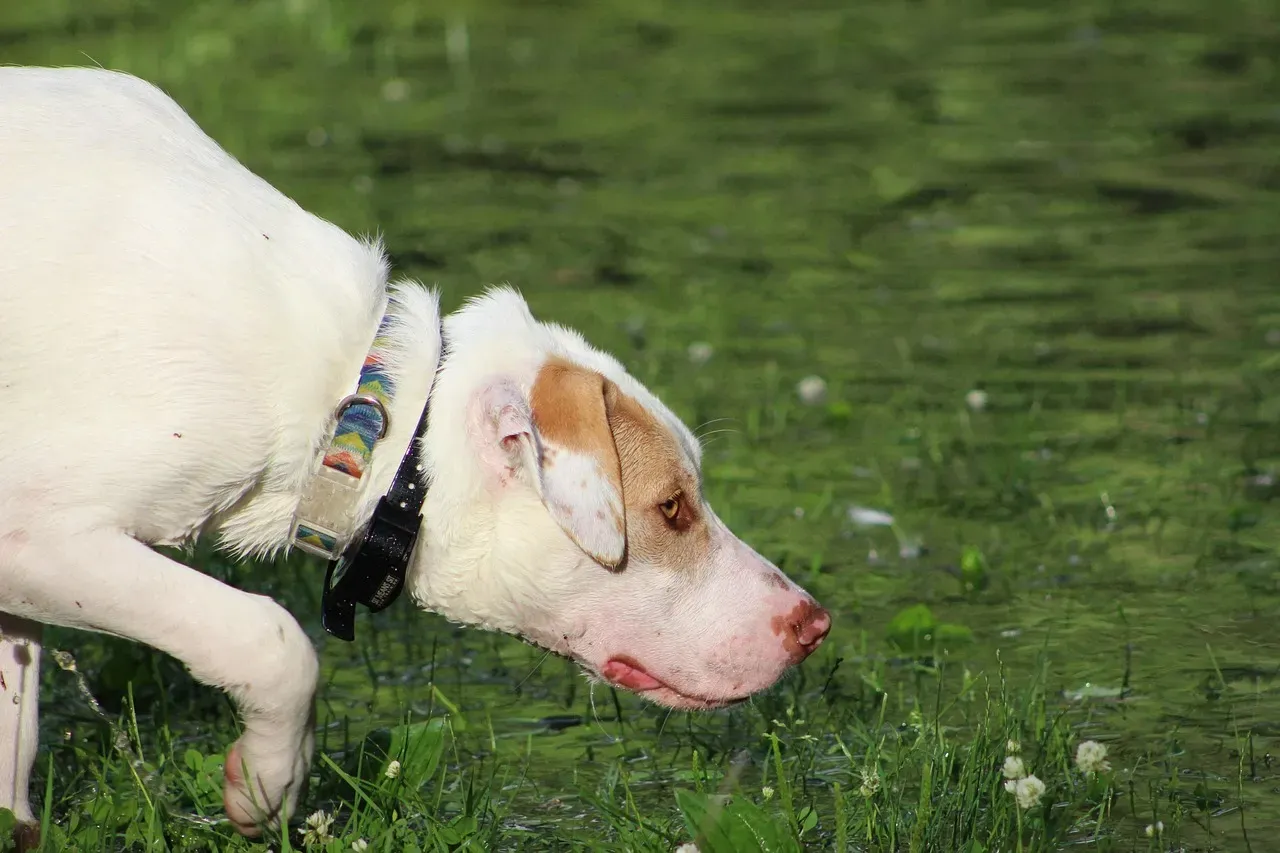
Butt-sniffing looks rude by human standards, but to dogs, it is closer to exchanging business cards, social media profiles, and a medical chart all at once. Dogs have specialized scent glands near the anus that release complex chemical signals, sometimes called pheromones, which carry information about sex, age, reproductive status, diet, and even aspects of health. When dogs sniff this area, they are reading a rich biological report, not being gross for the sake of it.
Scientifically, this super-powered smelling is supported by a special structure in the nasal cavity called the vomeronasal organ that helps process these chemical clues. A quick butt-sniff can tell a dog if another dog is familiar, safe, stressed, or potentially aggressive, much faster than a visual inspection could. To them, refusing to sniff would be like shaking hands in total silence and refusing to look at the person’s face.
5. Why Your Dog Sleeps on Your Clothes or Pillow
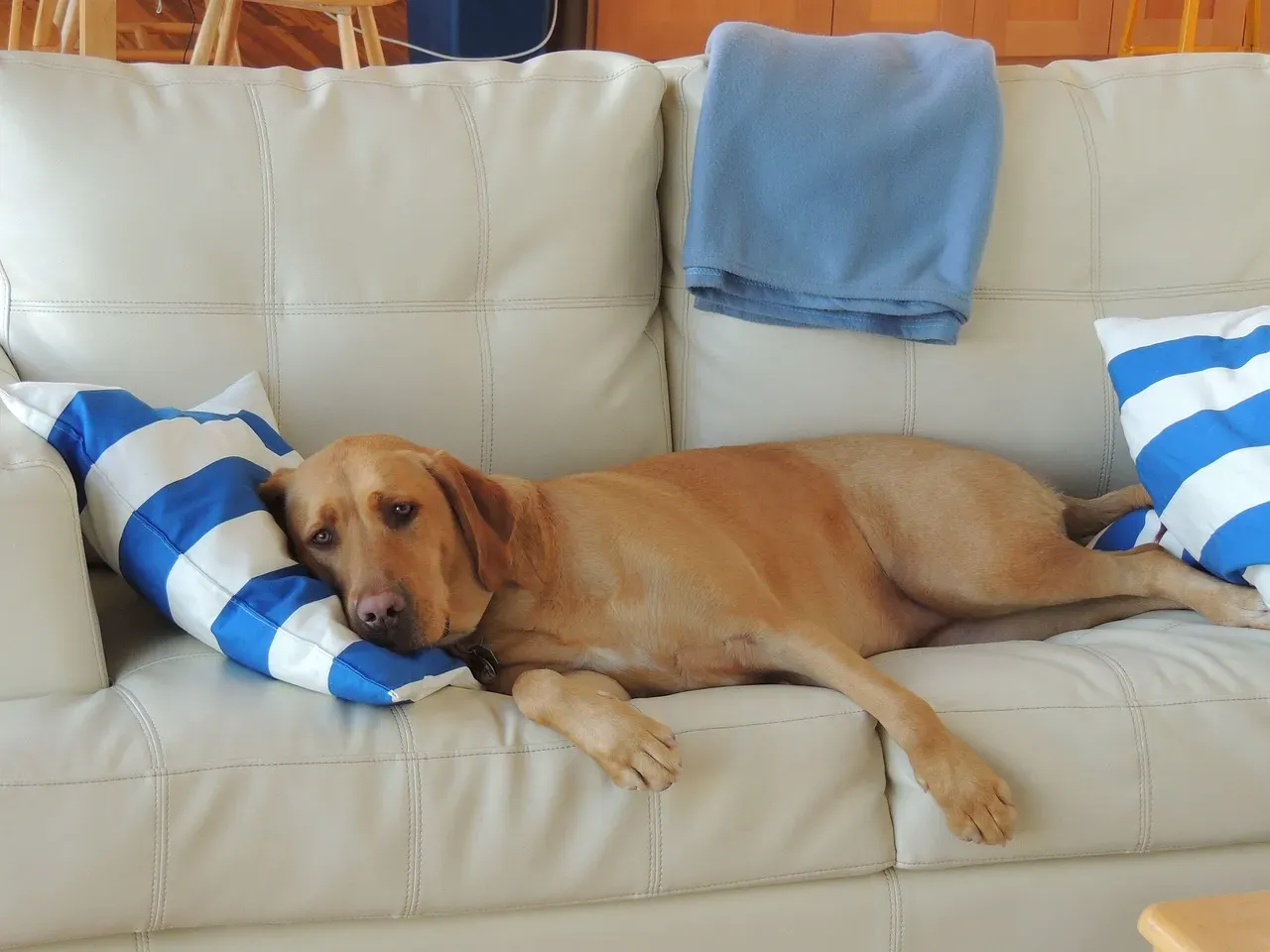
Finding your dog curled up on your dirty laundry might feel a bit insulting, but it is not a comment on your hygiene. Dogs navigate the world primarily through scent, and your worn clothes are saturated with your unique odor signature. When you are gone, lying on fabrics that smell strongly of you can lower their stress and provide a sense of security, similar to how a child might cling to a favorite blanket.
Studies on separation and attachment in dogs show that scent plays a powerful role in soothing them. Your smell signals familiarity and safety, and their brain may associate it with positive experiences like food, affection, and routine. So when your dog raids the laundry basket, they are not being disobedient; they are essentially building themselves a little “you cocoon” to feel less alone.
6. The Science of Head Tilting When You Talk
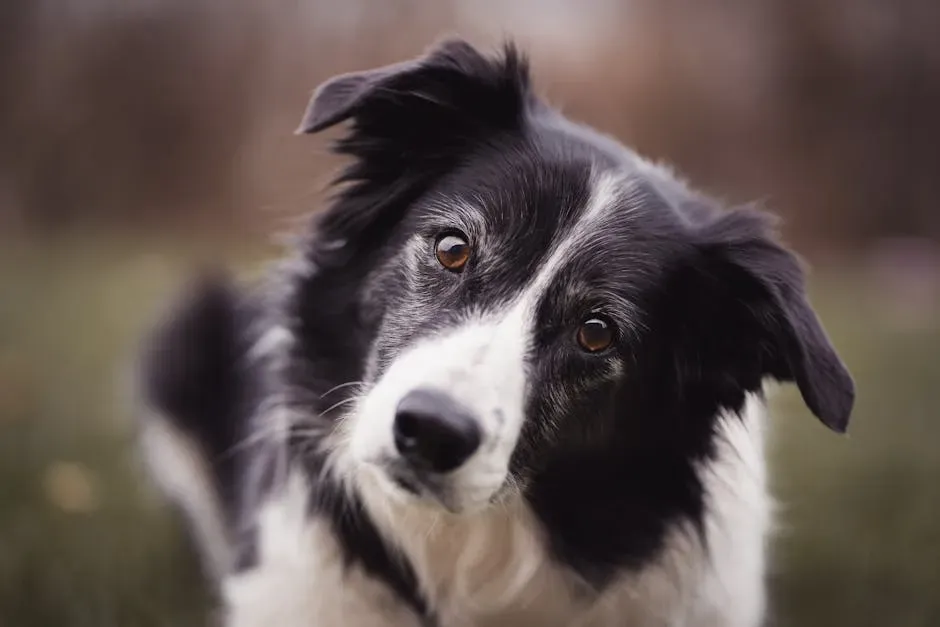
That adorable head tilt when you speak to your dog is not just a trick to make you melt, even though it works every time. Researchers suspect that head tilting is partly about improving how dogs process sound. By adjusting the position of their ears and head, they can better determine where a sound is coming from and filter out background noise, much like how humans sometimes turn one ear toward a quiet speaker.
There is also a visual angle to this behavior. For some dogs, especially those with long muzzles, tilting the head might shift the nose out of the way so they can better see your facial expressions. Because dogs are unusually skilled at reading human faces and voices compared with most other animals, anything that fine-tunes that perception gives them an advantage when trying to understand what you want or how you feel.
7. Why Your Dog Leans on You Like a Furry Wall
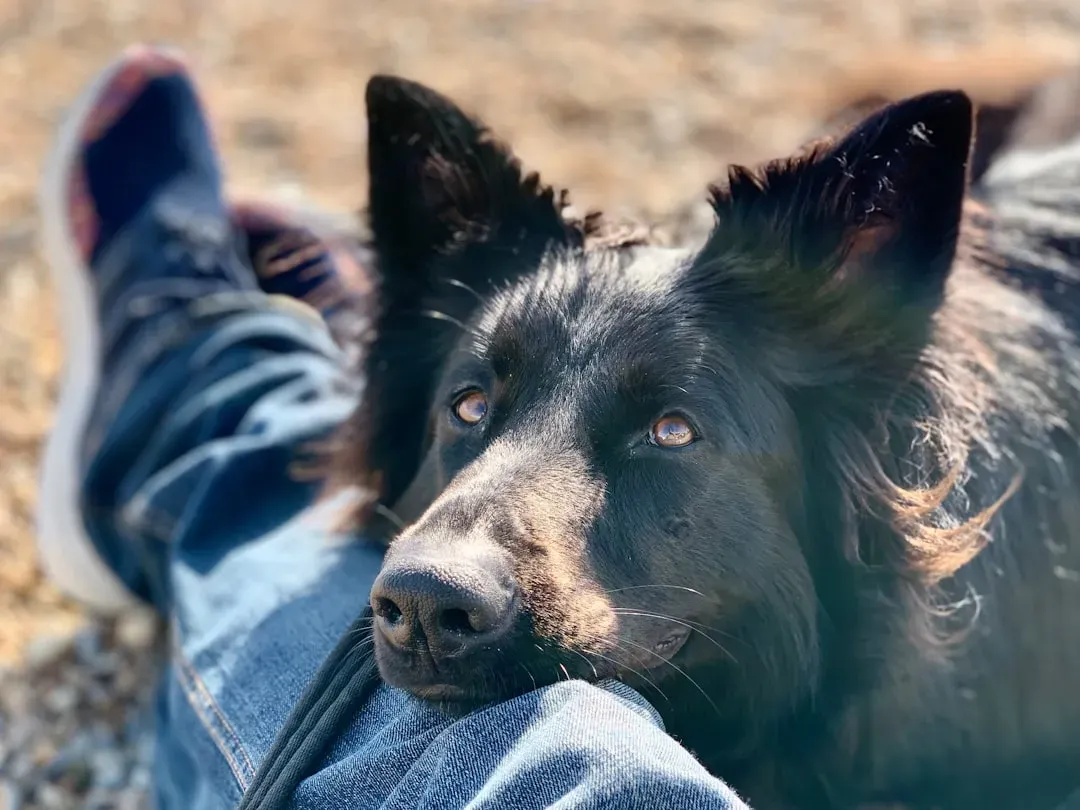
When your dog leans all their weight against your leg, it might feel like clinginess, but there is real social science behind it. Physical contact releases oxytocin in both humans and dogs, a hormone involved in bonding and emotional connection. Leaning is a simple way for a dog to initiate touch and maintain that hormonal “bonding loop” without having to jump up or demand full-on cuddles.
From a behavioral standpoint, leaning can also be a sign of seeking security, especially in unfamiliar or stressful environments. You may notice your dog leaning more in crowded places, at the vet, or when they hear strange noises. In those moments, your body becomes a kind of living anchor point, a reassuring object they can physically connect to while their brain assesses the situation.
8. The Reason Dogs Kick the Ground After Peeing or Pooping
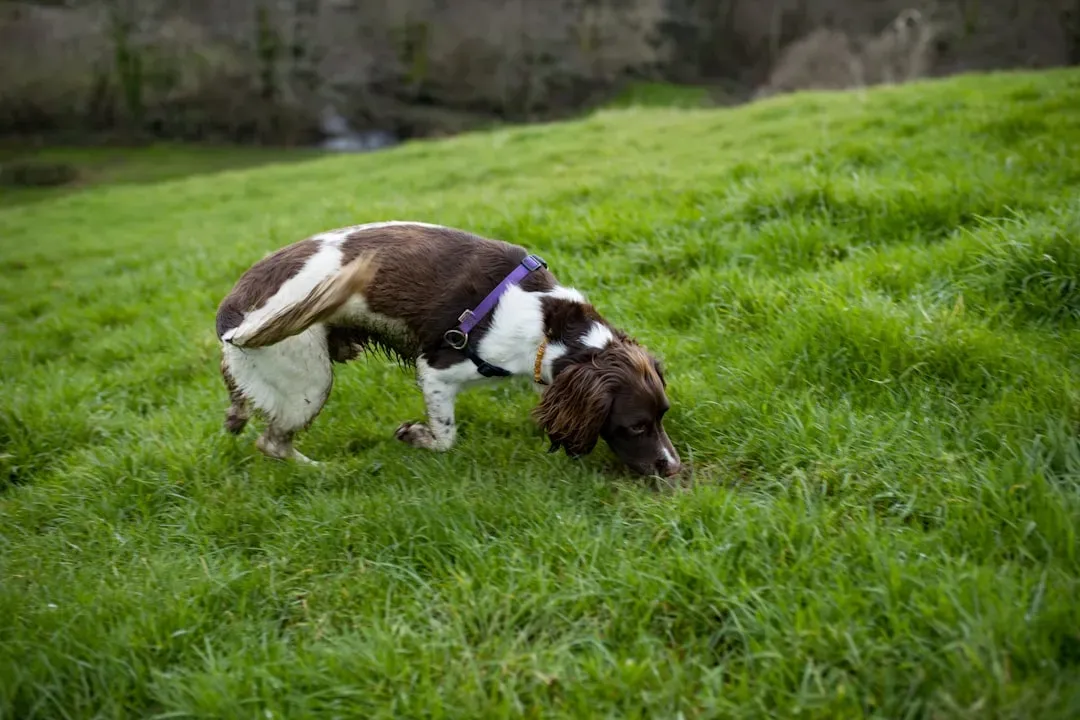
After doing their business, some dogs scratch or kick furiously at the ground, often spraying dirt or grass everywhere. Many people assume they are trying to cover their waste like a cat, but that is not actually what is happening. Those dramatic kicks are part scent-marking, part visual signaling; dogs have scent glands in their paws, and scratching the soil helps spread their smell over a wider area.
Visually, the scratched ground and disturbed grass serve as a kind of territorial billboard, advertising their presence to other dogs that might pass by later. It is a way of saying that they were there and felt confident enough to leave a strong, visible mark. So when your dog finishes a routine potty break with a runway-style stomp, they are essentially signing their name in big, bold letters.
9. Why Your Dog Follows You Into the Bathroom
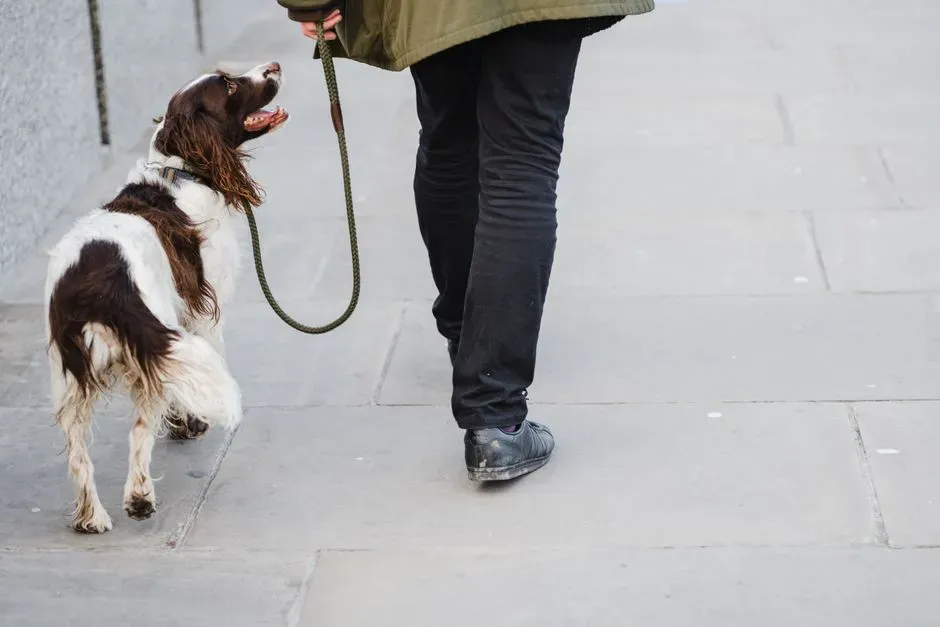
That constant shadow at your feet, even in the bathroom, is not just about nosiness, although dogs are naturally curious. Scientists who study attachment behavior in dogs describe them as a “socially dependent” species that evolved to stay close to trusted group members. Following you from room to room is a way of maintaining group cohesion, similar to how puppies follow their mother around for safety and guidance.
Over time, daily routines reinforce this habit. If following you often leads to something rewarding, like attention, play, or the chance to be involved, the behavior becomes extremely persistent. To your dog, a closed bathroom door may feel less like a reasonable boundary and more like their key social partner suddenly disappearing into a mysterious, forbidden cave.
10. The Science Behind Dog “Smiling” and Relaxed Mouths
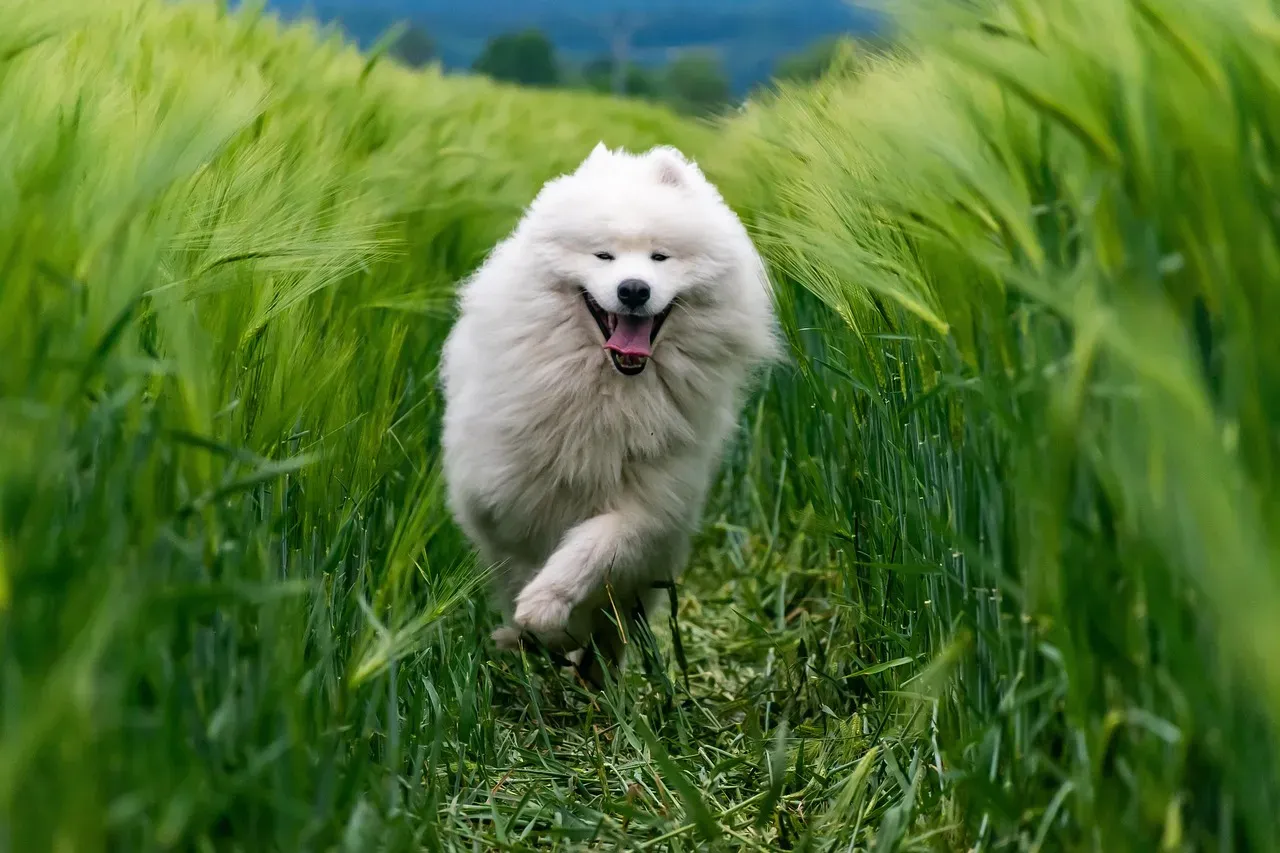
Many owners swear their dog smiles, and while dogs are not mimicking human joy expressions perfectly, they do have facial configurations that correlate with relaxed, positive states. A slightly open mouth, soft eyes, and a gently wagging tail are part of what behaviorists call a relaxed affiliative posture. It is not just wishful thinking; these expressions tend to appear during low-stress, enjoyable activities like play or gentle petting.
Research into canine facial movements has shown that dogs produce more of these “open, friendly” expressions when interacting with humans compared with when they are alone. In other words, they may be unconsciously adjusting their faces in ways that encourage positive social contact from us. So while your dog is not grinning about a joke, that relaxed, happy-looking face really does signal that they are feeling pretty good in your company.
11. Why Your Dog Rolls in Disgusting Smells
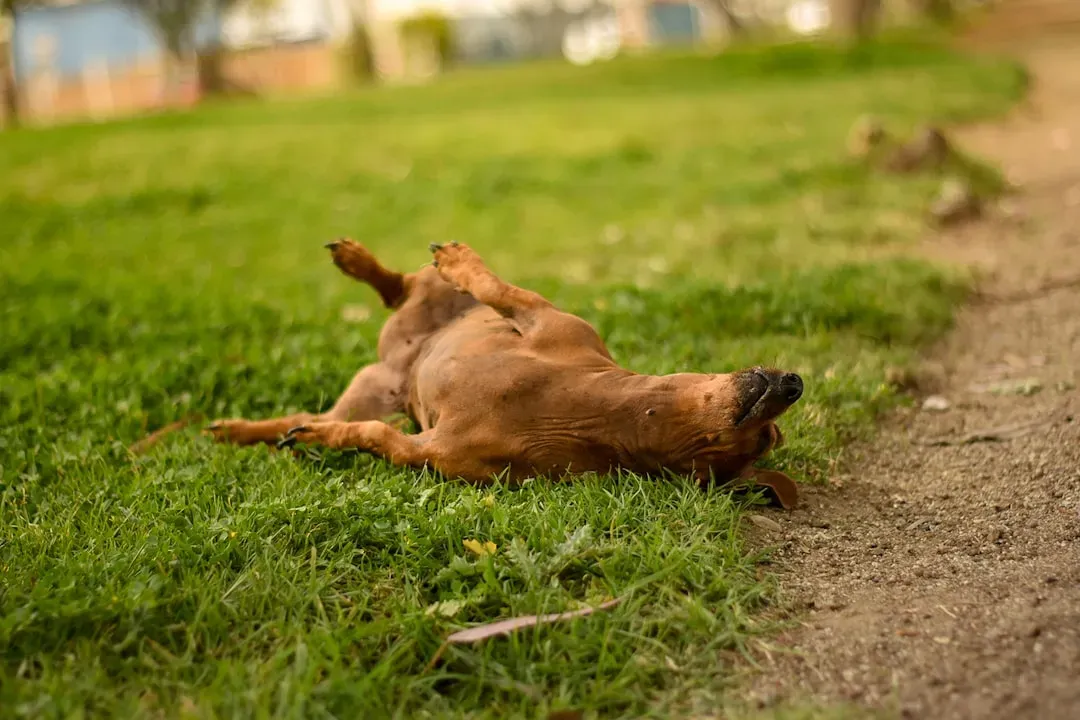
Few things are as baffling as bathing your dog, making them smell fresh, and then watching them dive onto something rotten in the yard. One scientific explanation is rooted in camouflage and communication. In the wild, rolling in strong odors can help mask a canine’s own scent, making it harder for prey to detect them during hunting. Domestic dogs retain that instinct even though dinner now comes from a bowl, not a chase.
Another theory is that dogs are not trying to hide their scent but carry scents back to their social group. By rolling in a striking odor and returning home, a dog effectively “shares” olfactory information the way humans might tell a story about something strange they encountered. To you it smells revolting, but to your dog it may be a fascinating field report worth broadcasting.
12. The Meaning of the Famous Head-on-Paws “Guilty” Look
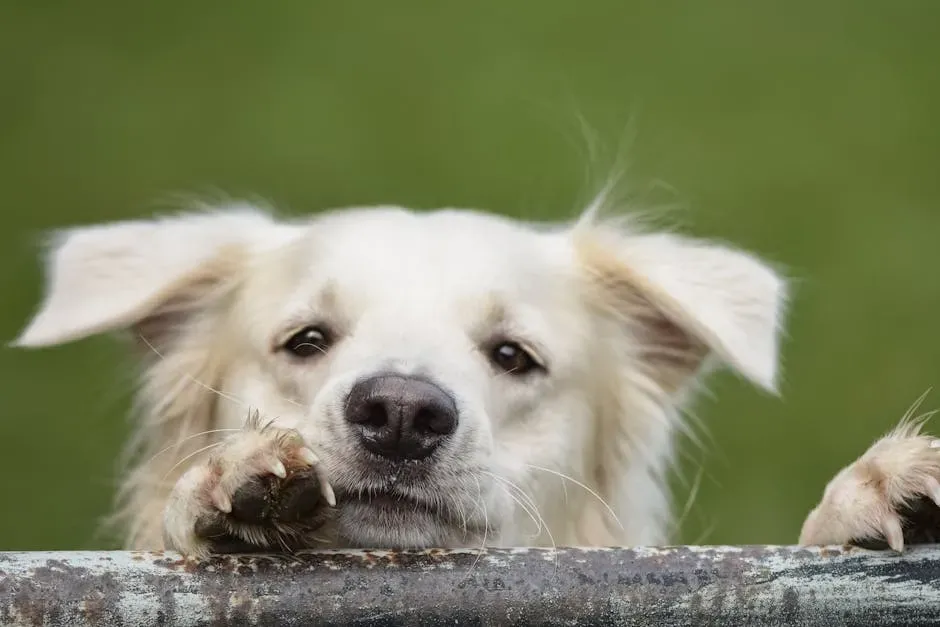
That classic guilty look – ears back, head down, eyes big and soft – feels like a confession, but science paints a different picture. Studies have found that this expression appears most reliably when a dog is being scolded or when the owner’s tone suggests anger, regardless of whether the dog actually did anything wrong. In other words, the “guilty” look is less about moral awareness and more about responding to your emotional cues to avoid conflict.
Dogs are experts at reading subtle shifts in human posture, voice, and facial expression, and they quickly learn which behaviors soften our reactions. The tucked posture and pleading eyes function as appeasement signals, designed to de-escalate tension with a more powerful social partner. So while your dog may associate certain actions with your displeasure, that heartbreaking look is about fear and peacekeeping, not an internal legal trial.
Conclusion: Your Dog Is Not Random, You’re Just Late to the Story
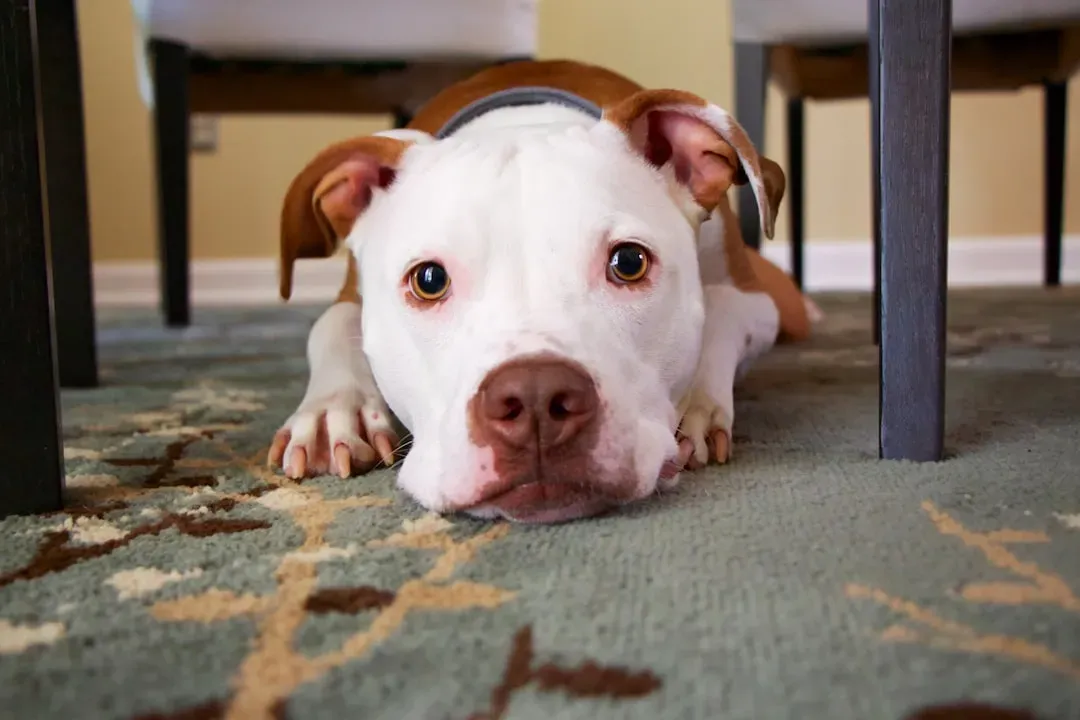
Once you see how many of your dog’s everyday quirks come from hardwired instincts, sophisticated senses, and learned social strategies, it becomes much harder to dismiss them as “just being silly.” They are running ancient survival software inside a modern apartment, constantly trying to decode a human world that makes very little biological sense. In that light, even the annoying habits start to look like clever adaptations rather than stubborn disobedience.
Personally, the more I learn about the science behind dog behavior, the more embarrassed I am by how often I misread my own dog in the past – and the more determined I am to do better now. We expect them to understand our words, schedules, and rules, yet we rarely bother to learn their side of the conversation. Maybe the real question is not why your dog is so strange, but why it took us this long to listen to what their behavior has been telling us all along; now that you know, what will you pay attention to differently the next time your dog “acts weird” in front of you?


