
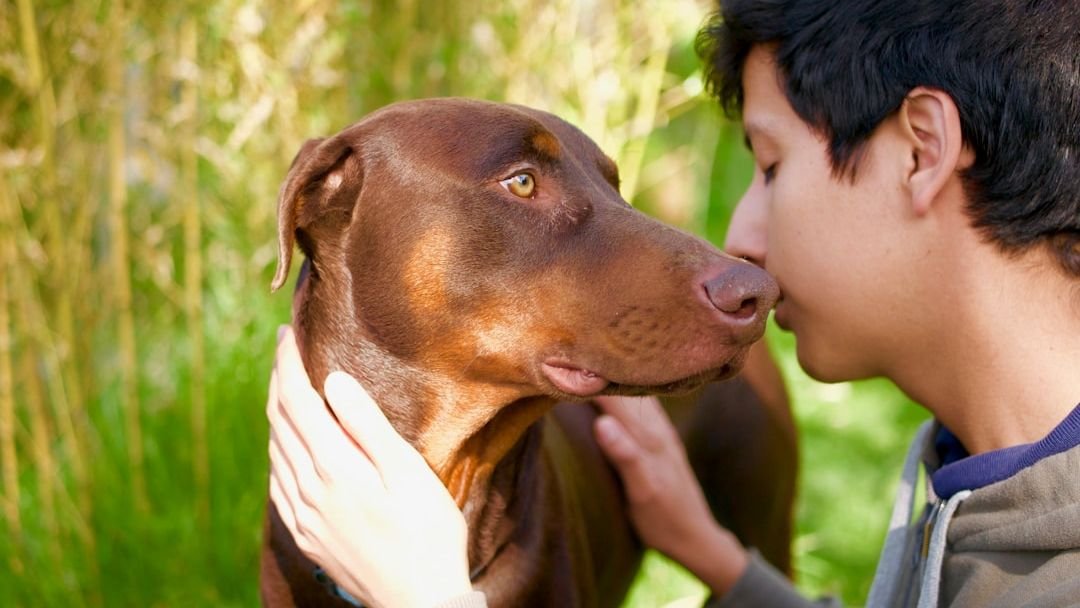
Most dog owners have felt it at some point. You come home after a hard day, barely say a word, and your dog immediately presses close to you, tail low, eyes soft, just present. No fanfare, no demand. Just a quiet, steady kind of knowing. It doesn’t feel like coincidence, and as it turns out, it isn’t.
Science has spent the last few decades catching up to what dog owners have suspected for centuries: dogs are genuinely attuned to human emotion in ways that are detailed, multi-sensory, and deeply rooted in evolutionary history. The connection between humans and dogs isn’t just sentimental. It’s biological, behavioral, and remarkably well-researched.
Dogs Are Reading Your Face Right Now

Every time you look at your dog, there’s a good chance they’re looking right back, and actually processing what they see. In one landmark study, scientists demonstrated that dogs differentiate between happy and angry human faces, and that dogs find angry faces to be aversive. That’s not guesswork from your pup. That’s a genuine perceptual response to your expression.
Researchers have found that dogs have a dedicated region of the brain for processing human faces, which helps explain their exquisite sensitivity to human social cues. Think about that for a moment: your dog’s brain is neurologically wired to focus on your face. Dogs not only read our facial expressions, but they also communicate with us using their own facial expressions. Scientists found that dogs produced far more facial movements when a human was watching than when a human was not.
Dogs do not have to understand every spoken word to get the gist of a conversation, especially since only roughly a tenth of what humans communicate is actually verbal. Non-verbal posture, gestures, body carriage, and facial expressions communicate the vast majority of what we have to say, so our dogs have learned to monitor these physical actions very closely. In practical terms, your dog may understand your mood better from your posture than from anything you say out loud.
They Can Literally Smell Your Stress
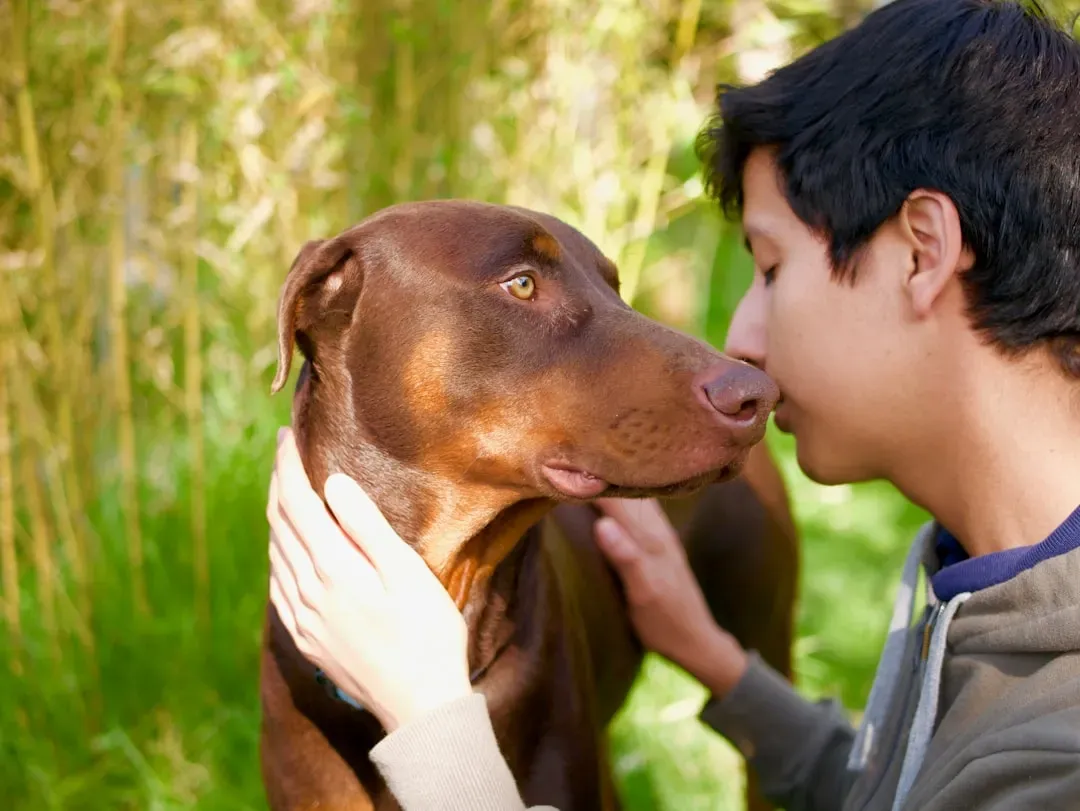
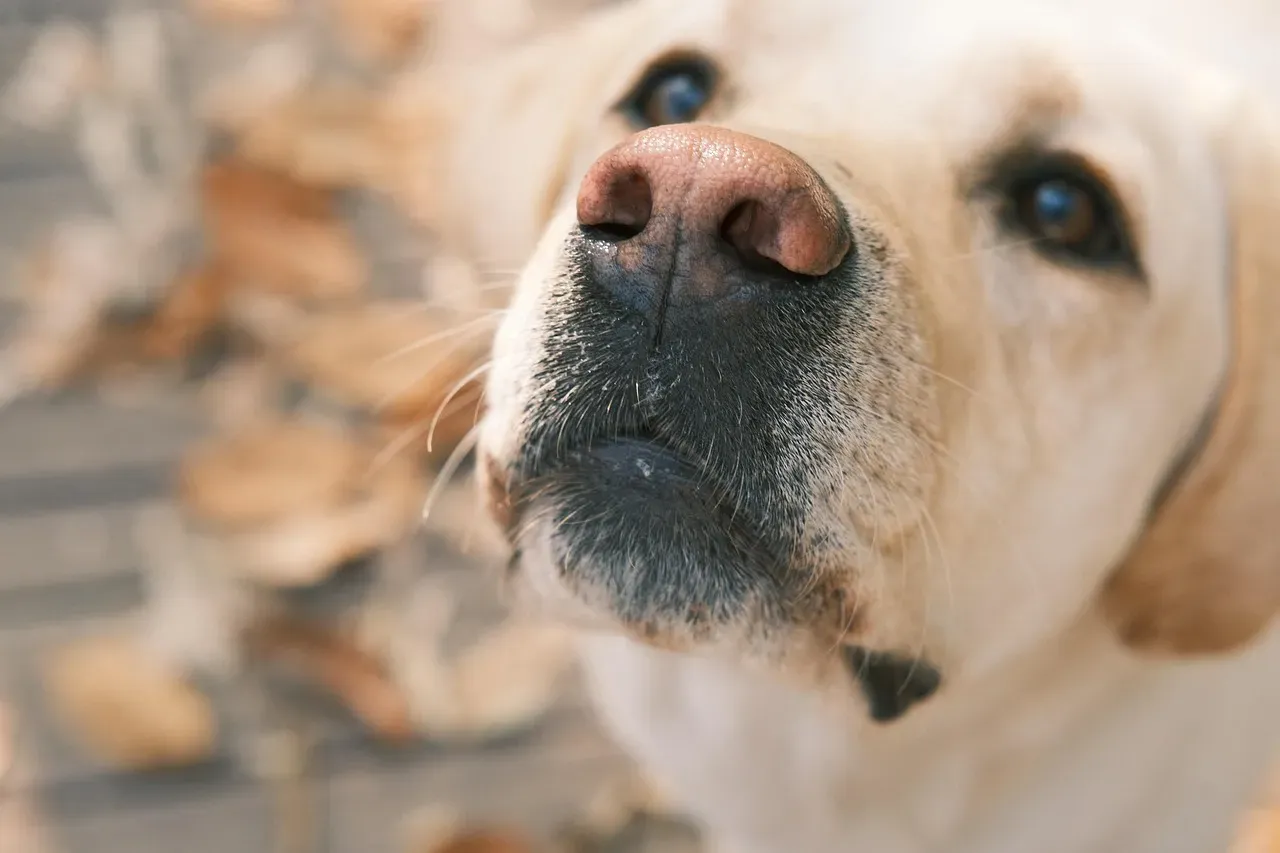
Here’s something most people don’t realize: when you’re anxious, your body chemistry changes. And your dog notices. Research provides evidence that dogs can detect an odor associated with acute stress in humans from breath and sweat alone, which provides a strong foundation for investigations into emotional contagion, confirming there is a chemical odor component to acute negative stress that can be detected without visual or vocal cues.
Dogs have evolved to read verbal and visual cues from their owners, and previous research shows that with their acute sense of smell, they can even detect the odor of stress in human sweat. Researchers found that not only can dogs smell stress, represented by higher levels of the hormone cortisol, they also react to it emotionally. A University of Bristol study showed that when dogs were exposed to the scent of stressed strangers, they were significantly less likely to approach a bowl placed at an ambiguous location, indicating possible risk-reduction behaviors in response to the smell of human stress.
The practical takeaway here is real and worth sitting with. Research found that when a stress odor was present, dogs were less likely and slower to approach a bowl they were uncertain about, suggesting that being stressed around your dog, or even just being around the smell of another person who is stressed, may have a negative effect on your dog’s mood and possibly even your relationship with your dog. Your emotional state, in other words, is not your private business when a dog is nearby.
The Science of That Look Your Dog Gives You
If you’ve ever locked eyes with your dog and felt a surge of warmth, that’s not just a feeling, it’s a hormonal event. Research found that mutual gazing increased oxytocin levels, and sniffing oxytocin increased gazing in dogs, an effect that transferred to their owners. Wolves, who rarely engage in eye contact with their human handlers, seem resistant to this effect. That distinction matters: this is something unique to dogs, shaped by thousands of years of living alongside humans.
While interacting with each other or even just looking into each other’s eyes, research has found that people and their dogs experience the release of oxytocin, often called the “love hormone,” though the hormone’s effects are more complicated than that, given that it can foster trust and generosity in some situations. A study in Frontiers in Psychology found that the extent to which emotional contagion occurs between humans and their canine companions increases along with the time spent sharing the same environment. The longer you’ve lived together, the deeper that emotional attunement becomes.
Dogs don’t just observe your emotions; they can “catch” them too. Researchers call this emotional contagion, a basic form of empathy where one individual mirrors another’s emotional state. A study found that some dog-human pairs had synchronized cardiac patterns during stressful times, with their heartbeats mirroring each other. That is not poetry. That is measurable physiology shared between two species.
Your Dog Reacts Differently When You’re Sad or Happy

It might be tempting to dismiss your dog’s behavioral shifts as coincidence, but the research says otherwise. Dogs behaved differently depending on the owner’s emotional state: they gazed and jumped less at owners when they were sad, and their compliance with commands was also diminished. A withdrawn, quieter version of your dog when you’re going through something difficult isn’t indifference. It’s responsiveness.
Dogs have been empirically shown to be particularly sensitive to human emotions. They discriminate and show differential responses to emotional cues expressed through body postures, facial expressions, vocalizations, and odors, and emotional cues can influence their behavior. This isn’t one channel of communication. It’s several, running simultaneously. Your tone, your posture, your scent, and your face are all being read at once.
Dogs also have a knack for adapting to human behavior and emotions. Research has shown that dogs synchronize their behavior with both children and adults and that they produce significantly more facial movements when a human is paying attention to them. So the next time your dog seems “off” in a way you can’t explain, it may simply be mirroring you with more precision than you gave it credit for.
Why We Still Misread Each Other, and How to Close the Gap
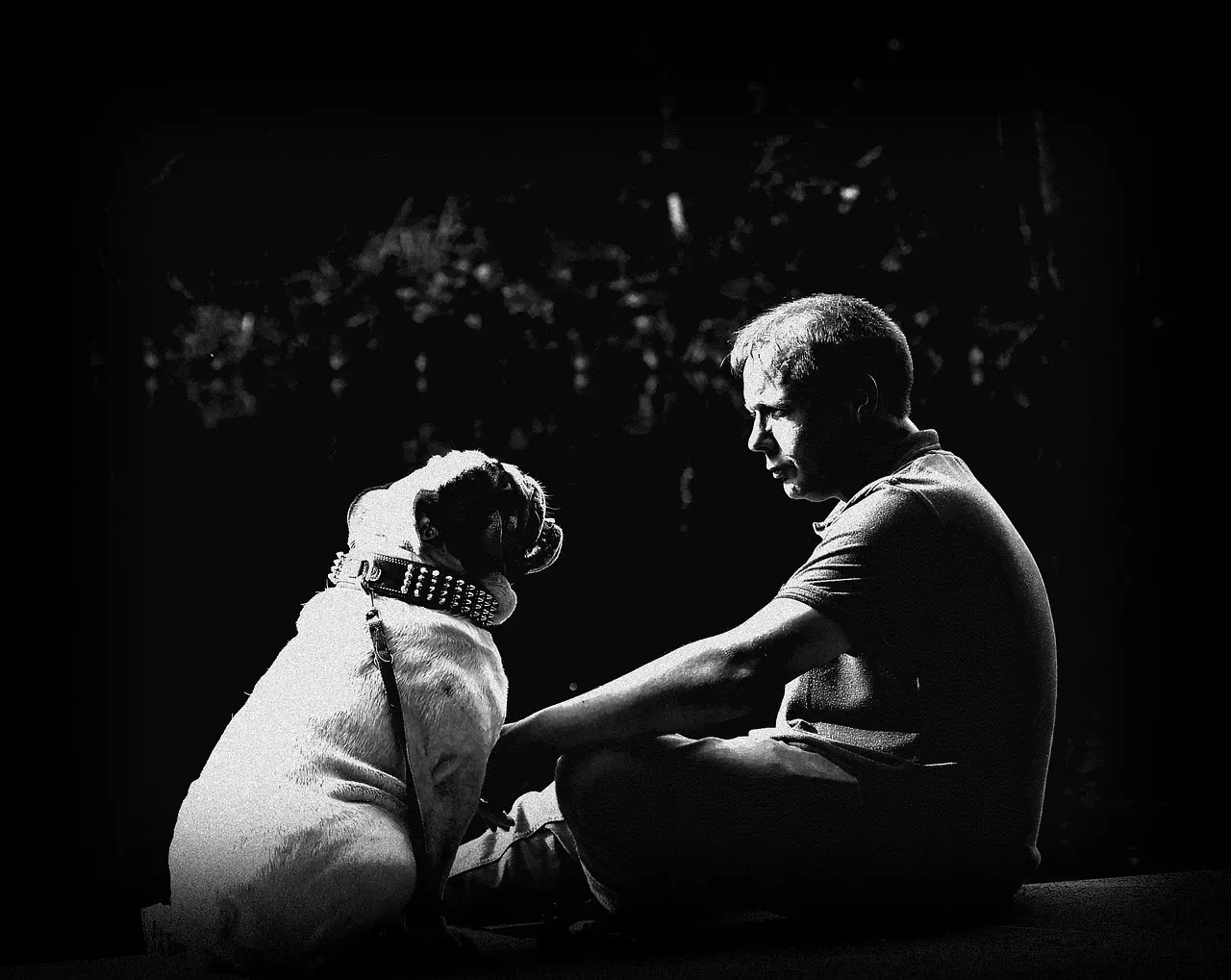
Here’s the twist: while dogs are remarkably good at reading us, we’re often not as skilled at reading them. New research from Arizona State University revealed that people often do not perceive the true meaning of their pet’s emotions and can misread their dog. The reasons include a human misunderstanding of dog expressions due to a bias towards projecting human emotions onto their pets. We tend to judge our dogs by how we would feel in a similar situation, which isn’t always accurate.
No dog body language signals act alone. They’re all part of a package. When you read a dog’s communication, look at every signal the dog is using from the tail height to the eye shape. For example, when dogs feel stressed, they’ll pointedly look away and avoid eye contact. People often interpret this as their dog ignoring them or being stubborn, but the dog is expressing discomfort. Learning to read the full picture, rather than one isolated cue, makes a meaningful difference.
There are several concrete things you can do right now to strengthen that two-way understanding:
- Watch your dog’s ears and eyes together, not just one at a time. Ears pinned to the side of the head signal fear, anxiety, or stress. When ears come closer together across the top of the head, it’s generally a positive sign.
- Notice lip licking. Dogs mouth-lick when they see angry human faces, and mouth-licking may serve as an appeasement signal, a way for a dog to respond to perceived negative emotion in a human companion.
- Respect the look away. When your dog breaks eye contact during a tense moment, they’re trying to de-escalate, not dismiss you.
- Be mindful of your own stress. Maintaining a relationship based on positive reinforcement and engaging activities is the best way to keep your dog happy.
Conclusion: A Bond Built on Something Real
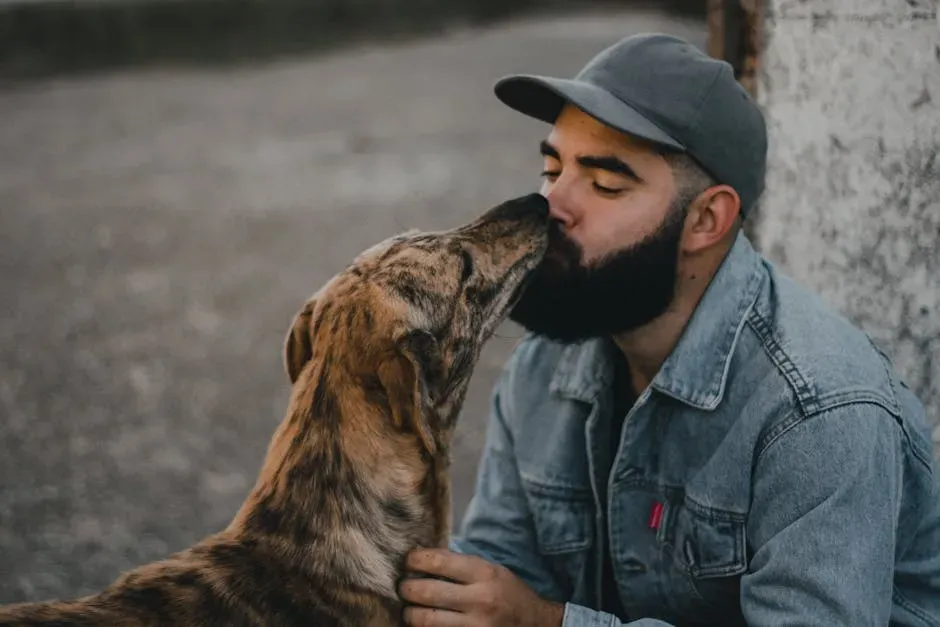
The relationship between humans and dogs has been built over tens of thousands of years, and it shows in the biology. Dogs are not only passive in their own emotional experience but are also active subjects for expressing their emotions in a communicative way and for recognizing the emotions and emotional expressions of others. They are very well adjusted to their multispecies groups, families, and life dynamics.
What all of this research points toward is something that deserves more than just appreciation; it deserves action. Your dog is paying close attention to you every single day. They’re reading your face, your posture, your scent, and your mood. The question worth asking isn’t just “does my dog understand me?” It’s “how well do I understand my dog in return?”
The gap in that understanding is closeable, and closing it makes the bond more honest on both sides. That’s not a small thing. For many people, it turns out to be one of the most rewarding relationships they’ll ever have the chance to actually work at.


